
Active· since May 29, 2026
- 108
- days running
- 9
- relaunches
Ad copy
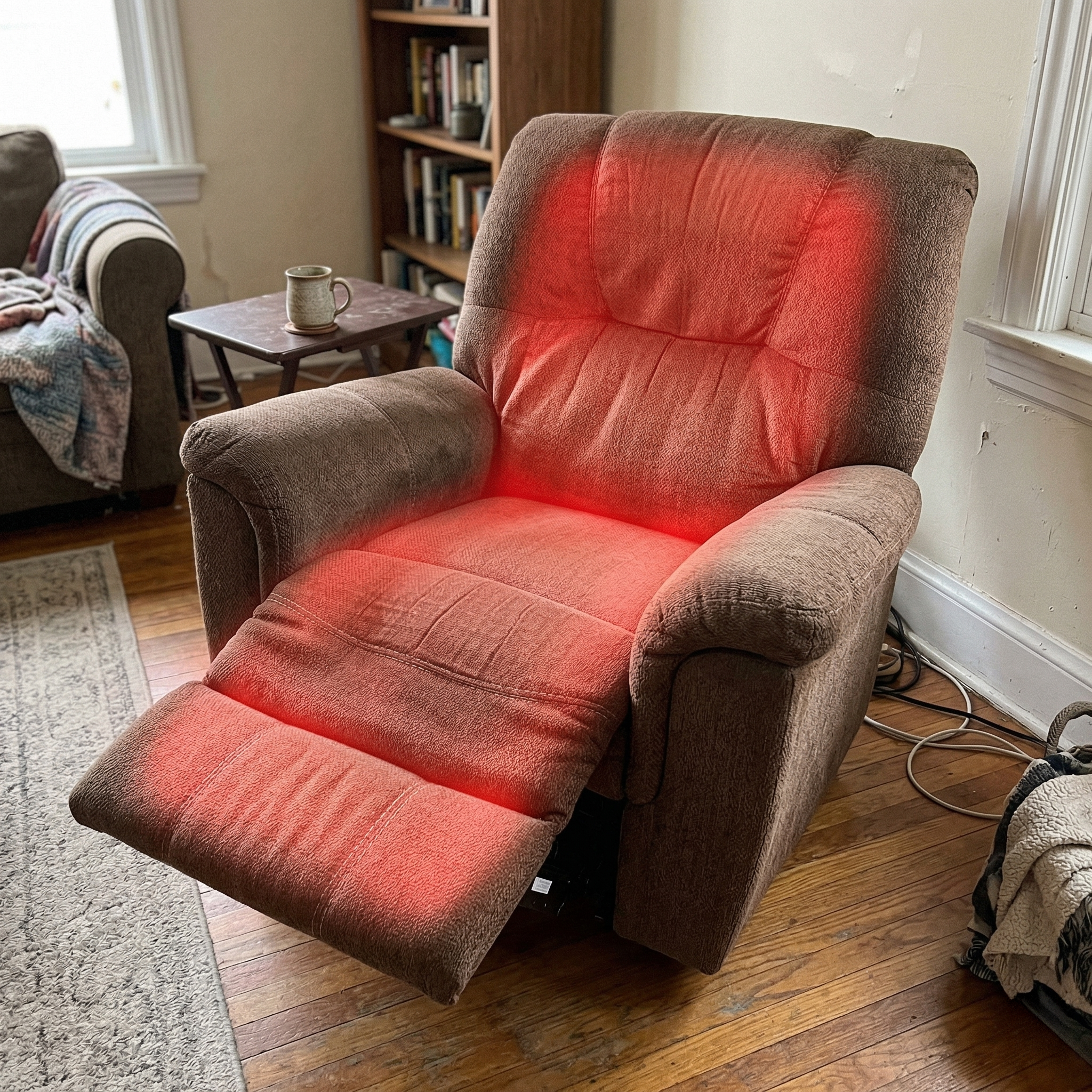
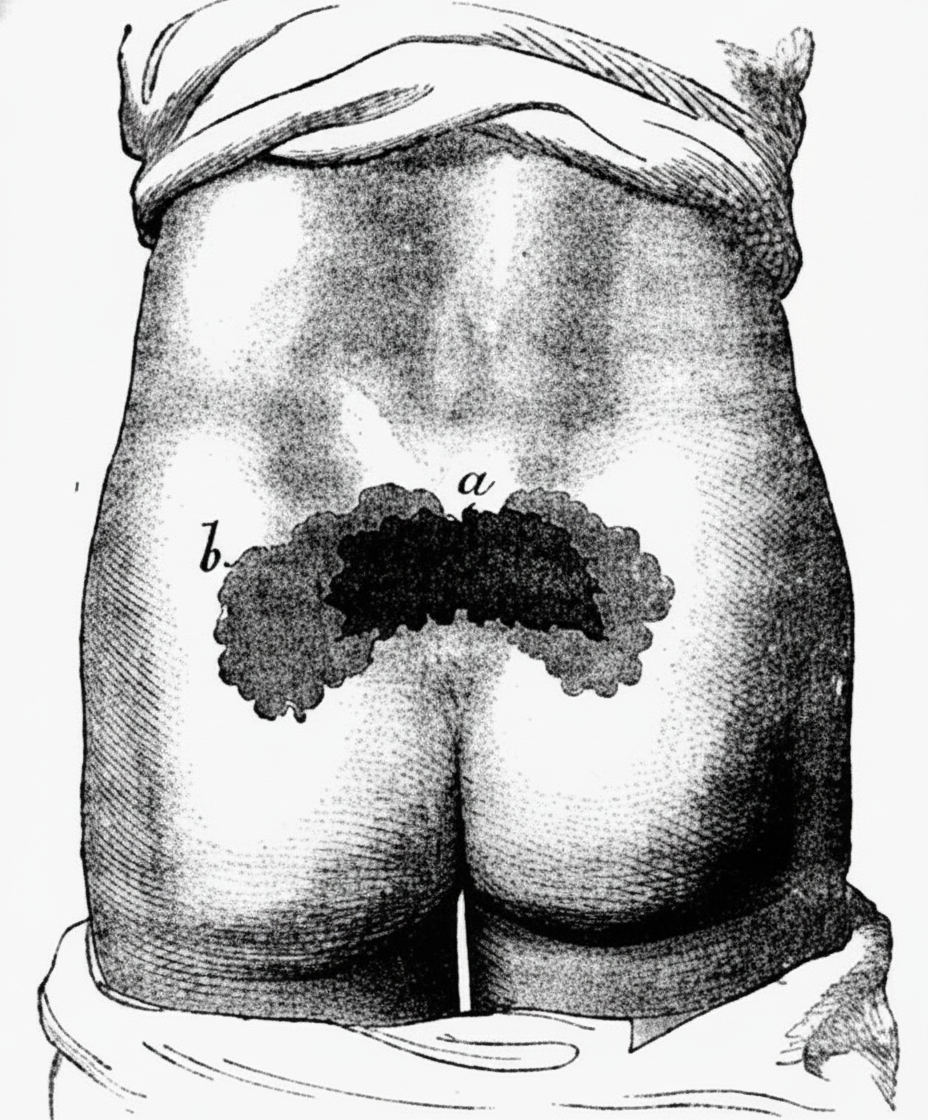
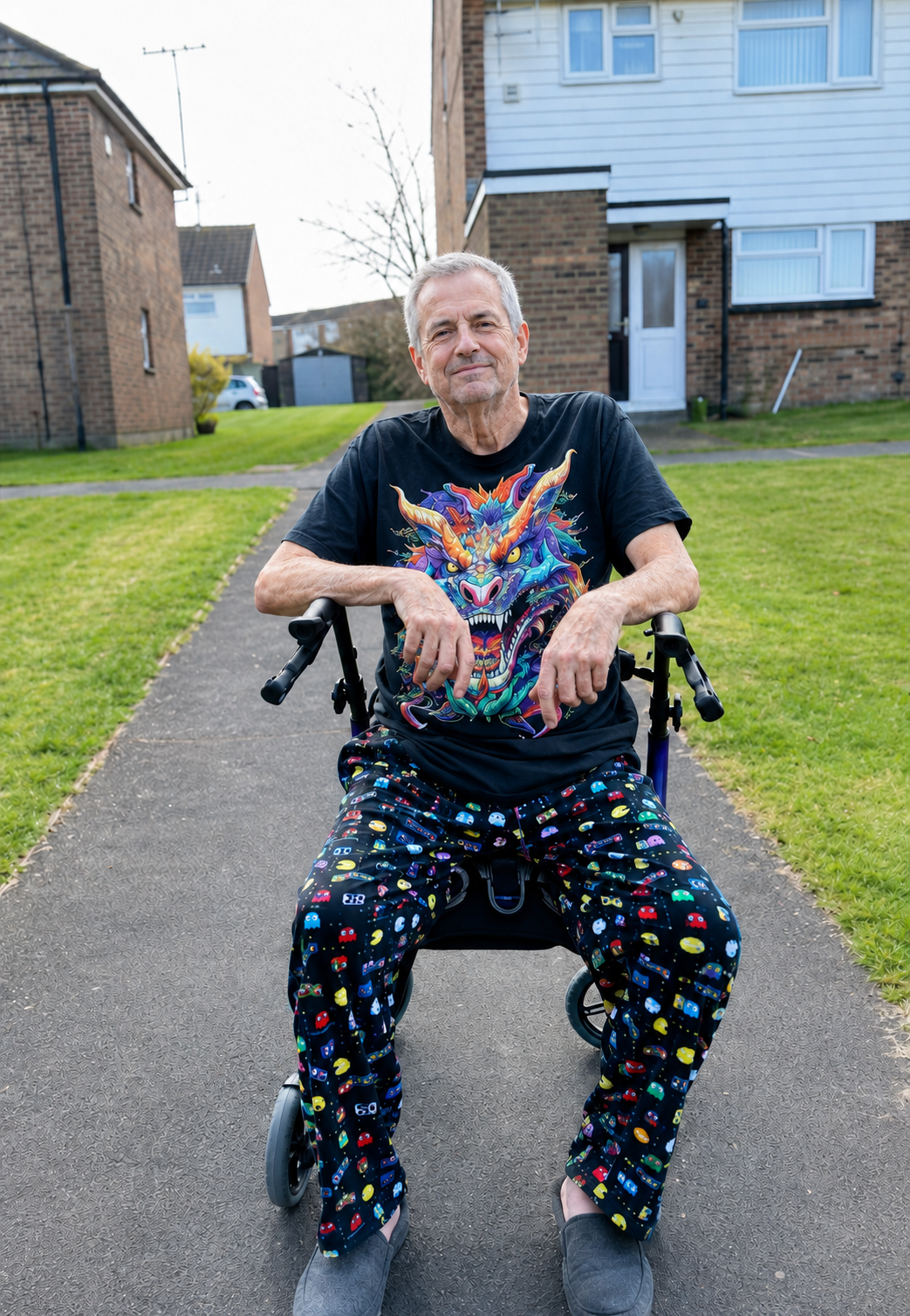
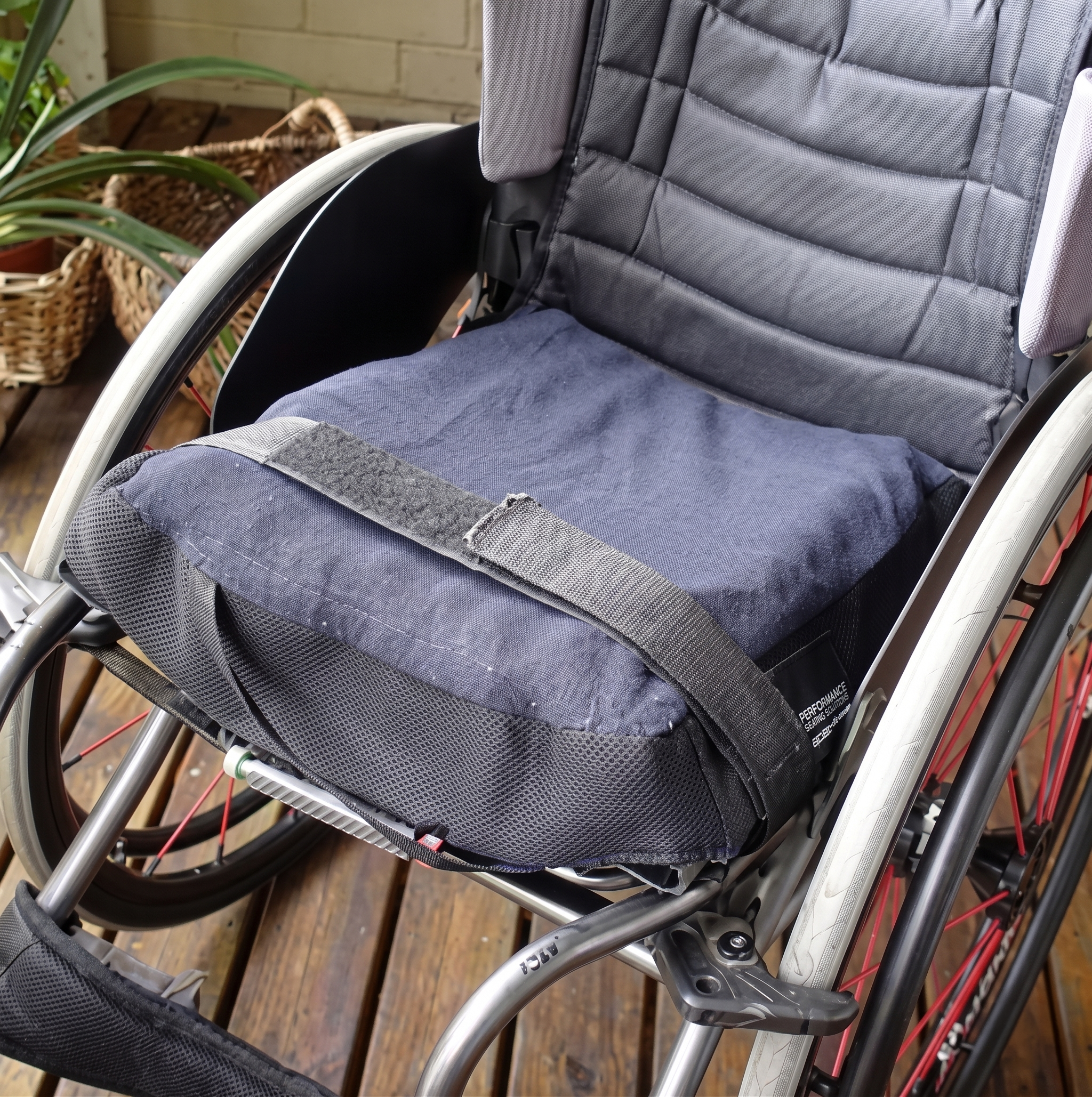
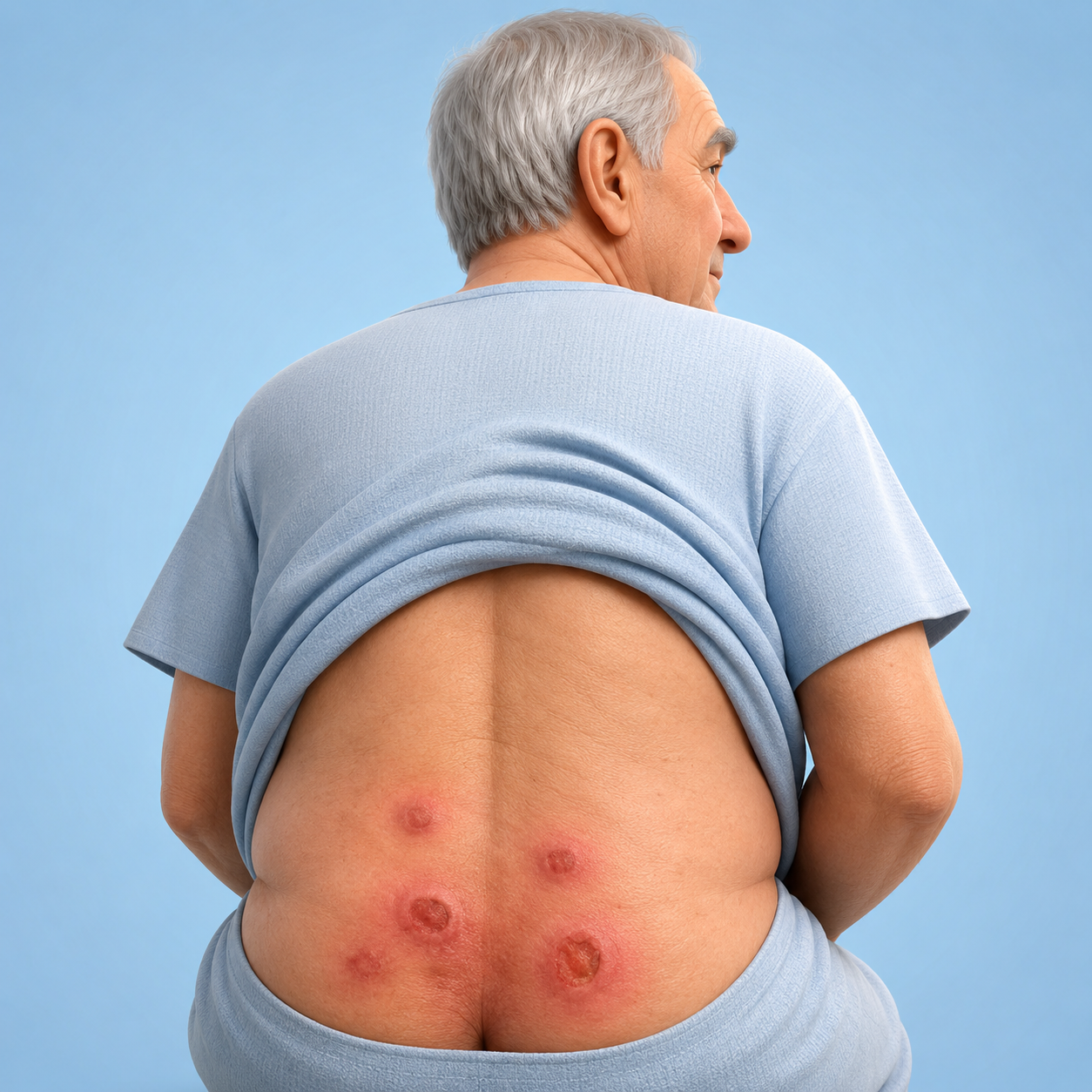
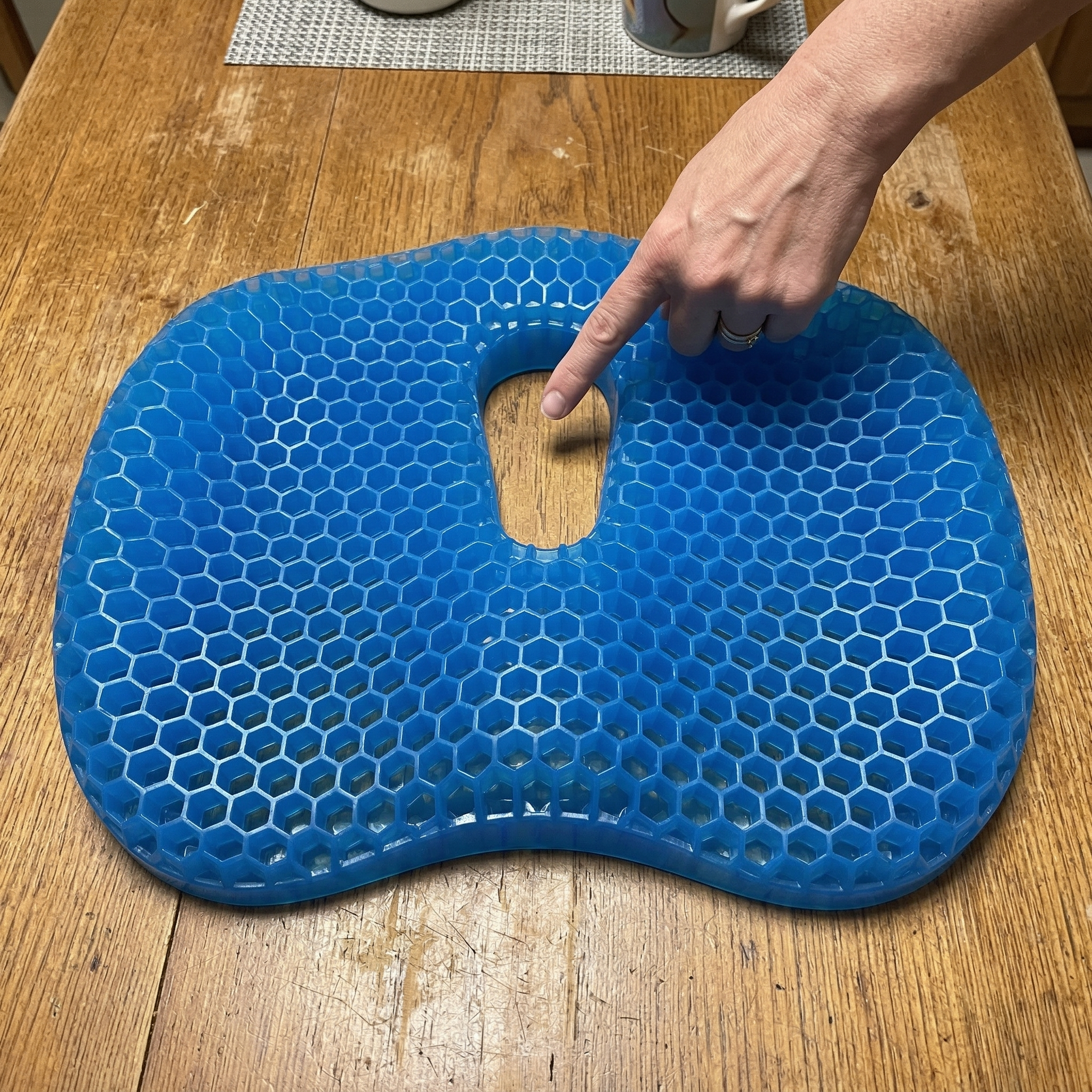
The day my father was diagnosed with Parkinson's, the doctor warned us about his muscles, his balance, his medications. But NOBODY warned us about his recliner. And what sitting in it for hours at a time would do to his skin. If you are the caregiver for someone with Parkinson's, you need to hear this. I’ll tell you exactly what the doctors failed to tell us, because it could prevent the same disaster from happening. You see, as my dad’s condition deteriorated, his world had shrunk to that recliner. Walking around the house took most of his energy. So he was in that chair twelve hours a day, sometimes more. I thought I had him covered. I'd bought him a cushion the week he came home from the neurologist. Thick foam, four and a half stars, dozens of reviews mentioning pressure relief. I thought I had done my duty to protect him. I was WRONG. A home health aide named Sandra changed everything I thought I knew. She asked me to come look at something before she left. My father was still in the chair. She pointed to the base of his spine, just above where the seat met the lumbar curve. There was a reddened area there about the size of a baseball. The skin looked angry and inflamed. "How long has this been here?" I asked. "I'm not sure," Sandra said. "But I want to explain something to you about how Parkinson's changes the way the body handles sitting." "Because this is something I see a lot. And most families don't know about it until they find what we just found." She sat down across from me and explained it in simple terms. In a healthy person, sitting involves constant small movements. A shift of weight every few minutes. A lean in one direction, then back. A crossing and uncrossing of legs. These movements are not deliberate. The body does them automatically, responding to pressure signals from the skin and tissue. They are what keep blood flowing to the tissue underneath. They are what keep skin alive. So when you’re healthy, your body naturally relieves pressure build up “Parkinson's takes all of that away,’ she said. The muscle rigidity, the effort every small movement requires, the fatigue that comes with the disease, all of it means the body stops making those automatic pressure adjustment. A person with Parkinson's can sit in the exact same position for hours without shifting once. Not because they're comfortable. Because the disease has eroded the system that would signal him to move. What she said next made me sick to my stomach. When that stops happening, tissue gets compressed against the tailbone and sit bones continuously, with nothing to interrupt it. The pressure builds against the same spots for hours. After age 70, skin loses roughly 30% of its thickness. The fat layer that normally provides a buffer deteriorates. Tissue becomes fragile. And under that kind of sustained pressure, it can start to break down in as little as two hours. "He can't feel it happening?" I asked. "He may feel discomfort," Sandra said. "But Parkinson's also affects the ability to locate and respond to that kind of low-level signal." "And he's probably learned to associate some level of discomfort with the disease itself. So he sits with it." I felt genuinely ashamed. I had bought a cushion and assumed he was fine. He was not fine. Sandra then asked to see it. She pressed her hand into the center and it went straight to the base. "This foam bottomed out a long time ago," she said. "He's been sitting on the chair frame." "It still looks thick, so it seems like it's working. But it's not doing anything." I hadn't known that was possible. That a cushion could fail completely and give no sign of it. She explained why it happens. "Foam compresses," she said. "It absorbs pressure from the top, which means the heaviest points press straight through first. That's exactly where your father's sitting bones and tailbone are." "The foam fails most where he needs it most. And because it still looks thick from the outside, you have no idea it stopped working." "The cushion that's supposed to relieve pressure and keep blood moving through his skin has silently failed him. Meanwhile the damage keeps building." Then she told me about a specialized seat cushion I’d never heard of before. She said this technology has been standard in hospital pressure injury prevention for decades. In ICU beds. In surgical recovery units. "It’s called a honeycomb gel cushion and it’s designed to relieve pressure for patients who can’t do it themselves.” She explained how the technology works. “The gel columns, when weight is applied, buckle sideways instead of compressing flat. The pressure spreads across the entire surface. No single point takes it all… Blood keeps moving. Tissue stays protected." Patients like my father need a cushion to do the weight distribution for them to maintain healthy blood flow. "His body used to do this automatically," Sandra said. "The disease took that away. The cushion has to do it for him now." “But not just any gel cushion works,” she added. “Even with the right gel structure the tailbone is still the most vulnerable point. It sits lower than everything else. In most cushions, including most gel cushions, it still makes direct contact with the surface. The surrounding tissue gets relief. The tailbone itself doesn't. So, she recommended the MediGel cushion. It has a tailbone cut out built directly underneath where the tailbone sits. I ordered it that evening. When it arrived I pressed my fist into the surface and felt the columns give sideways, not down. I pressed harder. Couldn't reach the base. Then I found the cutout and understood exactly what she'd described. There was nothing there for the tailbone to press against. That was the whole point. I put it under my father the next morning. Three weeks later Sandra checked carefully at her next visit. The wound had closed. The skin over his tailbone was normal coloring. She said she was satisfied with what she saw. My father still has Parkinson's. He still spends most of his days in that recliner. None of that is going to change. But I understand now what I didn't understand the day he was diagnosed. The disease didn't just change how he moves. It changed how sitting affects his body. And the cushion I felt so good about buying had been doing nothing for months while the damage built quietly underneath him. If your parent has Parkinson's and spends their days in a chair, the neurologist may not have mentioned this. Most don't. The GP probably didn't either. The MediGel is what I use. The link below shows how the honeycomb gel and the tailbone cutout work together. The cushion has one job: to do what their body can no longer do, silently, all day, without asking anything of you or them. Put the right thing in that chair. It's one of the most important things you can do for them right now.
Like this ad? Make it yours.
Crush rebuilds this exact creative around your product — your brand, your colors, your offer — in about a minute.