Daily Wellness Report
Daily Wellness Report Facebook ad: “Read this if your child's height is worrying you”

Ran for 11 days, from January 26 to February 6, 2026, the last day Crush saw it.
Run by Daily Wellness Report on Facebook. Crush is not the advertiser and does not verify its claims. See this ad in Meta's Ad Library(opens in a new tab)
Want an ad like this for your product?
Crush makes new ad images for your product from this ad: your logo, your product photo, your offer.
Trials from $19.95 USD, then $79.95 USD a month. Cancel anytime.
About this ad
- Meta Ad Library ID
- 1538759484058191
- Platforms
- Facebook, Instagram, Audience Network, Messenger and Threads
- Relaunches
- 0
- Niche
- Parenting & Kids
Ad text
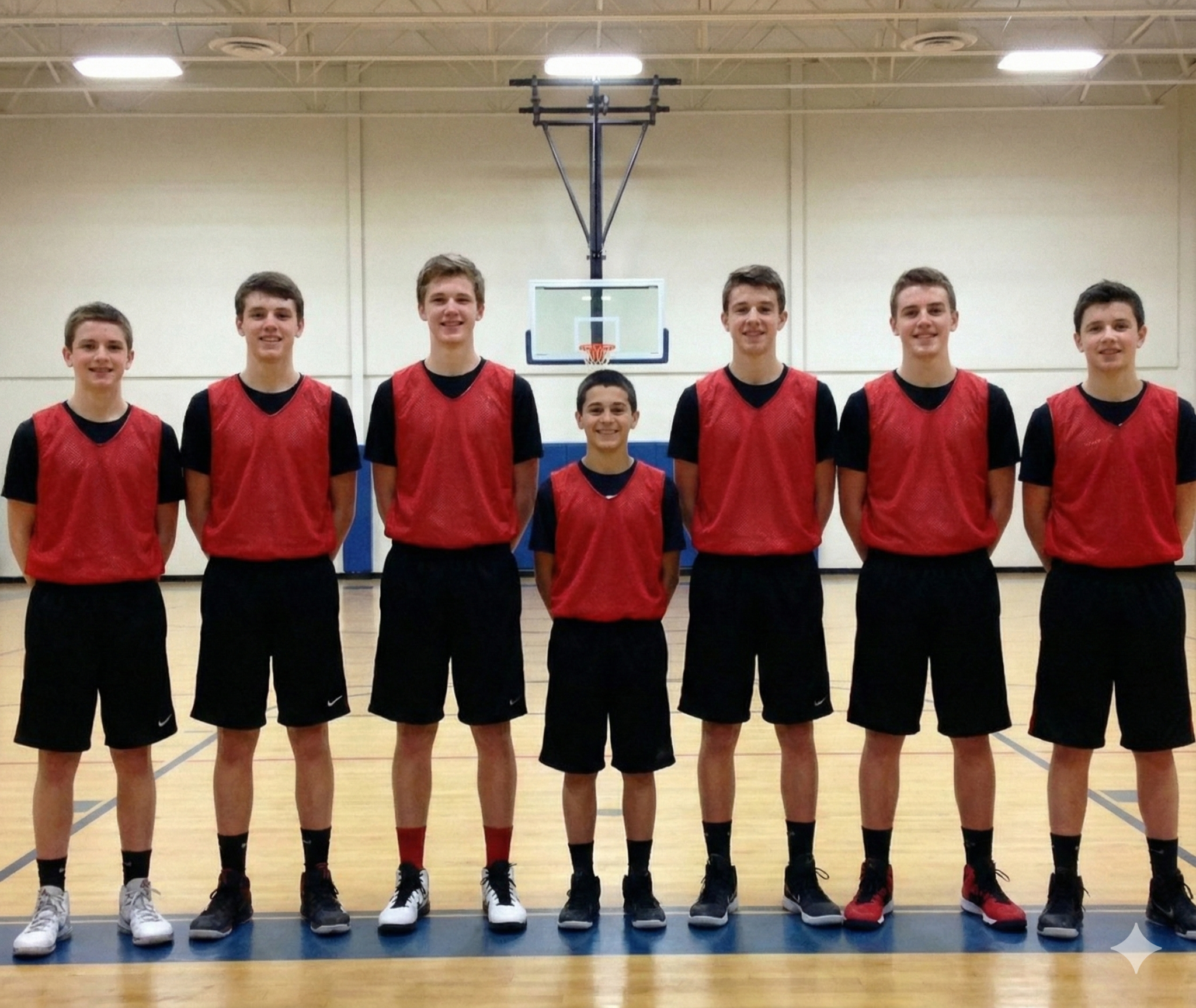
Please STOP trying to make your athlete taller. I know that sounds insane. But every time you buy another height vitamin or add another scoop of protein, you might be wasting the most critical window your child will ever have. Let me explain. I used to be just like you. Standing in the supplement aisle at GNC, reading the back of TruHeight bottles, wondering if this was finally the one that would work. Ordering NuBest Tall capsules. Two bottles. $118. Making protein shakes every morning before school. Optimum Nutrition. Then MuscleTech. Then the expensive grass-fed stuff from Whole Foods. Adding extra milk at every meal. Eggs for breakfast. Salmon twice a week. Month after month, my son got stronger. His conditioning improved. His coaches noticed his work ethic. And month after month, he stayed one of the shortest kids on his team. I kept telling myself it would kick in. Late bloomer. Growth spurt coming. His dad didn't get tall until junior year. But junior year came. And went. The breaking point happened at basketball tryouts last November. My son—5'4" in a gym full of kids pushing 5'9", 5'10", a few already over six feet. I watched from the bleachers as he ran every drill. His footwork was clean. Shot was consistent. Defensive positioning was textbook. I could see the coaches watching him. Day three, they posted the roster. His name wasn't on it. I found the head coach in the parking lot after everyone left. "Can I ask why?" I said. "He outworked half those kids." The coach looked at his shoes. "Look, your son has great fundamentals. Really great. Probably the best ball-handler who tried out." He paused. "But at this level, size matters. The other kids would just... run through him. I'm sorry." I wanted to argue. But I couldn't. Because he was right. The drive home was silent. My son just stared out the window. Didn't say a word. I kept doing the math in my head. Eighteen months of TruHeight. $400+. Two years of protein shakes. Another $600. The sleep schedule we enforced. The diet we optimized. And none of it mattered because he wasn't tall enough. That night I couldn't sleep. I started Googling things I'd never searched before. "Why isn't my son growing despite good nutrition" "Height supplements not working" "How to actually help teenager grow taller" Mostly garbage. Ads for more supplements. Articles about genetics. Then I found something that made me feel sick. A recorded lecture from a pediatric sports medicine conference. Some parent had uploaded it to YouTube. Grainy video, bad audio. But what this doctor said stopped me cold. "Parents," he said, "if your child is short for their age and you're loading them up with height supplements and extra nutrition, you need to understand something. You're probably feeding the wrong biological system entirely. And you might be wasting the only window you have to make a difference." The room in the video went quiet. "Here's what most parents don't realize," he continued. "Height—linear bone growth—requires two things to happen. First, calcium and minerals have to actually reach the bones. Not just enter the body. REACH the bones. Second, the growth plates have to receive a signal to USE those materials. To actually build. Most parents are doing neither." He pulled up a slide. "Let's start with calcium. Your child drinks milk. Takes supplements. Eats well. But here's the problem—up to 80% of dietary calcium never reaches the bones. It enters the body, circulates in the bloodstream, and gets excreted. Wasted. Why? Because calcium doesn't have a GPS. It doesn't automatically know to go to bones. There's a protein called osteocalcin that literally GRABS calcium from the bloodstream and deposits it into bone tissue. It's like a delivery driver with an address. But osteocalcin has to be ACTIVATED to work. And it's activated by Vitamin K2. Without K2, osteocalcin stays inactive. Calcium floats around with nowhere to go. Your child isn't calcium deficient. They're calcium MISDIRECTED. All that milk. All those supplements. Going nowhere." My stomach dropped. I thought about the glass of milk I made my son drink every single morning. "Now here's the second problem," the doctor continued. "Even if calcium reaches the bones, the growth plates have to receive a signal to build. Think of growth plates like a construction site. You can have all the building materials in the world—concrete, steel, lumber—sitting in a pile. But if the foreman never shows up to tell the workers to build, nothing happens. Materials just sit there. In your child's body, the 'foreman' is a growth signal called IGF-1. IGF-1 tells growth plates to activate. To use the materials. To actually lengthen the bone. Without adequate IGF-1 signaling, you can optimize nutrition all you want. The construction site stays dormant. This is why two kids can eat the same diet, take the same vitamins, get the same sleep—and one grows six inches while the other grows two. It's not just about the materials. It's about the SIGNAL." He paused. "Most height supplements on the market—your TruHeights, your NuBests—they focus on adding more materials. More calcium. More Vitamin D. More zinc. That's fine. Good ingredients. But they don't address K2 activation. They don't address IGF-1 signaling. They're delivering more lumber to a construction site where the foreman never shows up. You're not failing because you're not doing enough. You're failing because you're feeding the wrong process." I watched that section three times. This explained everything. Why the milk didn't work. Why TruHeight didn't work. Why my son's nutrition was "perfect" and he still wasn't growing. I had the materials. I was missing the activation. The doctor kept going. "Now—here's what parents really need to understand. This isn't something you can fix later. Growth plates close. Permanently. For girls, typically between 14 and 16. For boys, between 16 and 18. Once those plates close, no supplement, no diet, no intervention can add height. Ever. The bone is done growing. Forever. Every month you spend adding more materials without addressing activation is a month of your child's growth window you can't get back. This isn't me trying to scare you. It's just biology. The window closes whether you've optimized it or not." I felt my chest tighten. My son was 15. Maybe two years left. Maybe less. How much of that window had I already wasted? "So what actually works?" someone in the audience asked. The doctor nodded. "There's research on a botanical extract blend called HT042. It's been studied specifically for height support in children. One clinical trial showed 0.45 centimeters of additional height gain in children below the 10th percentile—not from adding more nutrients, but from activating IGF-1 signaling. It's a specific combination of three extracts: Astragalus membranaceus root, Eleutherococcus senticosus stem, and Phlomis umbrosa root. They work synergistically to support the growth signal pathway. Combine that with K2 to activate osteocalcin—so calcium actually reaches the bones—and you're addressing BOTH problems. The signal AND the delivery. That's the approach that makes biological sense. Not more materials. Better activation." I paused the video. Searched "HT042 height study." Found the research. It was real. Published. Peer-reviewed. Then I searched for supplements that combined those ingredients with K2. Most height supplements had neither. TruHeight? No HT042 ingredients. No K2. NuBest? Same thing. PediaSure? Not even close. Then I found Grow Spark. Same extract blend as the HT042 research—Astragalus membranaceus, Eleutherococcus senticosus, Phlomis umbrosa. K2 as MK-7—the most bioavailable form—to activate osteocalcin. Vitamin D3 paired with the K2 for absorption. Zinc Picolinate—not the cheap zinc oxide that barely absorbs—for growth plate support. Magnesium Bisglycinate for bone density during elongation. It was the first formula I'd seen that actually matched what the doctor described. I ordered two bottles that night. I didn't tell my son. After so many failures, I couldn't handle another "this one didn't work either" conversation. It arrived four days later. Two capsules daily with breakfast. Thirty seconds. No shakes to make. No timing around workouts. I marked his height on the wall in the garage. Told him it was just for fun. Week one, nothing. Week two, nothing obvious. Maybe sleeping a bit deeper. Hard to tell. Week four, I measured again. Up about a third of an inch. I told myself it was measurement error. Posture difference. Wishful thinking. Week eight, I measured again. Twice to be sure. Half an inch above the original line. His basketball shorts—the ones that fit perfectly in September—were suddenly a little short. I didn't say anything. Just kept giving him the capsules. Week ten, his teammate's mom said something at pickup. "Is your son getting taller? He looks different." Week twelve. Three months. I took him to the pediatrician for a regular checkup. Didn't mention the supplement. She measured him. Looked at the chart. Measured again. "He's grown about an inch since his last visit," she said. "That's solid growth velocity. Whatever you're doing, keep doing it." An inch in three months. After eighteen months of TruHeight and protein shakes that got us nowhere. Here's what happened next. Month four, open gym started. Unofficial practices before spring tryouts. Same gym. Same coaches. A lot of the same kids. My son walked in. I could tell something was different in how he carried himself. He still wasn't the tallest kid there. Not even close. But he wasn't the smallest anymore either. Month seven, just before tryouts, I measured again. Just under two inches total since we started. Two inches doesn't sound like much on paper. But basketball is a game of margins. Two inches meant he could contest shots he used to wave at. Two inches meant when the bigger kids tried to post him up, he could hold his ground instead of getting pushed under the basket. Two inches meant his coach stopped seeing a liability and started seeing a player. He didn't become the tallest kid on the team. He's still not. But he went from "too small to compete" to "tall enough for his skills to matter." That's all he needed. Tryouts came. Three days. My son ran every drill just like before. But this time the bigger kids couldn't just run through him. Day three, they posted the roster. His name was on it. He made the team. Not as a pity selection. Not riding the bench. He made the actual rotation. First game, he got real minutes. Not garbage time. The kid who got cut eight months ago for being "too small" was on the court when it mattered. Here's what I didn't expect: I had stopped the protein shakes when I started Grow Spark. Stopped the TruHeight. Stopped all of it. I thought his conditioning would suffer. It didn't. The muscle he'd built was still there. He just had a bigger frame to carry it now. His speed was still there. He just had the stride length to use it. Everything I'd spent two years building suddenly had a body that could compete. That's when I finally understood. I'd spent two years optimizing an athlete who was too short to play. Building muscle on a frame that couldn't compete. Adding materials to a construction site where no one was building. Seven months of Grow Spark—addressing the signal, directing the calcium—and suddenly all that training had somewhere to go. It's been eight months now. My son is 5'6" and still growing. He's not the tallest kid on his team. He probably never will be. But he's tall enough to compete. Tall enough for his skills to matter. He made varsity this fall. As a junior. The coach who cut him is now starting him. If you're reading this and you see yourself in my story, I need you to understand something: You're not failing because you're not trying hard enough. You're probably failing because nobody told you about activation. The calcium GPS problem. The growth signal problem. The closing window. You can't fix what you don't know is broken. Grow Spark addresses both sides—the signal AND the delivery. The extract blend for IGF-1 activation. The K2 for osteocalcin. The bioavailable minerals that actually absorb. It's not magic. It's not going to turn a 5'4" kid into an NBA center. But it might be the difference between "too small to play" and "tall enough to compete." And right now, they're offering a 60-day money-back guarantee. Track your child's height for 60 days. Mark the wall. Take measurements. If you don't see real progress, send it back. Full refund. You risk nothing except the time you've already been wasting on supplements that don't address the actual problem. The growth window is closing. Every month you wait is a month you can't get back. I wasted eighteen months and over a thousand dollars feeding the wrong process. You don't have to. Click here to try Grow Spark: https://mortaine.co/products/grow-spark To finally feeding the right process, A sports parent who learned the hard way P.S. — Growth plates don't care how much potential your child has. They close on their own schedule. If your son is between 10 and 18, you're in the window right now. But "in the window" doesn't mean "unlimited time." The sooner you switch from adding materials to activating growth, the more of that window you can actually use. Don't spend it feeding the wrong biological process.
Where the ad sends people
dailywellnessreport.com
Read this if your child's height is worrying you
Mortaine
Learn more: mortaine.co(opens in a new tab)