
Active· since Jun 18, 2026
- 88
- days running
- 0
- relaunches
- 404
- EU reach
Ad copy
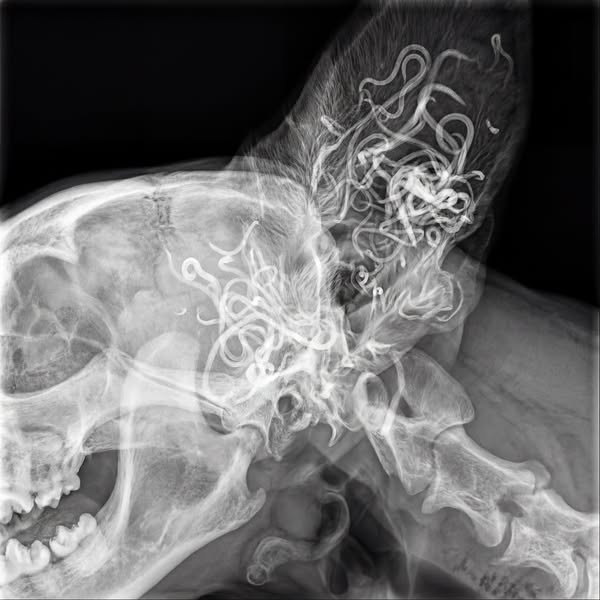
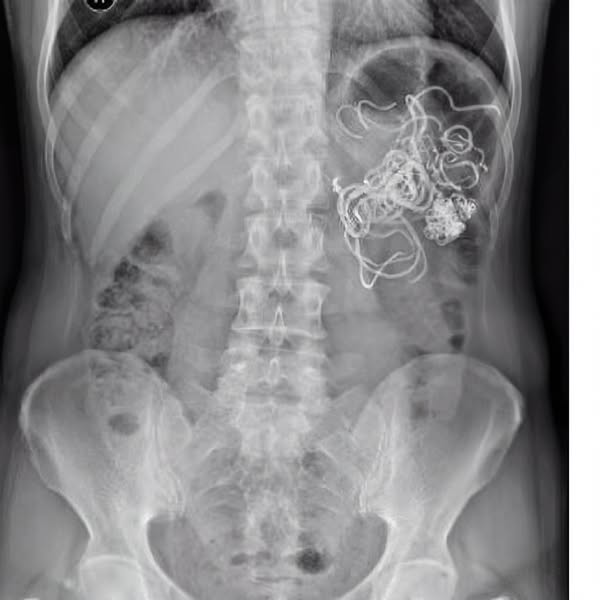
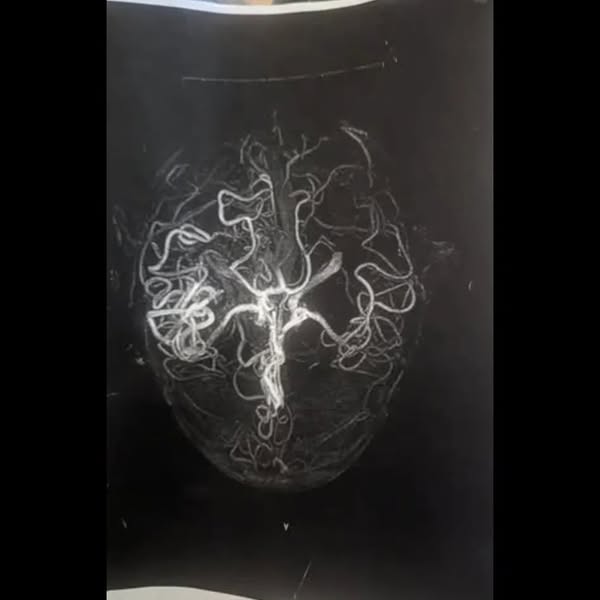
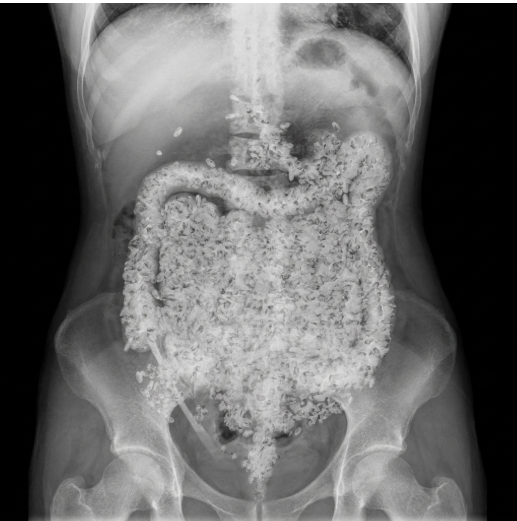
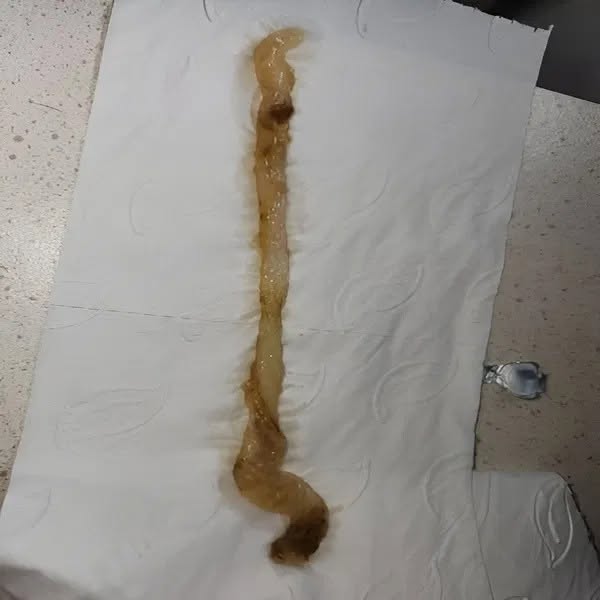
I spent 31 years at the CDC tracking parasitic infections in the American population. The data we collected suggests that an estimated tens of millions of Americans are currently carrying parasitic organisms. Your doctor has probably never mentioned that number to you. There's a reason. I'm going to tell you something that I couldn't say publicly for 31 years because I worked for a federal agency. I'm retired now. I live in Bethesda, Maryland. I have a pension and a vegetable garden and a wife who's been telling me to speak up since 2019. So I'm speaking up. My name is James. I spent my career as an epidemiologist at the Centers for Disease Control and Prevention. Specifically, I worked in the Division of Parasitic Diseases and Malaria. My job was tracking infection patterns in the US population. Studying prevalence data. Analyzing trends. Providing the numbers that were supposed to inform public health policy. The numbers told a story that public health policy chose not to hear. Here's what the data showed, year after year, for three decades. Parasitic infection in the American population is not rare. It is not limited to travelers. It is not limited to immunocompromised patients. It is not a developing-world problem that Americans are exempt from because they have chlorinated water and refrigerated food. The data — our data, the CDC's data — consistently indicated that tens of millions of Americans carry parasitic organisms in their intestinal tracts. The estimates varied by study and methodology. The numbers were never small. And the standard diagnostic tool for finding them — the ova and parasite stool test that your doctor orders when you ask about parasites — misses a significant portion of infections according to the research on how the test is designed. I'll say that again because it's the number that should have changed everything and changed nothing. The standard test misses a significant portion of infections. That means a "normal" test result doesn't mean you don't have parasites. It means the test didn't find them. Those are two very different things. And the American medical system treats them as the same thing. I spent 31 years watching those numbers come in and watching the clinical side of medicine ignore them. Here's why. In the 1940s, the United States ran routine deworming programs. Schools. Communities. Public health campaigns. Deworming was standard. It was considered basic public health hygiene, the same way water treatment and sanitation were standard. In the 1950s, those programs were discontinued. Not because the parasites were gone. Because sanitation had improved enough that the government decided the programs were no longer cost-effective. The calculation was economic, not biological. The parasites didn't respond to the economic calculation. They stayed. But the medical education system responded. Over the following decades, parasitology was progressively deprioritized in American medical schools. By the time I retired in 2022, the average American medical student received minimal parasitology education across 4 years of medical school. Minimal. That means your gastroenterologist — the person you've been seeing for your chronic bloating, your fatigue, your 3 AM wake-ups, your brain fog, your sugar cravings — received minimal training on the organisms that our data suggested were living in tens of millions of Americans. And the primary diagnostic tool available to that gastroenterologist misses a significant portion of cases. This is not a conspiracy. Nobody decided to hide parasites from the American public. It's a structural failure. The deworming programs stopped. The medical training shrank. The diagnostic tools weren't updated. And an entire category of chronic illness was quietly reclassified as "functional" — meaning the tests came back normal, so the problem must be in the patient's stress levels or hormones or diet. IBS. Irritable bowel syndrome. The diagnosis that explains everything and treats nothing. I watched this happen for 31 years. I wrote internal memos. I flagged the data at annual reviews. I sat in meetings where my colleagues and I presented prevalence estimates to people who nodded and moved to the next agenda item. The data existed. The response didn't. I want to tell you what I've learned since retiring. Because retirement gave me two things: time to read outside my specialty, and a wife whose symptoms finally made me put the pieces together. My wife Margaret is 64. She's been dealing with chronic gut symptoms for about 8 years. The bloating, the fatigue, the 3 AM wake-ups, the sugar cravings. She's seen a gastroenterologist four times. Blood work normal. Stool test normal. Diagnosis: IBS. Recommendations: low-FODMAP diet, probiotics, stress management. She was married to a CDC parasitologist for 35 years and her doctor never considered parasites. Because the stool test came back normal. The test that our own data showed misses a significant portion of infections. I watched my wife follow every recommendation for 8 years. She cut the FODMAPs. She took the probiotics. She managed the stress. She was compliant. She was disciplined. And she got progressively worse. In 2022, after I retired, I started reading the parasitology literature I hadn't had time to read while I was at the CDC. Not the epidemiology. The treatment literature. The biofilm research. The delivery-route studies. And I found something that should have been obvious to me but wasn't, because my job had been counting infections, not treating them. The reason oral treatments fail for chronic parasitic gut infections is not that the organisms are resistant to the compounds. It's that the compounds can't reach the organisms. Parasites in the lower intestinal tract build a protective structure called a biofilm on the intestinal lining. It's a dense barrier made of polysaccharides, proteins, and extracellular material. The organisms live behind it. They reproduce behind it. They are shielded by it from everything that approaches through the gut lumen. When you swallow an oral supplement — probiotic, parasite cleanse, herbal protocol, prescription antiparasitic — stomach acid degrades the active compounds. The surviving fraction is diluted across 25 feet of intestine. Whatever reaches the infection site encounters a biofilm that makes the organisms behind it up to 1,000 times more resistant. Two barriers. Acid and dilution above. Biofilm below. This is why the oral protocols Margaret had been taking for years didn't work. Not because the ingredients were wrong. Because the route of delivery made it structurally impossible for the ingredients to reach the target at therapeutic concentration. And this is why — here is the part that made me finally speak up — the standard test misses a significant portion of infections. The biofilm hides the organisms from the test the same way it hides them from the treatment. The test looks for eggs in a stool sample. The organisms are behind a wall on the intestinal lining. The eggs shed in cycles, not continuously. A single sample on a single day is looking at the wrong place at the wrong time. The test says normal. The infection is there. The doctor says IBS. The patient goes home and tries another probiotic. I watched this cycle in the population data for 31 years. I watched it in my wife for 8. The delivery route that made sense to me — once I read the treatment literature — was transdermal. Through the skin. Castor oil is approximately 90 percent ricinoleic acid. Applied to the abdominal skin under compression, ricinoleic acid absorbs transdermally into the tissue surrounding the intestinal wall. It bypasses the stomach. It bypasses 25 feet of dilution. It arrives at the biofilm site at full concentration. Ricinoleic acid breaks down biofilm. Lipid-soluble compound breaks down lipid-based matrix. It reaches the wall from the tissue side — the direction the biofilm was not evolved to defend. The compression activates lymphatic drainage. Waste, broken-down biofilm, buildup — cleared through the body's own drainage network while the body rests. And the overnight timing — 6 to 8 hours — puts the compound in contact with the intestinal tissue during the overnight window when parasitic organisms are most biologically active. I told Margaret about it in the fall of 2022. She gave me the look she gives me when I bring work home. Then she read the papers I'd printed out. Then she read them again. She ordered a pack the next morning. A brand called Tavio. Organic cotton and bamboo. Designed for overnight abdominal compression. Washable. Reusable. One purchase. I want to tell you what happened to the woman I've been married to for 35 years, because I watched it as carefully as I've watched any data set in my career. Week 1: The bloating was noticeably less. Not the temporary dip she'd experienced on oral probiotics that disappeared in a few days. A steady, sustained reduction. Week 2: She slept through the night on Tuesday. Then Thursday. Then Saturday. By the end of week 2, the 3 AM wake-ups that had been nightly for 6 years were happening once or twice a week. Week 3: This was the week I was watching most closely. In the treatment literature, week 3 is when most oral protocols fail. Eggs hatch. New organisms emerge. Symptoms return. Margaret had experienced this crash on every oral protocol she'd tried. No crash came. The biofilm was breaking down. The buildup was being reached before it could establish behind an intact wall. Week 4: Sugar cravings disappeared. She told me she'd walked through the grocery store and realized she hadn't put a single unplanned item in the cart. She said, "It's like something that was ordering through me stopped ordering." Week 8: Her energy was steady all day. She rejoined her book club. She'd quit 2 years ago because she couldn't stay awake past 7 PM. Week 12: She went back to her gastroenterologist for a regular follow-up. He pressed on her abdomen and said, "Whatever you're doing, your abdomen is the flattest I've felt it in years." She told him about the pack. He said he'd never heard of it. She said, "I know. That's the problem." Margaret has been wearing the pack for 18 months now. She wears it 4 or 5 nights a week. The bloating has not returned. The 3 AM wake-ups have not returned. The sugar cravings have not returned. She's 64 years old and she says she feels like she's 50. I am 68 years old. I spent 31 years at the Centers for Disease Control watching data that showed tens of millions of Americans carry parasitic infections that the standard test misses and the standard treatment can't reach. I couldn't say anything publicly while I was employed. I am not employed anymore. If you're a woman over 40 with chronic bloating, fatigue, 3 AM wake-ups, sugar cravings, and brain fog, and you've been told it's IBS because your stool test came back normal, I want you to understand what that test result actually means. It means the test didn't find them. It does not mean they aren't there. And if you've been taking oral supplements for months or years and nothing has changed, I want you to understand what the delivery route actually means. It means the compounds couldn't reach the target. It does not mean the target can't be reached. The pack goes through the skin. It bypasses the stomach. It breaks down the biofilm from the tissue side. It works overnight during the feeding window. It activates lymphatic drainage. The pack is called Tavio. Washable. Reusable. You buy it once. Not a subscription. Not a bottle. One purchase. If you don't feel a meaningful difference, every penny back. 30 days. I spent 31 years counting. My wife spent 8 years suffering. The data was there the whole time. The diagnostic tools missed it. The treatment route couldn't reach it. And the medical system called it IBS. Maybe it wasn't IBS. Maybe it was a structural failure at every level — testing, training, and treatment delivery. The pack addresses the one level you can control: delivery. Almost forgot the link. Here it is: https://buytavio.com/pages/parasite-infestation-discovery P.S. The minimal parasitology training in medical school is a real concern. I cited it in an internal memo in 2018. The response from the education liaison was that curriculum hours were limited and parasitology was considered "low priority for domestic practice." Low priority. For a condition our data showed affected tens of millions of Americans. I kept the memo. I read it sometimes when I need to remember why I'm writing these posts. P.P.S. Margaret's gastroenterologist called our house last month. He said he'd looked into transdermal castor oil packs after Margaret's visit. He said the mechanism interested him. He asked if Margaret would be willing to talk to a colleague of his. She said yes. One conversation at a time. That's how this changes. P.P.P.S. If you've been told your stool test was normal and you've accepted that diagnosis, please reconsider what "normal" means in this context. It means the test looked for eggs in a single sample on a single day and didn't find them. Parasites shed eggs in cycles. They live behind biofilm on the intestinal lining. A single sample is checking one parking space in a 10-story garage and concluding there are no cars. The test is not wrong. It's inadequate. And you deserve to know the difference.
Like this ad? Make it yours.
Crush rebuilds this exact creative around your product — your brand, your colors, your offer — in about a minute.