
Active· since Jul 31, 2026
- 42
- days running
- 0
- relaunches
Ad copy
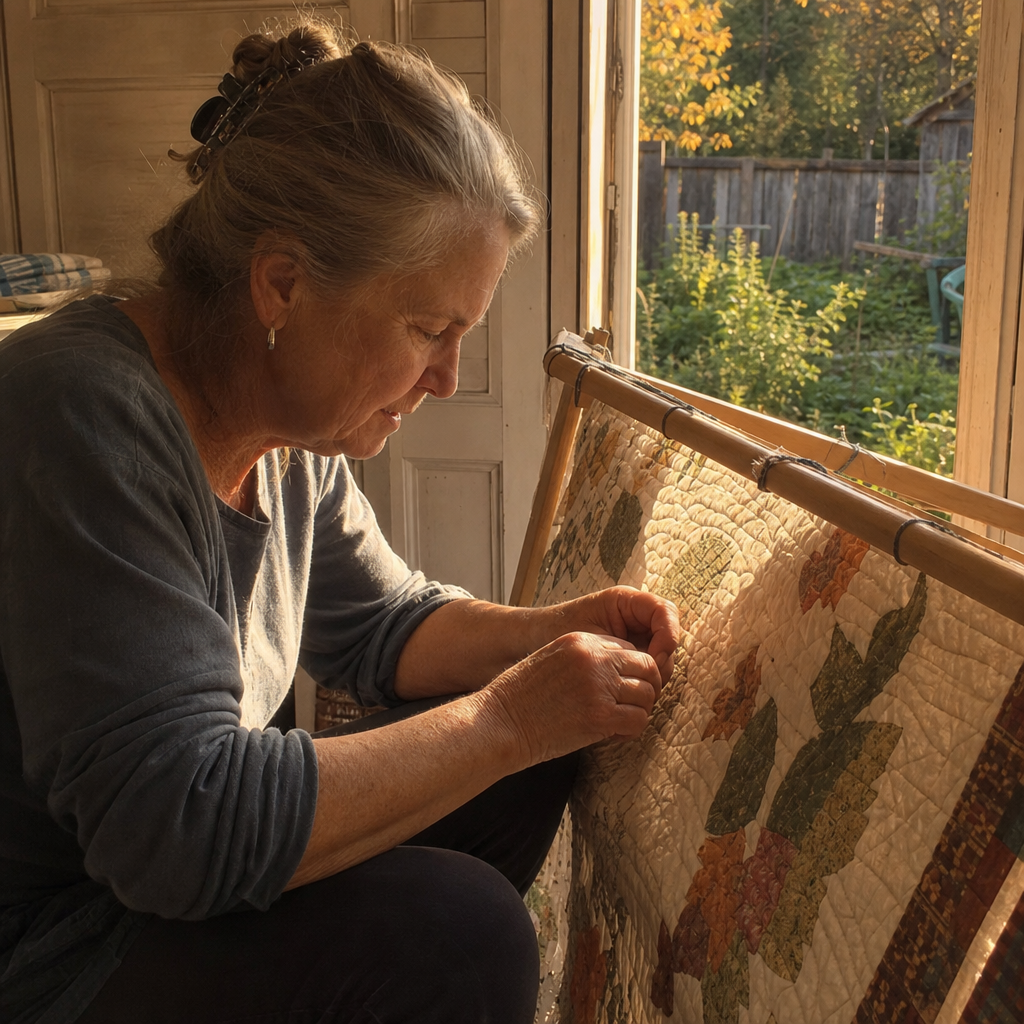
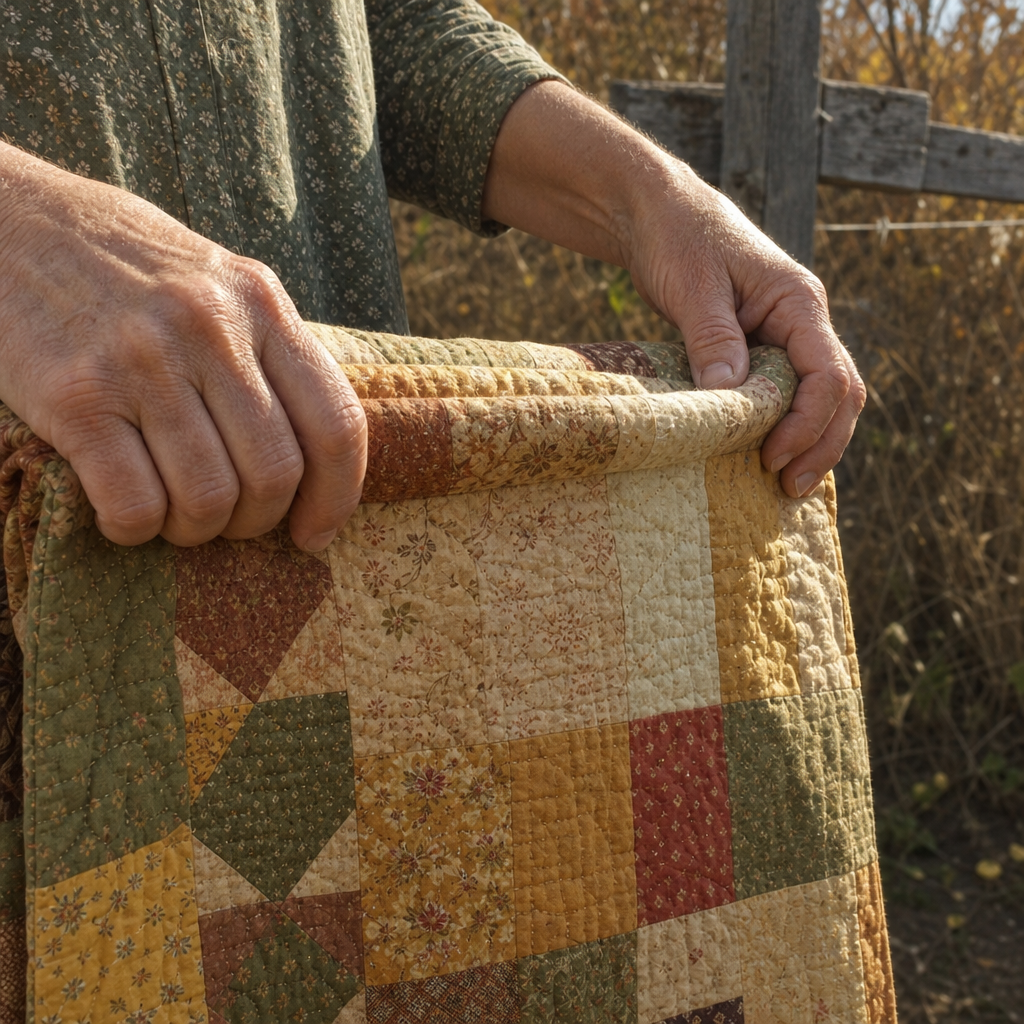
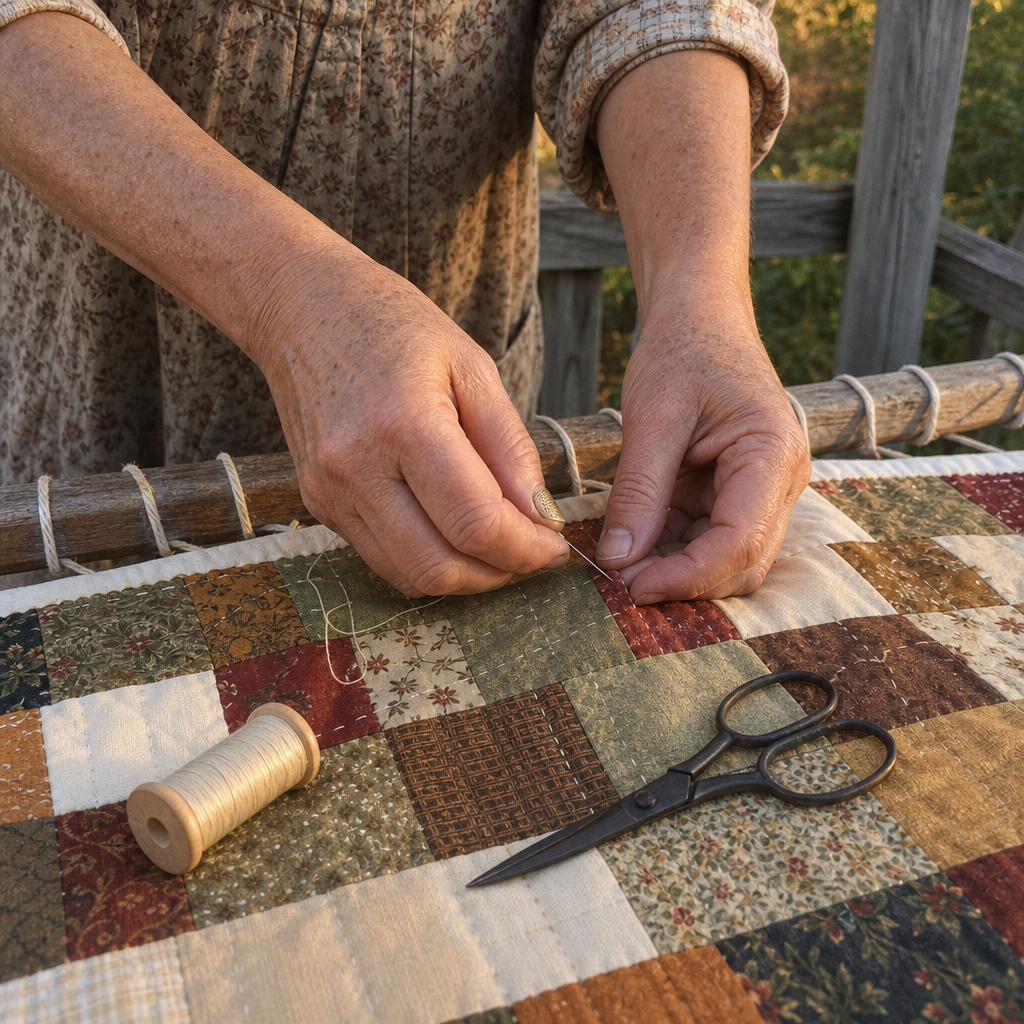
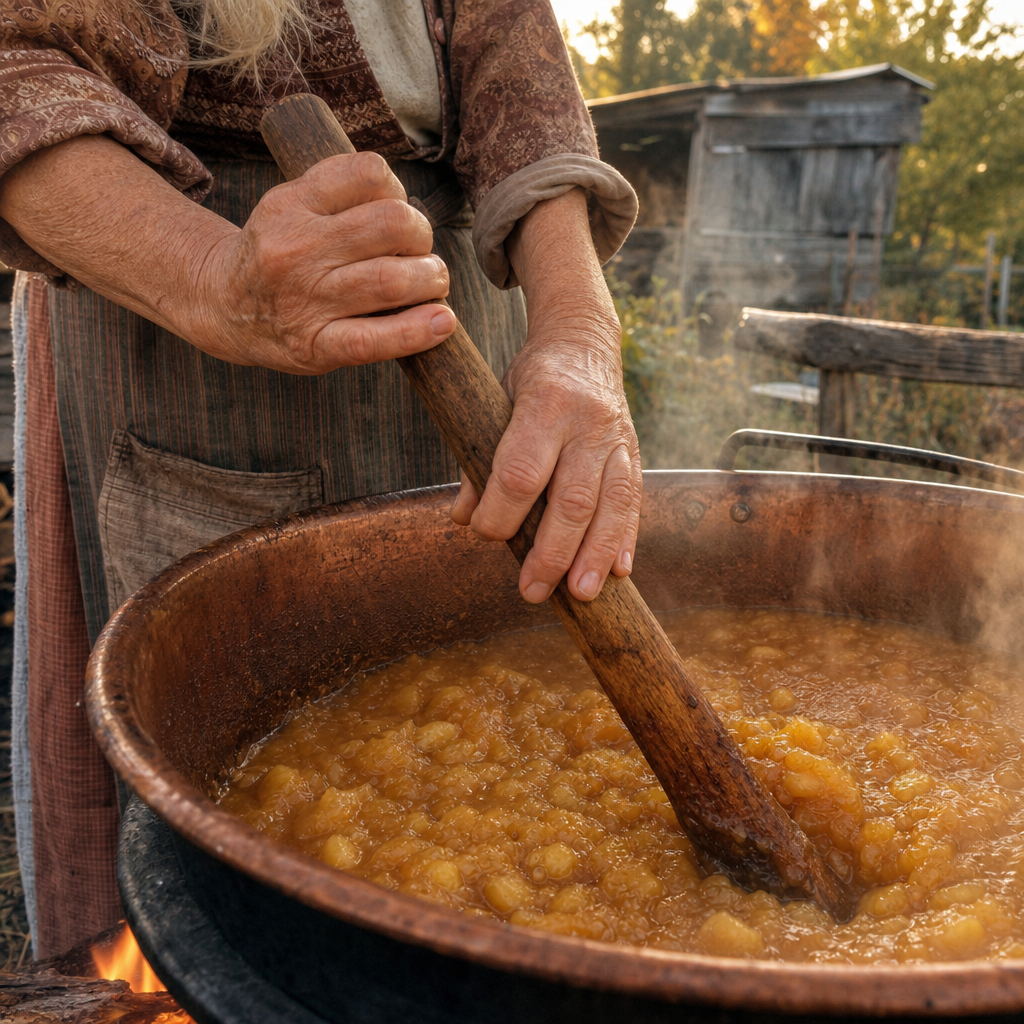
I watched a seventy-three-year-old Amish woman stir a kettle of apple butter for three hours without stopping. My sister, ten years younger, had stopped hanging her own quilts out on the line. That's the image I can't shake. A copper kettle the size of a bathtub, over a wood fire, full of apples going slowly to butter. And an old woman named Esther working the long wooden paddle through it, around and around, for hours, in the autumn sun. Seventy-three years old. Sleeves rolled, easy as breathing, talking the whole time, like stirring a kettle the size of a bathtub for half a morning was nothing at all. And thirty feet away, on a bench in the shade, sat my sister Ruth. Sixty-three. Ten years younger than the woman at the kettle. Watching. Resting. A cup of cider going warm in her hands. I stood at the long tables with the other women, and I looked from the old woman to my sister and back, and something in my chest went very quiet. Let me back up and tell you how we got to that field. Our granddaughter Anna married into a Plain family, a girl named Lydia's people took her in. Old Order, a farming community a few hours north, horses and lanterns and the church at the center of it all. We'd been driving up a few times a year, and that autumn they'd invited us to the apple-butter day, when the whole community gathers to put up the year's butter together. That's the where. Here's the who, who Ruth used to be, before that bench. Ruth kept a quilt frame for forty years. Not as a business. As a love. We had the big frame set up in her front room for as long as I can remember, and Ruth tended it like it was a second family. She'd sit down in the early morning with her thimble and her good scissors, no glasses half the time because she said her fingers knew the way, and she'd work the needle all day, telling me what the pattern was "saying." She was a calm woman. Fine stitching wants a calm woman. And for forty years she was the calmest, most present, most alive woman I knew. The fading came on so slowly I argued myself out of it for the better part of two years. She started sitting down to the frame later in the day. Then less often. The good scissors hung on their hook by the frame, and some weeks they didn't move. She'd say she'd get to it tomorrow. She'd sit down after lunch "for a minute" and the minute would eat the afternoon. She stopped basting the tops herself, had a younger woman from church come do the fussy work of it, which Ruth had always insisted on doing alone. She just got… grayer. Not her hair. Her. The woman who used to fill a morning was having trouble filling an afternoon. And she was only sixty-three, and there wasn't one single thing I could point at, except her skin. The plaques had crept up over those same two years. Silvery scales on her elbows, her knees, a raw patch behind one ear that never healed over. Cracked and bleeding at the knuckles, like a million tiny paper cuts, she said. Flakes on the dark church dresses she loved. Snow on her shoulders. She stopped wearing short sleeves. She stopped reaching for a hug because the scales scratched. We did the sensible thing. Ruth saw her dermatologist, a good woman, seen her for years. Full workup, the send-away panels, the whole careful set. And it all came back the way it always did. Chronic plaque psoriasis, the doctor said. Manage it, keep it comfortable. Ruth asked her, plainly, why she felt like someone had quietly turned her down to half if the creams were doing their job. And the doctor was honest with her. Some of this is just how the disease runs, she said. The steroid creams calm the surface, but it comes back. Keep using them, keep moisturizing, come back if it spreads. She wasn't dismissive. She just didn't have a next thing to hand us that wasn't a stronger cream or the pills Ruth was frightened of. And she was decent enough not to push those on us. So we came home with another tube of Clobetasol. And a quilter who'd stopped sitting down to her frame. There was a whole layer of what was happening to Ruth that no cream was reaching. Nobody had a tool for it. That was the thing I'd lie awake turning over. And then we drove up to the apple-butter day, and I watched a woman ten years older than my sister stir a kettle for three hours, and I couldn't lie awake about it quietly anymore. It was Esther herself who said the thing. She finished her turn at the kettle, handed the paddle off, and came and sat on the bench beside Ruth in the shade, breathing easy. She didn't make a thing of Ruth sitting out. The two of them just watched the work for a while. And then Esther nodded out past the kettles, toward the orchard those apples had come from. Old trees. Gnarled, some of them a hundred years if they were a day. She said people are always surprised those old trees still bear. The secret, she said, isn't feeding them more. It's the pruning. Every year you cut away the wood that's spent, the dead bits, the suckers that take and don't give, so the life of the tree goes to the branches that are still living. "Leave an old tree to itself and it chokes on its own deadwood," Esther said. "Tend it, clear away what's done its part, and it'll give you apples for another fifty years. A body's not so different. You've got to keep tending it. Not just keep it standing." She wasn't selling a thing. She wasn't accusing anyone of anything. She was just an old woman on a bench, telling a younger one the one thing she knew for sure about keeping a living thing alive. Tend it. Clear away what's spent. Send the life where it's still wanted. Ruth was quiet the whole long drive home. So was I. I'm the reader in our house. Always have been. Taught grade school for thirty years, and I never lost the habit of running a thing down to the source instead of taking it on faith. So when we got home, I'm the one who started reading at night. I want to be careful here, because I know how a story like this can sound. I'm not a doctor. I taught nine-year-olds long division. Nothing I found is medical advice, and I told Ruth from the start we'd run all of it past her actual doctor before she did one thing. But I read. The way I'd vet a textbook before I'd put it in front of a child. And what I kept coming back to was a growing body of research on the internal side of psoriasis, and on two old oils. Quiet research. Not flashy. Just a steady interest in a simple idea: that the plaques on the outside are smoke, and the fire is lit somewhere inside. Psoriasis, I learned, isn't really a skin problem. It's an internal inflammatory switch stuck ON, forcing skin cells to pile up ten times faster than normal. The most I'd responsibly take from it, as a retired schoolteacher and not a scientist, was that creams paint over the smoke while the fire keeps burning, and that some old oils are looked at for calming that fire from the inside. And I sat there at my kitchen table thinking about Esther and her orchard. Tend it. Clear away what's spent. Keep the life going where it's wanted. That was the layer nobody had handed us a tool for. I didn't get excited. Getting excited is how you get fooled. But I read for the better part of two weeks before I did a single thing about it. And I'll say this plainly, because I know how the apple-butter part might sound: the Plain folk don't use this. It's no old country secret. It was a retired schoolteacher at her own kitchen table, reading late, the way she always has. The apple-butter day just opened my eyes. The reading came after. What we did next is the part I'd most want you to copy. Before Ruth put one new thing in her body, we made two calls. I called our pharmacist first, same woman for twenty years, who doesn't sugarcoat anything. Told her exactly what I was looking at. Asked if there was any reason it'd be a problem alongside everything Ruth was already doing. She looked into it and said there was nothing she'd be concerned about as an addition to Ruth's routine. Then Ruth brought it to her own dermatologist at her next visit. Said it plainly: I want to add this. Not instead of anything you've got me doing. On top of all of it. Sensible? The doctor said it sounded reasonable, added to whatever she was already doing, not replacing any of it, a fine thing to try. Two careful people, same answer, before we spent a dime. The thing itself is plain, which suits us. It's called Orgatics Oregano & Black Seed Oil Softgels. Two little amber softgels, oil-based, taken by mouth. You take them at night with a glass of water, and that's the whole of it. That part isn't fancy talk, it's the actual reason for the format. The oils are looked at for reaching the inflammation through the bloodstream, from the inside, which no cream sitting on top of a plaque can do. So you don't rub anything on. You swallow it and let it travel. Two softgels. One glass of water. Once a night. We changed nothing else. Same doctor. Same appointments. Same moisturizing, same suppers, same everything that good woman had Ruth doing. We just set the little bottle next to her bedside lamp and got on with our lives. Now the honest part, because Esther was honest with us on that bench and I won't do you less. Nothing happened the first night. Or the third. Ruth grumbled that she was "swallowing fish oil to keep up with a seventy-three-year-old" and I nearly let her quit twice. I can't tell you which week it turned. I genuinely can't. But here's what I noticed, more or less in this order. One morning the good scissors weren't on their hook. I found them, and Ruth, at the quilt frame, in the early light, doing the slow calm work she hadn't done in over a year. The patch behind her ear had gone from raw to quiet, and she worked the needle without wincing, and she told me what the pattern was "saying," and I had to busy myself at the sink so she wouldn't see my face. Then, that fall, she basted a whole top herself. The whole fussy business of it, start to finish, the way she'd always insisted on before she stopped insisting. Told the younger woman from church, kindly, that she'd take it from here this year. And the smallest thing, the one that undid me, was just her arms. She rolled her sleeves up at the frame, elbows bare in the warm room, the silvery scales gone soft and pale, and she didn't tug the cuffs back down the way she'd done for two years. I'd catch her at the frame at dawn, reaching for a hug without thinking about the scratch of it, glad of the morning. I can't prove to you any of it was the softgels. I won't pretend I can. We were doing a lot of things right, the things her doctor told us. Maybe a hundred of them finally added up. Maybe it was the one we added. But we'd been doing all those other right things for two years while the plaques only kept spreading and the life only kept dimming out of her. And somewhere after we started the little bottle, quietly, it came back up. That's the honest version. It's the only one I've got. At Ruth's next visit the doctor went through everything and said her skin was the calmest she'd seen it in years and to keep doing exactly what she was doing. I didn't make a speech. I just took Ruth's hand on the way to the truck. So here's what the product is for, plainly. Orgatics supports the body's natural antioxidant balance. It supports healthy skin from the inside. It supports the skin barrier the plaques break down. That's not a promise about your sister. It's not a promise about anything. It's just what it's for. Some people notice something in the first week or two. Others take much longer. Some, I'd imagine, not much at all. Bodies are different. Ruth's is just one, with one story. It's a slow thing, taken steadily, the internal processes it supports build up gradually, not overnight. It isn't a cream you reach for on a bad flaring afternoon. It's two little softgels you take every night whether your skin looks better that day or not. It's the thing Esther was talking about on that bench. Not just keeping the tree standing. Tending it, a little, every day. So here's what I'd tell you, if you were across my kitchen table. If the woman you love, or you yourself, used to fill a morning and now can't quite fill an afternoon, and the plaques keep spreading no matter how many creams you rub on, and the steroids work until they don't, and the doctor has run out of next things to hand you that aren't stronger creams or pills you're frightened of: First, talk to your doctor or your pharmacist. Both, if you can. Especially if you're already taking something for your blood pressure, your blood sugar, or your heart. Ask the plain question I asked: is this sensible to add to what we're already doing? If they say yes, and there's a fair chance they will, it's two little softgels and a glass of water at night. Added to everything else you're already doing, not in place of any of it. Then give it a few weeks. Don't watch it like a pot. Just set the bottle next to the lamp and let her body keep its own time. Be patient with her. She's spent a long while tending everyone else. She's allowed a little tending herself. That's the whole of it. That's what an old woman with a paddle, and a retired schoolteacher with a library card, between them did for me. And I'd be a poor sort of teacher if I learned something worth knowing and didn't pass it on. P.S. Anna and Lydia's people have given us a great-grandbaby in that valley now, and Ruth is the one who insists we make the drive. She and old Esther have become a pair, a quilter and an orchardwoman, sitting at the edge of a field arguing happily about whether stitches or apples are the harder thing to keep. I bring out the coffee and watch the two of them and I don't have the words for what it's worth to me. P.P.S. I keep a spare box in the cupboard now. Orgatics is a small company and they've sold out before, and I don't care to get down to the last few softgels and have to think about it. I'd rather it just be there at night, next to Ruth's lamp. P.P.P.S. The instructions, in order, the way I'd write them on the board: Call your doctor or pharmacist first, ask if it's sensible to add to what you're on. If yes, take two softgels with a glass of water each night. Change nothing else, just add it. Then give it a few weeks. Some people notice something in the first week or two, others longer, some not much at all. Be patient. P.P.P.P.S. Orgatics has a 90-day money-back guarantee, not satisfied for any reason at all, every penny back, no questions. For a supplement, that's the only sensible policy. It's enough time to actually tell, instead of deciding in a week. I'd take all ninety days. P.P.P.P.P.S. Ruth brought one of her own quilts up to the apple-butter day this year. Stirred a turn at the kettle, too, not three hours like Esther, she's no show-off, but a good long turn, sleeves rolled, elbows bare, talking the whole time. I stood at the tables and watched my sister work a paddle through a kettle of apples in the autumn sun, sleeves pushed up and not caring who saw her arms, and I thought about the bench, and the year she couldn't have done it. That's not a headline. It's a small, quiet, ordinary thing. But the small quiet things are the ones worth telling someone across a kitchen table about. https://tryorgatics.com/pages/adv-pso The people and events depicted in this ad are illustrative and not based on any specific individual. Individual experiences vary. These statements have not been evaluated by the FDA. This product is not intended to diagnose, treat, cure, or prevent any disease.
Calm Your Skin From Inside
Orgatics softgels pair wild oregano oil and black seed oil to support your body's natural antioxidant balance from the inside, helping your skin feel calmer, clearer, and more like itself.
LEARN MORELike this ad? Make it yours.
Crush rebuilds this exact creative around your product — your brand, your colors, your offer — in about a minute.