
Inactive· since May 10, 2026
- 26
- days it ran
- 0
- relaunches
Ad copy
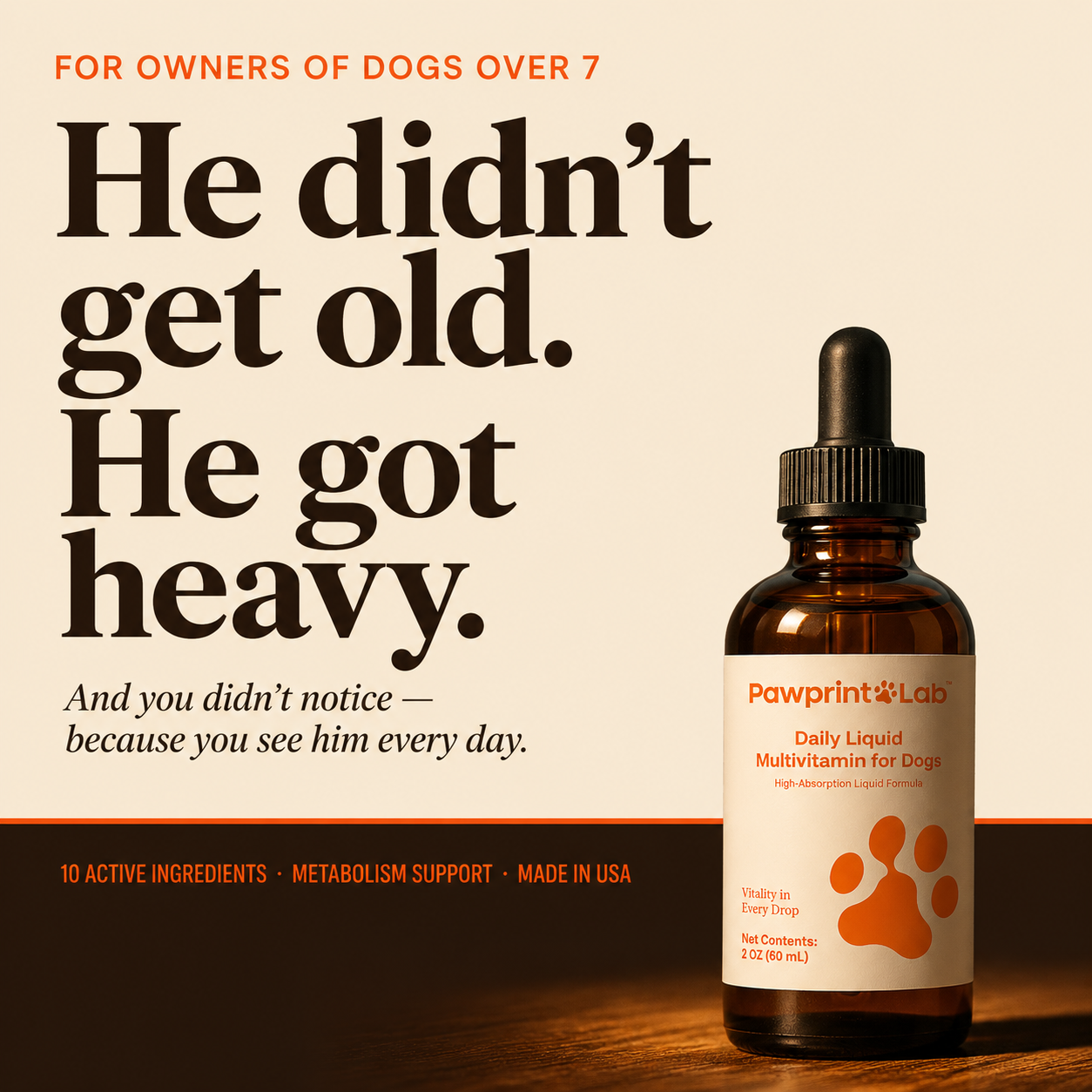
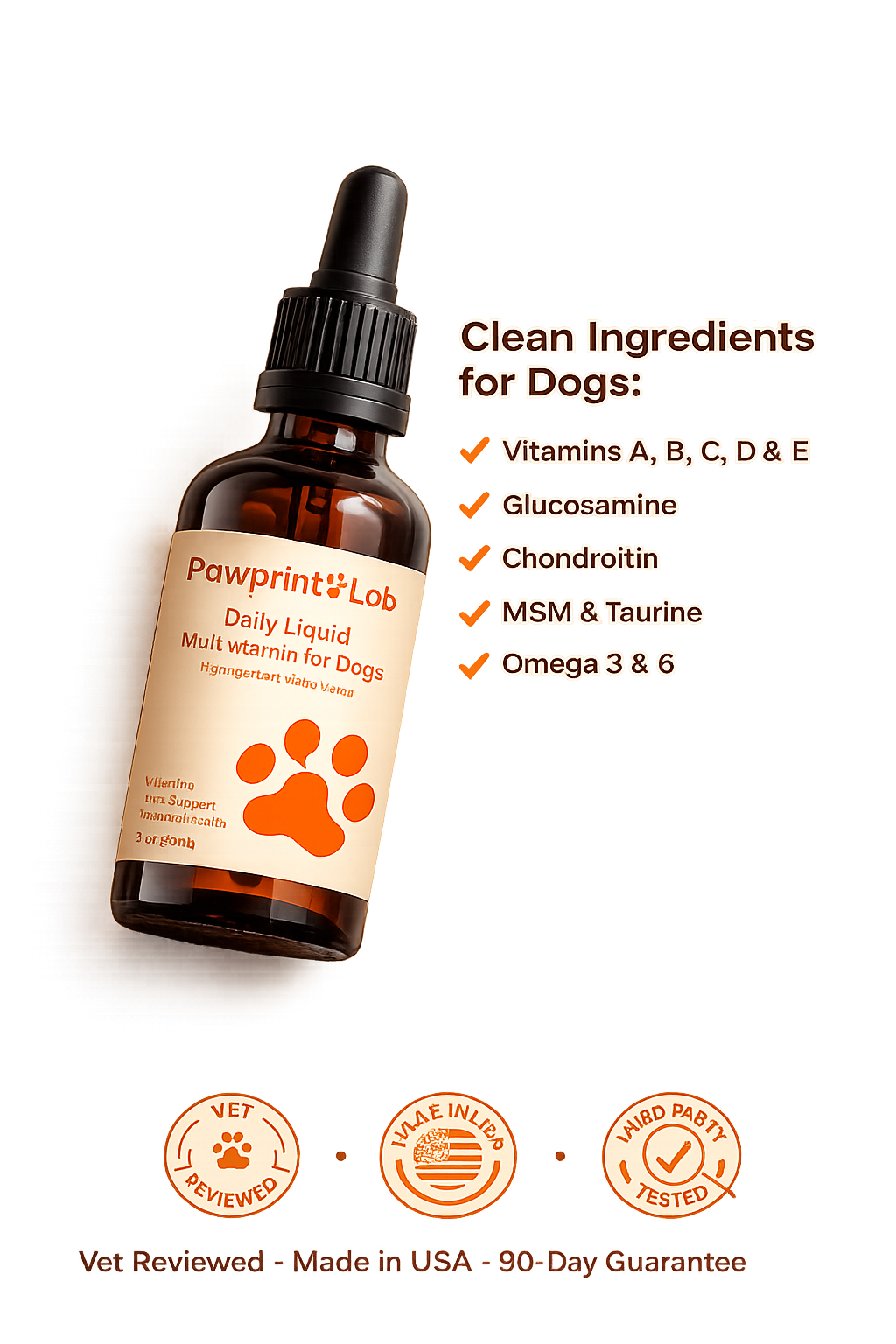
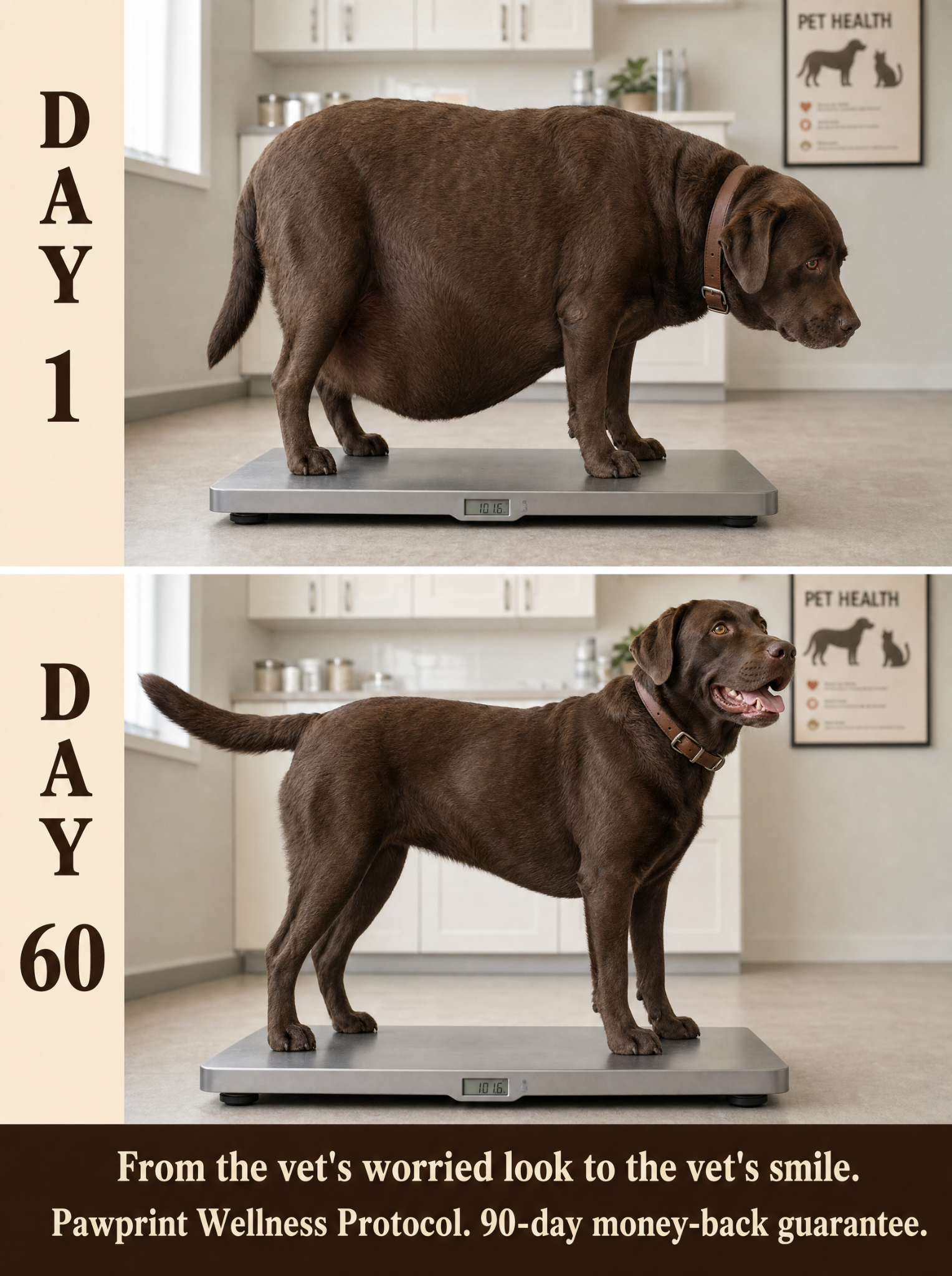
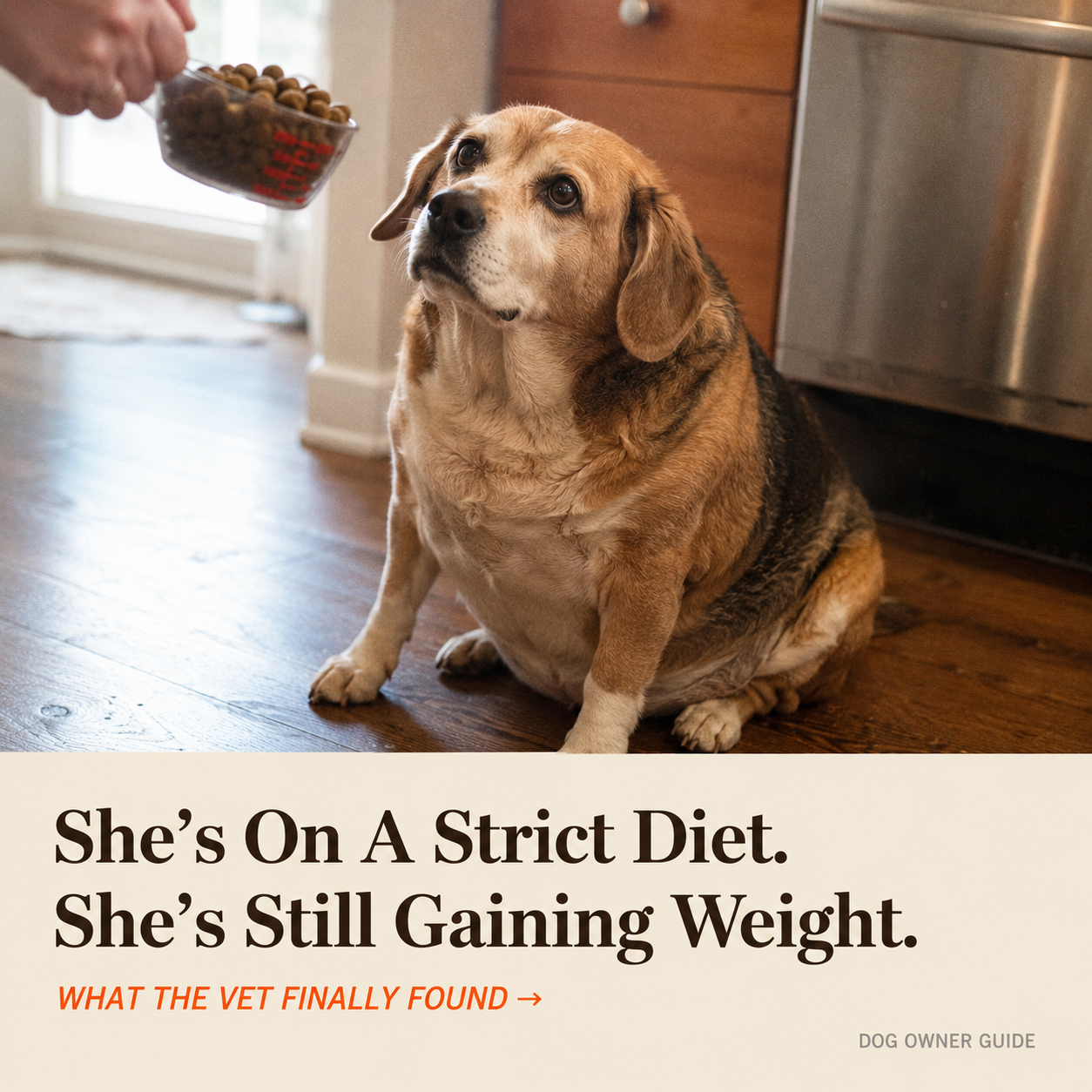
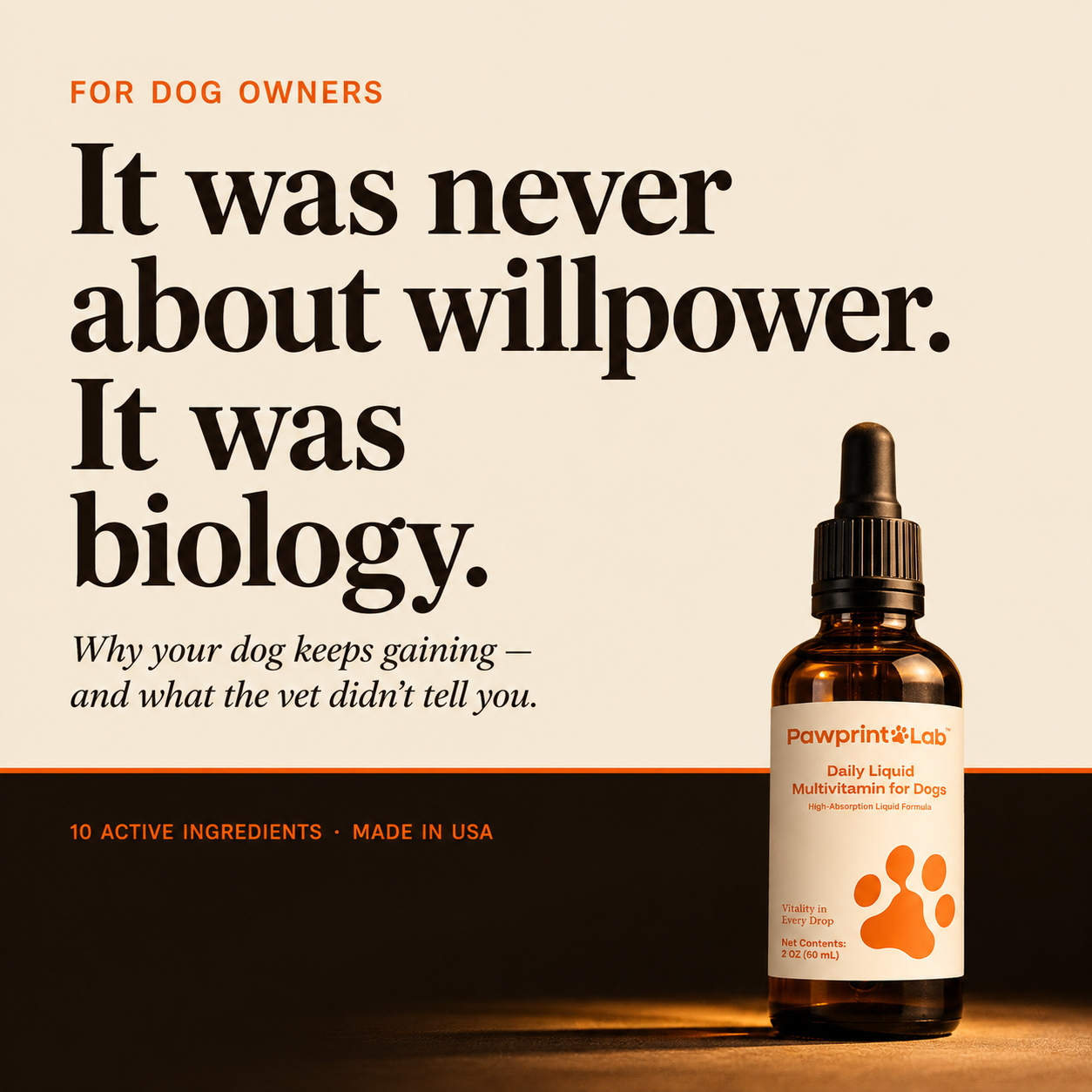
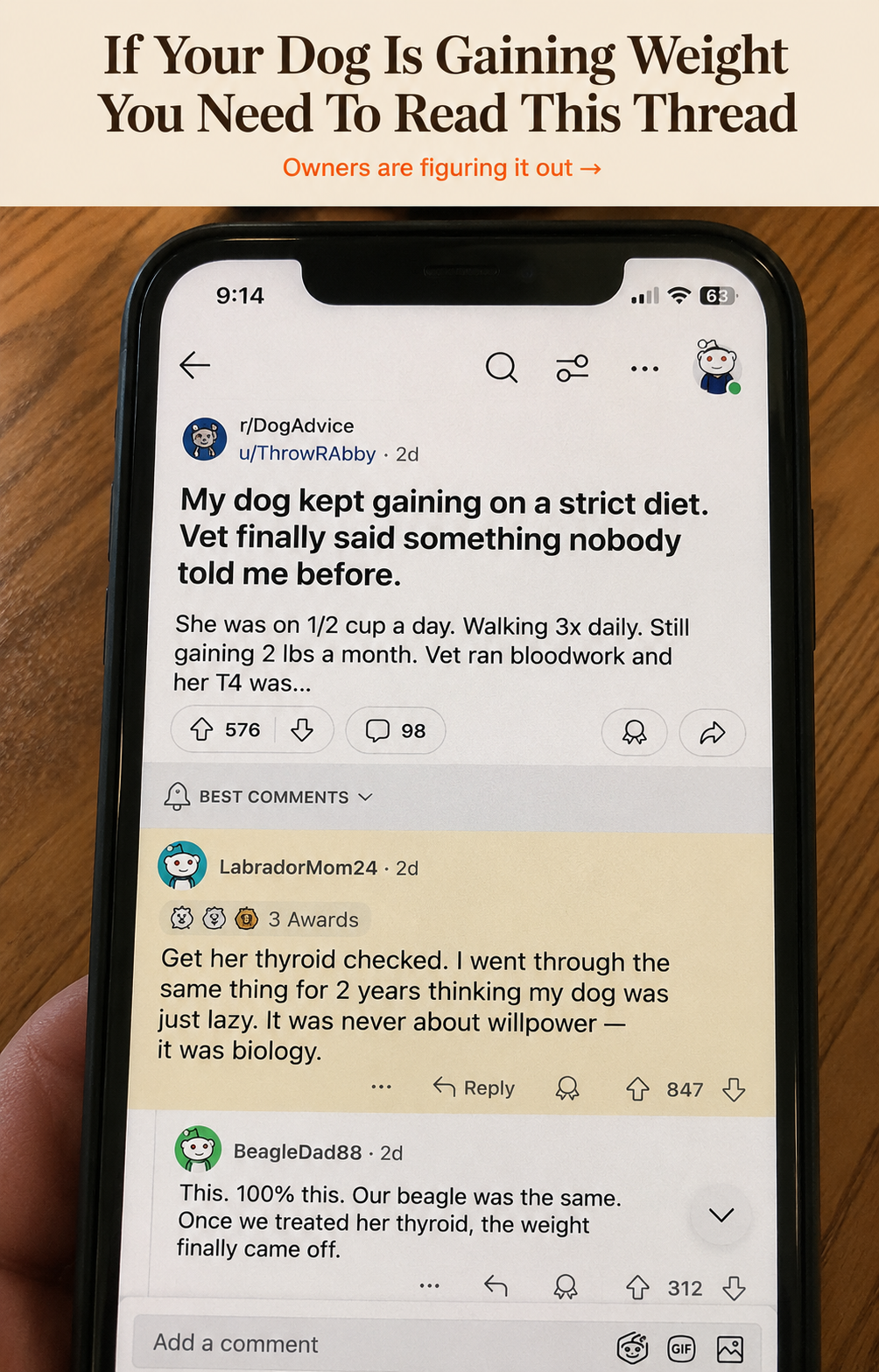
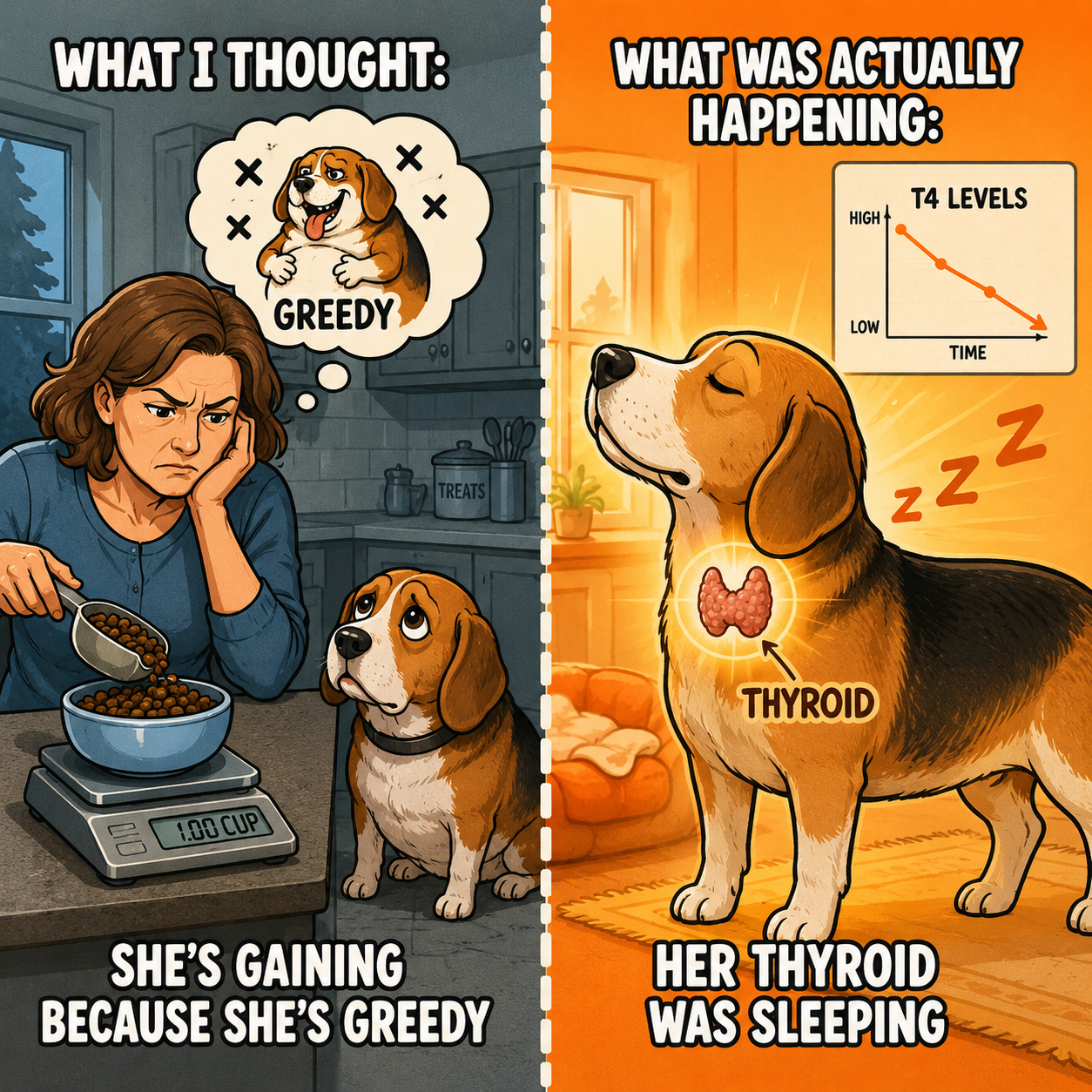
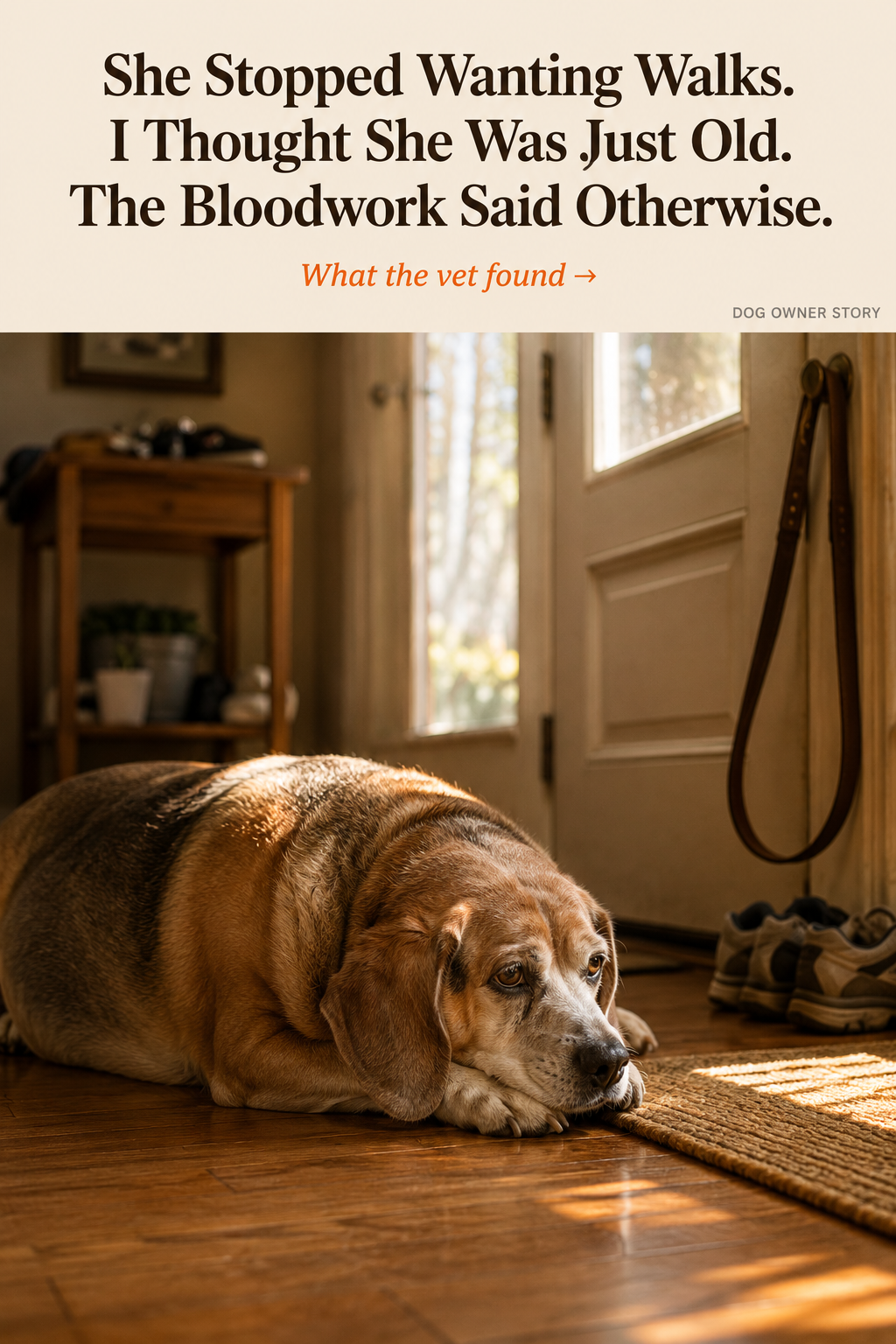
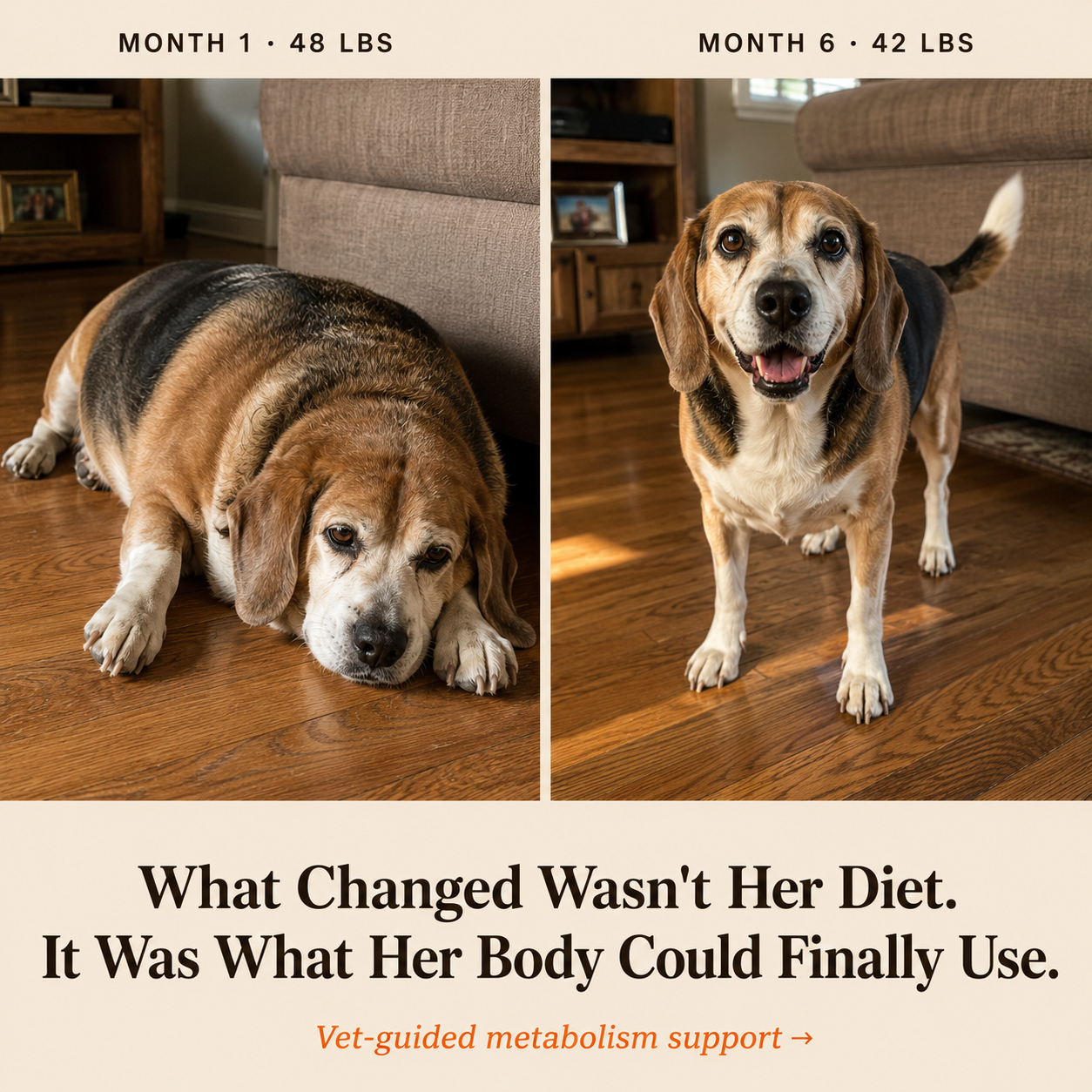
My mom died four years ago. She left me her dog. For two years, I thought I was the one making Daisy fat. The vet said "significantly overweight" like she was reading a number off a chart. Twelve pounds. That's how much Daisy needed to lose. She was 9. I'd had her since my mom got sick. She slept under the hospital bed at home. After the funeral she slept on my mom's pillow for three months and wouldn't let me wash it. I started measuring every meal with a kitchen scale that night. I cut her food by 20%. Then 25%. Then 30%. I walked her three times a day. Even when my knees hurt. Even in the rain. For four months. She gained two more pounds. I switched her to a prescription weight management kibble. $89 a bag. The vet's recommendation. The bag said "clinically proven." Nothing. I bought freeze-dried single-ingredient treats so I could still reward her without the calories. $34 a bag. Nothing. I started skipping her morning meal entirely. Felt awful doing it. She'd stand by her bowl and look at me. She still gained. I went back to the vet thinking I'd done something wrong. That I was sneaking her food and not remembering. That my partner was feeding her behind my back. The vet looked at me over her glasses. "How much are you feeding her now?" "Half a cup. Once a day. It's measured." "And she's still gaining?" "Yes." She put her pen down. "Let's run bloodwork." Three days later she called. "Her T4 is low. So is her free T4. We need to talk about her thyroid." I sat down on the kitchen floor. For two years I had been telling myself Daisy was lazy. Greedy. That I was a bad pet parent for letting her get this big. That my mom would be ashamed of me. She wasn't any of those things. Her body literally could not burn what she was eating. It was never about willpower. It was biology. I asked the vet what to do. She prescribed medication and said it would take weeks to see anything. She also said something I wasn't expecting. "Diet and meds aren't going to be enough on their own. Her metabolism needs support. Look into nutrients that actually feed thyroid function. Zinc. Selenium. Real fish oil — not the stuff on the kibble bag." I drove home and started reading. I'd never gone down this rabbit hole before. I'd been a kibble-and-treats person my whole life. I trusted whatever was on the shelf at the pet store. Here's what I learned, in plain language. The thyroid is a small gland in the neck. It releases hormones that tell every single cell in a dog's body how fast to burn energy. When it slows down, the dog can eat less and still gain weight. They get tired. Their coat gets thin. They get cold easily. It's one of the most common hormone problems in middle-aged dogs. And it's massively under-diagnosed because the symptoms look exactly like "my dog is getting old and lazy." Then I found something that stopped me cold. The body needs zinc to convert the inactive thyroid hormone (T4) into the active form (T3). The form your dog's cells actually use. Without enough zinc in a usable form, the whole system stays sluggish — even on medication. Zinc deficiency in dogs is more common than people think. Especially in dogs eating commercial kibble for years. I checked Daisy's food. Zinc was on the label. But in a form called zinc oxide. I looked it up. Dogs absorb less than 30% of it in some studies. I felt sick. I'd been feeding her the same food for six years thinking I was doing the right thing. Then I read about chelated zinc. Zinc bound to an amino acid. Two to four times more bioavailable. The form actually used in clinical veterinary formulations. Then about EPA and DHA. Real numbers, not "fish oil dust" added at the end of processing. Then about turmeric and L-Carnitine and how middle-aged dogs need more support, not less. Daisy wasn't lazy. She wasn't broken. She was running on the wrong fuel. That's when I found Pawprint. It was 11 PM and I was three pages deep into a thread on a dog health forum. A woman whose Lab had the same exact bloodwork story. On meds for six months with slow progress. Added this protocol and watched her dog "come back to herself" in eight weeks. I clicked through to the product page. It wasn't another kibble. It wasn't another $89 prescription diet. It was a liquid you put on her food. Ten active ingredients. All in forms the body can actually use. Zinc as amino acid chelate. 15mg per serving. The exact form the research said was bioavailable. Fish oil with 180mg EPA and 120mg DHA. Real numbers on the label. Turmeric standardized to 95% curcumin. The clinical-grade extract, not the cheap powder. L-Carnitine — which I'd just learned helps the body actually move fatty acids into cells where they get burned. Glucosamine, chondroitin, MSM, and hyaluronic acid — because the vet had already mentioned every overweight dog she sees has joint inflammation from carrying the extra pounds. Made in the USA. Third-party lab tested. 4.8 stars from over 12,000 reviews. 90-day money-back guarantee. I read the reviews differently this time. Not looking for "my dog loves the taste." Looking for owners whose dogs had bloodwork issues. Whose dogs had been struggling despite doing everything their vet said. A man whose 8-year-old Beagle was on thyroid medication and still 14 pounds overweight. Added the drops at his vet's suggestion. Six weeks later, his dog was running again. A woman whose senior Husky had stopped going up the stairs. Started using it. The dog was back on the couch with her by week four. A vet tech who said she keeps a bottle behind the front desk now. I ordered it that night. Paid for rush shipping. It arrived four days later. I was worried Daisy would refuse it. She's picky. She picks peas out of her food like a child. I put the dropper amount on her dinner the first night. She sniffed it. Then ate the whole bowl. Week one, I didn't notice much. I was watching too hard. Week two, my partner walked into the kitchen and said "did you bathe Daisy? Her coat looks different." I hadn't. Week three, she started waiting at the door for her walk again. She'd been dragging behind me for over a year. I thought it was her age. She's nine. She's supposed to slow down. She wasn't slowing down because she was old. She was slowing down because her body wasn't running right. By week five, she'd lost three pounds. By week eight, six pounds. Same medication. Same walks. Same diet she'd been on the whole time. The difference wasn't effort. The difference was finally giving her body the materials it needed to do what it was supposed to do. Her recheck was at 12 weeks. The vet pulled up Daisy's chart and said "she looks like a different dog." I told her about the protocol. That I'd added it on top of the medication, with the food she'd recommended. She wrote it down. She asked me to email her the brand name. "I have six other patients right now who could use this conversation." It's been seven months. Daisy has lost 11 of the 12 pounds the vet wanted off her. Her coat is thick and shiny. She doesn't sleep all day anymore. She plays with my partner's nephew when he visits. She waits at the window for me to come home. She is, somehow, more herself at nine than she was at seven. I think about those two years I blamed her. The sharp voice when she begged at the table. The frustration putting on her collar because she'd stopped wanting to go anywhere. She wasn't being lazy. She wasn't being greedy. Her body literally could not do what I was asking without the right materials. If your dog is gaining weight on a diet — or losing energy, or has a coat getting thin, or just isn't acting like themselves — please don't assume it's about willpower. Ask for the bloodwork. Ask about the thyroid. Ask what nutrients their metabolism actually needs. They're not lazy. They're not stubborn. They're not greedy. They're running on the wrong fuel. And there's finally something that gives them the right one. I just wish I'd known sooner.
Like this ad? Make it yours.
Crush rebuilds this exact creative around your product — your brand, your colors, your offer — in about a minute.