
Inactive· since Jul 12, 2026
- 55
- days it ran
- 0
- relaunches
Ad copy
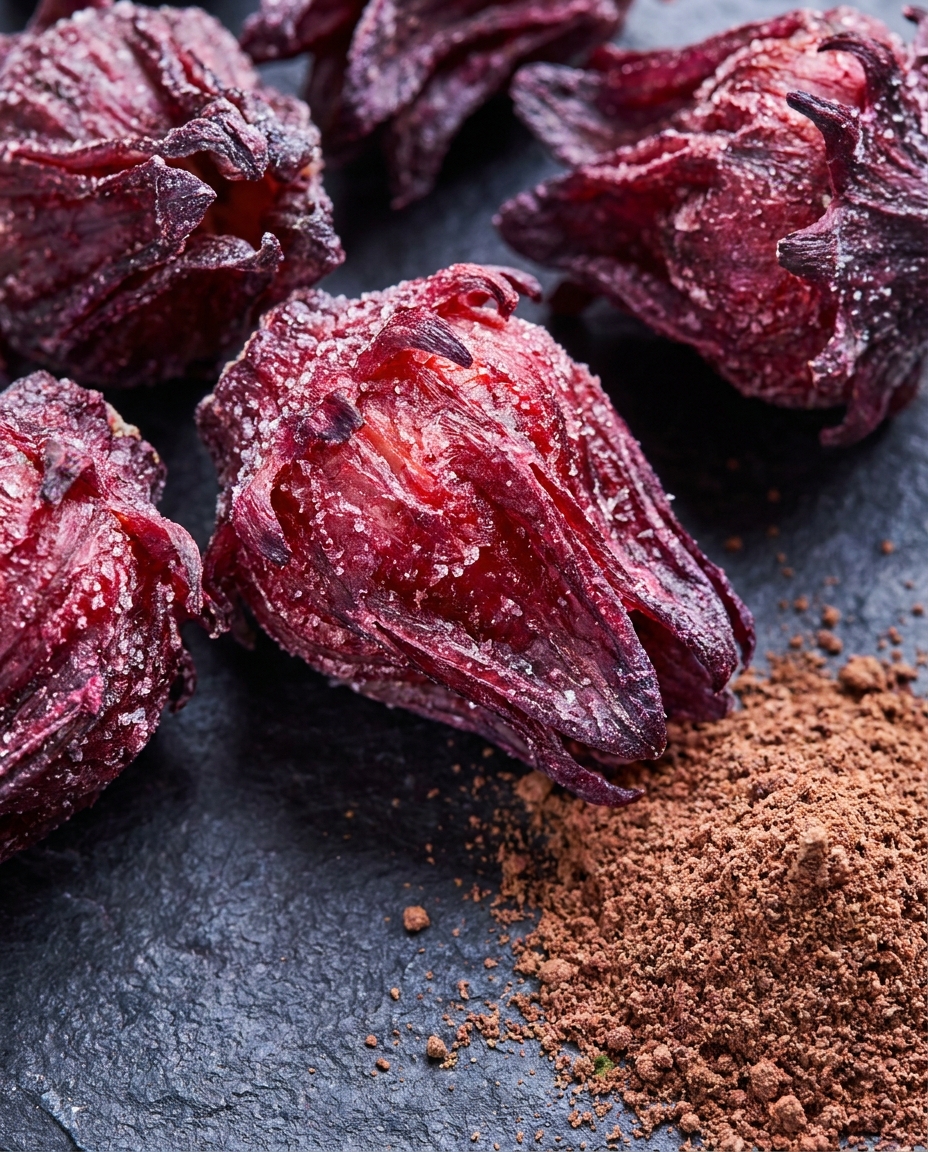
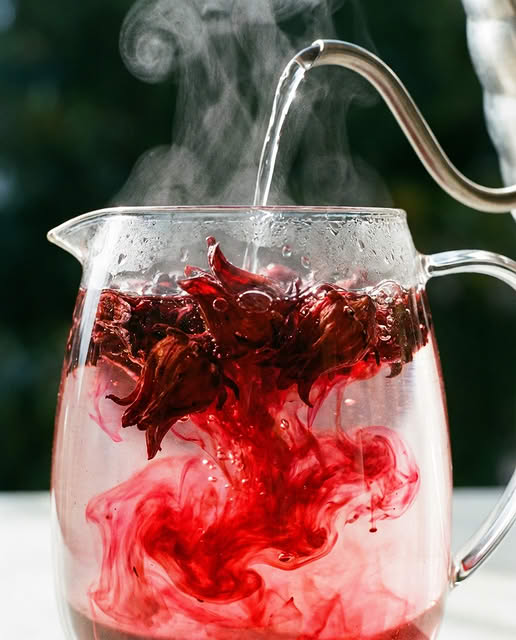
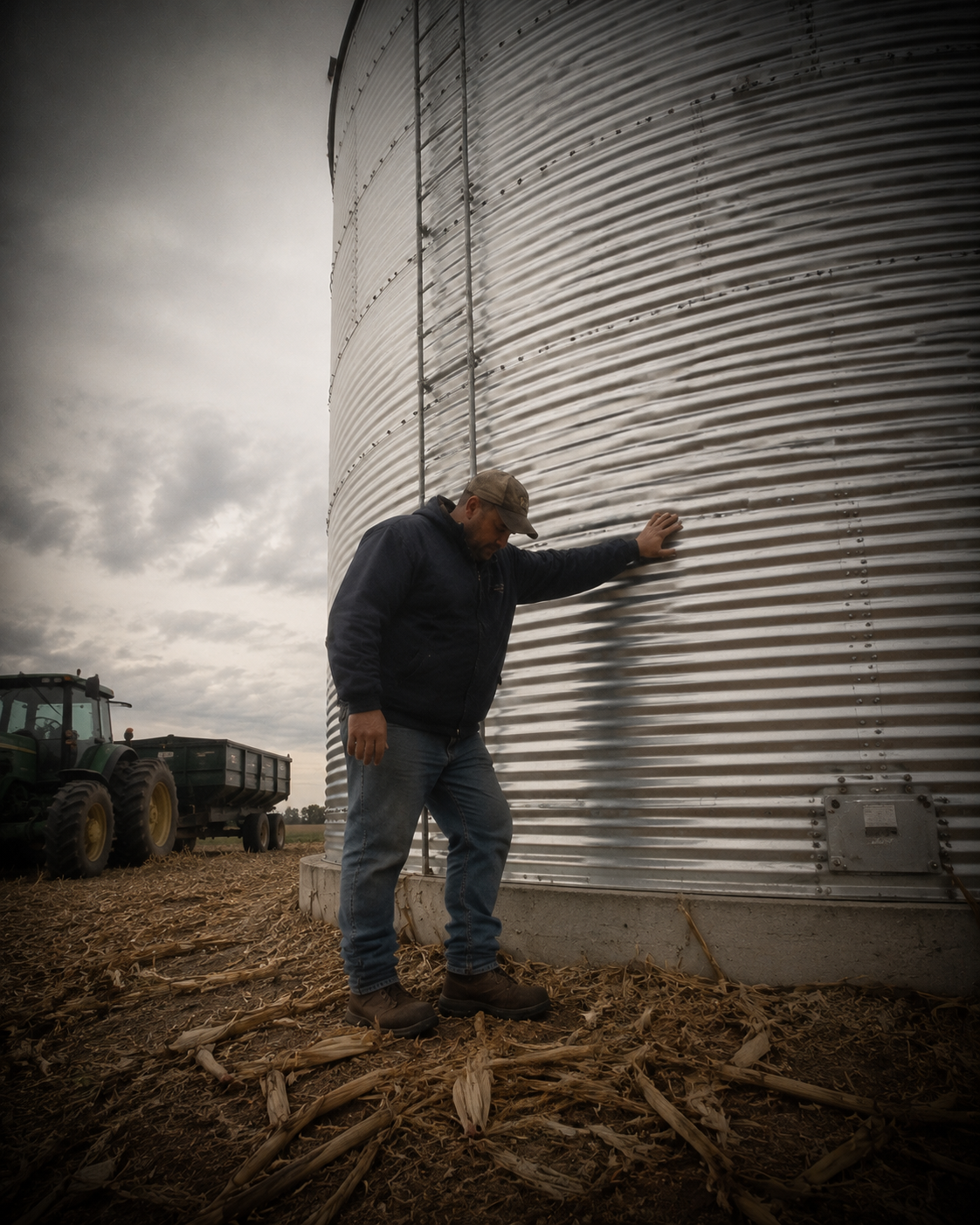
The whole county figured I farmed Ada Hessler's forty acres to get my hands on the land. When she died, the land didn't come to me. It went to a conservation trust, every acre. The morning after the reading, her lawyer knocked on my door holding a rusted seed tin. "She left you one thing," he said. "And she was clear you couldn't have it until today. The day after the reading." Her name was Ada Hessler. Everybody in the township called her Mrs. Hessler. Nobody called her Ada except the co-op manager, and she didn't much care for the co-op manager. I was thirty-one when it started, renting a run-down place two miles down the gravel from her, working other men's fields for other men's money. Her husband Walter had been dead a little over a year. She came down the road one August morning, stood at the edge of my drive, and said: "You. The tall one I've got forty acres going to weeds and a bad hip. You bring it in on shares, half and half, and you don't cut corners on my ground." That was the beginning. She didn't need a hired man, exactly. She needed somebody to do the things her body wouldn't let her do anymore — climb the grain bin, wrestle the auger, change the oil on Walter's old tractor before it ever thought about failing. One evening she watched me pull a header apart and reset a bearing by feel in the last of the light, and she said, "You read a machine the way Walter did. Some men have it in their hands. Somebody should've told you that a long time ago." Nobody ever had. Nobody had ever looked at the one thing I was good at and put a name on it. She was sharp, and funny in a way that snuck up on you. She'd say something that took the wind clean out of you, straight-faced, then go right back to snapping beans like nothing happened. She started feeding me supper on Thursdays. I told her she didn't have to do that. She told me she wasn't asking. "You eat like a man who cooks over a truck engine," she said once, watching me through the kitchen window eat a sandwich standing up in the yard. "Thursday. Six o'clock. Bring nothing. Don't be late." I came at six. Brought nothing. Wasn't late. For six years. Every Thursday. Pot roast, chicken and dumplings, a ham she swore was Walter's mother's recipe but had wandered so far from it the poor woman wouldn't have known it. She expected me to come. I'd spent my whole life being somebody nobody counted on. Ada Hessler counted on me. And not showing up was not on the table. I tested it exactly once. "You're four minutes late." "I was—" "You were sitting at the end of the drive. I watched you shut the truck off and just sit there. Come in. The roast is drying out." Sunday evenings I'd sit at her table and sort her week of pills into the little plastic box with the days on it, while she talked about the township, the old days, about Walter. The blood pressure pill. The water pill. The little white one she said kept her ankles from looking like biscuit dough. The calcium she took at supper. Walter had farmed that same ground thirty-eight years. The kind of man who greased a fitting before it squealed and wrote every oil change in a spiral notebook he kept in the cab. She said he drank his coffee at five-fifteen every morning at that same table. Two eggs. One piece of toast. His pill bottles lined up next to the salt shaker he wasn't allowed to touch anymore. She'd laugh telling it. But not all the way. It was on one of those Sunday evenings I told her the only thing I knew about the family that never wanted me. The men in it died young. Hearts, was what I'd always been told. My father. His father before him. I didn't know their faces. Didn't know a town. Didn't know a reason. But I knew that. It was about the only thing they ever handed down to me. She was quiet a long moment. Set the pill down she was holding. "Walter's doctor told him his pressure was perfect," she said. "Right up until his kidneys couldn't carry him anymore." Then she picked the pill back up, put it in Thursday's slot, and didn't say another word about it that night. I didn't think a thing of it. I didn't know she'd already started turning it over. She was the closest thing to family I ever had. I never told her that. I think she knew. The diagnosis came in the spring. Pancreatic. The doctor gave her a few months, and she took it the way she took a hailstorm. A short nod. No carrying on. Then it went fast. She passed on a Thursday. One of our supper nights. Eighty-seven years old. I heard about the will from her lawyer. He said there'd be a reading, that I was invited, and he said it in a way that made me think being invited meant something. The forty acres went to the conservation trust. The savings went to the county church. Her wedding ring went to a niece I'd never once laid eyes on. That was it. The lawyer closed the folder. The church man shook his hand. The niece signed a paper and walked out without looking my way. I sat there. Six years. Every planting. Every harvest. Every Thursday. Every Sunday at that table sorting her pills while she told me about Walter and the world. Nothing. Not a line. Not a mention. My name wasn't anywhere in the document. I drove the gravel home with both hands tight on the wheel, telling myself it was never about the land. And it wasn't about the land. It was that she hadn't thought of me at all. The knock came at a quarter past eight the next morning. Her lawyer stood on my step holding a dented metal seed tin. Green paint chipped down to bare steel at the corners. The kind of tin a man carried treated seed in fifty years ago. "Mrs. Hessler left specific instructions," he said. "This was to come to you separately. Not at the reading. The morning after. She was very particular about the timing." He held it out. It was heavier than it looked. "There's a letter inside," he said. "And a key. She asked me to tell you it opens a box at First County Bank in town. Box 4419. She added your name to that box's access two seasons back. Long before the end." He paused. "She also told me to say — her words — 'He's going to be angry. Tell him to read the letter before he does anything foolish with that key.'" That was her, right down to the ground. I shut the door. Set the tin on my kitchen table. Sat down and looked at it. I didn't open it. I was too sore. Too raw. I picked it up, carried it to the closet in the back hall, set it on the top shelf behind a box of winter coveralls, and shut the door. I was grieving. And yes — I was angry at a dead woman for not loving me the way I'd let myself believe she had. But anger burns off. A year, maybe two, and I wasn't angry at her anymore. That's not what kept that tin shut. Fear did. Because the tin had been Walter's. And Walter had died after years of doctors telling him his numbers looked fine. And I was the one who'd sat at her table and told her the only thing I knew about my own blood — that it takes the men who carry it, and it takes them young. Whatever was in that tin was about how I end. And for a long, long time, I wasn't ready to look at that. So it moved with me. Top shelf. Behind the coveralls. Through every place I lived after. I never took it down. You don't notice the years going by until you catch your own reflection in the truck glass and wonder, for the first time, if you've started to look like a father you never saw. I did what she said I ought to do, in the end. I bought my own ground. Not much. A hundred and sixty acres on a note that scared me. But it was mine. The man who'd farmed everybody else's dirt his whole life finally had his own to answer to. The same hands she'd put a name to over a header bearing, all those years back. Eight years ago, a doctor handed me a number to keep an eye on. I just didn't know it was teaching me to ignore everything else. I sat in his office at forty-five and told him the same thing I'd once told Ada Hessler across her kitchen table. That the men in my family died young. That it was hearts. That it was the one thing I knew about my own blood. He wrapped the cuff around my arm. The number was high. Not ambulance high. Just high enough for the look. Lisinopril first. Then amlodipine. Then a water pill when my ankles started to swell and the cuff still wasn't where he wanted it. Every visit after was the same. Pressure better. Chart better. Handshake. "Keep doing what you're doing." So I did. First thing to go was the energy. Year two, maybe three. I'd come in off the field at four in the afternoon, sit down in the porch chair, and that was the end of me. The man who used to work a field till the headlights went on couldn't stay awake through supper. I told myself it was age. Then came the nights. Two-seventeen. Two-forty-one. Three-oh-eight. Up to the bathroom again. Back to bed. Staring at the ceiling till the alarm. Then the ankles. First just a red ring above the sock line. Then my boots pinched before noon. Then I'd pull them off at night and see the dents the socks left dug into my legs. I told myself it was standing on the concrete in the shop. Every farmer my age has swole ankles. Then the wind. The ladder up the side of the grain bin is fourteen rungs. I'd climbed it ten thousand times with a shovel on my shoulder. Now I'd get to the top and stand there with a hand on the rail, pretending to look off at something while I waited for my chest to quit working so hard. And there was a fog. It came down in the afternoons. I'd lose the tail end of my own sentences. Walk into the shop and forget what I came for. Count a seed rate twice because I couldn't trust the first number. I blamed it all on age. The doctor had taught me how. Because I did tell him. I told him about the swelling. The bathroom trips. Being wrung out before the day was half done. He looked at the chart instead of the man. "Pressure looks a lot better," he said. "Kidney function's a little low, but we'll keep monitoring it." My eGFR was 49. Creatinine 1.6. Blood pressure 148 over 92 on the medication. He called that managed. Said we'd recheck in six months. Then came the morning it stopped being something I could tell myself a story about. It was the front end of harvest. I pulled a sample off the first load of corn and thumbed the moisture meter. The number read one way. I set the field to bin it dry. Three days later I opened that bin and the smell hit me before the ladder did. The corn had gone in wet. Way wet. Not close. Not fixable. I'd misread the number. My own head had dropped a digit somewhere between the meter and the decision, and a piece of that harvest was heating and spoiling because of it. Thousands of dollars of my own crop, on my own note, ruined by a number I could no longer trust myself to read. I stood at the foot of that bin with my boots tight around my swole feet and my chest going like I'd run the length of the field. And for the first time in two years I let myself think the thing I'd been holding off. It was happening. The thing in my blood. The thing that took the men in my family young. The thing that took Walter after all those beautiful readings. It had found me. I was fifty-three, and the one life I'd ever managed to build for myself was getting smaller by the season. That night, for the first time in years, I thought about the seed tin. The old woman who'd left me something I was always too scared to open. Who'd looked at me across her table and said Walter's pressure was perfect right up until his kidneys couldn't carry him anymore. Who'd spent her dying months on something she never told me about, and left me a key. She'd known something. And I'd been so afraid of what it said about how I end that I never found out what it was. I went to the back closet. Reached past the coveralls. It was still there. Dusty. Green paint still chipped. I carried it to my own kitchen table and sat the way I used to sit at hers on Sunday nights. The lid came up with a groan that filled the whole room. Inside was a sealed envelope with my name on the front in her hand. And a key. Small. Brass. Taped to a scrap of paper: First County. Box 4419. I slid my finger under the seal. A stack of legal-pad pages, her handwriting filling every line. If you're reading this, I'm gone. And if I know you — and I do, better than you ever let me — you didn't read it the day you got it. You took the tin, you got sore about the land, and you put it somewhere high and dark and told yourself you'd never look. So I don't know what day it is for you. Maybe it's the morning after the reading. Maybe it's been twenty years. Knowing you, it's been a long while, and something finally happened that made you climb up and take it down. If that's it — if it's been years, if it starts the way it started with Walter, if you're tired in a way that scares you, if your ankles are swelling, if you're up in the night, if the bin ladder's started making you bargain with yourself — then you already know why I wrote this. Let me tell you about Walter. Quick, because you don't have time for the long version, and neither did he. My husband took his pressure pills every morning for fourteen years. Never missed. Every few months a doctor read a number, smiled, shook his hand, and sent him home, and the number was always fine. And the whole time, the man was disappearing. First the tiredness. Then the ankles. Then up and down to the bathroom all night, like his body was trying to do in the dark what it couldn't manage in the day. Then his mind — the ends of his sentences going missing. The doctor called it age. Called it managed. Called it anything but danger. Then came the kidney man. Then came a word I'd never heard. Then came the machine three days a week. Then came the strain on his heart. I buried him thinking it was bad luck. Genetics. The things people tell you. And then one Sunday you sat at my table and told me the one thing you knew about your own blood. That it takes the men in your family young. And I knew. I'd just watched it. I wasn't fast enough for Walter. I decided that night I'd be fast enough for you. So I spent the months I had left finding out what really took him. Not the doctor's version. The real one. It's in the bank box. Every study. Every page. I couldn't fit it in a seed tin. And if I'm honest, I knew if I handed you a folder of medical papers you'd bury it faster than you'd bury this. So I made you come find it. When you read it, you'll understand the thing I can't fit in a letter. The number everybody watched was never the thing protecting him. They were all staring at the wrong gauge. There's a list in the box too. Five things. When you go looking for what those studies point to, follow it to the letter. Don't skip a line. Don't grab the cheap one to save a few dollars — the cheap one looks the part and does next to nothing, and you'll have thrown away the one thing I'm trying to leave you. I love you like you were my own. — Ada I read it three times. Then I put my head down on that table and cried. Not the angry crying from years back. A different kind. The kind that comes when you find out somebody saw you — really saw you — and you never knew it. She hadn't forgotten me. She'd seen me clearer than anyone ever had. At nine the next morning I was standing outside First County Bank with a brass key in my hand. Box 4419 was small. Inside, one thick folder held shut with a rubber band that snapped the second I touched it. Studies. Printouts. Walter's old numbers copied out in her hand, some marked yellow, some pink. And in the margins, her writing — same steady hand as the letter, only smaller now, crowded, like she was running out of paper and time at the same rate. I meant to drive home and read it there. I didn't make it out of the parking lot. The first page wasn't what I expected. I expected blood pressure. That's the only story anyone had ever told me. The cuff. The top number. The bottom number. That is not what she'd circled. She'd drawn Walter's numbers out in a line. 58. Then 52. Then 47. Then 43. Then 38. Every page had the same note beside it. Recheck in three months. Each one, by itself, looked like nothing. A little low. Something to keep an eye on. Lined up, they were a countdown. In the margin she'd written: The number was not stable. It was just slow. I sat there and I thought about my own ground. You don't judge a field by the color on top. Any fool can look green after a rain. You pull soil samples, year over year, and you watch the line. A field can look fine every single spring and be losing itself the whole time, one point at a time, where you can't see it. That's what she'd drawn. Walter's field, going down a point at a time, and every man in a white coat calling it fine. The next page explained the thing that made me set the folder down and grip the wheel. The kidney isn't one filter. It's millions of little ones. Tiny loops of vessel thinner than a hair, pulling waste out of your blood day and night. And when those little vessels get worn down — she'd written the word oxidative in the margin and underlined it — they scar. They leak. They shut down. One at a time. And when one's gone, it does not grow back. That sentence sat on the page like a gate swinging shut. It does not grow back. I read it again. And I thought of Walter at that kitchen table, lining his pill bottles up by his coffee cup while everybody told him the number looked fine. The next page: A pressure pill can bring the cuff number down. Relax a vessel. Flush some fluid. Make the reading look good on the machine. But it does not mean those little filters are protected from the wear that scars them in the first place. The cuff measures the pressure in your arm. The damage is happening in filters you can't feel. She'd underlined it twice and written: The doctor watched the cuff. I watched the man. And I sat there with my swole ankles jammed against the floorboard and understood her. Walter's number was controlled. Mine was controlled. And both of us were still losing ground. That was the turn. Not that pressure doesn't matter — she'd have swatted me for saying that. The turn was that bringing the cuff down was not the same thing as protecting the filters. Watching a number slide was not the same thing as stopping the slide. At the bottom of the stack she'd walked me to the only place the road could go. What Walter needed was something that did two jobs at once. One, help take pressure off those little vessels. Two, help protect them from the wear that scars the filters between appointments. Protect the filters. Don't just color the cup. She'd written it again, in block letters: PROTECT WHAT'S LEFT. Then came the pages on hibiscus. Not the grocery-store fruit tea. Not the box with the flowers and the peppermint and natural flavor. The studies were about the deep red compounds in real hibiscus flowers. She'd circled the word and written next to it: The red. That was Ada. Two syllables were plenty. The red compounds were the thing that mattered. They helped the lining of the vessels. Helped them relax. Helped defend those little kidney filters from the wear. People drinking the real thing saw their top pressure number move down in a way researchers could measure. Not magic. But enough to matter. She'd written: This is not a cuff trick. This is vessel support. Then she circled the trap. Because almost none of the hibiscus people actually buy is the hibiscus in the studies. Most of it is broken petals and dust, blended for flavor, dried hot, stored for months, cut with rosehips and lemongrass and citric acid until it tastes nice enough to sell in the aisle. It looks red. That does not mean it carries enough of the red to do the work. She'd written: Colored water is not medicine. At the back of the folder was an index card. Block letters, underlined twice. FOLLOW THIS. DON'T SKIP A LINE. And here's the part I need you to understand. I sat in that truck reading her five rules, and I didn't need her to convince me of a single one. Because every one of them was a farming truth I'd known my whole life. One. Whole flower. Not broken petals. Not dust. The active red is highest when the flower's intact. Well, of course it is. You grade grain the same way. Whole kernels grade higher than broken every time, and broken loses its keeping quality first. A load full of fines and cracks is a load that's already given up half its worth. Whole is always worth more than what fell to the bottom of the bag. Two. Grown high. Forty-five hundred feet and up. The plant makes more of the red to protect itself from the harder sun. I stopped on that one and near laughed. Every farmer knows a plant fights for itself. Stress it a little and it builds up what protects it — thicker skins, deeper color, more of whatever it makes to survive. A tomato baked in a dry summer carries more than one drowned in a wet one. She was telling me the flower does the same thing at altitude, and I believed it before I finished the line. Three. Hand-picked at peak red. Not machine-stripped early for volume. That one I felt in my gut. I have stripped a field early to make the tonnage look good on paper. Every farmer has been tempted, and every farmer knows exactly what it costs you — you trade the quality for the number. They strip it early for volume. You get more weight and less of everything that mattered. Four. Dried low and slow. Heat kills the red. If it steeps brown and weak, it was cooked before it ever reached you. Ask any man with a grain dryer what happens when you crank the heat to move the crop faster. You scorch it. You crack it. You save a day and ruin the grade. Low and slow keeps the quality. High and fast is how you burn up what you spent all season growing. Five. Organic and lab-tested. No chemical load for filters already working hard. No lab proof, no trust. I don't put uncertified seed in my ground. I want the tag. I want it tested. A man who's careful about what he plants doesn't gamble on a bag with no papers. But there's more to that rule than the tag. A soil test can come back clean on inputs, but you don't add to a field that's already fighting — you don't run a sprayer over stressed ground just because the label says it won't burn. When the system's already working hard, you take the load off, not add to it. Those little filters working overtime don't need a chemical burden on top of what they're already carrying. That's not caution. That's just farming sense. Five rules. And every one of them, I'd have told you was true before I ever read her card — because I'd lived every one of them in the dirt. On the back of the card, smaller, like she'd added it last: Too late for Walter. — scratched out so hard the pen tore the card. Under it, the one she let stand: In time for you. Don't waste it. I held that folder against my chest in the bank parking lot. Years of believing she left me nothing finally came apart. She didn't leave me nothing. She left me everything. Then I went home and did what any hardheaded man in my shoes would do. I ignored her list. Not completely. I read it. I understood it. I set it on the table next to the folder and told myself I'd follow it to the letter. Then I drove to the grocery in town that evening and bought the first box of hibiscus tea I saw. Three seventy-nine. Said hibiscus on the box. Red enough. Cheap enough. I told myself Ada would understand. She knew me better than I knew myself. Two cups a day. One in the morning. One after supper. Week one, nothing. Still up at 2:17. Still swole over the sock line. Still done by four. Week two, my home cuff looked a touch better. 142 over 88. Then 140 over 86. I wanted that to be enough. Lord, I wanted it to be enough. But I was still walking to the bathroom every night like a man twenty years older. Still in the porch chair by four. After six weeks I had bloodwork. eGFR 48. Down a point from 49. Creatinine still 1.6. Pressure 136 over 84. Better on the cuff. But the line hadn't moved where it counted. My doctor wrote stable. Again. I sat at the table with the lab sheet in one hand and the empty grocery box in the other. One point down. The same slide Walter had, just slower. I'd been doing some version of the right thing. But not enough of the right thing to matter. That was the first time I stopped treating her card like advice and started treating it like instructions. I read that grocery box against her five rules. Whole flower? No — broken cut, tea-bag dust. High altitude? No idea. Peak red? No idea. Dried low? No idea. Organic and lab-tested? No. And the ingredients weren't even hibiscus. They were hibiscus, rosehips, lemongrass, peppermint, citric acid, natural flavor. I'd been drinking a pleasant red tea and asking it to do the work of the studies. Colored water. Just like she said. So I did what I should have done from the start. I went through every hibiscus product I could get my hands on, one at a time, against her five rules. One by one, the whole shelf came up short. Then I found the one that passed. PiPi Tea. Whole hibiscus flower. Rule one — check. Grown high, at forty-five hundred feet and up, where the plant builds more of the red to protect itself. Rule two — check. Hand-picked at peak red. Not machine-stripped early for volume. Rule three — check. Dried low and slow, so the red stays alive instead of getting cooked down to weak brown tea. Rule four — check. Organic, with lab proof of the active red compounds. Rule five — check. Every line on her card. Check, check, check, check, check. It cost more than the grocery box. Of course it did. She hadn't sent me to a bank vault to save three dollars. When it came, I knew before I ever brewed it. The flowers were whole. Not dust. I shook a little into my palm and there were actual pieces of flower there, curled and dark red, like something picked off a plant instead of swept off a factory floor. I brewed a cup of the grocery tea beside it, just to see if I'd been fooling myself. The grocery cup went thin and brownish-red. The PiPi cup went deep crimson before the timer was half done. Not pink. Not weak. Crimson. Like the flower still had something to say. I made two decisions at that table. The first was to drink PiPi Tea every morning and every evening. The second was to quit trusting the cuff by itself. I did not throw my prescriptions out. I did not decide I knew more than every doctor alive. I decided I was done pretending a better cuff number meant my filters were being protected. And I tracked everything. Pressure. Night trips. Ankles. Energy. And the labs my doctor kept calling monitor. Week one, I stayed skeptical. I'd earned it. Readings ran 136 over 84, 135 over 85, 134 over 84. Not a miracle. But not nothing. Week two, I slept through the night. Once. Then twice. The first morning after a whole night's sleep I stood in the kitchen at 6:12 with the empty mug in my hand and realized I hadn't seen 2:17. That number had been my enemy for years. Week three, the sock marks were lighter. My ankles weren't right yet — but at night I could see bone again. Readings 130 over 82, 128 over 82. Week four, I climbed all fourteen rungs of the bin ladder with a shovel on my shoulder and stood at the top waiting for the wind to leave me. It didn't come. Not the way it had. That day I worked till dark. Not four. Dark. By week six, the fog was lifting. I ran a moisture check on the last of the beans and checked it twice, because I'm not a fool. Right the first time. My next visit was months off, but I couldn't wait for another recheck. So I paid for the labs myself in the eighth week. eGFR 61. Up from 49. Creatinine 1.2. Down from 1.6. Pressure that morning, 124 over 78. Down from 148 over 92. I know eGFR moves around. I know one lab isn't a miracle. But I hadn't seen a number over 50 in years. And for eight years, every visit had been about managing a decline. For the first time, the line had turned around. My doctor pulled it up on his screen expecting the usual. The managed number. The careful voice. Instead he leaned in. Scrolled. Scrolled back. And went quiet in a way I'd never once seen him go quiet. "Your pressure's excellent," he said. "124 over 78." He kept reading. "Creatinine's 1.2." A frown — not unhappy. Confused. "And your eGFR was 49 last time. It's 61 now." He looked up. "In eight years, I haven't seen your kidney numbers do this." He asked if I'd changed my diet. I said no. He asked if I'd changed medication. I said no. "So what did you change?" So I told him. The hibiscus. The whole flowers. Morning and evening. The tracking. The fact that I'd quit trusting the cuff alone. I braced for the lecture. It didn't come. He looked at the screen, then at the man in front of it. For the first time in eight years, he actually looked at me — at the color back in my face, at the ankles not swelling over my boots, at a man sitting up in the chair instead of folding down into it. "I won't pretend I understand exactly what happened here," he said. "But you're better off than you were, and you're sitting in front of me looking better than I've seen you in years." He closed the laptop. "Whatever you changed — keep doing it." He never called it medicine. Didn't endorse a thing. Just shook his head slow, the way a man does at something that won't line up with what he was taught. For eight years he'd watched my cuff and called me managed while my filters slid a point at a time. It took a dead woman, a seed tin, and a line of numbers he'd never once shown me to make him finally look up from the screen and see the man it belonged to. I drove out to the cemetery that afternoon. Her stone is small, gray granite, right next to Walter's. I stood there with the folder in my hands. The studies. The card. Her notes in every margin. Including the one that said the number was not stable — it was just slow. "You left me everything," I said. The wind moved through the shelterbelt. "I thought you forgot me. For years I thought you forgot me. And you were the only one who ever really saw me." I set my hand on the cold granite. "Walter'd be proud of you. You figured out what his doctor couldn't. And you left it for a hardheaded man too scared to open it, and too stubborn to follow your list even when he finally did." A long pause. "Thank you, Mrs. Hessler." That was two seasons ago. I brought this last harvest in clean. Every load off the field checked twice, and the numbers held every time. Binned dry. Nothing lost to a digit I couldn't trust. On my own legs, up my own ladder, on my own ground. My last labs are still holding. eGFR 60. Creatinine 1.2. Morning pressure sits around 124 over 78. No 2:17 every night. No ankles over the boots by supper. No fog stealing the back half of my sentences. No porch chair at four with the day still sitting there half done. I'm fifty-three. I grew up belonging to nobody. But I had Ada Hessler. And she left me the one thing worth more than forty acres or a savings account or a ring. She left me the truth about what took her husband. And it may have saved my life. I'm writing this because she can't. She spent the last months of her life putting together research for one person. Me. She didn't have Facebook. She didn't have a platform. She had a library card, a legal pad, and not enough time. If she'd had more, she'd have knocked on every door in the township. So I'm knocking for her. And here's the one thing she taught me. Ada Hessler wasn't a doctor. For fourteen years she watched a number reassure the man she loved while his kidneys kept sliding. She watched the man, not the chart. And she was right. The doctor watches the cuff. The one who loves you watches the man — the ankles, the bathroom light, the chair at four o'clock, the stairs he pretends he's not avoiding. And the one watching the man is almost always closer to the truth. You're standing where I stood. Maybe your doctor says your pressure's controlled. Maybe your eGFR is a little low but being watched. Maybe your ankles swell by evening. Maybe you're up every night calling it age. Maybe your last lab said 58. Or 52. Or 49. And the note said recheck in three months. You already know the signs. You've just been calling them by the wrong name. One road goes where Walter's went. Watch the cuff. Trust the cuff. Hope the tiredness is age. Hope the swelling is standing too long. Hope the line stops before somebody says the machine three days a week. There's another road. The one Ada spent her last months building. The one I was too scared to walk for years. Watch the line. Ask what's protecting the filters, not just lowering the cuff. Use the kind of hibiscus from the research — not the weak grocery dust I wasted six weeks on. Verify it with your own numbers. Walk into your next appointment with something the chart can't ignore. She ran out of time for Walter. She didn't run out of time for me. And you're reading this now. Which means she didn't run out of time for you either. Check availability here: https://shop.pipitea.com/hbt/kd/sp-nm P.S. — The product Ada's research led me to is called PiPi Tea. You can check availability here: https://shop.pipitea.com/hbt/kd/sp-nm When I first ordered it, I didn't know it came with a 90-day money-back guarantee. I wish I had — it would've spared me the worry those first weeks waiting on my labs. If PiPi Tea doesn't work for you, you get every penny back. No questions asked. In fourteen years, nobody ever offered Walter a refund while the system watched his decline and called it managed. The system doesn't do refunds. PiPi Tea does. Ada would've liked that. She hated wasting money almost as much as she hated being lied to. P.P.S. — Here's what I'd tell you to do, because it's what I did. Steep one cup in the morning and one after supper. Use the whole flower. Let the water pull that deep crimson out of it. Then track the things your doctor doesn't live inside — how many times you wake, what your ankles look like at night, whether the ladder still makes you pause, whether your head's clear at four o'clock. And when your next labs come, look at the line. Not one number. The line. The grocery tea gave me six weeks of hope and one more point down. PiPi Tea gave me numbers I could put in front of a doctor. eGFR 61. Creatinine 1.2. Pressure 124 over 78. That's the difference between colored water and the real red Ada was trying to leave me. P.P.P.S. — PiPi Tea is not grocery-store hibiscus. It's whole-flower, high-altitude grown, hand-picked at peak red, dried low and slow, organic, and lab-tested for the active red compounds. That matters because the red is the work. Broken loses it. Heat kills it. Blends dilute it. Dust can't give you what the studies used — same as any crop, whole and handled right always beats what fell to the bottom of the bag. That kind of flower doesn't sit around forever. When a batch is gone, you wait on the next one. When I reordered, the page had already flipped from available to limited stock once that week. I keep two boxes in the house now. If your next bloodwork is thirty to sixty days out, check availability now — not next week. Now. Ada ran out of time. Walter ran out of time. You still have yours. https://shop.pipitea.com/hbt/kd/sp-nm P.P.P.P.S. — For the wives reading this — the ones up at midnight worrying about your husband's pressure, his ankles, his labs, the way he's asleep in the chair before supper's cleared — here's the one thing I need you to hear. His doctor is watching a number on a screen. You're watching the man across the kitchen table. You are closer to the truth than that chart is, and you've been the whole time. Don't let anybody tell you the worry's just in your head. Ada didn't only research this for Walter. She researched it for me — for anybody she loved enough to leave a seed tin for. You're reading this because somebody loves someone enough to stay up looking for answers. Ada would've understood. She was you. And if the labs are yours — if your eGFR is sliding, if your doctor keeps saying monitor, if your pressure's controlled but your body feels worse every year — this is for you too. You don't need someone else at the table to prove what your body's been telling you. P.P.P.P.P.S. — Don't forget the 90-day money-back guarantee. https://shop.pipitea.com/hbt/kd/sp-nm
Natural Relief in Weeks
LEARN MORELike this ad? Make it yours.
Crush rebuilds this exact creative around your product — your brand, your colors, your offer — in about a minute.