
Inactive· since Jun 23, 2026
- 3
- days it ran
- 0
- relaunches
Ad copy
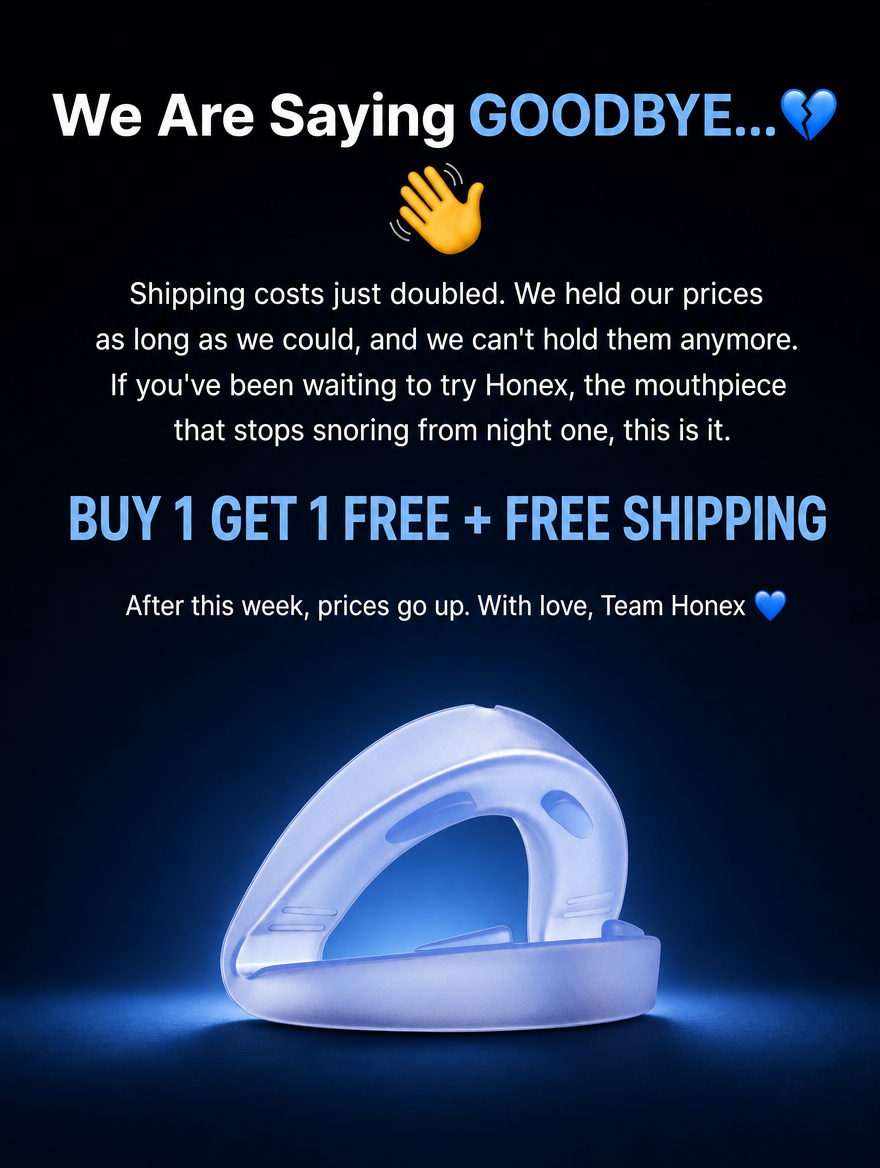
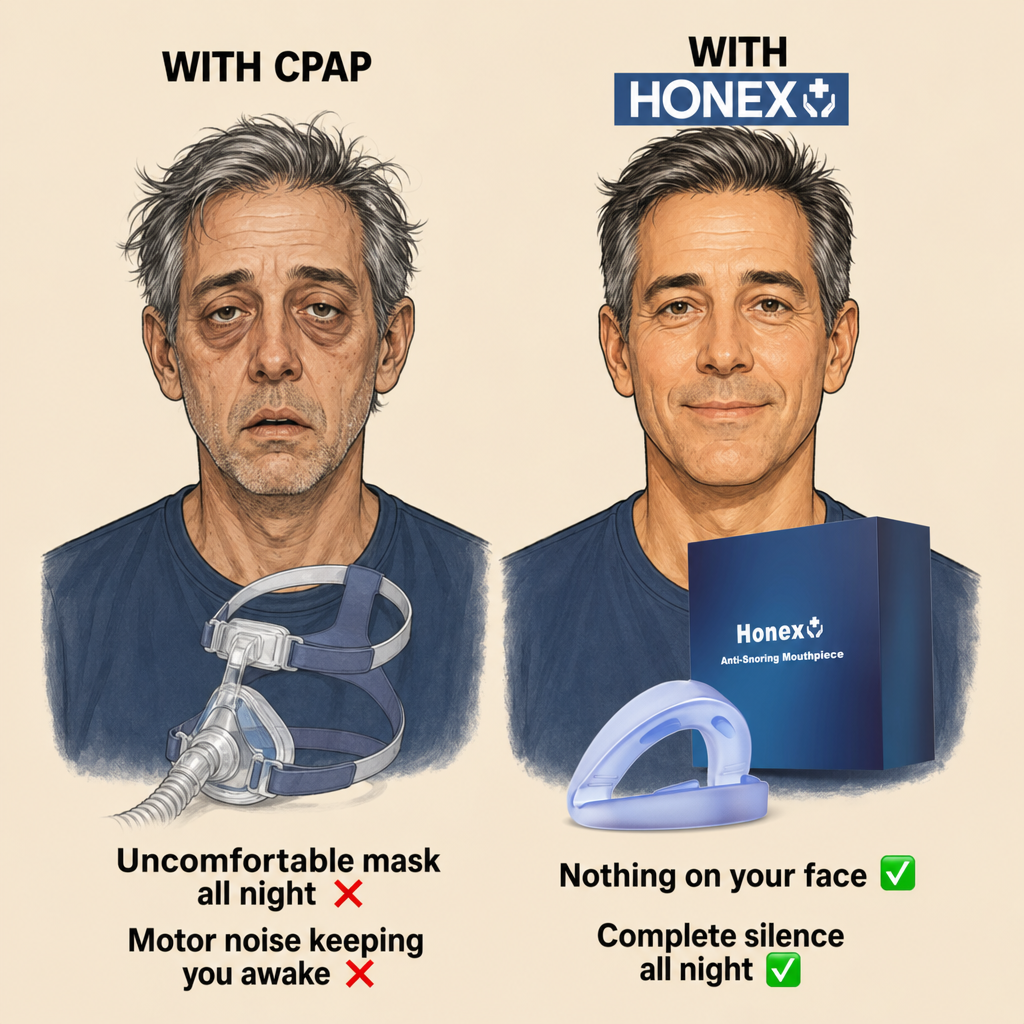
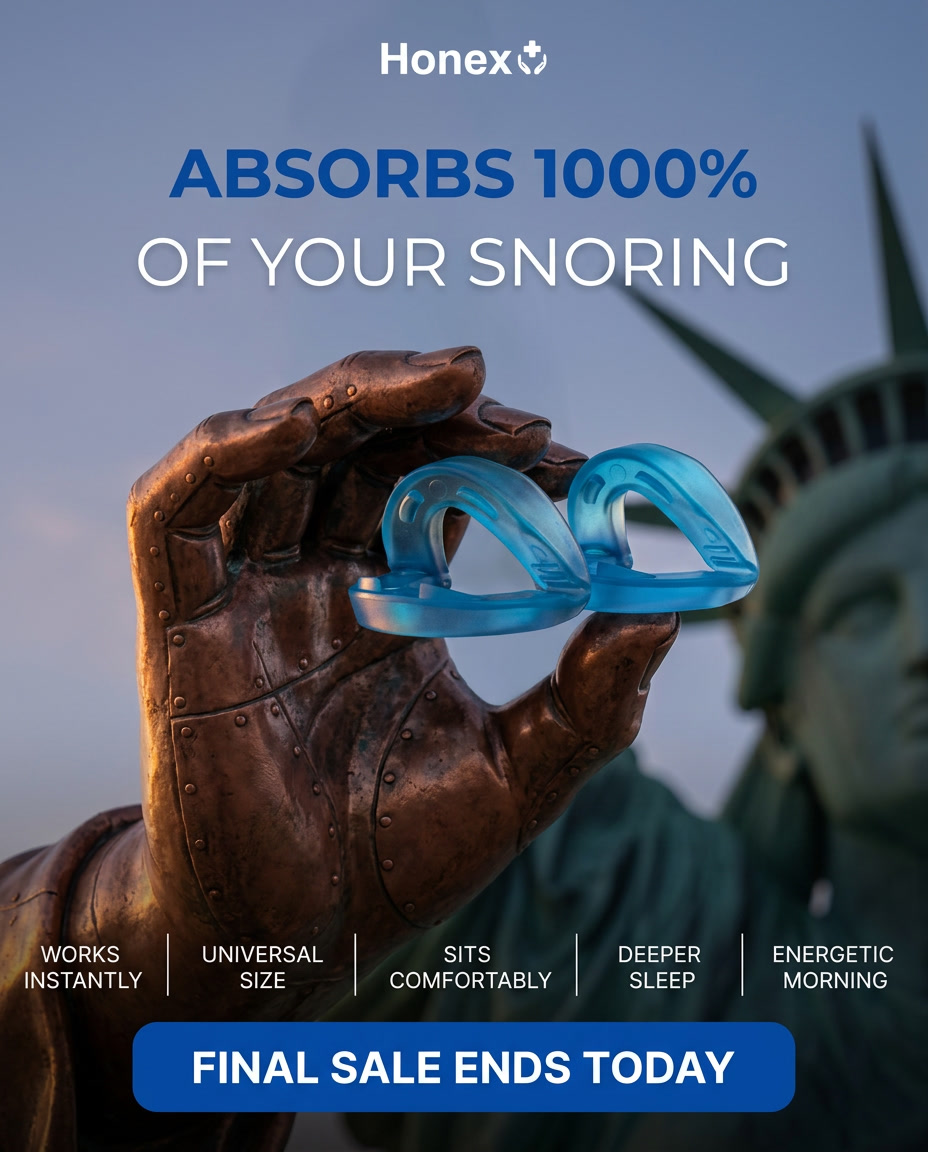
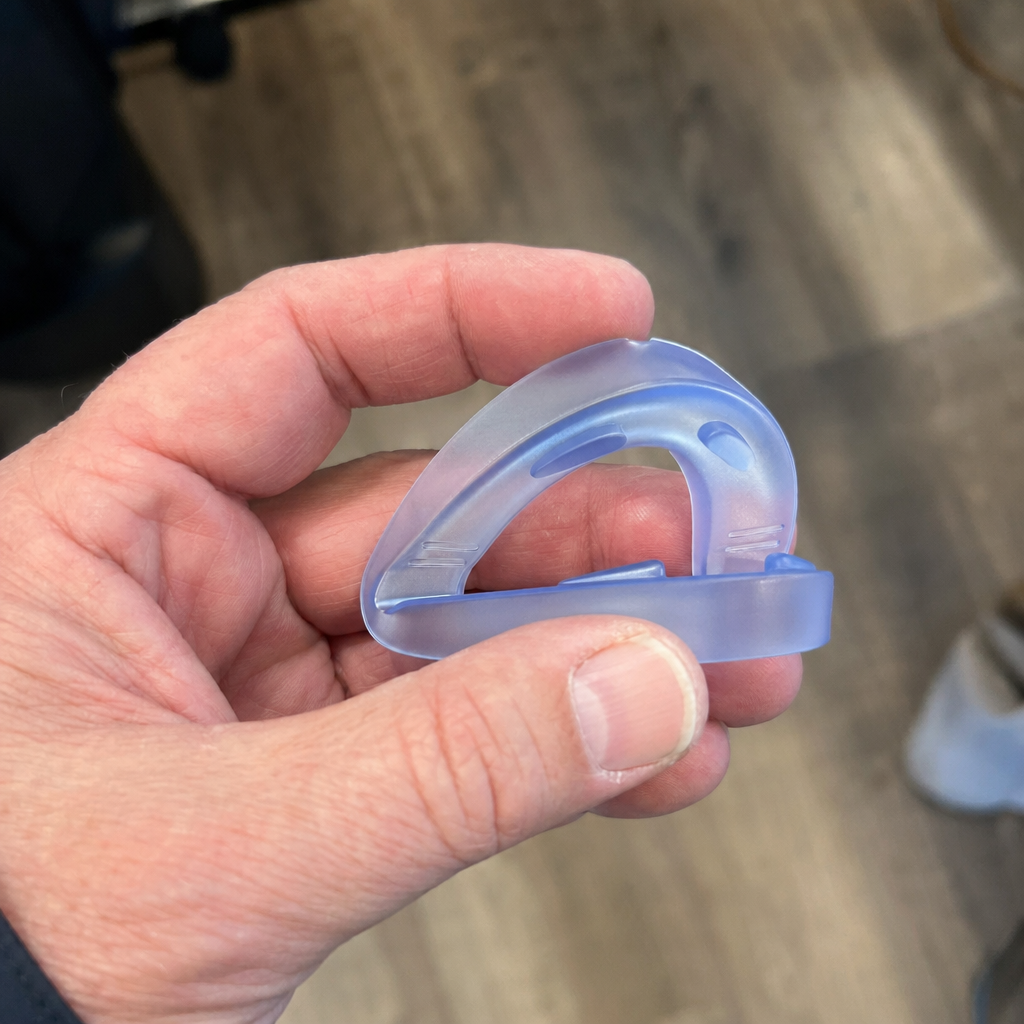
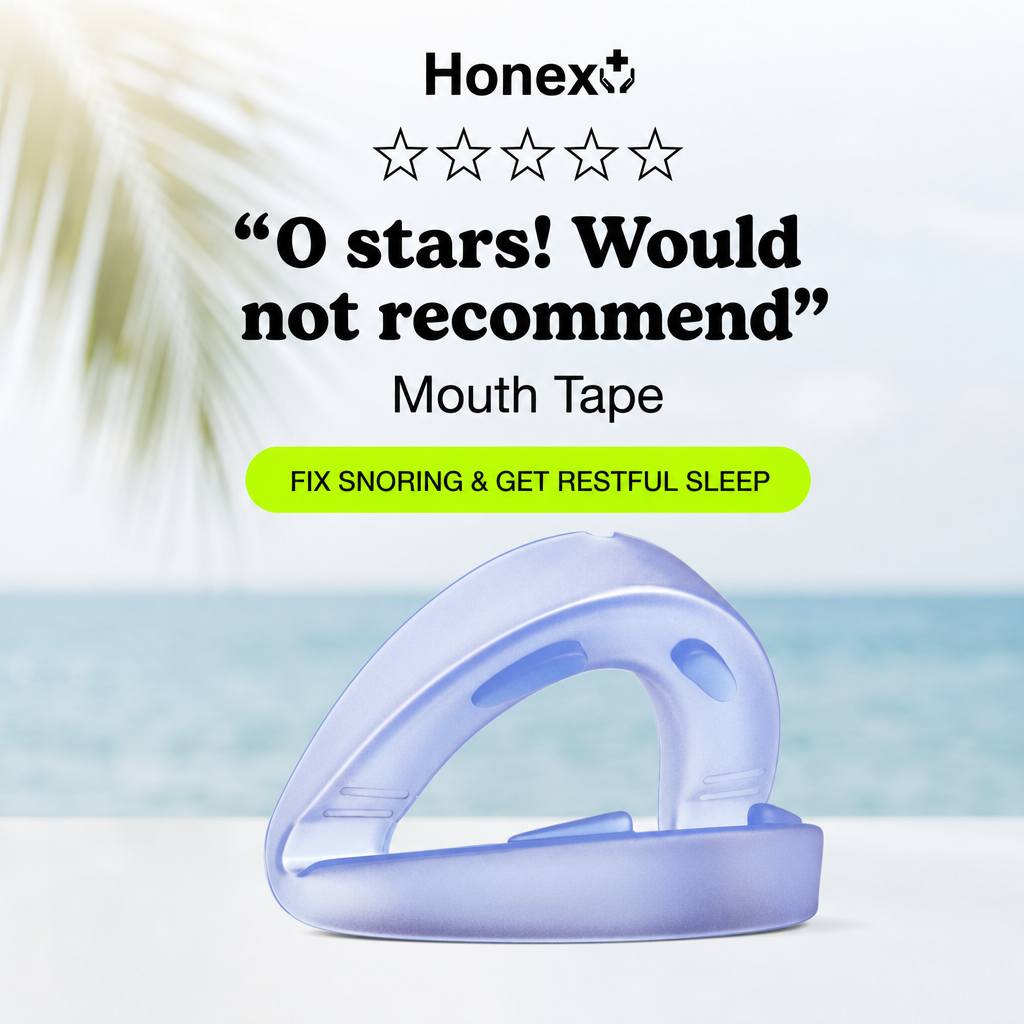
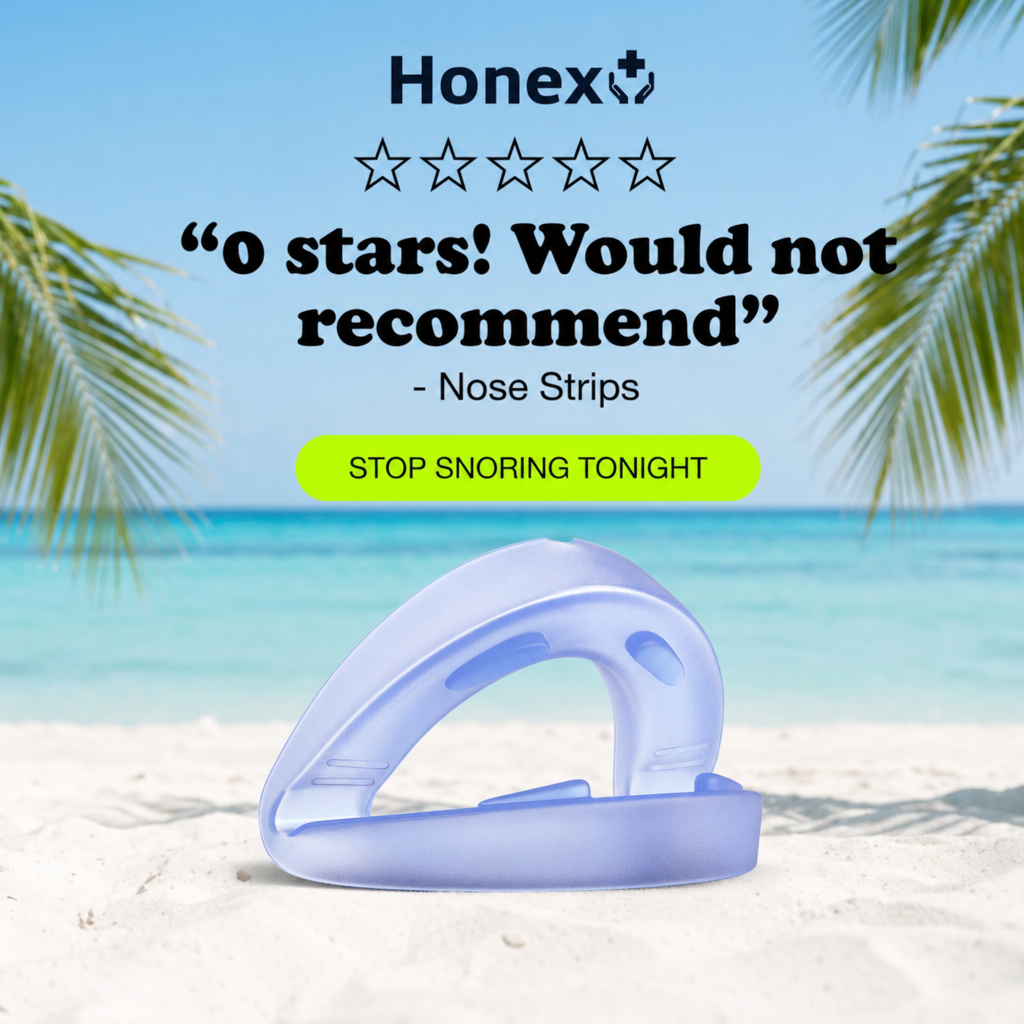
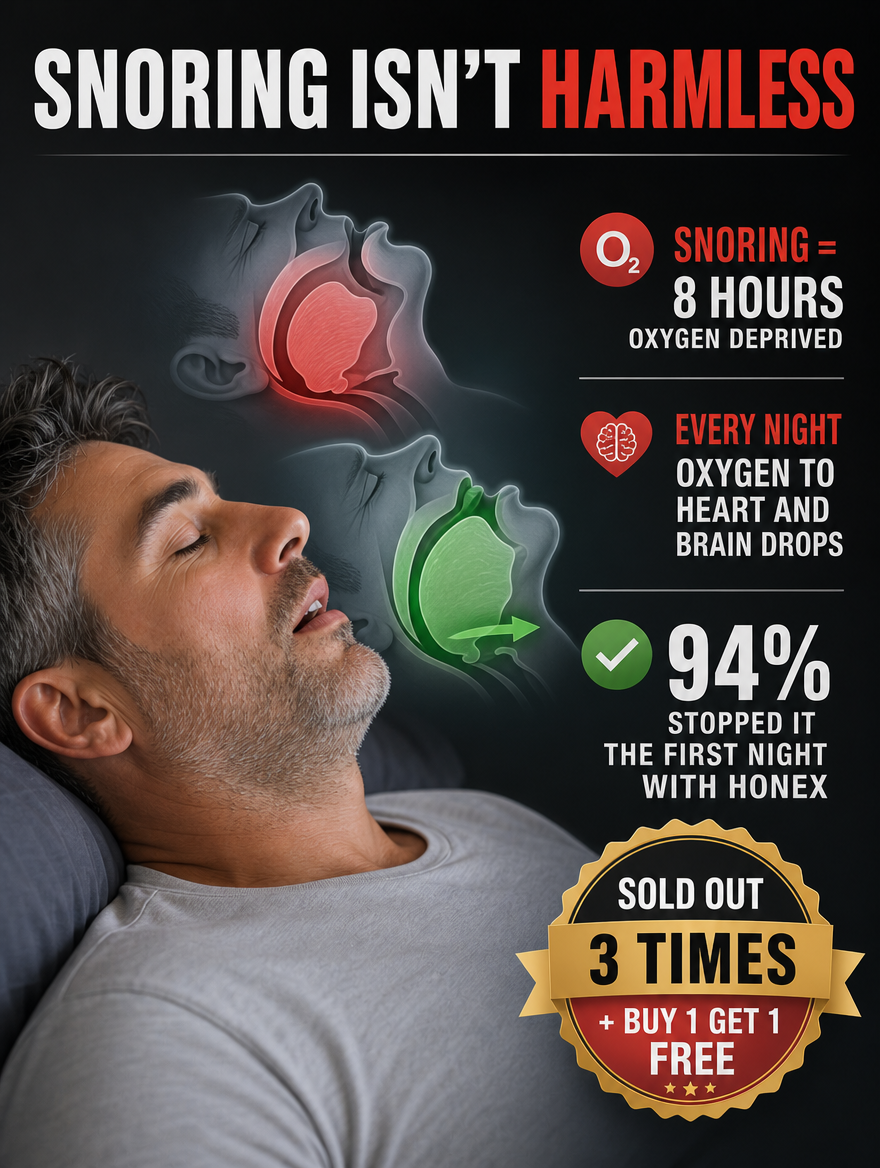
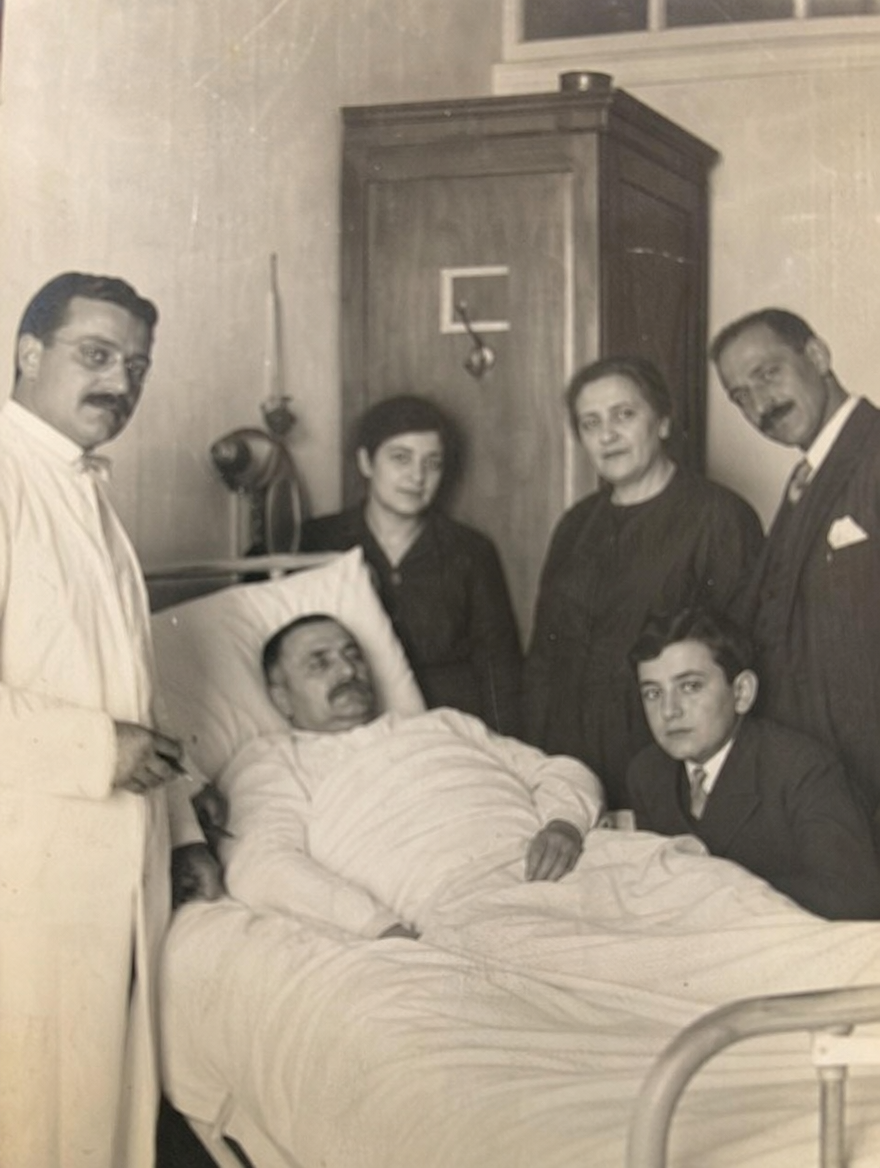
For 200 years, one family near Venice has died the exact same way. Around age 50 they stop sleeping. Not badly. Completely. And within a year, every one of them is gone. What finally explained it should scare anyone who shrugs off bad sleep. It always starts the same way. A man or woman, healthy, usually in their 50s, begins to have trouble sleeping. At first it looks ordinary. A few bad nights. Then the bad nights stop ending. The sleep gets thinner and thinner until it disappears completely, and no pill, no drink, no amount of exhaustion can bring it back. What follows is hard to read. Without sleep, the body unravels. The person sweats, their heart races, they lose weight, they start to see things. And within a year or so, every member of the family who inherits this dies. Doctors have a name for it now: fatal familial insomnia. For generations, nobody knew. The family buried its dead and whispered about a curse. The doctors who saw the cases blamed depression, or stress, or drinking. It took until the late 20th century, and a researcher willing to chase the family's history, to find the truth. A tiny error in a single gene. A misfolded protein that slowly destroys the part of the brain that lets you fall asleep. Here's why I'm telling you about a rare disease you'll almost certainly never have. Because for most of history, we've treated sleep like an optional extra. The first thing you cut when life gets busy. This family is living, and dying, proof of the opposite. Sleep isn't rest. Sleep is maintenance. It's the hours your brain clears its own waste, your heart gets a break, your hormones reset, your memory files the day. Take it away completely, and a healthy adult dies in about 18 months. That's how essential it is. Now here's the part that should concern you. You'll never inherit that gene. But there's a far more common way that deep, restorative sleep gets stolen, night after night, from millions of people who have no idea it's happening. And unlike the Venetian family, the people losing their sleep this way are sure they're sleeping fine. They snore. When you snore, you can lie in bed a full 8 hours and get nowhere near 8 hours of real sleep. As you drift off, the muscles in your throat relax. Your jaw slides backward, your tongue follows it, and your airway narrows to a gap the width of a straw. Air fighting through that gap is the sound we call snoring. But the sound isn't the danger. The danger is when the gap closes. Your oxygen drops, your brain detects the threat, and it drags you up out of deep sleep just enough to gasp and start over. You won't remember a second of it. It can happen dozens of times an hour. So the snorer "sleeps" 8 hours and gets maybe 3 of the deep, restorative kind. Not for one bad week. For years. You don't die in 18 months. You pay slowly, in a currency you never connect to the cause: the exhaustion coffee can't touch, the fog, the short fuse, the blood pressure creeping up, the sense you're aging faster than you should. The Venetian family lost their sleep all at once, and the whole world studied it. Most snorers lose theirs a teaspoon at a time, and nobody says a word. If that's you, here's the good news the gene-cursed family never had: this version is mechanical, and mechanical problems have mechanical fixes. Sleep doctors have used jaw-advancement devices for decades. They hold your lower jaw slightly forward while you sleep, so your tongue can't fall back and your airway physically can't collapse. No collapse, no oxygen drop, no all-night panic loop. The custom ones run about $2,000 at a dental specialist. The one I point people to is called Honex. Same jaw-positioning principle, but it's a flexible, medical-grade mouthpiece that molds to your own teeth at home in about a minute. No boiling, no dentist. It's thinner than a credit card, and you can talk and drink water with it in. For most snorers, the snoring stops the very first night. There's a 60-night money-back guarantee, so finding out costs you one quiet night, and right now it's buy one, get one free with free shipping. I don't think about that family because I'm afraid of their disease. I think about them because of what they prove. Sleep isn't the thing you give up to get everything else done. Sleep is the thing that keeps you alive to do it. You can't choose your genes. But if the only thing between you and a real night's sleep is a jaw that slides backward, that you can fix tonight. Don't wait 200 years to take your sleep seriously.
Like this ad? Make it yours.
Crush rebuilds this exact creative around your product — your brand, your colors, your offer — in about a minute.