
Inactive· since Mar 4, 2026
- 147
- days it ran
- 0
- relaunches
Ad copy
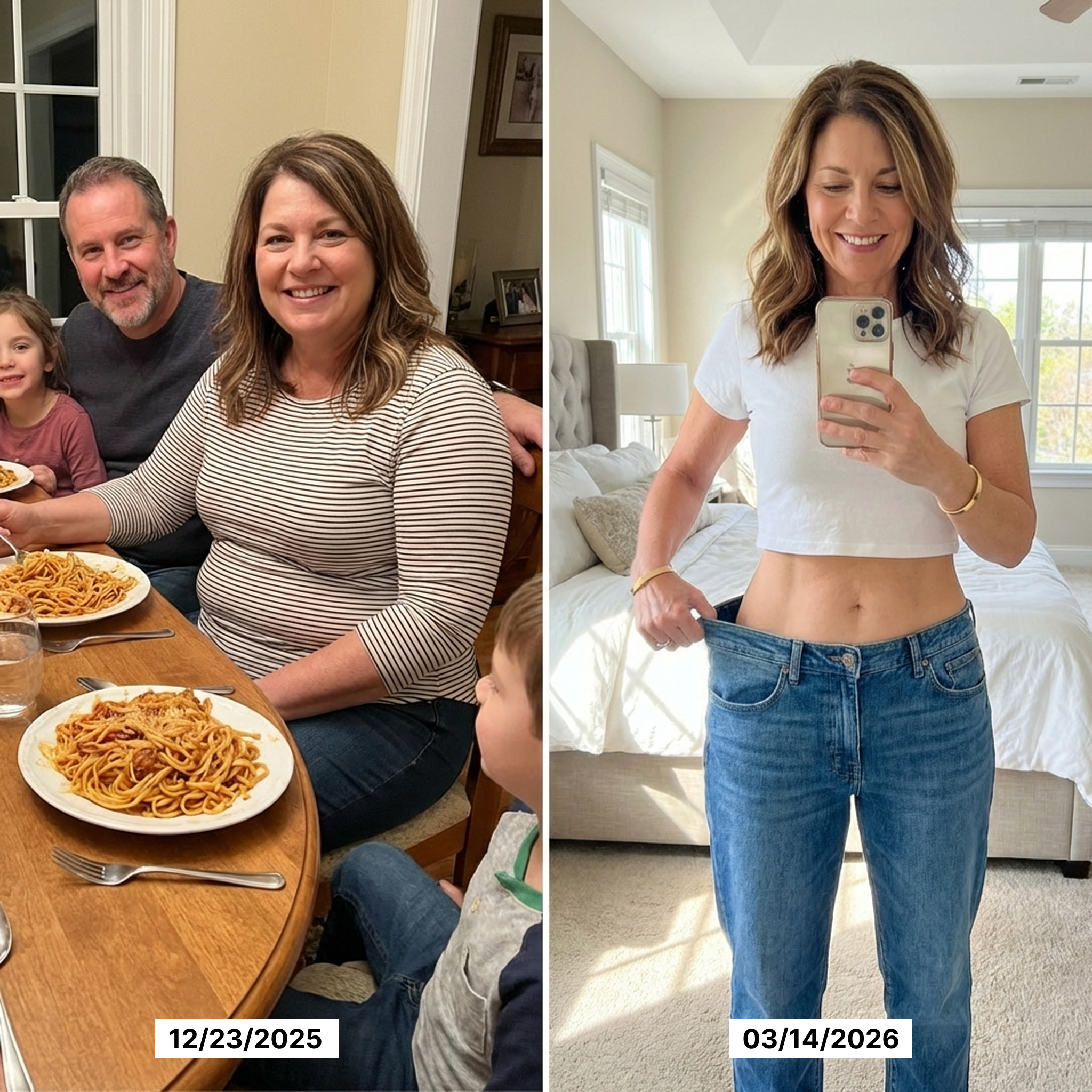
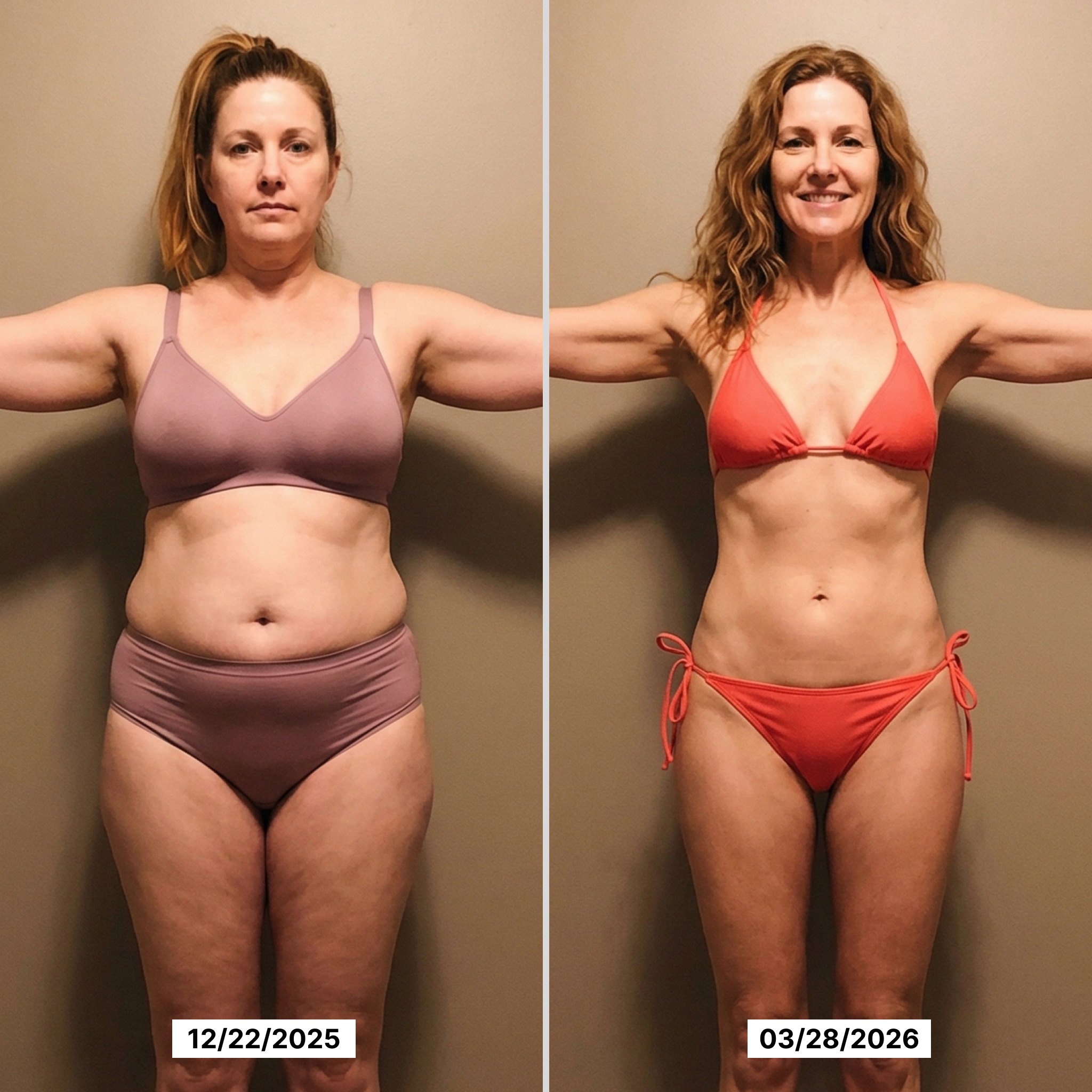
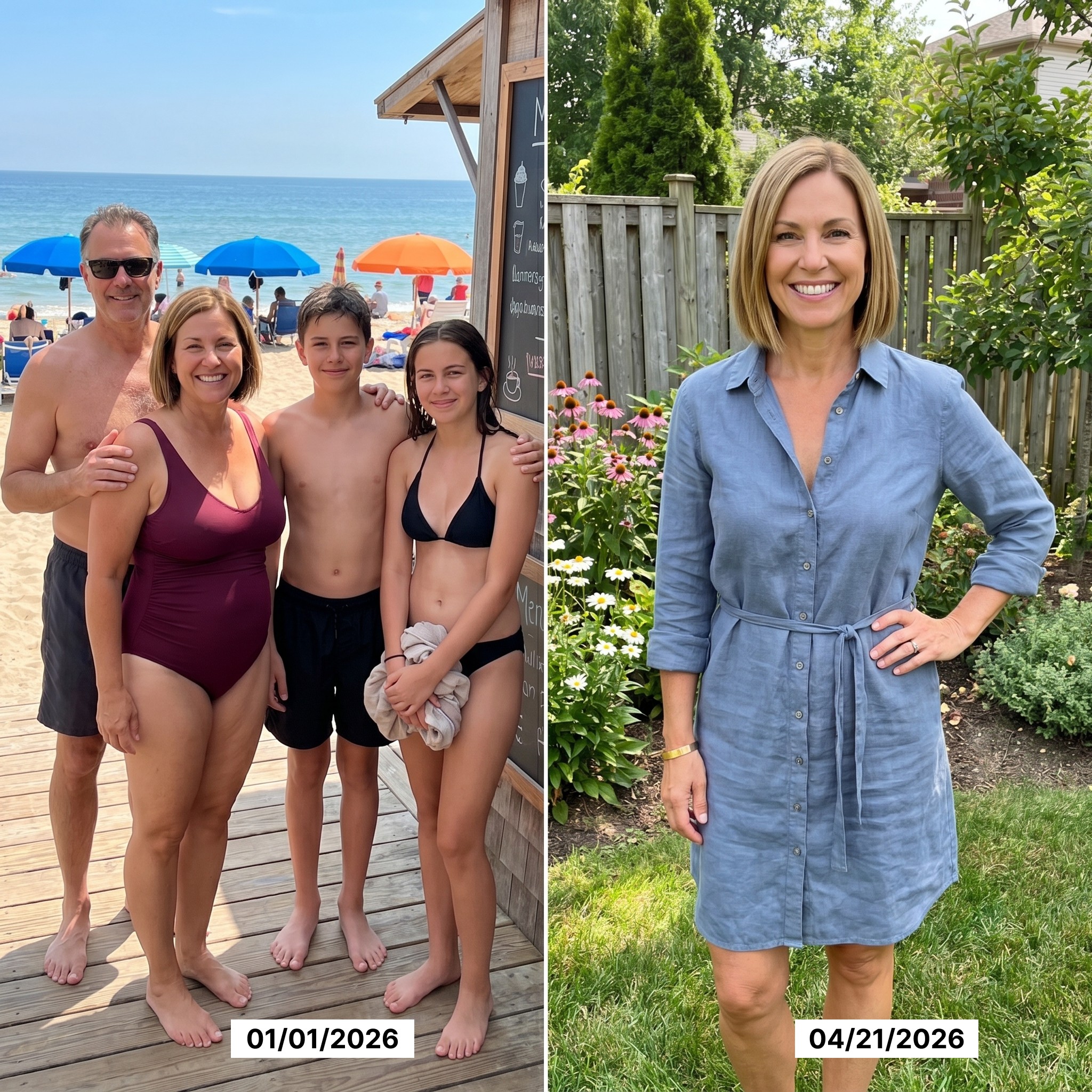
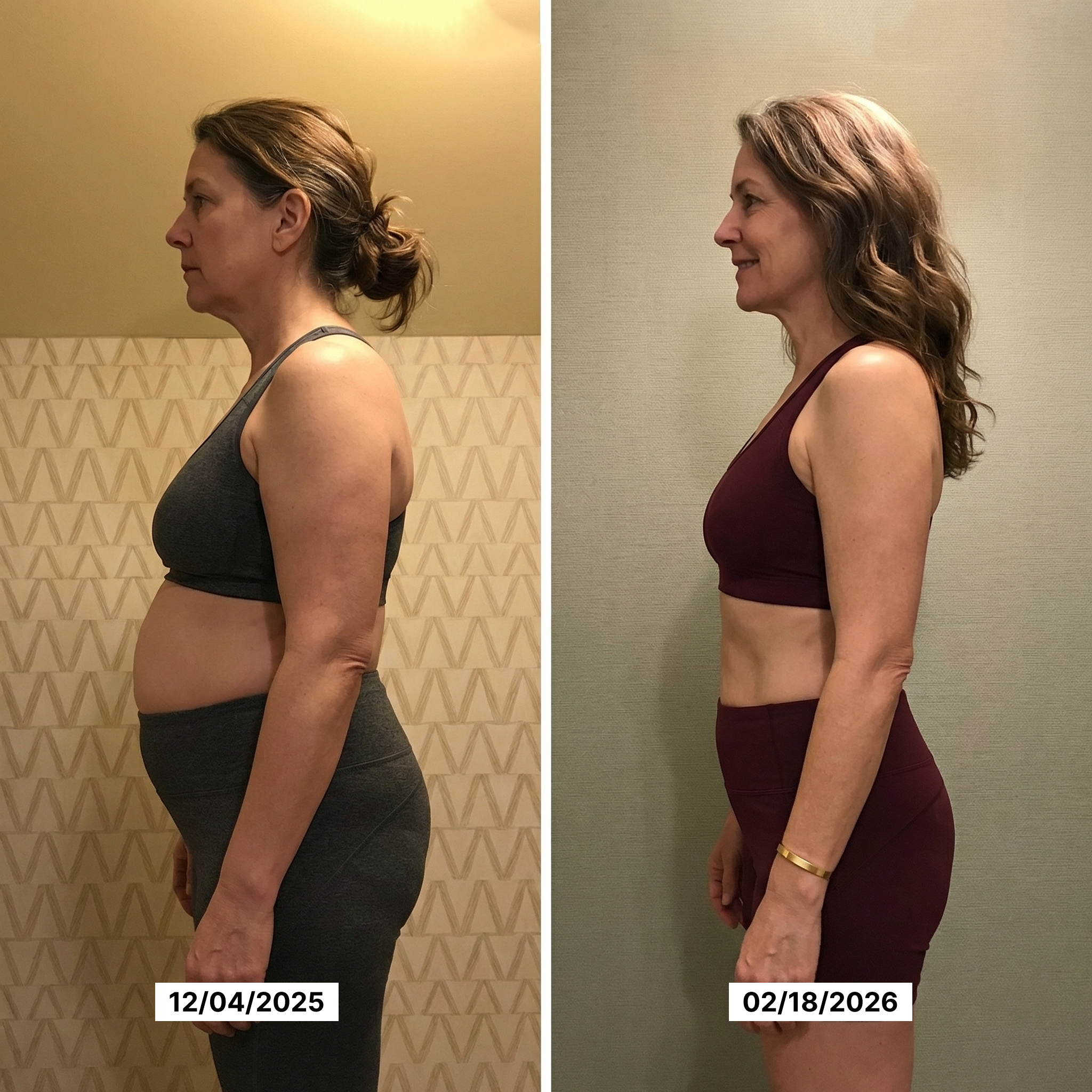
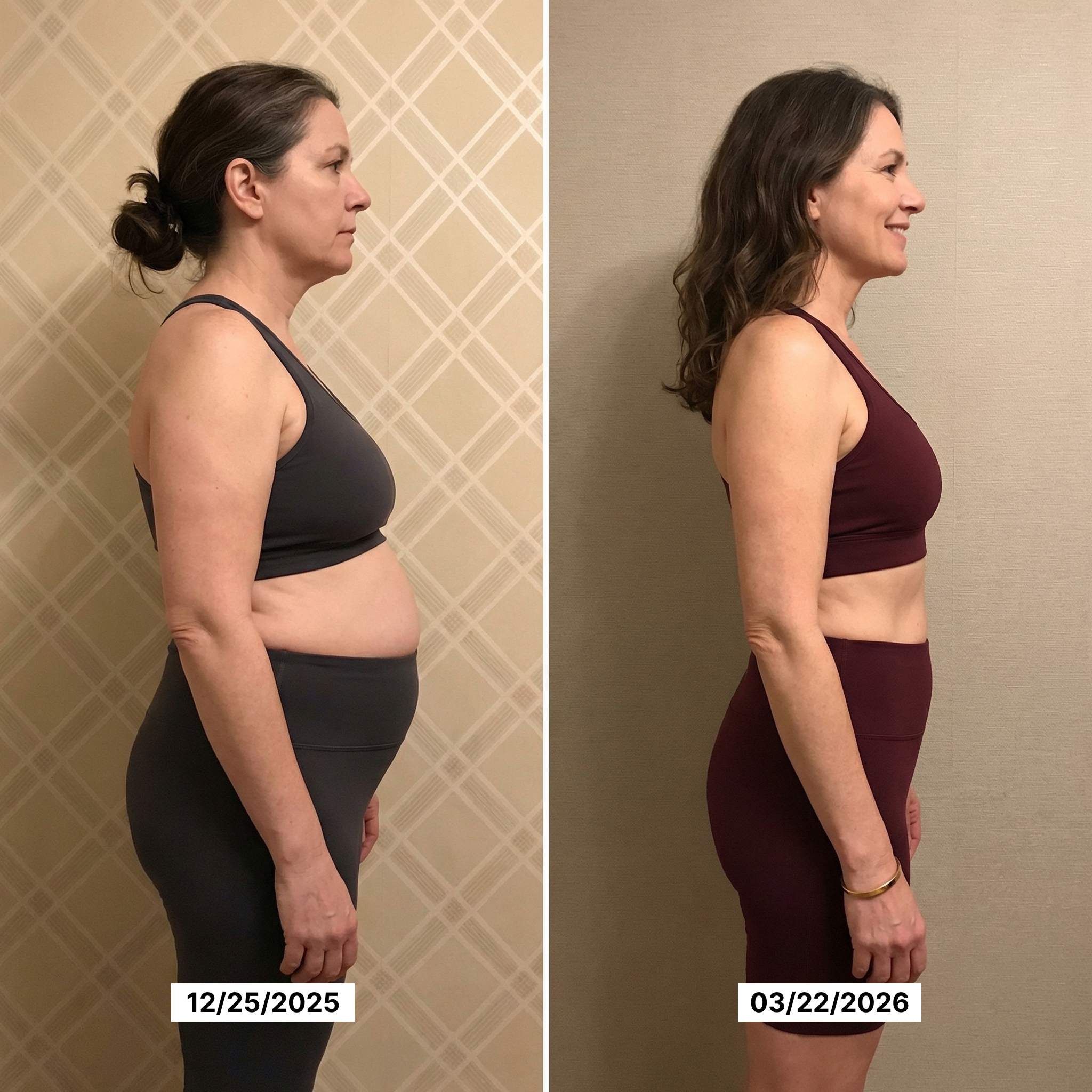
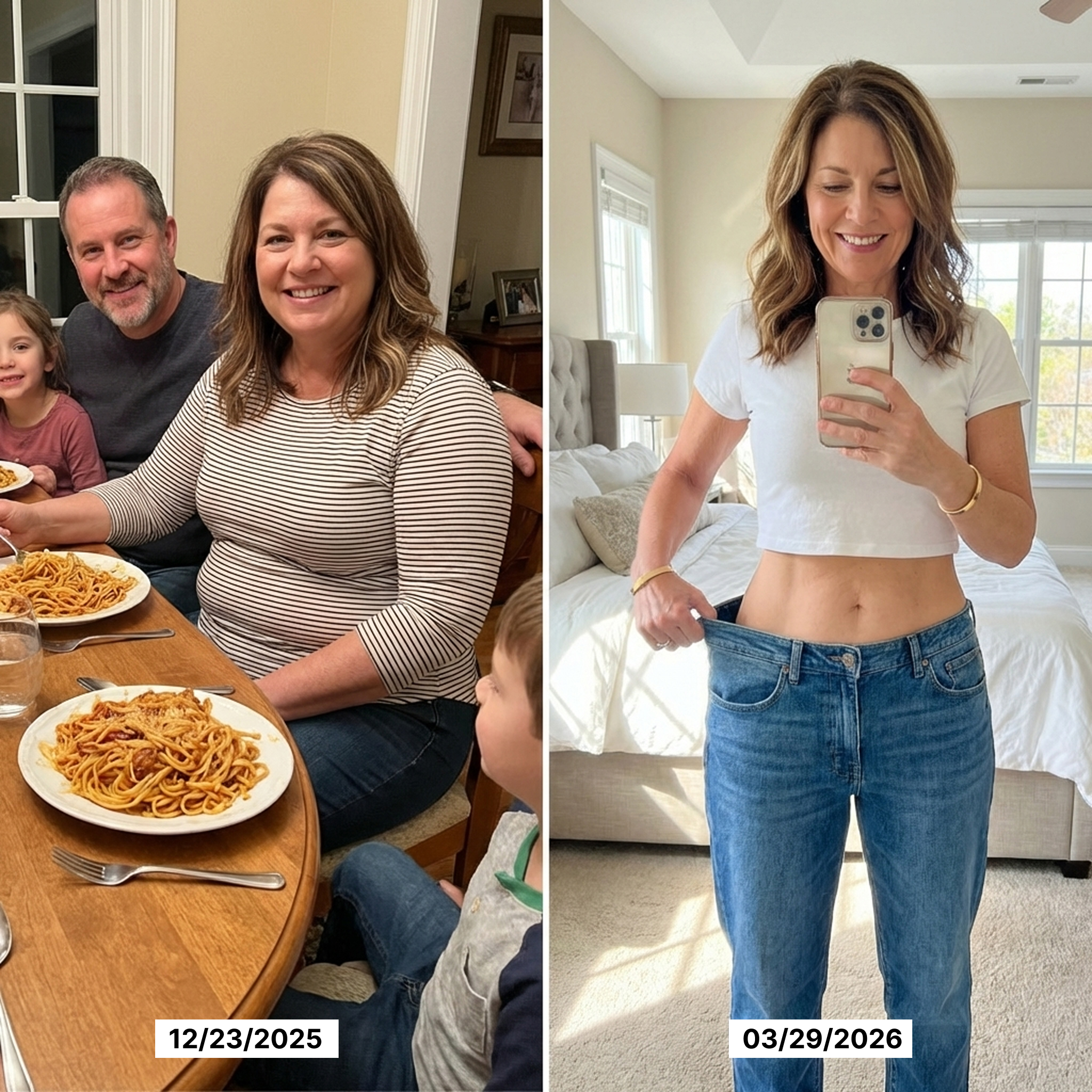
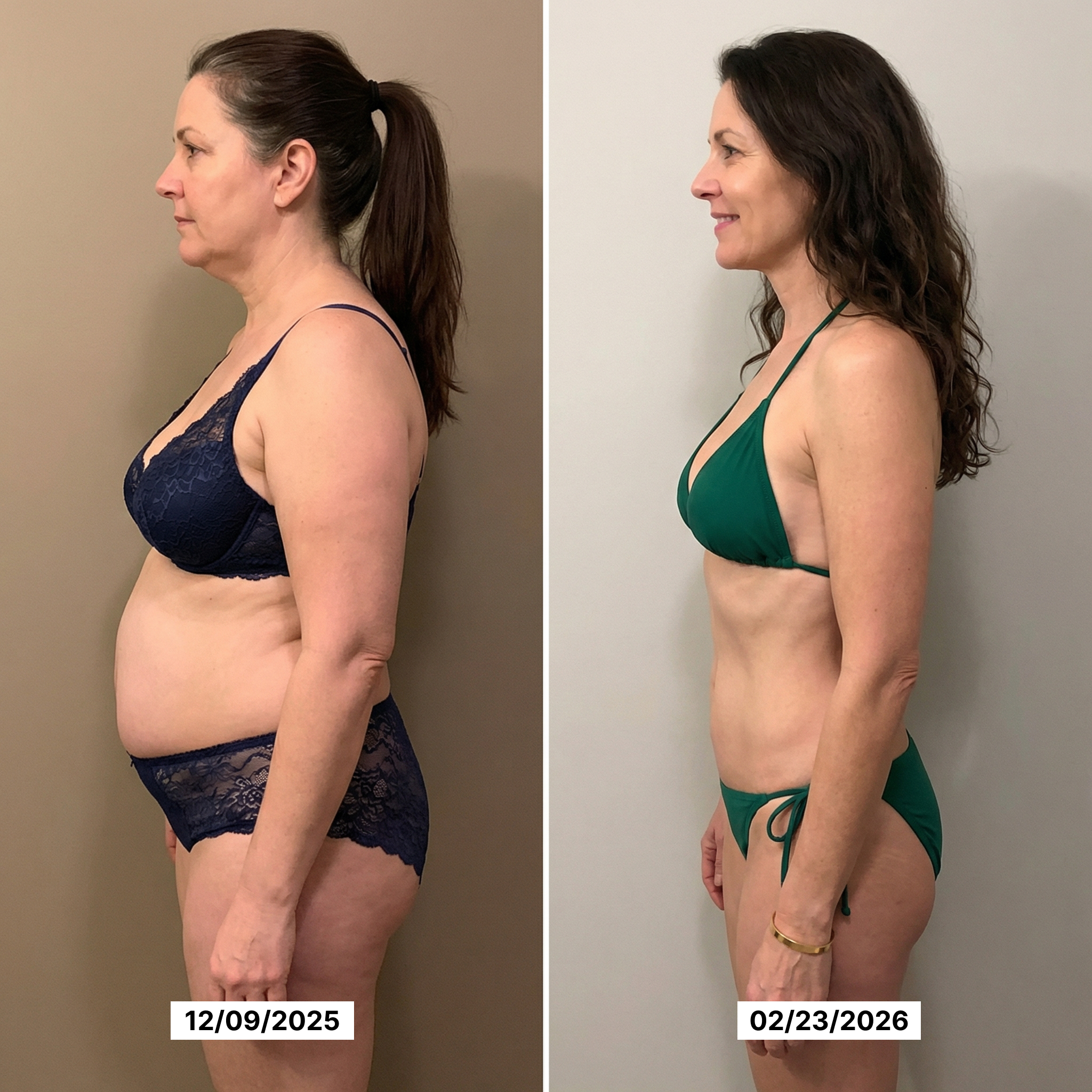
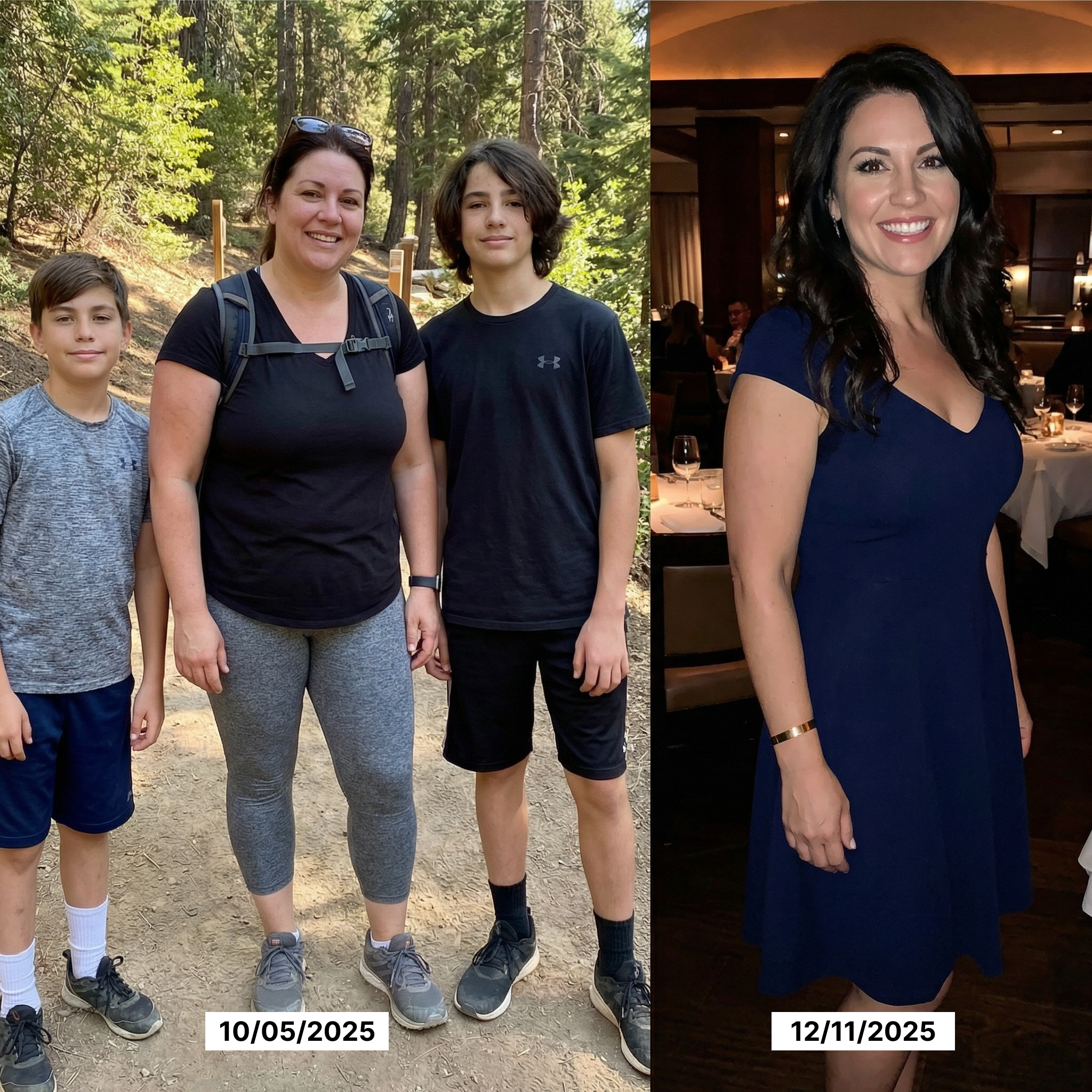
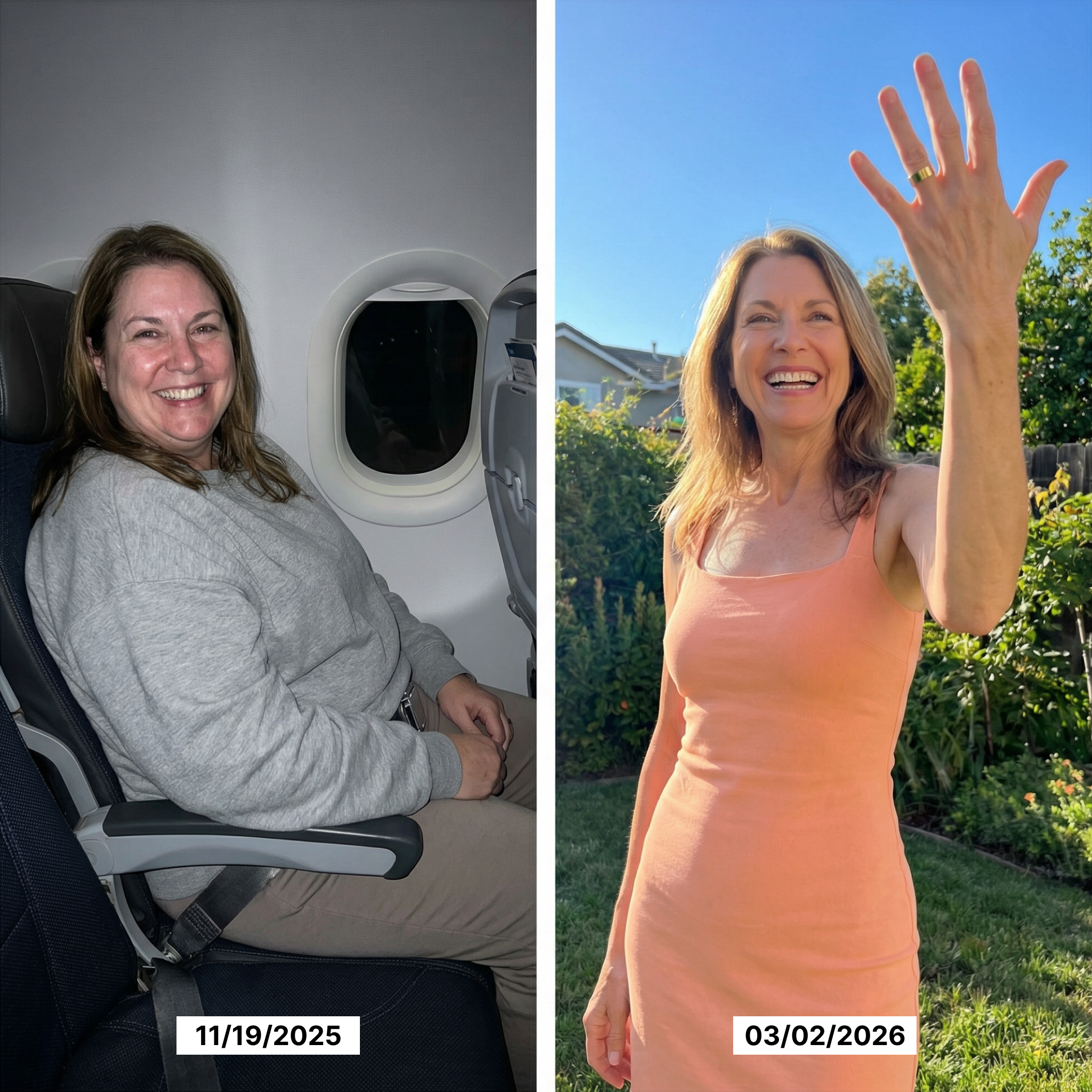
"My cardiologist asked what beta blocker protocol my primary care started me on. I'm 50. I'm not on beta blockers. My blood pressure dropped from 156 over 98 to 118 over 74 in 11 weeks." I'm a cardiac rehab nurse. I've worked cardiovascular rehabilitation for 18 years. Dr Thomas Williams has been my cardiologist for eight years. He knows my family history, my progressive hypertension, my medication trials. At my three-month follow-up, he checked my blood pressure twice. Then checked his notes. "Denise, your blood pressure is 118 over 74. Three months ago you were 156 over 98. That's a 38-point drop in systolic. What beta blocker is your primary care using? Metoprolol? Carvedilol?" "I'm not on beta blockers. No blood pressure medication." He frowned. "This level of reduction doesn't happen without pharmaceutical intervention. Are you sure you're not taking anything?" The Family Curse Here's what they don't tell you about working cardiac rehab when hypertension runs in your family: You see post-MI patients every day. You know most of them had uncontrolled hypertension for years before the heart attack. And you're watching your own blood pressure climb despite medication trials. My father: hypertension diagnosed at 48, stroke at 56, died at 60. My aunt: hypertension at 50, heart attack at 59, survived but disabled. My brother: hypertension at 45, on three medications now at 52. I'm 50. Hypertension diagnosed at 46. Blood pressure climbing despite lifestyle changes. From 46 to 50, my blood pressure went from 134/84 to 156/98. Stage 2 hypertension. And I gained 39 pounds, all belly. The Numbers That Scared Me My metrics before everything changed: Blood pressure: 156/98 (stage 2 hypertension) Resting heart rate: 88 (elevated) Weight: 181 pounds (from 142 four years ago) Waist: 40 inches (from 30 inches) Family history: Father stroke 56, aunt MI 59 Dr Williams was direct: "Denise, you're 50. Your father had his stroke at 56. You have six years. We need to get this blood pressure under control. Lisinopril trial failed. HCTZ trial minimal effect. I'm recommending a beta blocker." Beta blockers work. But the side effects: fatigue, dizziness, depression, weight gain, sexual dysfunction. And once you start, you rarely stop. Lifelong medication. The Money I Spent Fighting It DASH diet program: $1,400 for nutritionist-guided six months. Blood pressure 156/98 to 148/92. Better, but not controlled. Sodium-restricted meal delivery: $1,680 for eight months. Blood pressure 148/92 to 144/88. Still stage 2. Meditation app + biofeedback device: $520. Helped stress slightly. Blood pressure unchanged. Supplements (CoQ10, magnesium, potassium, hawthorn): $740 over 18 months. Minimal effect. Total: $4,340. Result: Blood pressure 156/98 to 144/88. Still stage 2 hypertension. Still uncontrolled. Still needing medication. Dr Williams: "Denise, we've tried lifestyle. We've tried two medication classes. It's time for a beta blocker." What a Cardiac Patient Revealed Then I saw something in a patient's chart that stopped me. Mrs. Peterson, 66, cardiac rehab patient post-stent. I'd been working with her for two years. Two years ago: Blood pressure 168/102, on three medications (ACE inhibitor, diuretic, beta blocker). Still poorly controlled. Current chart (routine monitoring): Blood pressure 122/76, on zero medications. I pulled her aside after her session: "Mrs. Peterson, your blood pressure normalized and you're off all medications. What protocol did your cardiologist use to taper you off?" She smiled. "He didn't taper me. I told him I'd addressed my chronic stress and my pressure normalized on its own. He was skeptical but the numbers don't lie." She showed me her hand. A ring. "My son is a cardiologist at Mayo Clinic. He told me hypertension in menopause is often driven by chronic stress. Stress activates the sympathetic nervous system. That elevates blood pressure and stores belly fat. This calms the stress response. When that happens, blood pressure normalizes naturally." As a cardiac rehab nurse, I work with autonomic nervous system concepts daily. Sympathetic overdrive. Parasympathetic activation. Heart rate variability. The mechanism made perfect sense. "How much?" "$50. Compare that to beta blockers for life." My 11-Week Transformation I ordered one immediately. Documented obsessively with home blood pressure monitor: Week 1 through 3: Sleep improved. Waking rested. Morning BP: 152/96 (slightly better). Resting HR: 84. Week 4 through 6: Stress eating stopped. Energy stable. Morning BP: 142/88. Resting HR: 78. Lost 13 pounds. Week 7 through 9: Belly visibly flatter. Morning BP: 132/82. Resting HR: 72. Lost 15 pounds. Week 10 through 11: Abdomen soft. Morning BP: 118/74. Resting HR: 64. Lost 11 pounds. Total: 39 pounds lost. 10 inches off waist. Blood pressure normalized. Resting heart rate dropped 24 beats. That's when Dr Williams asked about beta blockers. The Appointment That Changed Everything When I told Dr Williams I wasn't on medication, he checked my blood pressure himself. Three times. 118/74. 116/72. 120/76. "Denise, this is controlled hypertension. Without medication. Walk me through what you did." I explained: "Chronic stress keeps the sympathetic nervous system activated. That drives blood pressure up and stores visceral fat. When you regulate the nervous system, sympathetic activity decreases, blood pressure normalizes, belly fat releases." He pulled up my chart history: Blood pressure: 156/98 to 118/74 (38-point drop) Resting heart rate: 88 to 64 (24-beat drop) Weight: 181 to 142 pounds (39 pounds lost) Waist: 40 to 30 inches (10-inch reduction) "In 24 years of cardiology, I've seen blood pressure reductions like this with beta blockers. But you achieved it by addressing autonomic nervous system dysregulation. The mechanism is sound. I'm just stunned by the results." He updated my chart: Hypertension resolved without pharmacological intervention. Eight Weeks Later Dr Williams now discusses stress management with hypertensive patients before escalating medications. Four cardiac rehab patients have tried the ring. Three are seeing blood pressure reductions of 20-35 points. Mrs. Peterson maintains normal blood pressure 18 months later. Still no medications. Five nurse colleagues are wearing one. All five report blood pressure improvements. The Cardiac Rehab Truth Here's what 18 years in cardiac rehab taught me: Beta blockers work. For severe hypertension, they're essential. But for stress-driven hypertension in menopause, they treat the symptom, not the cause. The cause is chronic stress activating the sympathetic nervous system. Activated sympathetic nervous system elevates blood pressure and stores belly fat. Medications block the symptom. But the dysregulated nervous system remains dysregulated. When you address the nervous system, blood pressure normalizes. Heart rate normalizes. Belly fat releases. For me, that started with a $50 ring that saved me from lifelong beta blockers. I still recommend medications when necessary. But now I also say: "Before we start medications, let's address your stress response." 👉 If your blood pressure is climbing and you want to avoid lifelong medication... Click below to discover the Kalm Ring. Just $49.90 at the official store. Slip it on your finger. Monitor your blood pressure daily for 11 weeks. https://mykalm.co/original-ring
Reduces menopause symptoms naturally
Don't miss out! Get TWO original Kalm Ring for the price of ONE. These are our largest discounts of the year. and supplies are running low. Secure yours now while they last!
LEARN MORELike this ad? Make it yours.
Crush rebuilds this exact creative around your product — your brand, your colors, your offer — in about a minute.