
Inactive· since Jun 23, 2026
- 70
- days it ran
- 0
- relaunches
Ad copy
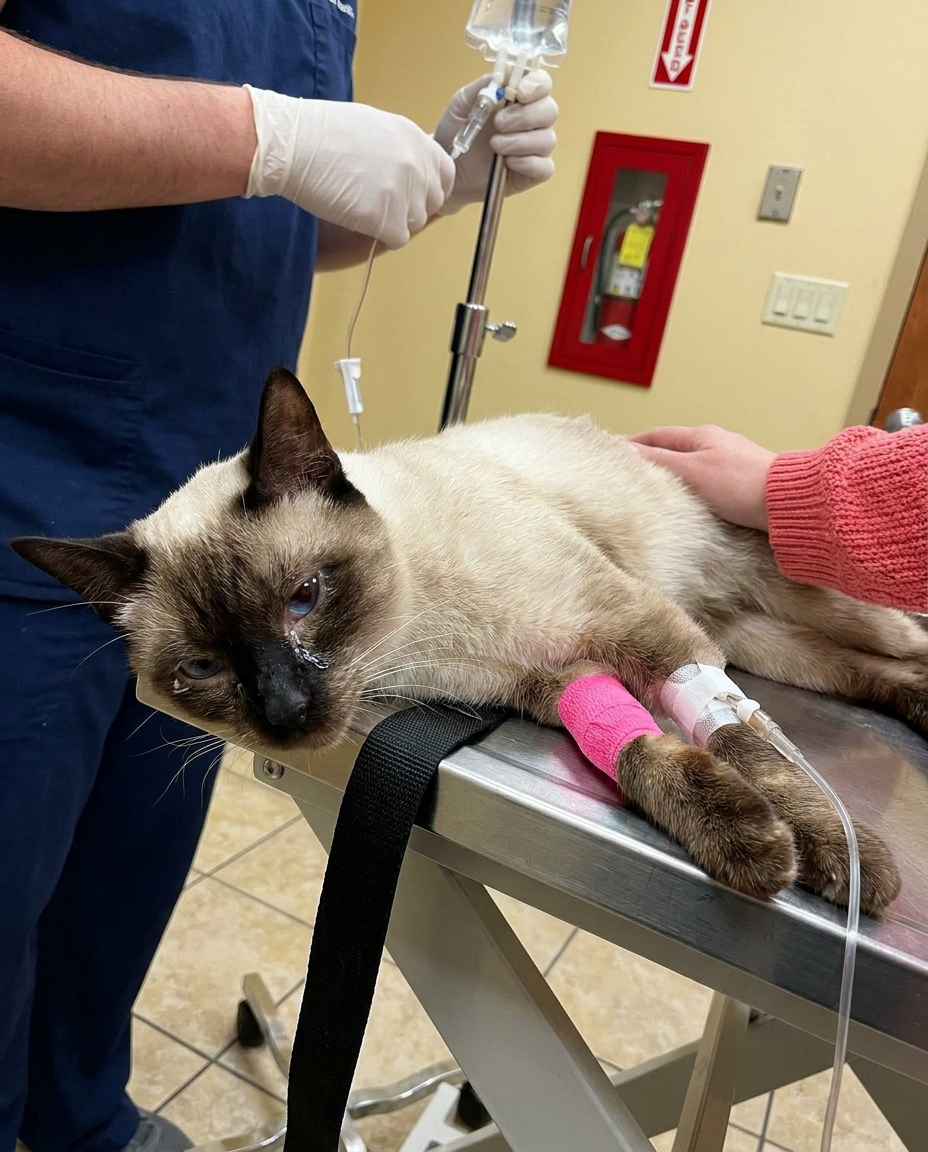
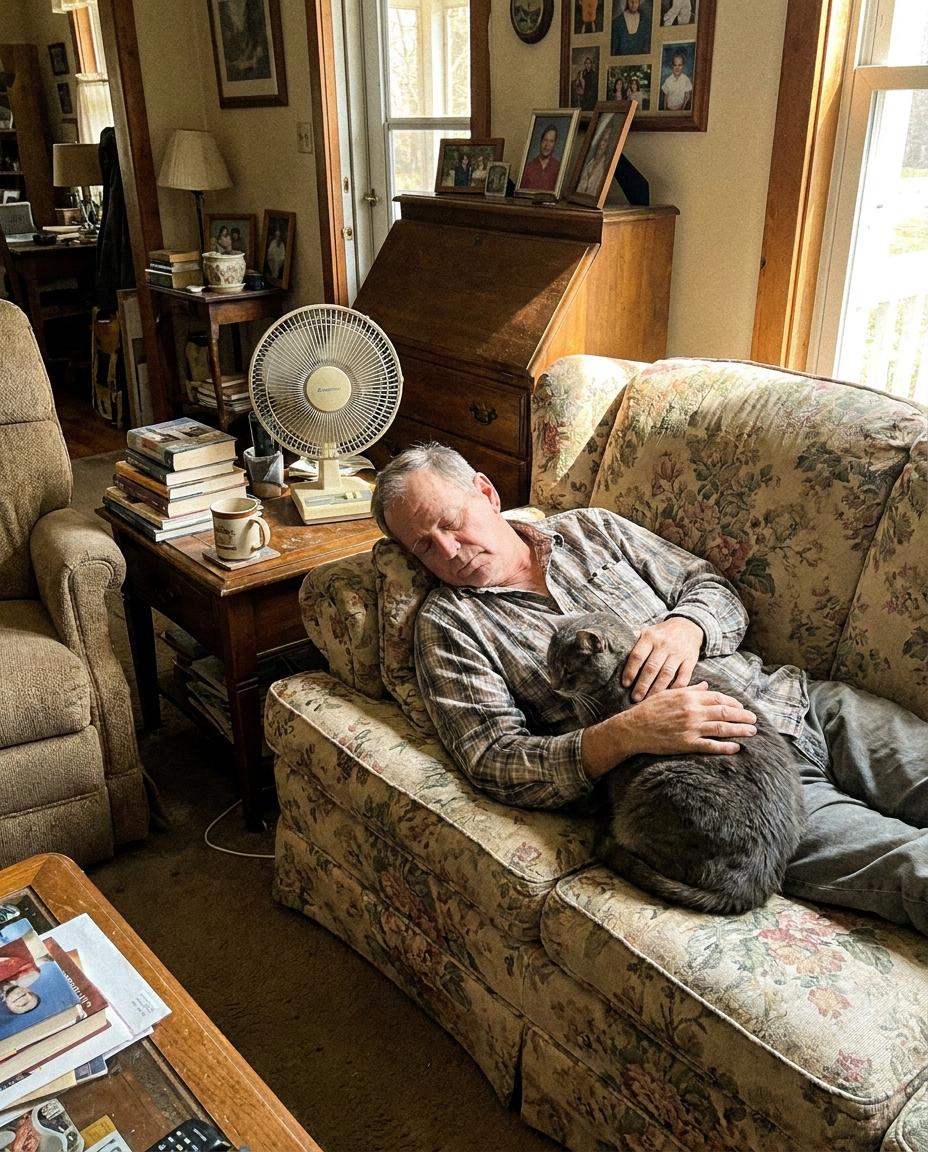
The cases that break my heart are not the ones nobody saw coming. They are the ones where the owner says, "She drank a little less than I would have liked. She was always at the sink. She drank out of my water glass. I thought it was just a cat thing." I hear some version of that more often than I can stand. The owner is sitting across from me. Their cat is in the back on an IV. And they are trying to make sense of what just happened. They keep telling me the bowl was always full. The water was filtered. The cat was inside, safe, well fed, loved. They did everything right. And they did. That is what makes it so hard to explain. Because the thing that quietly dehydrated their cat is not the bowl being empty. It is not the quality of the water. It is two things happening at the same time, underneath everyone's notice, and cats are uniquely vulnerable to both of them. I have practiced feline medicine for 14 years. Over 8,000 cats through my exam room. Then in the span of a single summer, three cats came in within weeks of each other, all in kidney or urinary crisis. All indoor cats. All on premium food. All with full, clean water bowls at home. All with owners who had done everything right. That shook me. These were not neglected animals. These were cherished cats in good homes, declining anyway, and their owners had no idea it had been happening. One case hit me hardest. A cat whose owner kept a spotless ceramic bowl, filled it with filtered water twice a day, brought him in every year. He had been drinking from the bathroom sink and the shower floor for two summers, and barely touching his bowl. The owner thought it was a cute quirk. By the time he reached my table, it was not a quirk anymore. I kept asking myself the same question. If the bowl is full and the water is clean, why is this cat dehydrated. What are we all missing. That question sent me into the research. And what I found changed how I look at every cat that walks into my clinic. There were two mechanisms running at the same time that nobody had ever explained to these owners. Here is the first one. Your cat is a desert animal. She descends from a wildcat that got almost all of its water from the prey it ate, and so it almost never needed to drink. Over millions of years, her sense of thirst became suppressed by design. She does not feel thirst the way you do. Her body simply does not generate the strong signal that drives an animal to water. I call this the Thirst Gap. The gap between how much water her body actually needs and how little her thirst tells her to drink. She can be genuinely dehydrated, sitting right next to a full bowl, and feel no urge to touch it. The Thirst Gap is always running. Quietly. In every cat. It is not visible from the outside, because a cat that simply is not drinking does not look like anything is wrong. But the Thirst Gap is only half of it. Because even the small amount of water she would drink, she refuses to drink from the bowl. Here is the second mechanism. A cat's nose carries hundreds of times more scent receptors than yours. Within a couple of hours of you filling that bowl, the still water grows a film of bacteria in the microscopic pores of the bowl itself, a film you cannot see or scrub away. To you it looks pristine. To her, it smells like a stagnant puddle. Her whiskers hate the walls of a deep bowl pressing against them. And an instinct as old as her species tells her that still water near the den is dangerous, and only moving water is safe. I call this the Still-Water Reflex. The hardwired refusal of a desert animal to drink standing water, even when it is the only water you have given her. So now look at what your cat actually does. The Thirst Gap means she rarely feels the urge to drink. The Still-Water Reflex means that when she does, she will not accept the bowl. So she goes searching. A sip from the bathroom sink. A few licks off the shower floor. Your water glass on the nightstand. The toilet. The saucer under a plant. That drifting from one water source to another is not her being spoiled, and it is not a quirk. It is a thirsty desert animal hunting for the one kind of water her instincts will let her trust, because the bowl failed her on both counts. And here is why nothing in the usual playbook fixes it. The bigger bowl is still a bowl. Still water, still biofilm, still refused. The filtered pitcher cleans the water before it goes in, then it sits in the bowl and grows the same film within hours anyway. The ceramic bowl, the elevated bowl, the prettier bowl. All still water. All refused. Fluids under the skin push water in from the outside and buy time, but they do nothing about why she will not drink on her own. A prescription diet lowers the workload on struggling kidneys, but it cannot make a cat drink. Every standard recommendation fails at the same point, for the same reason. It addresses the water, or the kidney, but never the two mechanisms that stop her from drinking in the first place. The Thirst Gap. The Still-Water Reflex. Two mechanisms. Neither one visible. Both present in every cat sitting quietly beside a full bowl, every single day. That is why my patient was at the sink. Not preference. His bowl had failed both ways, and the moving water at the sink was the only thing his instincts would accept. And the dehydration had been grinding his kidneys down the entire time, silently, because by the time a cat shows a single clear symptom, around 75 percent of kidney function is already gone. That is why the owner who did everything right was sitting across from me, trying to understand how it happened. After I understood both mechanisms, I became obsessed with one question. What addresses both of them at the same time. Not the water quality alone. Not the kidney alone. Both. Continuously. For the rest of the cat's life. I ordered twelve fountains and tested them on my own patients, tracking whether each one actually got a cat to drink. Eleven of them failed for the same hidden reason. They are sold as stainless steel, because there is a stainless bowl on top where the photo is taken. But the tank underneath, where the water sits for hours, is plastic. The water grows the exact same film in that plastic tank, then circulates up to the steel dish. The cat's nose still catches it. The Still-Water Reflex fires anyway. She still walks away. They were built for a bowl-shaped problem. Not for a desert animal that will not drink. Then I found the Rhykin FreshFlow. It is the only one I tested that addresses both mechanisms at once. For the Still-Water Reflex, the basin and the tank are both 304 food grade stainless steel, the whole way through. No plastic anywhere for the water to sit and spoil, which means nowhere for the film her nose rejects to grow. I took one apart on my own counter to confirm it. The basin is wide and shallow, so it never touches her whiskers. The water runs through triple stage filtration. And for the Thirst Gap, this is the part that matters most. It runs a continuous, genuinely moving flow. Moving water does not wait for a thirst signal that evolution switched off. It triggers the one instinct that still works, the instinct that says a running stream is safe to drink. So she drinks, whether she feels thirsty or not. Not one mechanism or the other. Both. Continuously. It is independently tested, it is backed by a lifetime warranty, and more than eighty one thousand cats are already drinking from it. The results I have tracked across 156 cat owners over 14 months are consistent. Within 24 hours, most cats are drinking noticeably more than they have in months. Within a week, the drifting stops. The trips to the sink, the shower, the toilet, the water glass, they fall away, because the cat finally has water she will accept in one place. Within two weeks, owners tell me their cat has settled into the fountain entirely and the searching is simply gone. Nine out of ten of them tell me the same thing. They did not realize how dehydrated their cat had been until the drinking finally normalized. Before I started recommending it, I was seeing six to eight feline kidney and urinary crises a summer from cats I had treated before. Last summer I saw two. I use it for my own cat at home. She used to make the rounds of every sink in the house and ignore her bowl completely. I assumed that was just her. She has been on the fountain for months. She drinks from it, and only it, every day. Here is what I need every cat owner to understand. A cat that drinks from everywhere except her bowl is not quirky. A cat camped at the bathroom sink is not expressing a preference. A cat that barely touches a full, clean bowl is not just a light drinker. Those are the signs of two failures running at the same time. The Thirst Gap, suppressing the drive to drink. And the Still-Water Reflex, refusing the only water on offer. The strain is cumulative. Day after day. Year after year. Most cats cope, the way mine did, the way my patient did for two summers. But the coping costs them, quietly, in kidney function they will never get back. And on the wrong day, it crosses a line nobody saw coming. I sat across from three owners in one summer who did everything right and still ended up on the other side of my table. Do not keep believing a full bowl is enough. Do not keep buying fountains built for a bowl-shaped problem when your cat has a completely different one. Do not wait for the afternoon you find out that the searching you normalized was both mechanisms telling you the same thing, every single day. The only fountain I recommend, after testing everything on the market and tracking 156 cats over 14 months, is the Rhykin FreshFlow. I've linked it below. One tip when you set it up. Place it away from her food bowl, not next to it. Cats instinctively avoid drinking where they eat, another holdover from the wild, and a fountain in its own spot gets used far more than one parked beside the kibble. P.S. The Thirst Gap explains why a full bowl is never enough. The Still-Water Reflex explains why she refuses it and goes searching. Every plastic-tank fountain on the market addresses neither, and quietly grows the very film her nose rejects. The FreshFlow addresses both, continuously, for years. That gap is the difference between the owner who sat across from me three times in one summer and the owner who never has to. Linked below. P.P.S. I am not paid to say any of this. I recommend the FreshFlow because after losing three cats in one summer and spending months in the research, I finally understood what two mechanisms running at once look like from the outside. They look like a cat that drinks from the sink and barely touches her bowl. And they look completely normal, right up until they don't. Your cat deserves water that answers both. Start tonight. Linked below. Written by a feline medicine veterinarian, 14 years in practice.
Clean Bowl. Still Dehydrated.
Home to award-winning pet products. Shop premium, vet-approved items that both you and your pets will love. Quality you can trust, for pets that deserve the best.
LEARN MORELike this ad? Make it yours.
Crush rebuilds this exact creative around your product — your brand, your colors, your offer — in about a minute.