
Active· since Jun 7, 2026
- 101
- days running
- 0
- relaunches
Ad copy
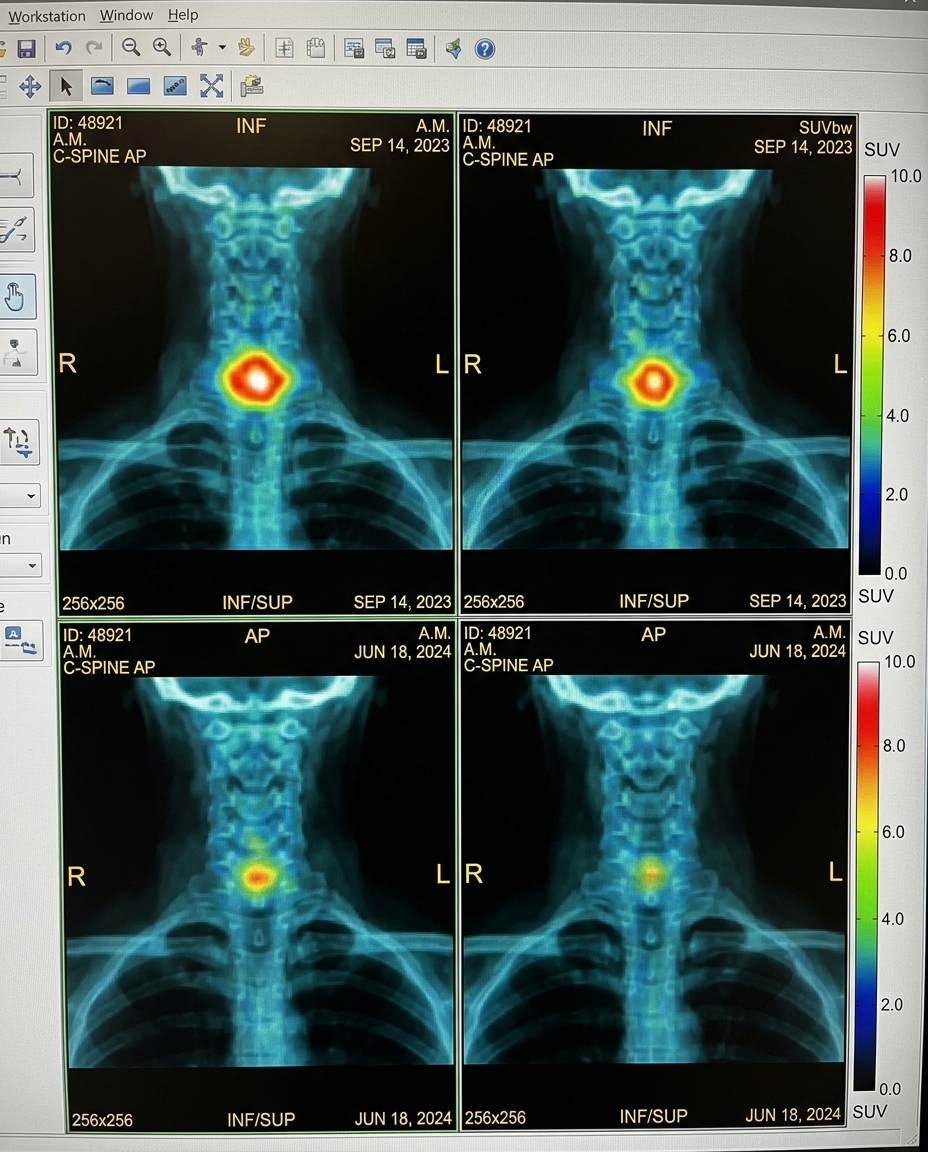
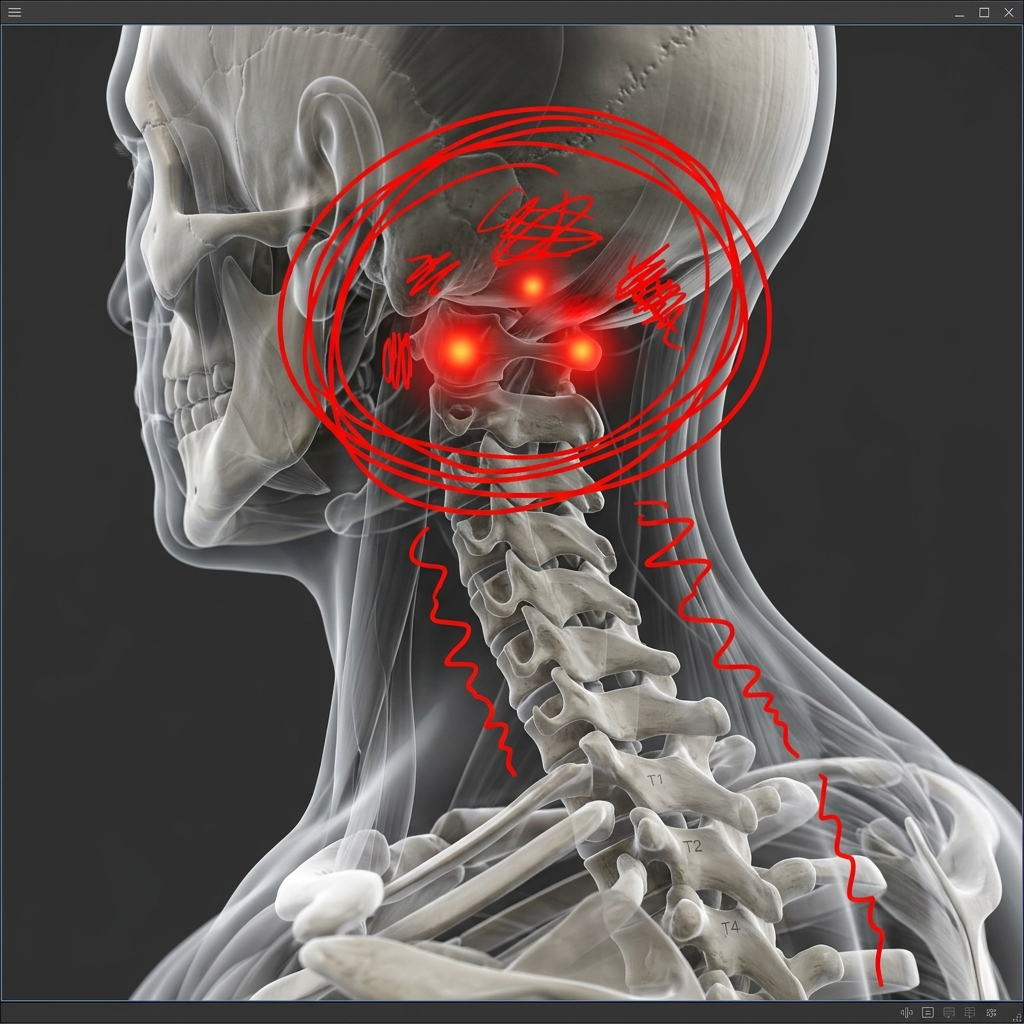
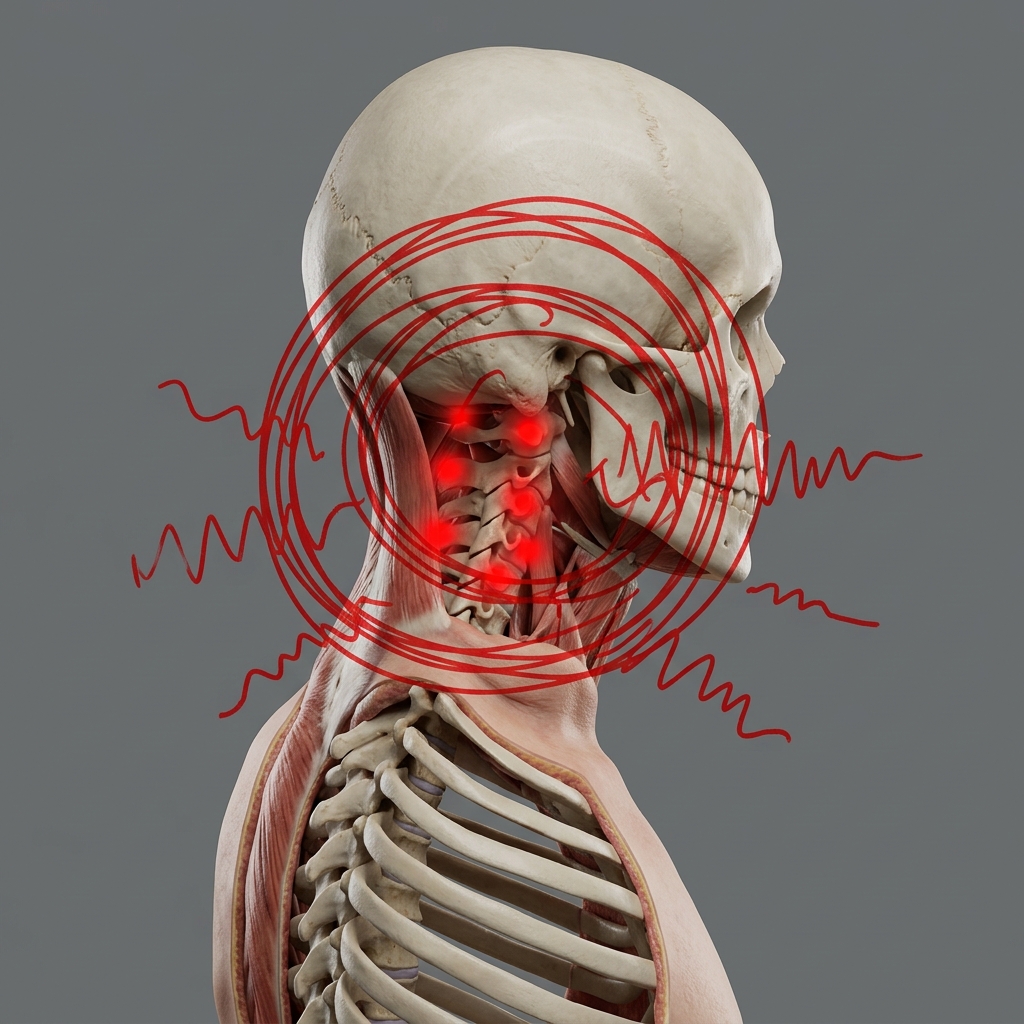
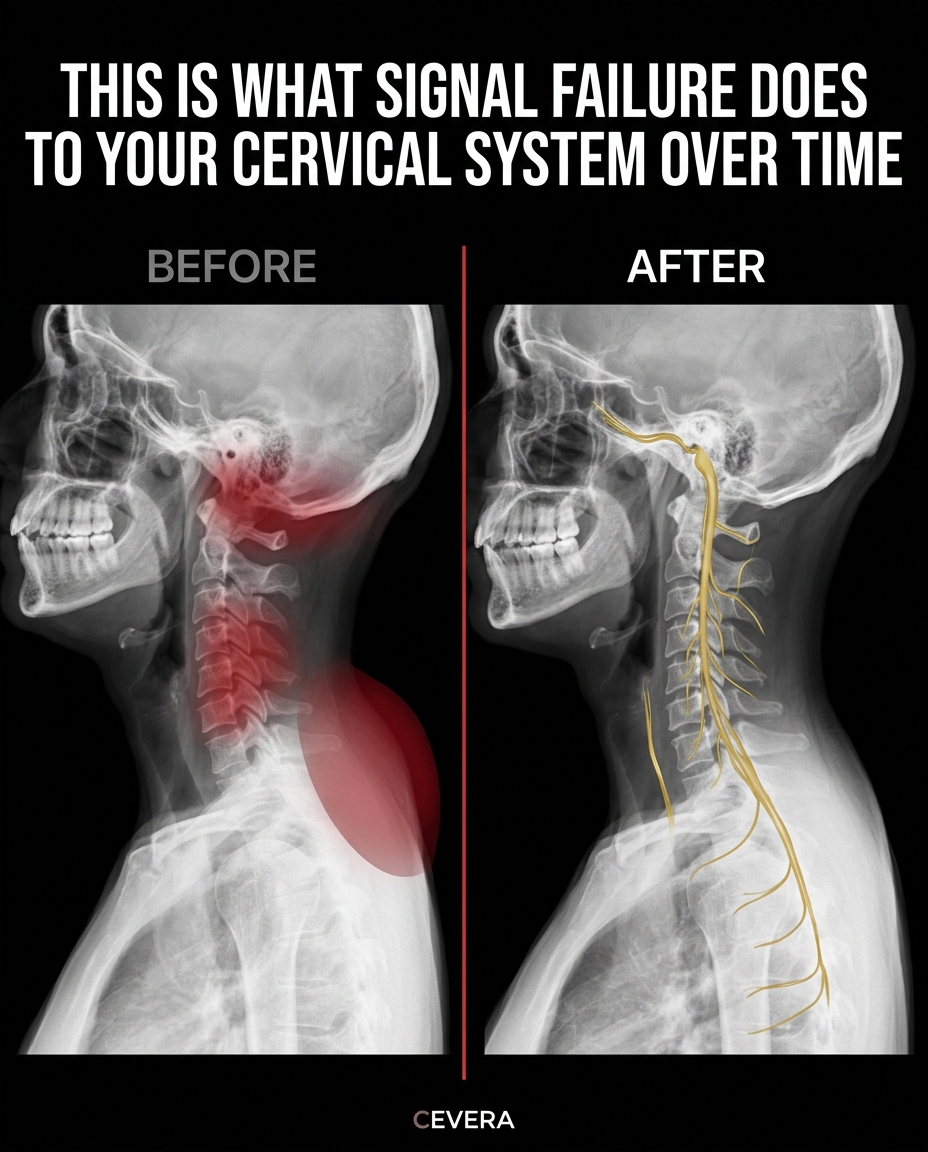
That's not a "posture problem." That's a release mechanism that stopped working. Stand sideways in front of your mirror right now and really look. That tissue building at the base of your skull isn't just "part of getting older." That forward pull that re-engages every morning before you've finished your first coffee isn't "your screen time." That twenty-minute wardrobe calculation every morning isn't "being particular." That's the muscles at the base of your skull that are supposed to let go — not letting go. Every single day. And every day you ignore it, the tissue builds further. Your Neck Hump Is Building Because Your Release Mechanism Never Fires Here's what no practitioner will tell you straight. That visible tissue at the base of your skull that makes you step back from every photograph? It's not bad posture. It's not laziness. It's a stuck release mechanism — the most well-documented and least-addressed cause of progressive cervical tissue accumulation in women over 50. When the muscles at the base of your skull stop releasing properly, your body shifts into permanent tissue-accumulation mode. The forward pull concentrates most densely in the suboccipital zone — right where the skull meets the spine. So that's exactly where the tissue goes. Forward. Visible. Unmovable. It won't respond to postural exercises because exercises don't tell those specific muscles to let go. It won't respond to management sessions because management sessions move the joint above the stuck area — the muscles re-lock within 24 to 48 hours. It won't respond to cervical pillows because cervical pillows support the position but don't reach the locked muscles where the problem lives. You're fighting a mechanical lock with strategies that never reach it. And the worst part? While your tissue is accumulating, the same stuck release mechanism is allowing the forward pull to continue uninterrupted. Your body is building compensatory tissue at the cervical base and the system that should be stopping it has gone quiet. That's the classic progressive neck hump pattern. And it's a sign your release mechanism has been stuck for years. The 2023 Study That Exposed the Neck Hump Truth Researchers studied 1,200 women with progressive cervical tissue accumulation. They ran advanced cervical imaging and muscle activity assessments on every single one. What they found was remarkable. 87 percent had stuck release patterns — the muscles at the base of the skull that were supposed to let go after every forward movement had stopped doing so reliably. 62 percent had tissue accumulation directly driven by continuous forward pull that management sessions were not reaching. 34 percent were in the early stages of fixed structural change — a direct downstream consequence of years of muscles that never released. These weren't women with bad posture. These were women who had been attending management consistently and doing everything right. Their release mechanism had been failing for years. And the tissue that built at their cervical base was the visible result. The lead researcher said something that should stop every woman reading this cold. "By the time you can see the tissue, the release mechanism has been failing for years. The cervical accumulation is just the symptom everyone can see. The muscular lock underneath it is far more serious." If you have progressive cervical tissue accumulation, your release mechanism has already been failing for years. The question isn't "should I improve my posture?" The question is "how do I get those muscles to let go before the structural changes get worse?" Why Your Tissue Keeps Building (And Your Sessions Keep Failing) The muscles at the base of your skull have one primary job. After every forward movement — every time you look down, read, drive, use a screen — they're supposed to fire a release signal and return your head to center. When that release is working correctly, this is a continuous automatic cycle. Forward movement. Release fires. Muscles let go. Head returns. Tissue stays stable. When the release stops working — which happens to most women after decades of accumulated forward load — the cycle breaks. The release never arrives. The muscles stay contracted. The head stays pulled forward. The body builds tissue at the cervical base to absorb the continuous stress. Here is the cascade. STEP 1: The muscles at C1-C2 — right where the skull meets the spine — lose their ability to release reliably. The let-go signal stops getting through. STEP 2: Those muscles lock into a continuous contraction. They keep pulling the head forward because they never receive the signal to release. STEP 3: The body builds compensatory tissue at the cervical base to absorb the continuous forward stress. The tissue accumulates at the cervicothoracic junction — where the neck meets the upper back — forming the visible hump. STEP 4: The accumulated tissue increases the forward load on the already-stuck muscles. More load. Less releasing. More tissue. The cycle accelerates. This is why the progressive neck hump has that specific pattern. Visible tissue at the cervical base. Forward head position. Morning stiffness and calculation. Automatic stepping back from photographs. It's not "getting older." It's muscles that stopped letting go. The Hidden Cause: Your Release Mechanism Has Lost Its Signal Your body has a release system at the base of your skull — the small muscles at C1-C2 that regulate whether your head returns to center after every forward movement. In a healthy system, these muscles fire their release signal continuously, allowing the suboccipital muscles to return the head to center throughout the day. That release is what allows your tissue to stay stable, your cervical structure to self-correct, and every other postural mechanism that depends on those muscles doing their job properly. The problem? After decades of forward load — screens, reading, desk work, driving — those muscles gradually lose their ability to fire the release signal. They stop letting go after forward movements. They stay contracted. And once that happens, it doesn't matter how consistently you attend management or how diligently you do your exercises. Those muscles are still not releasing — and the tissue is still building every 24 to 48 hours between sessions. Tissue gets locked at the cervical base because the muscles are failing to let go. The morning calculation gets longer because the contraction is re-establishing overnight. The wardrobe gets smaller because the tissue keeps accumulating. That's why your tissue won't move. That's what shows up on every assessment getting worse every year. Your body isn't failing because of what you're doing wrong. It's failing because the release mechanism at the base of your skull has lost its signal. Like pouring water into a pipe with a blocked valve. Nothing flows. Nothing releases. What Happens When You Finally Get Those Muscles to Let Go When you restore the release mechanism, something remarkable happens. Within 48 hours: The muscles at the base of your skull receive the release signal for the first time in years. Your cervical structure gets the first input in years that it's safe to stop contracting. Within two weeks: The forward pull eases noticeably. Your cervical base feels less tight and prominent. Sleep deepens — because the constant muscle contraction is finally releasing at night. The morning calculation shortens. Within a month: The visible tissue at the cervical base starts reducing. Your body can finally use its own self-correction mechanism instead of compensating with tissue accumulation. Morning routines ease. The wardrobe opens up again. Within three months: Your tissue is dramatically reduced. The forward pull is substantially less. The cervical line has visibly changed. You look like yourself again. The way you're supposed to look. This isn't management. This is release restoration. Those muscles at the base of your skull finally getting the signal they've been waiting for — that it's safe to let go and stay let go. The Ohio Teacher Who Reversed Her Neck Hump in 12 Weeks Dorothy is 62 years old. For the last seven years, she'd been developing what she called her "old lady hump." Visible tissue at the base of her skull that was prominent in every photograph. Meanwhile, her morning calculation had grown from five minutes to twenty-five. Her practitioner assessed her and found: forward head translation elevated, tissue index building, early established muscle lock pattern. "Dorothy, your cervical progression is continuing. If this keeps going, we're looking at fixed structural change and long-term management dependence." The practitioner recommended intensified management sessions. Twice weekly. Indefinitely. Dorothy attended. For six months. Nothing changed. The tissue actually built further. Because no amount of joint mobilisation above the stuck muscles can fix a release mechanism that has been failing for years. Every session that moves the joint above instead of releasing the muscles directly just resets the joint temporarily while the muscle lock continues driving the re-engagement. She was managing the symptom while the mechanism kept building. That's when Dorothy's daughter found a cervical biomechanics specialist who focused on restoring the release mechanism directly. She took one look at Dorothy's assessments and told her something no practitioner ever had. "Dorothy, the muscles at the base of your skull have been failing to release for years. Your release mechanism has lost its signal. Your body is stuck in permanent tissue-accumulation mode — not because of what you're doing wrong, but because the signal telling your muscles to let go has gone quiet. That tissue isn't going anywhere until we get those muscles to release — not mobilise the joint above them." Dorothy thought it sounded unlikely. But her tissue was building. She had nothing to lose. What Happened When Dorothy's Release Mechanism Finally Fired Within one week of delivering the correct inputs directly to the muscles at the base of her skull, Dorothy noticed something. Her morning calculation was shorter. Something at the base of her skull was letting go. Within a month: Her tissue index had measurably reduced. Her energy was back in the mornings. She was sleeping without the usual base-of-skull tension for the first time in years. That tight awareness she'd had at the base of her skull for so long she'd stopped mentioning it — went quiet. At 12 weeks, her practitioner ran new assessments. "Dorothy, I don't know what you did, but your cervical measurements have dramatically improved." "Your tissue index is at the lowest it's been in seven years. Your forward head translation has reduced by over a centimeter." Dorothy's morning calculation had dropped from twenty-five minutes to eight. She was appearing in the front of photographs again. The blouse she'd stopped wearing three years ago was back in rotation. The constant awareness of her cervical line at professional events — gone. She looked ten years younger. Not because she managed harder. Because those muscles finally let go. And once they did, her body could stop accumulating tissue and start releasing it. Self-correct instead of compensate. Process the management it had been receiving instead of re-locking around it. All from addressing the one mechanism her body had been waiting years for someone to reach. Why Management and Exercises Don't Work You've probably tried attending management consistently. Maybe doing your cervical exercises. Foam rolling. And they did absolutely nothing for the tissue. Here's why. Management moves the joint above the stuck muscles. Your body interprets joint mobilisation above the stuck area as temporary relief and re-locks within 24 to 48 hours. More sessions means more temporary relief and more re-locking. You're in a loop. Cervical exercises load the muscles above the stuck area. A release mechanism that has already stopped firing doesn't respond to more loading above it by releasing. It responds by contracting further to manage the additional load, holding harder to the lock, and building more tissue. Tools that don't reach the exact muscles at the base of the skull do nothing. Cervical pillows, posture braces, foam rollers — none of them deliver the direct input to the muscles that need to release. None of them get those muscles to let go. None of them restore the release signal your body needs to stop accumulating tissue. You need inputs that actually reach the exact muscles at the base of your skull — and hold them long enough for the release to fire. Three inputs have been documented in cervical biomechanics research to do exactly that. Exact placement at the base of the skull — the most critical and most missed input. The muscles that need to release sit at a very specific address — right where the skull meets the spine. They cannot be reached by broad thoracic pressure, mid-cervical general compression, or anything that isn't positioned precisely at that exact location. Research consistently shows that placement precision is the primary variable determining whether those muscles actually let go. Gravity-assisted sustained delivery — the input mechanism that maintains consistent uninterrupted pressure at the right address without fatiguing. The release mechanism requires sustained, uninterrupted input — not intermittent manual pressure that varies in intensity. Gravity-assisted delivery through your own head weight provides the consistent, unvarying force those muscles require to receive the release signal. Minimum ten-minute hold duration — the input timing requirement. The muscles at the base of the skull require a minimum of eight to ten minutes of sustained input to release properly. Sessions shorter than this — including most manual therapy applications — cannot hold long enough for the release to fire. The hold duration is the most consistently under-addressed element in standard cervical management. Together they work in sequence. Exact placement reaches the right muscles. Gravity-assisted delivery maintains the input. The ten-minute hold gives those muscles enough time to actually let go. Three inputs. One complete release restoration protocol. Introducing Cevera — The Complete Release Tool Exact placement at the base of the skull. Gravity-assisted sustained delivery. Minimum ten-minute hold. Ten minutes before bed. That's it. No complicated routine. No clinic schedule. No expensive ongoing sessions. Just the complete three-input protocol those muscles have been waiting for. Precision-engineered. Clinically specified inputs. No imprecise pressure balls. No single-input shortcuts. Every requirement delivered simultaneously, designed to work as a system. What Happens When Your Release Mechanism Finally Fires Within the first week: The morning calculation shortens. Your cervical base feels less prominent. The base-of-skull tension eases because those muscles are finally receiving the right input. Within two weeks: Your wardrobe opens up. The tissue feels less prominent. The forward pull is noticeably less. The automatic stepping back at social events starts to ease. Within a month: The visible tissue is measurably reducing. Your cervical line is visibly different. You can reach for what you want in the morning without running the calculation first. Within three months: The tissue is dramatically reduced. Your cervical line has returned toward its natural position. You look like yourself again. Present. The way you're supposed to look. This isn't a posture tool or a management device. This is release restoration. The muscles at the base of your skull finally receiving the input they were always supposed to receive. But You Need to Know This Do NOT buy random cervical tools online. The market is flooded with worthless products. Single pressure balls at imprecise placement. Generic foam rollers that press the wrong area. Products that say "cervical support" on the label but don't deliver exact placement at the base of the skull or gravity-assisted sustained delivery — the two inputs with the most clinical evidence for actually getting those muscles to let go. They write "neck relief" and "posture support" on the label. Then they deliver imprecise pressure that misses the muscles entirely. What Makes Cevera Different Exact placement at the base of the skull at clinical precision — not the imprecise pressure ball that shifts away from the right muscles. Gravity-assisted delivery included — the most evidence-backed delivery mechanism for sustained input, missing from almost every competing tool. All three required inputs delivered simultaneously. One precision-engineered tool that requires no adjustment, no clinic, no ongoing schedule. The same protocol that restored Dorothy's release mechanism and dramatically reduced her tissue in 12 weeks. Here's the Deal Right now, Cevera is offering a 90-day money-back guarantee. Use the release restoration protocol for three full months. If your tissue doesn't reduce, if your morning calculation doesn't ease, if you don't see measurable improvement in your cervical line — return it for a full refund. Your Release Mechanism Is Failing Right Now Every day you wait is another day of those muscles failing to let go. Every day is another day of tissue building at the base of your skull. Every day the structural window narrows. The neck hump isn't cosmetic. It's muscles that stopped releasing — visible in the mirror. And the only way to reverse it is to get those muscles to let go — not through attending more sessions, not through doing more exercises, not through another cervical pillow. Through release restoration. The same release mechanism that kept your grandmother's cervical structure stable into old age — before decades of forward load and accumulated stress broke the signal. Click below and give those muscles the input they need to finally let go — and start releasing the tissue they've been accumulating for years. Before the structural window closes. 👉 https://trycevera.com/pages/adv-womens-wellness-report
87% Of Women With Building Neck Humps Had Dormant Proprioceptive Receptors. Not Poor Posture.
Discover Cevera — the precision suboccipital release tool that fires dormant receptors, reduces cervical tissue, improves morning calculation, and restores confidence. Engineered in the USA.
LEARN MORELike this ad? Make it yours.
Crush rebuilds this exact creative around your product — your brand, your colors, your offer — in about a minute.