Allison Arnold - Migraine Coach
 Facebook ad: “For Eleven Years My Doctor Called Them Tension Headaches…”
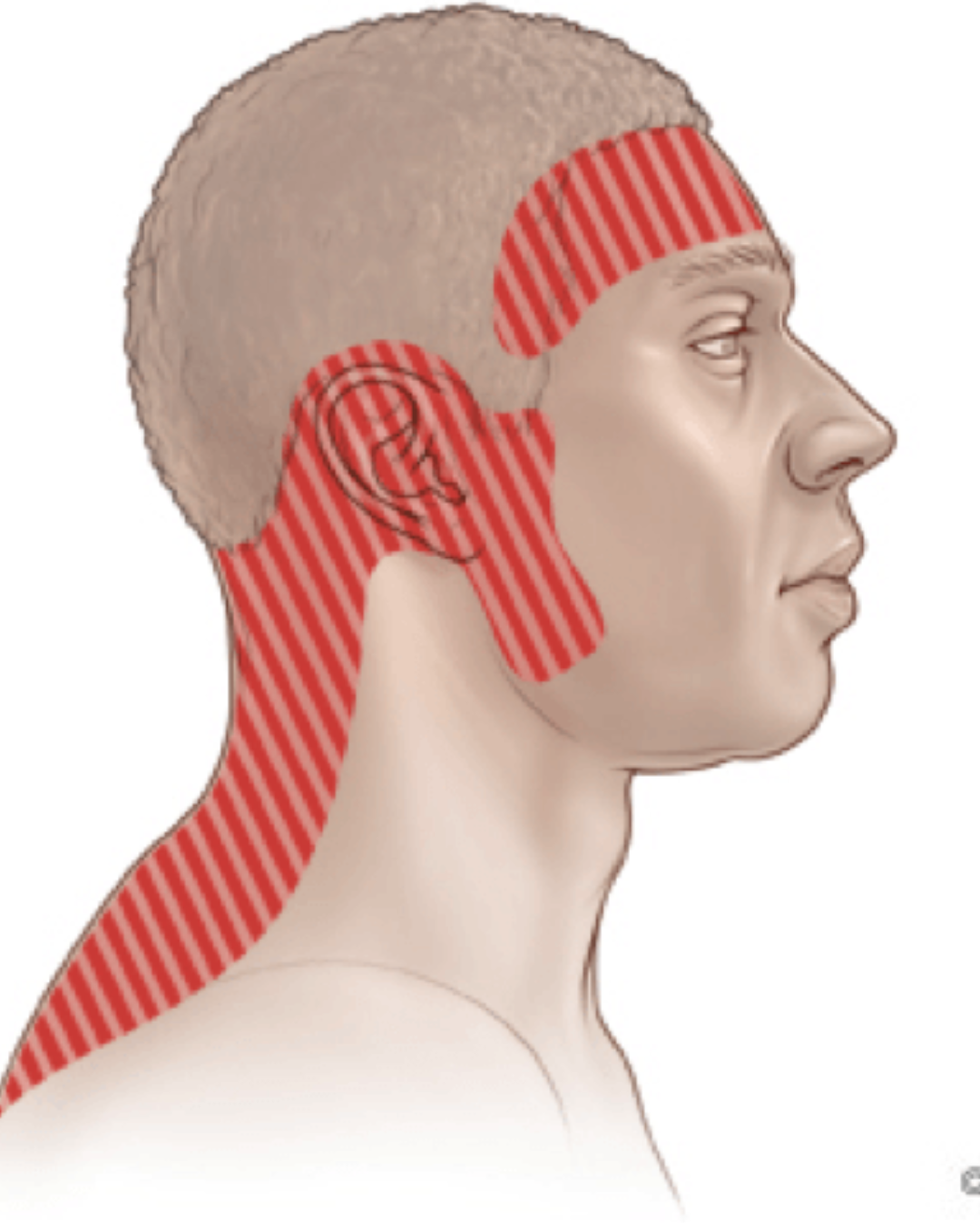
Ran for 15 days, from September 26 to October 11, 2026, the last day Crush saw it.
Run by Allison Arnold - Migraine Coach on Facebook. Crush is not the advertiser and does not verify its claims. See this ad in Meta's Ad Library(opens in a new tab)
Make your own version of this ad
Crush makes it, launches it in your own Meta ad account, scales the winners and pauses the losers.
About this ad
- Meta Ad Library ID
- 1555237223019808
- Platforms
- Facebook, Instagram, Audience Network and Threads
- Relaunches
- 0
Ad text
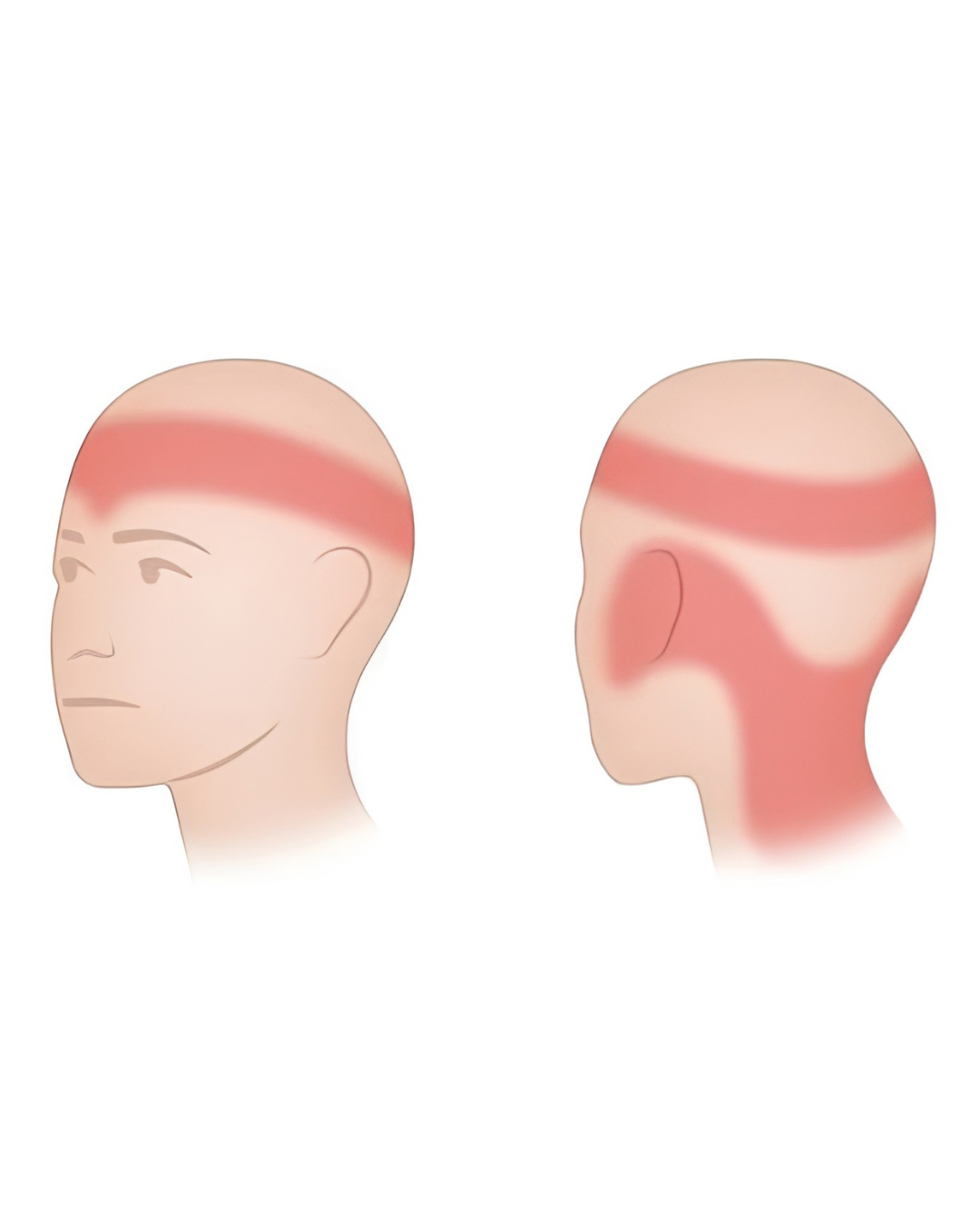
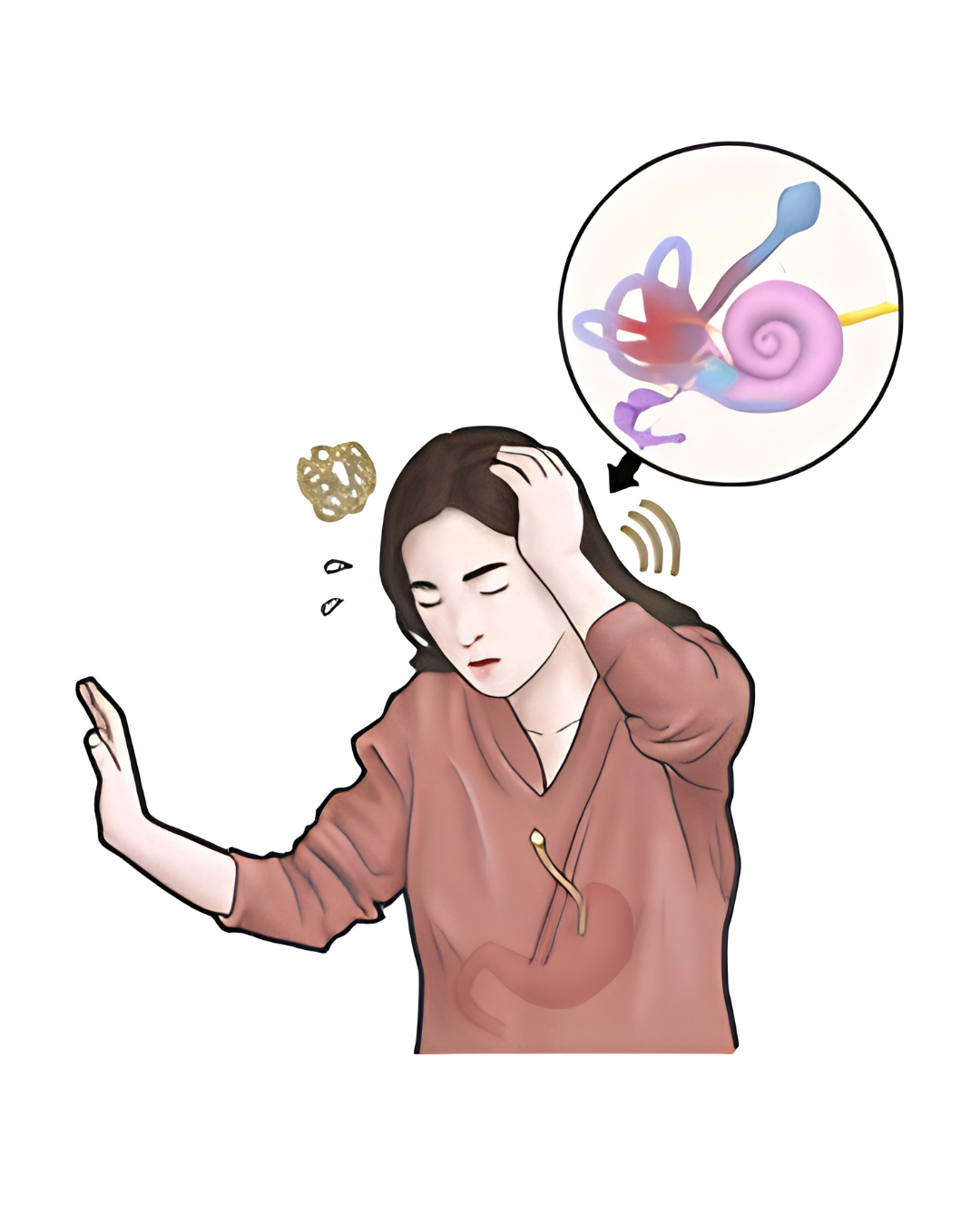
For eleven years my primary care doctor called them tension headaches. She told me to take a Painkiller. She told me to manage my stress. She told me to consider yoga. She said, at every annual physical, "some women just get these, you are one of them." Then I changed insurance and I had to change primary care doctors and the new PCP asked me a question in her intake at our first visit that reorganized eleven years of my life. I am 41. I have had headaches since I was 30. If your doctor has been calling yours tension headaches for years and you have been taking Tylenol and managing your stress and still having them, I want to tell you what happened when someone finally asked me the right thing. For eleven years I "managed" a condition my doctor was not screening correctly. Eleven years of over-the-counter combination painkillers. The kind with acetaminophen, aspirin, and caffeine. I took them three or four days a week. My doctor said this was fine for tension headaches. She said "unless you are taking them every day, it is not a problem." Eleven years of stress-management strategies. I did the yoga. I did the meditation app. I did the deep breathing during meetings. I got a good desk chair. I got a monitor arm. I got a therapist I saw twice a month for eighteen months for stress. She was a lovely woman. She helped me with a lot of things. She did not help my headaches. Eleven years of being handed a new supplement: magnesium, riboflavin, CoQ10, a "tension-headache formula" a functional pharmacist recommended, and told to "just give it time." I did everything they asked. I got a standing desk. I bought a $180 pillow that was supposed to help with cervical alignment. I stopped drinking coffee after noon. I stopped drinking coffee entirely for three months. I gave up wine on weekdays. I got a treadmill. I walked forty-five minutes every morning for two years. I got a fitted mouthguard because my dentist thought I might be clenching my jaw at night. I wore it for four years. My jaw stopped hurting on the days I remembered to wear it. My head kept hurting on all the days. I paid $980 for a cranial-sacral therapist my chiropractor referred me to. Six sessions. The sessions were pleasant. The headaches were the same afterward. I felt like I was crazy. My doctor kept saying "you are managing this well." I did not feel like I was managing it. I felt like I was living around it. By the time my alarm went off, I would lie in bed and decide whether today was a headache day or not. I got very good at telling by 6 a.m. On yes days, I planned differently. I put a Tylenol next to my coffee. I moved my hardest meetings if I could. I texted my husband to pick up dinner. Getting through breakfast was a production. I would sit at the counter and rub the back of my neck because that was where my headaches always started. My son, when he was little, used to imitate me. My mommy rubs her neck. Now my son is nine and he does not imitate me because he does not remember me doing anything else. By 10 a.m. on a headache day I would have taken an OTC combo painkiller. Or two. Nobody counsels women loudly about how many painkillers is too many. I was up to twenty-five days a month by year seven. I did not tell my doctor. I was not sure it was a problem. By 2 p.m. the pain would settle into a specific pattern. Behind my right eye. Across my forehead. Sometimes down into my jaw. My doctor called this "the tension pattern." I called it "here we go again." By 4 p.m. I would be watching the clock and calculating whether I could make it through the rest of the workday or whether I should go home early. On the days I went home early, I lay on the couch until dinner. On the days I toughed it out, I lay on the couch after dinner. And the math never stopped. If I went to a movie theater, I had to close my eyes during the trailers because the light was too much. My doctor said this was tension-induced eye strain. If I went to a concert, I was done by the second song. My doctor said crowd noise was a common tension trigger. If I sat in fluorescent lighting for too long, my old office was fluorescent, I was cooked by 3 p.m. My doctor said "get better bulbs at home." I stopped saying yes to a lot of things. My best friend's wedding weekend at a resort with a pool bar, I could not do the pool bar. My husband's boss's holiday party. My son's school talent show, which I attended but stood at the back of because the auditorium lights were too bright. I would be at a work dinner and the pain would climb up the back of my head and settle in my temples and I would press my fingers into my forehead and try to look thoughtful. I also had what I called my "bad days" about four times a month. Different from the daily background pain. Worse. One-sided. Light sensitivity so bad I could not look at my phone. Nausea. Sometimes I threw up. My doctor called these "bad tension headache flares." I would take an OTC combo painkiller, lie down in a dark room, and push through. Nobody ever asked me about the light sensitivity in eleven years. I never thought to mention it. I had been told I had tension headaches. The bad flares felt like the same thing but worse. Probably from stress. Probably from a bad night's sleep. Probably just what tension headaches did when they got bad. I looked fine on the outside. Inside I had a headache twenty-two days a month and I had accepted it as my baseline. Then I changed jobs and I lost my old primary care doctor because she was out-of-network on my new insurance and I had to pick a new one. The new PCP is 38. Her name is Dr. Nasser. She had a forty-five-minute intake slot for new patients. She spent all forty-five minutes with me. My old PCP had never given me more than twelve. At about the thirty-minute mark she looked up from her tablet and she asked me a question my old PCP never had. "When you have your bad headache days, does light bother you? Are you nauseous?" I said, "Both. Every bad one. But that is because it is a bad tension day." She was quiet for a moment. "Nicole. Light sensitivity and nausea are not tension-headache symptoms. Tension headache is a muscle event. Migraine is a nerve event. They present differently and they respond to different interventions. You have been told for eleven years you have tension headaches. Based on what you just described, you probably have chronic migraine that has been mislabeled since your first visit." I sat in her exam room and I felt something crack open in my chest. She spent the next fifteen minutes drawing on the paper on the exam table. The trigeminal nerve is the largest cranial nerve in the face. In migraine, and specifically in chronic migraine, this nerve becomes sensitized. It fires more easily. It fires more often. It fires on smaller triggers. The pain it produces sits behind one eye, across the forehead, sometimes down into the jaw. It is often accompanied by photophobia, phonophobia, nausea, sometimes vomiting. Tension headache, in contrast, is caused by muscle tightness in the scalp, neck, and shoulders. It presents as a band-like tightness. It does not typically produce light sensitivity or nausea. It responds to acetaminophen, ibuprofen, and rest. She told me the pattern I had described: three or four bad days a month with unilateral pain, light sensitivity, nausea, sometimes vomiting, plus a lower-grade daily background pain, is a classic chronic migraine presentation. She told me the reason it had been called tension for eleven years was that my old PCP had a large panel of patients and was not trained in headache medicine and had used the label she always used when a woman came in with a headache. It is the most common misdiagnosis in primary care. She said she was going to refer me to a neurologist. She said in the meantime she wanted me to stop the OTC combo painkillers because I was almost certainly deep into medication overuse territory and the pills were making everything worse. I stared at her. I did not know what to say. She said, "Nicole. You are not somebody who just gets bad tension headaches. You have chronic migraine. It has a name and it has interventions and I am sorry no one told you before." I drove home in silence. I sat in my driveway for twenty minutes. Eleven years. One primary care doctor. Zero referrals to neurology. Thousands of dollars in copays and supplements and mouthguards and cranial-sacral therapy and pillows. And nobody had ever asked me whether the light sensitivity and nausea on my bad days might mean I was having migraines. I saw the neurologist a month later. She confirmed the diagnosis. She wanted to start me on a triptan and a daily preventive. I asked her if there was anything else I could try first before I added new medications, because I was already twelve years into taking a painkiller three times a week and I was not ready to add another prescription. She sat with that for a minute. She said there was a topical roll-on developed by a colleague of hers, Dr. Laurent, who has migraines herself. It was applied to the three points where the trigeminal nerve surfaces closest to the skin — temples, behind the ears, base of the skull. Five ingredients chosen for trigeminal calming. Applied at the prodrome. It reached the nerve topically, in 90 seconds, without entering the bloodstream. She said many of her patients used it as a first-line intervention while they tapered off overused OTC medications. It was called Florus. She said if it worked, we could hold off on adding new prescriptions. She said if it did not work, we would revisit. I ordered a bottle that night. First prodrome came on a Tuesday. The specific pressure behind my right eye that I had felt for eleven years. Eleven years of muscle memory said grab the OTC combo bottle. I rolled Florus across my temples, behind both ears, along the base of my skull instead. Ten seconds. Within seconds I felt the cooling reach somewhere deeper than skin. The pressure did not escalate. I sat at my desk and I waited. The pain did not come. At 2 p.m. my forehead was clear. At 4 p.m. I stood up from my desk and my head felt light in a way I had forgotten was possible. I stood in my office and I started crying because I had not made it through a Tuesday afternoon without a headache in eleven years. Week 1: I caught three prodromes with Florus. All three stopped. I took one OTC combo painkiller. Down from about eight the previous week. Week 4: I had two bad days that month. Not eight. Two. I caught both with Florus early enough that they peaked at a four instead of a nine. Week 8: I stopped the OTC combo painkiller entirely. Under supervision. I had two weeks of rebound headaches that were rough. Then it broke. Week 12: I went back to my neurologist. She looked at my headache diary. She asked if I still wanted to start the triptan or the daily preventive. I said not yet. She said not yet was fine. Six months in: my average headache count is three days a month. Down from twenty-two. My son said last week, "Mom. You do not rub your neck anymore." I do not have tension headaches. I never had tension headaches. I had eleven years of chronic migraine mislabeled as tension because my primary care doctor was not trained to screen for the specific symptoms that distinguish the two. And every one of those eleven years reinforced a nerve that never should have been fired that many times. If you have been diagnosed with tension headaches. If you take Tylenol or an OTC combo painkiller several days a week. If your doctor has told you to "manage your stress" and you have managed it, and the headaches keep coming. If you also have "bad days" with light sensitivity or nausea or one-sided pain and your doctor has never referred you to a neurologist. Please read this next line carefully. Tension headache does not produce light sensitivity or nausea. If your bad days come with either, you probably have migraine that has been mislabeled. I am not saying you definitely have migraine. I am not your doctor. I am saying that "tension headache" is the most common misdiagnosis in primary care for what turns out to be chronic migraine. And you have a right to a proper workup. Please talk to your doctor. Ask her specifically whether the light sensitivity and nausea are consistent with tension headache. If she waves it off, get a second opinion. Not from another primary care. From a neurologist. And while you are working through that: Florus is topical. Does not enter your bloodstream. Cannot make medication overuse headache worse. Skin to nerve in 90 seconds. Three application points. Five ingredients. 7,405 five-star reviews. 90-day money-back guarantee. After eleven years of the wrong label, what is three more months of trying a tool that reaches the actual nerve? 👉 Every migraine tool you have works downstream of the source. Here is what works at it: https://florus.com/blogs/news/every-migraine-tool-you-have-works-downstream-of-the-source-here-is-what-works-at-it P.S. My old primary care doctor is no longer my doctor. I did not fire her out of anger. I fired her because she was out-of-network. But she also, in eleven years, never once asked me the question Dr. Nasser asked in thirty minutes. There is a lesson in that. P.P.S. There are cheap peppermint roll-ons on Amazon that look almost identical to Florus. They are synthetic peppermint fragrance in a tube. They contain no therapeutic-grade magnesium glycinate or real feverfew. Please do not buy the wrong one. The real Florus is only on the official site. P.P.P.S. My husband said last week, "I forgot you had a personality." He meant it kindly. He meant that for eleven years my whole personality had been dimmed by the headache I lived inside. He meant the personality was back. I am not going to disagree with him.
Where the ad sends people
florus.com
For Eleven Years My Doctor Called Them Tension Headaches. Painkillers. Manage Your Stress. Then A New PCP Asked Me One Question.
Tension headache doesn't produce light sensitivity or nausea. Migraine does.
Learn more: florus.com(opens in a new tab)