Ellie Neuman
Ellie Neuman Facebook ad: “Read if your gut is ruining your life”
Ran for 7 days, from July 23 to July 30, 2026, the last day Crush saw it.
Run by Ellie Neuman on Facebook. Crush is not the advertiser and does not verify its claims. See this ad in Meta's Ad Library(opens in a new tab)
Want an ad like this for your product?
Crush makes new ad images for your product from this ad: your logo, your product photo, your offer.
Trials from $19.95 USD, then $79.95 USD a month. Cancel anytime.
About this ad
- Meta Ad Library ID
- 1557351792414843
- Platforms
- Facebook, Instagram, Audience Network, Messenger and Threads
- Relaunches
- 0
Ad text
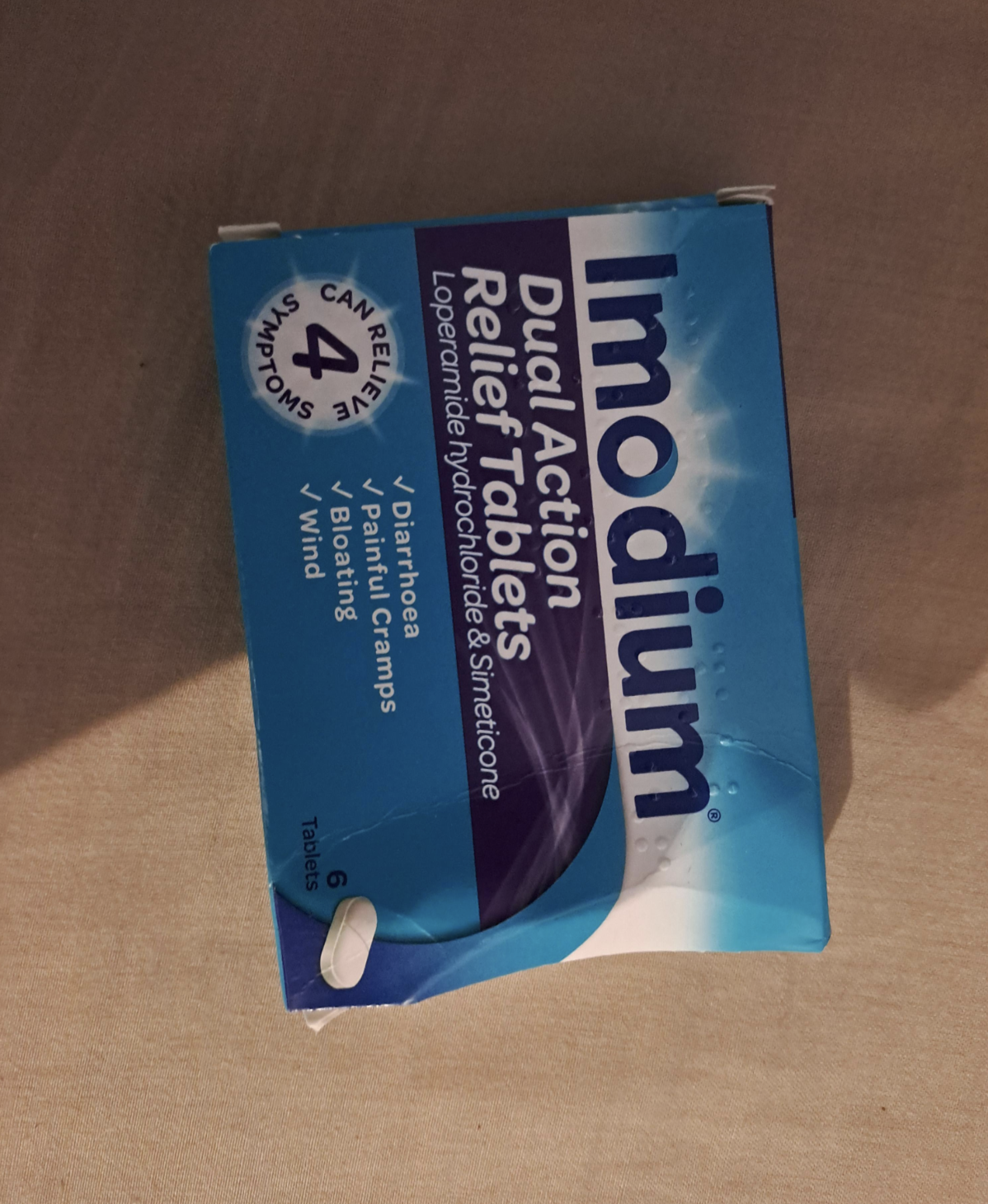
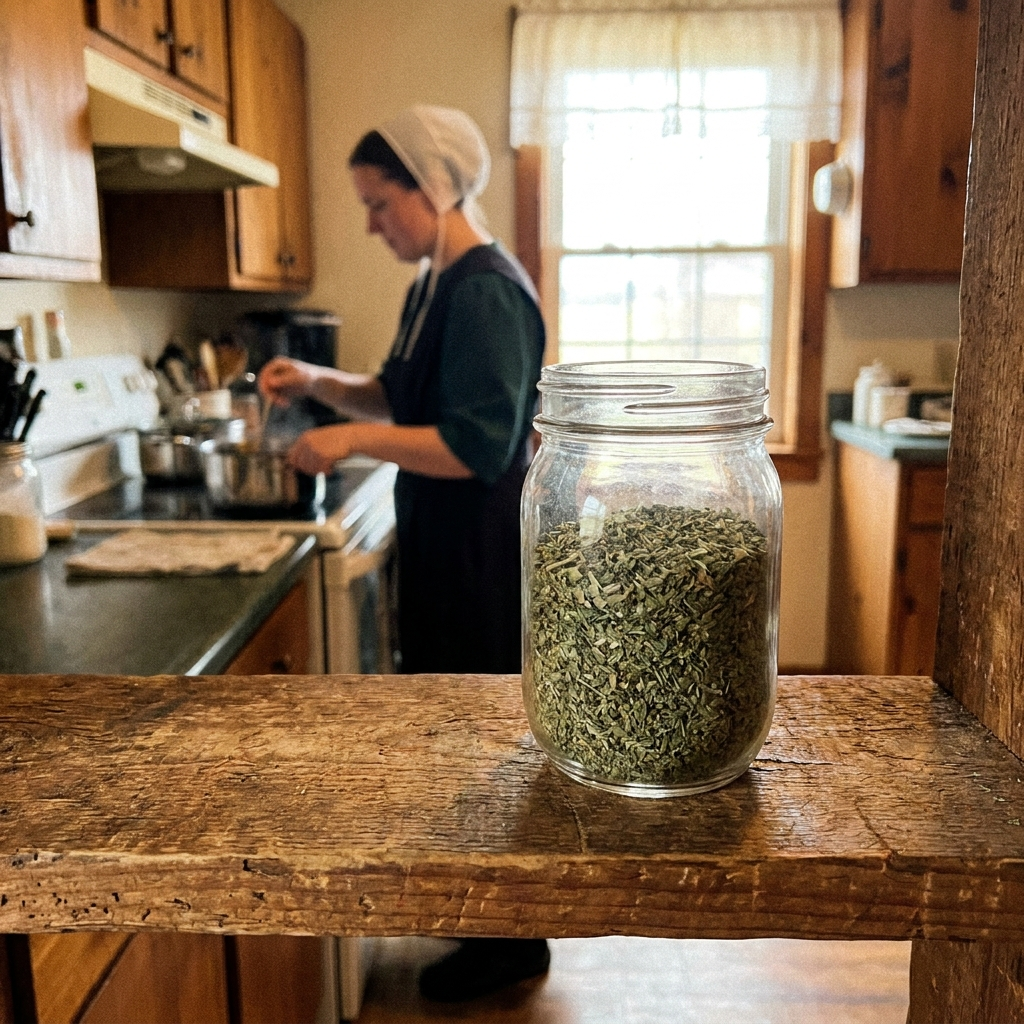
I discovered why Amish families have 62% fewer IBS-like symptoms than the average American, and it has nothing to do with clean living — it's what they consume daily that our gastroenterologists never mention. This revelation came at 11:47 PM on a Tuesday, lying in bed with my stomach cramping, scrolling through IBS forums for the hundredth time because the low-FODMAP diet had stopped working. Again. $6,400 in gastroenterologist visits over six years. Two colonoscopies. An endoscopy. A CT scan. An ultrasound. Countless dietary protocols that stripped the joy out of every meal. Yet there I was, 52 years old, running to the bathroom like clockwork after dinner. My gastroenterologist's words kept echoing: "It looks like IBS. Have you tried managing your stress?" Managing my stress? I'd already done the low-FODMAP diet. Cut out gluten. Cut out dairy. Cut out onions, garlic, and half the produce aisle. I was taking 2 Imodium before bed every single night just to make it through the next morning. But the diarrhea was back within hours of waking up. Every single day. A woman I'd met at a farmers market the week before had grown up Amish in Lancaster County. She was eating a thick sandwich loaded with cheese and fresh bread right in front of me. Dairy, gluten, all of it. "Do you ever have stomach problems?" I asked. She looked confused. "No? Never." But that didn't make sense. She eats more dairy than I've had in three years. More gluten in a single meal than I've had in a month. More of everything I've been told to avoid. If food was the problem, she should be worse than me. So at midnight, fueled by frustration and desperation, I started digging. Not wellness blogs. Not IBS forums. Medical journals. Amish health research. Comparative studies on gut health across populations. What I found made me furious. Then sick. Then furious again. In Amish communities, gut health is maintained daily with herbal preparations passed down for generations. They consume natural antimicrobial compounds with their food as a matter of tradition, not treatment. They don't wait for the gut to break down and then manage the damage. In America? We go straight to "it's IBS, eliminate your trigger foods." We never ask WHY the diarrhea won't stop. WHY the bloating comes back every single day. WHY nothing you eliminate makes a difference. And that's when I found the thing that changed everything. It wasn't about IBS at all. A study from Cedars-Sinai, led by a gastroenterologist named Dr. Mark Pimentel, found that a huge number of people diagnosed with IBS don't actually have IBS. They have something called SIBO. Small Intestinal Bacterial Overgrowth. A completely different condition. With a completely different cause. And a completely different solution. And almost no gastroenterologist tests for it. I sat there at 2 AM reading this and I felt my stomach drop. Not from the cramping. From the anger. IBS isn't a diagnosis. It's a label. It's a doctor saying "your gut doesn't work and we don't know why" and then sending you home with a low-FODMAP handout and a prescription for Imodium. But SIBO IS a diagnosis. A real one. With a real mechanism. And a real explanation for every single symptom I'd been living with for six years. Here's what's actually happening. Your small intestine is supposed to have very few bacteria. Most belong in the large intestine. But sometimes, often after a bout of food poisoning, bacteria migrate upward into the small intestine where they don't belong. Once they're there, they ferment your food before it's properly digested. That fermentation produces gas that gets trapped higher up in your digestive tract than it should ever be. That's the bloating. The gas draws water into your intestines. That's the diarrhea. It speeds up gut motility until your body loses all control. That's the urgency. The cramping. The reason there's never any warning. Every single symptom I'd been told was "just IBS" had a direct, identifiable, treatable cause. And nobody had told me. That's when the failed solutions suddenly made sense. The low-FODMAP diet didn't work because it was restricting the food, not removing the bacteria. The bacteria were still there, still fermenting whatever I ate, no matter how bland or restricted. The probiotics didn't work because I was adding more bacteria to a system that already had too many in the wrong place. The Imodium didn't work because it was slowing my gut down, but the bacteria were still producing gas, still drawing water into my intestines. It was like closing the windows to stop a fire. The smoke just got trapped inside. That's why the bloating got WORSE on Imodium. The fiber supplements made everything ten times worse because I was literally feeding the bacteria more of what they ferment. Every single treatment my gastroenterologist gave me was designed for IBS. I didn't have IBS. I had SIBO. And every one of those treatments was making the actual problem worse. That's the moment I understood the Amish connection. Amish families weren't immune to bacterial overgrowth. They were PREVENTING it. Traditional Amish herbal preparations, passed down through Lancaster County communities for over 200 years, contained wild oregano oil. A natural antimicrobial compound consumed daily with meals, not as a treatment, but as a way of life. I found a traditional Amish remedy guide that listed Origanum vulgare, wild oregano, specifically for "settling the stomach and quieting the bowel" in anyone with persistent digestive complaints. They didn't know the science behind it. But they'd been keeping their guts clear of bacterial overgrowth for generations without even realizing it. Their guts stayed balanced because they consumed the one thing that keeps harmful bacteria from taking hold. We stopped using it. And our guts have been paying the price ever since. This was confirmed by modern research. A study published by Johns Hopkins compared herbal antimicrobial protocols including oregano oil against the leading prescription antibiotic for SIBO. Patients on the prescription antibiotic: 34% response rate. Patients on the herbal protocol: 46% response rate. Same condition. Same timeline. The natural approach outperformed the prescription. But here's what really got me: I found a gastroenterology trade analysis discussing why SIBO testing isn't standard practice for IBS patients. They literally discussed how "the IBS diagnosis creates a long-term patient management model, whereas identifying and resolving underlying SIBO could reduce the need for ongoing treatment, follow-up visits, and recurring prescriptions." We're stuck on a label that explains nothing because actually finding the real diagnosis isn't profitable. 3:24 AM. Still searching. I now understood the problem. SIBO. I understood why the Amish didn't get it. Daily oregano. But I needed to understand how to fix it in a gut that's already been overrun for years. That's where I hit a wall. Most oregano oil supplements at CVS or Walmart come in capsule form with minimal concentrations of carvacrol, the active antimicrobial compound inside oregano oil that does the actual work. The studies that showed real results against bacterial overgrowth all used concentrated preparations. Anything less doesn't cross the threshold to actually reach and clear the overgrowth. But here's the problem I didn't see coming. Even if you find oregano oil with decent carvacrol, if it comes in a capsule, your small intestine needs to break it down and absorb it. And if your small intestine has been damaged by years of bacterial overgrowth — which it has, because that's what SIBO does — it can't absorb capsules properly. Every capsule you swallow is fighting against a system that can't process it. It's like sending medicine through a broken delivery system. The medicine might be right, but it never arrives. That's why most people who try oregano oil capsules feel almost nothing. The capsule is the problem, not the oregano. But in liquid form, carvacrol doesn't need to be broken down at all. It bypasses the damaged gut lining entirely and makes direct contact with the bacterial overgrowth the moment it reaches the small intestine. And unlike the antibiotics doctors prescribe for SIBO, carvacrol doesn't destroy everything. It targets the harmful hydrogen-producing bacteria while leaving the beneficial ones your gut needs to stay balanced and prevent relapse. I found one small company called Nutrition Therapy that was producing oregano oil drops in liquid form with a research-backed concentration of carvacrol — the same type of preparation that showed real results in published research. The reviews were completely different from typical supplement reviews. Instead of "great product!" generic comments, people were describing specific symptoms disappearing. Diarrhea stopping after years. Bloating that had been daily for a decade finally going away. Eating foods they hadn't touched in years without a single symptom. One review said she'd been diagnosed with IBS for 8 years, tried every diet, every supplement, every medication her gastroenterologist prescribed. Nothing worked. Four weeks on the drops and she had her first solid bowel movement without urgency in years. I ordered a bottle that night. I started taking 2 dropperfuls every morning, and for the first week, I didn't notice anything dramatic. But then something shifted that I wasn't expecting. I'd been on a strict low-FODMAP diet for over a year because every time I ate dairy or anything with gluten, I'd bloat up and be running to the bathroom within an hour. But one night at a family dinner, I had a plate of pasta with cheese sauce without thinking about it, and then I realized… nothing happened. No bloating, no diarrhea, no urgency. My gut just processed it normally, like it remembered how to handle food again. By week 4, I went back to my gastroenterologist because I wanted to understand what was happening. I'd been averaging 4-5 episodes of diarrhea per day for the past three years. In the past two weeks, I'd had almost none. She ran a SIBO breath test for the first time — something no doctor had ordered in six years of IBS treatment. My hydrogen levels came back significantly lower than what's typically seen in chronic IBS patients. When she saw the results, she asked what I'd changed. I told her about the liquid oregano oil drops and the whole Amish research rabbit hole. She'd never heard of using carvacrol for bacterial overgrowth, but she looked at my symptom log and the breath test and said "I don't know exactly how it's working, but whatever you're doing, keep doing it." Here's what I think is happening based on the research and my own results. When you give your gut carvacrol in liquid form at a research-backed concentration, you're delivering the specific antimicrobial compound needed to target the hydrogen-producing bacteria that have overgrown your small intestine. As those bacteria clear and stop fermenting your food prematurely, your gut begins processing food the way it's designed to — digesting in the right place, absorbing nutrients properly, and moving things through at the right speed instead of in an uncontrollable rush. It's not that the food changed or that you need to avoid triggers forever — it's that your gut can finally process them because the bacteria causing the problem are being cleared. The way an Amish farmer's gut has processed food every single day for 200 years. I'm not saying you should go eat everything overnight, but I am saying we've been blaming food for a problem that's actually about bacterial overgrowth in the small intestine. The Amish figured this out when they made oregano a daily staple. We forgot. Or more accurately, gastroenterology replaced the real diagnosis with a label, replaced the real solution with symptom management, and told 45 million Americans their gut problems were "just IBS" and there was nothing else to do. I'm 52. Two months ago, I was on a strict low-FODMAP diet, taking 2 Imodium every night before bed, and I couldn't eat a single meal without planning my route to the nearest bathroom. Now the diarrhea has stopped, the bloating is gone, and I ate pasta with cheese sauce at a family dinner without my gut treating it like poison. I'm not on a restricted diet, I'm not on any prescription, and I didn't change what I eat. I just found out I didn't have IBS. I had SIBO. And I gave my gut the one compound it needed to clear the overgrowth and do its job again. Or just think about this… if Amish families can eat 80% of what any gastroenterologist would call trigger foods and have almost zero gut problems, maybe the problem isn't the food. Maybe it's that your small intestine has been overrun by bacteria that don't belong there, and no amount of eliminating foods or taking Imodium will fix that. And no, I'm not saying trigger foods are suddenly harmless. I'm saying if your gut is overrun with bacteria in the wrong place, it doesn't matter what you eat… your stomach will be destroyed either way. EDIT: A lot of you keep asking me where to get the drops… Right now, Nutrition Therapy is offering a 60-day money-back guarantee plus free shipping and a free mystery gift worth $32.99. Two full months to try the drops and feel the difference. If your gut doesn't improve, send it back for a full refund. No questions asked. Here's the link 👇 https://nutritiontherapy.co/products/oil-of-oregano
Where the ad sends people
nutritiontherapy.co
Read if your gut is ruining your life
Nutrition Therapy
Learn more: nutritiontherapy.co(opens in a new tab)