
Inactive· since May 7, 2026
- 3
- days it ran
- 0
- relaunches
- 1
- EU reach
Ad copy
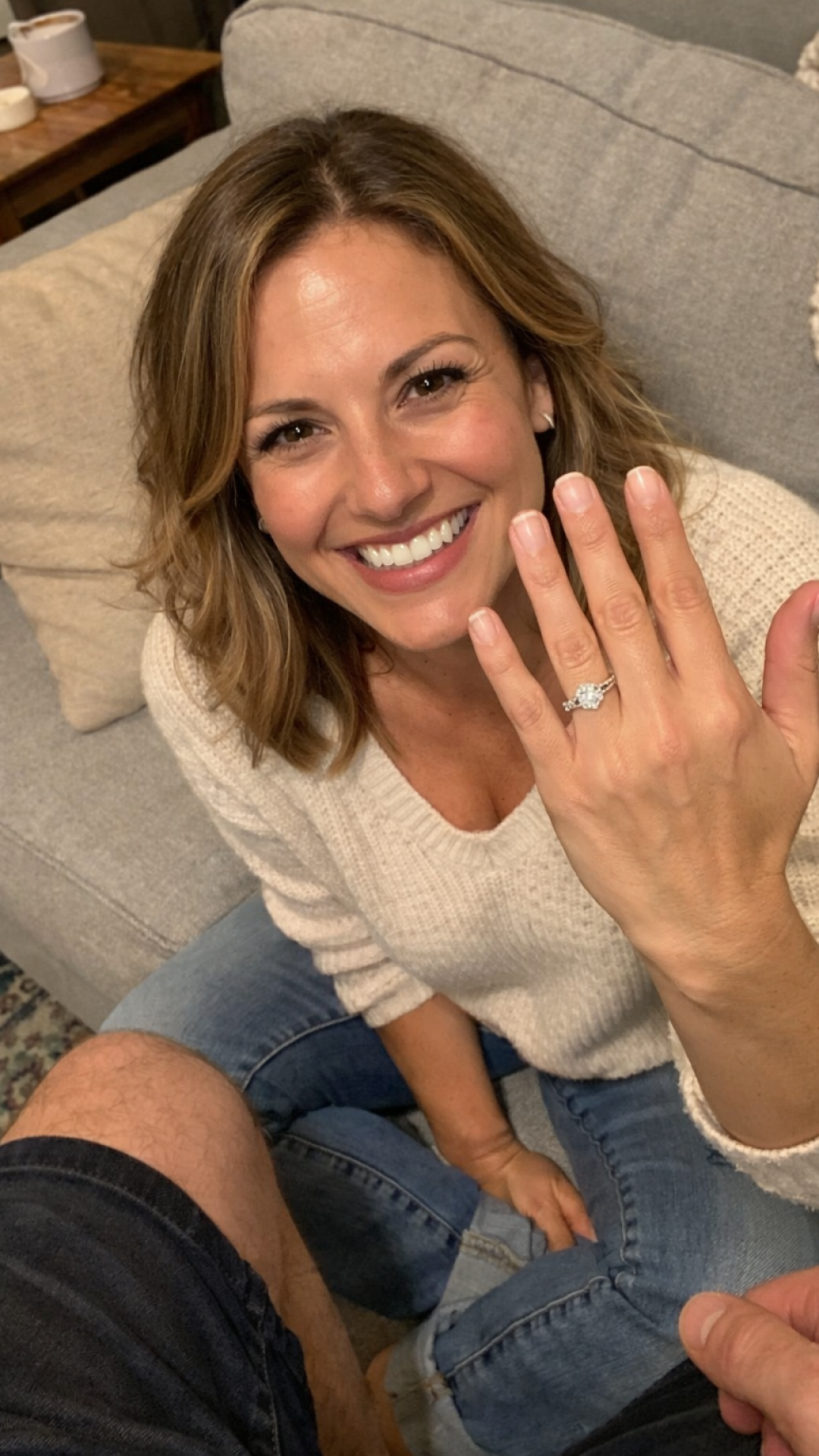
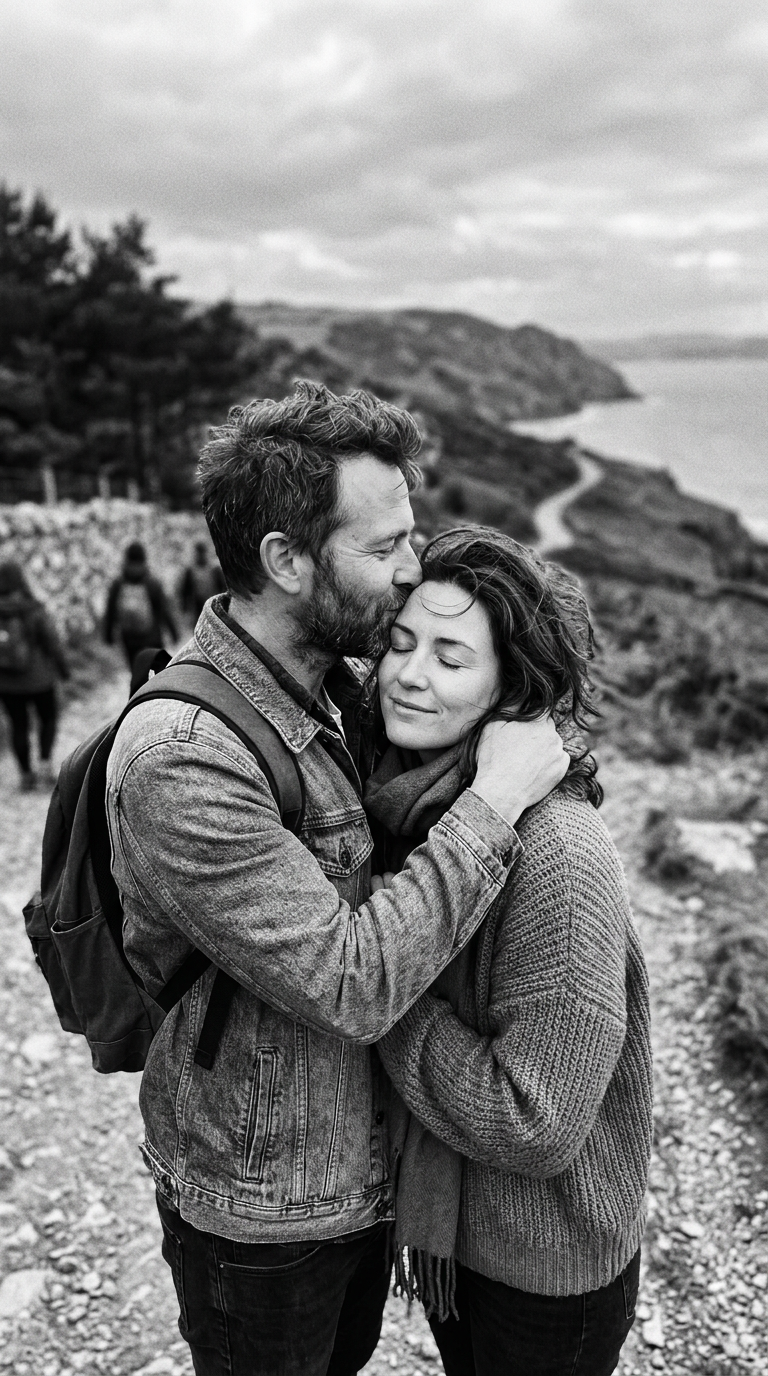
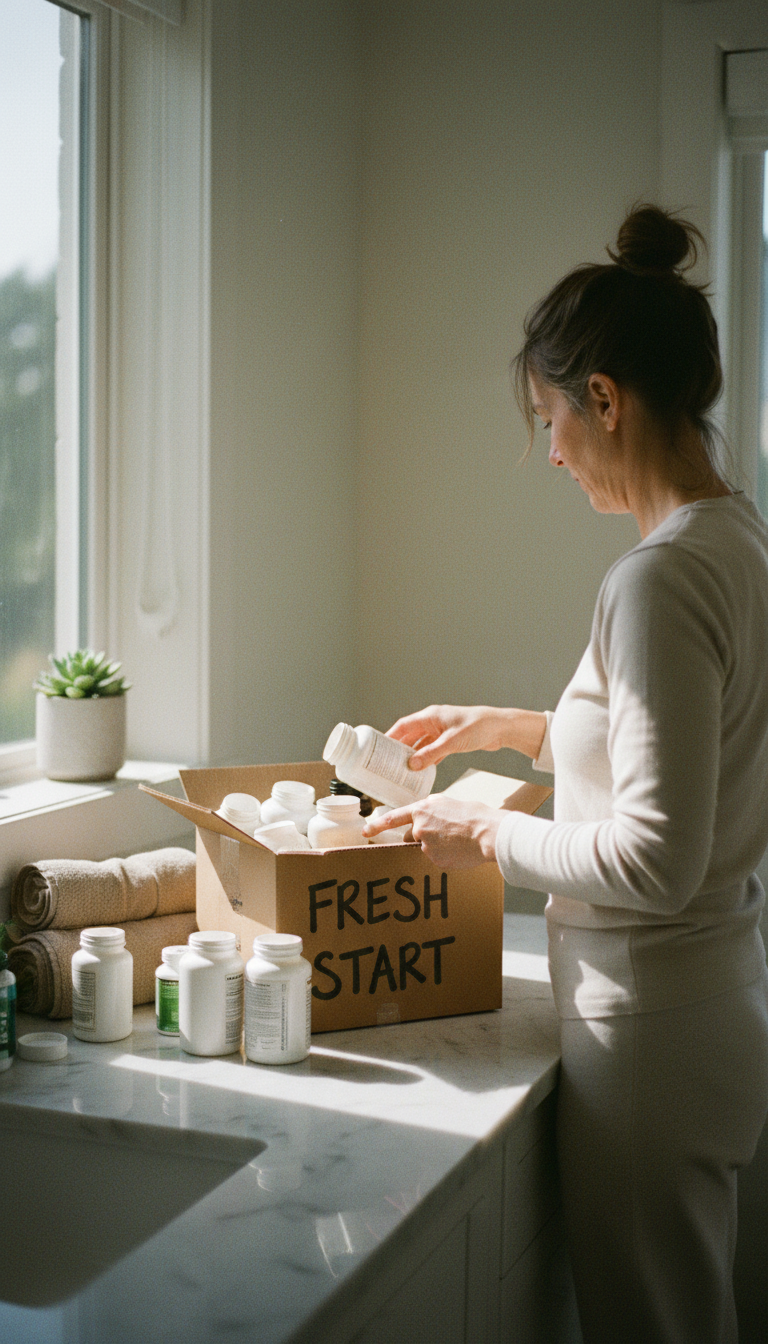
My best friend disappeared at 37. Not physically — she still showed up. But the woman who showed up wasn't the woman I knew. The laughing stopped first. Not all at once — the way things stop in people you see often. You don't notice the day the laughing stops. You notice three months later when someone makes a joke and her face does a smile instead of a laugh and you think: when was the last time she actually laughed? I couldn't remember. That was the first sign. Sarah and I have been close since college. She was the loud friend. The one who planned things. The one who'd call on a Saturday morning with an idea nobody asked for: "Beach. Now. Bring nothing. Let's go." She ran on something the rest of us didn't have — an energy that was hers, that came from inside her, that didn't need coffee or wine or plans to generate itself. That energy went out at 37. Like someone pulled the plug. She was exhausted in a way that didn't match her life. Yes, she had two kids. Yes, she worked full-time. Yes, her life was a lot. But she'd been doing all of that at 35 and she was fine. At 37, doing the same life with the same load, she was collapsing. "I'm just tired," she'd say. Every text. Every call. Every time I asked how she was. Just tired. The two words that say nothing and cover everything. Then the anxiety appeared. She told me about it one night on the phone — heart racing at random. Chest tight in meetings. The feeling that something terrible was about to happen at all times even when everything was objectively fine. She described it like a weather system that moved into her body and wouldn't leave. And then she told me the thing she hadn't told anyone. "I don't want Dan anymore." We were at her kitchen counter. Wine. The setting where women tell the truth. "Like, at all. I feel nothing. He touches me and I feel nothing. And he's the same man. He's exactly the same. I'm the one who's gone." She cried. Not about Dan. About herself. About the woman who used to want her husband reaching for her in the dark and now flinched at his hand on her waist. "Is it the marriage?" I asked. Because that's what you ask. That's the first file in the cabinet. "It's not the marriage. It's ME. Something in me shut down. Like the part of me that feels — that wants, that connects — just went offline. And I don't know how to turn it back on." I watched her try to turn it back on for four years. At 38: therapy. She went every week. Talked about everything — the marriage, the kids, the stress, the loss of desire. It helped her understand what was happening. It didn't change what her body was doing. Understanding and feeling are different systems. At 39: her sister mentioned perimenopause. Sarah dove into it. Googled for weeks. Found the symptom list — fatigue, anxiety, low libido, brain fog — and called me with the particular relief of a woman who finally has a name for the thing. "It's perimenopause. It all fits." Then the relief lasted about a day. Because everything she read said the same thing: 8-10 years. Symptoms come and go. No cure. Just management. She went quiet after that. The kind of quiet that means someone has accepted a sentence they shouldn't have to serve. At 40: the trying phase. I had a front-row seat. Supplements — a new one every month. Maca root. Ashwagandha. Evening primrose. Her bathroom counter looked like a pharmacy. She'd try each one for three weeks, feel hopeful, feel nothing, replace it with the next. Hormone-balancing teas. Special diets. Exercise programs. A libido workbook she ordered online and hid from Dan. She was TRYING. With everything she had. With the discipline of a woman who refuses to accept that the best parts of her are gone. Nothing worked. And every failed attempt took something from her. Not hope exactly — something underneath hope. The belief that she was fixable. Each new supplement that didn't work was another piece of evidence that she was permanently broken. I watched my best friend build a case against herself. Four years of evidence that said: you're done. You're the numb version now. This is who you are. Her marriage held. Dan was patient. Incredibly patient. But I could see it at dinners — the distance between them. Not angry distance. Sad distance. Two people who love each other sitting at a table with a gap that used to be filled with wanting and was now filled with "I'm sorry I can't feel it." She'd tell me about it on our walks. "I LOVE him. I do. But my body won't let me show it. It's like there's a wall between wanting him and feeling the wanting. I know it's there. I can't reach it." The wall. She used that word constantly. The wall between her and desire. Between her and energy. Between her and the version of herself that used to run on something the rest of us didn't have. Then she found the thing. At midnight. Scrolling Instagram. The way every woman over 35 finds the thing that changes everything — at midnight, in bed, half-asleep, with the algorithm serving her the reel she didn't know she needed. A woman talking about perimenopause symptoms. Same list. But then: "I blamed perimenopause for three years. But when I addressed my nervous system, everything changed. It wasn't my hormones shutting me down. It was my body stuck in survival mode." She screenshotted it and sent it to me at 12:15 AM. "READ THIS." I read it. About chronic stress living in the body. The nervous system stuck on high alert for years. The body shutting down "non-essential" functions to conserve energy — sleep, clear thinking, emotional regulation. And desire. Connection. The ability to feel safe enough to be intimate. A body in survival mode can't produce wanting. Because wanting requires feeling safe. And her body hadn't felt safe in four years. The reel mentioned Liven. Micro-Cycle Method. Five minutes a day. Something for the nervous system. Not the hormones. The state underneath the hormones. She took the quiz. Called me at 12:30 AM. "I said yes to everything. It didn't ask about hormones. It asked about stress. About being wired and tired. About my body being on alert all the time." She downloaded Liven that night. Here's what I watched from the best friend's seat. Week 2: we went for a walk. Our usual route. And halfway through she stopped and said: "My shoulders are down." She touched her own shoulders like she was confirming. "I don't know when they came down. They're just — down." I'd been watching her shoulders live near her ears for four years. Week 3: Dan made a joke at dinner — we were all there, couples night. Sarah laughed. Not the smile-face-laugh. The real one. The Sarah laugh that involves her whole face and is too loud and makes everyone at the table look at her. I looked at her and thought: there she is. Week 4: she called me on a Monday afternoon. "Something weird happened last night. Dan and I were on the couch and I wanted to be close to him. Not 'I should.' I WANTED to. I moved toward him. I put my head on his shoulder and he froze. Like he was afraid to move." "He froze because it hasn't happened in four years." "I know. But it happened. My body produced a WANT. A real one." Week 6: she kissed him. She told me about it on our walk. Grinning. Embarrassed. Giddy. Like a teenager reporting a first kiss. "I kissed him like I meant it and he pulled back and looked at me like I was a different person." "You ARE a different person." "No. I'm the same person. I was just buried." Week 8: she texted me a photo. Her and Dan. A selfie. She was leaning against him. He was smiling. The real smile — the one that has relief in it. She captioned it: "We're back." It's been four months. Sarah isn't who she was at 35. But the plug is back in. The energy that used to come from inside her — the thing the rest of us didn't have — it's generating again. Not at full power. But it's on. She laughs. The real laugh. The loud one. The one that makes everyone at the table look. She plans things again. "Dinner Saturday. I'm picking the place." The organizer is back. And the wall came down. Not all at once — in sections. The desire that was behind the wall started coming through. Not the 25-year-old version. The 41-year-old version. Which she says is better because it knows what it lost and doesn't take it for granted. Four years she spent building a case against herself. Four years of supplements and teas and workbooks and the word "perimenopause" as a life sentence. Because nobody asked about her nervous system. Nobody said "survival mode." Nobody checked the state her body was in — just the hormones it was producing. If your best friend has been exhausted, anxious, and numb since her late 30s. If the laughing stopped and the planning stopped and the energy that used to be hers went out. If she blames perimenopause but nothing helps. It might not be her hormones. It might be her nervous system stuck in survival mode. Liven has a quiz that shows you what might actually be going on. Takes a few minutes. Doesn't cost anything. Send it to her. At midnight. The way she sent me the screenshot. With one line: "Read this before you accept the sentence." The link is below. 💙
THIS IS what you need to do
LEARN MORELike this ad? Make it yours.
Crush rebuilds this exact creative around your product — your brand, your colors, your offer — in about a minute.