David Hudgens
David Hudgens Facebook ad: “Support your liver today”
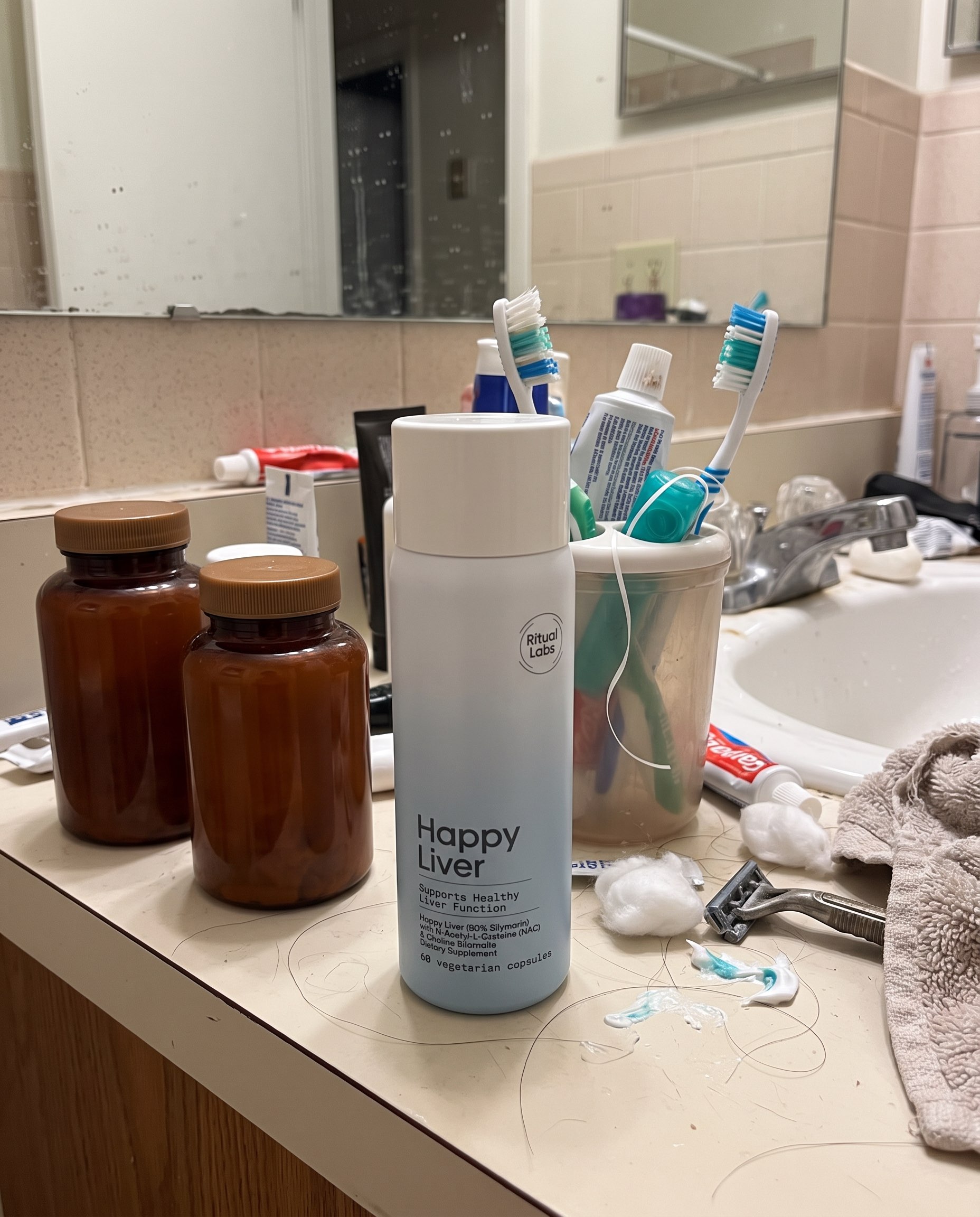
Ran for 26 days, from July 30 to August 25, 2026, the last day Crush saw it.
Run by David Hudgens on Facebook. Crush is not the advertiser and does not verify its claims. See this ad in Meta's Ad Library(opens in a new tab)
Want an ad like this for your product?
Crush makes new ad images for your product from this ad: your logo, your product photo, your offer.
Trials from $19.95 USD, then $79.95 USD a month. Cancel anytime.
About this ad
- Meta Ad Library ID
- 1559059872564718
- Platforms
- Facebook, Instagram, Audience Network, Messenger and Threads
- Relaunches
- 0
- Niche
- Parenting & Kids
Ad text
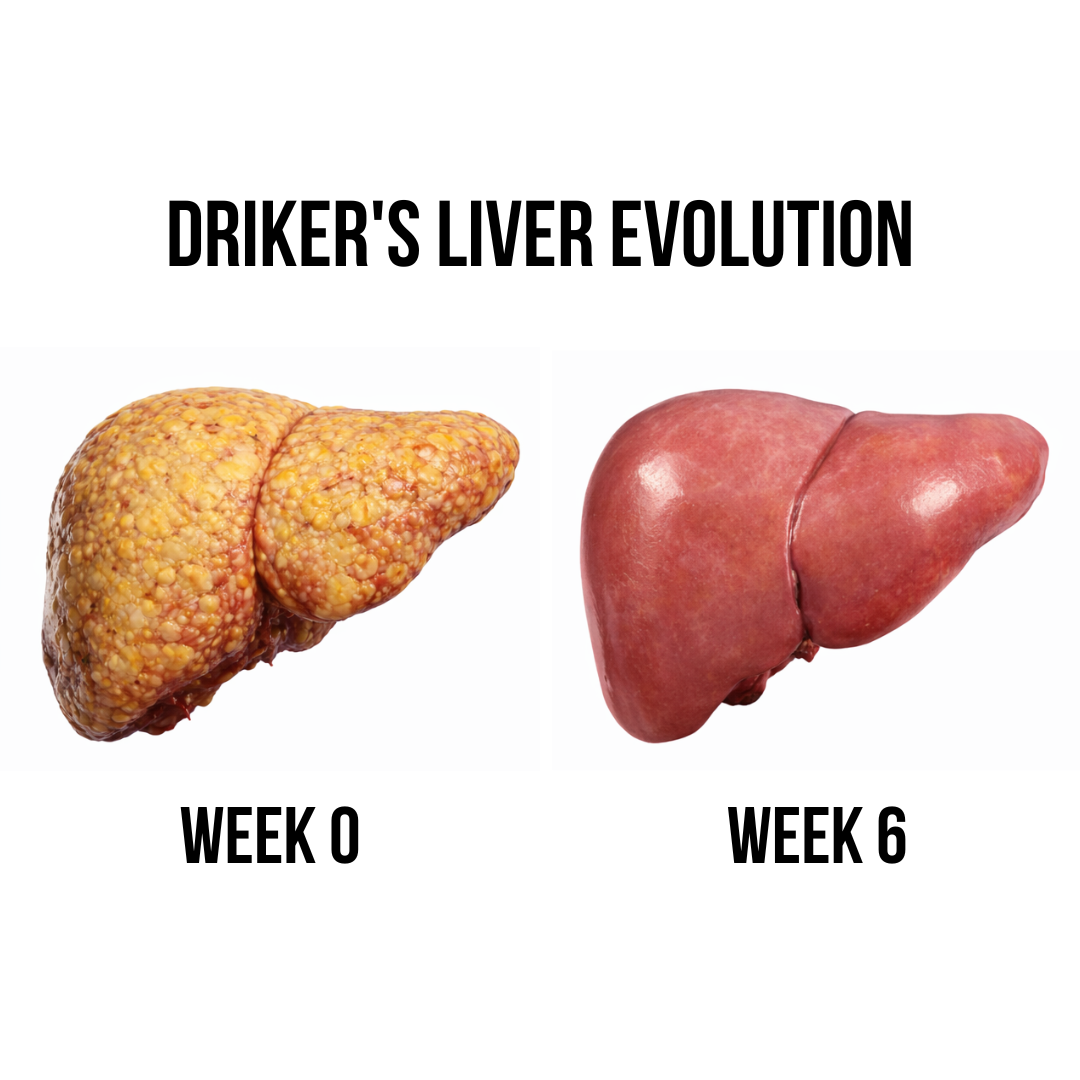
I'll tell you straight, because that's the only way I know how to talk. For years, I thought milk thistle was a complete waste of money. I'd tried it. A cousin swore by it, so I grabbed a cheap bottle off the shelf at the discount store, took it for a couple of months, felt absolutely nothing, and quietly decided the whole liver-supplement thing was a scam for gullible people. I put it in the same mental bin as magnet bracelets and detox foot pads. Marketing for suckers. And I was a little smug about it, honestly. I'm the guy who reads the reviews, who doesn't fall for the hype, who assumes anything sold with the word "cleanse" on it is nonsense. And look, a lot of that instinct is completely correct. There is a genuine ocean of garbage out there. The word "detox" is doing a great deal of unearned heavy lifting on a great many labels, and if a product promises to flush, purge, or reset an organ that is literally your body's own built-in filter, my hackles go up, and honestly they should. I am not here to tell you to switch your brain off and trust the shelf. I'm telling you the exact opposite. Keep the suspicion. Just don't let the suspicion make you lazy, because lazy suspicion and blind trust actually land you in the very same place: not truly knowing what you bought. So if you're the skeptic in your friend group, the one rolling your eyes at the supplement aisle, I'm writing this for you, because I was you. And I want to tell you what actually changed my mind, because it wasn't a slick ad. It was, of all things, learning to read a label. Here's what happened. My doctor mentioned some fat on my liver, nothing urgent, keep an eye on it. And because I'm stubborn and I like to actually understand things, I went and read. Not the marketing. The real stuff. And somewhere in there I ran into the thing that made me feel like a bit of an idiot about my earlier verdict. That cheap bottle I'd written the whole category off over? I'd never once checked how much of the actual active compound it contained. Let me explain, because this is the part nobody tells you, and it reframed everything for me. Milk thistle is the plant. But the part that actually gets studied for liver health is a specific compound inside it called silymarin. And here is the catch that the discount-store version quietly relies on you not knowing: products vary enormously in how much standardized silymarin they actually deliver. Two bottles can both say "milk thistle" in big friendly letters on the front, and contain wildly different amounts of the thing that's actually been looked at. The name on the front tells you almost nothing. The number on the back tells you almost everything. I went and dug out that old cheap bottle from the back of a cabinet, turned it over, and honestly could barely find a straight answer on how much standardized silymarin was in it. That was my answer right there. I hadn't proven that milk thistle was junk. I'd proven that a vague, cheap product was vague and cheap. I'd run a bad experiment and trusted the result. As a guy who prides himself on not being fooled, that stung a little. And the more I read, the more I saw how neatly the cheap end of this whole industry is built around that exact mistake. They put the impressive-sounding plant name in big friendly letters on the front, right where your eye lands, and they bury or blur the one number that actually matters. They are counting on you doing precisely what I did, buying on the strength of the front of the label, feeling nothing, and then either blaming yourself or blaming the entire idea. Either way, you don't come back and ask the awkward question, which is, how much of the actual studied compound was in that thing? For a lot of bargain products, the honest answer is, not much, and they would very much prefer you never checked. So I did what I should have done the first time. I got skeptical in the right direction. Instead of being skeptical that any of it could work, I got skeptical about which specific products were actually being honest about what they contained. That is a much more useful kind of skepticism, and it's the one I want to hand you. While we're on it, let me name the single biggest tell I've learned to watch for, because it has saved me money on a lot more than liver supplements. It's the phrase "proprietary blend." When a label lumps a bunch of ingredients together under one "proprietary blend" with a single combined weight, what they are actually telling you, in polite marketing language, is that they would prefer you not know how much of each thing is in there. Sometimes that's because the expensive, effective ingredient is a pinch and the cheap filler is the bulk, and the real ratio would embarrass them. Here's my rule now. A company that is proud of its amounts prints its amounts. A company that hides them behind a blend is telling you something, and it is usually not flattering. Once you learn to read for that one phrase, half the supplement aisle sorts itself out in about ten seconds. I think about all of it like being a decent used-car buyer. The mark strolls onto the lot and believes the salesman. But the guy who overcorrects, who has decided every car ever built is junk and nobody can be trusted, never buys a car and ends up walking everywhere in the rain, feeling superior and getting soaked. Neither of them ever looked under the hood. The whole skill, in cars and in supplements and in most of life, is being willing to actually check. Kick the tires. Read the real number. Then decide based on what you found, not on the mood you walked in with. Because here's the thing. Being a skeptic is good. I'm proud of it. But real skepticism means checking the actual evidence, not just assuming everything is a scam and calling it wisdom. Lazy skepticism and gullibility are closer than they look. They both skip the step where you actually read the details. And the details, on this stuff, live on the back of the bottle. Now, before I go further, let me be as honest with you as I'd want someone to be with me, because I hate being oversold. I am not a doctor. A fatty liver is something a doctor diagnoses and monitors with proper tests, and mine is keeping an eye on it. Nothing I'm about to say is a substitute for that, and no supplement is. The stuff that genuinely does the heavy lifting for your liver is the boring, unglamorous stuff, and I'm not going to pretend otherwise. Eating better, most of the time. Moving your body. Managing your weight where it makes sense. Going easy on the alcohol. And keeping up with your doctor. That's the real foundation. It does the actual work, it comes first, and no capsule replaces it. If a doctor has flagged your liver, that doctor comes before anything on a store shelf. So I did the basics, in the plain, sustainable way a normal guy actually can. Cut back on the junk. Started walking. Nothing dramatic. But I also decided that if I was going to bother with a supplement at all, this time I was going to actually understand what I was buying, and only buy something that was honest about its own contents. That reading also finally taught me what the liver even does, which, embarrassingly, I'd never known. It's involved in nutrient metabolism. It makes the bile your body uses to help digest the fats in your food. It's central to energy storage, holding fuel and releasing it when you need it. It's part of your body's antioxidant defenses. And it's deeply involved in how your body processes and transports fats as a normal, everyday job. It does all that quietly, around the clock, and never once complains. For an organ I'd spent fifty years ignoring, it turned out to be doing an awful lot for me. And once I understood that, I got interested in the specific nutrients people actually look into for normal liver function, and this time I read like a skeptic who does his homework instead of one who just sneers. Three kept coming up. The first, of course, is milk thistle, the one I'd unfairly written off. Standardized to its active compound, silymarin, it's known for supporting the liver's own cells while they do their everyday work. The key word, the one that cost me a wasted bottle, is standardized. If it doesn't tell you how much standardized silymarin you're getting, you don't actually know what you bought. The second is NAC. New to me. Your liver relies on an antioxidant called glutathione as part of keeping itself running smoothly, and NAC is a precursor your body uses to help replenish that glutathione. You're not adding something exotic. You're helping the body top up something it already uses. The third is choline, which I'd genuinely never heard of. Choline is an essential nutrient the body uses to package and move fat along as part of normal fat metabolism. It's a real, defined job. And a lot of people take in less than the recommended amount from food, which surprised me. What actually sold me on those three, as a set, was not a claim. It was the absence of one. Nobody was promising me a miracle. They were describing three nutrients with three ordinary, defined jobs, and then letting me make up my own mind. For a skeptic, that's the whole ballgame. Being handed the facts and left alone to decide is far more persuasive than any hard sell will ever be. The moment someone promises me the world, my wallet snaps shut. The moment they hand me the label and take a step back, I actually read it. Three ingredients, three clear, ordinary roles in normal liver biology. Not a magic combination, and I'd have closed the tab if anyone had claimed it was. Just three things with complementary roles, from a formula that's actually honest about what's in it. That last part is what sold the skeptic in me. The one I landed on is called Happy Liver, by a brand called Ritual Labs, and the reason I trust it is precisely the reason I didn't trust that discount bottle years ago. It tells you exactly what's in it. Standardized milk thistle, NAC, and choline. Third-party tested. No fillers. No proprietary blend hiding the amounts behind a vague word. That transparency is the whole thing for me. I don't trust products that hide their numbers, and I do trust products that print them. Two capsules a day. It's a dietary supplement meant to support normal liver function alongside healthy habits and medical care, never to replace them. I'll tell you honestly how my own first sixty days went, and I want to be crystal clear that this is just my experience, one reformed skeptic's morning, not a promise about yours and not any kind of treatment. The first couple of weeks, I didn't notice anything, and being honest, I didn't expect to. I just took my two with breakfast. By a few weeks in, the only real change was that it had become a habit, folded in next to the coffee. No drama. By the time I finished the first bottle, the thing that had actually changed was in my head, not on a lab report. I'd stopped being the guy who sneered at the whole category from a place of ignorance, and become the guy who reads the back of the bottle and makes an informed call. That might not sound like much, but for a man whose entire identity is not getting fooled, actually doing the homework instead of faking it felt like an upgrade. It also, weirdly, made me a little less insufferable, which my wife has quietly appreciated. I used to be the guy who dismissed everything on sight, arms crossed, because dismissing things feels like intelligence and costs you absolutely nothing. Now I'm more often the guy who says, maybe, let me actually look at the details first. It's a less satisfying pose to strike, I'll grant you. It doesn't get the easy laugh at the table. But it turns out to be a much more reliable way to actually be right, which is the thing I was pretending to care about the entire time anyway. At sixty days I looked back and decided it had earned a permanent spot in the routine. That's genuinely all I can tell you. Everyone is different, and my morning is not a forecast for yours. So here's my message to my fellow skeptics, the eye-rollers, the ones who assume the whole supplement aisle is a con. Some of it is. You're not wrong to be suspicious. But do me a favor and aim that suspicion at the right target. Don't write off a whole category because a cheap, vague product underdelivered. Turn the bottle over. Read the actual numbers. Demand transparency, and reward the products that give it to you. That's not gullibility. That's just skepticism that finished the job. Get the boring basics right, because they matter most. Keep up with your doctor, because that's the part that does the real work. And if, on top of that, you want a bit of nutritional support for a normal, healthy liver from something that's actually honest about what's inside it, the one I use is Happy Liver by Ritual Labs. I spent years being smugly wrong because I never turned a bottle over. Don't be me. Turn it over. Read it. Then decide. https://rituallabs.shop/products/happy-liver13 P.S. This is the whole lesson in one sentence, so if you skim nothing else, skim this: when you look at any liver supplement, ours or anyone's, turn the bottle over and check how much standardized silymarin it actually provides, and whether it includes NAC and choline at all, because a great many of them include none of that. That one habit would have saved me a wasted bottle and years of being wrong. P.P.S. Real talk on the medical side. If a doctor has flagged your liver, keep up with them and get anything of concern properly evaluated. The basics do the heavy lifting. A supplement is support alongside your medical care, never a replacement for it. P.P.P.S. Ritual Labs offers a 60-day money-back guarantee subject to its terms. And as with anything, talk to your own doctor about what's right for you, especially if you take medication, are pregnant or breastfeeding, or have a medical condition.
Where the ad sends people
rituallabs.shop
Support your liver today
Ritual Labs
Learn more: rituallabs.shop(opens in a new tab)