
Active· since May 13, 2026
- 128
- days running
- 1
- relaunches
Ad copy
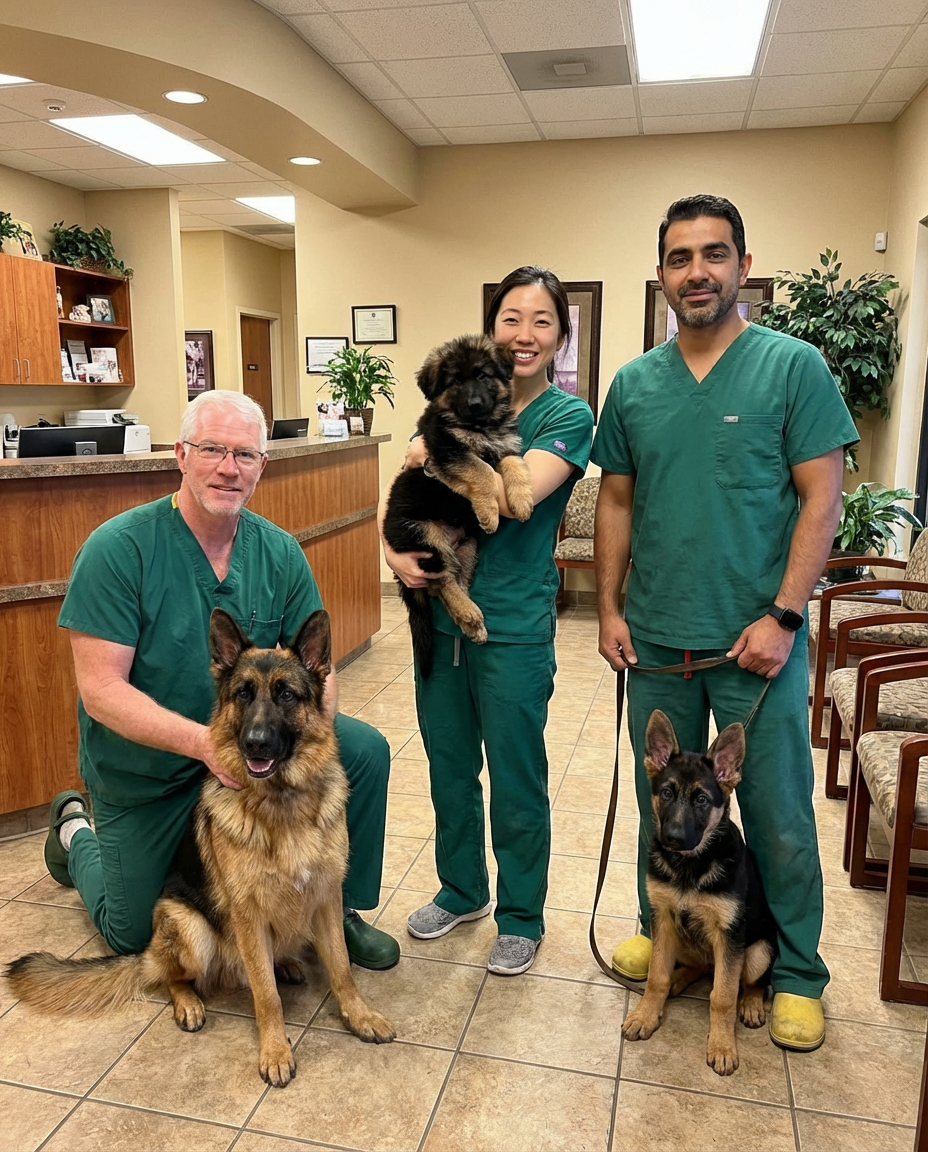
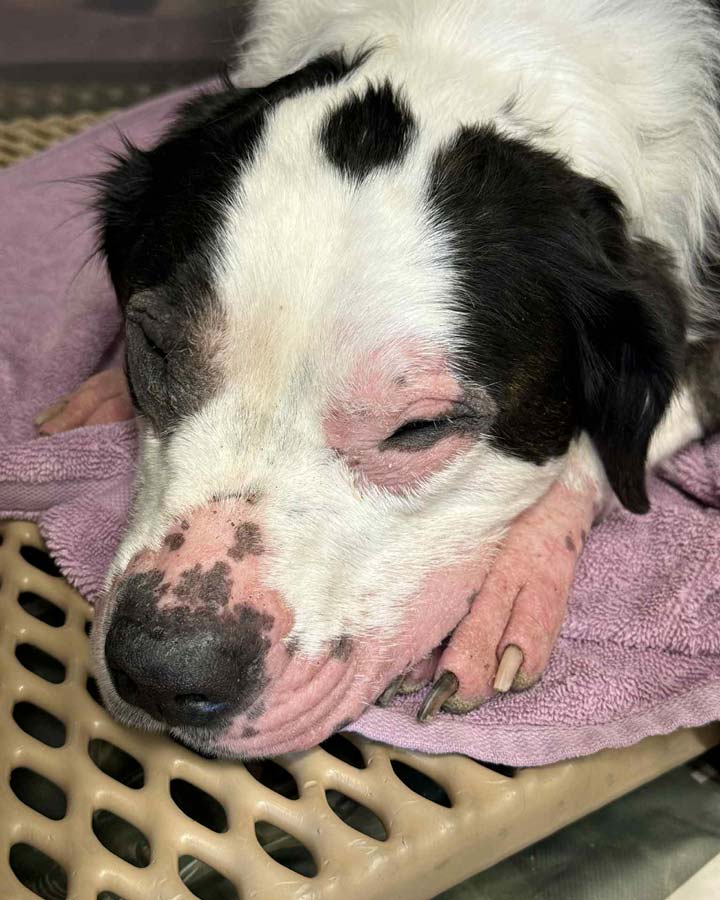
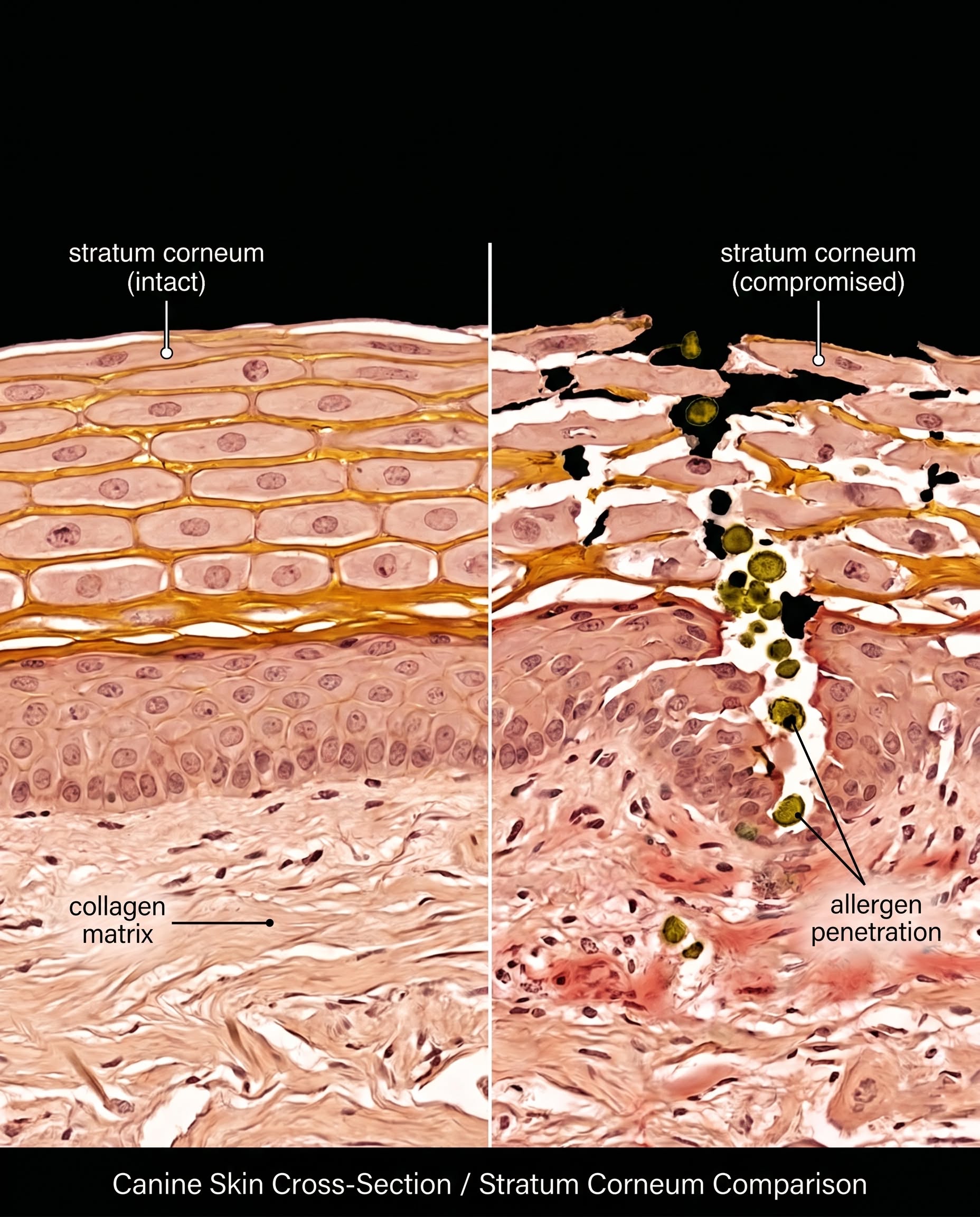
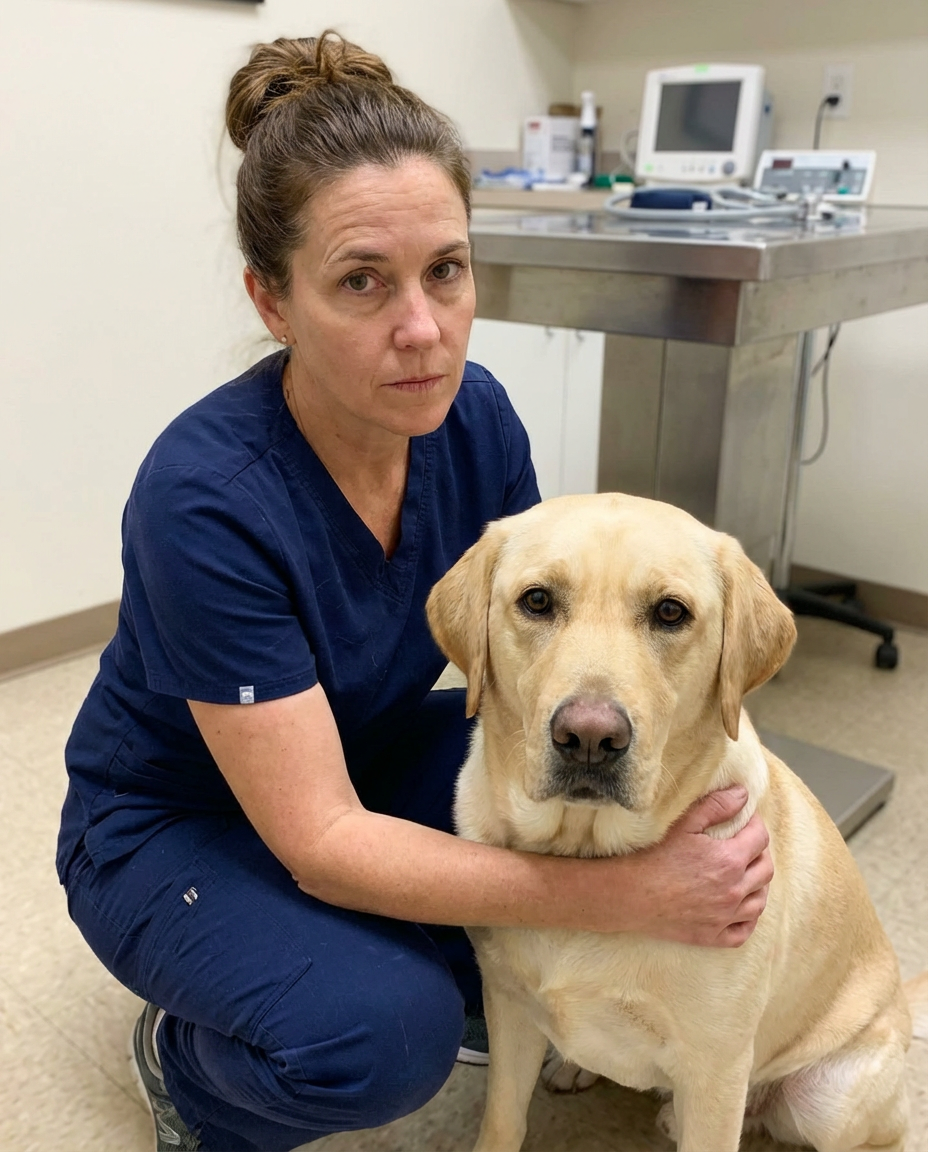
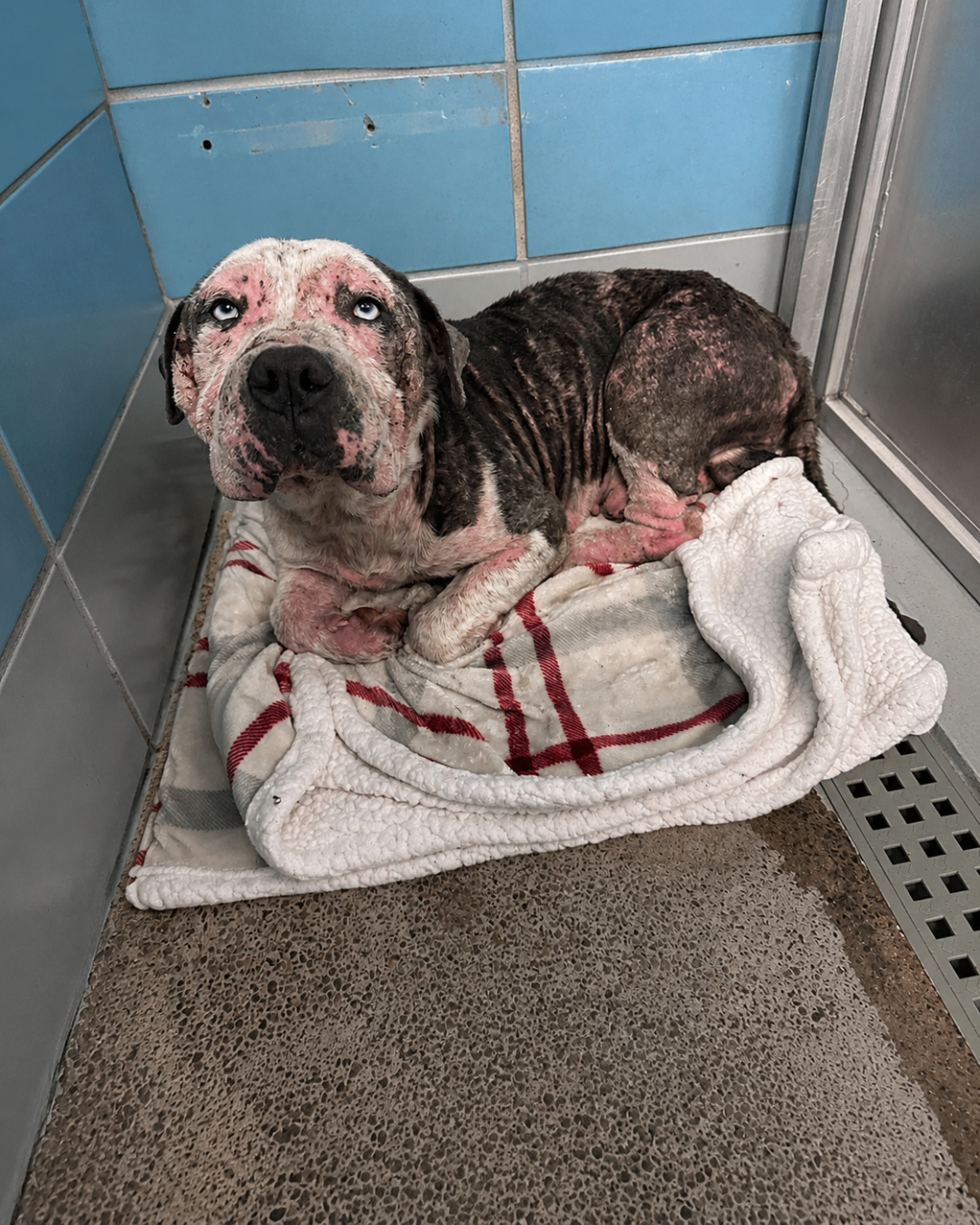
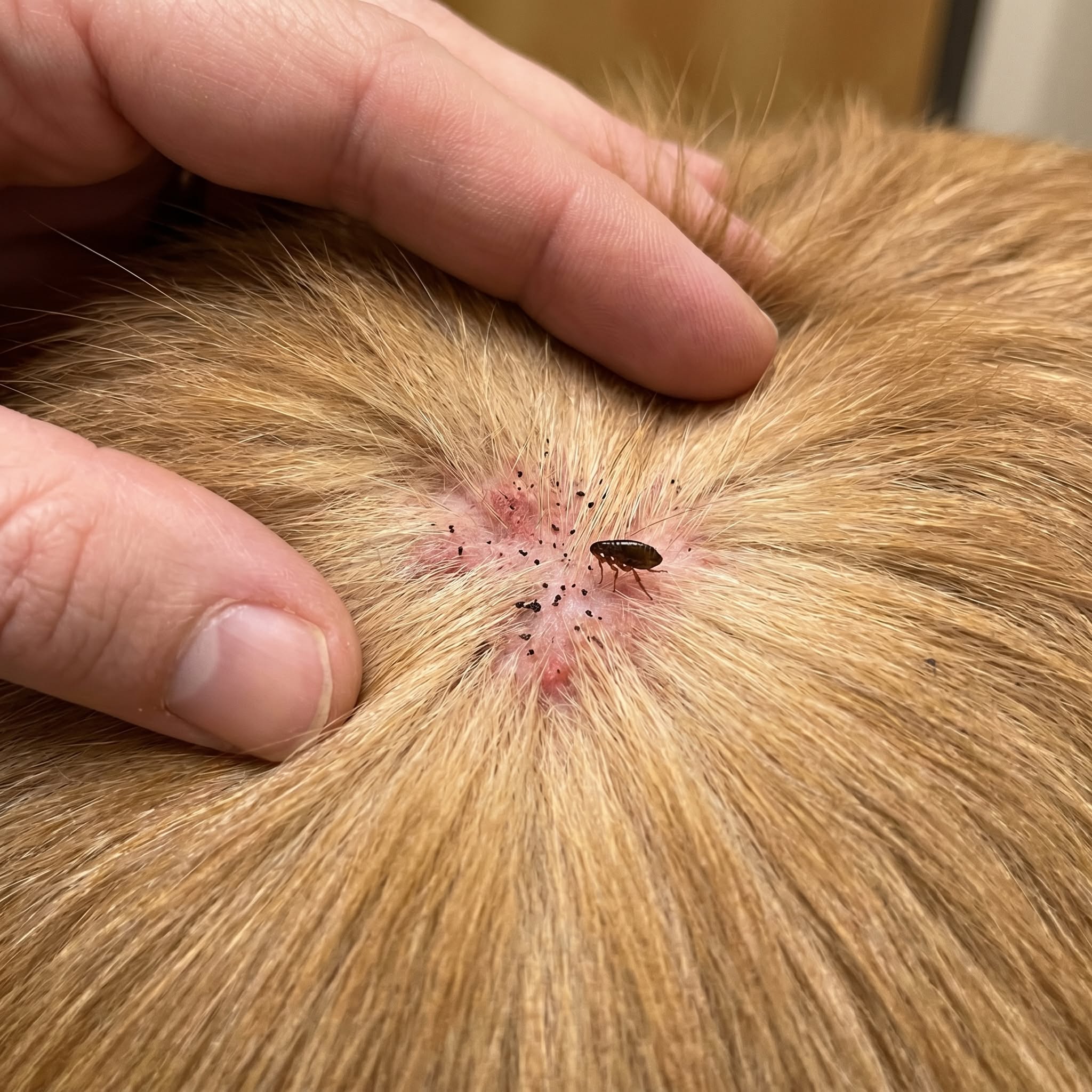
I'm going to lose my mind if one more dog owner walks into my exam room in summer asking why their dog is "suddenly" worse this year. He's not suddenly worse. He's been on the same trajectory for years and summer is the season that exposes every weakness in his skin barrier at the same time. That's not bad luck. That's biology. My name is Dr. Susie Boyd. I'm a veterinarian at Whitmore Animal Hospital. I've been in clinical practice for 15 years. And I need to explain something about summer specifically that almost no general practice vet has the time to walk through in a 20-minute appointment. Summer is not just "another season with allergies." Summer is the convergence of every environmental trigger a dog can encounter, all hitting the same skin barrier at the same time, all amplified by heat and humidity. Let me walk you through what your dog is actually facing from May through September. Fleas reproduce faster in warm humid weather. A single female flea lays up to 50 eggs per day in optimal conditions. By July, the flea population in your yard, your neighborhood, the dog park, and every patch of grass your dog walks through has multiplied 30-fold compared to March. Your monthly preventative is killing the fleas that bite. It is not preventing the bites themselves. And every bite injects flea saliva proteins designed to trigger immune response in the host. 40% of dogs have flea allergy dermatitis. That isn't 40% who get heavy infestations. That's 40% whose immune system goes into overdrive when even a single bite penetrates compromised skin. A dog with a compromised barrier in July is being bitten more often, by more fleas, with each bite causing a deeper reaction. Grass pollen peaks in late spring through midsummer. Your dog walks through it daily. Rolls in it on hot afternoons. The pollen lands on the belly, the paws, the muzzle, the ears. Brushes against the inguinal area. Settles into the coat. On a dog with an intact barrier this is uneventful. The pollen sits on the surface where it belongs. On a dog with a compromised barrier the pollen penetrates through the gaps directly into living tissue and the immune system attacks. The paw licking that starts after every walk in July is not anxiety. It is not boredom. It is your dog's immune system responding to allergens that crossed a barrier that should have held them out. Tree pollen tapers off by June. Then weed pollen takes over for the rest of the summer. Then ragweed in August dominates everything else. There is no break in the pollen calendar from April through October. Every walk, every afternoon in the yard, every visit to the park is another exposure event. A dog with a working barrier processes those exposures without incident. A dog without one accumulates immune debt across the whole summer until something tips over. Mosquitoes inject saliva proteins the same way fleas do. Different proteins, same general mechanism. The immune cascade triggered by a mosquito bite on a dog with a compromised barrier is identical in shape to the cascade triggered by a flea bite. Multiply by the mosquito population that descends on the eastern half of the country every June. Stinging insects show up at the same time. Wasps, hornets, yellow jackets, fire ants in the south. A sting on an intact barrier is a localized reaction that resolves in hours. A sting on a compromised barrier becomes a systemic event with secondary inflammation that lasts weeks. Heat and humidity trap moisture against the skin underneath thick coats. Dogs cannot sweat. They dump heat through panting and through their paw pads. When ambient humidity is high, the moisture has nowhere to go. It sits against the skin. Bacteria that live harmlessly on intact skin overgrow rapidly in damp conditions and penetrate the gaps in a compromised barrier. That is the mechanism behind almost every hot spot you see between June and September. The bacteria were always there. The heat and humidity created the conditions for overgrowth. The compromised barrier let them in. Smog and air pollution rise in summer in every major US city. The fine particulate matter settles on the dog's coat and skin during walks. On an intact barrier it sits on the surface and gets brushed off or washed away during the next bath. On a compromised barrier the particulates penetrate and contribute to chronic low-grade inflammation that owners often describe as "my dog just seems irritated all the time in summer." Now stack all of these together. Your dog in July is being hit by flea saliva proteins, grass pollen, weed pollen, mosquito saliva, occasional stings, bacterial overgrowth from heat-trapped moisture, and air pollution — every single day. On a dog with an intact barrier this is uneventful. The summer passes. The dog is comfortable. On a dog with a compromised barrier, every one of those triggers is penetrating into tissue. The immune system cannot tell which one started the cascade. It just keeps attacking everything it finds. That is the scratching. The ear infections. The paw licking. The belly rash. The migrating hot spots. The yeast smell. The rust staining on the paws. The dark hyperpigmentation on the belly. All of it. One barrier failure expressing as a dozen different symptoms across the body, depending on where the exposures land first. This is why every summer it gets worse. The barrier keeps degrading. Dogs lose collagen from their skin barrier every year after age 2. By age 5, the cumulative deficit is significant. By age 7, it's severe in most dogs not actively supporting barrier repair. And every year on long-term Apoquel or Cytopoint accelerates this further, because chronic immune suppression also suppresses the tissue maintenance signals the body uses to keep the barrier intact. So you arrive in my exam room every July with the same dog and the same complaint and the same question. Why does this keep happening every summer? And the answer is the same answer it was last summer. The barrier is failing faster than the medications can suppress the resulting reactions, and summer is when the trigger load peaks high enough to overwhelm whatever the medications were managing in the off-season. The flea preventative is necessary. It is not sufficient. The Apoquel may be necessary. It is not sufficient. The Cytopoint may be necessary. It is not sufficient. None of them rebuild the barrier the triggers are flooding through. What rebuilds the barrier is what the barrier is made of. The stratum corneum is built from structural collagen, types I and III primarily, with type II as the connective layer underneath, held in a lipid matrix of ceramides and fatty acids. You cannot rebuild a wall that's missing collagen by giving the body more immune suppressants. You have to give it the structural building blocks of what's actually breaking down. The form matters. Chews and powders lose 70-80% of their active material to stomach acid before any of it reaches the bloodstream. Liquid hydrolyzed collagen absorbs at up to 98% because the peptides are already broken down and bypass most of the gastric degradation. This is the same absorption principle behind hydrolyzed protein in prescription veterinary diets. I recommend Healthy Petz Liquid Collagen to my patients now. All three collagen types in a liquid hydrolyzed form. Combined with MSM, hyaluronic acid, and vitamin C as the cofactors the body uses to assemble dietary collagen into actual barrier tissue. One drizzle on food daily. The timeline is the part I need every owner reading this to understand clearly. The stratum corneum regenerates roughly every 22 days in dogs. Meaningful barrier reinforcement requires 2 to 3 full epidermal turnover cycles. That's 6 to 8 weeks of consistent supplementation before the new barrier is structurally meaningful. Peak summer trigger load is July through September. If you start the collagen now, your dog has the runway to be barrier-fortified before the worst of it. If you wait until your dog is already in a flare cycle in late July, you're treating the fire while the wall is still falling apart underneath, and the collagen takes the same 6 to 8 weeks to work no matter when you start it. The difference is whether peak season catches your dog with a wall or without one. If your dog has spent two or more summers in this cycle. If you're stacking flea preventative, Apoquel, Cytopoint, medicated shampoo, prescription kibble, and still watching him spiral every August. If you've been told some version of "some dogs are just sensitive in summer." Please understand what I'm telling you. Your dog isn't unprotected from fleas. He's unprotected from his own immune system. And the only thing that protects him from his own immune system is a barrier intact enough to keep allergens on the surface where they were always supposed to stay. Don't switch vets. Don't quit the preventative. Don't stop the Apoquel cold turkey. Add the collagen and let the barrier rebuild underneath the existing protocol. In 6 to 8 weeks you'll see the difference. Some dogs end up off the medications entirely. Others need lower doses. That's between you and your regular vet. But your dog won't be in my August exam room with the third hot spot of the season asking why this keeps happening. Healthy Petz Liquid Collagen. 60-day money-back guarantee. Multipack is around $17 a bottle. Start it today. — Dr. Susie Boyd, DVM Whitmore Animal Hospital shophealthypetz.com/products/liquidcollagen
The Structural Problem Behind Summer Allergies
LEARN MORELike this ad? Make it yours.
Crush rebuilds this exact creative around your product — your brand, your colors, your offer — in about a minute.