Donna Mitchell
Donna Mitchell Facebook ad: “Read this if you're 50+ with COPD”
Ran for 48 days, from July 5 to August 22, 2026, the last day Crush saw it.
Run by Donna Mitchell on Facebook. Crush is not the advertiser and does not verify its claims. See this ad in Meta's Ad Library(opens in a new tab)
Want an ad like this for your product?
Crush makes new ad images for your product from this ad: your logo, your product photo, your offer.
Trials from $19.95 USD, then $79.95 USD a month. Cancel anytime.
About this ad
- Meta Ad Library ID
- 1561452132023746
- Platforms
- Facebook, Instagram, Audience Network, Messenger and Threads
- Relaunches
- 0
Ad text
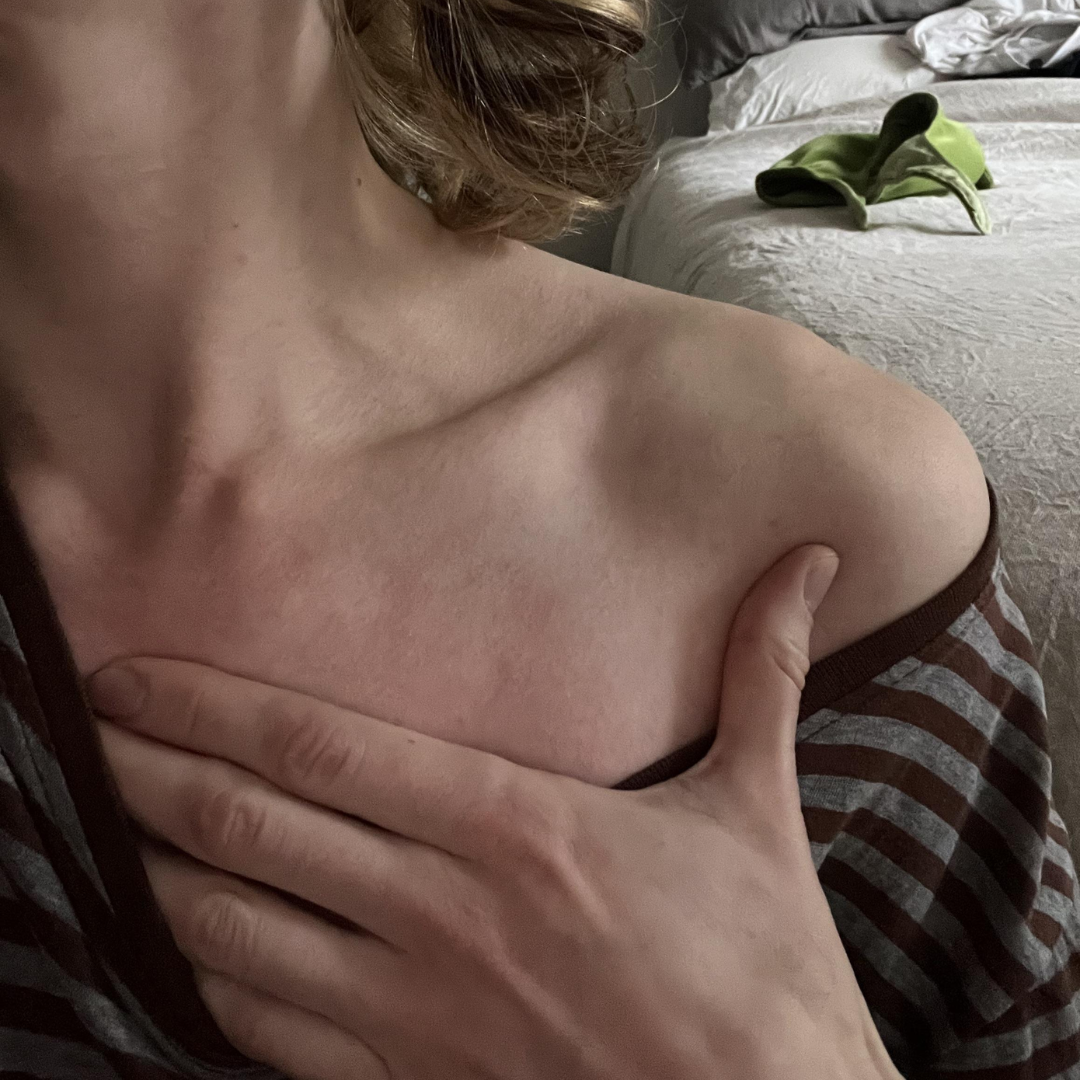
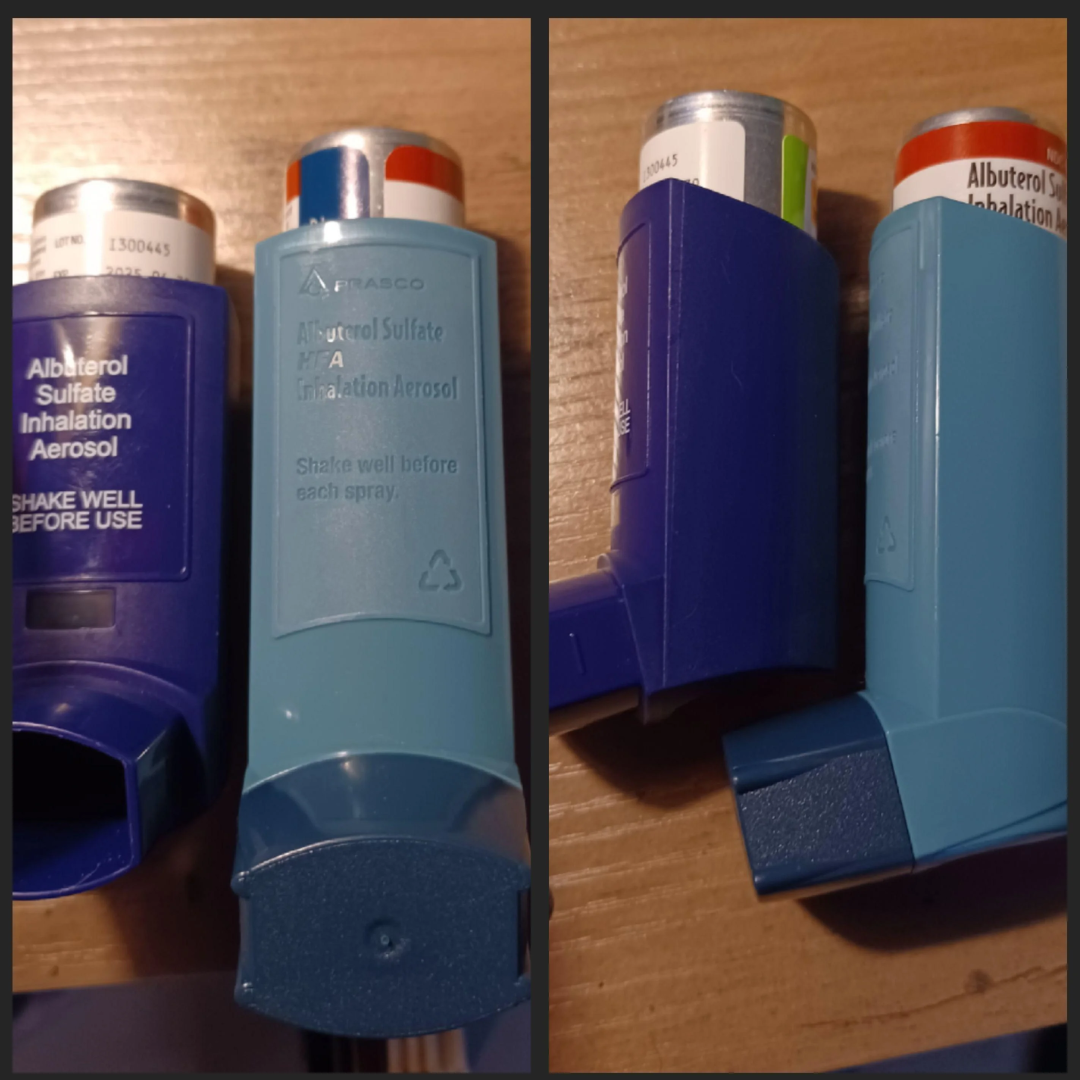
I am going to say something that nobody with COPD wants to hear and I don't give a f*ck if it upsets you. Switching to a different inhaler is not going to clear your lungs. Not Spiriva. Not Symbicort. Not Trelegy. Not the Mucinex you're maxing out twice a day. Not the mullein tea everyone in your support group swears by. NONE OF IT IS GOING TO WORK. I know because I tried ALL of it. Every inhaler. Every supplement. Every "natural cure" the forums pushed at me. For three years. And my FEV1 dropped 7 points anyway. 61%. Heading straight for an oxygen tank. Because for three years I was treating a thinning problem that was never a thinning problem. And the worst part? Eight months ago my pulmonologist looked me in the face and started talking about "planning ahead" for supplemental oxygen. I'm done being polite about this. If you have COPD and you're sitting in your support group asking which inhaler to bring up at your next appointment, you are wasting time your lungs do not have. Read this entire post. Every word. Because the answer is in here and it is NOT another prescription. My name is Donna Mitchell. I'm 61. I live outside Pittsburgh. I got my COPD diagnosis three years ago. Stage two. My pulmonologist delivered the news with about as much warmth as a parking ticket. "You've got some obstruction. We'll start you on Spiriva. Six month follow-up." He handed me a prescription, a pamphlet, and pointed at the door. I did everything by the book. Spiriva first. When that wasn't holding the line, they added Symbicort. Eventually Trelegy, the triple-therapy inhaler they pull out when nothing else is working. Rescue inhalers in every room of the house. For a while, things stayed "stable." That was his favorite word. Stable. As if I should throw a party because I wasn't getting worse faster. But I was getting worse. The morning cough that lasted twenty minutes and barely brought anything up. The second pillow I'd quietly added to the bed because lying flat made my chest feel tight. I'd walk into the grocery store and I was done. Short of breath. Coughing. Leaning on the cart by the time I got to the dairy aisle. I had to start using a shower chair because I couldn't stand long enough to finish. Going up my own stairs meant stopping halfway and gripping the railing until I could breathe again. I asked my pulmonologist about it at my next appointment. Sat right there in the exam room and asked him point blank. "I haven't missed a single dose in three years. Why am I still declining? What else can we try?" He barely looked up from my chart. "This is a progressive disease. The medications are working. We're managing it." Managing it. That word has lived in my head ever since. Because apparently "managing" meant watching me slip a little further each season and calling it healthcare. Then eight months ago he said the word that broke me. Oxygen. "We should start planning ahead. Maybe just at night to begin with." I sat in my car in the parking lot for twenty minutes with both hands on the steering wheel. Because I'd just been told the same thing they tell every COPD patient on the slide. Just at night. Then more. Then full-time. I was NOT spending whatever years I have left dragging a tank behind me. I stopped sleeping after that appointment. Started searching at 2am with the brightness all the way down. That's when mullein started showing up everywhere. Every COPD forum. Every Facebook group. People praising it like it was holy water. "Mullein opened up my lungs in days." "Mullein tea changed my life." Same testimonials repeated so many times I could have recited them from memory. So I ordered the tea. Twice a day for six weeks. Nothing changed. Same twenty-minute morning cough. Same locked-up chest. Same shower chair. I figured the tea wasn't potent enough. Ordered the tincture. The expensive drops everyone swore by. Two more months. Same nothing. Then NAC. 600mg twice a day. The forums called it one of the strongest mucolytics you can buy without a prescription. Two more months. Still gripping that railing at the top of the stairs. Mucinex was in the rotation the whole time. Max strength, 1200mg, twice a day. Did nothing for the heavy stuff sitting at the bottom of my chest. $417 between all of it. Plus some "lung detox" capsules off Amazon I'm embarrassed I bought. I brought it up at my next appointment. Told him about the mullein. The NAC. All of it. He cut me off before I even finished. "There's no evidence for any of that. Just focus on your inhalers." He made me feel stupid for even asking. I drove home and sat in my driveway for another twenty minutes. Because the inhalers weren't stopping me from getting worse. The supplements weren't doing anything. And the man I was paying to keep me off oxygen just told me to keep doing exactly what wasn't working. That night I went back to the laptop. But this time I stopped reading supplement testimonials and started looking at actual respiratory medicine. PubMed. Pulmonary rehab textbooks. Respiratory therapy journals. That's where I found an article by a respiratory therapist named Janet Holloway. RRT. 22 years on the job. Pulmonary recovery specialist. It was so simple it made me furious no one had told me sooner. She explained that the reason oral supplements almost never work for COPD patients is because they don't reach what's actually blocking the lungs. Bioavailability of 1 to 3 percent for lung tissue. Stomach acid destroys most of what you swallow. The liver filters out the rest. Less than 1% of a Mucinex pill ever reaches your airways. And even if more got there, most COPD patients aren't dealing with ordinary mucus. There are two layers of mucus in COPD lungs. The top layer is thin. Fresh. Wet. That's the stuff Mucinex is designed to thin. That's the stuff that comes up easy when it's loose. But underneath, pressed against the airway walls, there's a second layer. Old. Dense. Hardened over years like cement inside a pipe. That's the stuff I could feel sitting in my chest every single morning. The stuff that wouldn't move no matter how long I coughed. And nothing you swallow can reach it. Mucinex is water-based. It slides right over the hardened layer. Mullein tea gets destroyed by stomach acid before it ever gets near your airways. NAC gets metabolized before it reaches the compacted layer. Taking any of it by mouth for a deep lung problem is like swallowing eye drops and expecting them to fix your vision. It can't. It was never going to. Every tea, every tincture, every capsule. All working on the top layer while the real blockage sat underneath, untouched. And the inhalers? Spiriva. Symbicort. Trelegy. They widen the passage around the cemented layer. They never touch the cement itself. That's why my FEV1 kept dropping every visit no matter how many inhalers they escalated. The inhalers were working AROUND the blockage. They were never going to touch it. Janet wrote that the only way to actually break apart the cemented layer is to deliver the compounds directly into the airways themselves. Not swallowed. Not absorbed through the gut. Sprayed straight to the tissue where the cement is sitting. Then it hit me. Every COPD flare. Every ER trip. Every bad night that put a COPD patient in the hospital. What did they do? Nebulizer. Direct inhaler. Straight to the lungs. Bypass the stomach completely. That's how hospitals treat lung problems. That's how they've always treated them. So why were we swallowing everything? Janet's article walked through four botanical compounds that actually break down the cemented layer when they're delivered the right way. Eucalyptus to dissolve the hardened bonds in the cemented layer. Licorice root to calm the inflammation keeping the layer swollen. Peppermint to open the airways so the spray reaches deeper. Calendula to revive the cilia buried underneath the cement. Then she mentioned a product called VelvaFlow. A direct airway spray built around the exact four botanicals her article had just walked through. I won't pretend I trusted it. I'd already thrown $417 at pills and teas that did nothing. But the logic was different. The same kinds of ingredients I'd already swallowed, delivered the only way that actually reaches the layer that was choking me. Sprayed straight into the airways instead of through my stomach. The same delivery method hospitals already use. The same principle behind every nebulizer in every ER in the country. And they had a 60-day money-back guarantee. Use the whole bottle. Send it back if nothing changes. That was the only reason I ordered it. Worst case, I send it back and get every cent back. First few days, nothing dramatic. Cool going in. A little minty. No burn. Day eight, I was at the kitchen sink in the morning when I coughed up something I had never produced in my life. Brown. Almost black. Thick enough to sink in the water. I knew exactly what it was. Janet's article said when the cemented layer finally starts breaking apart, it comes up dark. The darker it is, the longer it's been stuck. That wasn't me getting worse. That was decades of trapped tar finally coming out of my body. It kept coming for about two weeks. Then it started changing. Week three, what came up was lighter. Less of it. The morning cough dropped from twenty minutes to about five. Week four, I dropped the second pillow. Slept flat the whole night. Woke up and realized what I'd done. Week five, I took an entire shower standing up. No chair. Just stood there under the water and noticed I wasn't fighting for air. Week six, I walked up my own stairs in one shot. No pause. No clutching the railing. Just climbed them like I would have a decade ago. Three months in, I went back to my pulmonologist. The same one who'd told me to keep focusing on my inhalers. The same one who'd brought up oxygen. He ran a new spirometry. Looked at the screen. "Your FEV1 has improved by 9%. That's not something we see often." "Have you been doing anything different?" I told him about the spray. The one you breathe instead of swallow. He got quiet. I could tell he wasn't about to admit I'd been right. But the data was hard to argue with. "Well… whatever you're doing, keep doing it. Let's hold off on the oxygen conversation for now." Hold off on the oxygen conversation. Eight months ago he was prepping me to start arranging for a tank. Now he was telling me to keep doing what I was doing. I sat in my car afterward just letting that sink in. How close I'd come. How I almost spent whatever years I have left dragging an oxygen tank behind me. And it frustrates me. That I had to find this in a 2am article. That in three years of appointments, nobody ever told me there were two layers of mucus and everything I was taking only reached the top one. That thousands of people are drinking mullein tea right now wondering why it's barely doing anything, when the answer takes thirty seconds to explain. Your lungs need the compounds in your lungs. Not in your stomach. That's it. I'm writing this because I see so many of you posting the same things I posted last year. "Started Trelegy. Still coughing every morning. Doctor says I'm stable." "Tried mullein tea for three months. Nothing changed." "Spent $400 on supplements. My FEV1 keeps dropping anyway." "I can feel something heavy in my chest that nothing is moving." "My doctor brought up oxygen and I don't know what to do." You're not doing anything wrong. Your inhalers aren't the problem. They're just not built to reach what's actually blocking you. The cemented layer in your airways is the real obstruction. It doesn't show up on a standard X-ray. It DOES drop your FEV1. It narrows your airways year by year. And if you don't address it, the same thing that was about to happen to me will happen to you. The morning cough will get longer. The recliner will replace the bed. The mailbox walk will get further. Your FEV1 will drop another point or two every visit. And eventually they'll have the oxygen conversation with you, the same way they had it with me. "Just at night" turns into a full-time tank in less than a year for most people. Look at VelvaFlow. They have a 60-day money-back guarantee. The worst that happens is you send it back. The best that happens is you turn the dial down before they ever start it. I almost ended up on that tank. That's all I came here to say. You can get it here: https://velvaflow.com/pages/listicle P.S. The dark stuff that comes up in the first two weeks is going to look alarming. Almost black. Thick. Sinks in the water. It's not infection. It's not a flare-up. It's the cemented layer finally breaking apart after however many years it's been there. The darker it is, the longer it was stuck. Mine was almost black. Yours might be too. P.P.S. The thing I wish somebody had circled for me three years ago was the morning cough. Everybody hears the wheeze and the breathlessness and panics about those. The thing nobody pays attention to is the long dry cough that lasts twenty minutes every morning and barely brings anything up. That's your body trying to break up something it can't reach. If you've got that cough, you don't have years to wait. I didn't either. https://velvaflow.com/pages/listicle
Where the ad sends people
velvaflow.com
Read this if you're 50+ with COPD ☝️
VelvaFlow
Learn more: velvaflow.com(opens in a new tab)