
Active· since May 19, 2026
- 117
- days running
- 0
- relaunches
Ad copy
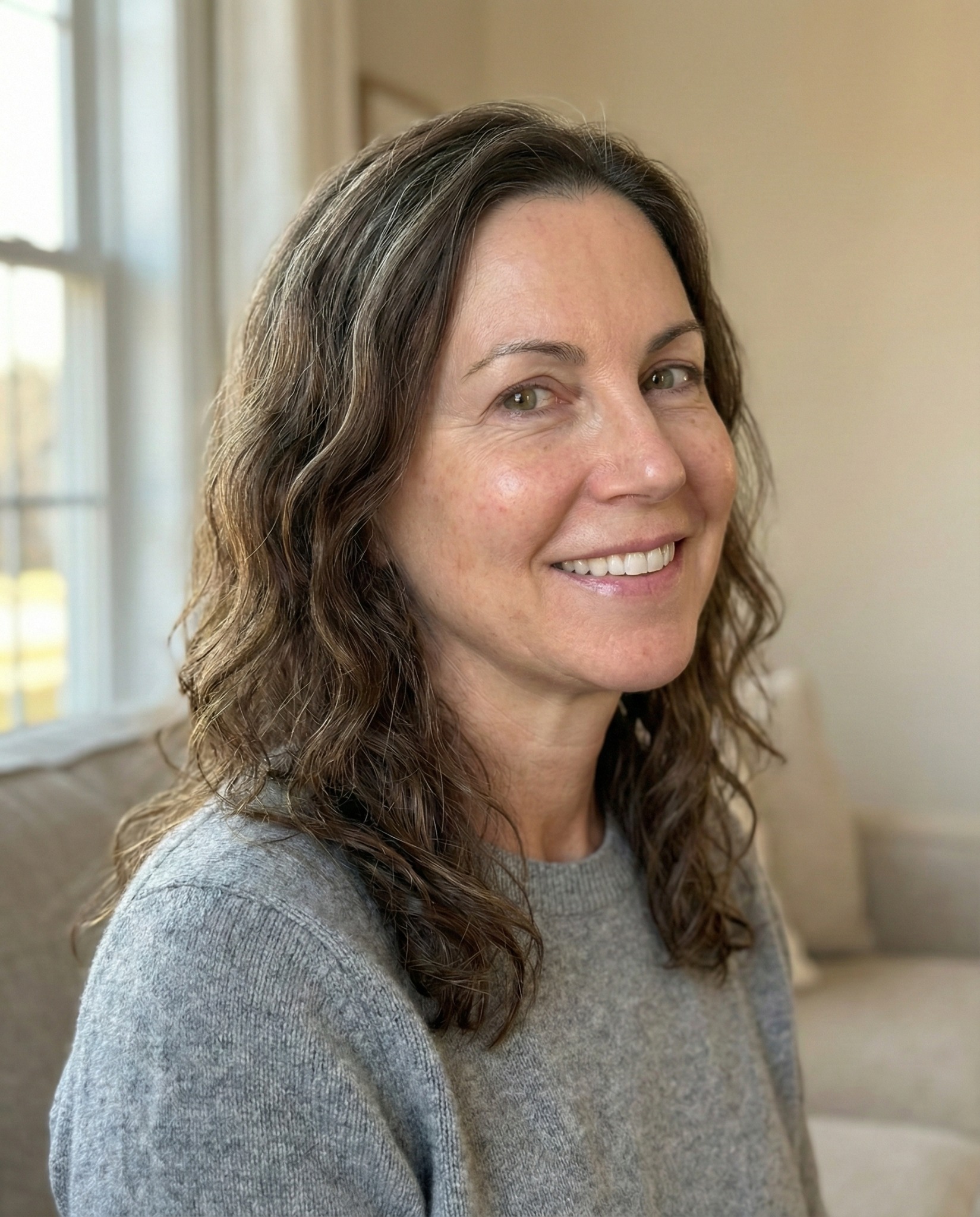
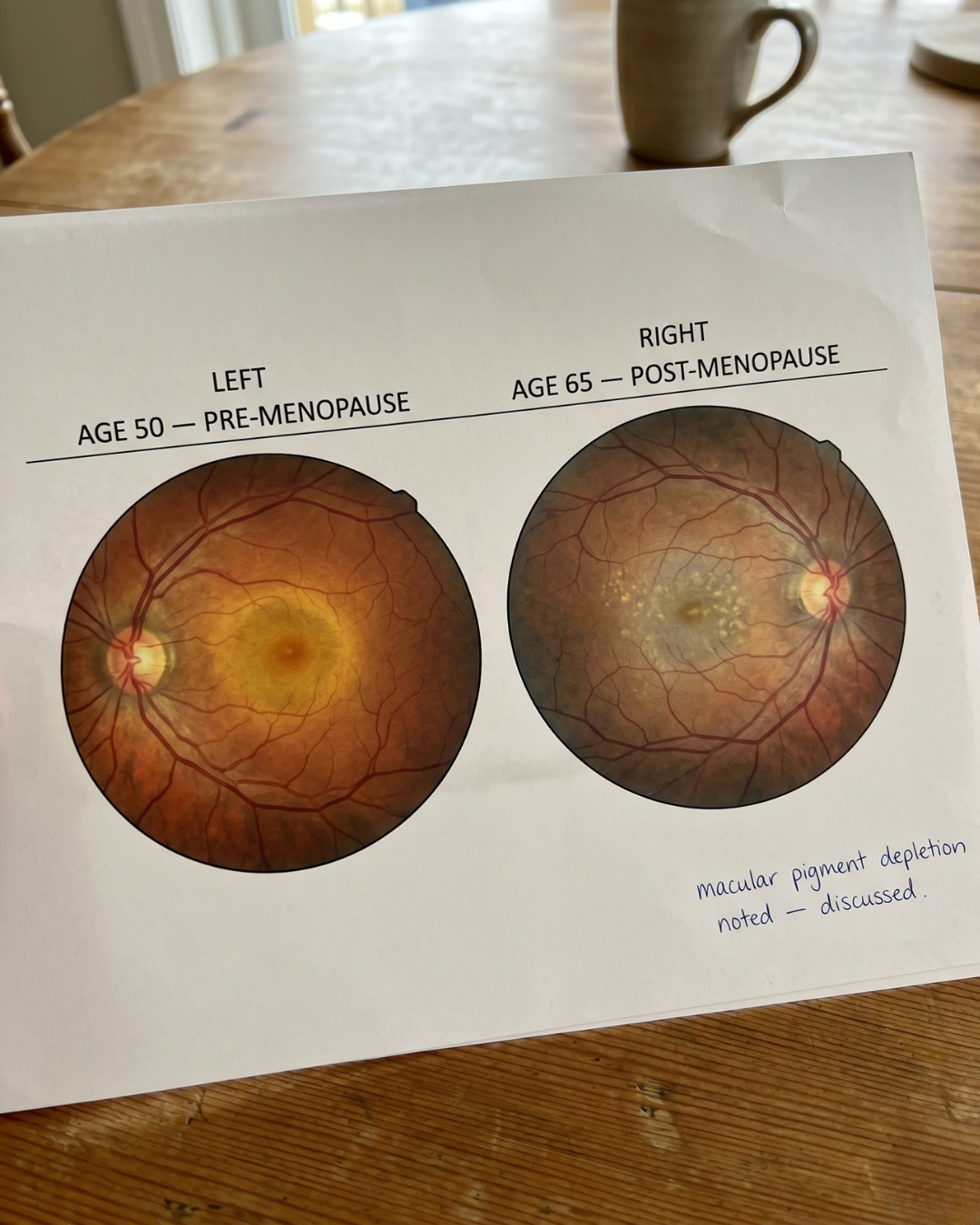
Eight years ago my doctor told me I had macular degeneration. I was 59 years old. I had finished menopause two years earlier. I did not know those two things were connected until last spring. Let me tell you what happened. For eight years I did everything they told me. PreserVision every morning. Six-month follow-up scans. Leafy greens. Sunglasses every time I stepped outside. And every six months my doctor pulled up the new images and said the same words. "We are seeing some progression. Keep doing what you are doing." Eight years of "some progression." Eight years of watching faces blur. Eight years of giving up the things I used to do without telling anyone why. Eight years of telling myself this was just how it goes. Until last spring when my regular ophthalmologist retired and I had to find someone new. The new specialist was a woman about my age. She pulled up my scans. Reviewed my chart. Then she did something nobody had done in eight years. She asked me when I went through menopause. I told her. 2017. She nodded. Wrote it down. Then she looked at me across the desk. "Your AMD did not start in 2019 when you were diagnosed. It started in 2015 when your estrogen dropped. And nobody on your care team has been treating it that way." I sat there with my mouth open. And by the time you finish reading this, you are going to be furious. Because there are three things happening right now. ONE — your AMD is progressing for a specific reason most doctors are not addressing. And it has been progressing that way since you finished menopause. TWO — the supplement you have been faithfully taking for years was not built for what is actually happening inside your eyes. It was built for general AMD. There is a difference. THREE — what is happening to your vision can be slowed and in some cases stabilized. But you have to address the actual cause. Not just take an eye vitamin. Let me tell you what my new specialist explained. When you go through menopause, your estrogen drops. You know this. You felt it. The hot flashes. The sleep changes. Everything. But what nobody told you is that estrogen was protecting your eyes the entire time. Estrogen does three specific things for your retina that nobody warned you about. ONE — it maintains blood flow to the tiny vessels that feed your macula. When estrogen drops, that blood flow drops with it. Your photoreceptors start receiving less oxygen and fewer nutrients. TWO — it supports the antioxidant defenses in your retinal tissue. Without estrogen, oxidative damage accumulates faster. THREE — it helps maintain the macular pigment density that protects the dead center of your vision. When estrogen drops, that pigment thins faster than it does in men. That is why women develop AMD at much higher rates than men. It is not because we live longer. It is because the year our estrogen left was the year our eyes started losing three layers of protection at the same time. And nobody told us. My new specialist drew it out for me on a notepad. The three things estrogen used to do. The three things my eyes had been quietly missing for almost a decade. Then she asked me what supplement I was taking. I told her. PreserVision. She nodded. Said it was a reasonable starting point but it was built for general AMD. Not for women whose AMD started with estrogen loss. She said the formula women actually needed had to do three things at once — restore the blood flow estrogen used to protect, rebuild the macular pigment that had been thinning since menopause, and reduce the oxidative damage that had been accumulating without estrogen there to neutralize it. She wrote down what to look for. Lutein. Zeaxanthin. Meso-Zeaxanthin. The three carotenoids that rebuild macular pigment. Including the one your body stops being able to make from food after age 60. Saffron extract. Reduces retinal inflammation and restores microvascular blood flow. Bilberry. Supports the tiny vessels that feed the macula. Astaxanthin. The antioxidant that reaches retinal tissue and neutralizes the oxidative damage that has been accumulating. She told me to find a product that contained all of them at clinical doses. Not just one or two. I went home and started looking. Most of what I found was incomplete. The same two carotenoids in different packaging. Maybe some Bilberry thrown in. Nothing that addressed all three problems estrogen used to handle. Then I found one. It is called MACUDEFENSE. All three carotenoids at clinical doses. Saffron's Crocin for blood flow. Bilberry for the micro vessels. Astaxanthin for the oxidative damage. Plus ten more clinically studied nutrients working alongside them. It was the only formula I found that addressed everything estrogen used to do. I started taking it the morning my first bottle arrived. I want to tell you honestly what happened. The first two weeks — nothing. I had been disappointed too many times to expect anything yet. Week four I noticed I was less exhausted at the end of the day. My eyes did not feel as tired. Week eight I was reading a book and I realized I had not switched on the second lamp the way I usually did. Week twelve I went back for my six-month follow-up scan. My new specialist pulled up the images. Looked at them for a long time. Then she looked at me. "Holding steady." For the first time in eight years, those were the words I heard. Not "some progression." Not "we will keep monitoring." Holding steady. I want to speak to you directly. If you are a woman over 60 with macular degeneration. If you have been taking PreserVision or Ocuvite or any standard eye vitamin for years and your vision keeps slipping anyway. If you have started to believe nothing will help. Please hear me. You are not failing your treatment. Your treatment has been failing you. Because the supplement you have been taking was not built for what is actually happening in a woman's eyes after menopause. The damage has been compounding for years. And every six months your doctor told you to keep doing what you are doing. You do not have forever to address this. The longer the blood flow stays compromised. The longer the pigment keeps thinning. The longer the oxidative damage accumulates without anything to neutralize it. The harder it is to stabilize. The window is open right now. I have left the link below. — Ruth
Like this ad? Make it yours.
Crush rebuilds this exact creative around your product — your brand, your colors, your offer — in about a minute.