Foot Care Tips
Foot Care Tips Facebook ad: “Get Heel Pain Relief”
Ran for 2 days, from July 9 to July 11, 2026, the last day Crush saw it.
Run by Foot Care Tips on Facebook. Crush is not the advertiser and does not verify its claims. See this ad in Meta's Ad Library(opens in a new tab)
Want an ad like this for your product?
Crush makes new ad images for your product from this ad: your logo, your product photo, your offer.
Trials from $19.95 USD, then $79.95 USD a month. Cancel anytime.
About this ad
- Meta Ad Library ID
- 1566625534837649
- Platforms
- Facebook, Instagram, Audience Network and Messenger
- Relaunches
- 0
Ad text
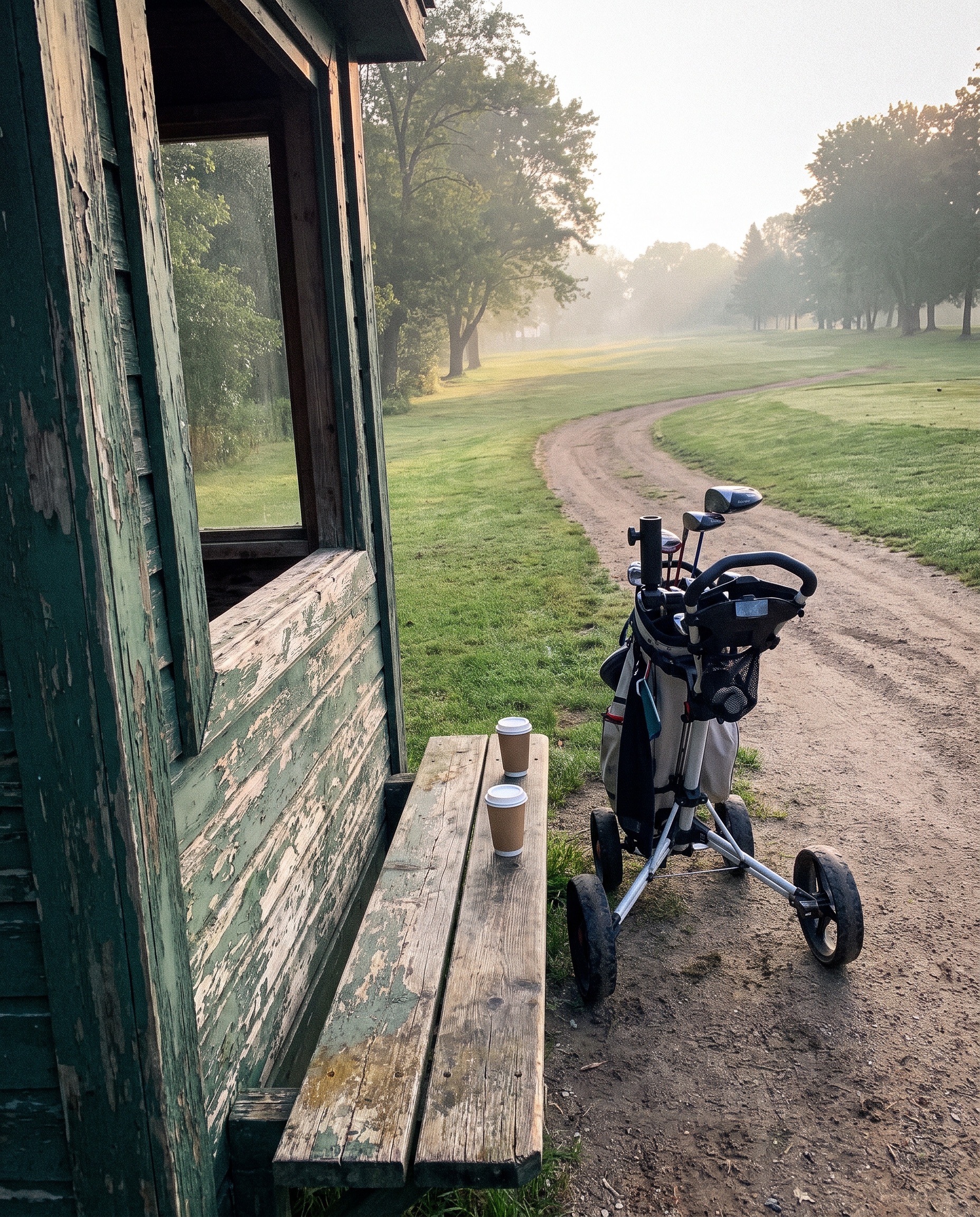
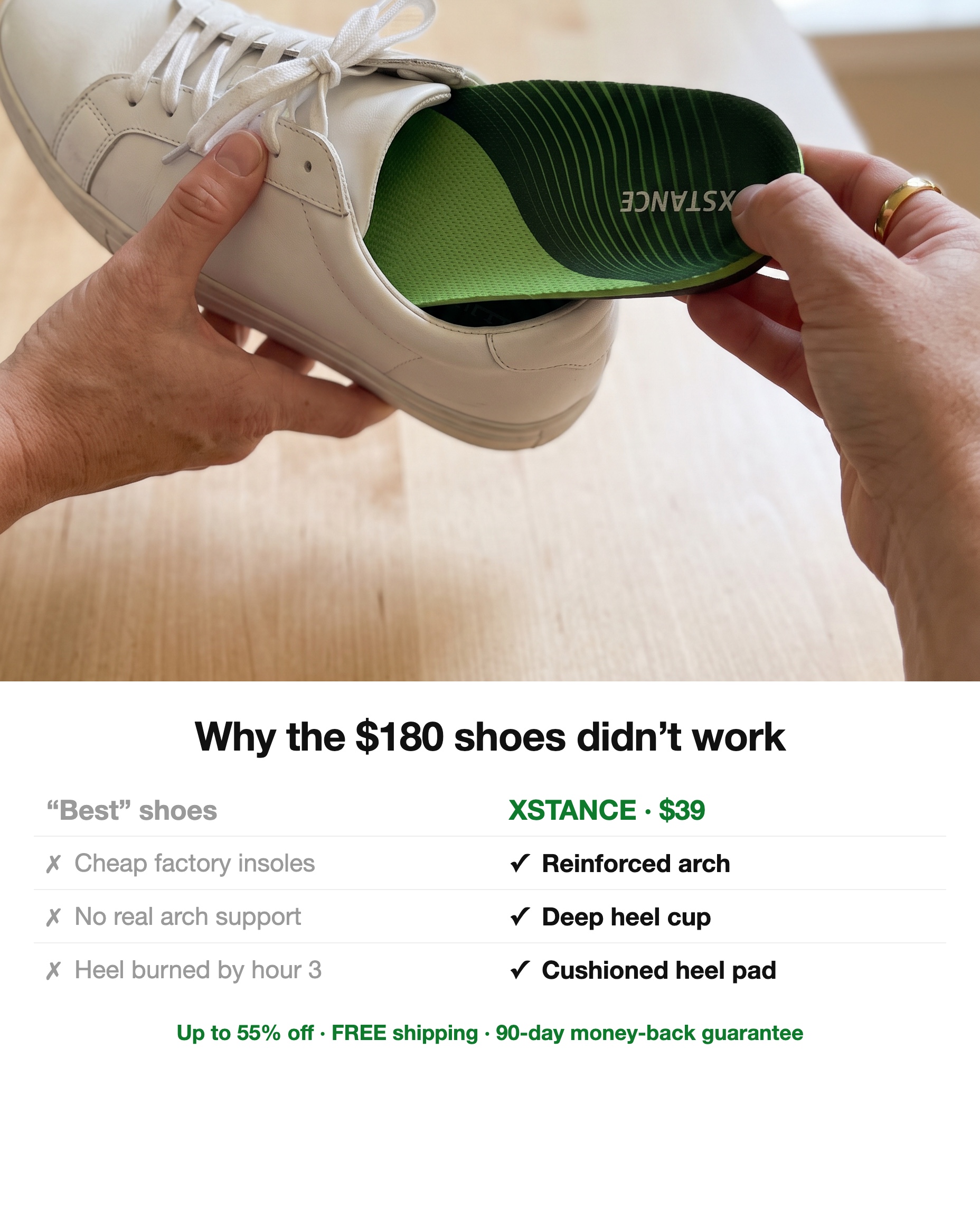
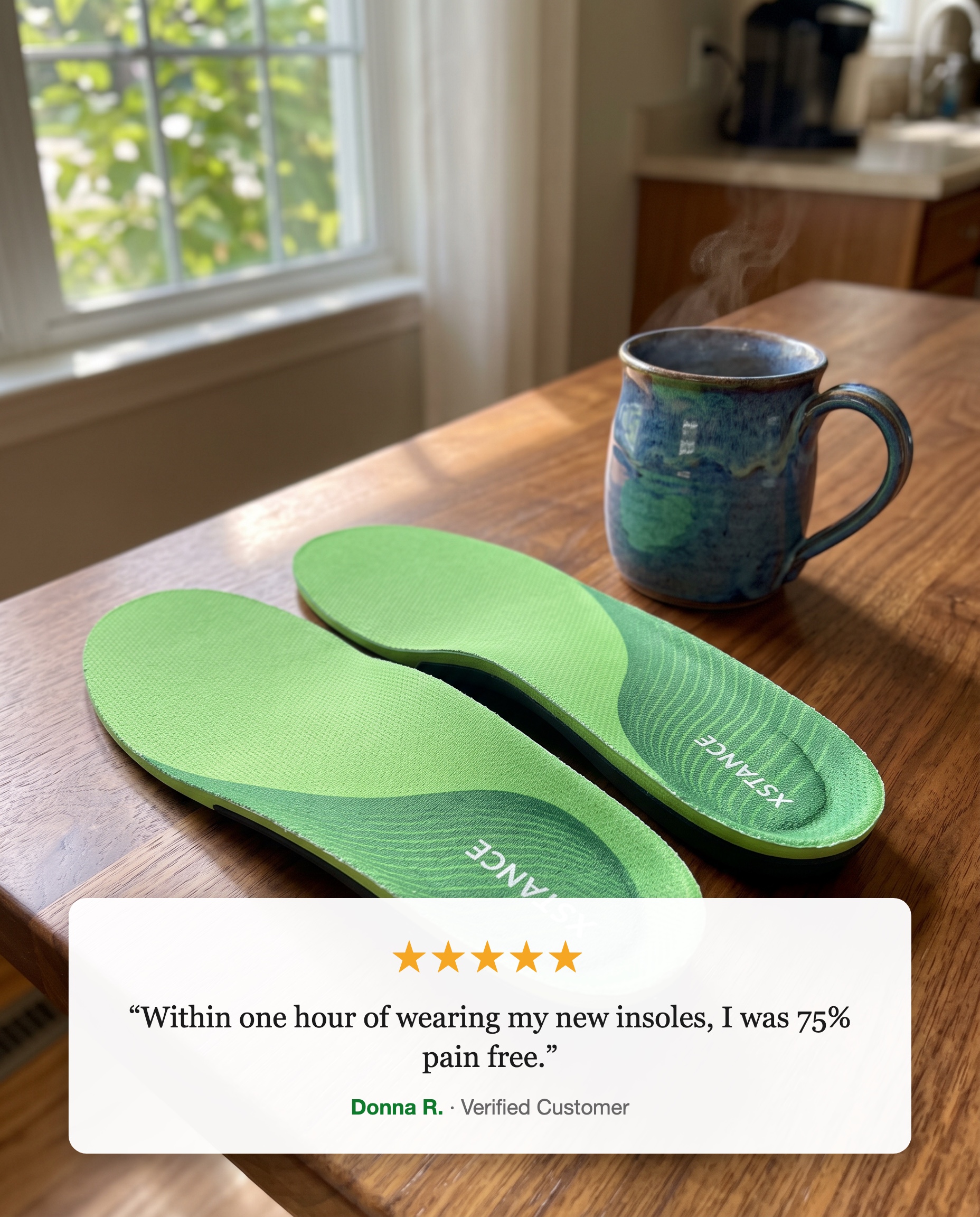
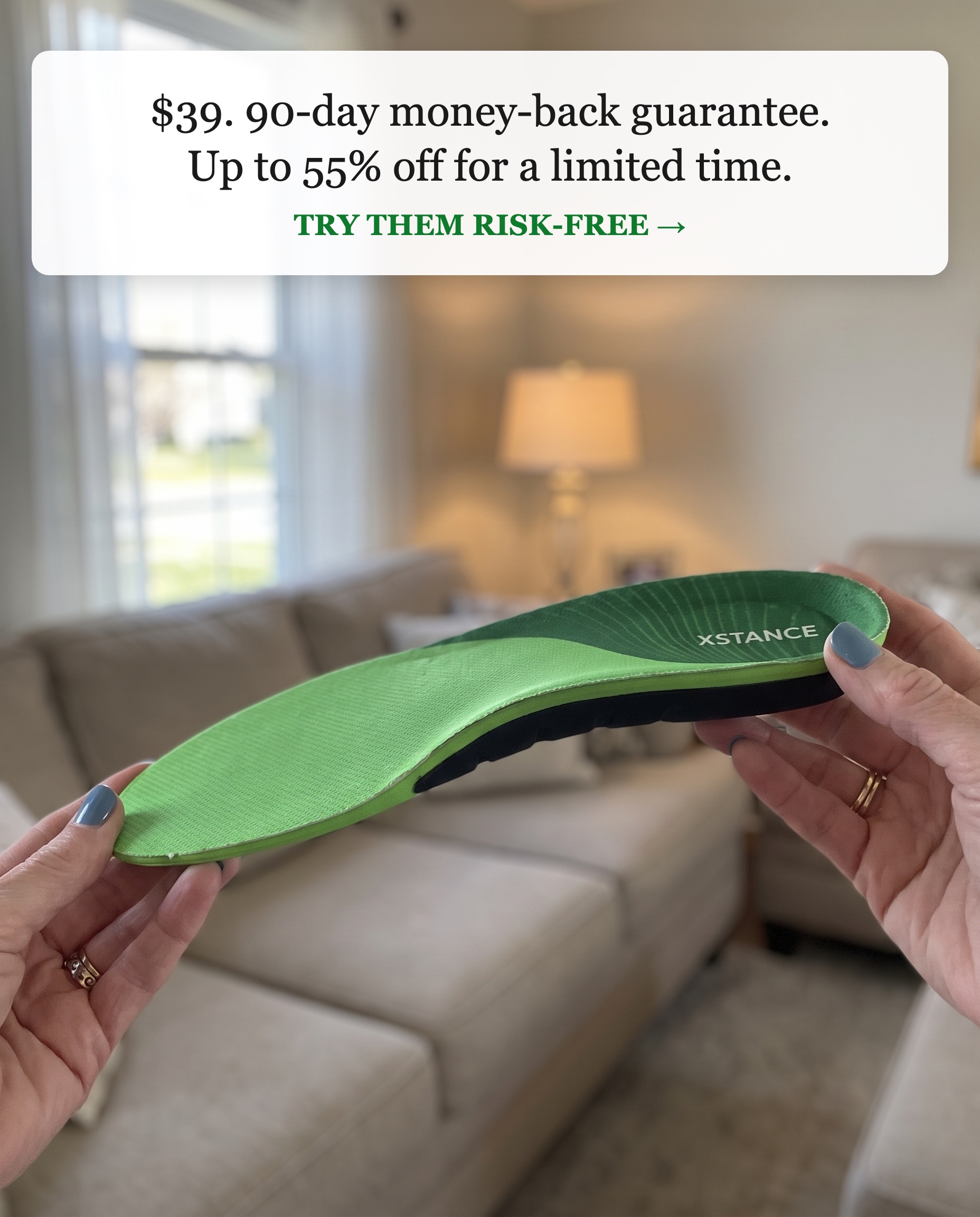
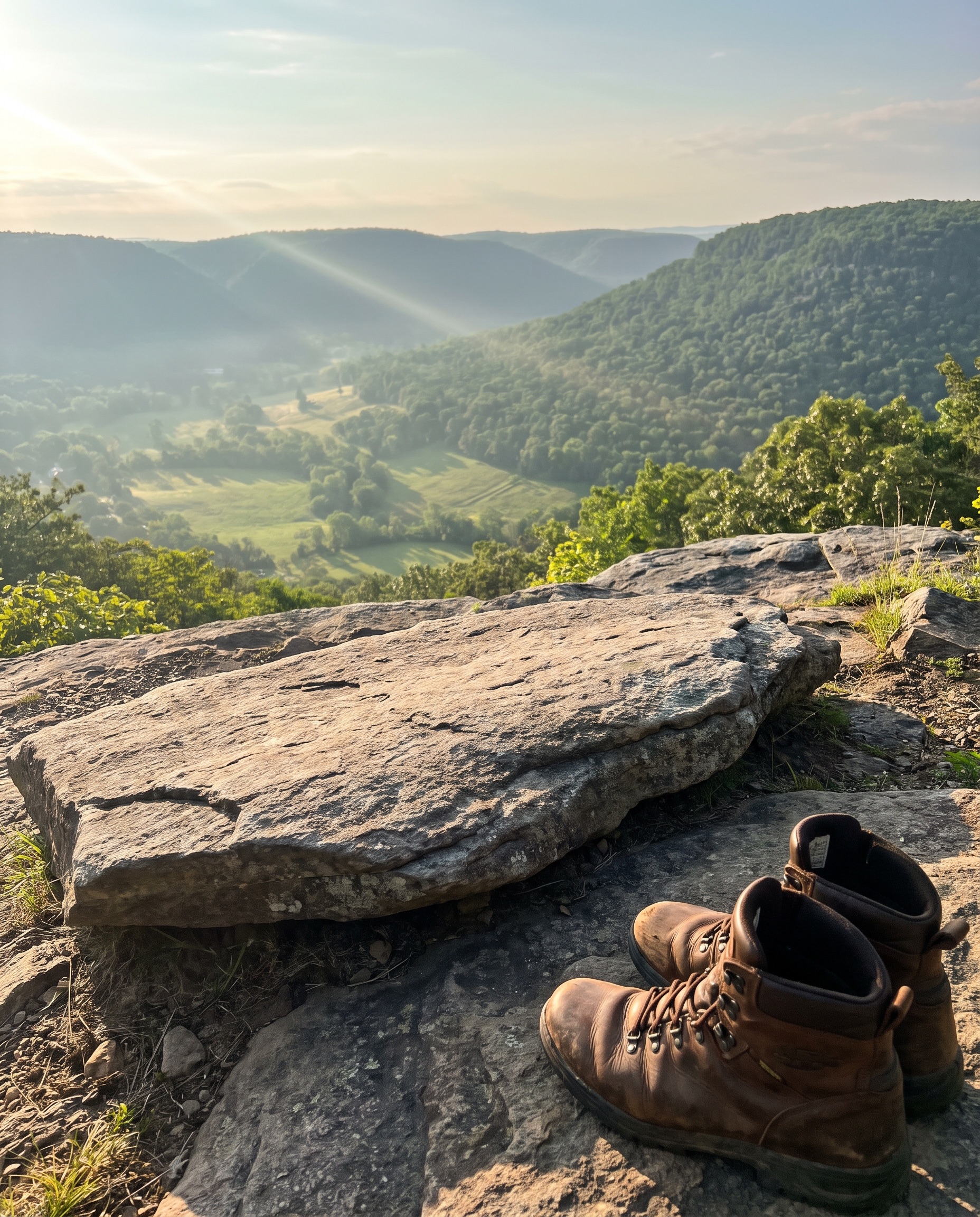
A man I hadn't seen on a trail in two years got out of his truck at the trailhead, and I stood there holding my boots and watched him like he was a ghost. I'm not exaggerating. His name is Dale. He's 64. For fifteen years he was the strongest hiker in our Saturday group, and two years ago he quit. Not officially. Nobody quits officially. He just started missing Saturdays, and then he missed all of them. The last time I'd hiked with Dale, I watched him do the trailhead ritual. If your heels have gone bad, you know the ritual. You get out of the truck, you stand on the gravel, and you wait. You take a few careful test steps like you're checking ice on a pond. You stretch your calf against the bumper and try to look casual about it. That morning, Dale got out of his truck, grabbed his pack, and walked straight across the gravel to the trail register like a man with somewhere to be. Then he led us up a climb with eleven hundred feet of gain, and at the top he wasn't even breathing hard about his feet, because you can tell when a man is breathing hard about his feet. I caught him at the overlook and said, "All right, Dale. What did you do." He looked out at the valley, smiled, and said, "Tom, sit down on that rock. Because I almost gave all this up over something nobody ever explained to me." My name is Tom. I'm 61 years old. I taught high school in the same town for thirty-one years, and since I retired, hiking is the thing I do. Saturday mornings with the group, shorter walks with my wife during the week. I keep a list of trails in a notebook, the way some men keep a list of fish. And here's what I've never said out loud to anyone in that group. For the last three years, I've been quietly crossing trails off that list. Not with a pen. In my head. That one's got too much rocky descent. That one's too far from the car. That loop is beautiful but it's nine miles and I pay for nine miles for two days afterward. I've been choosing hikes the way an old man chooses hikes, by counting the cost, and I'm not an old man. Here's what my feet do. The morning after a good hike, the first step out of bed is a sharp jolt in the heel, like stepping on the corner of something. On the trail, I'm fine for the first hour. Somewhere around mile four, the arch and heel start to burn, and every rocky, slanted, root-crossed section makes it worse. By the last mile I'm placing my feet like I'm walking on someone else's property. Then two days of aching afterward, which I've started calling the tax. And the mornings at home have gotten worse even on days I don't hike, which scared me more than anything. Believe me, I did not take this quietly. I'm a researcher by nature. I bought better boots, twice, two hundred dollars a pair, because everyone says it's the boots. I bought custom orthotics from a podiatrist, six hundred dollars, molded to my feet. They helped some for a while, then the covering wore through and the support went soft, and I was not going to spend six hundred dollars every eighteen months for the privilege. I've owned every trail insole the outdoor store sells. Green ones, blue ones. Each one felt like something for a couple of weeks. I stretch my calves every morning. I roll my foot on a lacrosse ball while I read. My doctor's advice was the same advice everyone my age gets. Rest it. Ease off the mileage. He said, "Tom, at some point you may want to think about flatter trails." Flatter trails. I nodded politely, and I drove home angrier than I've been in years, because I understood what he was offering me. He was offering me the paved loop at the county park. He was offering me the retirement where you walk around a pond and call it hiking. And the worst part is, I'd started taking the offer. One crossed-off trail at a time. So when Dale sat me on that rock, I listened. He said, "You remember my nephew Chris. The one who does the long trails, out for weeks at a time. He came through last fall and stayed with us, and he watched me get up from the dinner table and do my first few steps across the kitchen. And he said, Uncle Dale, how long have your heels been doing that." Dale said, "I told him it was age. And he asked me questions like he was going down a checklist. Is the first step in the morning the worst one. Does it start burning a few miles in. Is it worse on sidehill and rocky ground than on smooth trail. Do you pay for a big day with two days of aching. Have you got a drawer of expensive insoles that each worked for a couple weeks. Did somebody sell you six-hundred-dollar orthotics." He said, "Tom, he named every single thing, including the two-day tax. I'd never told anybody about the tax." And then Chris explained what somebody on the long trails had finally explained to him, and Dale explained it to me on that rock, and I'm going to explain it to you. The pain is in your heel. The problem is not in your heel. The problem is in the step. There's a band of tissue along the bottom of your foot, from the heel to the toes. For a lot of us, when the foot lands, it rolls too far inward. It's a small motion. You can't feel it. But every time the foot rolls in, that band gets stretched further than it's made to stretch. Think of a rubber band. Stretch it a little, no problem. Overstretch it thousands of times, and it frays and stays irritated. Now here's the hiker's version, and this is the part that put my whole last three years in order. On flat, even ground, the foot rolls in some. On trail, it's worse. Every root, every slanted rock, every sidehill step, every loose descent tips the foot and rolls it further. A mile of rough trail overstretches that band more than three miles of sidewalk. That's why mile four is where the burning starts. That's why the rocky descents cost the most. That's why a big Saturday buys you two days of tax. It's not the miles. It's thousands of overstretches, stacking up. And overnight, the band finally settles and tightens. Then you take your first step in the morning and rip it back open. That's the jolt. Every morning, you undo the night. Dale said, "It's a loop, Tom. It heals a little every night, and you tear it a little with every step, and trail ground tears it faster than anything. You didn't wear your feet out. You're not too old for the hard trails. Your foot has just been quietly re-injuring the same spot on every step you've taken for three years, and every single thing you bought was aimed at something else." I sat on that rock and looked at the valley and ran my own list. The boots. Good boots grip and protect, but my foot rolled inward inside them just the same. The soft trail insoles. Cushion. The landing got softer and the roll went right on rolling. The stretching, the lacrosse ball. Calming the tissue down at night so I could tear it again in the morning. And the six-hundred-dollar orthotics, the one thing that actually fought the roll, went soft in eighteen months and I refused to keep paying for them. Three years of crossing trails off my list, and I had never once, not for a single step, actually stopped the motion doing the damage. I said, "Dale. What did Chris put you onto." He unlaced his boot right there at the overlook, pulled out the insole, and handed it to me. I laughed. I said, "Dale, I've got a bin of these in the garage. I've got six hundred dollars of these in a drawer." He said, "I know. Chris said the same thing to me, so I'll say to you what he said. Every insole in your bin did one job. The soft ones cushioned. Your foot rolled in exactly the same, so the band got yanked exactly the same, just with padding under it. And your six-hundred-dollar pair did the other job, the right job, until it quit doing it, and the price meant you never replaced it. A correction that goes soft, or that costs too much to keep, isn't a correction. The loop doesn't care what you used to have in your boot." He said, "This one does three things at once, and it's the three-at-once that matters. There's a firm support under the arch. That's the piece that stops the inward roll, the piece the soft ones never had. On rough ground, that's everything, because rough ground is where the roll gets wild. There's a cushioned pad under the heel, with a deep cup holding it, for the landing, thousands of heel strikes a hike, right at the sore spot. And the top layer is soft, so it feels good for eight hours straight. That's not a luxury, Tom. If it isn't comfortable at mile nine, you won't keep it in the boot, and if it's not in the boot, the loop is back." Then he told me the part that got my attention as a man who has destroyed a lot of gear. He'd had his pair since the fall. Hundreds of trail miles. Rocky ground, wet ground, a full pack. The arch piece hadn't gone soft and the cushion hadn't packed out flat. He said, "They're built like they expect what we do to them." And he said, "There's 90 days on them. Real hikes, real ground. If your mornings and your miles don't change, you send them back and they refund you. Chris told me that's the only reason he risked it the first time, and it's the only reason I did. I've spent enough on my feet to know better than to spend without a way back." Then he gave me his timeline, because I asked for it like a man asks for trail conditions. First few days, he mostly noticed the arch. Present. Holding. Odd for a day, then normal. End of week one, he did a five-miler and noticed the burn never showed up at mile four. Tired feet, yes. The burn, no. Week three was the morning. He stood up braced for the jolt and got a murmur. Week five he did nine miles with the group he'd been avoiding, and the tax never came. He was in the yard the next morning. And week eight, he started adding trails back. Adding. Not crossing off. He said, "Tom, I'm 64. I thought my list was only going to get shorter for the rest of my life. Turns out the list was never the problem." Now let me be honest about my objections, because I had all of them and you have them too. I thought, I've spent six hundred dollars on the real thing, prescription-grade, and even that didn't hold. But that was exactly the point, when I turned it over. The six-hundred-dollar pair proved the idea works. Fighting the roll helped, while it lasted. What failed was the durability and the price of staying in the game. This was the same right job, built to last, at a price where owning two pairs isn't a decision you have to discuss with your wife. I thought, everyone in the outdoor store says it's the boots. I've bought the boots. Twice. The boot holds the foot to the ground. It doesn't stop what the foot does inside it. Four hundred dollars of boots had taught me that already. I just hadn't let the lesson land. I thought, they'll pack out flat like every trail insole I've owned. Dale's hadn't, after a fall and winter of real miles. And if mine did, 90 days, back they go. I've eaten dozens of gear mistakes with no recourse at all. This one came with recourse. I thought, it's too small a fix for something a doctor called permanent-ish. Then I looked at that valley and thought about what the doctor actually offered me. Flatter trails. He didn't offer a fix at all. He offered surrender with good manners. I ordered a pair from the overlook. Full bars up there, of all places. Here's my timeline, straight. First hike with them, a Saturday six-miler, I mostly just felt held. The arch piece was there on every step, especially on the sidehill sections, where I could feel my foot not doing the thing it usually does. My feet were still tired at the truck. I remember thinking, well, at least they're comfortable, which is what I've said about every insole I've ever owned, right before the drawer. The second Saturday is when it got strange. Eight miles, decent gain, rocky top section. Somewhere past mile five I realized I was picking my line down the rocks by where I wanted to go, not by what my heel could afford. I stopped on the trail and let the group pass me, and I stood there doing the arithmetic on the last time a descent was just a descent. The morning after was the real test, because the morning after is where the tax gets collected. I stood up out of bed braced for it. It wasn't gone, I'll be honest with you. It was quiet. One-day tax instead of two, and a small one. By the fourth week, most mornings are just mornings. Week six, I did the nine-mile loop I'd crossed off two years ago. I did it slow, because I'm 61 and I've earned slow. But I did the whole thing, and I was in the garden the next day. I've had them five months now. The notebook is out again. I've added four trails back to the list, and I've written two new ones in, which I had quietly stopped doing, because a man doesn't add trails to a list he's planning to abandon. Two of the Saturday group have pairs now. One of them, a fellow who's 66 and had been talking about switching to rail trails, pulled me aside last week at the cars and said, "Tom. Eleven miles Saturday and I made coffee standing up Sunday morning." He's been hiking these hills for thirty years. I'm telling you this because I spent three years negotiating with my own trail list, blaming my age, blaming my boots, blaming the miles. And nobody, not the outdoor store, not the podiatrist, not my doctor, ever once told me the whole thing was one small motion happening inside my boot on every step, worst on exactly the ground I love most. If your first step in the morning jolts. If the burn shows up a few miles in and rocky ground makes it worse. If a big day costs you two days after. If you've spent real money on boots and orthotics and a drawer of trail insoles. If you've quietly started choosing flatter, shorter, closer, easier. You're not done. Your list isn't done. Your foot has just been re-tearing the same spot on every step, and nothing you've bought ever addressed the step itself. XSTANCE insoles do the three jobs at once. The firm arch support that stops the inward roll, which matters most on exactly the uneven ground that punishes you now. The cushioned heel pad that takes the shock out of every landing. The soft top layer that stays comfortable from the trailhead to the truck. They go in your hiking boots and your everyday shoes. Over 300,000 people wear them, and plenty are people who measure their lives in trails. There's a buy one, get one free offer running. Do what Dale did. One pair lives in the boots, one pair lives in the everyday shoes, because the loop doesn't only run on Saturdays. And you get 90 days on real ground. If your mornings and your miles don't change, send them back for a full refund. In thirty years of buying gear, that's a better deal than I've gotten on anything else I've strapped to my body. I'm 61. I'm a retired schoolteacher with a notebook full of trails. I'm not a doctor or a boot fitter. I'm the man who stood at a trailhead and watched a ghost walk past the ritual, and then sat on a rock and got three years of his life explained to him in ten minutes. Don't cross off another trail. Every hike you skip, the loop runs anyway, on kitchen floors and driveways, all week long. 👉 https://getxstance.com/article/5-reasons/ P.S. The 90 days starts when your pair arrives, and it covers any reason. You don't have to keep them clean or lightly used. Take them up something steep. If your mornings after don't change, mail them back for every penny. I checked the terms myself before ordering, because six hundred dollars of orthotics made me a careful man. You do have to actually send them back to get the refund. Fair enough. P.P.S. If you've started telling yourself that shorter loops are wisdom, that flat trails are maturity, that the hard hikes belong to a younger version of you. I want you to consider that the strongest hiker in my Saturday group thought the same thing at 62, quit at 62, and led us up eleven hundred feet of gain at 64. It was never your engine. Your engine is fine. It was one small motion in your boot, and it's correctable, which is a different thing entirely from old. P.P.P.S. Last Saturday, Dale and I hiked the loop where I watched him at the trailhead. At the overlook he pointed at the rock we sat on and said, "Best rock in the county, Tom." I asked him why. He said, "Because that's where you stopped subtracting." Then we went down the rocky side, both of us picking our lines by where we wanted to go. That's what I want for you. Pick your line by where you want to go. 👉 https://getxstance.com/article/5-reasons/
Where the ad sends people
getxstance.com
Get Heel Pain Relief
Shoes and traditional insoles could actually be making people’s feet worse. They may feel comfortable in the moment, but might ignore the root cause. It’s time to upgrade to Xstance.
Learn more: getxstance.com(opens in a new tab)