
Inactive· since Aug 30, 2026
- 15
- days it ran
- 0
- relaunches
Ad copy
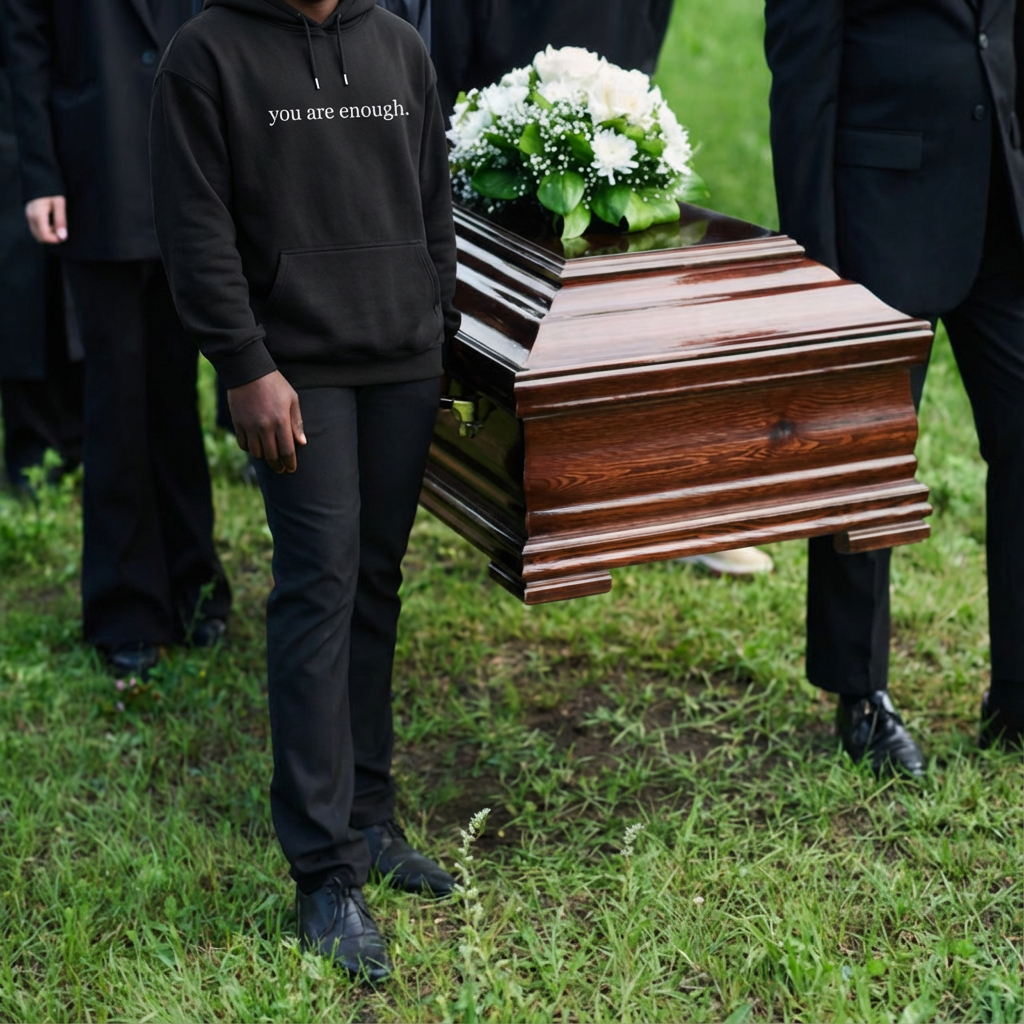
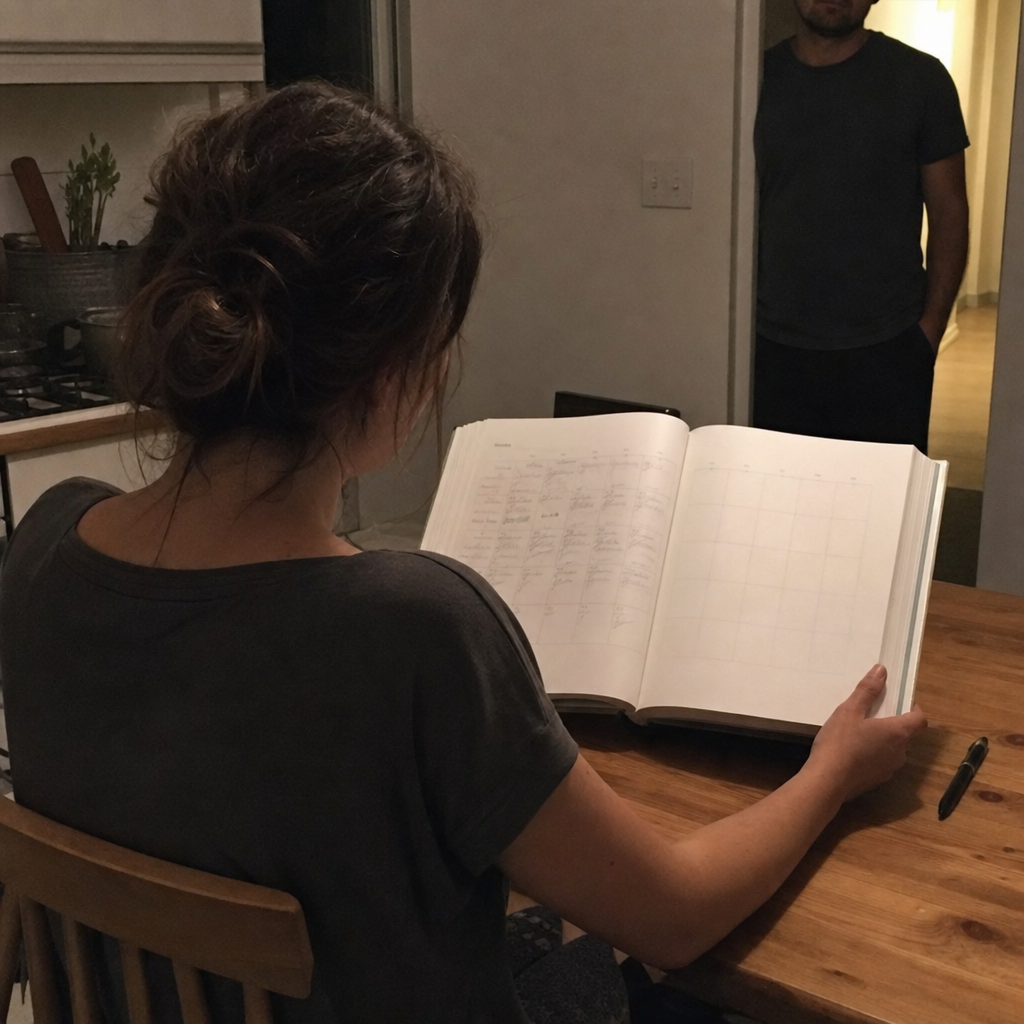
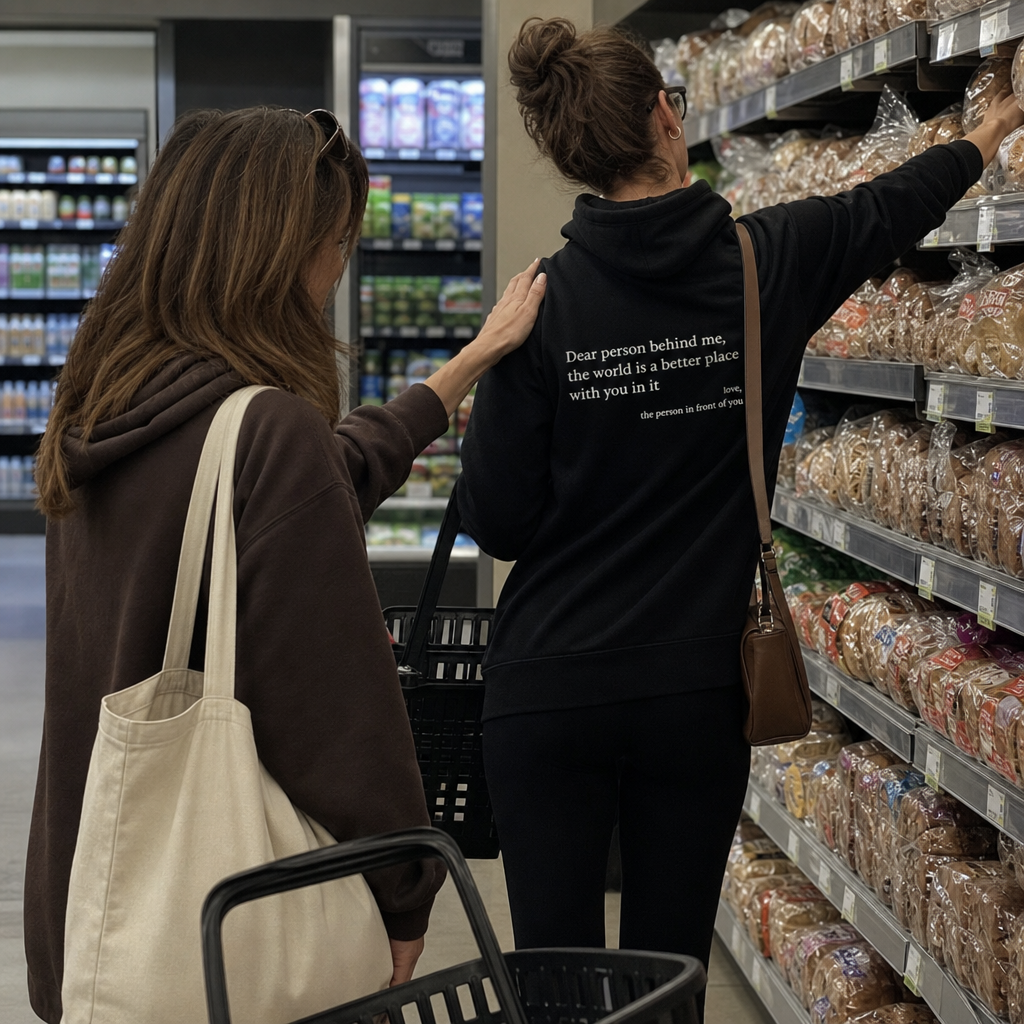
Three years after I tried to take my own life, I was still pretending to be okay. Nobody knew. Not even the man sleeping next to me. My name is Megan. I’m 31. I live in a small coastal town and I’ve worked in payroll for eight years. I’m also the person everybody calls “the success story.” Three years ago, I nearly didn’t make it. After that came the careful voices. The bedroom door left slightly open. My mother checking whether I had eaten without making it sound like checking. My partner, Sam, waking whenever I turned over in bed. Then came the work. I took my medication every morning. I saw my therapist twice a month. Both helped me stay alive long enough to build something better. Slowly, the careful voices went back to normal. Everyone relaxed. That should have felt good. Instead, it gave me a new job. I had to be BETTER now. Not honest. Not human. Better. If I had a bad Tuesday, I hid it. If I cried in the shower, I ran the water for another four minutes. That way Sam couldn’t hear the change in my breathing. If somebody asked how I was doing, I gave them a neat answer. “So much better.” People love that answer. It lets them put the frightening part of your life in a box marked FINISHED. The truth was less tidy. I was living. But I had stopped leaving evidence that I expected to keep living. I never bought annual memberships. I booked appointments six weeks ahead at most. I answered wedding invitations with “depends on work.” Even when I already knew I was free. I kept 31 unused days off. Taking them meant deciding what I wanted to do with them. And wanting something in the future felt dangerous. (Nobody puts that on a recovery poster.) My phone was full of advice from people who meant well. – take it one day at a time – write down three things you’re grateful for – get outside more – download the mindfulness app – come to the wellbeing webinar – look how far you’ve come – plan something nice to look forward to That last one made me furious. Looking forward meant seeing a version of me who might not arrive. So I became brilliant at short distances. Monday to Friday. Breakfast to bedtime. One prescription to the next. I could survive a day. I just couldn’t promise anybody a year. Sam noticed before I admitted it. He had been sending me pictures of a small cabin near the water. Nothing grand. Four nights. A wooden deck. A kitchen with one of those tiny kettles that takes a century to boil. “Next spring?” he asked. I told him the work calendar wasn’t open yet. It was a lie. He opened my paper calendar to check the dates. Every page after December was blank. “You never say next year,” he said. I blamed work again. This time, he stopped pretending to believe me. I saw what they had been doing to him. I had made him lose me in tiny pieces. While I was still sitting beside him. My breaking point wasn’t another terrible night. It was watching the person I loved learn not to imagine me in his future. I told my therapist the following Thursday. She didn’t hand me another gratitude exercise. She said: “You’re not frightened of a trip, Megan.” “You’re frightened of leaving proof that you expected to arrive.” There it was. The private thing I had never managed to explain. She told me not to start with a plane ticket. Start with proof small enough that fear couldn’t turn it into a contract. Write one future date in ink. Buy something that would still be useful in six months. Let another person include me in a plan without adding “hopefully.” No grand promise. Just one quiet vote for the woman I might still be becoming. Three days later, work sent me to a payroll training day. The flight home was delayed by 47 minutes. I sat at the gate staring at a departure board I had no control over. A woman stood in front of me wearing a hoodie. On the back it said: “Dear person behind me, the world is a better place with you in it. Love, the person in front of you.” I read it twice. Then a third time because the first two had made my eyes blur. She didn’t know me. She didn’t know what had happened three years earlier. She didn’t know how I had spent the last 1,106 days. Refusing to write my own name in next year. That was exactly why it got through. It wasn’t a check-in I had to answer. It wasn’t praise for being brave. It wasn’t somebody watching my face to see if their words had worked. It asked nothing from me. I call that the Borrowed Tomorrow now. Three small things made it different. No question. No performance. No debt to the person offering it. For six seconds, a stranger lent me her certainty about my place in the world. I didn’t have to own that certainty yet. I only had to stand behind it. When she turned around, I saw the front. “You are enough.” I searched the exact words when I got home. I expected polished awareness nonsense. Instead I found ordinary people describing queues and coffee shops. Hospital corridors and taps on the shoulder. One survivor wrote that seeing people wear the message made the darkness feel less frightening. Another said she had read it during her first trip out after a life-changing diagnosis. Half a million people were already wearing it. Not half a million experts. Not half a million people who never had a bad day. Just people willing to carry one sentence for whoever happened to be behind them. I left the hoodie in my basket for 11 days. The old fear found fresh disguises. What if work thought I was unstable? What if strangers told me things I couldn’t hold? What if wearing it made my lowest moment my whole identity? Then I realised what I was asking from a piece of clothing. Prove I was fully recovered before I was allowed to wear it. That was the same trap again. Perfect or hidden. Inspiring or ashamed. No room to simply be a person who survived and still had Tuesdays. So I ordered one. Day 1, I hung it over the chair in our bedroom. Sam saw it and said nothing. He had finally learned something important. Not every feeling needed to be inspected under a bright light. Day 6, I wore it to buy groceries. A woman behind me touched my shoulder near the bread shelves. “I needed that today,” she said. Then she walked away. She didn’t hand me her whole life. I didn’t have to rescue her. For once, helping somebody didn’t require having the perfect words. Day 19, I wore it on a casual Friday at work. Nobody whispered. Nobody took tasks away from me. One colleague quietly showed me a message saved on her phone from her worst year. We ate lunch together for the first time in eight months. Day 43, Sam left the cabin page open on the kitchen table again. I didn’t say yes. Not yet. I wrote “talk about the cabin” on a date seven months away. In ink. He noticed before I did. “You used a pen,” he said. Somebody else had seen my future. Without checking my face for danger. Day 97, we booked the trip. I chose the room. I renewed my passport. I asked for the days off before fear could dress itself up as being responsible. Nothing magical happened after that. I still took my medication. I still went to therapy. Some mornings still arrived heavier than others. The hoodie didn’t fix my mental health. It did something quieter. It let me stop treating recovery like a performance with only two roles. The broken person everybody worries about. Or the brave survivor who never frightens them again. There is a whole life between those two things. You are allowed to live there. You are allowed to have a bad week without calling your whole recovery a lie. You are allowed to accept help without becoming a burden. You are allowed to make plans before you feel completely certain. You don’t have to earn the right to reach them. And if next year still feels too far away, borrow somebody else’s certainty. Six seconds can be enough. That can be enough for today. The hoodie is below this post if you want one. P.S. I bought travel-size shampoo last Tuesday. It felt ridiculously brave.
Like this ad? Make it yours.
Crush rebuilds this exact creative around your product — your brand, your colors, your offer — in about a minute.