
Active· since Aug 20, 2026
- 24
- days running
- 7
- relaunches
Ad copy
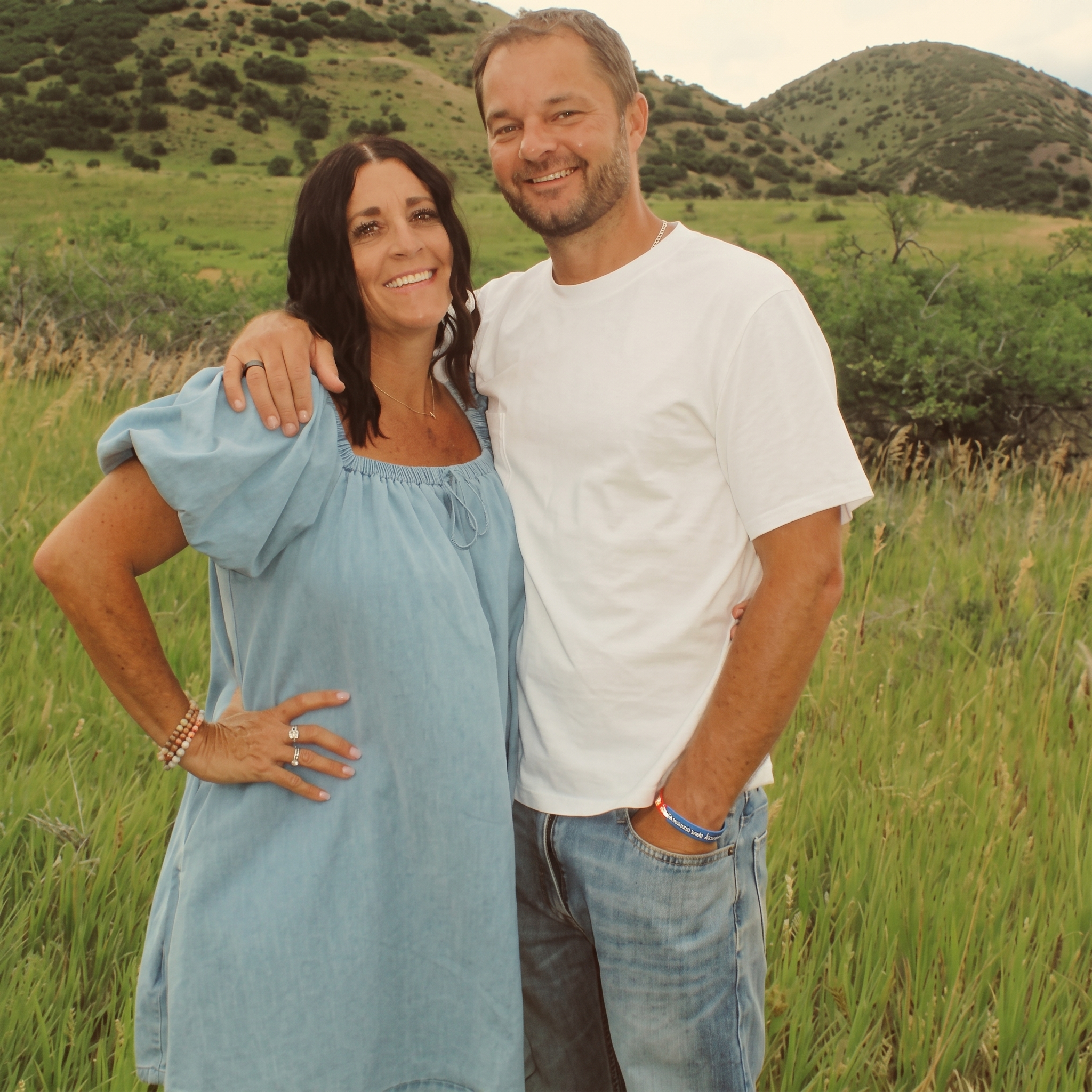
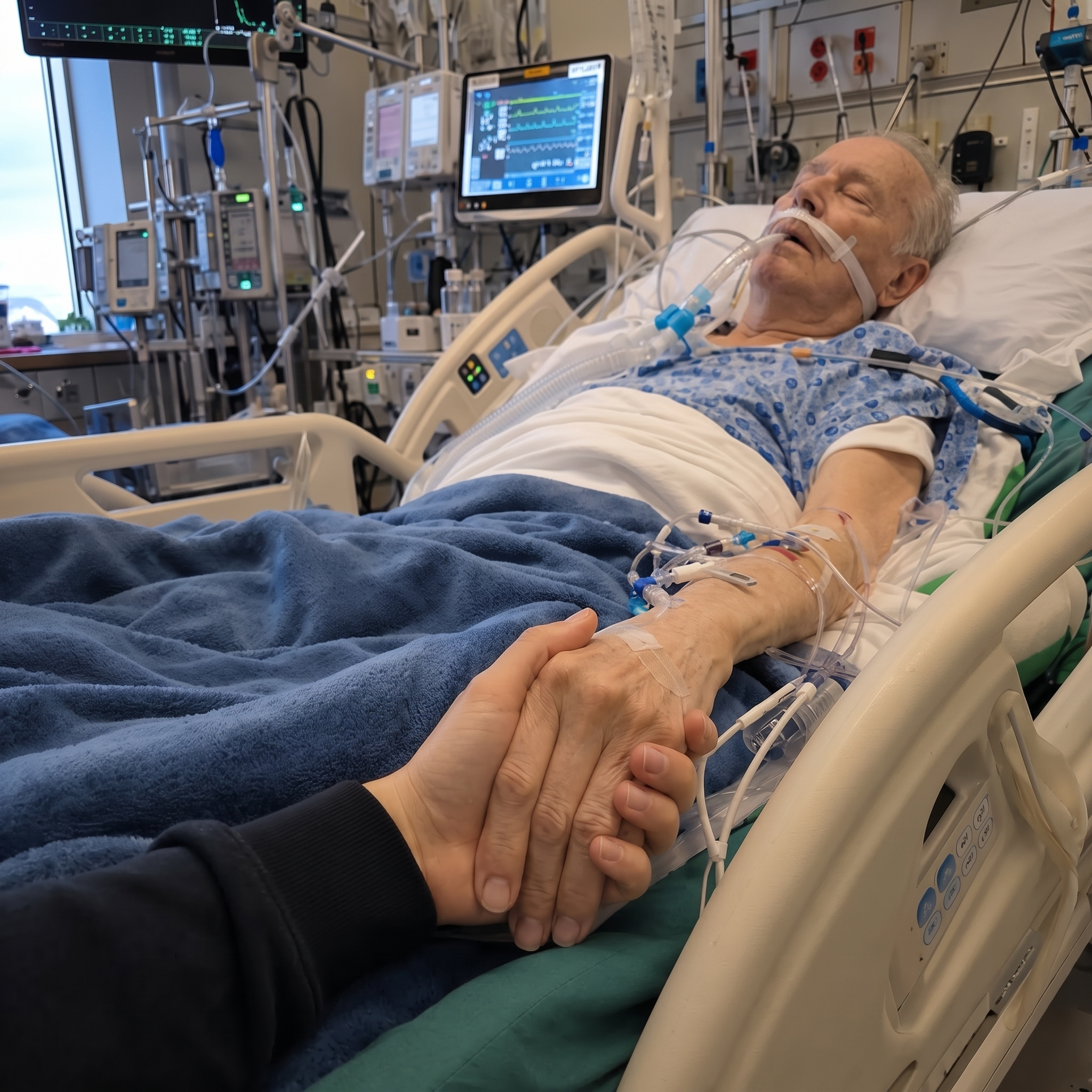
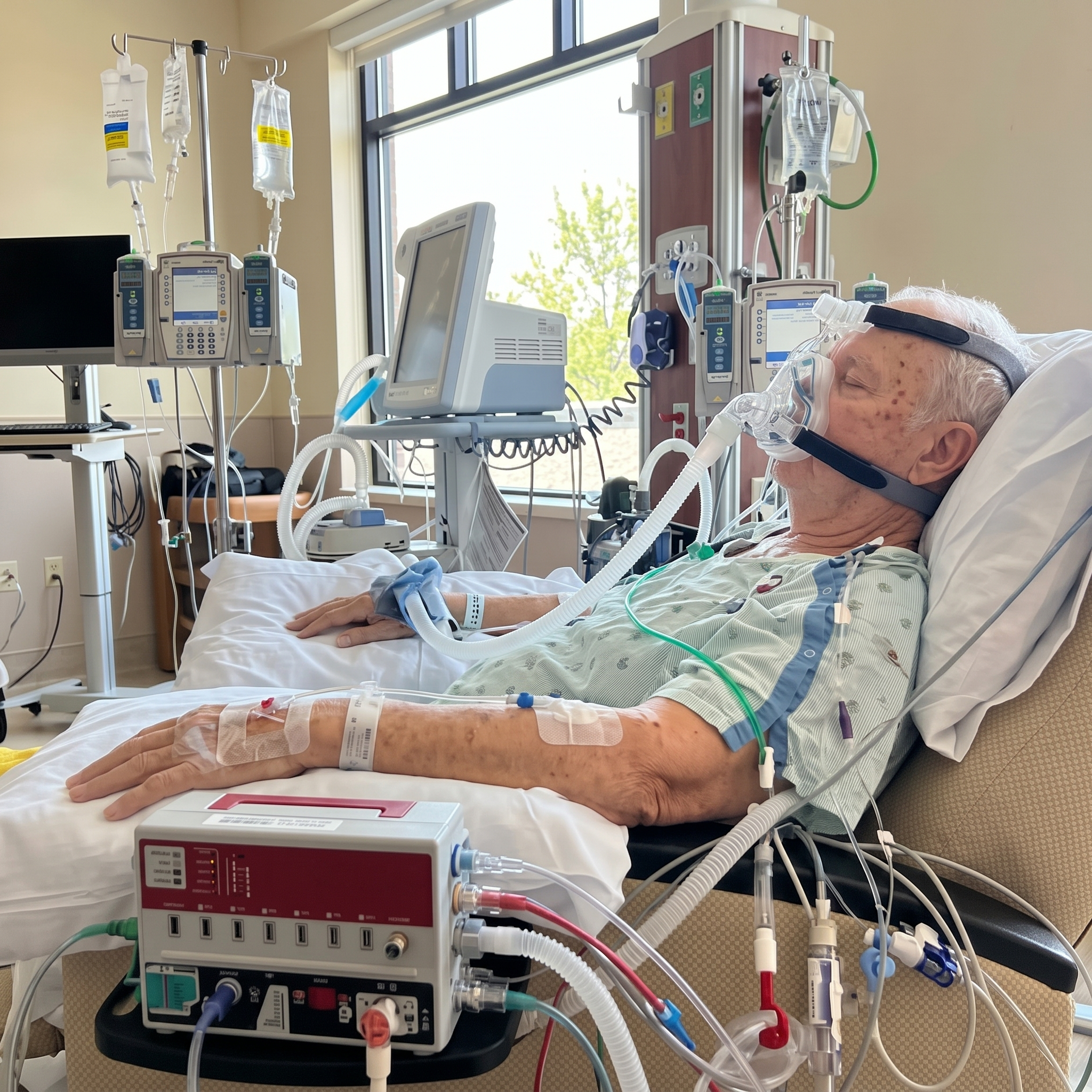
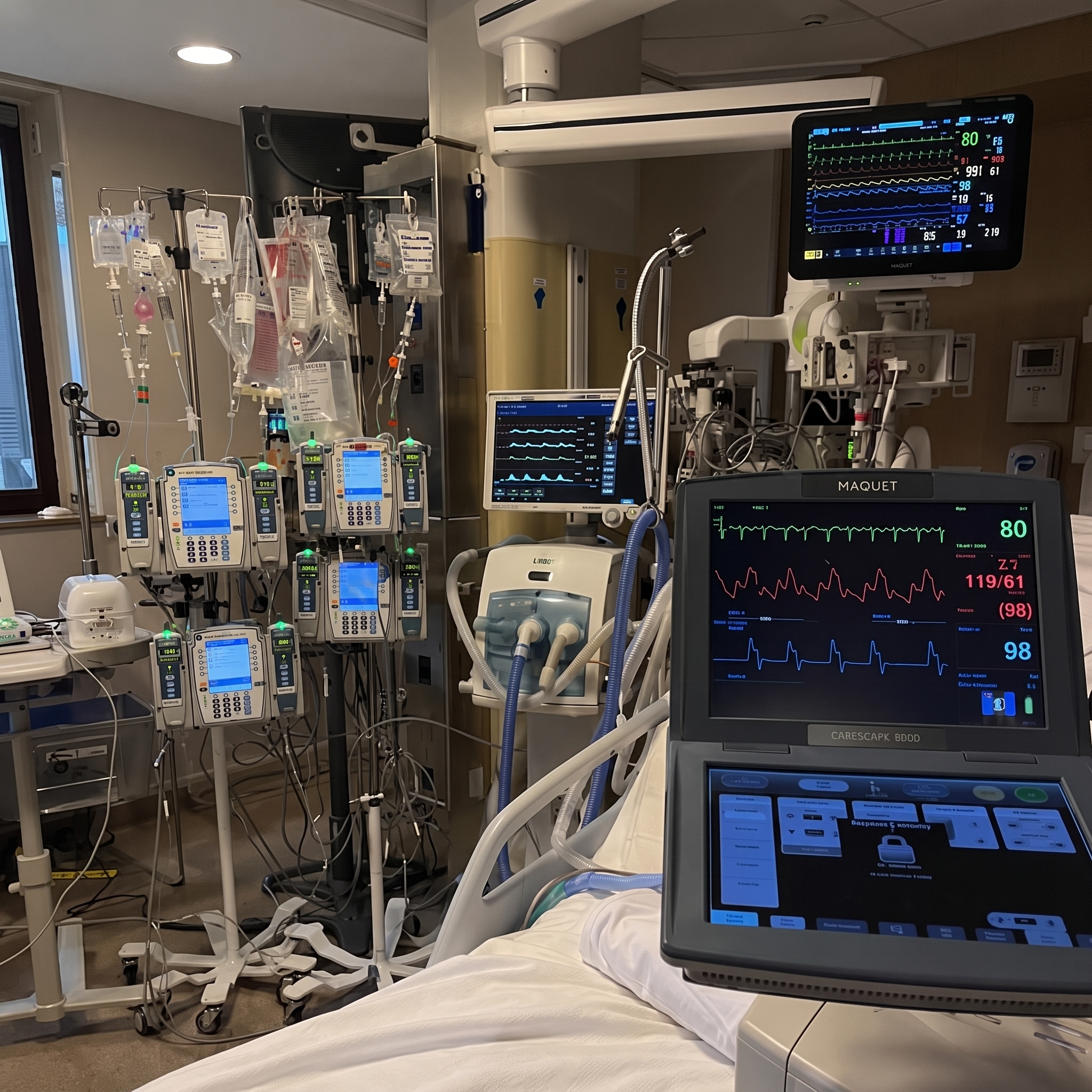
My husband was diagnosed as prediabetic in June 2022. He'd never been a junk food person. After the diagnosis, he cut out every carb he could find. Walked three miles a day. Took the Metformin. Lost 34 pounds. He died of a diabetic stroke on October 19th, 2024 at 4:17 AM. He was 58 years old. He cut carbs completely on June 8th. Low carb for two years and four months. Lost 34 pounds. Walked our golden retriever three miles every single morning before work, rain or shine. He did everything the endocrinologist told him. The hospital bill was $71,000. The funeral was $11,400. His reading glasses are still on the nightstand. I can't move them. If I move them, he's really gone. I need to tell you what happened to David. Because every week I see posts on Facebook from women like me. "My husband's A1C keeps going up, the doctor said cut more carbs, any tips?" And it makes me physically sick. If you're the wife of a man over 45 whose blood sugar numbers won't come down, or you got the diagnosis yourself, please read this whole thing. I know it's long. I know you're scrolling. I know you have things to do. Sixteen months ago I would have given anything for someone to tell me what I'm about to tell you. David went in for his annual physical on June 9th, 2022. He felt fine. Better than fine. He'd just turned 56. He was still coaching his nephew's Little League team. He still mowed his own lawn. He thought he was healthy and honestly so did I. He'd never been a big sugar person. He didn't drink soda. His dad was 84 and still sharp. Three days later his doctor called. Fasting glucose of 131. A1C of 6.4. "David, your blood sugar is elevated. You're prediabetic. We need to get ahead of this before it becomes Type 2." David was quiet on the call. I was in the kitchen pretending not to listen. "What do I do?" "Cut the carbs. Drop 10% of your body weight. Walk every day. I'm going to start you on Metformin. We'll retest in six months." David hung up the phone and sat at the kitchen table for forty minutes without saying anything. Then he stood up, opened the pantry, and started filling a trash bag. I watched him throw out the Frosted Flakes. The Ritz crackers. The Triscuits. Three boxes of Pop Tarts our grandkids ate when they came over. Two jars of Smucker's. The entire bottom shelf of the freezer, the Eggos, the Hot Pockets, the Häagen Dazs he loved. "That's it," he said. "I'm done." And he was. For 28 months, he didn't break the diet once. No bread. No pasta. No sugar. No rice. Not at his sister's wedding in Phoenix. Not on our 35th anniversary in Charleston where they brought out a complimentary slice of pecan pie and he asked them to take it back. Not at his own 58th birthday dinner where I made him grilled salmon and a salad and he smiled and said it was the best birthday meal he'd ever had. He stopped going to the Sunday cookouts at his brother's because everyone was eating burgers on potato rolls and he couldn't sit there with a plate of plain chicken without feeling like an alien. He stopped going to the diner where he and his buddies had been meeting for Saturday breakfast since 1994 because the smell of pancakes made him want to cry. He lost his buddy Mike, who told him "you're no fun anymore" and stopped inviting him. He lost a piece of himself he'd been carrying for 35 years. And he did it anyway. Because the doctor said to. He lost 34 pounds. He walked Riley every morning before work, summer and winter, didn't matter. He took the Metformin every single day and dealt with the stomach cramps and the diarrhea he never talked about but I knew about because I did the laundry. He took the cinnamon capsules his doctor "wasn't against." He drank apple cider vinegar in the morning until his stomach couldn't take it. He ate exactly what they told him to eat. He did everything right. The follow up labs came back on December 4th, 2022. A1C: 6.3. Fasting glucose: 128. Six months of doing everything right and the numbers had barely moved. The doctor said, "Blood sugar responds slowly. Give it more time. The Metformin needs time to work. We'll retest in six months. Keep doing what you're doing." So he did. June 2023 labs. A1C: 6.6. Fasting glucose: 136. Higher. December 2023 labs. A1C: 6.9. Fasting glucose: 144. His doctor increased the Metformin. Added a second dose at dinner. Said, "We need to be more aggressive. If this doesn't hold, we're going to need to talk about insulin." David came home that night and sat at the kitchen table. The same table he'd sat at after the first phone call. He didn't say anything for a long time. Then he said, "Linda, I gave up everything. Everything I loved to eat. For 18 months. And it's getting worse." I told him to give it more time. I told him the doctor said the higher dose would help. I told him to trust the process. He nodded. He kept walking Riley. He kept eating the chicken and the spinach. He kept taking the Metformin twice a day now and dealing with the stomach cramps that came with it. The 2 PM crashes were getting worse. He'd come home from work and be asleep on the couch by 6:30. The brain fog got so thick he started writing everything down at work because he couldn't trust his own memory. David ran a plumbing supply company. His mind was always sharp. Now he was forgetting conversations from an hour ago. His feet started tingling at night. Not pain. Just a buzzing, like they were falling asleep and never fully waking up. He mentioned it to his doctor. The doctor said it was "early neuropathy" and to keep his blood sugar "controlled." June 2024 labs. A1C: 7.1. Fasting glucose: 152. The insulin conversation happened. David went white. He said he'd rather die than go on the needle. He didn't know what he was saying. October 2024 labs. A1C: 7.4. Fasting glucose: 158. Five days later he woke up at 2 AM and I heard Riley barking. Not his normal bark. The panicked one. I found David on the bathroom floor. His left side wasn't responding. His speech was garbled. His eyes were open but only one of them was tracking. I called 911 at 2:14 AM. The paramedics used the word "stroke" before they put him in the ambulance. At the hospital they told me the stroke was ischemic. Caused by damage to the small blood vessels in his brain. The doctor said years of elevated blood sugar had been silently destroying the lining of his vessels the entire time. Every spike. Every flood of sugar his body couldn't handle. All of it scraping against the vessel walls like sandpaper. For years. David spent 6 days in the ICU. I learned things about blood sugar I never wanted to know. I learned that elevated blood sugar doesn't just make you tired. It destroys the walls of your blood vessels from the inside. The vessels in your brain. Your heart. Your kidneys. Your eyes. Your feet. I learned that when a stroke hits the right side of the brain, your left side goes. His left arm hung limp. His speech was slurred for the first three days. On day 4, David asked me three times in twenty minutes if I'd fed Riley. Riley was at our daughter's house. He couldn't remember that. Day 5, a second clot formed. The doctors said years of blood sugar spikes had weakened the vessel walls to the point where clots were forming faster than they could manage them. Day 6. October 19th. I was in the family waiting room down the hall. They'd asked me to step out. At 4:11 AM I heard the long beep down the corridor. At 4:17 AM, a young resident I'd never seen walked into the waiting room. I knew. "Mrs. Hayes. I'm so sorry. We did everything we could." I drove home at 6:30 AM. His walking shoes were by the back door. The cinnamon capsules were on the windowsill above the sink, right next to the Metformin bottle. The apple cider vinegar was still in the refrigerator door. His reading glasses were on the nightstand where he left them. Where they sit today. I sat in his recliner. I didn't move for seven hours. The house was so quiet I could hear Riley breathing on the rug. 36 years. And the loudest thing in my house was a sleeping dog. The funeral was October 26th. David's brother flew in from San Diego. Our daughter came up from Atlanta with the grandkids. Our son flew in from Denver. The grandkids wore suits that were too big for them. My five year old granddaughter asked me, "Grammy, when is Pop Pop coming home?" I told her Pop Pop was in heaven now. She said, "Can we call him there?" I had to walk out of the room. After the funeral, I tried to go back to normal. I couldn't. Because every time I opened Facebook I saw women my age, wives of men David's age, posting things like "my husband's A1C came back at 6.8, doctor said cut more carbs, anyone tried berberine?" Or, "Low carb for a year, Metformin for six months, his numbers haven't moved, what else can we try?" And I knew some of them were doing exactly what David did. The diet. The walking. The Metformin. The cinnamon. And ending up where I am. I couldn't just sit there and watch it happen. So I started researching. Not because I wanted to. Because I had to. Because if David gave up two years and four months of everything he loved for nothing, if I can't save even one other family from what happened to mine, then I can't live with that. I read for weeks. Medical studies I had to read three times to understand. Metabolic research. Papers on blood sugar pathways from Japan and Germany. And one thing kept coming up, over and over, that no endocrinologist ever told us. The reason David's numbers didn't come down is that cutting carbs only gives the broken system less to break down. It doesn't repair the system itself. Specifically, the pathway that controls how fast food turns into sugar. Your body has been turning food into sugar your entire life. That's how you get energy. Carbs break down into glucose, that glucose enters your blood, and your body uses it. But the speed of that process matters more than almost anything else. When the pathway is working, sugar trickles into your blood slowly. Your insulin handles it calmly. No spike. No crash. No 2 PM fog. That's how it worked when you were younger. And here's what no one told us. Over the years, stress, processed food, environmental toxins, depleted soil, and aging itself all wear that pathway down. A little at a time. Year after year. Until it can't control the speed anymore. Now food hits and turns into sugar almost instantly. It floods your blood. Your pancreas panics and dumps insulin to catch up. That wave is too much, so an hour later your blood sugar crashes. The brain fog hits. The cravings start screaming. You eat. And the whole cycle starts again. Read that again. David's blood sugar wasn't climbing because he ate the wrong food. It was climbing because his body's sugar handling pathway was broken, and even the cleanest food in the world was flooding his blood because the speed was no longer controlled. Cutting carbs stops the biggest floods. But the little bit you do eat still hits your blood at full speed because the pathway is still broken. And every spike kept scraping against the walls of his blood vessels. For years. That's why his numbers wouldn't move. He gave up everything he loved to eat to stop the flooding from a pathway that was already broken inside him. I sat with that for three days. And then I started looking at what I'd been doing. I'd thrown out David's cinnamon capsules the week after the funeral. But I bought a new bottle for myself. Because I'm 57. Because my own fasting glucose came back at 118 at my last physical. Because I was terrified. I took them for a month. My internist, a different doctor than David's, who I called because I trusted her, was direct with me when I told her. "Linda, cinnamon nudges insulin sensitivity a little. But it doesn't reach the pathway that controls the speed. It sits on the surface. It doesn't restore anything." Then she said something I'll never forget. "If David had been on something that actually addressed the pathway controlling how fast his food turned into sugar, his story might have been very different." I stopped breathing for a second. "Why didn't his doctor prescribe that?" She was quiet for a long time. "Because we don't prescribe supplements. And the compound that addresses this isn't a prescription." I went to CVS the next day. I stood in that aisle for forty five minutes. Cinnamon capsules. Chromium. Berberine. ACV gummies. "Blood sugar support" blends with 22 ingredients on the label. A multivitamin that said "metabolic health." Generic berberine, $16.99 a bottle. I bought the berberine. Everyone online said it was "nature's Metformin." Took it for three weeks. The stomach cramps were worse than the Metformin had been. The diarrhea sent me home from church on a Sunday morning. My fasting glucose didn't move. I started digging again and what I found made me throw the bottle in the trash. Berberine has roughly 1% oral bioavailability. That means 99% of what you swallow never reaches your bloodstream. And even the 1% that gets through works on a different mechanism. It doesn't address the pathway that controls the speed. Most blood sugar supplements are the same story. Underdosed. Built on the wrong mechanism. Or loaded with 20 ingredients in trace amounts that don't deliver enough of anything. I had been doing the right thing in the wrong form. I was furious. About two weeks later I was up at 1 AM reading through a blood sugar group on Facebook, the same one I'd been reading since David died, and a woman in Ohio posted something that stopped me cold. She said her husband had been prediabetic at 54. A1C of 7.1. He did the diet. He took Metformin. His numbers climbed anyway. Sound familiar? Then she found a standardized pomegranate extract, something she'd only ever associated with heart health, and everything changed. His A1C went from 7.1 to 5.8 in twelve weeks. His morning numbers dropped below 110 for the first time in three years. The 2 PM crashes stopped. Without changing anything else. I read that post four times. I started looking into pomegranate. And what I learned is that there's a compound inside it called punicalagins. One of the most powerful compounds the body uses to control how fast food becomes sugar. Your body can't make punicalagins on its own. It has to get them from food. And pomegranate is one of the only places on earth where they show up in meaningful amounts. When your body had what it needed, the pathway worked the way it was supposed to. As the years wore the system down, the punicalagins disappeared along with it. When the punicalagins are back in your system, the pathway has the raw material it's been missing. Sugar enters your blood gently, at a speed your body can actually handle. No flood. No spike. No crash. Same meals. Your body just handles them the way it used to. This is what makes pomegranate fundamentally different. Drugs force your body. They block enzymes, override signals, push your liver into compliance. Pomegranate doesn't force anything. It gives the body back the raw material it's been missing. But here's the part most people don't realize. You're not eating the same pomegranate the ancient healers were using 5,000 years ago. The pomegranate juice on your grocery shelf? Mostly sugar. Whatever punicalagins were in the fruit are destroyed during pasteurization. You're drinking sweetened water with a pomegranate label. The powders? Heat processed. Heat destroys punicalagins. By the time it hits the shelf, the active compounds are gone. You're paying for red dust. The generic supplements on Amazon? Cheap commercial fruit. No organic certification. No verification of punicalagin content. The label says pomegranate. What's inside isn't. I went through every product I'd looked at. Not one preserved the punicalagins at a concentration that matched the studies. That's when I found Alevia. Standardized pomegranate extract. Organic. Third party tested for purity and potency. Made in the USA. Small batch production with low temperature processing that preserves the full punicalagin content. No fillers. No heat damage. Two capsules every morning. 90 day money back guarantee. If your numbers don't improve, every penny back, no questions asked. I almost didn't order it. After the CVS aisle. After the berberine. After David. After everything. But my brother was sitting on an A1C of 7.2 and a fasting glucose of 148 and a doctor who wanted to start him on insulin. My son in law in Atlanta had just been told he was prediabetic at 39 with two little girls. I had my own fasting glucose creeping in the wrong direction. I ordered it. My brother first. A1C 7.2. On Metformin for three years, watching the numbers climb anyway. I didn't ask. I sent him a bottle and a note that said, "If you don't take this every morning I will never speak to you again, Frank, I mean it." He took it. He didn't stop the Metformin. He's stubborn the way David was stubborn. But he took the two capsules every morning. He went back to his doctor last month for his follow up. A1C: 5.9. Down from 7.2. In ten weeks. He hadn't changed anything else. Same diet, same walks, same life. The only thing he changed was the capsule he took with his morning coffee. He called me crying. My 61 year old brother. Crying on the phone like a kid. He said, "Linda, I think David died because nobody told him about this." I had to hang up. Then there's my son in law in Atlanta. 39, two little girls, prediabetic at his last physical. Started taking it eight weeks ago. He says the afternoon crashes are gone. The brain fog lifted by week three. He ate pasta at a family dinner last week and his number was 118 an hour later. My neighbor across the street, Patricia. Her husband died of a heart attack three years ago. His doctor had been managing his blood sugar for a decade. Two widows on the same cul de sac. She started taking it three days after I told her, just for prevention. She says it's the first time since he died that she doesn't feel like she's waiting for her own diagnosis. I told my sister. I told David's brother in San Diego. I told the women in my Bible study. I told David's old fishing buddies when they came by to drop off a casserole. I'm not a doctor. I'm not a scientist. I'm not selling anything and I don't get one penny from any of this. I'm a 57 year old widow sitting in my dead husband's recliner at 2 in the morning because I can't sleep and I can't stop thinking about Frank in Cleveland and my son in law in Atlanta and the women on Facebook posting "my husband's A1C won't come down, what else can we try." Here's what I know because I lived it. Cutting carbs gives the broken system less to break down. It doesn't repair the pathway. It doesn't stop the flood. Metformin works on your liver. It doesn't reach the pathway that handles the food on your plate. Cinnamon and berberine nudge insulin sensitivity around the edges. They don't restore the pathway that controls the speed. David gave up everything he loved to eat for 28 months and it didn't save him because nobody told him what was actually broken. I wish someone had told us before June 9th, 2022. Before the diagnosis. Before the trash bag of food in the pantry. Before the 28 months of plain grilled chicken and spinach. Before October 19th at 4:17 AM. I can't go back. David can't come back. His reading glasses are still on the nightstand and they're going to stay there. But you can still go forward. Your husband can. Your brother can. You can. The page that explains all of this, the sugar speed pathway, why cutting carbs alone wasn't enough, and what Alevia's pomegranate actually contains, it's the page I found at 3 AM. Not managing. Addressing. That's the line that finally made it click for me. I want you to read it. Not for me. For whoever you'd leave behind. David used to say, "You can't change what already happened. But you can change what happens next." You can change what happens next. This is my personal story. Not medical advice. Talk to your doctor before making any changes to your medication. ~ Linda Hayes, age 57, Naperville, IL 👉 https://alevia.com/pom/11 P.S. His reading glasses are still on the nightstand. I still can't move them. Every morning I walk past them and for one second I forget. For one second I think he's about to come down the stairs and ask me where Riley's leash is. He's not. $71,000 in hospital bills. $11,400 for the funeral. 28 months of him giving up every food he loved for nothing. And a capsule that costs less than the bag of organic spinach he was eating every day, something his own doctor told me could have changed everything if we'd known. Please. Don't end up here. Don't let someone you love end up here. P.P.S. I don't work for Alevia. I don't get a penny from this. I'm writing this at 2:38 AM because I can't sleep and David's side of the bed is cold and Frank in Cleveland is 61 and the women on Facebook are still posting at 2 AM and I'm terrified every time my phone rings. Share this with anyone you love whose blood sugar numbers keep climbing. Even "borderline." Even "prediabetic." Even if they're doing the diet perfectly. Especially then. Please. 👉 https://alevia.com/pom/11
Like this ad? Make it yours.
Crush rebuilds this exact creative around your product — your brand, your colors, your offer — in about a minute.