
Active· since Aug 4, 2026
- 38
- days running
- 0
- relaunches
Ad copy
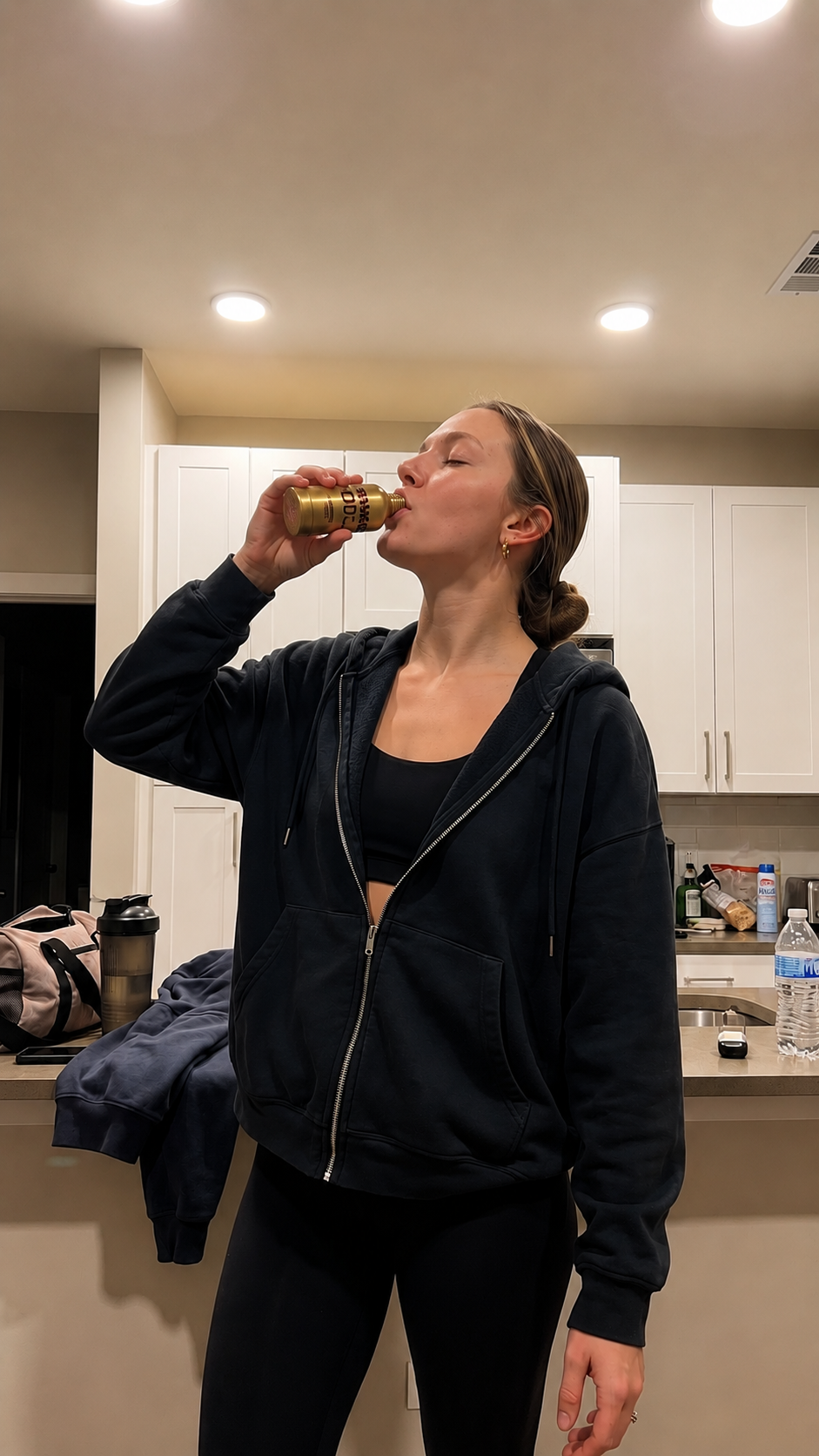
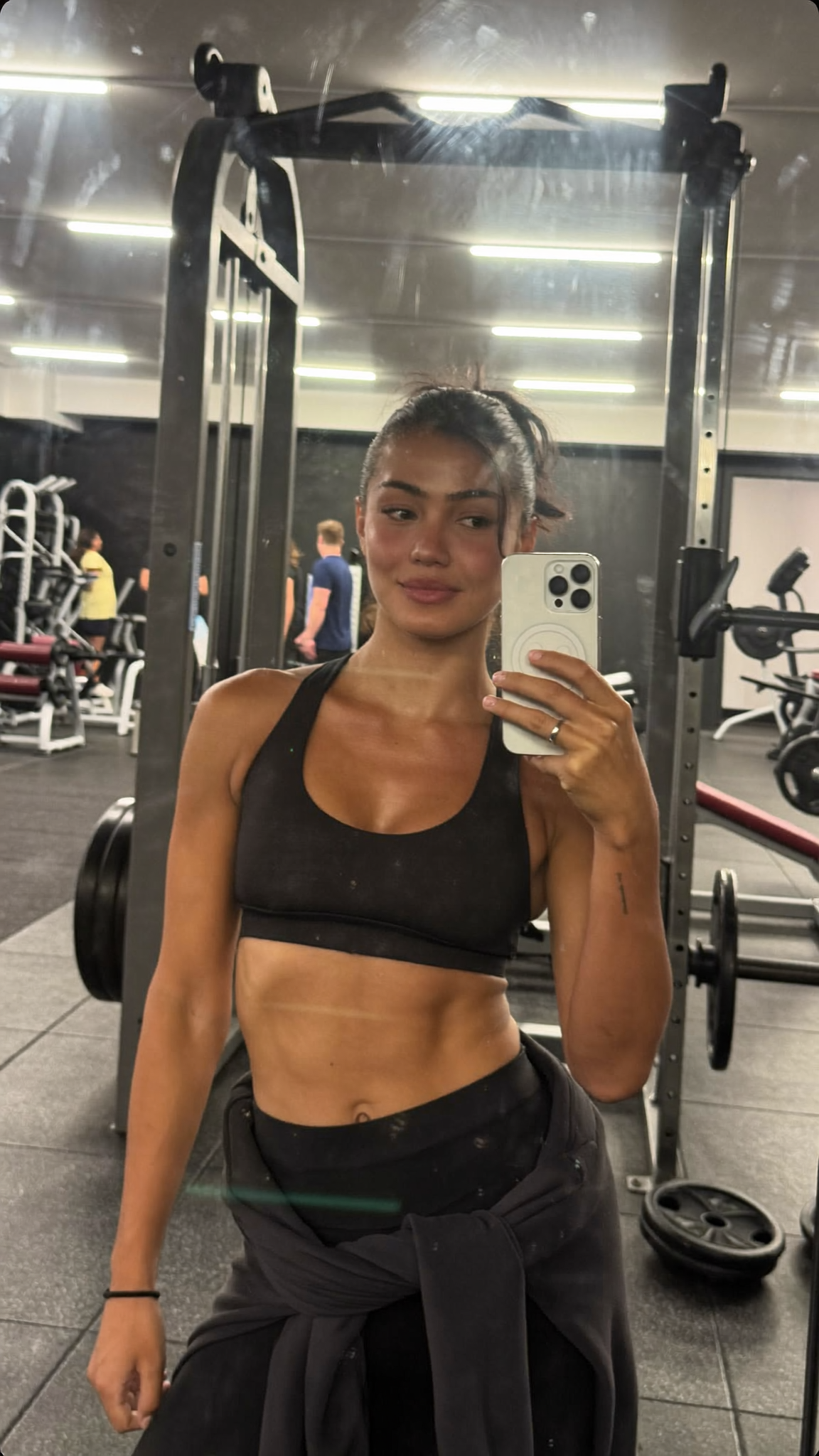
I’ve been training consistently since I was 26. Eight years. Strength training, running, cycling, Pilates—you name it. Right now I lift four days a week and do a longer run every Saturday morning. I love it. I’m not trying to become a professional athlete. I just like feeling strong. I like sleeping well. I like waking up before my alarm. I like looking at my watch in the morning and seeing that my body actually recovered from the work I put in. But for the last three years, two glasses of wine have been trying to undo all of it. I’m not going to take you through the entire story. You probably know it. The 3:17 AM wake-up. The dry mouth. The weird racing heartbeat. The sleep score that looks like you spent the night fighting for your life. The workout clothes you laid out the night before that suddenly feel like a personal attack. The “I’ll train this afternoon” promise. The afternoon that becomes tomorrow. The cravings. The brain fog. The feeling that a two-hour dinner somehow erased four disciplined days. You’ve been there. I’m not going to insult you by explaining why it’s frustrating. What I want to talk about is the little two-ounce bottle. Because I know what you’re thinking. I know because I thought it too. I’d seen “hangover products” before. Electrolyte powders. Vitamin packets. Charcoal pills. DHM capsules. Little bags of supplements you’re supposed to remember before your first drink. I assumed they were all the same. Expensive flavored water for people who wanted permission to drink too much. And that wasn’t me. I wasn’t going out until 3 AM. I wasn’t taking shots. I wasn’t waking up without remembering how I got home. I was having a glass of wine with dinner. Sometimes two. That was the frustrating part. I didn’t need a “hangover cure.” I needed two glasses of wine to stop stealing Saturday morning. My friend Rachel brought Drinking Buddies to dinner about six months ago. She trains at the same gym I do. We were meeting two other friends at an Italian place after work, and she pulled two little bottles out of her bag. She put one next to my water glass. I looked at it. I asked what it was. She said, “It’s for tomorrow.” I told her I already had electrolytes at home. She said, “This isn’t just electrolytes.” I told her I wasn’t hungover. She said, “Neither am I. I just want to train tomorrow.” That got my attention. But I still wasn’t sold. I turned the bottle over and started reading the ingredients like I was inspecting evidence at a crime scene. DHM. L-Cysteine. Glycine. L-theanine. B vitamins. Electrolytes. I asked how much it cost. She told me. I told her it sounded like very expensive juice. She said there was a 30-day money-back guarantee. I said I wasn’t spending money on something I could probably recreate with water, magnesium, and a multivitamin. She took a sip of her wine. Then she said: “You already spend more than that recovering from the drinks.” I laughed. But I knew exactly what she meant. The skipped workout. The delivery breakfast because I couldn’t be bothered to cook. The coffee I bought because the coffee at home apparently wasn’t strong enough. The rest of Saturday spent trying to feel normal. The guilt from breaking momentum. The promise to be “more disciplined next weekend.” I was treating the price of the drink as the cost of the night. It wasn’t. The real cost was tomorrow. I drank the bottle after my second glass of wine. I also drank water. I ate dinner. I went home at a reasonable hour. Because I want to be very clear about this: This isn’t a story about drinking recklessly and waking up feeling superhuman. That isn’t what happened. The first morning, nothing dramatic happened. There was no movie moment. No beam of sunlight came through the window while birds started singing. I still knew I’d had wine the night before. But I woke up before my alarm. I checked the time. 6:42 AM. Then I noticed something. I hadn’t been awake at 3 AM. Or if I had, I didn’t remember lying there staring at the ceiling and bargaining with myself. I felt a little slower than on a perfect night. But I didn’t feel flattened. I got out of bed. I made coffee. I put on the workout clothes I had laid out. And I went for my run. It wasn’t my fastest run. That isn’t the point. The point is that it happened. I didn’t spend 45 minutes negotiating with myself. I didn’t push it to the afternoon. I didn’t cancel it. I enjoyed dinner Friday night. And Saturday morning still belonged to me. I didn’t tell Rachel she was right. Not yet. I needed to try it again. The second time was a birthday dinner. One cocktail. One glass of champagne. Drinking Buddies after the champagne. The next morning, I went to the gym. Again, I wasn’t magically operating at 110%. But I was functional. Clear enough to train. Motivated enough to leave the house. Normal enough that the night before didn’t become the defining event of the weekend. The third time was a work dinner. That was the one that convinced me. I had an early presentation the following morning. Normally, I would have spent the entire dinner calculating the consequences. Should I order a drink? Will I sleep? Will I wake up anxious? Will I look exhausted during the meeting? Is this glass of wine worth feeling off tomorrow? That mental argument used to make drinking less enjoyable than not drinking. This time, I had one glass. I took Drinking Buddies afterward. Then I stopped thinking about it. I slept. I woke up. I gave the presentation. And sometime around lunch, I realized I hadn’t spent the morning regretting dinner. That was when I understood what I was actually buying. Not permission to drink more. Protection for tomorrow. I wanted to understand why it felt different from the powders and pills I had already tried. Because I’m the kind of person who tracks everything. Sleep. Steps. Protein. Training volume. Resting heart rate. If something is going to become part of my routine, I want to know what it is supposed to do. What I learned was that there are several things happening after even a moderate amount of alcohol. One: your liver has to process the alcohol. Two: alcohol can interfere with the quality of your sleep, even when it helps you fall asleep quickly. Three: your body still needs hydration and replenishment. Most of the things I had been using focused on only one part. Electrolytes helped with hydration. Useful. But hydration wasn’t the entire problem. Coffee made me feel more awake. For a few hours. But feeling stimulated isn’t the same thing as being recovered. Magnesium was already part of my normal routine. But it wasn’t designed specifically around what my body was dealing with after drinking. A protein shake helped me meet my macros. It didn’t make the 3 AM wake-up disappear. None of those things were bad. None of them was a complete alcohol-night recovery plan. Drinking Buddies is built differently. The central ingredient is 1,250 milligrams of DHM. But what interested me wasn’t just the number printed on the bottle. The formula uses a delivery system called HPβCD that is designed to help make the DHM more absorbable. Because an impressive ingredient list doesn’t matter much when your body can’t effectively use what’s in it. Then there’s L-Cysteine, included as part of the formula’s support for the body’s handling of alcohol byproducts. Glycine and L-theanine are included for sleep, calm, and recovery support. B vitamins and electrolytes help with replenishment. So instead of pretending every rough morning is just dehydration, the formula is built to support several parts of recovery at once: Your liver. Your sleep. Your mood. Your hydration. Your ability to function the following morning. That is the mechanism. Not magic. Not permission to drink unlimited alcohol. A more complete recovery step for people who still have a life waiting for them tomorrow. And the format matters more than I expected. It’s one two-ounce shot. No handful of capsules. No giant bottle you need to carry around. No complicated schedule that becomes useless because you forgot to take it before dinner. It is designed to be taken before, during, after drinking, or even the next morning. I usually take mine during the evening or shortly after my last drink. It now sits in the same category as the rest of my routine. Protein after training. Electrolytes before a long run. Drinking Buddies when I have drinks with friends. I’m not going to tell you alcohol is healthy. It isn’t. I’m not going to tell you Drinking Buddies makes drinking consequence-free. It doesn’t. Water still matters. Food still matters. Moderation still matters. Going to bed at a reasonable hour still matters. And if you drink far beyond your limits, no two-ounce shot should promise to rescue you from every consequence. That isn’t what this is for. This is for the person who has one or two drinks at dinner and cannot understand why their entire recovery routine collapses afterward. The person who doesn’t want to become socially restrictive just to stay physically consistent. The person who is tired of choosing between: The birthday dinner and the Saturday run. The concert and the morning class. The date night and the gym session. The work event and the presentation. Having a life tonight and liking yourself tomorrow. I used to think the disciplined answer was always to say no to the drink. Sometimes it is. But discipline isn’t about avoiding every imperfect decision. It’s about building routines that help you keep moving forward. I still say no when I don’t want a drink. I still stop after one or two. But when I decide the experience is worth it, I no longer accept that the entire next morning has to be part of the price. I keep Drinking Buddies in the refrigerator now. Rachel knows. I eventually admitted she was right. She didn’t say, “I told you so.” She just smiled. Because she already knew what I had finally figured out: For people like us, the goal was never to drink more. The goal was to lose less. Less sleep. Less energy. Less momentum. Less of tomorrow. Drinking Buddies comes with a 30-day money-back guarantee. So you can try it during the kind of night you already have planned. Not a wild experiment. A normal dinner. A birthday. A concert. One or two drinks. Then pay attention to the part that matters: How much of tomorrow do you get to keep? You may still feel that you had a drink. That’s honest. But you might not feel like two glasses stole an entire day. And for me, that difference was enough. Enjoy the drink. Keep the workout.
Two Glasses Shouldn't Cost Saturday
That sudden drop in sleep and recovery after just one or two drinks... ever looked into it? A lot of people notice alcohol starts affecting their sleep, energy, an
LEARN MORELike this ad? Make it yours.
Crush rebuilds this exact creative around your product — your brand, your colors, your offer — in about a minute.