
Active· since Feb 20, 2026
- 211
- days running
- 3
- relaunches
Ad copy
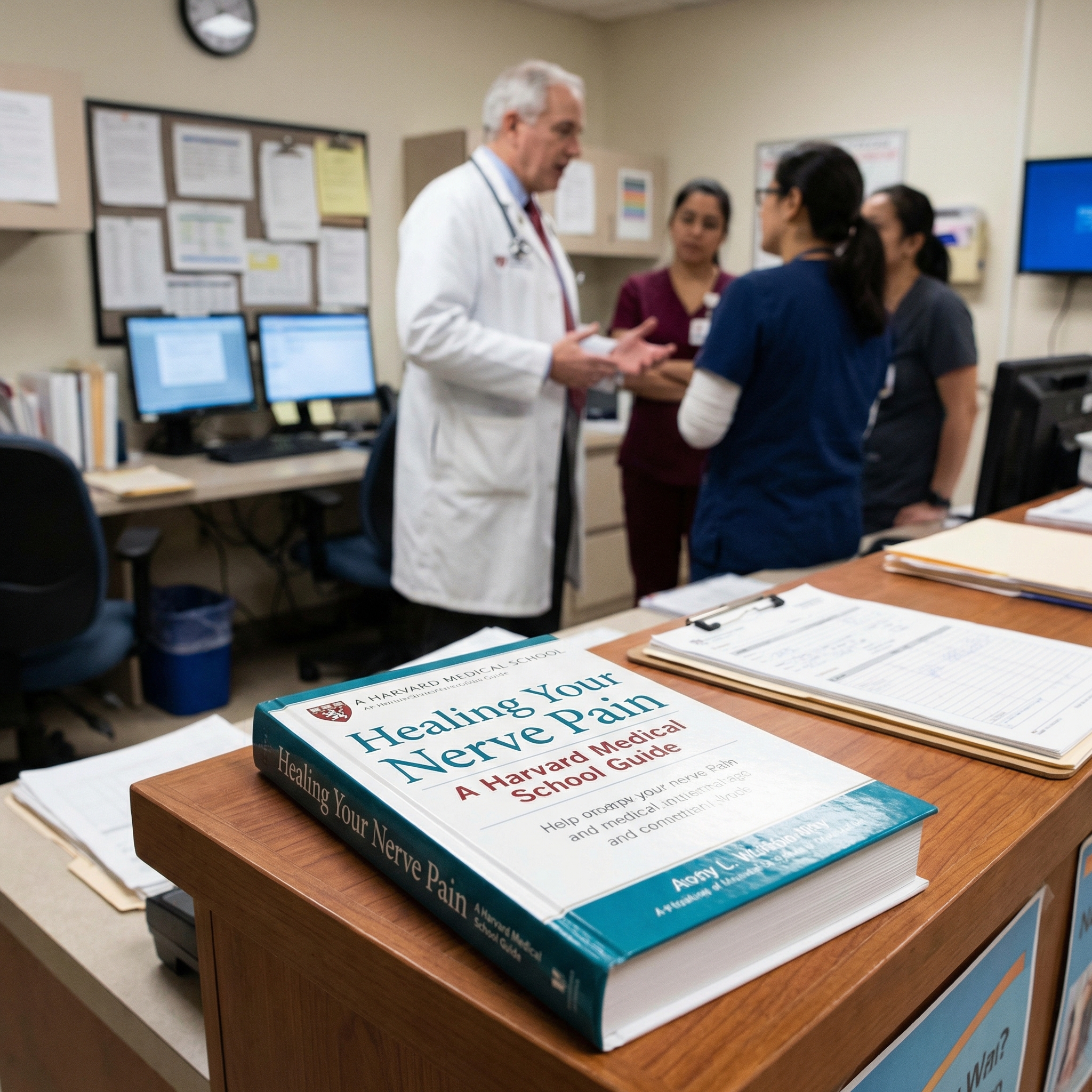
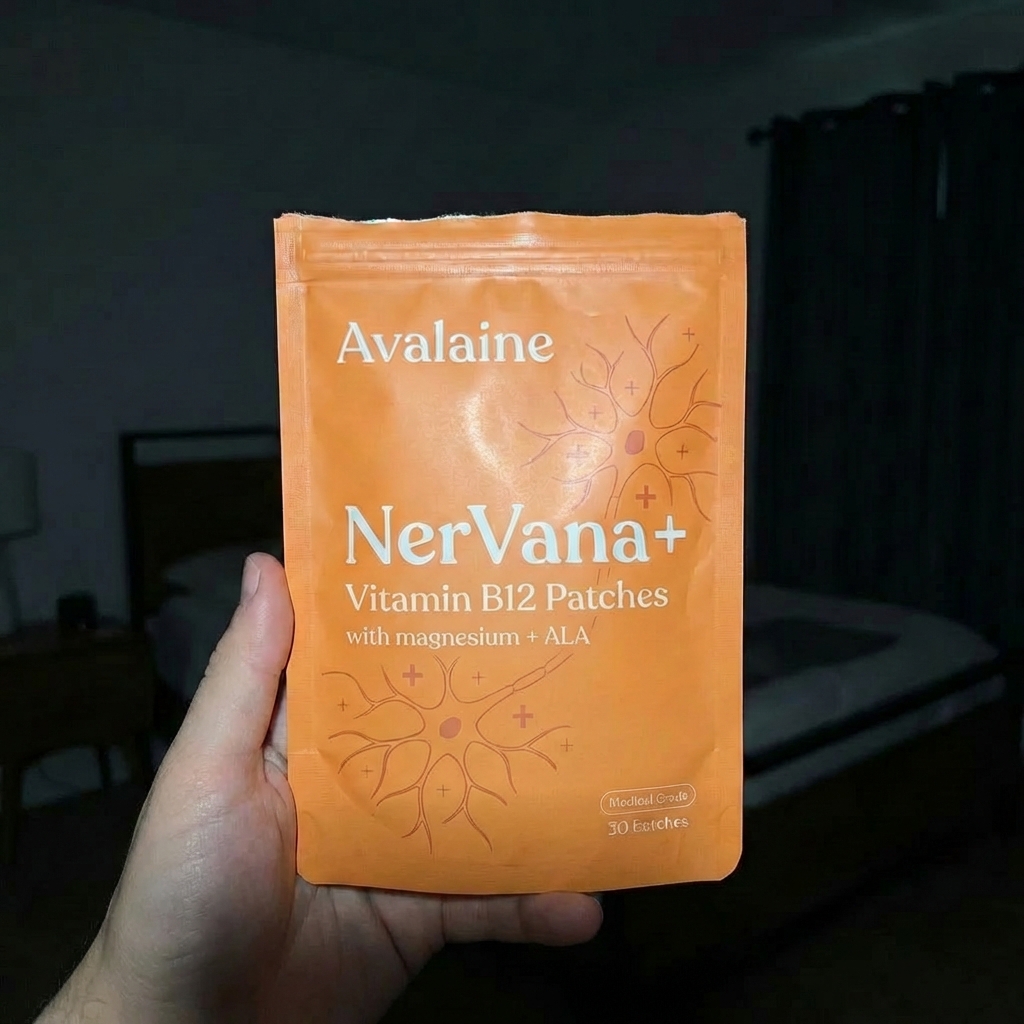
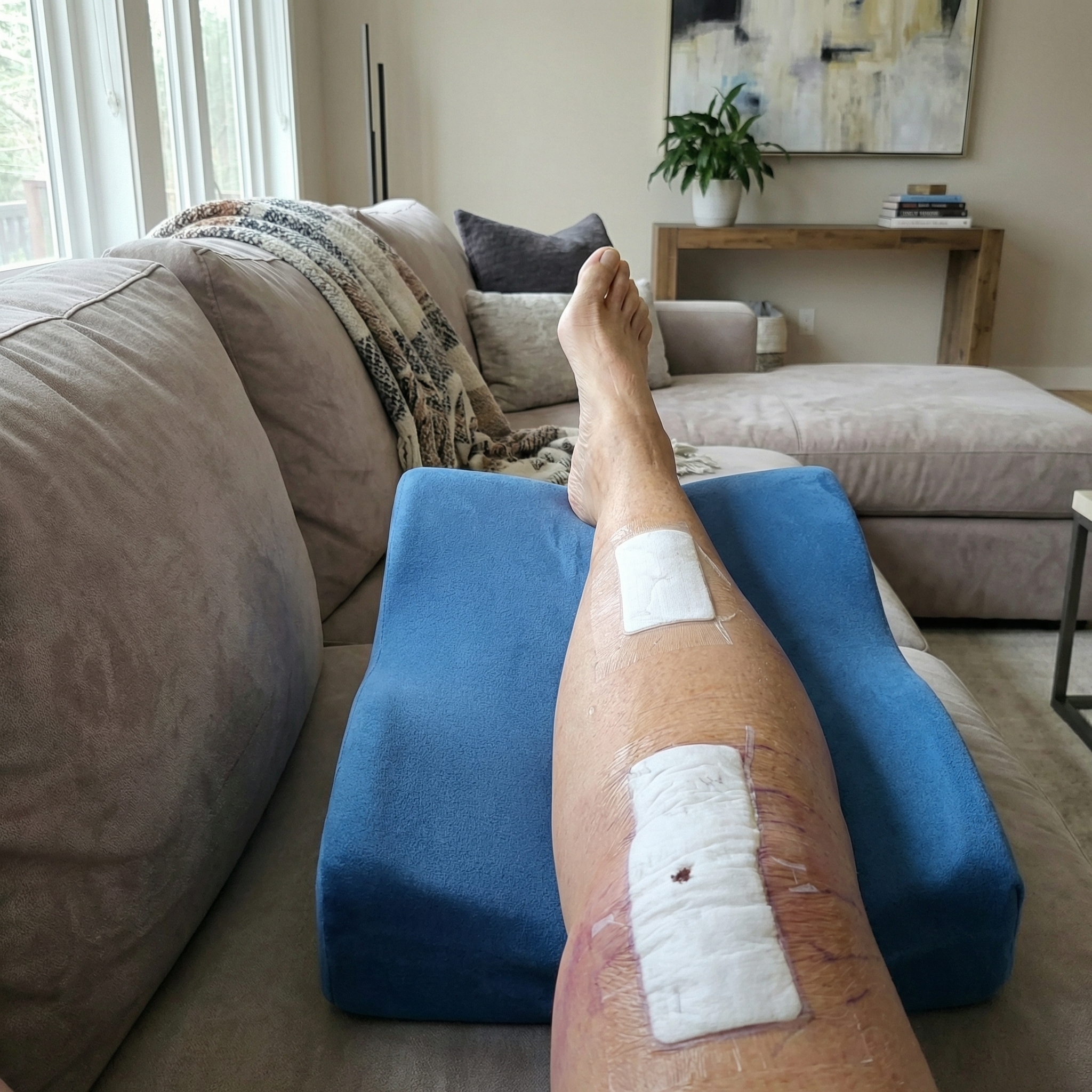
First comes the tingling in your hands and feet. Then the numbness. Then the burning at night. Then you can't feel the floor beneath you. It's not four separate problems. It's one system screaming for help. "By the time you notice the tingling, the nerve damage is already well underway. This is the most preventable tragedy I see in my practice every single week." - Dr. Andrew Lenny, MD I'm about to share the research discovery that destroyed 19 years of neurology confidence. But first, I need to tell you why your doctor keeps saying "it's probably just a pinched nerve" and "let's wait and see." And it has nothing to do with laziness or ignorance. For 19 years straight, I said the exact same thing. Every single time a patient came in with tingling hands, burning feet, or that strange numbness that comes and goes, and I'd see "idiopathic neuropathy" on their chart, I'd smile and tell them: "Nothing to worry about yet. Try some B12 supplements and give it time. The tingling might resolve on its own." I'd see the relief wash over their face. Update the chart. Move to the next appointment. I felt like I was doing good medicine. Until Dad. My own father. 64 years old. Active lifestyle. Sharp mind. The man I'd always assumed would stay healthy because he did everything right. When he first mentioned tingling in his fingertips, I did exactly what I'd done a thousand times before: Told him to take B12. Maybe some magnesium. Wait for next check. "It's probably just circulation. Maybe you're sleeping on your arm wrong." I actually felt relieved when his bloodwork came back normal. See? Even my own father gets this. Completely normal. Then the tingling spread to both hands. Then his feet started burning at night. By month six, he was on nerve pain medication. By year two, he needed two medications just to sleep through the night. All monitored. All "managed." I wasn't worried. This is what I see every day. Standard progression. Except Dad wasn't old. He was 67. The tingling became burning. The burning became numbness. By year four, he couldn't feel his hands well enough to button his own shirt. He started dropping things. Coffee cups. His phone. The car keys. The damage wasn't just numbers anymore. It was stealing his independence. At 71 years old, I watched him hand over his car keys for the last time. He couldn't feel the steering wheel. Couldn't trust his hands to grip. Dad should have stayed sharp and active into his eighties. I watched him become afraid to leave his house at 71. And that's when I finally asked the question I should have asked years earlier: How does a "managed" patient with "controlled" symptoms end up losing the use of his hands? So I pulled every case file from the past decade. Every patient I'd managed with standard protocols who developed progressive neuropathy. I built a spreadsheet. Age at first tingling. Medication progression. Nerve damage progression. Function loss. The pattern was horrifying. Patients on standard supplement and medication management progressed from tingling to severe numbness in 3.4 years on average. 31% eventually lost significant hand or foot function. But it wasn't just the disability. It was how fast the damage accelerated. Family members would say at follow-ups: "The tingling started in her fingertips and now it's up to her elbows" or "He went from feeling pins and needles to feeling nothing in less than a year." The nerve death was happening right in front of me. And I kept saying "we're managing it." Almost every single patient with progressing neuropathy had one thing in common: they were taking B12 and magnesium supplements religiously, but the nerve damage kept getting worse anyway. 83% of my neuropathy cases progressed despite "proper" supplementation. "But Dr. Lenny, I take my B12 every day. Why is the tingling getting worse?" I'd always said: "Nerve damage takes time to heal. Be patient." But what if healing wasn't happening? What if I was missing the actual cause? I started asking different questions. Researching differently. So I searched: "peripheral neuropathy progression despite B12 supplementation mechanism" That's when I found a University of Michigan study I'd never seen: "Patients maintaining oral B12 and magnesium supplementation continued to experience progressive neuropathy due to severely limited bioavailability. Oral magnesium absorption rates averaged 4% in subjects over 50, while B12 absorption decreased by 1-2% per year of age after 50 due to declining intrinsic factor. Standard oral supplementation failed to deliver therapeutic concentrations to peripheral nerve tissue." I read it three times. Then I understood why nothing I'd done for Dad had worked. But that study sent me down a rabbit hole. Because it raised another question I'd never thought to ask: Why do nerves need magnesium and B12 so badly in the first place? I'd been prescribing these supplements for years without truly understanding their role in nerve function. I just knew "B12 is good for nerves." But I'd never learned WHY. So I kept reading. What I found changed everything. Your nerves don't just carry signals. They generate them. Every nerve impulse requires an electrical charge to fire properly. And that electrical charge depends entirely on the movement of minerals, specifically magnesium and calcium, across the nerve cell membrane. Without adequate magnesium, your nerves can't regulate their electrical activity. They misfire. They fire when they shouldn't. They fail to fire when they should. That's the tingling. That's the burning. That's the numbness. It's not "random nerve pain." It's nerves that can't generate proper signals because they're starving for the mineral that controls their electrical function. But magnesium does something else too. It calms inflammation. When nerves are damaged or irritated, they become inflamed. That inflammation creates a vicious cycle: swelling compresses the nerve, which causes more damage, which causes more swelling. Magnesium interrupts that cycle. It's a natural anti-inflammatory specifically for nerve tissue. And B12? That's the repair molecule. Your nerves are wrapped in a protective coating called the myelin sheath. Think of it like the rubber insulation around electrical wiring. When myelin breaks down, nerve signals short-circuit. They leak. They misfire. B12 is essential for myelin production. Your body literally cannot rebuild damaged myelin without it. No B12, no repair. The damage just accumulates. I sat back in my chair. For 19 years, I'd been telling patients to take magnesium and B12 for their nerves. But I'd never understood the mechanism: Magnesium controls nerve signal transmission and calms inflammation. B12 rebuilds the protective myelin coating. Together, they address both the symptoms AND the underlying damage. But here's what the research made painfully clear: None of that matters if the nutrients never reach the nerves. The study explained it simply: When you swallow a magnesium pill, stomach acid destroys most of it. What survives gets filtered by your liver. Only 4% reaches your bloodstream. Even less reaches your peripheral nerves, the ones furthest from your core. B12 is worse. After age 50, most people lack enough intrinsic factor to absorb B12 from the gut. You could take 5,000 mcg and absorb almost nothing. It's like trying to water a plant through a pinhole. The water is right there. But it can't get through. So the supplements pile up in your medicine cabinet. You take them faithfully. And your nerves keep dying anyway. That's why the tingling gets worse even when you "do everything right." The nutrients your nerves desperately need, the ones that control their electrical function, calm their inflammation, and rebuild their protective coating, can't reach them through your digestive system. Oral supplements look good on paper. But they do nothing to repair the frayed wiring if they never reach the nerves. I'd spent 19 years prescribing pills my patients couldn't absorb while their nerves slowly died. Dad's nerves were starving for magnesium and B12. The minerals that control nerve firing. The vitamins that rebuild myelin. And I kept handing him bottles of supplements his body couldn't use. I kept clicking through studies. Transdermal delivery. Bioavailability. Nerve tissue concentration. Then I found it: A 2019 study on transdermal magnesium delivery. Patients who received magnesium through the skin showed 89% higher tissue concentration than oral supplementation, with significant reduction in neuropathy symptoms within 8 weeks. Not because it was a different form of magnesium. But because it bypassed the gut entirely. Transdermal delivery. Through the skin. Directly into the bloodstream and tissues. No stomach acid destruction. No liver filtering. No absorption problems. The magnesium actually reached the nerves. And when combined with transdermal B12, the myelin repair process could finally begin. But here's what made this different from every oral supplement I'd ever prescribed: Most supplements flood your system all at once, then disappear within hours. Your nerves get a brief spike of nutrients, then nothing until the next dose. Transdermal patches deliver steady, sustained release over 24 hours. Your nerves get constant support, not feast-and-famine cycles. And the research showed something else. The combination of magnesium and B12 delivered transdermally created synergistic effects. Magnesium calmed nerve inflammation and improved signal transmission. B12 provided the building blocks to repair damaged myelin. Together, they addressed both the symptoms and the underlying damage. Dad had been complaining about tingling for months before I took it seriously. I'd thought it was aging. Or sleeping wrong. His nerves were starving. His myelin was breaking down. His body was trying to tell me. And I dismissed it because I'd been taught standard supplementation was the answer. I was taught wrong. The next morning, I called Dr. Robert Tanaka at Stanford. We'd collaborated on research years ago. "Robert, have you ever used transdermal nutrient delivery for neuropathy patients?" Long pause. "Andrew... how did you find out about that?" "We've been using it in our integrative practice for about three years. Quietly. The European research on transdermal magnesium is remarkable. But it's not in standard protocols, so we only mention it to patients who specifically ask about alternatives to oral supplements." "Why isn't it standard?" "Because no pharmaceutical company makes money off of patches with basic nutrients. They can't be patented as new drugs. So they don't get pushed through medical schools. And nerve repair takes months. It doesn't show dramatic results in the short-term drug trials that drive FDA approvals. The nerve pain industry makes billions managing symptoms with prescription medications. Prevention and repair don't pay." This had existed the entire time Dad's nerves were dying. But I could still help the patients in my practice right now. I don't care if I don't make money off of recommending this. All that should matter is YOUR nerves, YOUR hands, YOUR feet, YOUR future. I found a company making clinical-strength transdermal patches with therapeutic magnesium chloride and B12. They used advanced permeation technology that delivered nutrients through the skin barrier at clinically meaningful rates. Plus methylcobalamin B12, the form your nerves can actually use. Third-party tested. Pharmaceutical-grade manufacturing. The combination was intentional. Magnesium to calm inflammation and restore nerve signal transmission. B12 to rebuild damaged myelin. Both delivered continuously, bypassing the gut entirely. I started with my most desperate cases. Patients with progressing neuropathy despite taking handfuls of supplements. Patients terrified of losing the use of their hands like their parents did. The first was Robert, a 59-year-old with tingling that had spread from his fingertips to his wrists over 18 months. His B12 levels were "normal" by standard measures. But his nerves were dying anyway. "Let's try this for eight weeks. One patch every day." Week two: "Dr. Lenny, the burning at night has decreased. I actually slept through without waking up in pain." Week four: "The tingling isn't spreading anymore. It's actually less intense than it was." Week eight: His grip strength improved measurably for the first time in two years. He could button his shirt again. I understood what was happening. His nerves were finally getting the nutrients they needed. The inflammation was calming. The myelin was starting to rebuild. Once the nutrients actually reached the nerve tissue, the damage stopped progressing. Then function started coming back. Then the second patient responded. Then the fifth. Then the twentieth. 79% showed halted or reversed neuropathy progression within twelve weeks. 71% said they could feel their fingertips clearly again. Several patients reduced their nerve pain medication for the first time in years, something I'd rarely seen in two decades of practice. Patients stopped losing feeling in their hands and feet. They started feeling texture again. Temperature. The ground beneath them. One patient told me: "I felt my grandson's hand in mine for the first time in a year. I didn't realize how much I'd lost until I got it back." But here's what haunted me: This wasn't experimental. This was published research from major universities in Europe and the US. And in 19 years of practice, I'd never heard about it. Not in medical school. Not at conferences. Not anywhere. Integrative doctors had been quietly using this for years. Only telling select patients who asked the right questions. The rest of us kept prescribing pills that couldn't be absorbed while patients' nerves slowly died. Last month, a patient came in. Patricia, 57, with tingling in both hands and feet after a surgery six months prior. I recognized the pattern immediately. I explained the absorption problem. The transdermal research. What tingling actually meant. Nerves crying for help before they die. She started crying. "My mother had neuropathy for twenty years. She spent thousands on supplements. Nothing helped. She died unable to feel her own grandchildren hug her. You're telling me there was something that could have helped her?" Yes. There was. Patricia's on week six now. The tingling has significantly reduced. Her burning at night has stopped. Her husband sent me a message saying she's gardening again. Something she'd been afraid to do because she couldn't feel her fingers well enough to grip tools. But here's what keeps me up at night: How many people lose the use of their hands and feet every year because tingling is dismissed as "just neuropathy"? How many patients are told "keep taking your B12" when their bodies can't absorb it? How many doctors prescribe supplements that never reach nerve tissue and call it treatment? Dad was trying to tell me. His tingling was a warning. His nerves screaming for nutrients they couldn't access. And I dismissed it because I'd been taught standard supplementation was the answer. I was taught wrong. If your doctor says "neuropathy" or "give it time," ask them about transdermal delivery. Ask them why oral magnesium absorption drops to 4% in adults over 50. Ask them why the tingling keeps spreading even when you take supplements every day. Ask them what's actually reaching your nerve tissue. The research exists. The solution exists. It just hasn't made it into standard medical practice yet. Dad never got transdermal magnesium and B12. He never got the chance to repair his nerves before it was too late. But you can. And if your doctor doesn't know about this research, show them this letter. Because every tingle is trying to tell us something. First comes tingling. Then burning. Then numbness. Then you lose feeling completely. And once nerve damage reaches a certain point, it becomes permanent. We just need to start listening. Before it's too late. But before you go buy any nerve support patch, there's one thing you need to know. Most patches? Not helpful. Too weak. Wrong ingredients. Poor adhesion that falls off before nutrients absorb. No permeation testing to prove anything actually crosses the skin barrier. I tried dozens of brands. Some used magnesium oxide, the cheapest form with the worst bioavailability. Some had B12 doses too low to make any difference. Some fell off within hours. Some had no third-party testing at all. To make sure you're getting patches that actually deliver therapeutic nutrients to your nerve tissue, they must use magnesium chloride (the form that penetrates skin), include methylcobalamin B12 (the nerve-active form), deliver for a full 24 hours, and be third-party tested for both purity and permeation. The only brand I know that meets that standard is NERVana+ from Avalaine. NERVana+ Nerve Relief Patches contain: ✨ 250 mcg of magnesium chloride, the transdermal-optimized form that actually crosses the skin barrier ✨ 1200 mcg of methylcobalamin B12, the bioactive form your nerves can immediately use ✨ 8-10 hour sustained release technology for constant nerve support, not spike-and-crash cycles ✨ Medical-grade adhesive that stays put through showers, sleep, and daily activity ✨ Third-party tested for purity, potency, AND permeation ✨ Made in the USA with pharmaceutical-grade manufacturing standards I recommend them to nearly every patient I see with nerve tingling, burning, or numbness who's frustrated that supplements aren't working. Why? Because NERVana+ bypasses the absorption problem entirely. No stomach acid destruction. No liver filtering. No 4% bioavailability. Just steady, sustained nutrient delivery directly to your tissues, 24 hours a day. I use them myself. And now, so do my patients. It's become a daily ritual. Peel. Apply. Relief. Repeat. If you read the thousands of reviews, you'll see why people with nerve pain are switching from pills to patches. These little patches changed their lives and they could change yours too. 60-day money-back guarantee, because I'm confident they will work for you like they have for thousands of my patients. Most people buy at regular price, but right now they're doing a special promotion where you can get significant savings for a limited time. The only problem is that they're a small company and they're getting popular, so they can't keep up with the demand. So I want to apologize because if you click the link below, you might see that they're sold out. My patients have waited months before they found them again, but I suggest you click the button so you can see for yourself if they have any left. So if you want a natural way to support your nerves, stop the tingling and burning, and actually deliver nutrients where pills can't reach, I'd grab some before they're gone again. 👉 https://uk.avalaine.com/products/avalaine®-magnesium-nerve-relief-patches
Finally Fix Nerve Pain
"'I've been feeling like my old self again since starting with these patches. Years of pain erased."
SHOP NOWLike this ad? Make it yours.
Crush rebuilds this exact creative around your product — your brand, your colors, your offer — in about a minute.