Dr. Jamal Robinson - Nephrologist, MD
Dr. Jamal Robinson - Nephrologist, MD Facebook ad: “Early Signs of Kidney Damage”
Ran for 35 days, from April 14 to May 19, 2026, the last day Crush saw it.
Run by Dr. Jamal Robinson - Nephrologist, MD on Facebook. Crush is not the advertiser and does not verify its claims. See this ad in Meta's Ad Library(opens in a new tab)
Want an ad like this for your product?
Crush makes new ad images for your product from this ad: your logo, your product photo, your offer.
Trials from $19.95 USD, then $79.95 USD a month. Cancel anytime.
About this ad
- Meta Ad Library ID
- 1575266830865538
- Platforms
- Facebook, Instagram, Audience Network, Messenger and Threads
- Relaunches
- 0
- Niche
- Clinics & Medical
Ad text
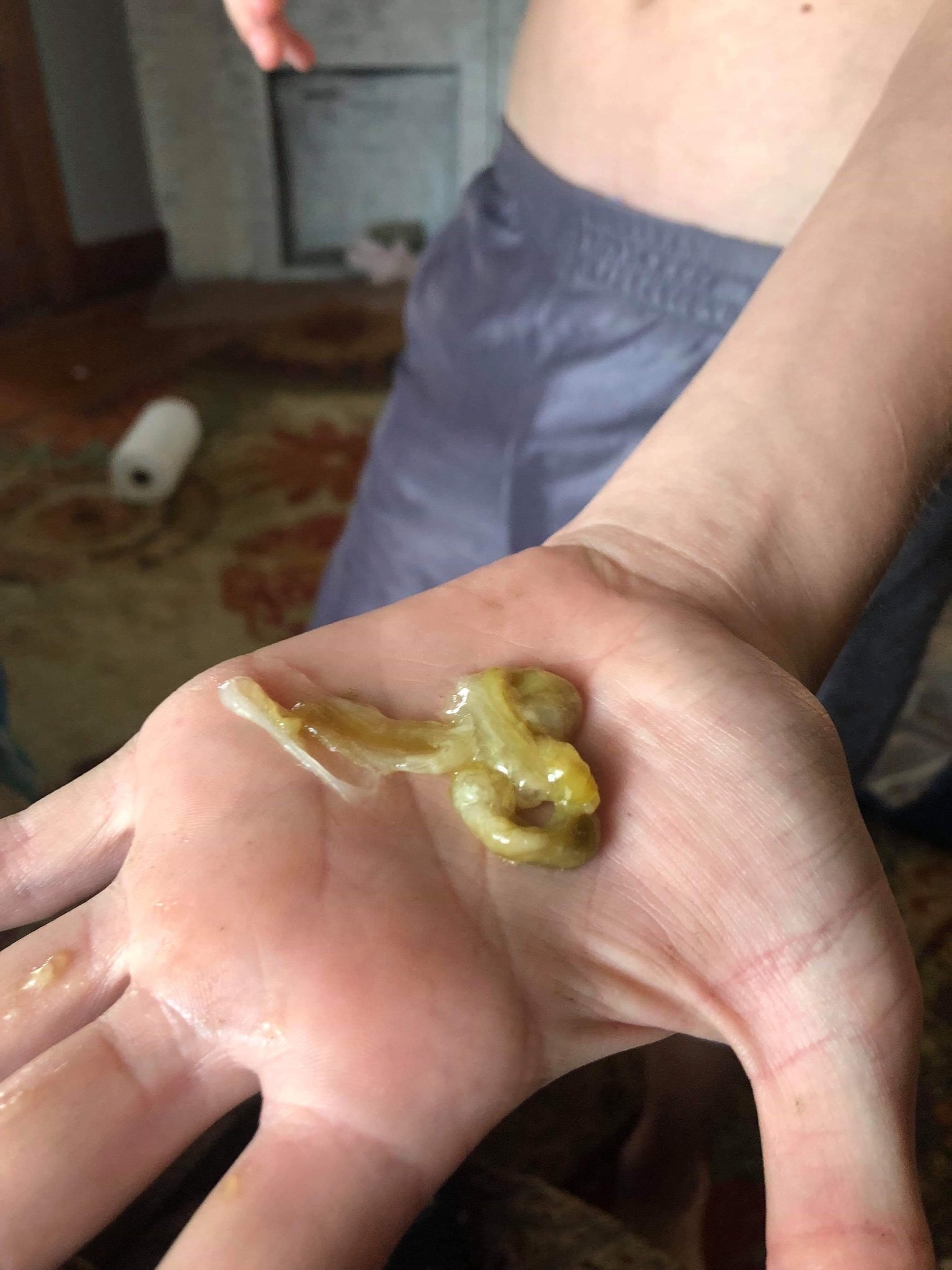
Your toilet is showing you kidney damage three years before your blood test will. That foam sitting on the water every morning is protein leaking through suffocating filters. And your doctor is telling you it's "probably nothing." I went in for a routine physical. My primary doctor said everything looked fine. Creatinine in range. Blood pressure slightly elevated. "Nothing to worry about at your age." But I'd been seeing foam in my urine for eight months. Thick. White. Sitting on the surface like dish soap. Wouldn't flush away. I mentioned it at the end of the appointment. Almost didn't bring it up. "The foam — is that something I should worry about?" She barely looked up from her chart. "Some people have foamy urine. It's not always significant. If it bothers you, drink more water." Drink more water. My wife wouldn't let it go. She's a nurse. Works at a nephrology practice. She insisted I push for a full kidney workup. Urinalysis. Protein-to-creatinine ratio. The tests my primary doctor didn't order. "Just to be safe," she said. When the results came back, my wife went quiet. Protein in my urine: elevated. Significantly. My doctor called me in. Different tone this time. "Your urinalysis shows proteinuria. That foam you mentioned — it's protein. Albumin, specifically. Leaking through your kidney filters." I stared at her. "But you said my creatinine was fine." "It is. Your creatinine is 1.3 and your eGFR is 62. Those are technically in range." "So what's the protein mean?" She paused. The kind of pause that makes your stomach drop. "It means your kidney filters are damaged enough to leak protein, but not damaged enough to show up on the standard panel. Your creatinine won't go abnormal until you've already lost significant filtration capacity. The protein leak is the early warning." "How early?" "Proteinuria can precede creatinine elevation by two to five years." Two to five years. The foam had been warning me for eight months. My standard bloodwork said everything was fine. And without that urinalysis my wife demanded, nobody would have caught it until my eGFR was in freefall. "So what do I do?" I asked. "More medications?" "We should start an ACE inhibitor to reduce the pressure on your kidney filters. Monitor your levels every three months. And you should know — the CDC says 9 out of 10 adults with chronic kidney disease don't know they have it. You're ahead of most people." Ahead. That's what she called it. I sat in the parking lot after that appointment and Googled "proteinuria prognosis." Persistent proteinuria is one of the strongest predictors of progressive kidney failure. Patients with untreated proteinuria progress to advanced CKD at significantly higher rates than those without. Proteinuria is to kidney disease what chest pain is to heart disease — by the time you feel it, damage is already underway. My body had been telling me for eight months. In the toilet. Every single morning. And my doctor told me to drink more water. That conversation happened four months ago. And it completely changed how I think about my kidneys. Here's what I didn't understand: When you see foam in your toilet that won't flush away, your kidneys aren't being weird. They're trying to tell you something critical. Your kidneys contain roughly a million microscopic filters per side called glomeruli. Each one smaller than a grain of sand. Their job is to clean your blood and keep essential proteins — especially albumin — in your bloodstream where they belong. When those filters are healthy, protein stays in your blood. Urine is clear. No foam. But when your renal lymphatic drainage is clogged — when years of inflammatory waste have built up and compressed your drainage vessels shut from the inside — your nephrons start suffocating. The waste they're supposed to flush has nowhere to go. It accumulates around the filters. Pressure builds. The nephrons can't function. Protein slips through. Hits your urine. Creates surface tension. Produces foam. The thick, persistent, won't-flush-away foam that your doctor called "probably nothing." It's not nothing. It's albumin. Leaking through filters that are suffocating under waste their drainage can't flush. And it shows up YEARS before your creatinine goes abnormal. Years before your eGFR drops below 60. Years before anyone says the word "kidney disease." The foam is the earliest visible warning your body can give you. And the medical system's standard panel doesn't catch it. They run creatinine and eGFR. Those measure damage AFTER it's done — like checking the oil light after the engine already seized. The foam is the temperature gauge climbing. The early signal. The one that could save your kidneys if anyone paid attention to it. My doctor didn't test for protein until my wife forced the issue. How many people are flushing that warning down the toilet right now, every morning, because their doctor said it's "probably nothing"? The CDC says 9 out of 10. So after the diagnosis, I did what they told me. Took the ACE inhibitor. Cut sodium. Drank more water. Walked every morning. Reduced protein in my diet. Three months later, follow-up labs. Creatinine: 1.4. Up slightly. eGFR: 58. Down from 62. Proteinuria: still elevated. Foam: still there. Every morning. The ACE inhibitor was supposed to reduce the pressure on my filters. It may have slowed the damage slightly. But it didn't clear the drainage. The waste was still trapped around my nephrons. The filters were still suffocating. The protein was still leaking. My doctor added a note to my chart: "Stable. Continue current regimen. Recheck in 3 months." Stable. The same word they put on my father-in-law's chart for four years before he ended up on dialysis. My wife read the note. Looked at me. "Stable isn't improving," she said. "Stable just means you're declining slowly enough that nobody has to do anything about it yet." She was right. And that's when I started asking questions the medical system doesn't want you to ask. Why does standard treatment manage the decline but never address what's actually suffocating the filters? Why do ACE inhibitors reduce pressure on the glomeruli but do nothing about the clogged drainage trapping waste around the nephrons? Why does nobody check renal lymphatic function routinely when the congestion shows up years before creatinine catches it? And why does the entire treatment protocol focus on slowing the damage instead of clearing the drainage? My wife had seen it in the nephrology practice for years. Patients coming in every three months. eGFR dropping every time. Same medications. Same "monitoring." Same slow march toward dialysis. "The drugs buy time," she said. "But nothing they prescribe clears the renal lymphatic congestion suffocating the filters. It's like reducing the water pressure in a house with clogged pipes. You've eased the force — but the pipes are still blocked. Nothing's flowing through." So I started researching. What's actually suffocating the filters? And I found the same answer from multiple sources — published nephrology research, clinical studies on renal lymphatic function, peer-reviewed journals: One system nobody checks. Your renal lymphatic system. Your kidneys have their own drainage network — lymphatic vessels running through the tissue whose job is to flush toxins, inflammatory waste, and metabolic debris every single day. When that drainage works, your nephrons can filter and repair. When it clogs — from years of high blood pressure, diabetes, chronic inflammation — waste builds up faster than drainage can clear it. It thickens. Hardens. Compresses the vessels shut from the inside. And once drainage fails, it doesn't matter what medications you take. The waste has nowhere to go. Your nephrons suffocate. Protein leaks through. Creatinine climbs. My ACE inhibitor was reducing pressure from above. But the drainage was clogged from below. My nephrons were getting less force pushing on them — and they were still buried under sludge they couldn't flush. No wonder the protein kept leaking. Then I found something that changed the entire equation. My wife was the one who found it, actually. She'd been digging through clinical research after watching another patient in her practice get scheduled for fistula placement. "These herbs," she said one night at the kitchen table. "Four specific herbs documented in the British Herbal Pharmacopoeia. Used by herbalists across Europe for centuries. Specifically for deep lymphatic drainage." "Herbs? For kidneys?" "For lymphatic drainage. The drainage system that's suffocating your nephrons. Four herbs. Each one targeting a different layer of the congestion." "Why don't nephrologists know about this?" She gave me the look. The one nurses give when they know the answer is about money. "You can't patent herbs. No pharmaceutical company can charge $400 a month for four plants that have been used for centuries. There's no profit in telling you to clear your renal drainage." "There IS money in ACE inhibitors. In quarterly monitoring. In dialysis at $90,000 per patient per year. In transplant surgery at $400,000." She pulled up the research on each one. Stillingia Root — dissolves thick stagnant sludge compressing lymphatic vessels shut. The deep waste that hardens around nephrons over years. Cleavers — sweeps loosened waste through sluggish drainage channels and out. Called "the lymphatic tonic herb" in the British Herbal Pharmacopoeia. Prickly Ash Bark — fires up lymphatic circulation so drainage has power to move. Without active circulation, waste breaks apart but sits there. Red Clover Blossom — calms the inflammation destroying remaining nephrons. Stops the damage from widening while the other three clear the blockage. "Four layers of congestion. Four herbs," she said. "Each one mapped to a different mechanism. Nothing random. Nothing filler." She was right. So I tried them. First one: Cleavers capsules from Amazon. Top rated. "Lymphatic drainage support" on the label. Organic. Good reviews. Six weeks. Foam still there. Swelling still there. Nothing. Second one: Lymphatic tea blend from the health food store. "Traditional drainage support." Tasted awful. Five weeks. Same foam. Same fatigue. Same grooves in my socks every evening. Eleven combined weeks of nothing. My wife looked at the bottles. Read the labels. Researched the delivery. "Neither of these is reaching your renal lymphatic vessels," she said. "When your kidneys are compromised, your gut absorption is wrecked. Capsules dissolve in your stomach acid before the active compounds ever reach the drainage. The tea? Processing destroyed the compounds before you even brewed it." "So what am I looking for?" "Three things. Liquid sublingual delivery — under the tongue, bypasses the gut entirely. All four herbs — not just one. And third-party tested at clinical strength doses — not trace amounts designed to look good on a label." She found one formula that had all three. Lymphoria. She read me the specs the way she'd read a patient chart. All four herbs — Stillingia, Cleavers, Prickly Ash, Red Clover. Full-spectrum extracted. Concentrated liquid drops. Under the tongue. Absorbs in 15 minutes. Third-party tested. Made in the USA. Under $35. I'd spent more than that on each of the Amazon brands that did nothing. 60-day money-back guarantee. "Order it," she said. "Tonight." I did. Week one: I noticed the foam was less. Not gone — less. Maybe 40% less. First time anything had changed it in eight months. I checked every time I went to the bathroom like a man studying tea leaves. But it was real. Measurably less. Week two: My ankles stopped swelling by evening. The grooves from my socks — gone. My wedding ring was loose again by afternoon instead of cutting off circulation. And I slept through the night. Didn't wake up once. First time in over a year. I lay there at 6 AM staring at the ceiling thinking: so this is what rested feels like. Week three: Foam almost gone. Just a few bubbles that disappeared in seconds — normal bubbles, not the thick protein layer that used to sit there like a film. Energy past 3 PM. Actually wanted to go for a walk after dinner. My wife watched me lace up my shoes and didn't say anything. Didn't have to. Week four: Went for my labs. Creatinine: 1.1. Down from 1.4. eGFR: 67. Up from 58. Proteinuria: trace. Down from significantly elevated. I stared at the numbers on my phone in the parking lot. My kidney function had improved more in four weeks than it had in four months on the ACE inhibitor alone. The protein leak was closing. The foam was disappearing because the drainage was finally clearing. The nephrons could breathe. The waste was moving out. The filters could function. My doctor called me that afternoon. "Your labs look notably improved," she said. Careful with her words the way doctors are when they see something they didn't expect. "What changed?" I told her. About renal lymphatic congestion. About the four herbs. About the difference between capsules that die in your gut and liquid that bypasses it. About eleven weeks of dead herbs before I found something that actually reaches the drainage. She went quiet for a long time. "I'll have to look into the lymphatic research," she said. "But your numbers are moving in the right direction for the first time. Continue what you're doing. I want to see you in eight weeks." Not three months. Eight weeks. Because she wanted to see if the trend held. It held. Week eight: Creatinine 1.0. eGFR 72. Proteinuria negative — no protein detected. Week twelve: Creatinine 0.9. eGFR 78. My doctor reduced my ACE inhibitor dose. Week sixteen — where I am now: No foam. No swelling. Sleeping through the night every night. Energy until 9 PM. Running labs quarterly and watching the numbers hold steady. My doctor told me at my last visit: "Whatever you found, it's working. Your kidney function is better now than it was three years ago." Three years ago. Before the foam started. Before the protein leak. Before any of this. Here's what I wish someone had told me eight months earlier when I first noticed the foam: Your toilet is not the problem. Your renal lymphatic drainage is the problem. And if your drainage is clogged enough that your nephrons are suffocating and leaking protein — if that foam is sitting there every morning — it's an early warning that your standard blood panel won't catch for years. You can ignore it the way I almost did. Take the ACE inhibitor. "Monitor" every three months. Watch the numbers slowly drop while your doctor writes "stable" in your chart. Or you can actually clear the drainage that's suffocating your filters — while there's still time. I spent eight months ignoring the foam because my creatinine was "in range." I spent four months on medication that managed the decline but didn't clear the drainage. I wasted eleven weeks on capsules and tea that were dead on arrival because the herbs never reached my renal lymphatic vessels. When I finally found a liquid formula with all four drainage herbs that absorbs under the tongue — the delivery that actually reaches the congestion — my labs improved more in four weeks than they had in four months of standard treatment. The formula I use is Lymphoria. Four herbs. Stillingia Root. Cleavers. Prickly Ash Bark. Red Clover Blossom. Each one targeting a different layer of the renal lymphatic congestion suffocating your nephrons. Liquid drops. Under the tongue. 15 minutes. Third-party tested. Made in the USA. Capsules die in your gut. Tea loses potency in processing. Liquid sublingual delivery bypasses all of it. Actually reaches the drainage. Under $35. 60-day money-back guarantee. It's not instant. It takes 1–2 weeks to see the foam start clearing. 3–4 weeks for lab numbers to move. Because you're actually clearing drainage at the vessel level, not forcing a chemical response. But it works. My foam is gone. My protein leak closed. My eGFR is higher now than it was three years ago. And I'm not dependent on a medication that manages the decline while my nephrons keep suffocating. I ignored the warning for eight months. Don't make the same mistake. The foam is the signal. It shows up years before the blood test catches it. Every morning it sits there in your toilet, your drainage is clogged. Every day the congestion isn't cleared, the waste builds. Every nephron that burns out suffocating under sludge it can't flush is permanent. Once it's gone, it's gone. Your toilet is telling you something right now. Listen to it. Get Yours Now 👉 Lymphoria.co
Where the ad sends people
lymphoria.co
Early Signs of Kidney Damage 👆
Lymphoria Lymphatic Drainage Drops are crafted to support your body’s natural detox flow, helping reduce puffiness, bloating, and water retention while improving circulation and energy. This gentle herbal blend promotes daily balance so you can wake up feeling light, clear, and refreshed.
Learn more: lymphoria.co(opens in a new tab)