Sarah Peekmill
Sarah Peekmill Facebook ad: “I've Taken 212 Toes. Every One Started The Same Way”
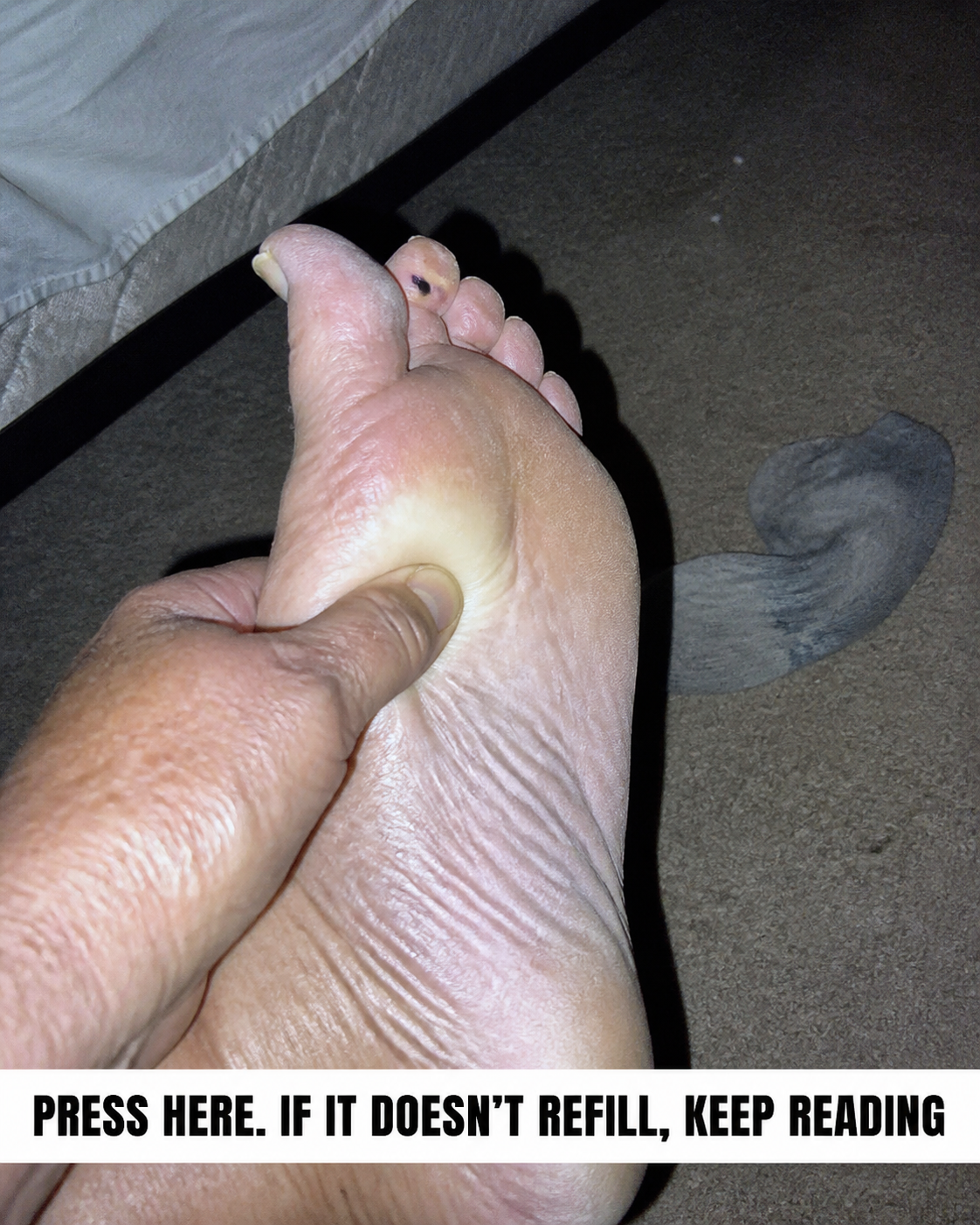
Ran for 19 days, from August 16 to September 4, 2026, the last day Crush saw it.
Run by Sarah Peekmill on Facebook. Crush is not the advertiser and does not verify its claims. See this ad in Meta's Ad Library(opens in a new tab)
Want an ad like this for your product?
Crush makes new ad images for your product from this ad: your logo, your product photo, your offer.
Trials from $19.95 USD, then $79.95 USD a month. Cancel anytime.
About this ad
- Meta Ad Library ID
- 1577329023762852
- Platforms
- Facebook, Instagram, Messenger and Threads
- Relaunches
- 6
Ad text
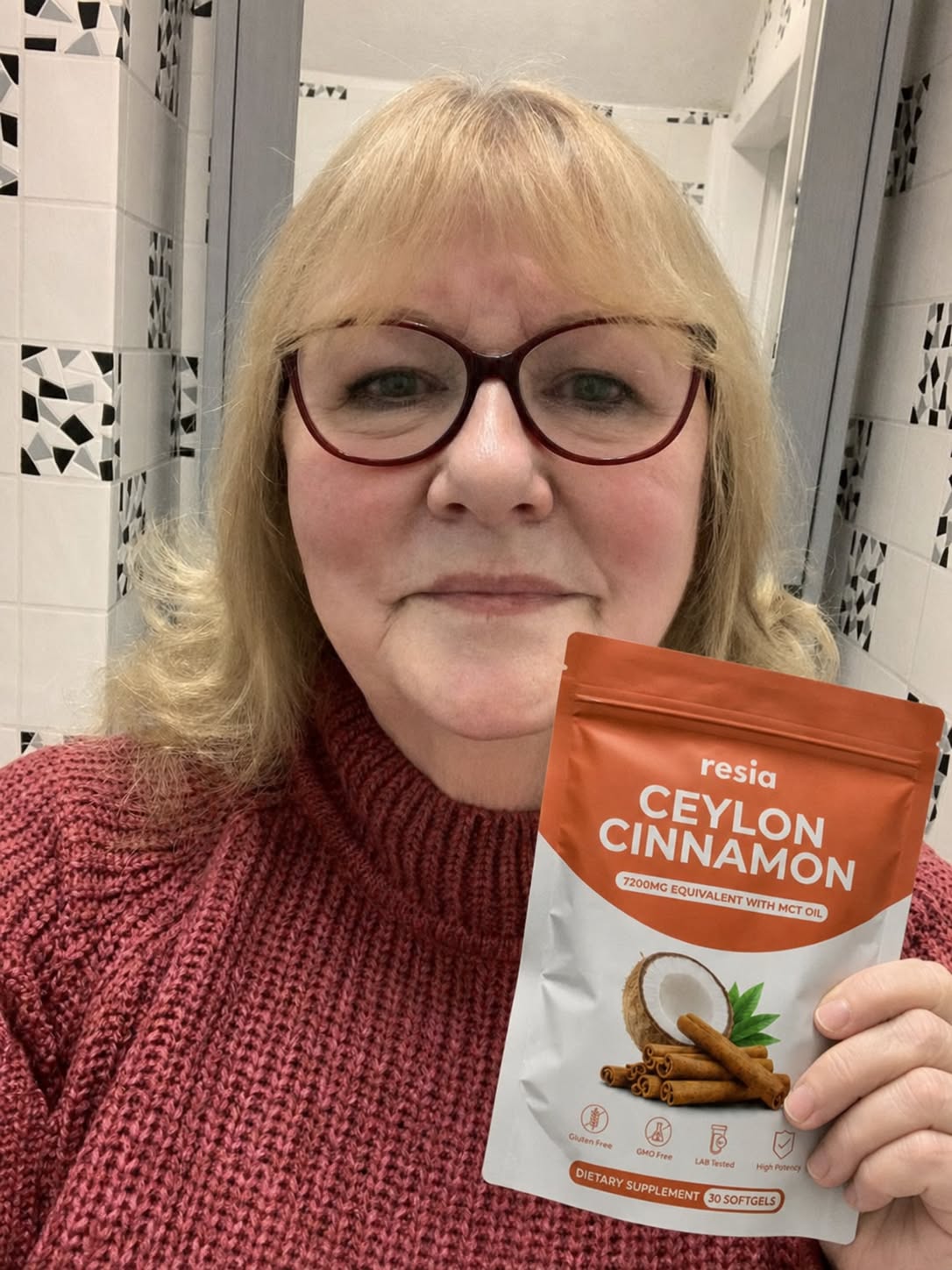
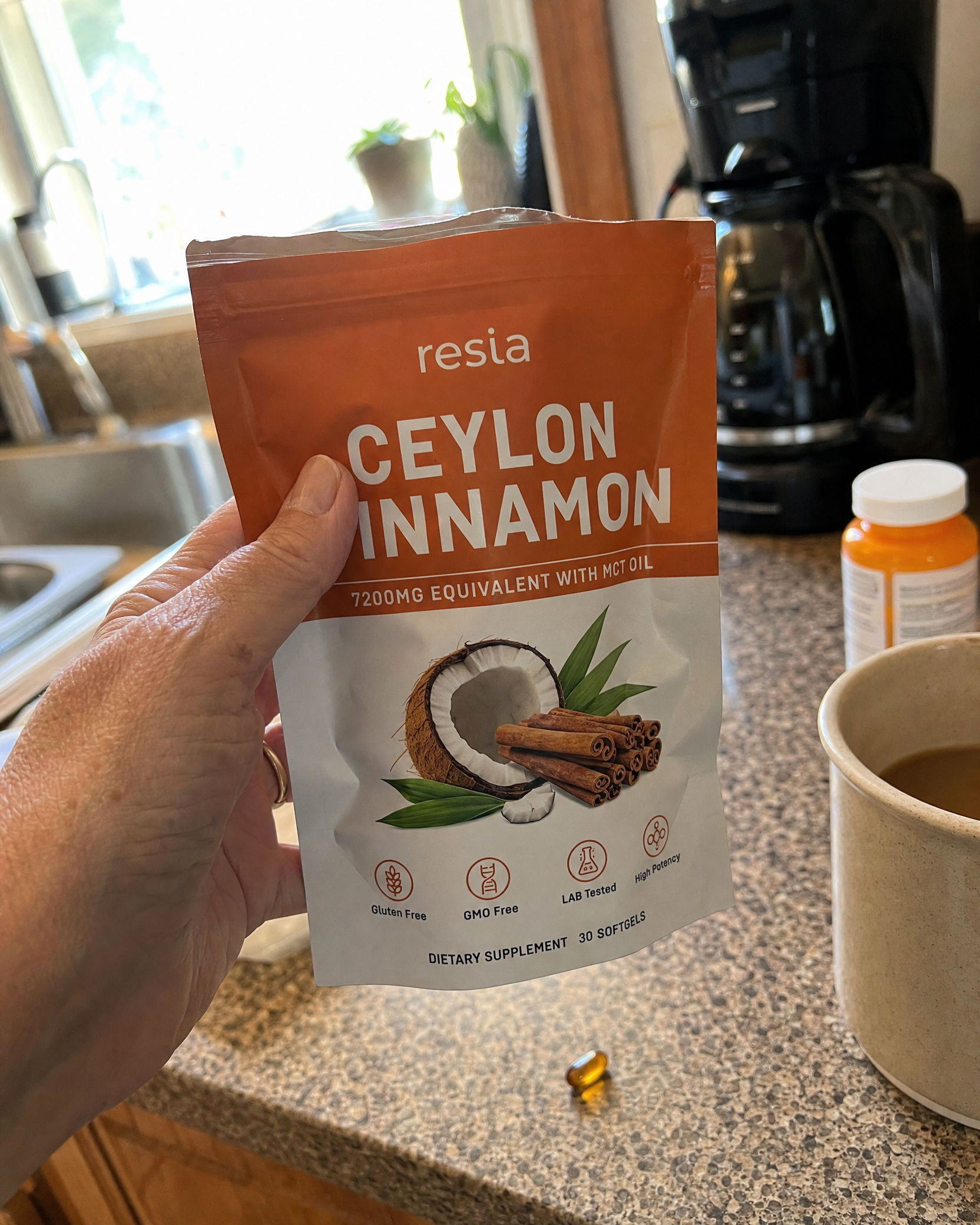
His daughter noticed the smell before he did. That is not unusual. It is close to the rule. By the time there is something to smell, the nerves that would have told him have not been working for years — so the person it is happening to is the last one in the house to find out. He had been walking on it for three weeks. Twenty-three years of podiatric surgery and that is still the sentence I hear most often, in almost exactly those words. I am a podiatric surgeon. Twenty-three years. I have removed two hundred and twelve toes, and a great many of them belonged to people who once sat in that chair and gave me the good news. Nobody loses a foot overnight. It takes about eleven years, and it is one of the most predictable sequences in medicine. I can usually tell you where somebody is on it within ninety seconds of them taking their socks off. Let me walk you through the road, because almost nobody gets told what the early stops look like. Stop one. The tingling. Pins and needles in the toes, usually at night, usually worse when you have finally lain down and there is nothing else to think about. It comes and goes. You blame your shoes. You blame standing all day at work. You blame the way you were sitting. It is not your shoes. The nerves in your feet are fed by the smallest blood vessels you have. Sugar circulating in the blood at elevated levels behaves like fine grit forced through narrow pipes under constant pressure. Those vessels are the first to narrow. The nerve fibres downstream start losing their supply. The tingling is not a nerve problem. It is a plumbing problem showing up as a nerve symptom. Stop two. The burning. Usually a year or two later. Now it wakes you. Patients tell me they sleep with their feet outside the covers, even in February, because the weight of a blanket is unbearable. Some of them have been doing this for years and have never mentioned it to a doctor, because who books an appointment about blankets. Stop three. The quiet. This is the one nobody understands, and it is the most dangerous stop on the road. The burning stops. Patients come in genuinely relieved. They tell me it got better. It did not get better — enough nerve fibres have died that the signal is no longer being sent. What feels like recovery is the loss of your alarm system. I test sensation with a monofilament, a thin nylon thread I press against the sole until it bends. If you can feel it in ten spots, your protective sensation is intact. When somebody has stopped feeling four, five, six of those spots and did not know it, that is the appointment where my tone changes. Because from here, you can injure your foot and not know. Stop four. The thing you didn't feel. A pebble that sat in a shoe all day. A blister from new boots. A too-hot bath. A splinter on a deck. On a healthy foot: you notice, you deal with it, it heals in a week. On this foot: you do not notice, and it does not heal — because the same narrowed vessels that starved the nerves are also carrying the white cells and oxygen that repair tissue. Blood is how a wound closes. If the blood cannot get down there in the volume required, the wound stays open. I have had patients walk into my clinic on an ulcer they had been walking on for three weeks. Stop five. Infection. An open wound with poor circulation and elevated blood sugar is an ideal environment for bacteria, and a poor environment for the immune system trying to fight them. Infection moves down into deeper tissue. Then bone. Osteomyelitis. Infection of the bone. Stop six. My table. Once bone is involved, antibiotics frequently cannot reach it in sufficient concentration — the same failed circulation that caused all of this also fails to deliver the drug. And so we remove the part that cannot be saved to protect the part that can. A toe. Sometimes two. Sometimes the forefoot. Sometimes more. The part I did not expect when I chose this specialty is what happens afterwards. Roughly half of the people I do this for will face a second amputation within five years, because the road that produced the first one is still running. Here is what I need you to sit with. Every single one of those two hundred and twelve people was on that road for around a decade. Every one of them had, at some point along it, a chart with a blood sugar number on it. A very large number of those charts said the same word. Managed. Managed while the vessels in their feet narrowed. Managed while the nerves went quiet. Managed while the alarm system switched off. Because your A1C measures the amount of sugar in your blood over about ninety days. It does not measure what that sugar has been doing to the capillaries in your feet for eleven years. Both statements can be true simultaneously: your number is acceptable, and your feet are eight years down a road with a known destination. So why is the sugar circulating rather than being used? Every cell in your body has doors on it — GLUT4 transporters. Insulin knocks, the doors open, glucose moves out of the blood and into the cell to be burned as fuel. That is the system working. In insulin resistance, those doors stop coming to the surface. Insulin knocks. Nothing opens. The pancreas assumes it was not loud enough and sends more insulin. Still nothing opens. So it sends more. Your cells are starving. Your blood is flooded. Both at once. And that unused, circulating glucose keeps grinding through the narrowest vessels you own — which are, as it happens, in your eyes, your kidneys and your feet. Mtformin instructs your liver to release less glucose. Your reading improves. Not one door opens. Ozmpic pulls a different lever and also opens nothing. Cutting carbohydrates reduces incoming supply and does nothing about what is already in circulation. The flood gets managed. The drain never gets opened. That is the whole disease, and almost nobody is treating it. Why has nobody told you this? The research on what reopens those doors has been published for decades. Diabetes Care. The Journal of the American College of Nutrition. The Journal of Medicinal Food. The compound comes from a plant. You cannot patent a plant. No patent, no company funding large trials. No trials, no sales representative in your doctor's office. No representative, no mention in a fifteen-minute appointment. Nothing is hidden. It simply never gets carried into the room where your numbers are being reviewed. That is not your fault, and it is not really your doctor's either. You were handed half an answer and told it was the whole one. The compound is MHCP, found in true Ceylon cinnamon. It activates those GLUT4 doors directly — it does not require the insulin signal that stopped working. The Journal of the American College of Nutrition found it roughly twenty times more effective at triggering that pathway than any other natural compound tested. Diabetes Care recorded fasting glucose reductions of 18 to 29 percent across doses. A 2012 review in the Journal of Medicinal Food pooled eight randomised trials and found meaningful reductions in fasting glucose and A1C. The same bark carries cinnamaldehyde, the compound you can smell, which supports the endothelium — the inner lining of exactly the vessels that have been narrowing in your feet. One opens the doors. The other supports what the trapped sugar damaged while they were shut. You may well have tried cinnamon and felt nothing. There are two reasons, and most people only ever hear the first. Wrong plant. The $8 bottle, and the jar in your spice rack, is Cinnamomum cassia — a different species, mostly from China and Vietnam, and not the one in any of those studies. It is also high in coumarin, which the European Food Safety Authority sets a daily limit on because of long-term liver load. Roughly 7mg for an average adult; a quarter teaspoon of cassia can exceed it. True Ceylon contains up to 250 times less. Not a weaker version of the right thing. A daily dose of the wrong thing. Wrong form. This one catches even people who buy genuine Ceylon. The active compounds are fat-soluble; your cell membranes are a double layer of fat. A dry powder in a capsule has nothing to carry it across, so most of it passes straight through. Expensive brown dust, moving through. Your cinnamon did not fail because cinnamon does not work. It failed because it was never delivered. Resia. True Ceylon — Cinnamomum verum — from Sri Lanka. A 12-to-1 concentrate at 7,200mg equivalent, which is the range in the published trials rather than the 500mg that fills the cheap bottles. Suspended in MCT oil from coconut so the fat-soluble compounds actually cross. Made in an FDA-registered facility. One softgel with breakfast. That is the protocol. Tonight, take your socks off and look at your feet properly. Both of them. Between the toes. The soles. Run a hand over them. If there is anything there you did not know about, you are further along the road than you think, and you should be in somebody's clinic this week. If there is tingling at night, you are at stop one, and stop one is the best possible place to receive this information. If the burning has recently stopped and you took that as good news — please go and get a monofilament test. This week. And whatever you find, address the thing that is actually driving it, not the number that reports on it. 90 days. Track your fasting number every morning. Note what your feet do at night. If nothing has moved, send the bags back — including the empty ones. Two hundred and twelve toes. Every one of them arrived by the same road. The road is long, it is quiet, and it is the only disease I know of where the loss of pain is the worst news you can get. — twenty-three years, podiatric surgery P.S. The tingling being intermittent is not reassurance. It is the earliest stop on the road and the only one where everything downstream is still preventable. Nobody has ever come to me at stop one. I would very much like somebody to.
Where the ad sends people
tryresia.com
I've Taken 212 Toes. Every One Started The Same Way
Everyone with tingling feet needs to read this ☝️
See details: tryresia.com(opens in a new tab)