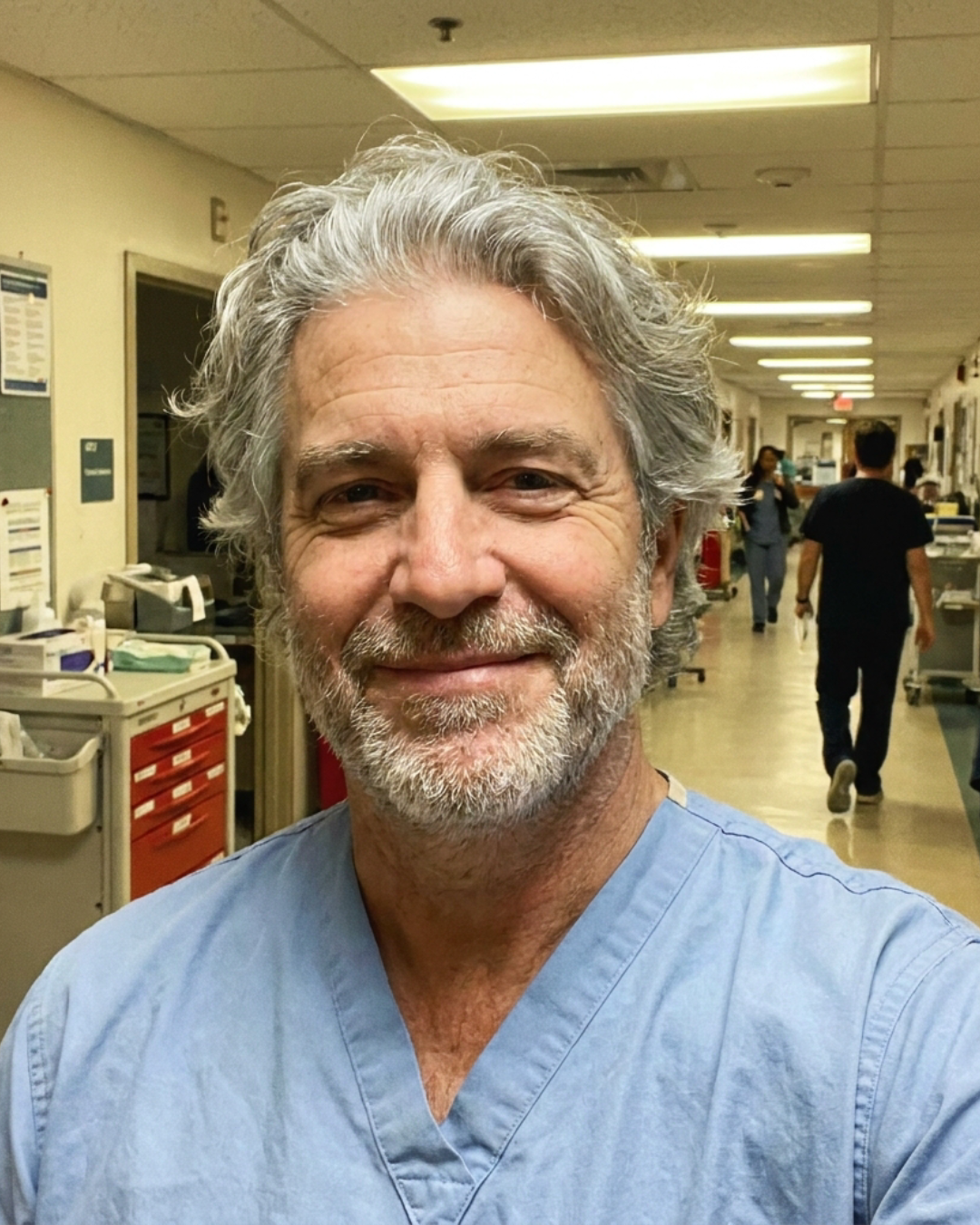
Albert H. Benton
 Facebook ad: “The Real Reason Your Legs Give Out When You Walk”

Running for 41 days since October 10, 2026. Crush last saw it on November 20, 2026.
Run by Albert H. Benton on Facebook. Crush is not the advertiser and does not verify its claims. See this ad in Meta's Ad Library(opens in a new tab)
Make your own version of this ad
Crush makes it, launches it in your own Meta ad account, scales the winners and pauses the losers.
About this ad
- Meta Ad Library ID
- 1579095823399083
- Platforms
- Facebook, Instagram and Threads
- Relaunches
- 2
- Niche
- Food & Beverage
Ad text
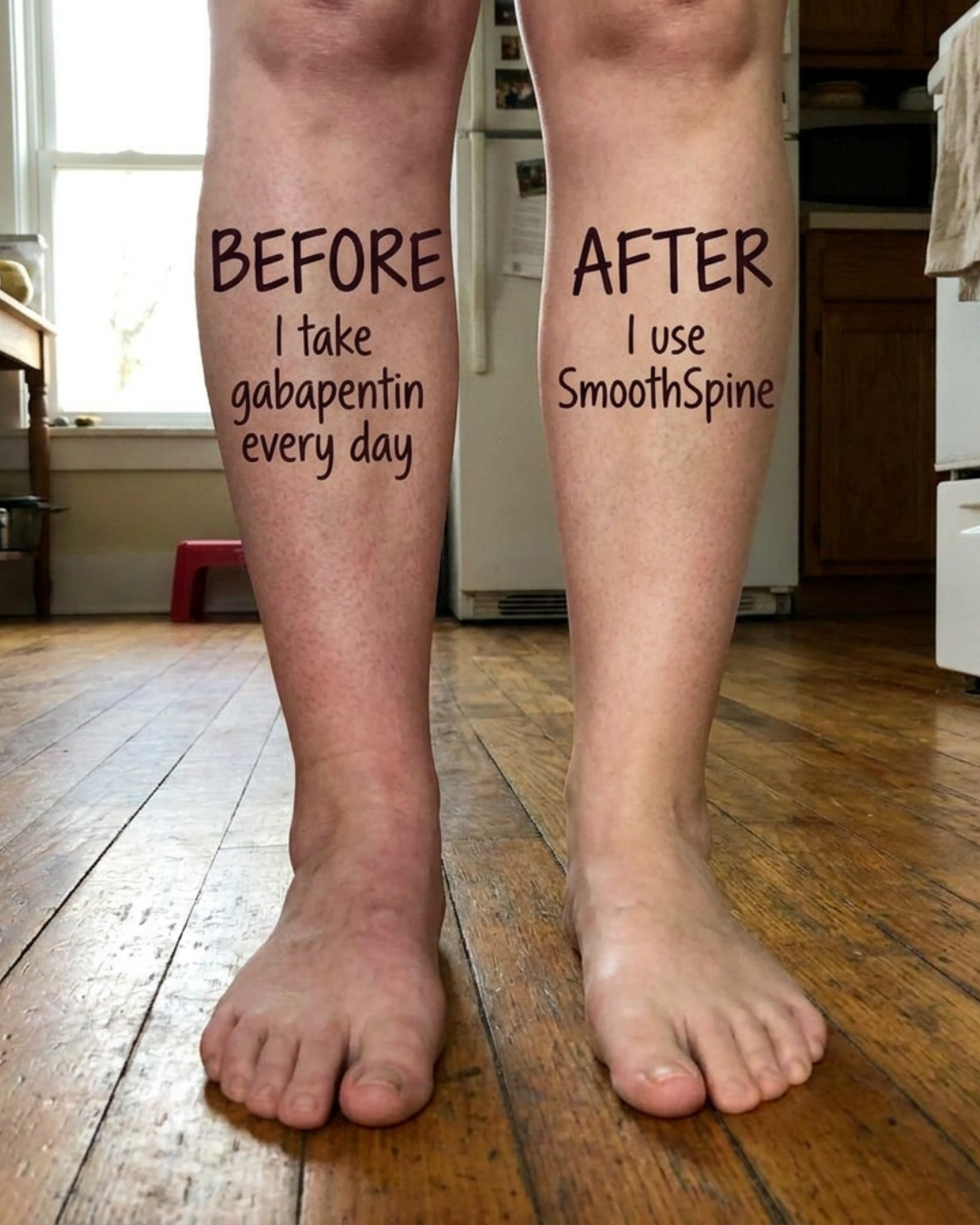
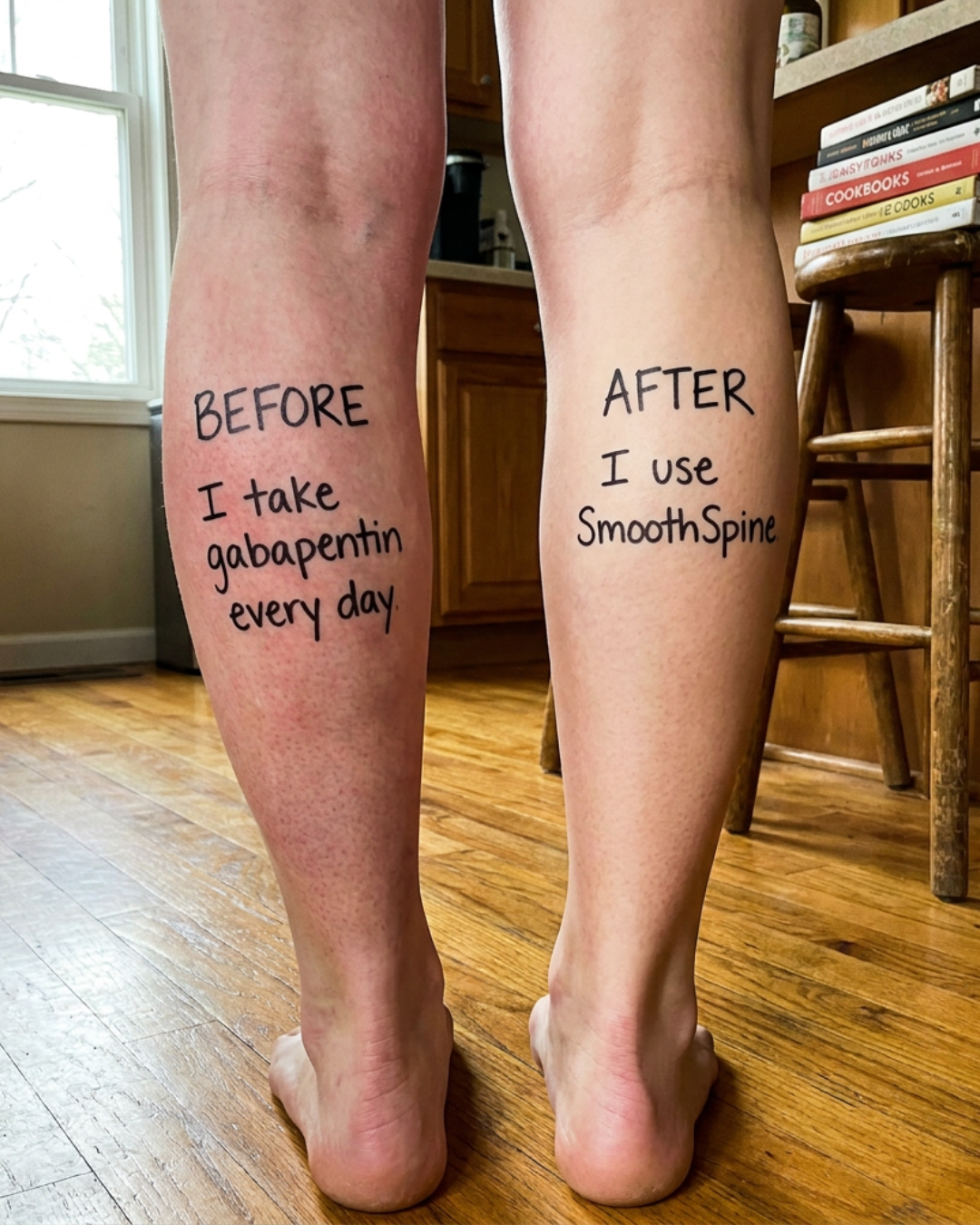
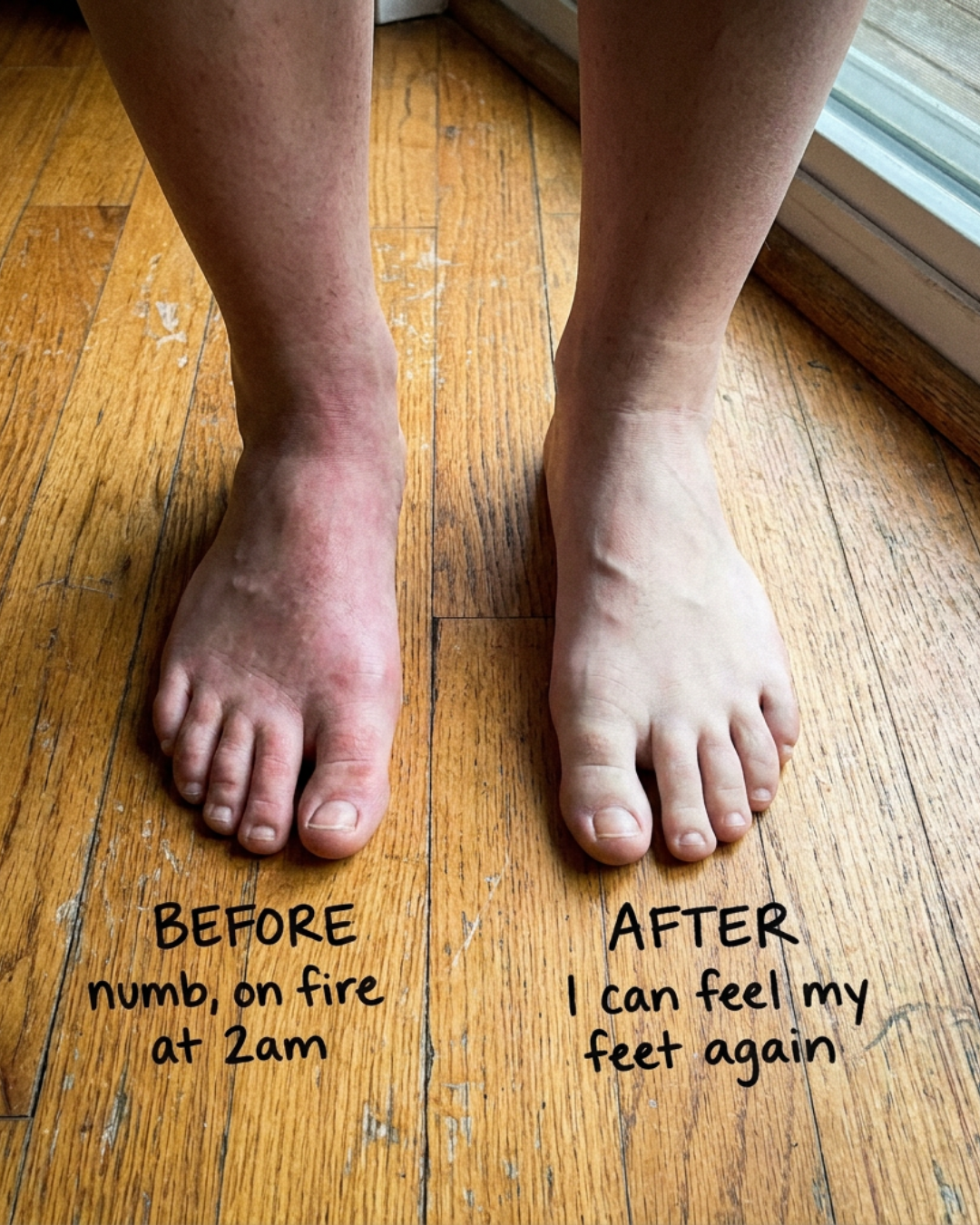
I treated spinal stenosis in Germany for 20 years without sending a single patient in for a laminectomy. When I moved to America, I couldn't believe what surgeons here were telling their patients. I've been a spine specialist for 23 years. The first 21, I practiced in Germany. I moved to the United States a little over two years ago, when my wife's hospital recruited her to North Carolina. I joined a good practice here. Good doctors. Good people. And in my first three months, I saw something that kept me up at night. Men and women in their 60s and 70s who could no longer walk to the end of their own street. Who had to stop and lean on something every 100 feet until the burning in their legs let go. Who had started planning their errands around where the benches were. Every one of them said the same thing. "My doctor says the canal is narrowing. When it gets bad enough, we'll operate." In Germany, we do not wait for it to get bad enough. We find what is closing the canal, and we open it back up. Because by the time someone is being scheduled for a laminectomy, something has already been missed. And no surgeon can give you back a disc that was allowed to collapse for 15 years. He can only cut away the bone that ended up in the way. Here's what your doctor probably hasn't told you about what spinal stenosis actually is. Your spinal canal did not narrow because your bones grew. Bone does not close in on a nerve on its own. It narrowed because the discs between your vertebrae lost their height. Those discs are cushions full of fluid. Year after year, they dry out. They flatten. And as they flatten, the bones above and below settle down closer together. The canal your nerves run through gets shorter and tighter. The small openings where the nerves exit begin to close. Millimeter by millimeter, the room your nerves need disappears. Not because the bone attacked them. Because the cushion between the bones gave up. And here is the part that always surprises my American patients. You already know how to open that canal. You do it every day, and nobody ever told you why it works. When you lean forward over a shopping cart, the pain eases. When you sit down, it eases. Walking uphill is easier than walking down. That is not a coincidence and it is not in your head. Bending forward opens the back of the canal and gives the nerve room. Standing upright closes it again. We call it the shopping cart sign. It is one of the clearest signs in all of spine medicine. And almost nobody in America has it explained to them. Which raises the obvious question. If leaning forward gives the nerve room, and room is the thing you are missing, then the goal was never to cut bone away. The goal is to get the height back between those bones. A canal that closed because the discs flattened can open again when those discs regain height. I want to be honest about laminectomy and fusion. Because most of my American patients had already been offered one. Surgery works on the bone. The surgeon shaves away part of the roof of the canal to make room. For some people that buys real relief, and I have referred patients for it when it was right. What it does not do is restore the disc that collapsed and started all of it. So the vertebrae keep settling. The level above or below takes the load. And a few years later a great many of those patients are sitting in the same chair being offered a second operation. Cutting a wider doorway into a house that is still sinking is not a repair. The doorway is bigger for a while. The house is still sinking. I have seen patients who came to me after 2 and 3 operations. Every one of them done correctly. And every year, the distance they could walk had gotten shorter. Because nothing had ever changed about why the canal closed in the first place. As one of them told me, they kept making more room and my legs kept getting worse. This is what nobody tells you about where stenosis leads if the cause goes unaddressed. It does not stay a bad back. It becomes a distance. And the distance keeps shrinking. First it is the far end of the grocery store. Then it is the whole store. Then it is the walk from the car to the front door. You stop going to the things where you might have to stand. You stop offering to carry anything. You start saying you're fine right here when someone asks if you want to come along. And legs that give out without warning do not give you time to catch yourself. A fall at 70 can mean a broken hip, and a broken hip can end a life of independence in a single afternoon. I have had that conversation more times than I should have. With people who did everything their doctor asked. Who waited patiently for years to be bad enough to qualify. And who lost their walking, their balance and their freedom while they waited, because the cause kept advancing underneath, untouched. When I arrived in the US, I assumed this research had simply crossed the ocean already. In Germany, spine specialists had been restoring disc height in these patients for over a decade. The work grew out of German rehabilitation medicine, from specialists asking why two patients with nearly identical scans could end up with completely different lives. What they found was that the ones who kept their walking were the ones whose discs regained height. Not the ones with the cleanest operation. It was never only a bone problem. It was a height problem. A spinal rehabilitation institute in Germany followed 540 patients with lumbar stenosis over 14 weeks. Two groups. Same guidance. One group also spent 15 minutes a day taking the pressure off the canal at home. At 12 weeks, the first group could walk no further than the day they started. In the second group, 91% had measurable improvement in their symptoms. And 46% doubled the distance they could cover before their legs forced them to stop. Independent of age. Independent of how narrow the canal looked on the scan. It came down to the height. Since then, more than 21,500 people have used the at-home version of this. 91% reported significant relief within the first weeks. 87% reduced or eliminated their pain medication. 74% avoided a surgery they'd been told they needed. I want to tell you about one patient, because her results are what I see when someone finally treats the right problem. She was 68. Four years of legs that would not carry her past her own mailbox. Two surgeons. Both told her the canal was too narrow to fix any other way, and put her on the list. She almost didn't try. Four years of doing everything she was told had taught her not to hope. She said 15 minutes a day could not undo what four years of waiting hadn't. I explained it simply. The operation was going to make room by taking bone away. It was never designed to give her back the height she lost. Her canal was not narrow because of what the bone did. It was narrow because the cushions between the bones had flattened, and no one had looked at it that way. She agreed to try. Week 2: she walked to the end of her street and back without stopping once. First time in over a year. Week 3: she slept a full night without the ache in her legs waking her. Week 6: she did the whole grocery store, both sides, standing upright, without hanging off the cart. She sat in her car in the parking lot afterwards and could not explain to her husband why she was crying. Week 12: she called the surgeon's office and asked to be taken off the list. She had not taken a pain pill in three weeks. She had simply stopped needing one. Her husband told me quietly that he felt he had gotten his wife back. He had lost his walking partner to this too. Most spouses do, and no one ever asks how they are. In Germany, this is where we begin. Not with a date on a surgical calendar. With the height itself. I share this because I spent two years quietly frustrated by what I saw here. People who came to me after years of being told to wait until it was bad enough to operate, while the distance they could walk got shorter every season. People who felt like they were failing. Like their own body was betraying them despite everything they did right. They were not failing. The protocol was failing them. American spine training is built around the operation. A surgeon is trained to correct what he can see on the scan, and what he can see is bone. Restoring disc height is a rehabilitation question, and rehabilitation sits in a different department here. Most surgeons graduated before this research was published. They practice what they were taught. That is not a criticism. It is just where the knowledge gap sits. But the research exists. And you do not have to wait for your doctor to find it. If you have been told your canal is narrowing and there is nothing to do but wait. If you lean on the cart to get through the store. If you have started measuring your life in how far it is to the next place you can sit down. The answer is not a date on a surgical calendar. It is to give those discs their height back, and give the nerve the one thing it has been missing. Room. I'll leave a link below to the article that explains all of it, and the device I recommend to my own patients. I have no financial relationship with the company that makes it. I recommend it because the mechanism is sound, the research supports it, and I have watched it work in people who had already been given a surgery date. You've spent years being told to wait until it's bad enough. It's time to treat what's actually closing. https://try.smoothspine.com/tfbm-coc-adv2-ss
Where the ad sends people
try.smoothspine.com
👆 The Real Reason Your Legs Give Out When You Walk
That line is 60% spinal canal narrowing . Once your spinal canal narrows by more than 60%, permanent nerve compression sets in. For life.
Learn more: try.smoothspine.com(opens in a new tab)