
Inactive· since Mar 22, 2026
- 19
- days it ran
- 5
- relaunches
Ad copy
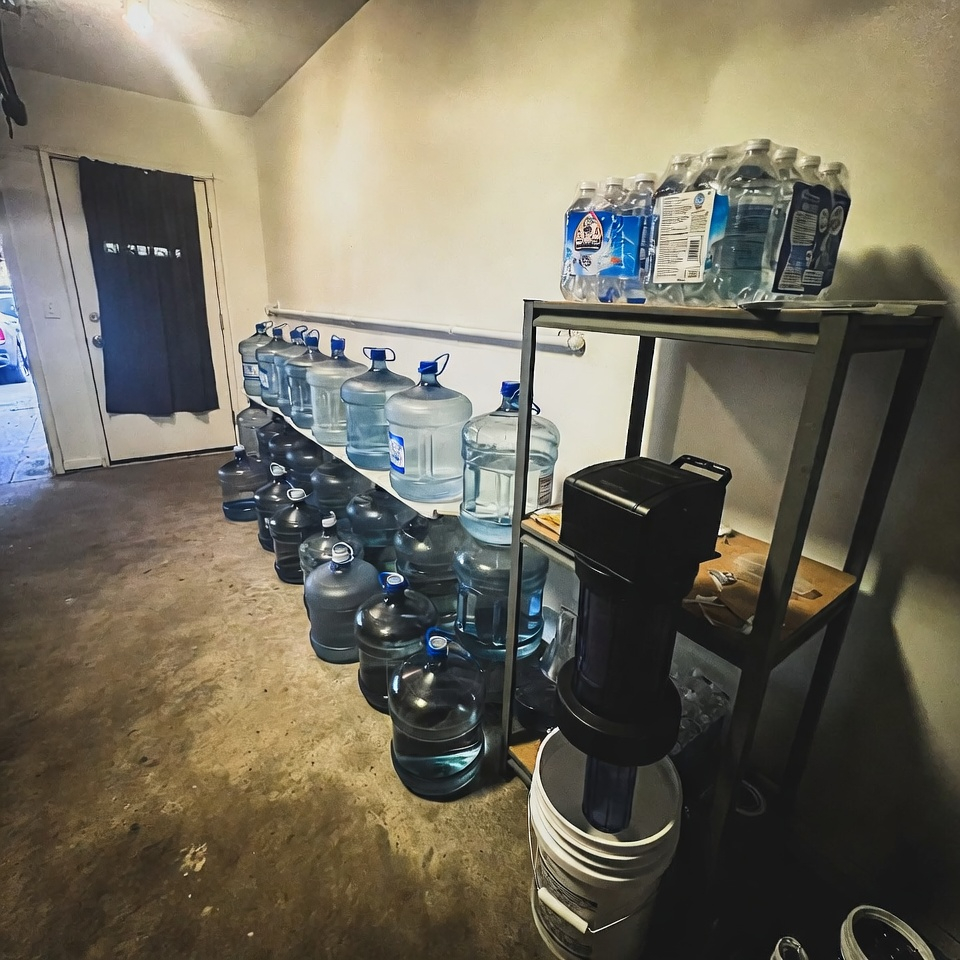
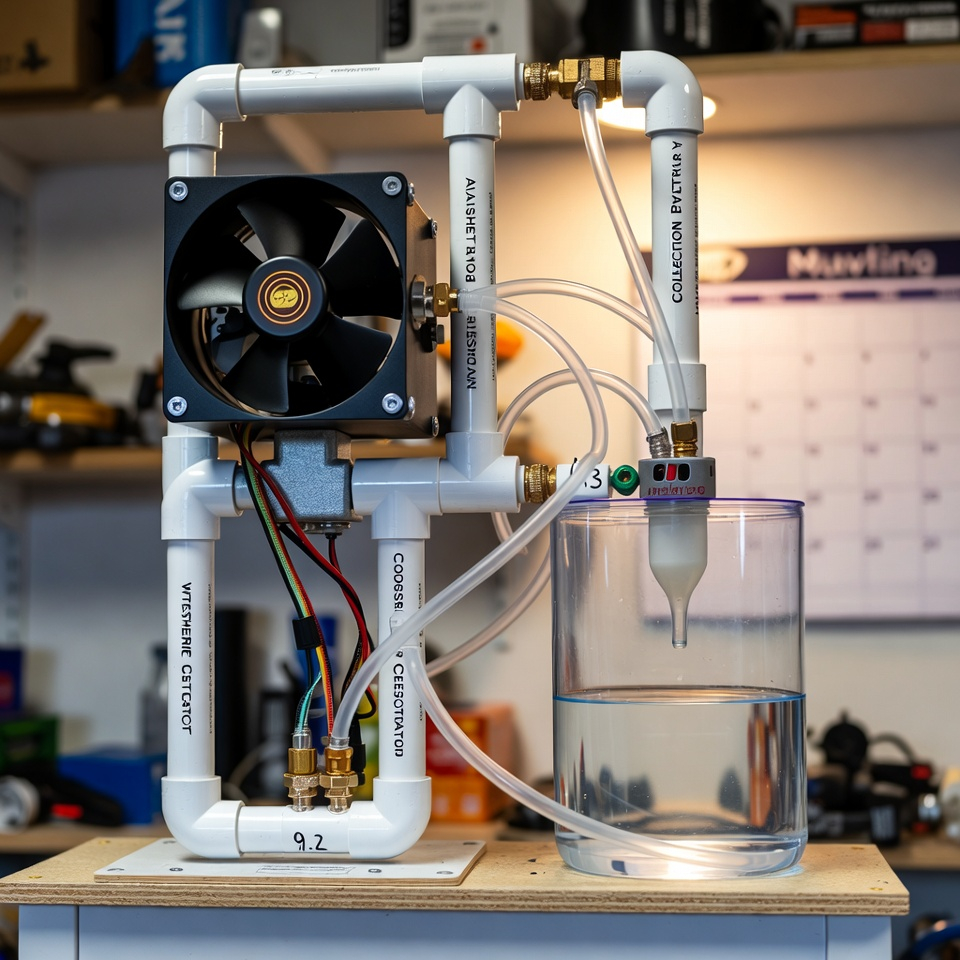
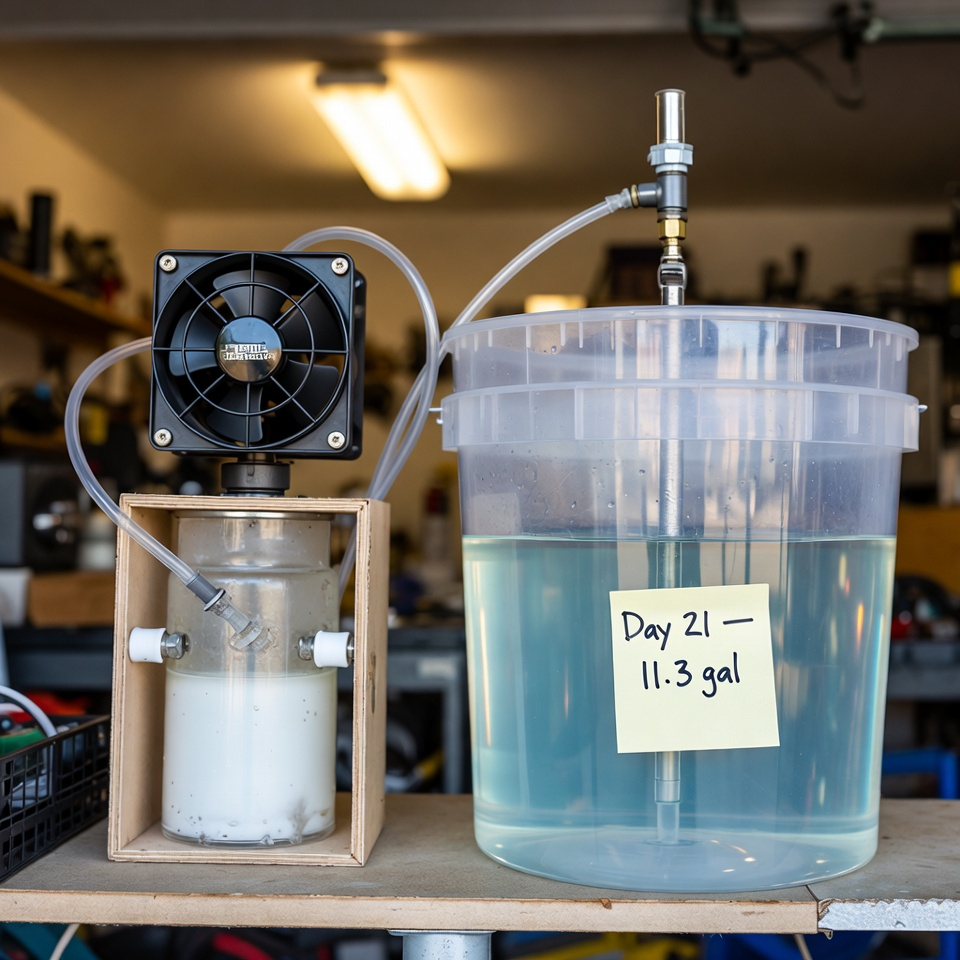
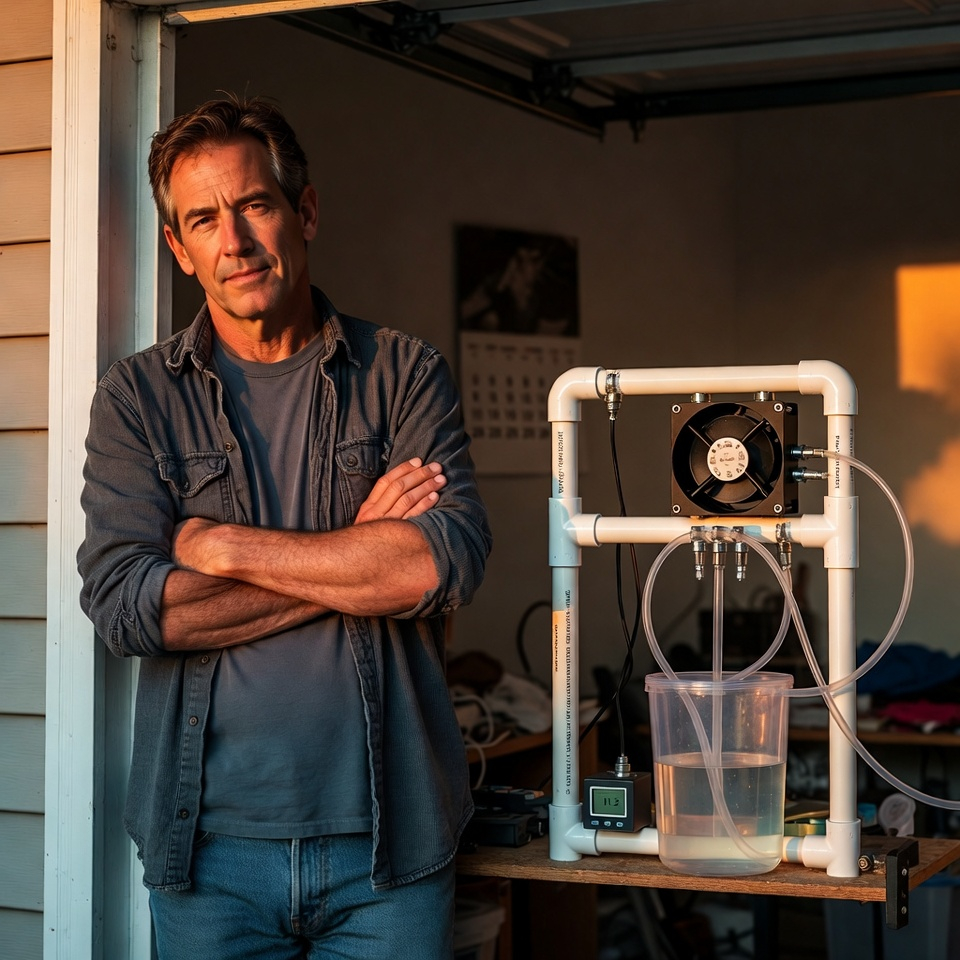
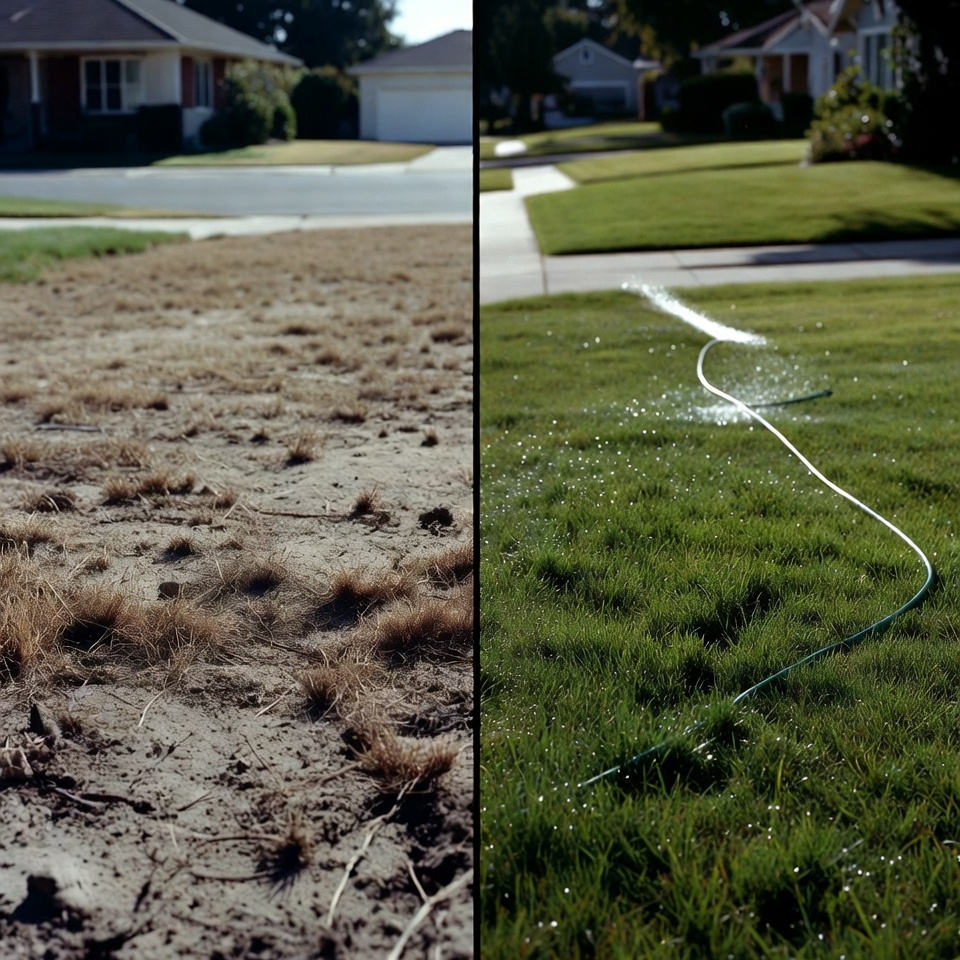
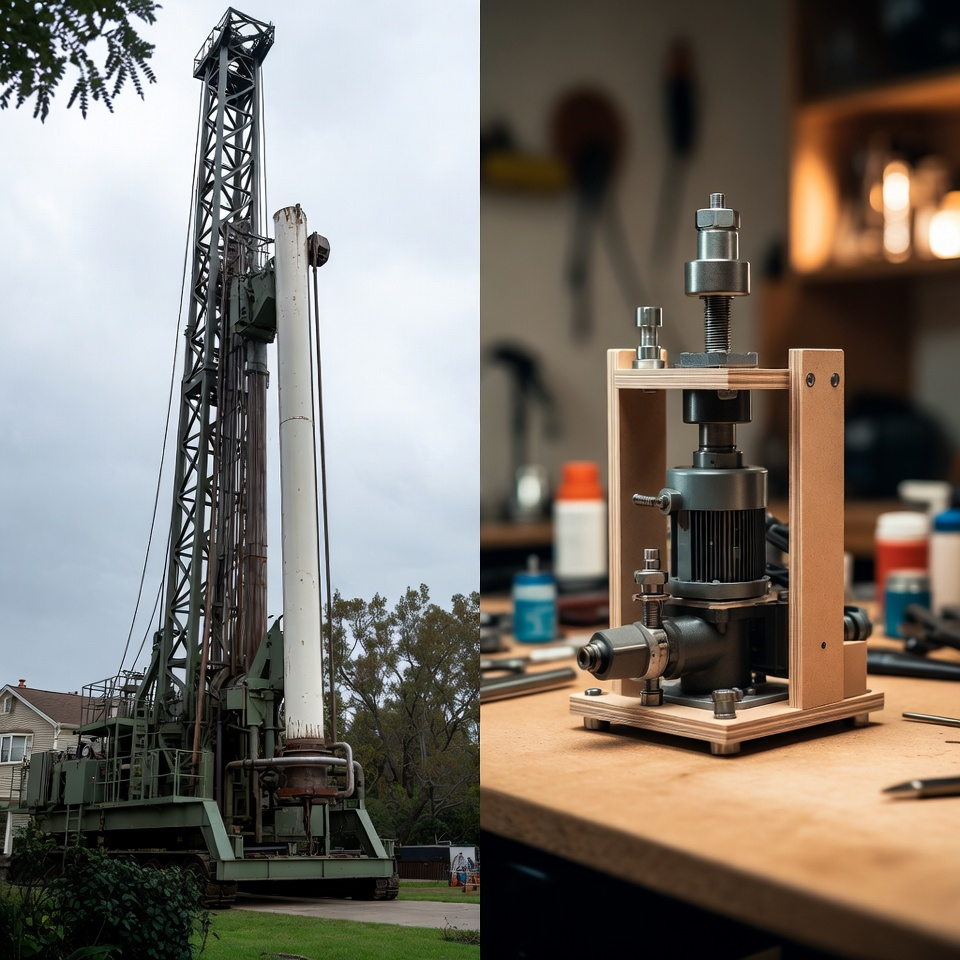
My daughter asked me last week what we'd do if the water stopped. I said "we'd be fine." She went back to her homework. I went to the kitchen and stood there for a long time. Because I didn't know if that was true. I'm 52. I've been the steady one my whole adult life — the guy who fixes things, the guy my wife calls first, the guy my kids assume has a plan for everything. I've managed crews of 30 people. I've kept a household running through layoffs and medical bills and the kind of slow disasters that don't make the news. I have never once told my family something was handled when it wasn't. Except for water. For two years, I told them we'd be fine. And for two years, I had nothing to back it up. It started after the fires came through our county. I watched the news coverage — hydrants running dry, families standing in the street, aerial footage of neighborhoods turned to ash — and I did what any responsible father does. I went online and started researching. Emergency water storage. Off-grid water solutions. Water independence. Every term I could think of. And I hit a wall every single time. Bottled water first. I bought a few cases, stacked them in the garage, told myself it was a start. Then I read that most of it is just filtered municipal tap run through an extra stage — same microplastics, different label. I looked up rainwater catchment systems. California restricts how much you can legally collect, and the water that does come off your roof travels through shingles, mold, and bird droppings on the way down. I called a well-drilling company. Got a quote for fourteen thousand dollars minimum, for a site that might not even hit a working aquifer — and a water rights law that means the state can restrict your use even after you've drilled it yourself. Every door opened onto the same hallway. Dead end, or someone else's permission slip. I remember the specific moment it got inside me. My neighbor — good guy, less organized than me if I'm being honest — mentioned in passing that he'd just had a water storage system installed. Said it like he was talking about a new deck. "Just figured it was smart." I nodded and said "yeah, definitely." Then I sat in my truck in the driveway for five minutes and stared at the steering wheel. I was supposed to be the one who handled things like this. So I did what most men do when they've exhausted every option and come up empty. I stopped looking. I let the cases of bottled water collect dust in the corner of the garage. When the drought came up in conversation, I'd say something vague about looking into it. When my daughter asked her questions, I answered with a steadiness I was performing, not feeling. I knew every time I did it. I just didn't have anything better to offer. You want to know what two years of quietly failing at this one thing actually costs? I can tell you. About $300 in water I rotated and felt stupid about. Six or seven hours of research that ended in dead ends. One well quote I never called back on. Dozens of conversations I steered away from the subject. And the slow, specific erosion of something I'd spent my whole life building — the feeling that my family was in good hands. I finally made my peace with it. Told myself that some problems don't have affordable solutions, and water security for a regular family in California was one of them. I wasn't going to drill a well. I wasn't going to build a rainwater system that was technically illegal. I was going to keep the bottles in the garage and not think about it. I thought that was the end of it. I was up later than I should have been, watching a breakdown video about the LA fire response — the kind of deep-dive that explains what actually went wrong with the water infrastructure, not just the headlines. In the comments, buried under a hundred replies, someone had dropped a link with a short note: "This is why I stopped relying on the grid for water entirely." I almost kept scrolling. I'd been down enough rabbit holes by then to know what usually waited at the end. A $600 storage tank. A water filter subscription. Some multilevel marketing pitch wrapped in prepper language. But it was late. I was tired. And something about the way it was written — matter-of-fact, no urgency, like the person wasn't trying to sell anything — made me click. What I found wasn't a product. It was a concept I'd genuinely never considered. The idea was this: air holds water. It always does. Even on the driest day you've ever felt, the air around you contains water vapor. It's the same physics that creates morning dew on your windshield, fogs up your bathroom mirror after a shower, makes a glass of ice water sweat on a summer afternoon. That vapor can be extracted. Collected. Turned into clean drinking water. No pipes. No well. No rain required. My first reaction was that it sounded like something for a submarine or a space station. Not a garage in Bakersfield. My second reaction, once I kept reading, was that it was in fact developed for submarines. And adapted for space stations. That the military had been using this condensation principle in field environments for decades — and that somewhere between the engineering labs and the civilian market, the plans for a home-scale version of this device had been quietly buried. I couldn't find anything wrong with the underlying logic. Air contains water. Condensation is real and observable. The physics wasn't in question. The only question was whether someone had decoded this into something a regular person could actually build — not a commercial unit costing fifteen thousand dollars, but something you could assemble over a weekend with parts from a hardware store. There was a set of blueprints that claimed to be exactly that. Simplified military schematics, rewritten in plain language. A full parts list under $110. They called it the Atmospheric Condensation Blueprint. I figured I had run out of reasons to say no. Day one, I printed the instructions and laid them out on the kitchen table. Simpler than I expected — which either meant it was elegant or I was missing something. I drove to the hardware store, spent $73, came home and started building. I hit a wall about halfway through. One of the components wasn't behaving the way the diagram suggested and I spent 45 minutes convinced I'd done something wrong. I almost packed everything back into the bag. Told myself this was exactly the kind of thing I'd expected — looked good on paper, fell apart in practice. I went back to the instructions. Reread the section slowly. Found the step I'd misread. Fixed it. Felt like an idiot for about twenty seconds and then kept going. Nothing happened that first day. The unit was running. I didn't see results. I went to bed unsure. Day three, I checked the reservoir before work. There was water in it. Maybe a cup and a half. Clean, no smell, no taste. I stood there looking at it longer than I needed to. End of week two, my wife noticed the unit in the corner of the garage and asked what it was. I showed her, explained the basic idea. She looked at it for a moment and said something I hadn't expected: "So we don't need to worry about the water thing anymore?" I hadn't said that. But she'd arrived there on her own. By week three I was pulling eight to twelve gallons a day depending on conditions. Not the maximum the system can produce — that number requires better humidity than we consistently get. But eight to twelve gallons a day, every day, from a device in my garage that doesn't require a pipe or a permit or a monthly bill. That's real. That's more than enough for the emergency I'd been quietly carrying for two years. About six weeks after I built the unit, I was watching the news with my daughter. Another fire story. Another report on reservoir levels dropping in the Central Valley. She turned to me with that same question she'd asked before — "Dad, what would we do if the water stopped?" This time I told her exactly what we'd do. Step by step. Walked her to the garage and showed her the unit. Showed her the reservoir. Showed her how clean the water was. She went back to watching her show. Completely normal about it. I sat there for a minute after and realized something had changed. Not the answer — the way I heard the question. There was no tightening in my chest. No performance. I'd just answered her. The thing I'd been managing and deflecting and quietly ashamed of for two years was just a question now, with a real answer behind it. For two years I kept looking down for the solution — at the ground, at the rain clouds, at the pipes in the walls. It was never down there. It was always above my head. I just didn't know how to reach it until someone handed me the blueprints. I can't walk you through the full blueprint here. There are a few steps — the configuration that maximizes output in lower-humidity environments, the storage and purification process that makes the water safe for long-term use, and one adjustment I made in week two that nearly doubled my collection rate — that only make sense when you see them laid out properly. There's a short presentation that covers exactly how the Atmospheric Condensation Blueprint works, why it produces clean water when every conventional option hit a dead end, and how to build your own system for under $110 using parts you can find locally. I don't know how long they're keeping it up. This kind of information has a way of attracting attention from people who'd rather it stayed hard to find. If any part of what I wrote sounds like something that's been living in the back of your own head — the same walls, the same delayed excuses, the same quiet feeling you're not quite as prepared as you've been telling yourself — it's probably worth 12 minutes of your time. The link is below. Watch it while it's still up.
How I Finally Solved My Family's Water Problem in One Weekend Using a Forgotten Military Blueprint — Without a Well, a Tank, or a Single Permit
Your answers point to a specific vulnerability pattern we see consistently: a household that's aware of the problem, has looked for solutions, and hasn't found one that actually removes the dependency.
LEARN MORELike this ad? Make it yours.
Crush rebuilds this exact creative around your product — your brand, your colors, your offer — in about a minute.