Uproot Clean
Uproot Clean Facebook ad: “Vacuumed Every Day. My Carpet Was Never Clean”
Ran for 3 days, from April 28 to May 1, 2026, the last day Crush saw it.
Run by Uproot Clean on Facebook. Crush is not the advertiser and does not verify its claims. See this ad in Meta's Ad Library(opens in a new tab)
Want an ad like this for your product?
Crush makes new ad images for your product from this ad: your logo, your product photo, your offer.
Trials from $19.95 USD, then $79.95 USD a month. Cancel anytime.
About this ad
- Meta Ad Library ID
- 1585537205853862
- Platforms
- Facebook, Instagram, Messenger and Threads
- Relaunches
- 1
- Niche
- Pets
Ad text
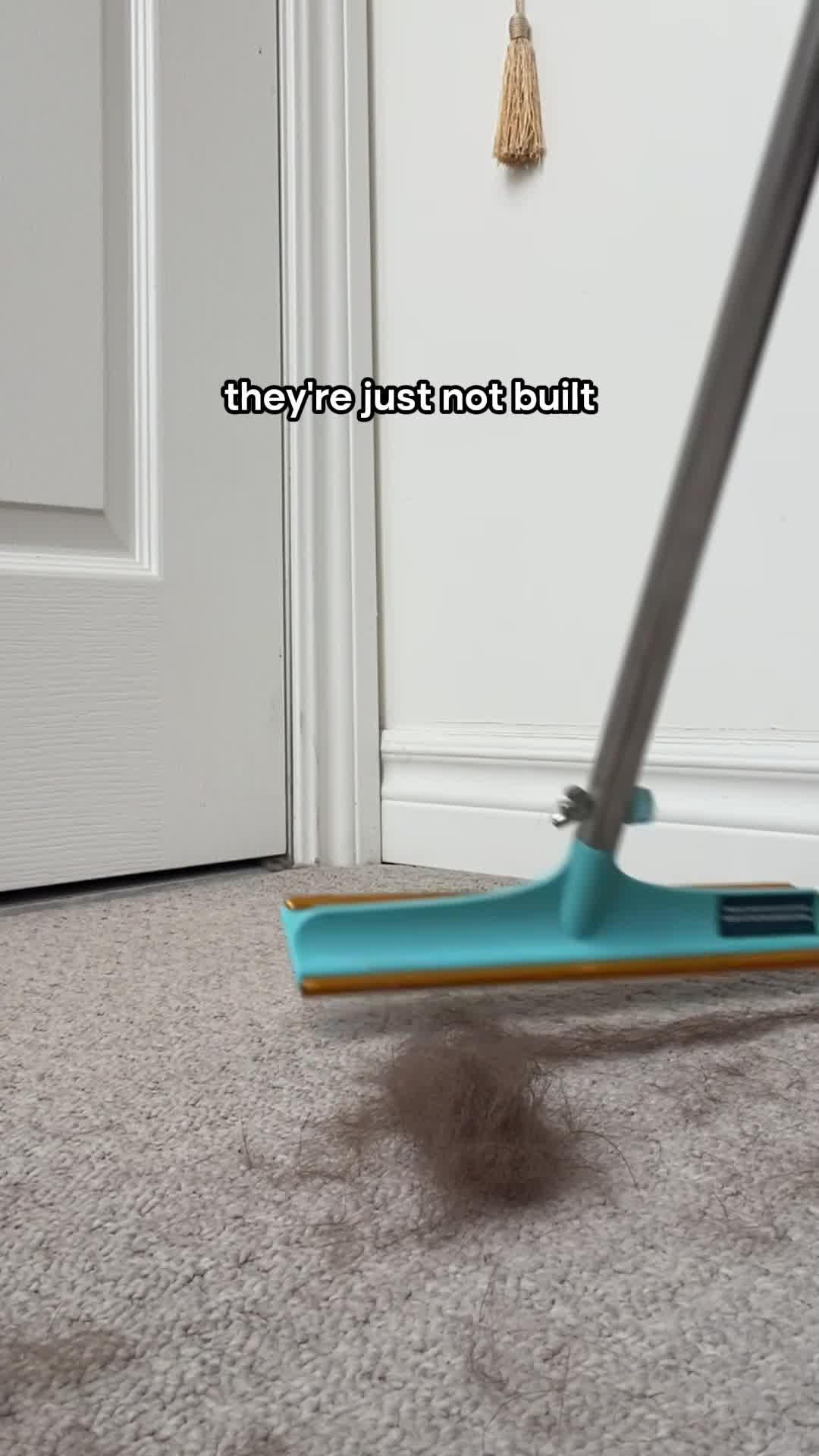
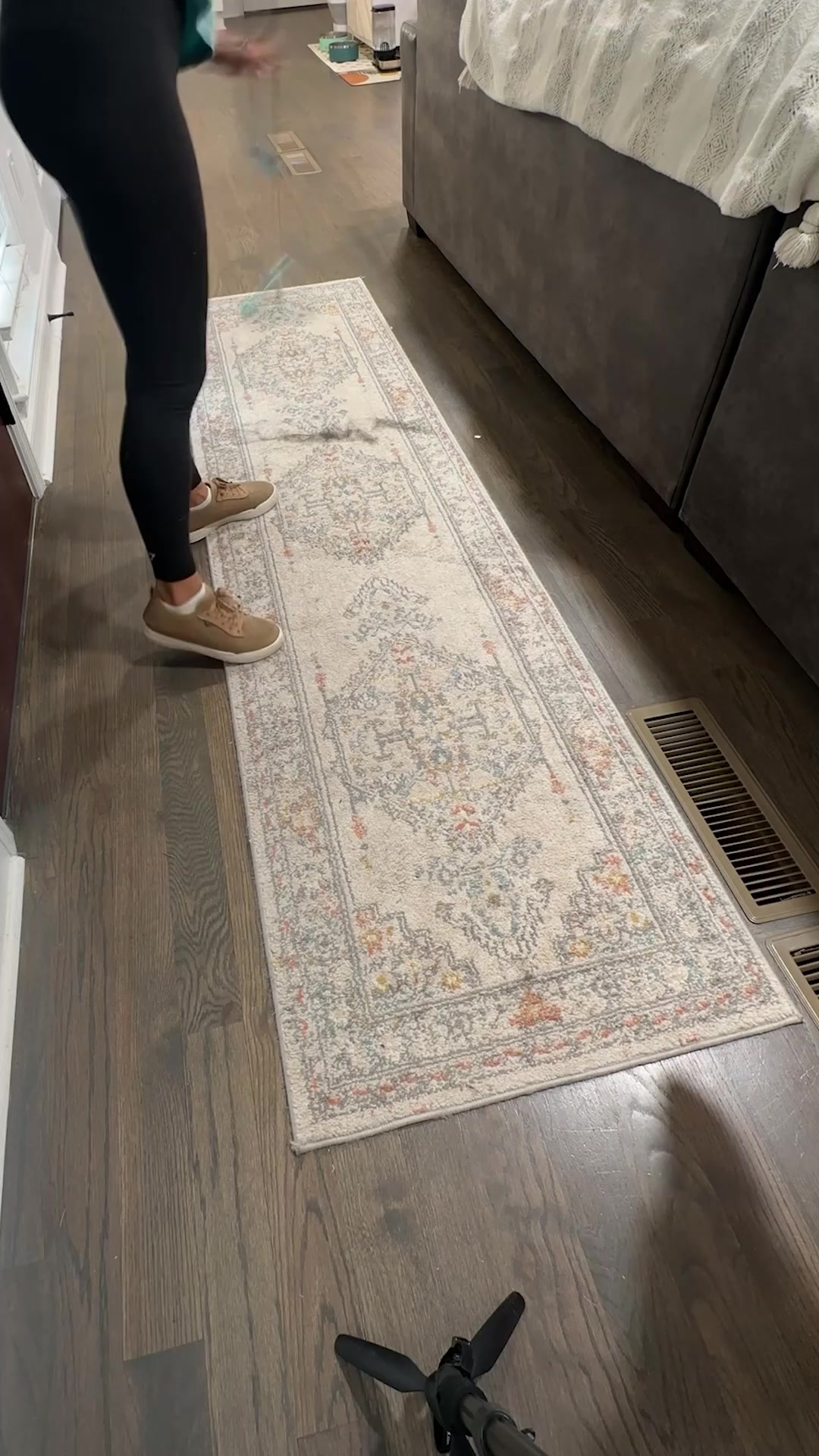
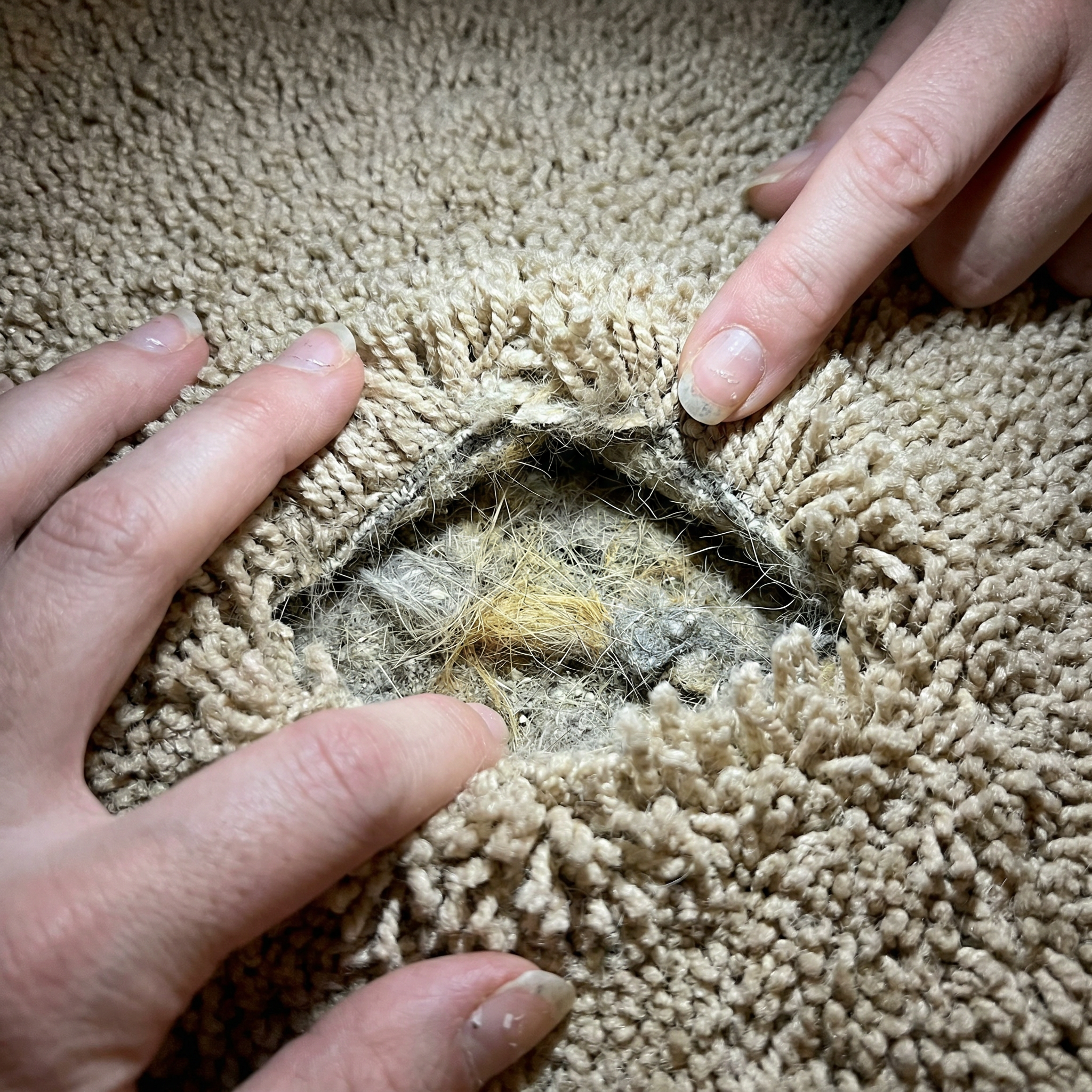
I would never give up my dog. That's a non-negotiable. But last month, something happened that made me consider it, and it's the worst I've felt as a mom. My 14-month-old daughter caught a respiratory infection that kept her sick for seven days. Fever that wouldn't break, congestion so thick she couldn't breathe through her nose, and a cough that woke her up every two hours. On the fourth night, sitting on the floor next to her crib at 2 AM, I started Googling things no mother wants to type at that hour. What I found led me to the carpet she'd been crawling on every single day - and the three years of embedded pet hair my $389 Dyson never touched My name is Rachel, I'm 34, and I have a three-year-old golden retriever named Bear who is genuinely the love of our family's life. He sleeps at the foot of our bed, he follows my daughter Lily around the house like her personal bodyguard, and I would never, ever consider giving him up. I need to say that upfront because what I'm about to share has nothing to do with the dog being a problem. Bear is family. Lily, my daughter, is 14 months old. And last month, she caught a respiratory infection that kept her sick for seven days. Fever that wouldn't break, congestion so thick she couldn't breathe through her nose, and a cough that woke her up every two hours. I took her to the pediatrician twice. They kept calling it a respiratory infection and telling me it would pass. The problem is that I didn't know what was building up under our carpet for months, while I thought I was doing everything right. Before the infection, Lily had this persistent little cough for a few months, and her nose was constantly stuffy. I kept calling it seasonal allergies because that's what made sense to me, and I'd wipe her nose and move on. I had no idea it was all building toward something worse. But on the fourth night of her infection, I was sitting on the floor next to her crib at 2 AM while she wheezed through another coughing fit, and I watched her roll toward the carpet and press her face right into the fibers. And I just sat there thinking, what is in this carpet? That night, I started Googling things like "can carpet make a baby sick" and "pet hair allergies toddler," and what I found completely changed the way I understood our home. And suddenly Lily's seven-day infection made sense. She wasn't just unlucky. She'd been crawling through the source of it every single day. Embedded pet hair doesn't just sit there looking ugly. It becomes this invisible layered ecosystem of pet dander, which are these microscopic skin flakes that trigger immune responses, mold spores that actually thrive in moist hair-packed carpet layers, bacteria that can build up to several times more than what's on a toilet seat, dust mite waste because the mites feed on the dander trapped in the fibers, and dried saliva and urine residue that gets woven into the carpet over time. I read that on the American Lung Association's own website - I felt sick. I also read, in the American Lung Association, that vacuuming can launch these embedded pollutants into the air. So every single morning, when I ran my Dyson across that living room carpet thinking I was making it safer for Lily, I was stirring up the allergens hiding in the fibers and sending them airborne, right into the air she breathes while crawling with her face three inches from the carpet. The embedded source underneath was never touched. I spent $389 on that vacuum because the box said: "engineered for homes with pets." I found out that pet hair has these barbed, scaled shafts that interlock horizontally with carpet fibers, and vacuum suction pulls vertically. It was physically the wrong tool for the job. The "pet vacuum" label were marketing tactics. The engineering was the same suction-based design that was never built to extract embedded hair in the first place. For centuries, before wall-to-wall carpet existed, people cleaned their rugs by taking them outside and physically beating them with carpet beaters and rakes. Physical extraction, grip and pull. It worked because it actually reached the embedded layer. But when wall-to-wall carpet became the standard after World War II, you couldn't take it outside and beat it anymore, so the industry shifted to suction-based vacuums because they were convenient, not because they were better. The method that actually worked for hundreds of years was just forgotten. I found this tool called the Uproot Clean Pet Hair Remover through a Facebook group for dog moms, and honestly, I almost scrolled past it because I was so tired of buying things that promised to fix this. But the way it works matched everything I'd just spent three nights reading about. It uses precision-engineered metal teeth that grip and physically extract embedded hair at the fiber level, the same principle as the old carpet beaters, miniaturized into a handheld tool. Grip and pull - not suction. I tried it on the carpet I had just vacuumed that morning. I dragged it across one section, maybe two feet by two feet, and the pile of hair and debris that came up was honestly horrifying. Golden clumps of fur, gray dust, little fibers I couldn't even identify, from a carpet that looked clean. The carpet underneath was visibly brighter, like a color I forgot it was. I did the whole living room that night. I watched Lily crawl across it the next morning, and for the first time in months, I didn't flinch. I wasn't scanning the floor for hair. I wasn't doing the math on when I last vacuumed. I was just watching my daughter play on a carpet I actually trusted. I'm not going to sit here and tell you what to do because, honestly, a year ago, if someone had tried to sell me one more pet hair tool, I would have scrolled past it in half a second, and I almost did with this one too. But here's what I keep thinking about. That embedded layer is still in your carpet. It was there yesterday, and it'll be there tomorrow, and your vacuum is going to keep cleaning the surface while everything underneath it, the dander, the mold spores, the bacteria, all of it, just keeps compounding. Every week it builds. It doesn't stop on its own because nothing in your cleaning routine is reaching it. And if you have kids crawling on that carpet, they're breathing three inches from it every single day. I wrote out everything I found, all the research, the American Lung Association stuff, how the embedded hair ecosystem actually works, why vacuums physically can't reach it, and how the extraction method works, in an article you can read right now. No purchase, no commitment, just the information I wish someone had given me six months ago, before I spent another season blaming Lily's congestion on allergies that weren't there. [Read the full article here] And look, I know what you might be thinking because I thought the same thing - how is a $20-something tool going to do what my $400 Dyson can't? It's not a better vacuum. It's a completely different method. Vacuums pull up. This grips and pulls out. It's the difference between blowing on a stain and actually scrubbing it. Once you understand the mechanism, the price question kind of answers itself. If you do decide to try it, they back it with a 60-day money-back guarantee, so if you don't pull up what I pulled up, you just send it back. That's it. But I don't think you're going to send it back. I think you're going to drag it across the carpet you vacuumed this morning, see the pile that comes up, and feel exactly what I felt, which was equal parts horrified and relieved that I finally found the thing that actually works. Go read the article. You'll understand why I couldn't not share this. Read the full article here: https://order.uprootclean.com/danger-001
Where the ad sends people
order.uprootclean.com
Vacuumed Every Day. My Carpet Was Never Clean
The Hidden Dangers of Pet Hair
Shop now: order.uprootclean.com(opens in a new tab)