
Inactive· since Apr 27, 2026
- 33
- days it ran
- 0
- relaunches
Ad copy
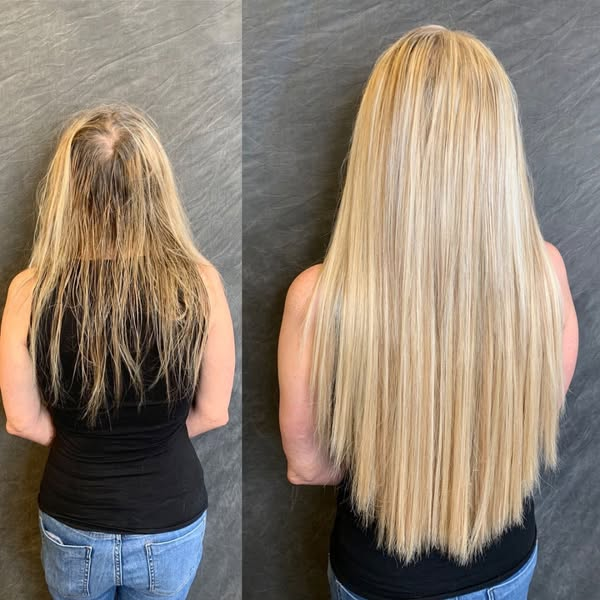
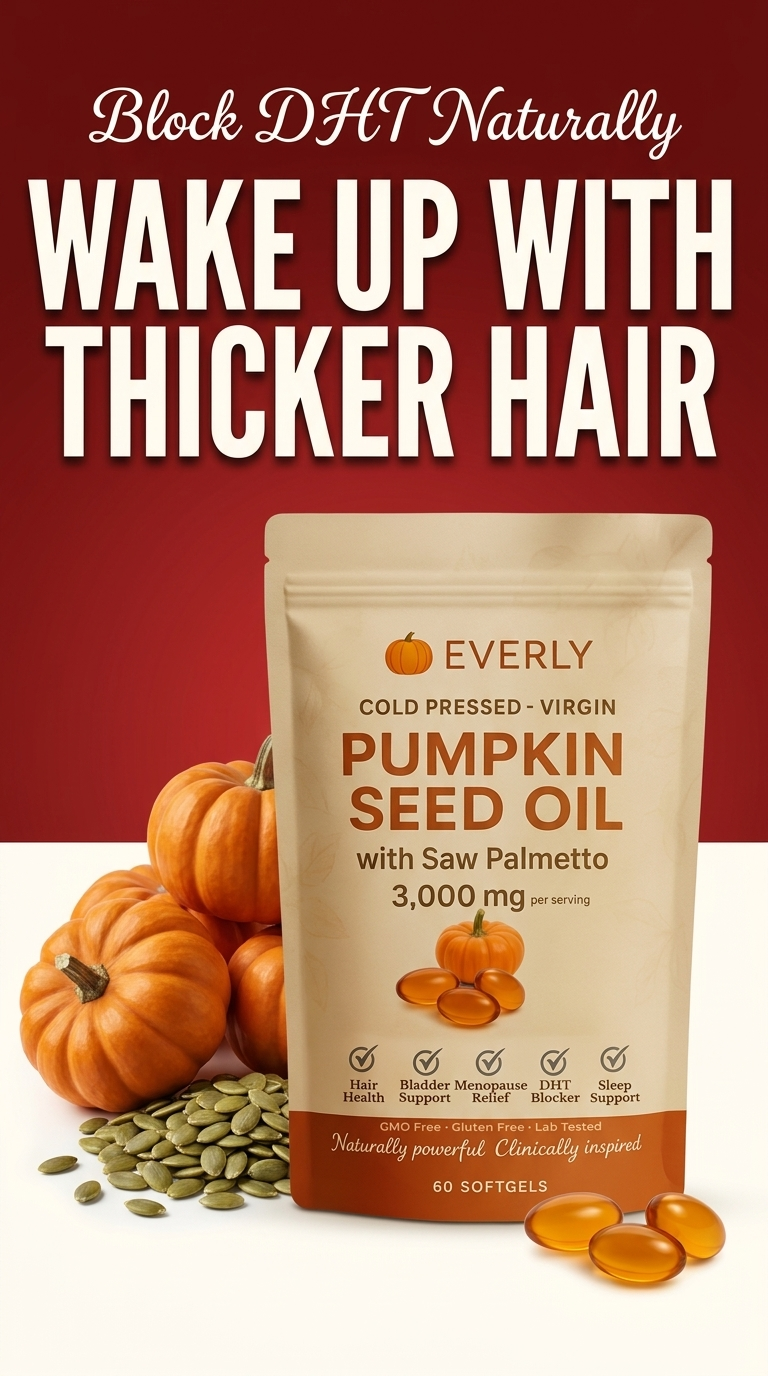
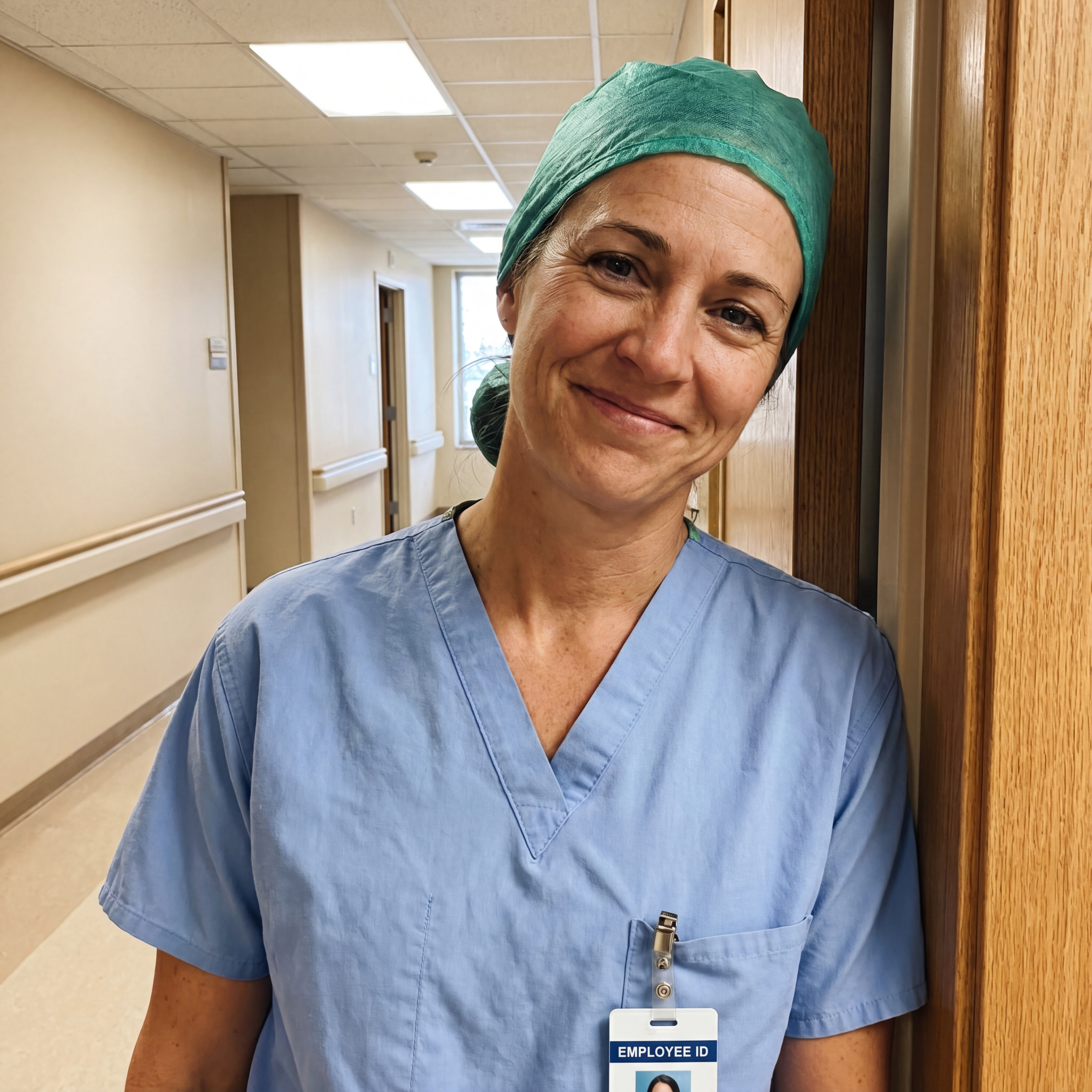
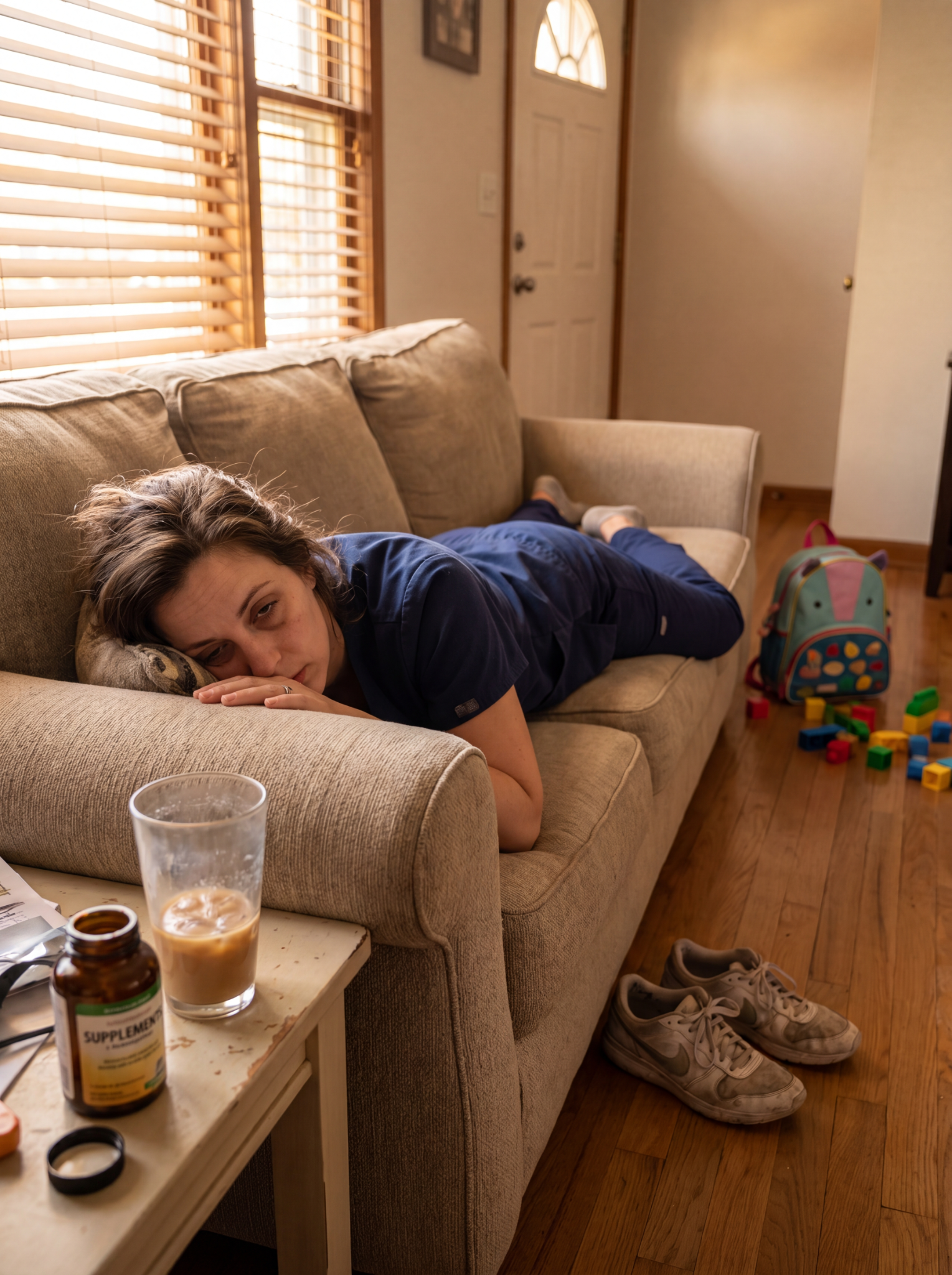
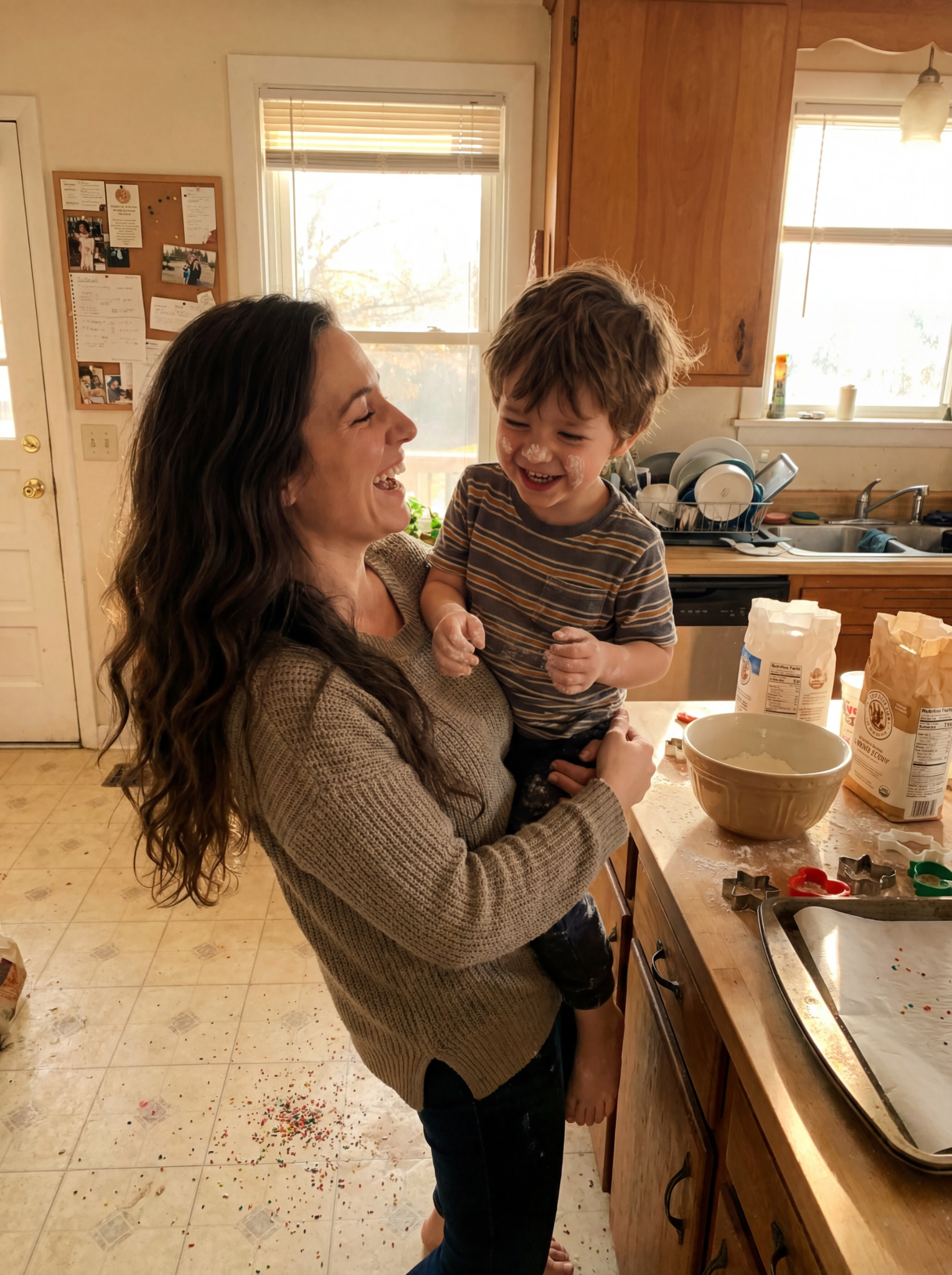
I found clumps of my hair on the bathroom floor the same morning my five-year-old son asked me why my head looks "different." I was standing in front of the mirror. He was behind me in the doorway, still in his pajamas, holding his stuffed dinosaur. "Mommy, why is your hair going away?" I froze. My name is Danielle. I'm 34 years old. And I'm going to tell you about the worst year of my life — and the one thing I discovered that every woman losing her hair needs to know about right now. Let me start from the beginning. My son Noah is five. He's loud, messy, and the absolute center of my world. He starts kindergarten next year. I'm the room mom at his preschool. I'm the one who shows up to every field trip, every class party, every parent-teacher night. I take pride in showing up. For him. But for the last fourteen months, something had been happening to me that I couldn't show up for. Something I couldn't fix no matter what I tried. Something I hid from everyone — my husband, my mom, my best friend — because I was too embarrassed and too scared to say it out loud. My hair was falling out. Not a few extra strands in the shower. Not normal shedding. Clumps. It started slowly. I noticed more hair in my brush than usual. Then more hair on my pillow. Then more hair clogging the shower drain every single morning. At first, I told myself it was stress. I have a five-year-old. I work part-time. I don't sleep enough. Of course my hair is shedding more than normal. But it didn't stop. It got worse. Within three months, I could see my scalp through my part line. The hair around my temples was so thin it looked like it had been shaved down. My ponytail was half the thickness it used to be. I stopped wearing my hair down. I bought headbands and hats and clips — anything to cover the thin spots. I started avoiding mirrors. I stopped taking photos. Noah's preschool had a Mother's Day event — the kids made cards and sang a song, and the teachers took pictures of each mom with their child. I almost didn't go. Not because I didn't want to be there for Noah. Because I couldn't stand the idea of seeing myself in a photo. That's what hair loss does to you. It doesn't just take your hair. It takes your confidence. Your identity. Your willingness to be SEEN. I went to my doctor. She ran bloodwork. Thyroid was fine. Iron was fine. Hormones were "within normal range." She told me it was probably stress-related or genetic. She said to try biotin. Maybe a volumizing shampoo. She said to "give it time." I gave it time. Eight months of biotin. Sixty dollars a month on "thickening" shampoos and conditioners. Scalp serums I found on TikTok. Rosemary oil treatments every weekend while Noah watched cartoons. Collagen powders. Zinc supplements. Rice water rinses. Every single thing every woman on the internet said would work. Nothing worked. The shedding continued. The thin spots spread. And every morning, I'd look at the hair on my bathroom floor and feel like I was losing a piece of myself — literally. Then came the morning Noah said it. "Mommy, why is your hair going away?" I looked at him. This little boy in dinosaur pajamas who thinks his mom is the prettiest person in the world. And he could see it. If a FIVE-YEAR-OLD could see it, everyone could see it. I held it together until he walked away. Then I sat on the edge of the bathtub and cried. Not because of vanity. Because I was terrified. I was thirty-four years old. My mother had thick, beautiful hair her entire life. My grandmother had a full head of hair into her eighties. This wasn't supposed to happen to me. Not yet. Not this fast. And nothing I was doing was stopping it. Two weeks later, I was at Noah's pediatric appointment — routine checkup, nothing special. His pediatrician, Dr. Amara Osei, noticed me adjusting my headband in the waiting room. She's known me for five years. She's seen me at every appointment since Noah was born. As we were wrapping up Noah's visit, she looked at me and said gently: "Danielle, can I ask you something personal? Are you dealing with hair loss?" I almost started crying right there in the exam room. She could see it. Through the headband. Through the careful parting. Through everything I'd done to hide it. I told her everything. Fourteen months. The shedding. The thinning. The supplements that didn't work. The bloodwork that came back normal. She nodded like she'd heard this story a hundred times. Then she said something that stopped me cold. "Danielle, your bloodwork came back normal because the standard panel doesn't test for the thing that's actually causing this. Most doctors don't even know to look for it. It's not your thyroid. It's not your iron. It's not your stress levels." I stared at her. She said: "What's happening to your hair is being driven by something called DHT. And unless you address it directly, no amount of biotin or rosemary oil or volumizing shampoo will slow this down." DHT. I'd never even heard of it. She asked if she could explain. I said yes. Noah was playing with blocks on the floor. I sat in that plastic chair and listened. She explained that DHT stands for dihydrotestosterone. It's a hormone your body produces naturally — both men and women produce it. It's made when an enzyme called 5-alpha reductase converts regular testosterone into DHT. In normal amounts, DHT is fine. Harmless. But here's the problem. As women age — and especially after pregnancy, during hormonal shifts, or during periods of chronic stress — the activity of that enzyme increases. More testosterone gets converted into DHT. And DHT does something devastating to your hair follicles. She explained it like this: Every hair on your head grows from a follicle. That follicle is like a tiny factory — it produces a hair strand, nourishes it, and keeps it anchored to your scalp. As long as the follicle stays healthy, hair grows thick and strong. But DHT binds directly to the receptor sites on your hair follicles. When it binds, it triggers a process called follicular miniaturization. She said: "Imagine each hair follicle as a plant in a pot. DHT is like pouring poison into the soil. The plant doesn't die immediately — it shrinks first. The stem gets thinner. The leaves get smaller. Eventually, it stops growing altogether." That's exactly what happens to your hair. DHT-affected follicles produce thinner and thinner strands. What used to be a full, thick hair becomes a wispy, almost invisible strand. Then the follicle stops producing hair entirely. It goes dormant. And once it's dormant long enough — it dies. She said this process is called androgenetic alopecia in medical terms. In everyday language, it's pattern hair loss. And it affects more women than most people realize — especially women in their 30s, 40s, and 50s. I asked her why my bloodwork didn't catch this. She said: "Because standard bloodwork measures total testosterone levels. Your total testosterone is fine. But DHT is produced LOCALLY — right at the follicle level. You can have perfectly normal testosterone in your blood and still have elevated DHT activity at your scalp. The standard panel doesn't measure that. Most doctors don't know to look for it." That's why my doctor said everything was "normal." Because by the standard tests, it WAS normal. But underneath that normal result, DHT was quietly strangling my hair follicles one by one. I asked her what all the supplements I'd been taking were actually doing. She went through them one by one. Biotin: She said biotin is a B vitamin that supports keratin production — the protein hair is made of. But biotin does absolutely nothing to stop DHT. She said: "Biotin is like putting premium fuel in a car that has a clogged engine. The fuel is fine. The engine is the problem. You can take biotin every day for ten years and it won't stop DHT from destroying your follicles." Rosemary oil: She said there are some studies suggesting rosemary oil may mildly inhibit 5-alpha reductase when applied topically. But the concentrations used in those studies are far higher than what any off-the-shelf rosemary oil provides. And topical application has extremely limited absorption — most of it sits on the surface of your scalp and never reaches the follicle. She said: "It's like trying to water a plant's roots by misting the leaves." Collagen supplements: She said collagen provides amino acids that are building blocks for many tissues, including hair. But collagen has zero effect on DHT. Zero. She said: "You're building the house while someone is tearing down the foundation. You need to stop the tearing first." Thickening shampoos: She said these are cosmetic products. They coat the hair shaft to make existing strands appear thicker. They do nothing — absolutely nothing — to address why your hair is falling out. She said: "It's like putting makeup on a bruise. The bruise is still there." I sat there stunned. Fourteen months. Hundreds of dollars. Hours of my time. And not a single thing I'd been doing was even TOUCHING the actual problem. She looked at me and said: "Danielle, here's the reality. Until you block DHT from binding to your follicles, AND until you create the conditions for those follicles to recover, the thinning will continue. Biotin can't do that. Rosemary oil can't do that. Collagen can't do that. You need to address the ROOT CAUSE." I asked her what addresses the root cause. She said: "Pumpkin seed oil." I almost laughed. Pumpkin seed oil? From pumpkin seeds? She smiled and said she gets that reaction every time. Then she explained why, and it made complete sense. She said pumpkin seed oil contains a specific combination of compounds that work together in a way that no other single supplement does. The first thing is natural 5-alpha reductase inhibition. She explained that pumpkin seed oil contains a unique combination of phytosterols — specifically beta-sitosterol and delta-7-sterine — that naturally block the enzyme 5-alpha reductase. That's the enzyme that converts testosterone into the follicle-destroying DHT. By blocking this enzyme, pumpkin seed oil reduces DHT production at the source. Less DHT means less binding to follicle receptors. Less binding means less miniaturization. Less miniaturization means your follicles can begin to recover. She said: "That's the POISON being cut off from the soil." The second thing is what makes recovery possible. She said pumpkin seed oil is one of the most nutrient-dense oils found in nature. It's loaded with zinc, magnesium, iron, and essential fatty acids — specifically omega-3, omega-6, and omega-9 — all in a bioavailable form that your body can actually absorb and deliver to the follicle level. Zinc is critical for cell division in the follicle. Magnesium supports the blood flow that delivers nutrients to the scalp. Iron carries the oxygen that follicles need to produce hair. And the essential fatty acids reduce the inflammation around the follicle that DHT creates — the inflammation that chokes off the blood supply and accelerates miniaturization. She said: "That's the SOIL being restored. You're cutting off the poison AND feeding the plant at the same time." She leaned forward and said: "Pumpkin seed oil does both. From one source. It blocks what's killing your hair AND it delivers what your follicles need to rebuild. No other single supplement does both simultaneously." I asked her why nobody told me this. Why didn't my doctor mention this? Why isn't this the FIRST thing women hear when they report hair loss? She sighed and said this is the frustrating part. She said the standard approach to female hair loss is: check thyroid, check iron, recommend biotin, recommend Minoxidil if it's "bad enough." And Minoxidil — the most commonly prescribed treatment — works by artificially increasing blood flow to the scalp. It does NOT block DHT. Which means the cause of the hair loss continues while the medication tries to force growth through a damaged system. She said: "Minoxidil is like turning up the water pressure in a house with broken pipes. You might get a little more water through, but the pipes are still broken. And if you stop using it, the water pressure drops back and the growth stops." She told me the only reason she understood the DHT-pumpkin seed oil connection was because she'd spent years watching women come through her practice — mothers who came in with their children, women in their 30s and 40s and 50s who were losing their hair and being told it was normal, being told to try biotin, being told to give it time. And she watched them get worse. So she did her own research. She found the clinical studies on pumpkin seed oil and 5-alpha reductase inhibition. She found the studies on the specific nutrients in pumpkin seed oil and follicular recovery. And she started recommending it. But then she held up a finger and said there's a problem. She said most pumpkin seed oil supplements on the market don't work. And there are three reasons why. First: extraction method. She said the compounds that block DHT — the phytosterols, the delta-7-sterine — are extremely sensitive to heat and chemical processing. Most supplement companies use heat extraction or chemical solvents because it's faster and cheaper. But heat and chemicals destroy the phytosterols. You end up with a softgel that has some fatty acids but has lost the DHT-blocking power. She said: "It's like squeezing all the juice out of a fruit and throwing away the pulp and seeds — you've lost the most important parts." Second: potency. She said most pumpkin seed oil supplements contain 500 to 1,000 milligrams per serving. The clinical studies showing measurable DHT inhibition and hair regrowth used higher concentrations of cold-pressed oil. At lower doses, you're not getting enough phytosterols to meaningfully suppress 5-alpha reductase activity. Third: purity. She said many brands dilute their pumpkin seed oil with cheaper filler oils — sunflower oil, soybean oil — or pack the capsules with additives like magnesium stearate and silicon dioxide. These fillers reduce the active compound concentration and can interfere with absorption. I asked her what brand she recommends. She told me there's one brand she trusts completely. Cold-pressed. High potency. Pure pumpkin seed oil — no fillers, no cheap filler oils, no synthetic additives. She takes it herself. She recommends it to the mothers who come through her practice. She gives it to her own sister, who dealt with postpartum hair loss for two years before finding this. She wrote the name down for me. It's called Everly Pumpkin Seed Oil Softgels. She told me I could find it at try.shopeverly.shop/esl — it's not sold in drugstores. She said this is what she recommends for any woman dealing with hair thinning, shedding, or loss — whether it's stress-related, postpartum, hormonal, or age-related — because it addresses the actual mechanism that's destroying the follicles, not just the symptoms on the surface. I went home that afternoon and ordered a bottle from try.shopeverly.shop/esl. It arrived three days later. Easy-to-swallow softgels. No weird aftertaste. No stomach issues. I started taking them daily. And here's what happened. Week 1: Nothing dramatic. Dr. Osei told me to be patient — the DHT suppression needs time to take effect, and dormant follicles don't reactivate overnight. I took my Everly softgels every morning with breakfast. Noah would see the bottle on the counter and say "Mommy's pumpkin vitamins." I was committed. Week 2: The first thing I noticed wasn't my hair — it was my nails. They were harder. Less brittle. The nail on my index finger that had been peeling for months was smooth. And my skin looked better — less dull, more even. The zinc and essential fatty acids were clearly doing something systemically. I also noticed — and I checked this carefully — LESS hair in the shower drain. Not zero. But noticeably less than the clumps I'd been pulling out for over a year. Week 3: The shedding reduction was real. I could see it every morning. My brush had less hair in it. My pillow had less hair on it. The drain had less hair in it. For the first time in fourteen months, the loss was SLOWING DOWN. I felt something I hadn't felt in over a year: hope. Also — and I know this sounds strange — my joints felt better. My knees had been achy for months. That stiffness I felt every morning getting out of bed was lighter. The anti-inflammatory properties were working beyond just my scalp. Week 4: I was brushing Noah's hair before preschool — he hates it, always squirms — and he looked up at me and said: "Mommy, your hair is getting bigger." I looked in the mirror. The thin spots around my temples — the ones I'd been covering with headbands for months — had tiny, short hairs growing in. Baby hairs. New growth. I touched them and started crying. Standing right there in the bathroom with a hairbrush in my hand and my five-year-old looking at me like I was crazy. "Mommy, why are you crying?" "Because I'm happy, baby." It's been three months now. My part line is filling in. The baby hairs around my temples are growing. My ponytail is thicker than it's been in over a year. I stopped wearing headbands. I took a photo with Noah at his preschool graduation last week — and I didn't hate looking at it. Last Sunday, Noah and I were making cookies. Flour everywhere. All over the counter, all over him, all over me. He had it in his eyebrows. We were both laughing. He reached up and grabbed a strand of my hair — the way little kids do — and said "Mommy, your hair is so long now." I picked him up and held him tight. Fourteen months of watching my hair disappear. Fourteen months of biotin and rosemary oil and collagen and thickening shampoos that didn't touch the real problem. Fourteen months of hiding under headbands and avoiding mirrors and dodging cameras. All because nobody told me about DHT. Nobody told me that the thing destroying my hair was happening at the follicle level — invisible to standard bloodwork. Nobody told me that biotin and rosemary oil were treating symptoms while the root cause continued unchecked. And nobody told me that one specific natural compound could block the enzyme creating the problem AND deliver the nutrients my follicles needed to recover. Until Dr. Osei said two words: pumpkin seed oil. And not just any pumpkin seed oil. Cold-pressed. High potency. Pure. No fillers. No filler oils. No synthetic junk. Everly. I'm telling you this because I don't want another woman to spend fourteen months and hundreds of dollars on supplements that can't touch the actual problem. I don't want another mom to flinch when her kid mentions her hair. I don't want another woman in her 30s or 40s or 50s to sit on the edge of her bathtub and cry because she doesn't recognize the person in the mirror. If you're dealing with hair loss — whether it's shedding, thinning, a wider part line, visible scalp, or patches — you need to hear this: Biotin isn't going to fix it. Rosemary oil isn't going to fix it. Collagen isn't going to fix it. You have to address the DHT. And the most effective natural way to do that — while ALSO giving your follicles the nutrients they need to recover — is cold-pressed, pure pumpkin seed oil. That means Everly. Here's the thing. If you tried to address both sides separately — a DHT blocker supplement, a separate zinc supplement, a separate omega fatty acid supplement, a separate anti-inflammatory — you'd be spending over $100 a month and swallowing a fistful of pills every morning. Everly puts the complete solution into one daily softgel. Cold-pressed pumpkin seed oil with all the phytosterols, essential fatty acids, zinc, magnesium, and anti-inflammatory compounds intact. One softgel. One source. Both sides of the problem addressed. Right now, Everly is offering a special introductory price for women finding them through this post. I'm not going to pretend I have some insider deal. After I shared my story with the Everly team, they wanted to make it as accessible as possible for women dealing with hair loss — especially women who've already spent hundreds on things that didn't work. So they've set up a special page where you can get Everly at a significant discount from the regular price. And because they know that hair loss often runs in families — your mom, your sister, your best friend might be dealing with the same thing right now — they've included bundle pricing that lets you stock up and share. Click here to check the current pricing and availability at try.shopeverly.shop/esl. They sell out regularly — cold-pressed, pure pumpkin seed oil at this quality level isn't mass-produced — so I'd encourage you to check while it's still available. And here's what makes this risk-free. Everly offers a full money-back guarantee. That means you can try it. See if the shedding slows. See if the baby hairs come in. See if your ponytail starts to feel thicker in your hand. See if your nails get stronger. See if your joints feel better. See if you stop flinching when you look in the mirror. And if for any reason you don't feel a difference, they'll refund every penny. No questions asked. Zero risk. Don't wait until you can see your scalp. Don't wait until your child notices. Don't wait until you stop showing up to the things that matter because you can't stand the way you look. Take control of this now. Click the link below to check if Everly Pumpkin Seed Oil Softgels are still in stock: try.shopeverly.shop/esl If they're in stock, grab a supply. You'll be glad you did. I wish I had known about this fourteen months ago — before I spent hundreds of dollars on supplements that couldn't touch the real problem, before I stopped wearing my hair down, before my five-year-old asked me why my hair was "going away." Don't let what happened to me happen to you.
🎃 Natural Support for Your Daily Routine
“I’ve been feeling stronger and more balanced since taking Everly Pumpkin Seed Oil. My bladder feels so much calmer, I’m sleeping through the night again, and my hair feels thicker than it has in years. I love how natural it feels — just pure support for my body.”
LEARN MORELike this ad? Make it yours.
Crush rebuilds this exact creative around your product — your brand, your colors, your offer — in about a minute.