
Inactive· since Mar 9, 2026
- 96
- days it ran
- 0
- relaunches
Ad copy
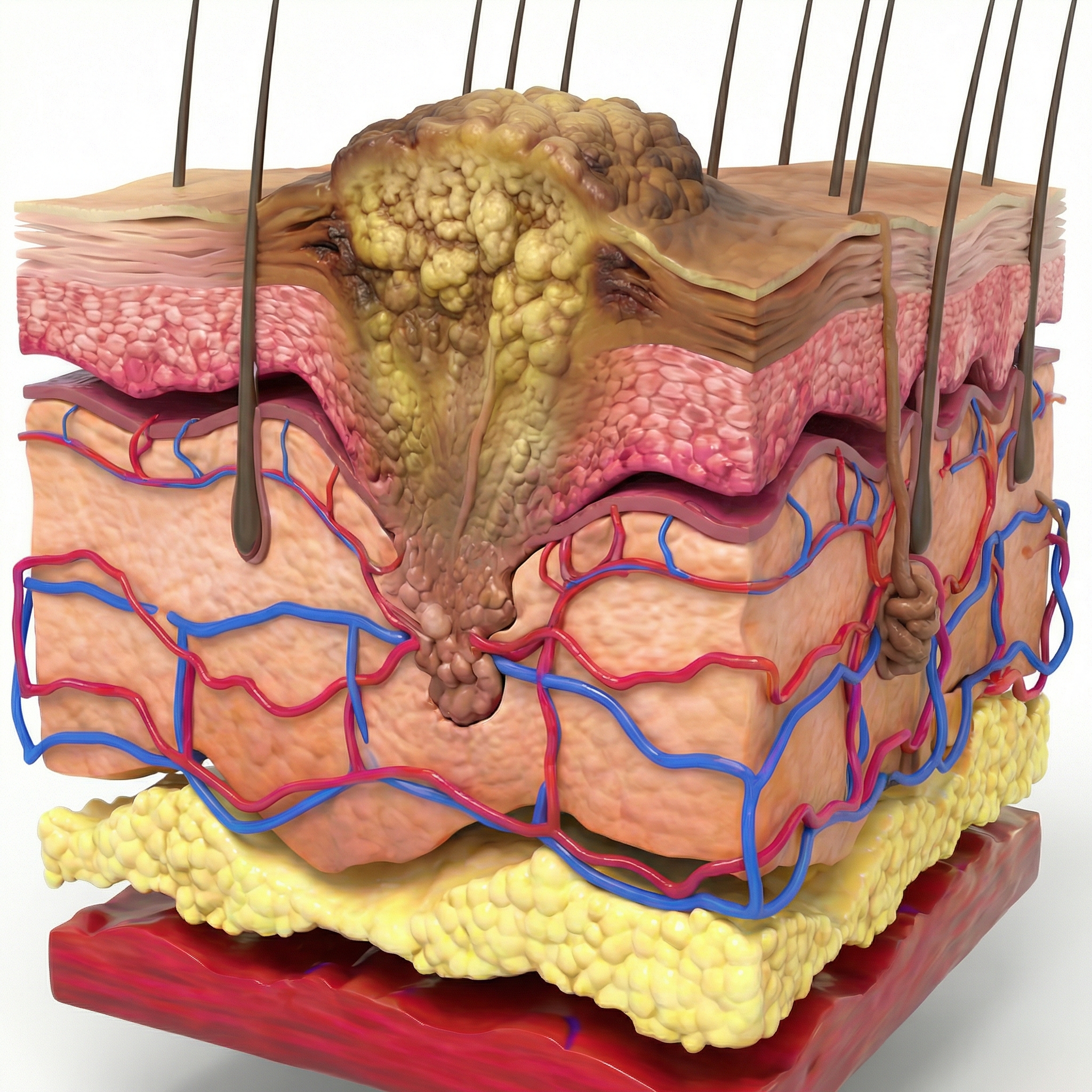
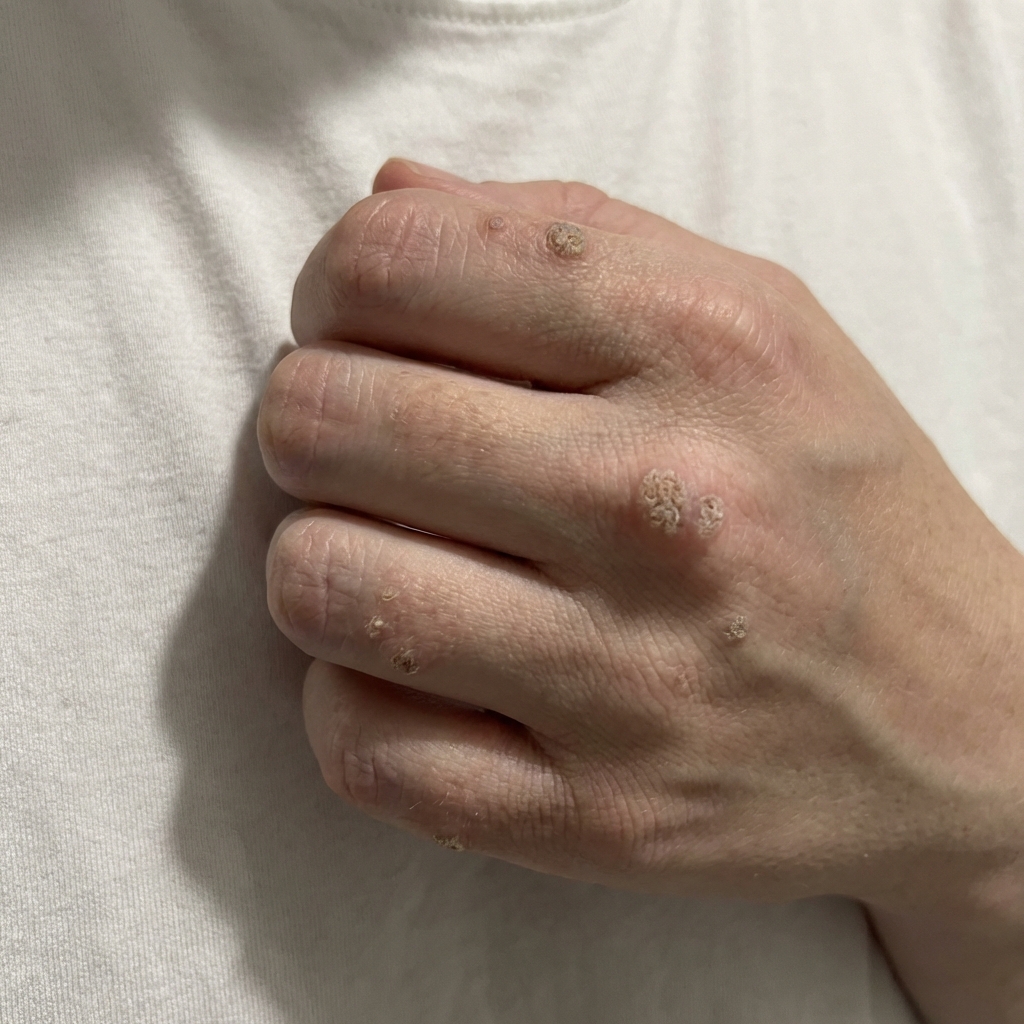
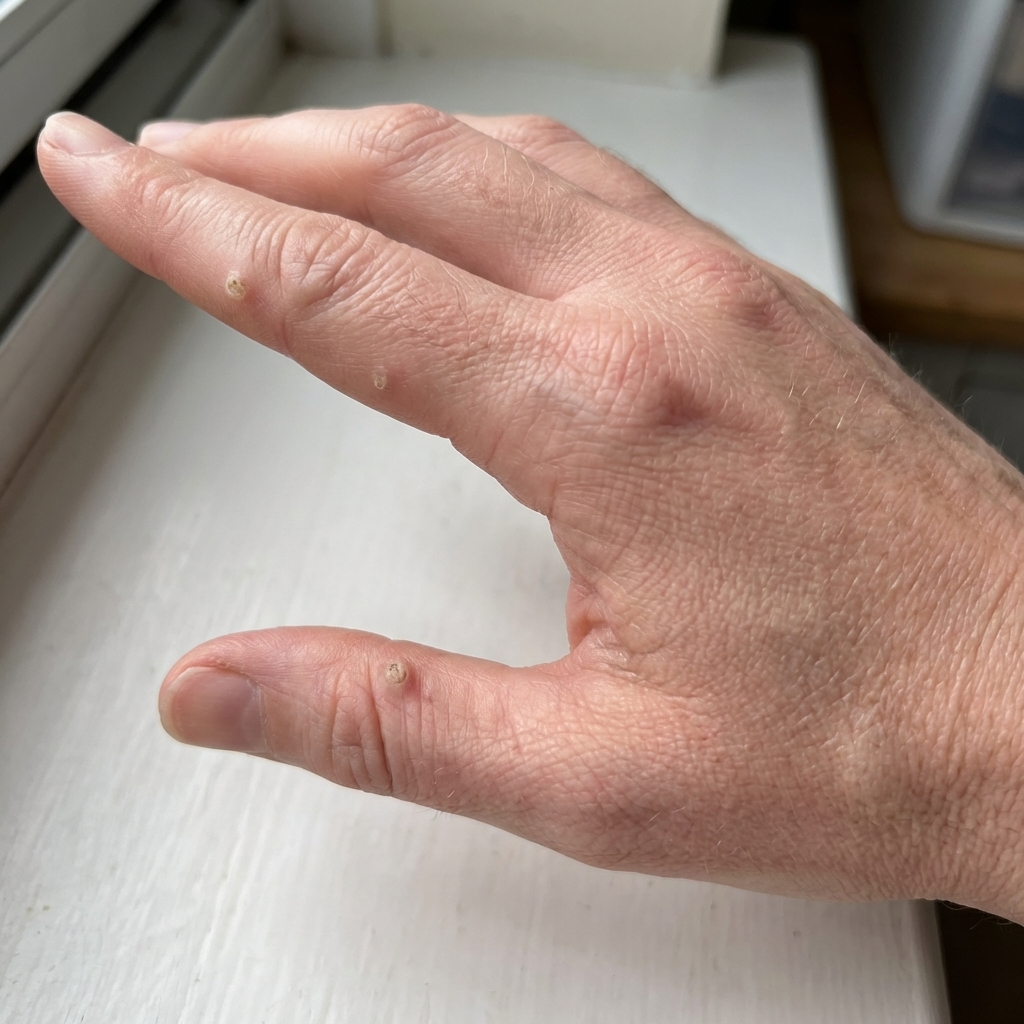
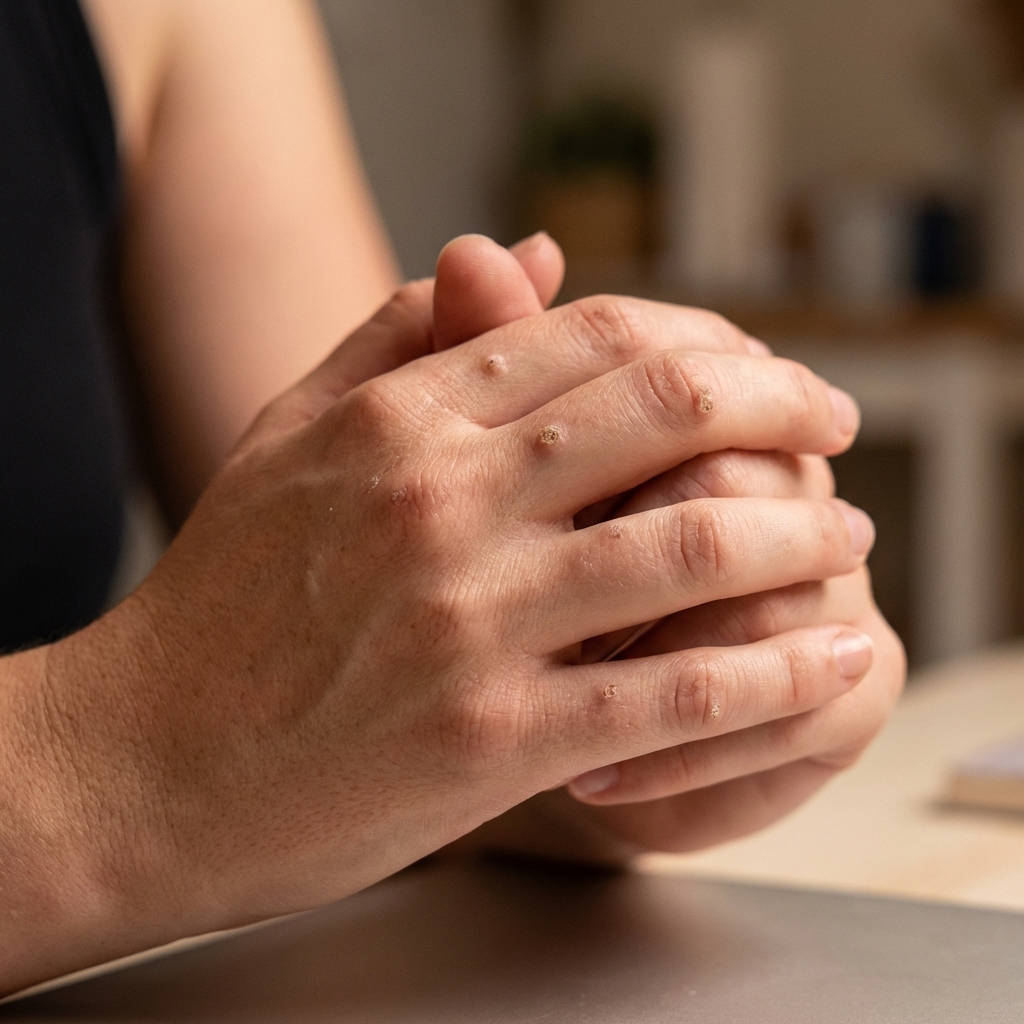
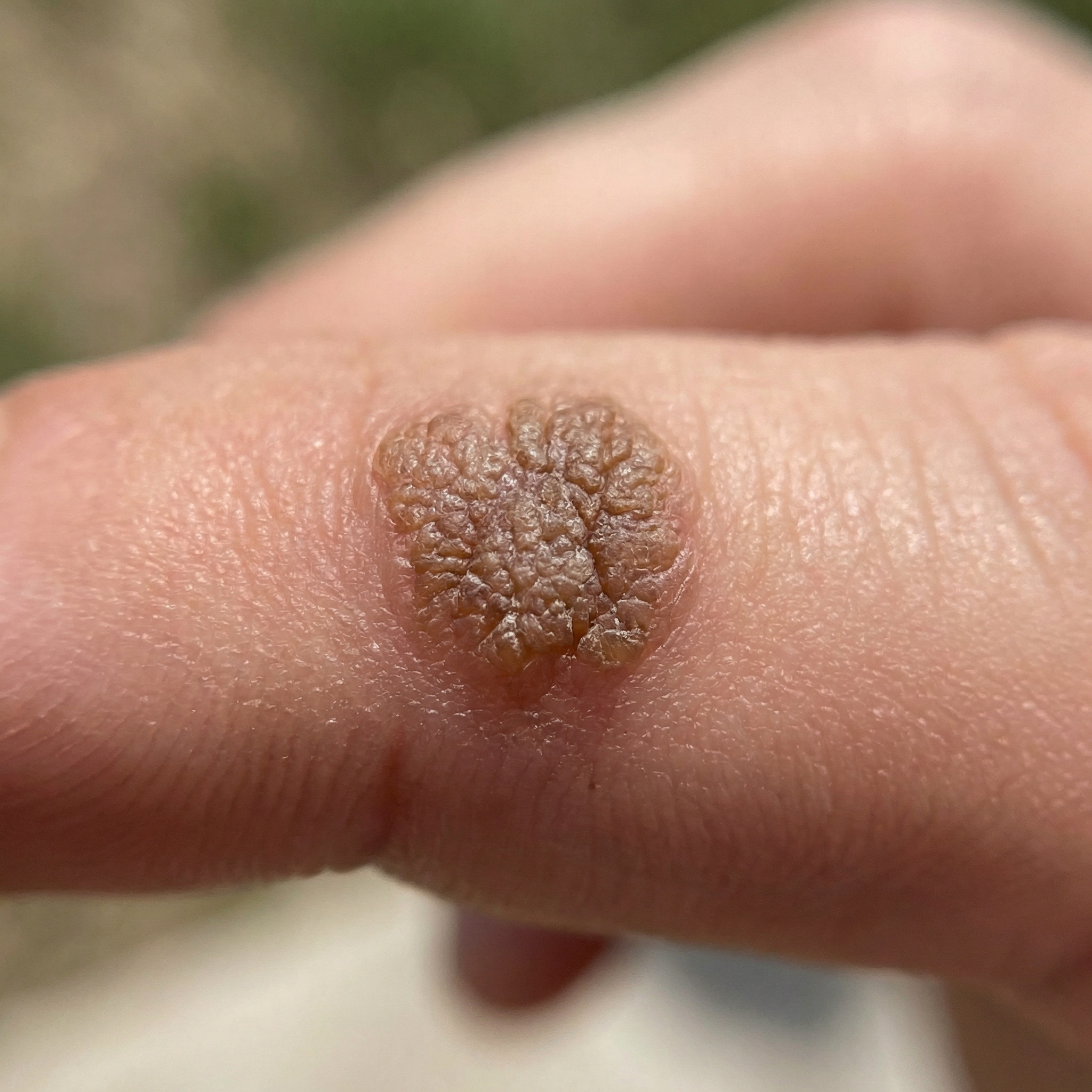
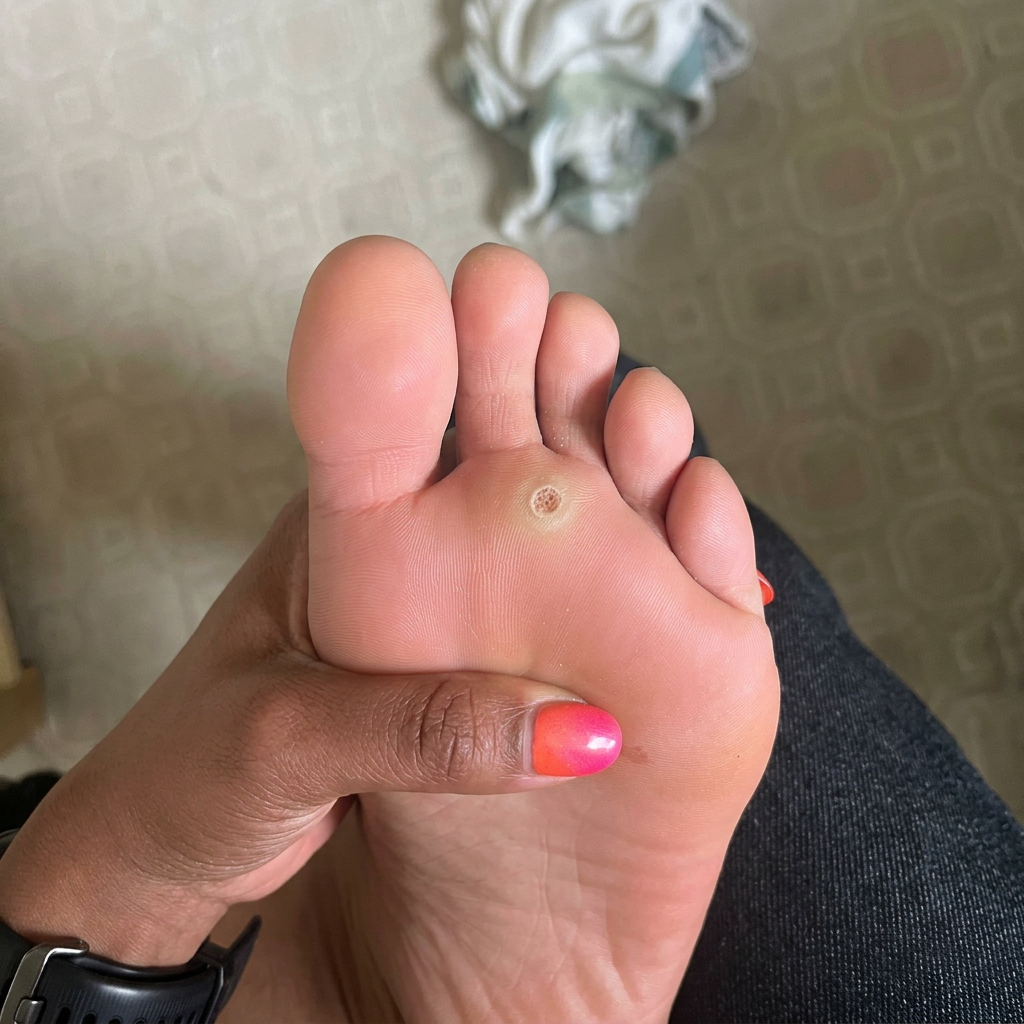
There are two types of wart treatment. Every product you've ever bought is type one. That's why your plantar wart keeps coming back. Let me explain — because once you see this, you can't unsee it. And you're going to be furious that nobody told you sooner. Type one treatments destroy the surface. That's all they do. Salicylic acid dissolves the top layer of skin. Freeze sprays kill the visible tissue on contact. Cryotherapy at the GP does the same thing with more power and more pain. Compound W, Bazuka, Wartner — every one of them is a surface treatment. They peel. They burn. They freeze. They blister. And then the wart grows right back. Not sometimes. Almost every time. Because the virus that causes your plantar wart doesn't live on the surface. It lives underneath — in a layer of your skin that no acid, no freeze spray, and no GP cryotherapy session was ever designed to reach. Type two treatments don't destroy tissue. They target the virus at the root. You've never tried a type two treatment. Almost nobody has. Because they're not on the pharmacy shelf next to the Bazuka. Your GP doesn't mention them. The NHS website doesn't list them. But they exist. And they're why I'm writing this. Because fourteen months ago, I had a plantar wart that had survived two years of type one treatments. Every single one. And a type two treatment got rid of it in nine days. After everything else had failed. I need to tell you this story properly, because I know exactly where you are right now. You're the woman who's been dealing with this for months. Maybe longer. You're the mum who limps to the kitchen every morning before the kids wake up because the ball of your foot screams with every step on the cold floor. You're the person who has filed, soaked, applied, bandaged — every single night — and woken up to the same hard, painful knot pressing into your sole like nothing happened. I know because that was me. Two years ago, a small hard spot appeared on the ball of my left foot. I thought it was a callus. I ignored it. Within weeks it was sore — that deep, dull ache with every step, like walking on a stone that's been cemented into your skin. Then I saw the black dots and I knew what it was. I went to Boots that same week. Bought Bazuka. Used it exactly as directed. Every night for eight weeks. Filed the dead skin. Applied the acid. Covered it with a plaster. Went to bed. Repeated. The skin around the wart went raw. Peeled. Burned in the shower. Burned when I walked. Burned when my sock shifted. The wart itself shrank slightly. Then came back to full size within a week of stopping treatment. Like I'd done nothing. I switched to Wartner freeze spray. Pressed that frozen applicator into the bottom of my foot and held it there while tears streamed down my face. It blistered. I couldn't walk properly for four days. I hobbled through my shifts at work pretending everything was fine. When the blister healed, the wart was sitting right there underneath it. Untouched. Unbothered. Almost smug. I went to my GP. She glanced at it. Said "plantar wart" in the same tone you'd say "paper cut." And she offered cryotherapy. Liquid nitrogen. Stronger than the home kit. Significantly more painful. My foot was useless for a week. She told me I'd probably need multiple sessions. I went three times. Three rounds of having the bottom of my foot burned off. Three weeks of limping. Three co-pays. The wart was still there after all three. She told me to "give it time." Said it might resolve on its own. I'd already given it over a year. That's when I fell down the internet rabbit hole. Tried Apple cider vinegar — soaked a cotton pad, taped it on, slept with a sock. The acid destroyed the healthy skin around the wart. But the wart was barely gone. Banana peel. Duct tape for six weeks. Garlic. Tea tree oil. Aspirin paste. I tried things I'd be embarrassed to admit out loud. And every single time, the same pattern. The surface would change. Peel, blister, go white, scab over. A flicker of hope. Then it healed right back to exactly where it started. Same size. Same black dots. Same pain. Two years. Hundreds of pounds. A collection of half-used products in my bathroom drawer that could stock a small pharmacy. And a wart that had outlasted every single one of them. I stopped going swimming with my kids. My daughter — she was six — asked me why mummy never comes in the pool anymore. I told her I didn't feel well. She asked me the next week too. And the week after that. I lied to my child three times because I couldn't bring myself to say: because there's something on my foot that I'm ashamed of and I've spent two years and hundreds of pounds trying to get rid of it and nothing works. That was the moment I stopped asking "what should I try next?" and started asking "why does nothing work?" Different question. Completely different answer. I started reading research papers. Not blogs. Not forums. Actual dermatology journals and virology studies. At midnight. While my kids were asleep and my foot throbbed under the duvet. And within about three hours of reading, I understood exactly why I'd been failing. Here's what nobody explains — not your GP, not the chemist, not the packaging on any wart product you've ever bought: A plantar wart is not a skin problem. It's a viral infection. Every plantar wart is caused by HPV — the Human Papillomavirus. Specific strains — types 1, 2, 4, 27, 57. The virus enters through micro-abrasions in your plantar skin. Tiny cracks you can't see. Softened skin from a pool deck. A small cut from walking barefoot. Once it's in, it does something very specific and very clever. It doesn't just infect the surface cells. It goes deeper. It targets your basal keratinocytes — the stem cells in the lowest layer of your epidermis. These are the cells that generate every new skin cell your foot produces. The foundation layer. The factory floor. And once it's there, it hides. The virus maintains just 20 to 100 copies of its DNA per cell. That's a deliberately low number. Just enough to replicate. Just enough to survive. But low enough to stay invisible to your immune system. Your body has Langerhans cells — surveillance cells that patrol your skin looking for foreign invaders. They're good at their job. But HPV keeps its protein expression so low in the basal layer that these patrol cells walk right past the infected cells like they're normal tissue. Every single day. The virus isn't outsmarting you. It's outsmarting your immune system. Through millions of years of evolution, it has become invisible at the exact depth where it lives. So what happens? Every day, the infected basal cells produce new copies of themselves. Infected copies. These cells push upward through the layers of your skin, differentiating as they go. By the time they reach the surface, they're the hard, rough, painful bump you see and feel. The wart. But that bump — the wart itself — is just the top of the iceberg. The root is in the basal layer. Protected by your own cells. Fed by your own blood supply. Invisible to your own immune system. Now look at what type one treatments actually do. Salicylic acid: dissolves the top layers of keratinised skin. Removes surface tissue. Peels away the visible wart, layer by layer. Does it reach the basal layer? No. Does it affect the viral reservoir? No. The moment the surface heals, the infected stem cells start pushing new wart tissue upward again. Cryotherapy: destroys tissue by freezing it. Kills cells on contact. Effective at removing the visible lesion — but it cannot selectively target virus-infected cells three layers deep. It annihilates everything on the surface. The basal reservoir? Untouched. Still replicating. Studies put cryotherapy's cure rate at roughly 50 to 70 percent after MULTIPLE sessions. Meaning up to half the time, after rounds of pain and expense, the wart comes back. Freeze sprays, acid pads, Apple cider vinegar, duct tape — every single treatment you and I have ever tried works on the same principle: destroy the visible tissue and hope the root dies. It doesn't. Because these tools were never built to reach it. Every product in the type one category operates on the same incomplete mechanism. Different brands. Different packaging. Different promises. Same limitation. You weren't failing. You were being given the wrong category of tool for the job you needed done. For two years, I was pulling the head off a dandelion every week and wondering why it kept growing back. The root was three inches deep. And nothing I bought could go deeper than the soil line. That's why nothing worked. Not because your body is broken. Not because your immune system is weak. Not because you didn't try hard enough or long enough. The virus is designed to hide from surface treatments. That's what it does. That's all it does. And it's very, very good at it. When I finally understood this, two things happened. First, the shame I'd been carrying for two years dissolved. It wasn't my failure. I brought discipline to tools that were fundamentally incapable of finishing the job. My effort wasn't the problem. The approach was. Second, I knew exactly what to look for: a type two treatment. Something that doesn't destroy surface tissue and hope for the best. Something that reaches the basal layer. Something that targets the virus itself — not just the bump it produces on the surface. That's when I found the research on Thuja occidentalis. Thuja is a plant extract from a North American cedar tree with centuries of documented use against viral skin conditions. But what stopped me was the modern clinical research. Thuja doesn't burn. Doesn't freeze. Doesn't dissolve tissue. It activates your immune system. Specifically, it stimulates CD4+ T-helper cells and increases production of interleukin-1, interleukin-6, and TNF-alpha — the signalling molecules your immune system uses to identify and eliminate infected cells. It triggers your body's own immune response to finally recognise the HPV-infected keratinocytes that the virus has been hiding from detection in the basal layer. It doesn't attack the wart from the outside in. It wakes up the one defence system that CAN reach the root — your own immunity — and shows it exactly where the virus has been hiding. Surface destruction treats the symptom. Immune activation targets the cause. That's the difference between type one and type two. That's why I'd been failing for two years. And that's why everything was about to change. I needed a product that delivered Thuja in a clinically meaningful way. Not diluted into nothing. Not buried as the fifteenth ingredient on the label. Properly formulated, properly dosed, built around the mechanism the research supported. Most products I reviewed were useless. Trace amounts of Thuja. No supporting compounds. No understanding of the biology they were supposed to be treating. Then I found WartAway by Aurora Health. The formulation stopped me cold. Because it wasn't just Thuja. It was a complete system built around five distinct mechanisms — each one targeting a different layer of the problem. Thuja occidentalis — the immune activator. Stimulates T-helper cells and cytokine production to make HPV-infected cells visible to your immune system for the first time. The virus can't hide anymore. Your body finds it and eliminates it at the root. Tea tree oil — antiviral monoterpenes that penetrate directly into wart tissue. Terpinen-4-ol and alpha-terpineol inhibit the virus's ability to replicate itself inside your cells. Simultaneously keeps the treatment area clean and hostile to reinfection — preventing spread to other parts of your foot while the wart is being treated. Aloe vera — anti-inflammatory healing that protects the healthy skin surrounding the wart. No redness. No rawness. No acid burns destroying everything around the target. Contains quercetin, which binds to the HPV E6 oncoprotein and disrupts the virus's survival pathway at the cellular level. Your skin heals while the wart dies. Curcumin from turmeric — suppresses transcription of HPV's E6 and E7 oncoproteins. These are the viral proteins that hijack your cells' natural defences and force infected keratinocytes to keep replicating. Curcumin shuts that process down. Restores tumour-suppressor function. Promotes scar-free healing with no discolouration. Cnidium and Xanthium extracts — selectively damages the mitochondria inside infected cells. Blocks viral DNA synthesis at the source. Accelerates shedding of virus-laden surface cells before they can release viral particles and spread the infection to new areas. Five mechanisms. Working simultaneously. On every level of the infection. Immune activation. Antiviral suppression. Anti-inflammatory protection. Viral gene shutdown. Infected cell clearance. Compare that to one mechanism — tissue destruction — that doesn't acknowledge the virus exists. That's type one versus type two. I ordered two tubes. Told no one. After two years of failure, the last thing I wanted was an audience for another disappointment. Day one. Washed my foot. Applied the cream. It felt like moisturiser. No burn. No sting. No gritting my teeth. No acid eating through my skin. I almost didn't trust it because of how painless it was. I'd been trained to believe that if treatment didn't hurt, it wasn't working. Day two. The wart looked different. Darker. Drier. Not the white, crusty peeling I knew from salicylic acid. This was something else. Something was changing from the inside. The texture under my foot felt tighter. Harder in a different way — like something was contracting. Day four. The edges of the wart started separating from the healthy skin around it. I could see pink tissue forming underneath. New skin. Clean skin. I hadn't seen that patch of my foot look normal in over two years. Day six. The black dots vanished. The thrombosed capillaries that had been there since the beginning. The ones I used to stare at in the bath, pressing my thumb against them, wondering if they'd ever go away. Gone. Not masked. Not covered. Structurally gone. The blood supply to the wart was collapsing. Day nine. Standing in the shower. The wart released from my foot. I looked down and saw smooth, clean skin where this thing had lived for twenty-four months. No crater. No bleeding. No angry red wound. No scar. Just my foot. I sat on the bathroom floor and cried. Not because it hurt. Because it was over. Because a cream that cost less than a single GP cryotherapy session did in nine days what two years of pain and hundreds of pounds couldn't. The smaller wart that had appeared near the original took eleven days. Same process. Darkened. Dried. Shrank. Detached. Gone. Six months later. Not a single sign of recurrence. No black dots. No hard spots. No tenderness. Nothing. I took my daughters swimming last Saturday. My seven-year-old grabbed my hand, pulled me off the bench, and dragged me into the water. I didn't flinch. I didn't make an excuse. I didn't think about my foot. I just went in. Two years of hiding. Over. Because I finally found a type two treatment. I'm not unique. WartAway has over 13,000 customers. A 4.8-star average from more than 12,000 verified reviews.Thousands of women with the same history as mine — the acid, the freezing, the GP visits, the internet remedies, the years — who got the same result once they stopped destroying the surface and started targeting the root. Here's what matters right now: Your plantar wart is an active viral infection. It's replicating in your basal cells every day. Every week you wait — every week you spend on another surface treatment or "give it time" — is another week the virus can spread. To other areas of your foot. To your other foot. To your hands. To your children. This does not resolve on its own for most adults. Your GP knows that. The statistics know that. Your own experience over the last several months confirms it. The products in your bathroom drawer are type one. Surface destruction. Incomplete by design. They were never going to finish this. WartAway is type two. Root targeting. Immune activation. Antiviral. Anti- inflammatory. Five mechanisms addressing the full biology of what a plantar wart actually is. Using it is simple. Wash the area. Apply a small amount directly onto the wart. Morning and evening. Don't wash for two to three hours after. No filing. No freezing. No twelve-step routines. Continue for at least a month to ensure the viral reservoir in the basal layer is fully cleared — not just the surface. Two to three tubes for the complete protocol. And if you're sitting there thinking — after everything you've been through — what if this doesn't work either? They have 365-day money-back guarantee. One full year. If your wart isn't visibly changing, for any reason, you get every penny back. One email. No questions asked. No hoops. What freeze spray offers that? What GP refunds three failed cryotherapy sessions? What product in your drawer right now was confident enough to give you twelve months to decide? None of them. Because their mechanism doesn't justify it. This one does. You've spent the money. You've endured the pain. You've tried every type one treatment the pharmacy shelf and the internet could throw at you. It's time to try type two. Click below. Read the reviews from women who lived your exact experience — same products, same timeline, same frustration — and see what happened when they finally targeted the root instead of the surface. Grab two or three tubes. Complete the full protocol. Clear the virus at the basal layer — not just the bump on the surface. Because you were never the problem. The category of treatment was. And now you know the difference. Try it out here 👉 https://aurora-health.nl/en/products/wartaway-wartcream
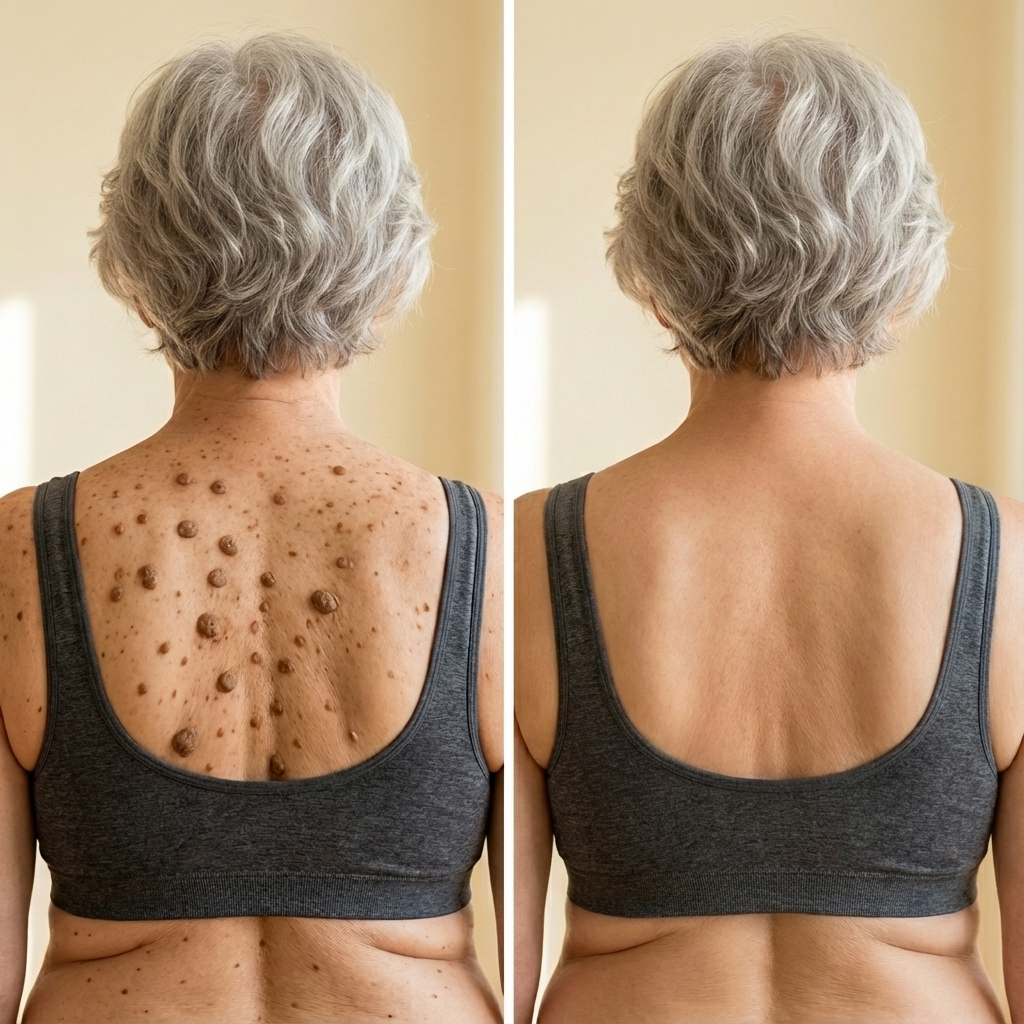
Wart Gone in 4 Days, No Scars!
I was really surprised. That ugly patch of skin on my neck that I'd had for years started to shrink on day two, and by day four it was completely gone! No pain, no scar, just gone. I wish I'd discovered this sooner.
LEARN MORELike this ad? Make it yours.
Crush rebuilds this exact creative around your product — your brand, your colors, your offer — in about a minute.