Little Tigers Trilingual Preschool
Little Tigers Trilingual Preschool Facebook ad: “ကလေးဘဝရဲ့စိတ်ဒါဏ်ရာ Childhood Trauma 童年创伤”

Ran for 8 days, from May 30 to June 7, 2026, the last day Crush saw it.
Run by Little Tigers Trilingual Preschool on Facebook. Crush is not the advertiser and does not verify its claims. See this ad in Meta's Ad Library(opens in a new tab)
Want an ad like this for your product?
Crush makes new ad images for your product from this ad: your logo, your product photo, your offer.
Trials from $19.95 USD, then $79.95 USD a month. Cancel anytime.
About this ad
- Meta Ad Library ID
- 1588380242858309
- Platforms
- Relaunches
- 0
Ad text
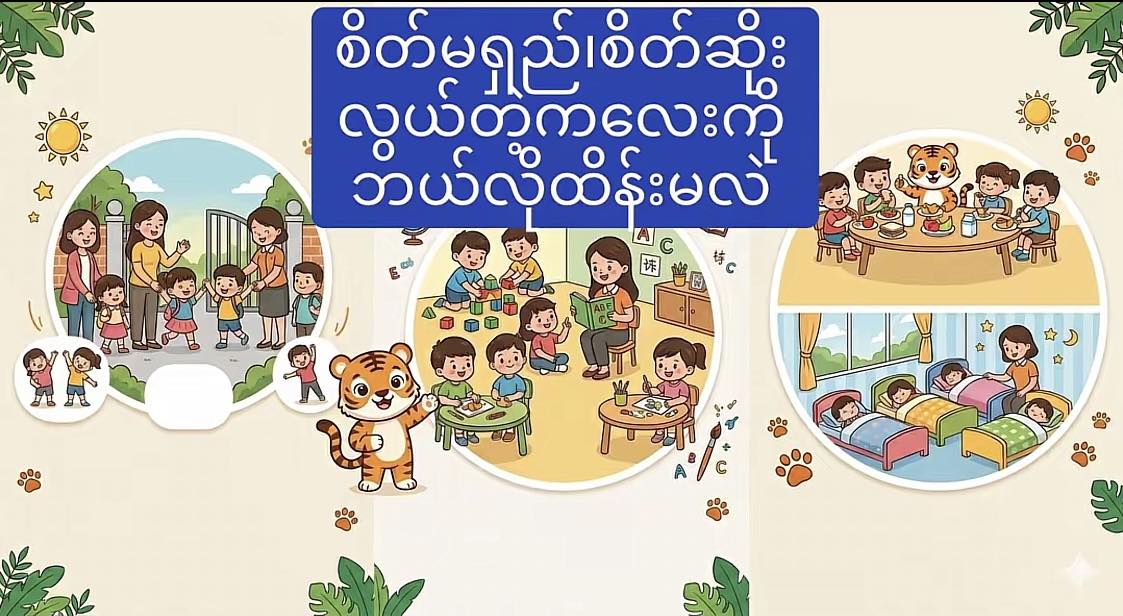
ကလေးဘဝရဲ့စိတ်ဒါဏ်ရာ Childhood Trauma 童年创伤 ______________________________ ကလေးတွေမှာ စိတ်ဒါဏ်ရာရမရအသက်အရွယ်အလိုက် ပြသတဲ့ လက္ခဏာတွေ ကွာခြားနိုင်ပါတယ်။ (၁) မူကြိုနှင့် အောက် -အရွယ်နဲ့မမျှဘဲ နောက်ပြန်ဆုတ်သွားခြင်း၊အရင်က အိပ်ရာပေါ်ရှူးမပေါက်တတ်ဘဲ ရှုးပြန်ပေါက်ခြင်း၊ လက်မပြန်စို့ခြင်း၊ စကားကောင်းကောင်းပြောတတ်ပြီးမှ ပြန်မပြောတော့ခြင်း၊အရမ်းကပ်တွယ်ခြင်း မိဘ သို့မဟုတ် အုပ်ထိန်းသူနဲ့ ခဏလေးမှ ခွဲမခံဘဲ ငိုယို ဖက်တွယ်ထားခြင်း၊ အိပ်ပျော်ဖို့ ခက်ခဲခြင်း၊ အိပ်မက်ဆိုးများ မကြာခဏမက်ပြီး လန့်နိုးခြင်း။ (၂) အသက်ကြီးသောကလေးများနှင့် ဆယ်ကျော်သက်များ အပြုအမူ ကြမ်းတမ်းလာခြင်း (သို့)ဆိတ်ဆိတ်နေခြင်း အလိုမကျ ဒေါသတကြီး တုံ့ပြန်ခြင်း၊ အနိုင်ကျင့်တာမျိုးလုပ်လာတတ်သလို တချို့ကလေးတွေကျတော့လည်း လူအများနဲ့ ဝေးရာကို ရှောင်ပြီး တစ်ယောက်တည်း အခန်းအောင်းနေတတ်ပါတယ်။ အာရုံစူးစိုက်မှု လျော့နည်းလာခြင်း၊ကျောင်းစာမှာ စိတ်မပါတော့ခြင်း၊ အမှတ်တွေ ကျလာခြင်း၊ မေ့လျော့တတ်လာခြင်း၊ ခန္ဓာကိုယ်ပိုင်းဆိုင်ရာ လက္ခဏာများဆေးစစ်ရင် ဘာရောဂါမှမရှိဘဲ ခေါင်းခဏခဏကိုက် ဗိုက်နာ မောပန်းလွယ်တာမျိုးတွေ ဖြစ်တတ်ပါတယ်၊ မိမိကိုယ်ကို တန်ဖိုးမထားတော့ခြင်း၊ မိမိကိုယ်ကိုအပြစ်တင်စိတ်ဝင်လာခြင်းတို့ဖြစ်ပါတယ်။ မိဘနှင့် အုပ်ထိန်းသူများအနေဖြင့် ကိုယ့်ကလေးက Childhood Trauma ရနေပီလို့သိရင် ဘာလုပ်ပေးနိုင်မလဲ? (၁) သားသမီးအတွက် "လုံခြုံစိတ်ချရတဲ့ ဝန်းကျင်" ဖန်တီးပေးပါ။ ပုံမှန်အတိုင်း အိပ်ချိန်၊စားချိန်၊ကစားချိန်ကို ပုံမှန်ဇယားအတိုင်းသွားခြင်းက ကလေးကိုစိတ်တည်ငြိမ်မှုနဲ့လုံခြံုမှုကိုရစေပါတယ်။ (၂) နားထောင်ပေးပါ၊ အတင်းအကျပ် မမေးပါနဲ့ (၃) စိတ်ခံစားချက်ကို အသိအမှတ်ပြုပေးပါ ဒါမျိုး ဖြစ်သွားတော့ သား/သမီး ကြောက်သွားမှာပေါ့၊ စိတ်မကောင်းဖြစ်တာ သဘာဝကျပါတယ်" ဆိုပြီး သူတို့ရဲ့ ခံစားချက်ကို ဖေးမပေးပါ။ "မကြောက်နဲ့၊ ဒါက ဘာမှမဟုတ်ဘူး" လို့ ပေါ့ပေါ့တန်တန် ပယ်ချတာမျိုးကို ရှောင်ကြဉ်ပါ။ (၄) စိတ်ရှည်ပေးပါ စိတ်ဒဏ်ရာဆိုတာ တစ်ရက်၊ နှစ်ရက်နဲ့ ပျောက်ကင်းသွားတာမျိုး မဟုတ်ပါဘူး။ ကလေးရဲ့ ပုံမှန်မဟုတ်တဲ့ အပြုအမူတွေအတွက် ဒေါသတကြီး ရိုက်နှက်ဆုံးမတာမျိုး လုံးဝမလုပ်ဘဲ ပိုပြီး မေတ္တာပေးဖို့ လိုအပ်ပါတယ်။ မှတ်ချက်: တကယ်လို့ ကလေးရဲ့ စိတ်ဒဏ်ရာက လပေါင်းများစွာကြာတဲ့အထိ မသက်သာဘဲ ပိုဆိုးလာရင်၊ ကျောင်းစာနဲ့ နေ့စဉ်လူမှုဘဝကိုပါ ပြင်းပြင်းထန်ထန် ထိခိုက်လာရင်တော့ ကလေးစိတ်ကျန်းမာရေးပညာရှင် (Child Psychologist/Psychiatrist) သို့မဟုတ် ကျွမ်းကျင်တဲ့ အတိုင်ပင်ခံများနဲ့ ပြသပြီး စနစ်တကျ ကုသမှု ခံယူဖို့ အလွန်အရေးကြီးပါတယ်။ Dealing with childhood trauma is deeply challenging, but understanding it is the first step toward helping a child heal and build resilience. Here is a breakdown of the types of trauma, how it manifests, and how to support a child through recovery. Signs and Symptoms of Trauma in Children Children process trauma differently depending on their developmental age. 1. Ages 0–5 Regression: Returning to earlier behaviors like bedwetting, thumb-sucking, or losing speech skills. Separation Anxiety: Becoming excessively clingy, crying, or screaming when separated from caregivers. Sleep Disturbances: Fearing the dark, having frequent nightmares, or resisting sleep. 2. Ages 6–12 Behavioral Changes: Becoming aggressive, irritable, or unusually disruptive. Alternatively, they may become completely withdrawn and quiet. Physical Complaints: Frequent, unexplained stomachaches, headaches, or fatigue without a medical cause. Guilt and Self-Blame: Believing that the traumatic event was somehow their fault. Academic Decline: Sudden difficulty concentrating, memory issues, or a drop in school grades. 3. Ages 13–18 Risky Behaviors: Engaging in substance abuse, self-harm, or reckless behavior. Emotional Detachment: Feeling numb, isolated, or detached from friends and activities they used to enjoy. Shame and Low Self-Esteem: Developing intense feelings of worthlessness, depression, or severe anxiety. How to Support a Traumatized Child Re-establish Safety and Routine??? Trauma shatters a child’s sense of safety. Listen Without Forcing Help Them Identify and Manage Triggers Avoid Harsh Punishment If a child’s trauma symptoms last for more than a month, worsen over time, look for a mental health professional who specializes in Trauma-Focused Cognitive Behavioral Therapy (TF-CBT) or EMDR (Eye Movement Desensitization and Reprocessing) for children. Healing takes time, but with the right support, children can and do recover. T #仰光 #幼儿园 #三语幼儿园 #preschool #Northdag
Where the ad sends people
fb.com
www.fb.com
Visit profile: fb.com(opens in a new tab)