My Clean Pet Home
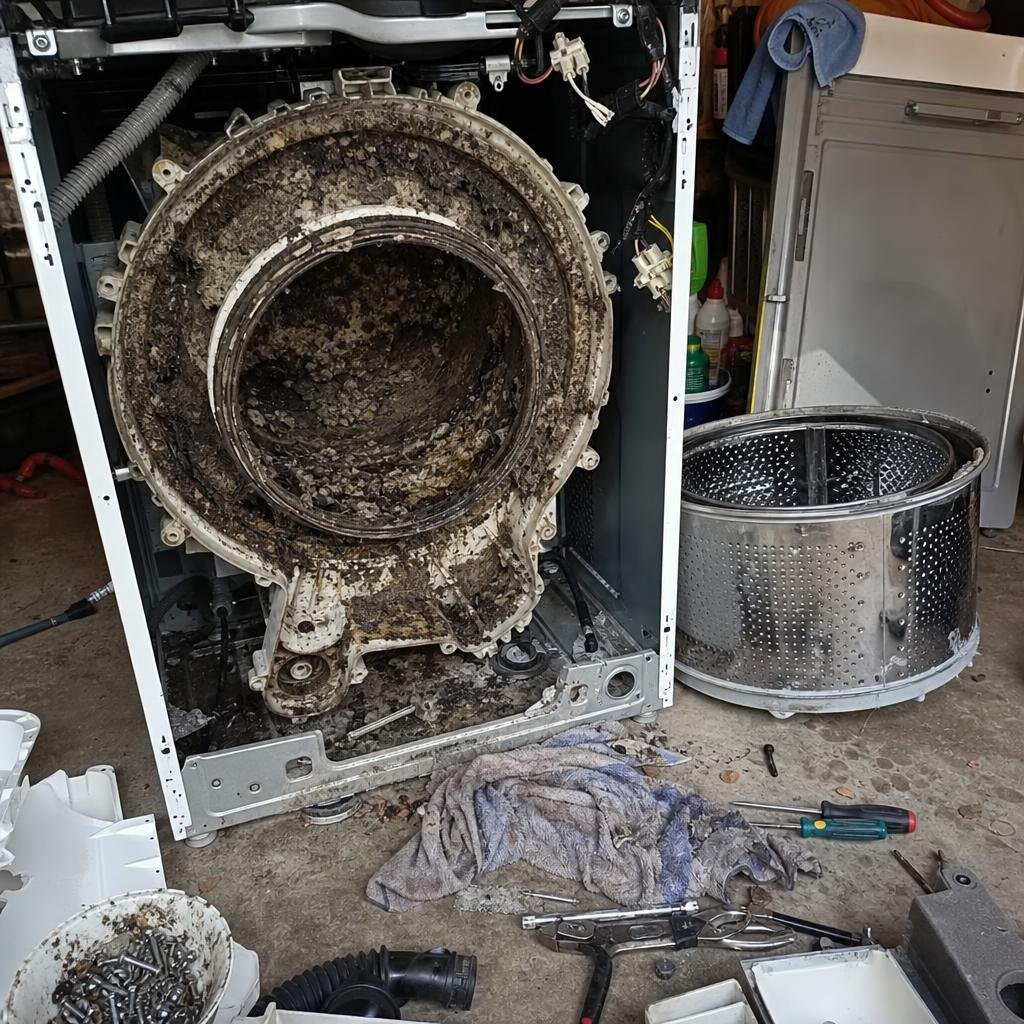
My Clean Pet Home Facebook ad: “The Washer Smell Is Hiding Here”
Ran for 1 day, from August 20 to August 21, 2026, the last day Crush saw it.
Run by My Clean Pet Home on Facebook. Crush is not the advertiser and does not verify its claims. See this ad in Meta's Ad Library(opens in a new tab)
Want an ad like this for your product?
Crush makes new ad images for your product from this ad: your logo, your product photo, your offer.
Trials from $19.95 USD, then $79.95 USD a month. Cancel anytime.
About this ad
- Meta Ad Library ID
- 1594980528666045
- Platforms
- Facebook, Instagram, Messenger and Threads
- Relaunches
- 0
Ad text
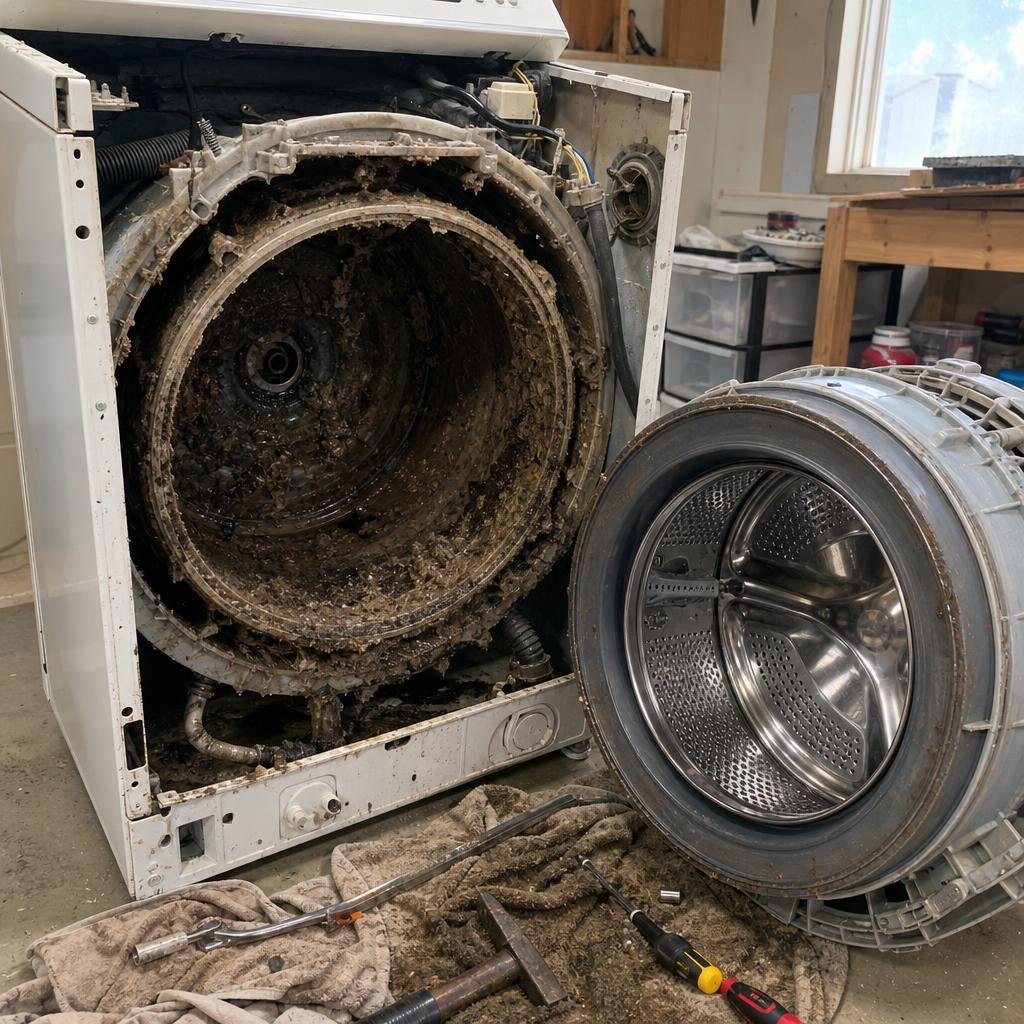
At 10:41 p.m. on a Tuesday, I pulled a warm towel from the dryer and smelled it. There it was. That damp, sour smell that had no business being inside a towel I had just washed, dried, and folded with the confidence of a person who believed in modern appliances. I checked my phone. 14 days since the last washer-cleaning cycle. I actually laughed. Not because it was funny. Because apparently my washing machine had become more punctual than I was. Then I opened my notes app and saw the same date pattern staring back at me. The missing piece was buried inside the washing machine. And once I understood it, the last few months of laundry started looking less like a string of random failures and more like one very boring science experiment I never meant to run. Day 1: I cleaned the machine. The smell improved. Days 2 and 3: normal laundry. Everything seemed fine. Days 4 through 7: still fine on the surface. Towels smelled normal. Clothes came out fresh enough. I stopped thinking about the washer. Day 8: the pet bedding went through. Day 10: one towel smelled slightly off. Day 14: the old smell was back. Not a dramatic smell. Not the kind that announces itself from across the house. The worse kind. The kind that makes you hold a shirt to your nose, sniff again, and wonder if you are imagining it. Then you wash it again. And sometimes again. (My laundry pile was becoming a small monument to uncertainty.) I had been doing what every sensible person does when a washer smells bad. I ran hot cycles. I left the door open. I wiped the rubber gasket. I switched detergents. I tried vinegar and baking soda. I used a regular washer cleaner. And the relief was real. The trouble was what remained. Inside a damp washer, there is a sealed space between the inner drum you load your clothes into and the outer tub that holds the water during a cycle. You cannot see or reach it. But water moves through it every cycle. That space stays wet. Detergent residue, softener film, pet hair, oils, and biological debris settle onto the outer-tub surfaces and form a protective biofilm. Think of it as a sticky layer that gives surviving bacteria somewhere to stay. A surface clean can knock down what is exposed while leaving the hidden layer intact. The clock does not restart from zero. The surviving material gives the next cycle a head start. After a short lag, regrowth accelerates. Then a load of pet bedding adds exactly the kind of material that makes the return faster: hair protein, skin oils, dander, moisture, and residue carried into that sealed space behind the drum. And every time water passes through it, the water can pick up flecks from the biofilm and redistribute them through the wash. Some ends up back on clothes you thought were clean. So my 14-day pattern was not proof that I needed to scrub harder. It was proof that I was repeating a surface clean against a problem living in a sealed, unreachable space around the outer tub. Modern washers make this easier to miss. They use less water, stay damp inside, and keep more of the working parts enclosed. Detergent and softener residue add another layer for buildup to cling to. Meanwhile, nearly every piece of laundry advice tells you how to improve the clothes. Very little of it tells you what to do when the machine itself is the thing touching every load. The more I looked, the more obvious the setup became. The machine was designed to use less water and stay sealed during the cycle. That is good for efficiency. It is less helpful when damp residue, detergent film, pet hair, and body oils collect in places the next load cannot rinse clean. And when the laundry still comes out smelling strange, we start reaching for more products. Extra detergent. Softener. Scent beads, because the towel needs to smell like something other than a towel. And it makes sense. If the clothes smell wrong, you try to fix the clothes. But the clothes are passing through the same machine every time. I remember opening the rubber gasket with my phone flashlight. There was a gray smear tucked into the fold. Not a horror-movie amount. Just enough to make me close the door and decide I would deal with it later (which is how most household problems become monthly subscriptions to your own anxiety). But the gasket was only the clue I could see. The real source was the sealed space behind the inner drum, around the outer tub. The drum, the water channels, and the surfaces holding the biofilm were still out of sight. I had been judging the machine by the visible part when the real test was what happened after the next difficult load. That was why the 14-day pattern mattered more than one fresh-smelling cycle. One cycle told me the exposed residue could be reduced. The calendar told me the deeper material was still there. That was when I started reading about biofilm regrowth in water lines, food-processing equipment, and hospital sinks. The details were different, but the pattern was familiar: cleaning reduces the exposed population, while the protected material underneath helps it return. I kept thinking about my phone notes. Day 1. Day 8. Day 14. The dates were sitting there like tiny witnesses. I didn’t need another product that made the top of the problem look better for a few days. I needed something that could break down the material the old methods were leaving behind. That was how I found Uproot Washing Machine Cleaner. The first thing that caught my attention was that it wasn’t built around one cleaning action. It uses oxygen bleach, which is useful for the exposed cleaning work, and adds three enzymes that go after the organic buildup underneath. Each enzyme has a different job. Alpha amylase breaks down the starch and detergent-residue film that helps buildup cling to the washer. Protease breaks down the protein in pet hair and related organic residue. This is the part that made sense for my laundry, because hair does not disappear just because the drum gets wet. Lipase strips the greasy layer from dander, skin oil, and sebum. That matters because odor-producing bacteria feed on that greasy material. The formula also travels wherever the water goes, including the sealed space behind the inner drum, the outer-tub surfaces, hidden water channels, and the drain path. Those are places I could not reach with a cloth. In plain English, it was aimed at the stuff underneath the smell, not just the smell sitting on top. That distinction also explained why pouring more vinegar into the drum had never changed the ending. I was adding another liquid to a problem involving a film that could hold onto oils and proteins. The washer might smell sharper for a while. The material underneath still had a place to stay. Uproot was not asking me to become a person who scrubs the washing machine every night. It gave the routine a better target. Put the tablet in the empty drum. Let the water carry the formula into the spaces a hand and cloth cannot reach. Give the enzymes time to work on the material that had been feeding the return. That was a much more believable promise than “make your laundry smell amazing forever.” I did not need forever. I needed the next ordinary load to stop undoing the last cleaning cycle. I put one tablet directly into the empty drum, ran the normal hot cycle, and waited. No fireworks. No woman in a white coat appeared in my laundry room to congratulate me. After the cycle, I wiped away the loosened residue that was left behind. The washer smelled cleaner, but I didn’t trust one good cycle. I had already experienced plenty of one-good-cycle miracles. The next test was the towel. Then came the pet bedding. Then Day 10. I opened the dryer and held the towel to my face. Nothing. Not perfume covering the smell. Not that damp note hiding underneath a layer of fragrance. Just a clean towel. I checked the date. Day 10. The old smell wasn’t there. On Day 14, I checked again. Still nothing. My husband noticed before I said anything. “That’s the first time the towels have just smelled like towels,” he said. It was not a glamorous compliment. But I had never wanted a glamorous compliment from a towel. The next week was when I started believing the result. The washer did not suddenly become a decorative appliance that never needed attention. I still left the door open. I still wiped the gasket when it needed it. The difference was that those habits stopped feeling like emergency medicine. The clean-smelling towel stayed clean-smelling after it sat in the linen closet. The fleece blanket did not come out carrying the same damp note. When the next pet-bedding load finished, I opened the washer expecting the old smell to jump out and collect rent. It didn’t. That small moment changed the emotional part of the problem. I no longer felt like the machine was waiting for me to fail. I had a routine that made sense, a reason for the two-week timing, and a product that was doing a different job from the cleaners I had already tried. I wanted to stop re-washing laundry that had already been washed. I wanted to stop treating every fresh load like it was awaiting a final inspection. And I wanted the washer to stop dictating the calendar in my phone. The reviews made me feel less like I had stumbled into some strange laundry theory. Uproot Washing Machine Cleaner Pro has a 4.9-star rating from over 610+ reviews. And it works with top-loaders, front-loaders, HE machines, and compact washers. You place the tablet in the drum, not the detergent compartment. Run a normal, hot-water, or clean-washer cycle. Then wipe away any residue left after the cycle. It is septic safe, and the formula is designed to target organic buildup, pet hair, pet odor, bacteria, detergent residue, dirt, mold, and mildew inside the machine. There is also no complicated setup. You do not have to take the machine apart. You do not have to measure a powder into three different compartments. You do not have to stand there with a toothbrush trying to reach the sealed space behind the drum. You run the cycle, wipe away what the cycle loosens, and keep the next recommended cleaning on your calendar. That is the whole point. The routine should support the laundry, not become a second job. And if your machine is not a front-loader, that does not disqualify you. Top-loaders collect pet hair, oils, detergent residue, and bacteria too. The shape of the washer changes. The need to clean the parts your clothes pass through does not. The smell in my washer had been giving me the same message for months: clean me again. Now I understood the better question. What keeps rebuilding after I clean? If your washer smells fresh for a few days, then turns on you after another round of laundry, pay attention to the pattern. The timing may be telling you that the surface was cleaned while the material underneath survived. Uproot Washing Machine Cleaner is the tablet I use to go after that hidden buildup. It is made for pet hair, pet odor, detergent, softener, and fabric residue, with a three-enzyme formula that helps break down the layers ordinary cleaning leaves behind. You can get the first pack for $19.99 and test it in your own machine. If it does not deliver the result you are looking for, the 60-day money-back guarantee gives you a way out. I would start before the next Day 14 arrives. Because once you know the washer is keeping a calendar, it becomes very hard to keep pretending the smell is random. Tap below to try Uproot Washing Machine Cleaner. https://uprootclean.com/products/uproot-washing-machine-cleaner-pro P.S. The vinegar, hot cycles, and first cleaning tablet were not pointless. They just did not remove the layer that kept rebuilding. That was the piece I was missing.
Where the ad sends people
uprootclean.com
The Washer Smell Is Hiding Here 🤢
Uproot Washing Machine Cleaner Pro
Shop now: uprootclean.com(opens in a new tab)