
Inactive· since Jun 20, 2026
- 46
- days it ran
- 0
- relaunches
Ad copy
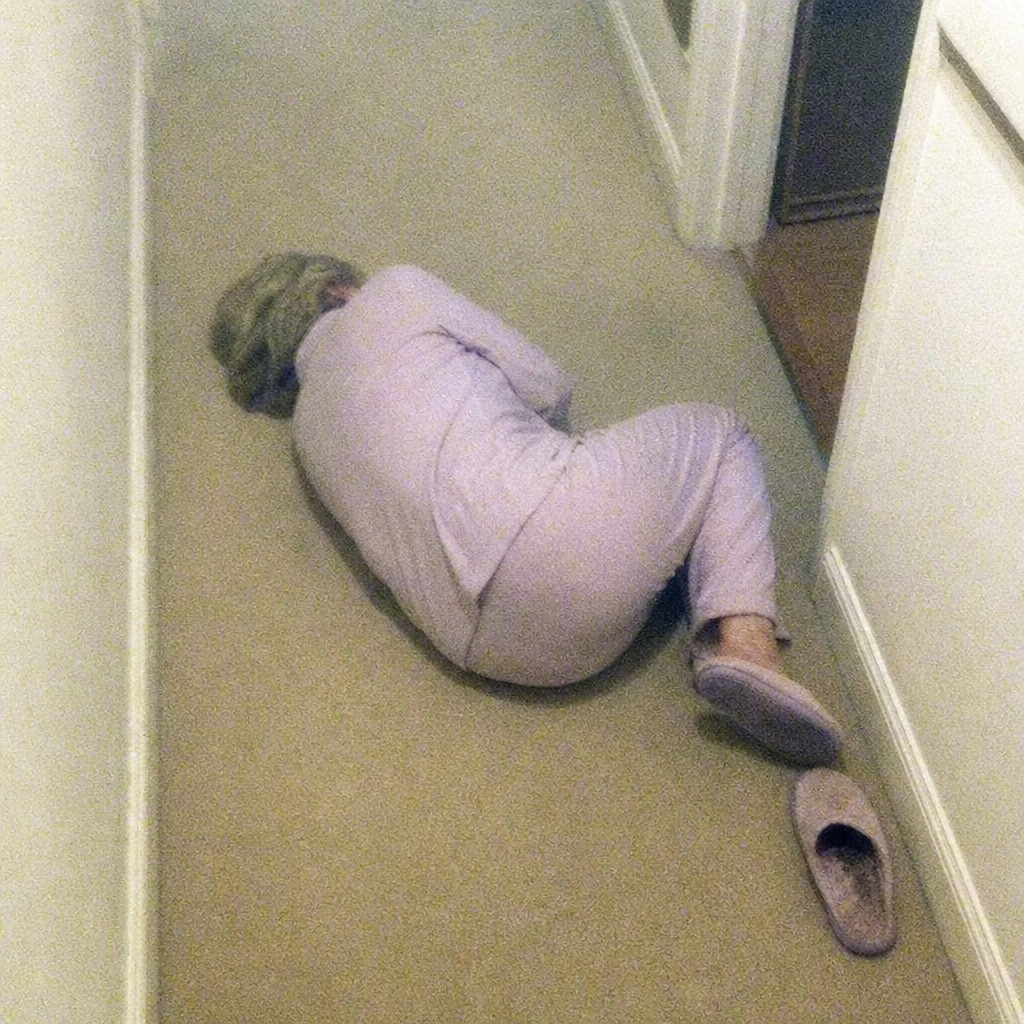
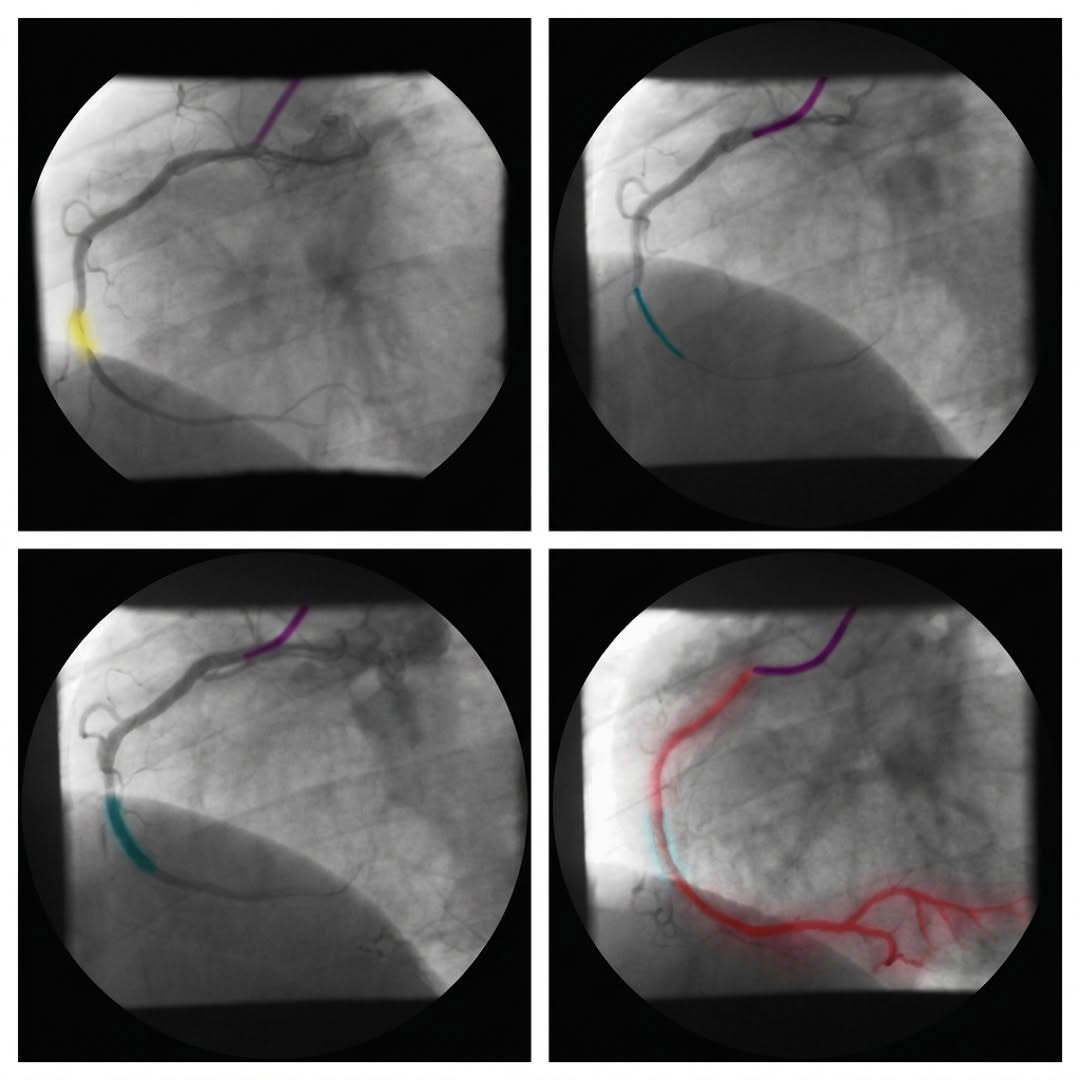
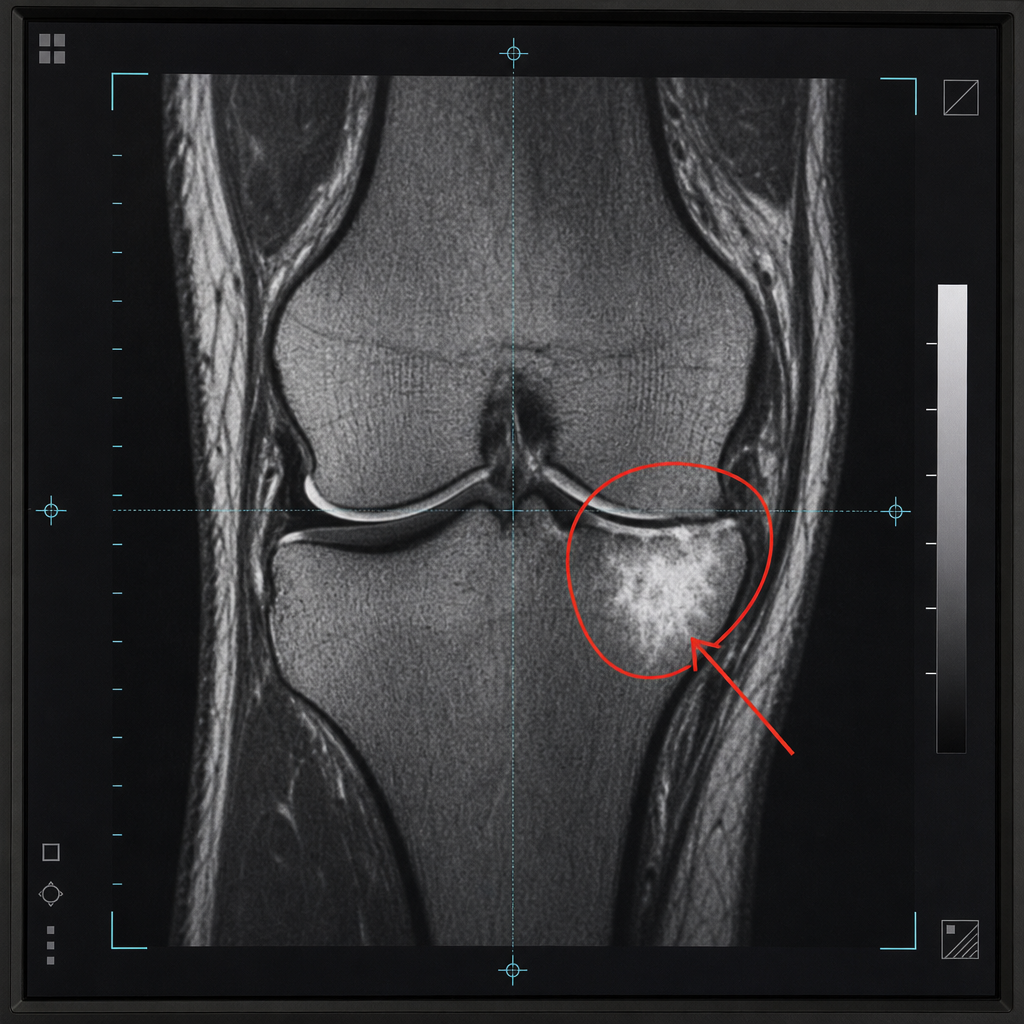
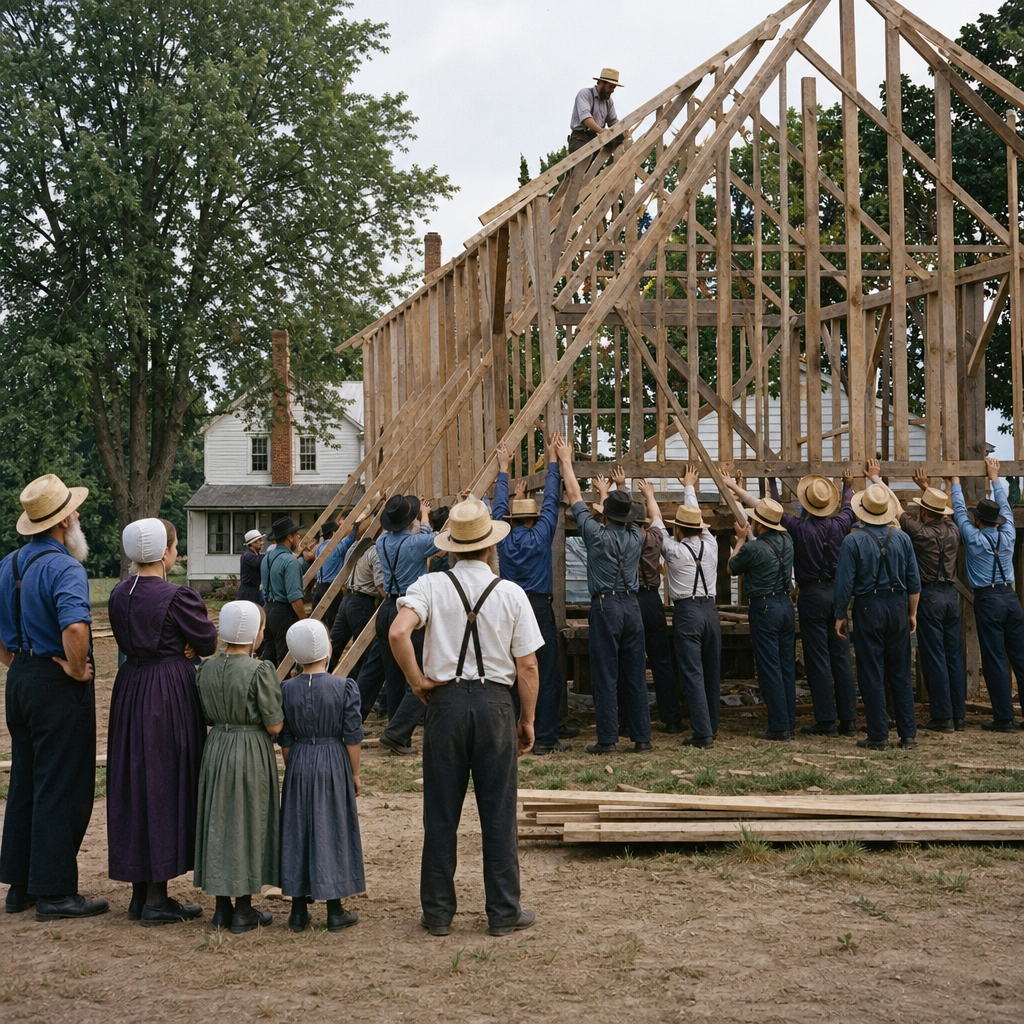
My rheumatologist daughter married an Amish man in Lancaster County. At the reception, the groom's 84-year-old great-grandmother stood up during the toasts, looked at me across the table, and said something my family still hasn't forgiven her for. My daughter Emily married Jacob Stoltzfus on October 14th in a barn on his family's farm. But you won't understand the reception if you don't understand what led up to it. Emily is a rheumatologist. Was a rheumatologist. Board-certified. Top of her residency class. The kind of doctor other doctors quietly sent their own mothers to. She'd spent four years of medical school and three years of residency learning how to treat arthritis. She was supposed to join a practice in Philadelphia. That was the plan. That had always been the plan. The plan changed because of a research project. Emily was studying joint-disease outcomes in Amish populations. The numbers had always puzzled researchers. Amish adults get crippled by arthritis at roughly half the rate of the rest of Pennsylvania. Almost no joint replacements. Almost no people folded into wheelchairs at 70. No daily pills. No specialists. Just people who don't end up where this disease has been slowly putting me for the last sixteen years. Emily wanted to understand why. Her department approved a field study. She needed to spend time in Lancaster County. Interview families. Collect health histories. Watch how people lived and moved. A colleague connected her with the Stoltzfus family. She came home from her first visit talking about inflammation markers and a man named Jacob who had walked her through four generations of his family from memory. No charts. No medical records. Just a man who knew his great-grandfather was splitting firewood the week he died at 91. That his grandmother raised nine children, ran a farmhouse, and never once spent a day in a chair she couldn't get out of on her own. I didn't think anything of it. Emily has always been obsessed with whatever she's studying. She once explained inflammatory markers for forty-five minutes at Thanksgiving until her father fell asleep with his fork still in his hand. The second visit she mentioned Jacob again. The third visit she didn't mention him at all, which is when I knew. By Christmas she told us she was seeing him. By Easter she told us it was serious. By July she told us he'd asked her to marry him and she'd said yes. My husband Russell sat at our kitchen table and said nothing for a long time. Then he said, "She went to medical school for eight years." That was his way of saying everything he couldn't say. That our daughter, who was board-certified, who had three hundred thousand dollars in student loans, who had a job offer from one of the best practices in Philadelphia, was going to live in a house with no electricity. No car. Was going to wear a plain dress and learn to bake bread and hang laundry on a line. Was going to leave behind everything she'd trained for. My sister Joan is a nurse. She called me the night we told the family and said, "Carol, this is temporary insanity. She'll come back." My brother-in-law Walter, who's a pharmacist, said, "She's throwing away the kind of career most people would kill for." My mother would have had something to say about it too. But my mother had been gone three years by then. Nobody in my family understood it. I didn't understand it either. But I watched Emily's face when she talked about Jacob and I saw something I recognized. The same look I had when I met Russell at twenty-two and knew before I had any right to know. You can't argue with that look. I tried. It didn't work. We met the Stoltzfus family in August. Russell and I drove to Lancaster County on a Saturday morning. I was tense the whole drive. Kept asking him to turn the AC down, then back up, which is what I do when I'm anxious and don't want to admit it. The farm was beautiful. I'll say that first because everything else I'm about to tell you might make it sound like I didn't notice, but I noticed. Ninety acres of rolling green. A white farmhouse with a long porch. A red barn that looked like it had been standing for a hundred years and would stand for a hundred more. Garden rows so straight they looked drawn with a ruler. Goats in a pasture behind the barn. Laundry on a line: white aprons, dark dresses, a quilt that caught the wind and billowed like a sail. Jacob met us in the driveway. He was tall. Broad shoulders. Calm eyes you don't see on men in cities. He shook Russell's hand and led us toward the porch. His mother Anna was waiting for us. Sixty years old. Small, warm, direct. She took my hand in both of hers and said, "Your daughter is a gift. We love her already." Then Esther came out of the kitchen. Jacob's great-grandmother. Eighty-four years old. She walked toward us across the porch and I want you to understand how she walked because it matters for everything that comes later. She didn't shuffle. She didn't grab the railing. She didn't favor one leg. She walked the way people walk when their knees are still on their side. Straight back. Even stride. Purpose in every step. She had a wooden spoon in her hand. She'd been canning peaches that morning. At eighty-four. At nine in the morning on a Saturday. She took my hand. Her grip was firm. Her skin was warm. I had braced my own hand on the porch post to push myself up out of the chair to greet her. I'd hoped nobody saw. "You raised a fine daughter," Esther said. Her voice was clear. Her eyes were clear. She lowered herself into the chair across from me without a sound, without a grimace, without the long careful negotiation I do with every chair now. We sat on the porch. Anna brought coffee and a peach pie still warm from the oven. We talked for two hours. I learned that Jacob's father had been farming this land since he was twelve. That Anna had nine children and made every piece of clothing each one of them had ever worn. That Esther had built the kitchen we'd just walked past with her own husband fifty years ago, and was still kneeling in the garden behind it to pull the weeds. Kneeling. I watched Esther's knees while she carried the pie plate to the table. Eighty-four years old. She stood. She walked. She bent. No catch. No wince. No hand pressed flat to a thigh for leverage. I looked at my own knees under the table. I'd taken three ibuprofen in the car before we pulled in. I'd been awake since five because the ache had woken me. And I was already dreading the porch steps on the way out, the way I dread every set of stairs now, counting them before I reach them. I'd been doing that for three years. I'd been pretending not to notice for three years. The wedding was in October. Two months of planning that felt like two years. Amish weddings are different from what I expected. They're long, they're in the home or the barn, there's no music, no flowers, no decorations the way we'd think of them. The beauty is in the simplicity. The barn had been cleaned until it glowed. Wooden benches arranged in long rows. Sunlight coming through the loft windows in columns of gold. Emily wore a navy blue dress Anna had sewn by hand. No white gown. No veil. She looked more beautiful than I'd ever seen her, stripped of everything extra, down to just herself. Jacob stood across from her in a black coat and white shirt. They didn't exchange rings. They made promises. I cried. Not because I was sad. Because my daughter had chosen a life I didn't understand and I could see, standing in that barn, that she was exactly where she was supposed to be. That's a hard thing for a mother. And a beautiful thing. Both at the same time. The reception was in the farmhouse. Long tables. Food the community had cooked. Roast chicken, mashed potatoes, creamed celery, bread and butter, more pie than I'd ever seen in one room. No alcohol. No DJ. Just people eating and talking and laughing in a house that smelled like food and wood and kerosene lamps. The toasts came after dinner. In Amish weddings the toasts are informal. People stand up and speak when they feel moved to. Jacob's father spoke first. Then Anna. Then my sister Joan, who kept it short and polite and didn't say any of the things I knew she was thinking. Then I stood up. I'm not a public speaker. I'm a quiet woman who shows love through dinners and birthday cards, not speeches. But I stood at that table and gave a toast about Emily. About the day she was born. About teaching her to read at four years old. About watching her graduate medical school and knowing, the way mothers know, that she was going somewhere I couldn't follow. My voice cracked twice. I gripped the edge of the table the whole time. Not for the nerves. Because I'd been standing for ninety seconds and my knees were already begging me to sit back down. I finished. People clapped softly the way Amish people clap, which is to say barely at all. I sat down. I sat down too fast and too hard, the way you do when you can't trust the last few inches. Reached for Russell's hand under the table and squeezed. He squeezed back and held on. Then Esther stood up. The room quieted the way a room quiets for someone who doesn't speak often. You could hear the kerosene lamps hissing on the walls. She looked at Emily first. Smiled at her. Then she looked at our side of the table. Me. Russell. Joan. Walter. She looked at us the way you look at people you're about to say something difficult to. Not with anger. With the kind of care that comes before hard words. "I want to welcome Emily's family into ours," she said. "You raised a daughter who chose us. That means something. It means she saw something here worth giving up her world for." She paused. Took a breath. "But I'm eighty-four years old and I'm not going to waste whatever time God gives me being polite when I should be honest. So I'm going to say something to all of you, because Emily's family is my family now and I don't let family walk around blind when I can see. And I'm saying it with your daughter sitting right there, and she's a joint doctor, so she can tell me if I'm wrong." The room was completely still. "I made the bread on this table this morning. I canned the peaches in the bowl in front of you yesterday. Last week my grandson and I drove the wagon out to the back field and I climbed down off it myself and helped him load the squash. My knees work. My back works. I can still kneel in my garden and get back up without a hand from anybody." She looked at me. Not unkindly. But directly. "Carol. Your daughter says you are fifty-seven. I am twenty-seven years older than you. I just walked across this room with a kettle in each hand. When I came onto that porch in August to meet you, you had your hand braced on my own porch post to stand up out of a chair. Somebody did that to you. It was not God. And it was not time." I heard Joan inhale sharply beside me. Walter put his hand on her arm. "Your husband is looking at me right now the way a husband looks when his wife has been shrinking in front of him for years and nobody told him he was allowed to say it out loud. I know that look. My own husband had it before he passed, the look of a man who watches the woman he loves fold up a little more each year and worries and stays quiet because nobody told him he was allowed to see what he was seeing." She was looking at Russell. And she was right. He was looking at her exactly like that. "I don't know what pills your doctor gave you, Carol. I don't know what they're called. I know what they do. Because I had a friend in the English world. Ruth. We wrote letters for fifty years. And in her forties a doctor told her the cartilage in her knees was wearing thin and put her on a pill she would take every single morning for the rest of her life. For the pain. To bring down the swelling. The doctor told her it was safe. Well tolerated, he said. The only real choice she had." Esther's voice was steady. The way a voice is steady when it has told a story enough times that the grief has gone smooth. "Ruth was the strongest woman I ever knew. As a girl she could pitch hay all day. She could walk five miles to town and five miles back and not be tired. She wrote to me once that she'd hiked a mountain in her fifties with her grandchildren and beaten them all to the top." I felt something cold settle in my stomach. My mother climbed mountains. My mother hiked the whole length of a state park trail the year she turned fifty and sent me a photo from the summit. Her name was Ruth. But Esther didn't know that. She couldn't have. She was talking about her own friend, some other Ruth, and I sat there feeling the room tilt because the story was the same story. "Five years on that pill," Esther went on, "and Ruth's knees stopped hurting as much, but her stairs got slower. Her doctor said the X-rays looked stable. Hold steady, he told her. Whatever you're doing is working." I thought about my mother's last good Christmas. The way she'd come up our front steps one at a time, both feet to each step, holding the rail with both hands, and laughed it off when I offered an arm. "Ten years on it, Ruth couldn't get down to the floor to play with her great-grandchildren anymore. She watched them from a chair. Her husband carried the laundry up the stairs because her knees buckled on the seventh step one morning and frightened them both. Her doctor said the films hadn't changed. Stable, he kept telling her. Stable." My mother stopped coming to the lake house the last two summers of her life. Said the steps to the dock were too much. I told myself it was just age. "Sixteen years on it, Ruth fell. Not a bad fall. A small one. Her knee gave out in her own kitchen reaching for a cup. But she was sixty-eight by then and the pill had been quietly thinning more than her cartilage. Her doctor had been watching her joints for sixteen years and never once watched her heart." I couldn't breathe. I was sitting at my daughter's wedding reception and I couldn't breathe. "Ruth died at sixty-nine. Not from the fall. From her heart. It gave out on a Tuesday morning with a cup of coffee in her hand. The cup dropped and broke on the floor. The strongest woman I ever knew, gone in the time it takes for coffee to spill. With knee X-rays her doctor had called stable right up to the end." Esther paused. "I never got to bury Ruth. She was too far away. I just got the letter from her daughter. And tonight I watched the mother of my granddaughter-in-law brace her hand on a table to stand up and give a toast. The way Ruth held the stair rail at the end. Because her own legs weren't enough anymore." She sat down. Nobody spoke. For a long time, nobody spoke. Anna reached over and touched Esther's hand gently. Emily was looking at me with tears streaming down her face. Jacob had his hand on her back. Joan was staring at the table. Russell was staring at his hands. I was staring at my own. But it wasn't my hands I was thinking about. It was my mother. My mother, who was on a pill exactly like that. Every morning. For almost twenty years. Whose X-rays her doctor called stable while she folded up in front of me one summer at a time. Who died of a heart attack at sixty-nine with a cup of coffee in her hand. I had buried her three years before. And I had spent every one of those three years on the exact same pill. An eighty-four-year-old woman I'd met twice had just stood up at my daughter's wedding and told my mother's story without knowing it was my mother's story. And told me, without meaning to, where my own was heading. We left the next morning. The drive home was three hours. I didn't speak for the first hour. Then I said, "She was being cruel." "Was she wrong?" I didn't answer. Russell drove. I sat in the passenger seat looking out the window. My hands were folded in my lap. My knees were stiff and throbbing from the night before, the way they always are after I sit too long in a car. That night I stood in our bathroom doorway and watched Russell get into bed. I picked up my meloxicam bottle off the counter the way I had every night for three years. Shook one out into my palm. Took it with a sip of water. Set the bottle back down. It was the same bottle I'd cleaned out of my mother's medicine cabinet after she died. The same drug. The same dose. The same morning ritual. I looked at that bottle and I heard Esther's voice. Somebody did that to you. It wasn't God and it wasn't time. For three years I have been taking that pill. My doctor put me on it when I was fifty-four. The cartilage in both knees was thinning. The pain was waking me up. He said meloxicam was safe and well tolerated and the only real lever I had once the diet and the walking and the weight loss stopped helping. And I had done all of that. The anti-inflammatory diet. The walking. I lost twenty-two pounds. I did a year of twice-a-week physical therapy. I took the glucosamine and the turmeric and the fish oil. My knees ached every morning anyway. So I took the pill. Every appointment, the same thing. "Carol, your films are stable. Keep doing what you're doing." And for three years I have been keeping doing what I'm doing while my body quietly stopped doing what it used to do. The exact same words my mother heard for almost twenty. I'd seen all of it before. I'd watched it happen to her. I'd just never let myself put her and me in the same sentence until an old woman in a farmhouse did it for me. I didn't sleep that night. I lay in bed next to Russell and listened to him breathe and I thought about Esther standing in that barn. About the kettle in each hand. About Anna kneeling in the garden at sixty. About my mother in her chair at the end, watching her great-grandchildren from across the room because she couldn't get down to the floor with them. And I thought about the morning my mother died. I was the one who found her. The coffee was still warm on the floor. For three weeks I carried it. I didn't tell Russell what I was thinking. I didn't tell Joan. I didn't tell anyone. I just watched myself. Watched myself brace on the counter to stand. Watched myself count the porch steps. Watched myself swallow the same pill that was in my dead mother's medicine cabinet and tell myself it was keeping me safe. Then Emily called. "Mom. I need to come see you. I have something I want to show you. It's important." She drove down on a Saturday. I made coffee. She sat at my kitchen table. "Mom. I need to talk to you about what's happening to you." "I know." "You know?" "Esther said it at the wedding. I've been seeing it since we got home. I've been seeing it for three years, Emily. I just didn't want to put a name on it because the name was your grandmother." She went quiet for a second. Then she opened her bag and pulled out a folder. Not a thin one. Thick. Papers, printouts, highlighted studies. I recognized the way she organized her research. The same way she'd organized her flashcards in medical school. Color-coded tabs. Notes in the margins. "Mom. I'm a rheumatologist. I spent three years in residency learning how to treat arthritis. I prescribed this exact drug. I told people their films looked stable. I said the same things your doctor says to you every six months. The same things Grandma's doctor said to her." She paused. "And then I moved here. And I watched Esther can peaches at eighty-four. And kneel in her garden. And I started asking myself a question I never asked in residency. Why are the people in this community still on their feet at eighty when my own grandmother was in a chair at sixty-five?" "That's what my research was supposed to answer. Before I fell in love with Jacob and lost the objectivity." She smiled. But her eyes were serious. "I kept researching after the wedding. Not for a paper anymore. For you." She slid a printout across the table. "Mom. I prescribed this drug. I need you to understand what I'm about to tell you, because it means I was wrong. Not just your doctor. Not just Grandma's doctor. Me. I was part of the same system that did this to her." Her voice caught. My daughter, my composed, brilliant, board-certified daughter, had tears in her eyes. "Your doctor has been watching the wrong thing for three years. The same thing Grandma's doctor watched for twenty. And so was I, for every patient I ever treated." She told me what she'd found. The way a doctor tells you something when she's realized it contradicts everything she was trained to believe. "The pill manages the pain. It really does bring the swelling down. That part is real. But it doesn't fix anything. The cartilage keeps wearing. The inflammation underneath keeps burning. All the pill does is turn down the alarm so you stop hearing it." She tapped the printout. "And here is the part nobody tells you. That same inflammation it's masking in your knees doesn't stay in your knees. It's systemic. It's in the lining of your arteries too. The pain pill quiets the joint, so you feel fine, so you keep taking it, year after year. Meanwhile the inflammation keeps stiffening the very thing that has to keep working for the rest of your life." She tapped her chest. "The heart, Mom." She folded her hands on the table. "People on a daily anti-inflammatory for years carry up to a fifty percent higher risk of a heart attack than people the same age who aren't. Up to half again. And almost nobody on it knows that, because the only number their doctor shows them is the X-ray. And the X-ray looks stable right up until the morning it doesn't matter anymore." I felt cold. "That's what happened to Grandma," I said. "That's what happened to Grandma. Sixteen years of stable films and not one of them was ever looking at the thing that killed her." She looked at me with something I'd never seen in my daughter before. Guilt. "And here's the part that explains everything. The stiffness. The swelling. The morning where you can't trust your own knees on the stairs. It was never just wear and tear. The wear is real, but the inflammation is what's driving it. It's eating the cartilage faster than your age ever would. The pill numbs what you feel. It does nothing about what's actually doing the damage. So the joint keeps going. And the same fire keeps working on your heart the whole time." I thought about Esther at the reception. About Ruth's knee giving out reaching for a cup. About my own mother and the coffee on the kitchen floor. Three years on the pill. And every doctor, including my own daughter, calling it aging. "The Amish don't have this problem the way we do," Emily said, "and it isn't only that they work hard and eat clean, though they do. There's one more thing. The thing nobody outside this community knows about Esther's family unless they live here." She paused. "Tart cherries. Every farm on this road grows them. They have for generations. Esther's grandmother grew them. Her great-grandmother grew them. The women dry them, put them up in jars, eat a handful every day through the winter. Esther's been doing it her whole life. It's the most ordinary thing in the world to her. She doesn't even think of it as medicine." She pulled out another printout. "People have used tart cherries for joint pain for a very long time, Mom. The thing inside them that does the work is a group of compounds called anthocyanins. They're the deep red pigment. And they don't just dull the pain. They actually lower the inflammation that's driving the cartilage loss. The same inflammation that's working on your arteries." She tapped the page. "There was a study at Boston University. Six hundred and thirty-three people. The ones eating tart cherry had eighty-five percent fewer flares. Not because it numbed them. Because it brought the actual inflammation down." She reached into her bag and set a bottle on the table. "This is the one Esther's grandson sources from. The only company that does it the way the women in this community always have. The catch is the processing. Almost every tart cherry supplement on the shelf is made from heat-spray-dried powder. They blast the cherries with high heat to turn them into powder cheaply and fast. And anthocyanins start breaking down at a hundred and four degrees. By the time that powder is in a capsule, eighty percent of the thing that actually works is gone. The label still says tart cherry extract. But you'd be taking the husk of it." She turned the bottle so I could see it. "This is cold-extracted. Never heat-dried. So the anthocyanins survive intact. It's standardized to twenty-five percent, which is the concentration the studies actually used, not the three to five percent most bottles quietly contain. And every lot is third-party tested. There's a Certificate of Analysis you can pull up by the lot number on the bottom. You can see for yourself exactly how much is in it." She pushed the bottle toward me. "One capsule a day. That's it. No prescription. Nothing you have to flush down with the meloxicam." "Mom. Esther is eighty-four and kneeling in her garden because the inflammation in her joints never got to run for twenty years unanswered. Grandma was sixty-nine and dead because hers did, while a pill kept her comfortable enough not to ask why. You're fifty-seven and bracing on the counter to stand up. You're standing exactly where Grandma was standing at your age. This is the closest thing there is to what's kept these women on their feet for three hundred years. In a bottle." I looked at the bottle on my kitchen table. I looked at the chair where I'd sit that night, easing myself down by the armrest because I couldn't trust the last few inches. And I looked at my daughter. The rheumatologist who left her career, married a farmer, and drove three hours to sit at her mother's kitchen table and say the thing her training never taught her to say. I picked up the bottle. "Does Jacob know you're here?" "He drove me. He's at the diner around the corner. He said this was between us." I took the first capsule that night with dinner. Nothing happened. I didn't expect anything to. It's a capsule, not a painkiller. Emily had told me plainly: this isn't the pill, it doesn't switch the pain off in twenty minutes, it works on the thing underneath and that takes time. I went to bed. But I'll tell you the one thing I did notice that first night. I didn't wake up at five. I usually wake up at five because the ache in my knees pulls me out of sleep. That night I slept until six forty. The ache was still there when I got up. But it had let me sleep an extra hour before it came for me. Probably nothing. Too early. I didn't say anything to Russell. Day six, a Thursday, I got out of bed without bracing on the nightstand first. Russell was already up making coffee. For three years I'd been waking up, lying there, flexing my knees and dreading the floor before I could swing my legs over the side. This morning I swung my legs over and stood up. No pause. No flex. No negotiation with my own knees. I walked to the bathroom. Standing. Moving. Without the ritual. Russell came in while I was brushing my teeth. He stopped in the doorway. "Carol. You're up." I smiled at him through the toothpaste. He started crying. Week two. The stairs. I came down them in the morning one foot over the other, like a normal person, instead of two feet to each step holding the rail. I stopped halfway down because I realized what I was doing. I'd been taking the stairs like my mother took them at the end without ever once noticing I'd started. Week three. I knelt down. I was looking for a pan in the bottom cabinet and I just knelt, both knees, the way you do without thinking when your knees let you. I got the pan. Then I stayed down there for a second because I couldn't remember the last time I'd been on the floor on purpose. Russell found me kneeling in front of the open cabinet, crying. "What's wrong?" "Nothing," I said. "I'm down here. I just got down here." He helped me up even though I didn't need it. Held my hand for a long time after. Week four. The morning ache was gone. Not quieter. Gone. I woke up and lay still for a minute waiting for it the way you wait for a sound you've heard every morning for three years, and it didn't come. Four weeks. Without changing anything else. Without a stronger pill. Without surgery. My follow-up with my own doctor was at the end of month two. The nurse weighed me. Took my blood pressure. Frowned. Did it again. "One eighteen over seventy-four. That's better than last time." My doctor walked in. Pulled up my chart. Started his usual line about the films being stable. Then he stopped. Looked at me. Looked at the way I was sitting on the table, upright, both feet swinging, no hand braced on anything. "Carol. What did you change?" I told him. The Amish family. The cold-extracted tart cherry. The capsule. My mother. He typed. Nodded slowly. "Your inflammatory marker is down. A lot. Whatever you're doing, keep doing it. Let's hold off on any change to the meloxicam and recheck in six weeks." Six weeks later he cut my meloxicam to half. Six weeks after that, with my marker still down and my knees still quiet, I came off it. Off the pill that was in my mother's medicine cabinet. The pill I'd buried her on. The pill her doctor and my doctor both called safe right up until it didn't matter. That was four months ago. My knees don't wake me up anymore. I take the stairs one foot over the other. I kneel in my own garden now, both knees in the dirt, and I get back up without a hand from anybody. Last Saturday I took my granddaughter to the farmers market. Walked the whole thing. Carried the bags back to the car myself. She said, "Grandma, you're fast now." I didn't tell her I was crying behind my sunglasses. I called Emily that night. Told her my numbers. Long silence. "Mom. Esther will be proud." We drove to Lancaster County the following weekend. Emily met us at the end of the lane. She was wearing a navy blue dress. Her hair was pinned up under a simple white cap. She looked like she'd been living in sunlight for six months. Which she had. Jacob shook my hand. I gripped it. Really gripped it. Jacob smiled. "You walked up the lane." "I walked up the lane." Esther was in the kitchen. Because Esther is always in the kitchen. She was rolling out pie dough on a wooden board, the flour pale on her dark sleeves. She looked up when we walked in. "You came back." "I came back." Esther set the rolling pin down. Walked over. Took my hand in both of hers and held it for a long time. Didn't shake it. Just held it. "You listened," she said quietly. "Most people don't." My eyes were wet. I didn't try to hide it. "My mother was on that pill for twenty years," I said. "Her name was Ruth, same as your friend. She died at sixty-nine with a cup of coffee in her hand. You told her story at the wedding without knowing it was hers. And it stopped me before I followed her the whole way down." Esther was quiet for a moment. "Then there were two Ruths," she said. "And you will not be the third." She looked at me. "I said it at the wedding because Emily is mine now. And she is a joint doctor who couldn't see what was happening to her own mother until she came to live with us. That tells you something about the medicine, doesn't it? She had to leave it to find the answer." Anna made coffee. We sat on the porch, the same porch Esther's husband built fifty years ago. I lowered myself into the chair without the armrest, without the long careful negotiation, and I watched myself do it. Anna came up from the garden. Sixty years old. Three years older than me. A different woman entirely. She'd been pulling carrots on her knees since six in the morning. She wasn't stiff. She wasn't slow. She wasn't dimmed. Two women. Nearly the same age. One had trusted a pill that managed the pain and ignored the fire. One had eaten a handful of tart cherries every day of her life without ever calling it medicine. And sitting on that porch I could finally see what Esther had been trying to tell us at the reception. Not as a judgment. As a warning from a woman who'd watched it happen to a friend and didn't want to watch it happen to a stranger's daughter's mother too. I'm telling you this because I think you might be where I was the night of that wedding. Bracing your hand on the counter to stand up. Counting the steps before you reach them. Taking the stairs two feet to each step and holding the rail. Watching your doctor smile at an X-ray while the rest of you quietly folds up. Lowering yourself into your own chair by the armrest because you can't trust the last few inches. Watching yourself turn into a slower, stiffer version of the person you used to be and not knowing how to come back. Watching a parent go down this exact road and telling yourself yours will be different. If you have osteoarthritis, if you're on meloxicam or another daily anti-inflammatory, and your doctor keeps telling you your films are stable while the rest of you keeps folding, the films aren't the whole story. They weren't mine. They weren't my mother's. People who take a daily anti-inflammatory for years carry up to a fifty percent higher risk of a heart attack than people the same age who don't. Up to half again. And almost none of them are ever told, because the only number their doctor watches is the one on the X-ray. If you've been watching yourself slow down and sit more and do less and you've been calling it aging because that's what your doctor calls it, maybe it isn't aging. Maybe it's inflammation a pill has been masking for years. Maybe it's a drug that turns down the pain and turns up the risk and addresses nothing underneath either one. Maybe it's three or twenty years of "your films are stable" while the same fire that's eating your knees is stiffening the artery that has to last you the rest of your life. An eighty-four-year-old Amish woman stood up at my daughter's wedding and told the truth. Her knees are steady. She kneels in her garden. She has never taken a pill. And I, twenty-seven years younger, had to brace my hand on a table to stand up and give a toast. Somebody did that to me. It wasn't God. It wasn't time. It was inflammation, and a pill that hid it instead of healing it, and a parent's exact road I was three years into walking. And nobody in those three years was ever looking in the place where the real damage was being done. GoodGrove. One capsule. Once a day. With a meal. Cold-extracted tart cherry, standardized to twenty-five percent anthocyanins, the same concentration the studies used. Never heat-dried, so the part that actually works survives intact. Every lot third-party tested with a Certificate of Analysis you can pull up by the lot number. The way the women in this community have done it for three hundred years, in a bottle. No more pills going in every morning that quiet the pain and do nothing about the fire. No more "your films are stable" while the rest of you folds up year after year. No more taking the stairs the way your mother took them at the end. No more lowering yourself into a chair by the armrest because your knees can't be trusted the last few inches. My daughter married an Amish man. My family thought she was throwing her career away. A rheumatologist who walked away from medicine to live on a farm. She kept her own mother off the road that took her grandmother instead. https://trygoodgrove.com/cherry P.S. If you're the person reading this and you have osteoarthritis and something in you has been folding up for years, you're not imagining it. You're not being dramatic. You've been watching something real. Your doctor has been watching the X-ray. You've been watching yourself. You're closer to the truth than the film is. I needed an eighty-four-year-old woman who has never been to a doctor in her life to tell me what I already knew. I'm telling you now so you don't need to wait for your own Esther. P.P.S. I went to Emily and Jacob's house last month. Esther was there. She watched me kneel down in her garden to help pull weeds, and get back up on my own. She ran her thumb across the back of my hand. Looked at me and said, "You came back. Good." That was the best thing anyone has ever said to me. Emily watched from the doorway. My daughter the rheumatologist. Who left her practice, married a farmer, and found the answer her training never gave her. She told me last week she doesn't regret a single thing. I believe her. I can see the proof in my own knees every morning. P.P.P.S. Here's what I'd tell you to do. Take one capsule with a meal. Don't expect it to work like the pill, because it doesn't. The pill turns the pain off and turns nothing else around. This works on the inflammation underneath, and that takes a little time. For me the mornings came back first. By the end of the first week I was getting out of bed without bracing. By the fourth week the ache that had pulled me out of sleep for three years just stopped coming. The marker in my bloodwork caught up by my next appointment. It is not the pill. It is the thing the pill was never doing. P.P.P.P.S. GoodGrove has a ninety-day money-back guarantee. If your mornings aren't easier, if the stairs aren't easier, if you can't get down to the floor and back up again, full refund. Every dollar back. In three years of meloxicam, nobody ever offered me a refund. Nobody offered to give back the cartilage the pill let burn while my doctor said my films were stable. Nobody offered my mother a refund on the twenty years it managed her pain and never once watched her heart. The system doesn't do refunds. GoodGrove does. Think about what that tells you about who's confident in their product and who's just confident in their prescription pad. P.P.P.P.P.S. GoodGrove is a small company. They sell out. The tart cherries are cold-extracted in small batches and they can't rush it without cooking out the very thing that works. I keep two bottles in my cabinet now. One for me. One for my sister Joan, the nurse, who started it eight weeks after I did. She's sixty-one. Her knees were one bad winter behind mine. Last Sunday she called me. "I'm not going to end up like Mom," she said. Neither am I. Neither should you. P.P.P.P.P.P.S. Do not forget about the ninety-day money-back guarantee. The pill in my mother's medicine cabinet never came with one. This does.
Everyone with joint issues needs to see this ☝️
Clean, science-backed supplements crafted without anything artificial. Vegan, non-GMO, and third-party tested, with a 90-day money-back guarantee so you can shop with confidence.
LEARN MORELike this ad? Make it yours.
Crush rebuilds this exact creative around your product — your brand, your colors, your offer — in about a minute.