
Inactive· since Jun 14, 2026
- 69
- days it ran
- 0
- relaunches
Ad copy
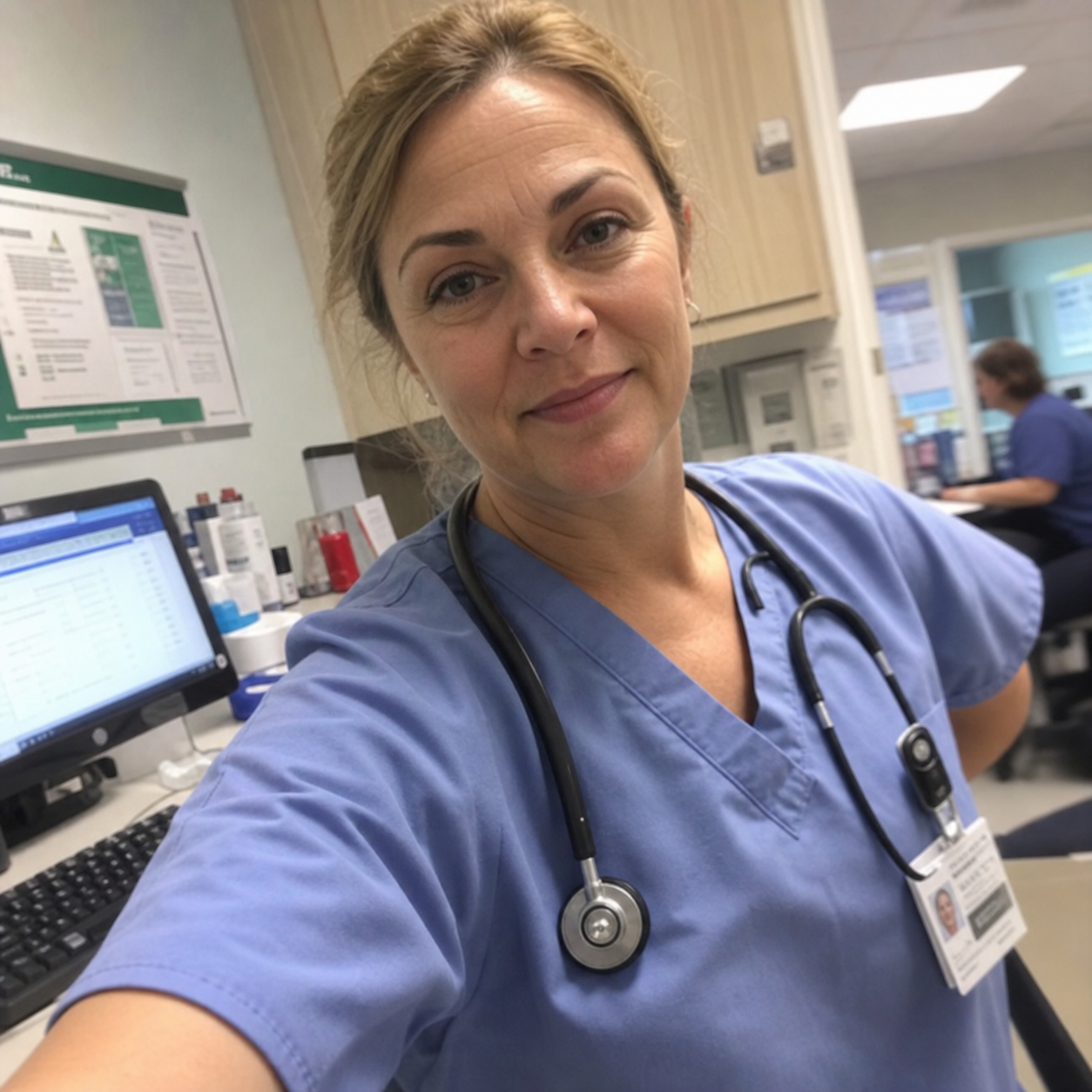
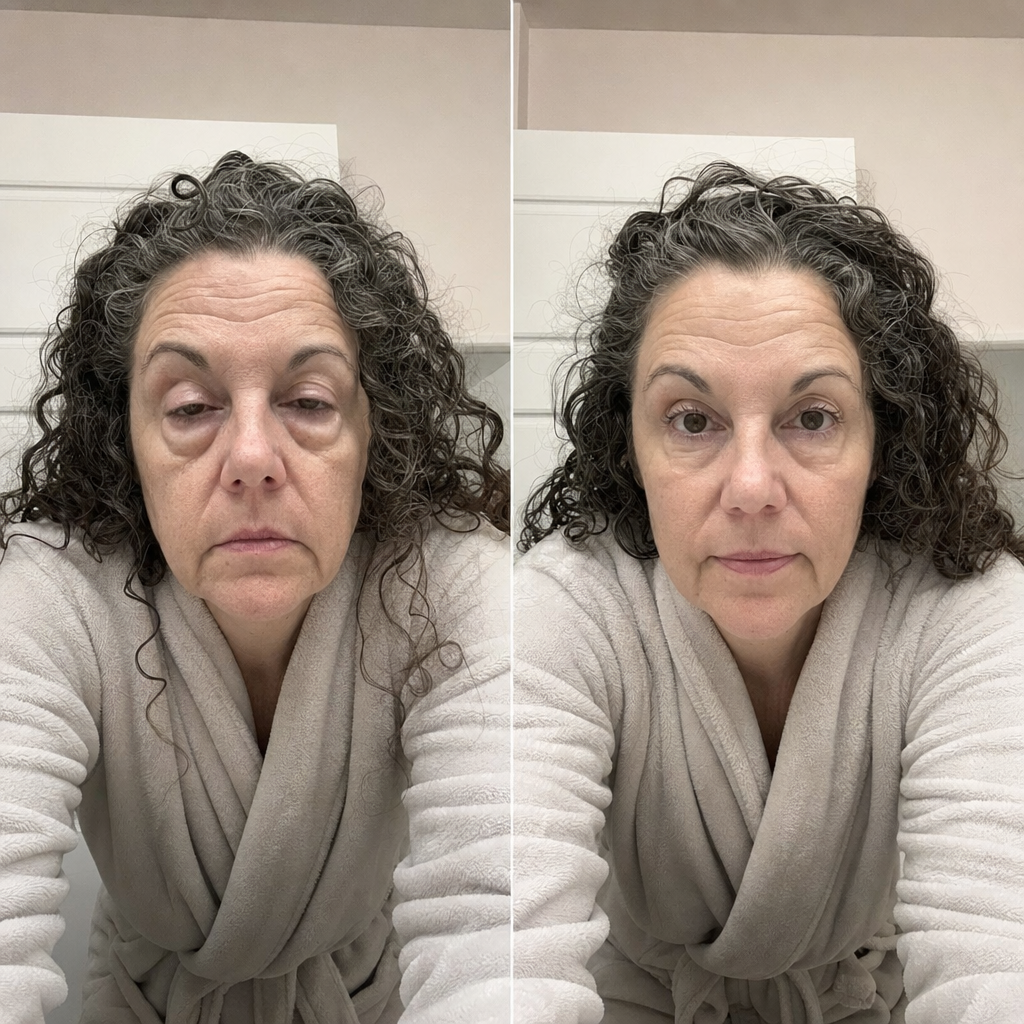
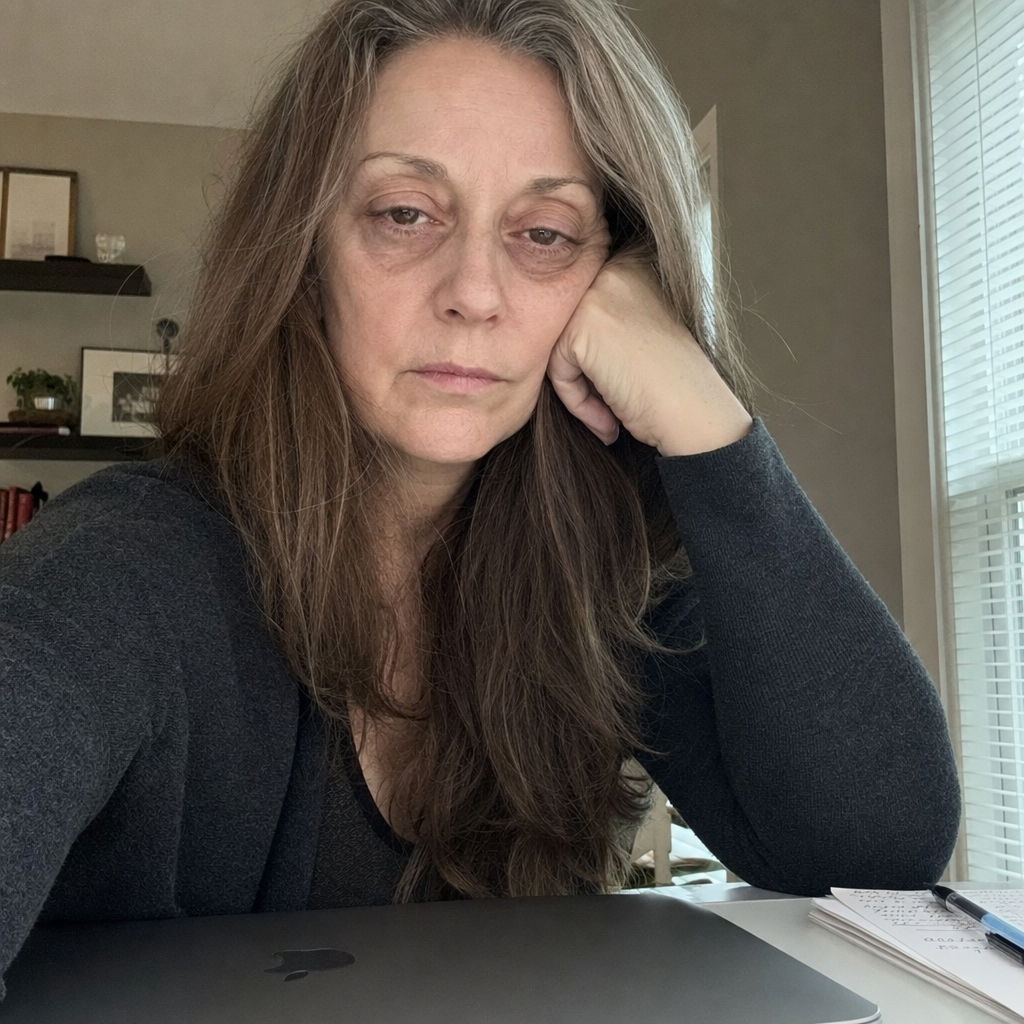
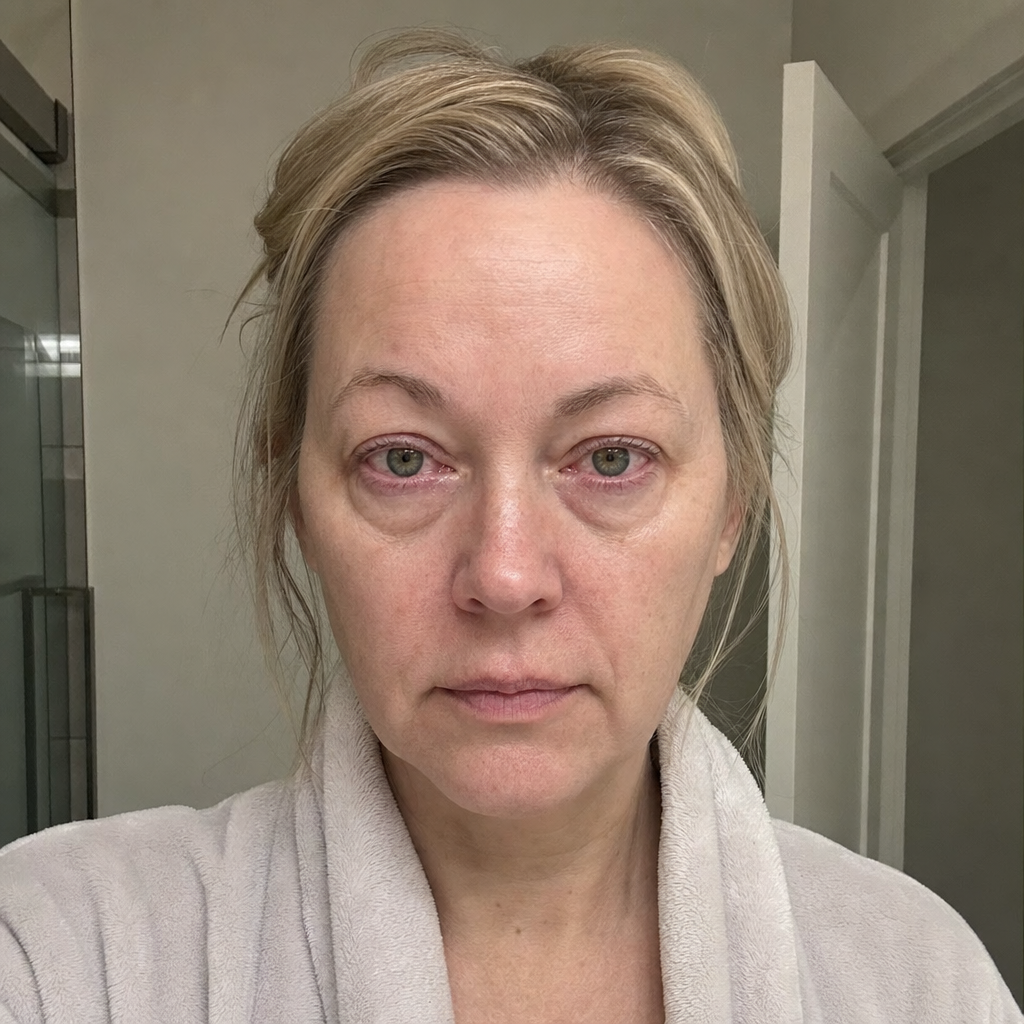
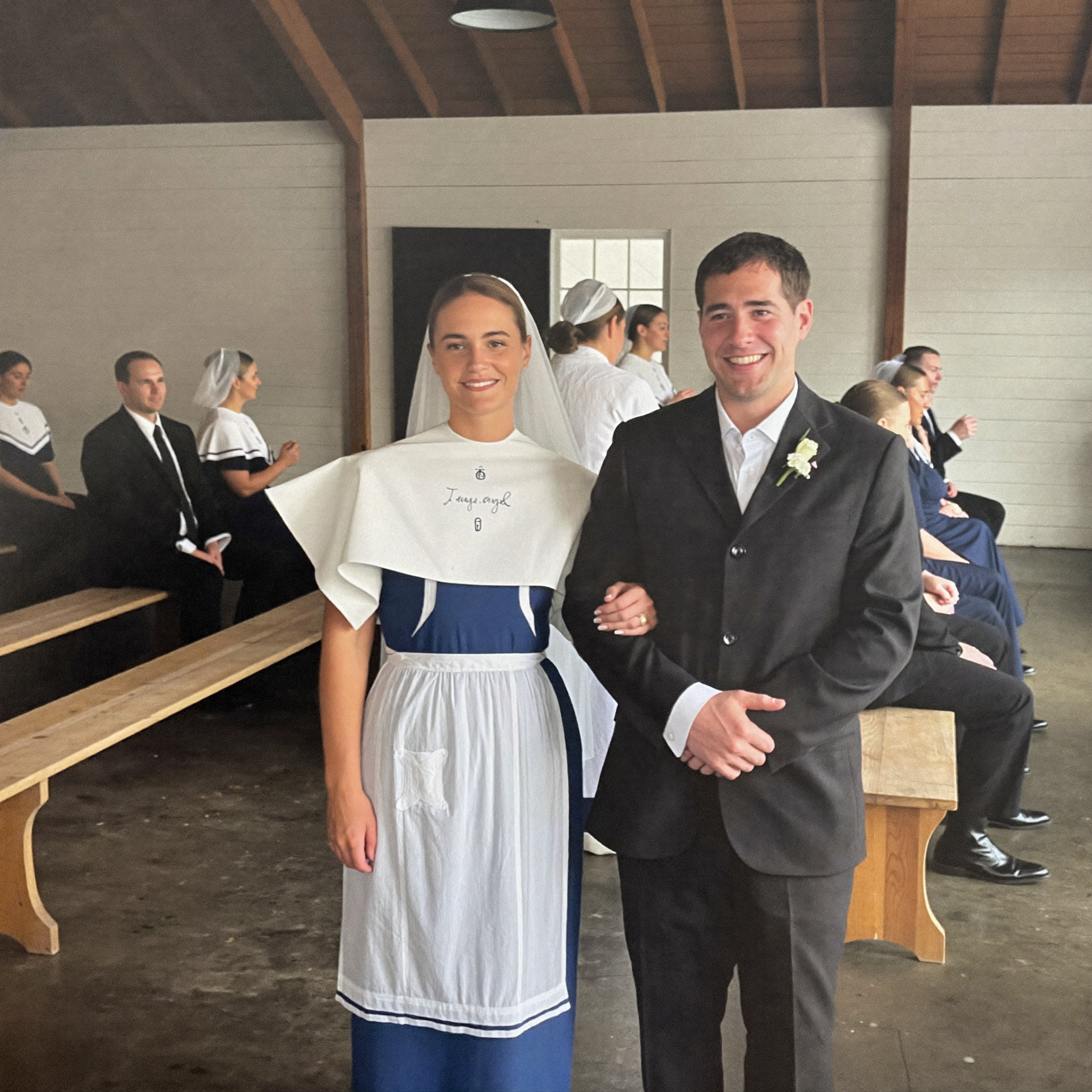
My rheumatologist daughter married an Amish man in Lancaster County. At the reception, the groom's 84-year-old great-grandmother stood up during the toasts and looked at me across the table, and said something nobody in my family has forgiven her for. My daughter Sarah married Daniel Yoder on October 14th in a barn on his family's farm. But you won't understand the reception if you don't understand what led up to it. Sarah is a rheumatologist. Was a rheumatologist. Board-certified, top of her residency class, the kind of doctor other doctors quietly sent their wives to. She'd spent four years of medical school and three years of residency learning how to treat arthritis and autoimmune joint disease. She was supposed to join a practice in Philadelphia. That was the plan. That had always been the plan. The plan changed because of a research project. Sarah was studying joint and inflammatory disease outcomes in Amish populations. The data had always puzzled researchers. Amish women have arthritis rates seventy-two percent lower than the rest of Pennsylvania. And cardiac death among their women over sixty runs sixty-eight percent lower. Almost no osteoarthritis. Almost no rheumatoid arthritis. Almost none of the heart disease that comes with it. No daily pills, no cortisone, no joint replacements. Just women who don't get the disease that's been wearing me down for fifteen years. Sarah wanted to understand why. Her department approved a field study. She needed to spend time in Lancaster County interviewing families, collecting health histories, observing how women lived. A colleague connected her with the Yoder family. She came home from her first visit talking about inflammation markers and a man named Daniel who had walked her through four generations of women in his family from memory. No charts. No medical records. Just a man who knew his great-grandmother lived to 94 and was kneeling in her garden the morning she died in her sleep. That his grandmother had eight children, ran a household, and never once had a swollen knee or a bad heart. I didn't think anything of it. Sarah has always been obsessed with whatever she's studying. She once explained inflammation markers for forty-five minutes at Thanksgiving until her father fell asleep with his fork still in his hand. The second visit she mentioned Daniel again. The third visit she didn't mention him at all, which is when I knew. By Christmas she told us she was seeing him. By Easter she told us it was serious. By July she told us he'd asked her to marry him and she'd said yes. My husband Tom sat at our kitchen table and said nothing for a long time. Then he said, "She went to medical school for eight years." That was his way of saying everything he couldn't say. That our daughter, who was board-certified in rheumatology, who had three hundred thousand dollars in student loans, who had a job offer from one of the best practices in Philadelphia, was going to live in a house with no electricity. No internet. No car. Was going to wear a plain dress and learn to bake bread and wash sheets by hand. Was going to leave behind everything she'd trained for. My sister Catherine is a nurse practitioner. She called me the night we told the family and said, "Linda, this is temporary insanity. She'll come back." My brother-in-law Paul, who's a pharmacist, said, "She's throwing away the kind of career most women dream of." My mother said, "At least he's not in a cult." Which was her way of being supportive. Nobody in my family understood it. I didn't understand it either. But I watched Sarah's face when she talked about Daniel and I saw something I recognized. The same look I had when I met Tom at twenty-three and knew before I had any right to know. You can't argue with that look. I tried. It didn't work. We met the Yoder family in August. Tom and I drove to Lancaster County on a Saturday morning. I was tense the whole drive. Kept asking him to turn the AC down, then back up, which is what I do when I'm anxious and don't want to admit it. The farm was beautiful. I'll say that first because everything else I'm about to tell you might make it sound like I didn't notice, but I noticed. Ninety acres of rolling green. A white farmhouse with a long porch. A red barn that looked like it had been standing for a hundred years and would stand for a hundred more. Garden rows so straight they looked drawn with a ruler. Goats in a pasture behind the barn. Laundry on a line: white aprons, dark dresses, a quilt that caught the wind and billowed like a sail. Daniel met us in the driveway. He was tall. Broad shoulders. Clear, calm eyes you don't see on men in cities. He shook Tom's hand and led us toward the porch. His mother Rebecca was waiting for us. Sixty years old. Small, warm, direct. She took my hand in both of hers and said, "Your daughter is a gift. We love her already." Then Mary came out of the kitchen. Daniel's great-grandmother. Eighty-four years old. She walked toward us across the porch and I want you to understand how she walked because it matters for everything that comes later. She didn't shuffle. She didn't hold onto anything. She walked the way women walk when their bodies are still listening to them. Straight back. Steady stride. Purpose in every step. She had a wooden spoon in her hand. She'd been canning peaches that morning. At eighty-four. At nine AM on a Saturday. She took my hand. Her grip was firm. Her skin was warm. I felt myself brace my free hand on the porch railing to stay steady while I shook this old woman's hand. "You raised a fine daughter," Mary said. Her voice was clear. Her eyes were clear. Everything about her was clear in a way that made you notice it because you weren't used to seeing it in a woman her age. We sat on the porch. Rebecca brought coffee and a peach pie still warm from the oven. We talked for two hours. I learned that Daniel's father had been farming this land since he was 12. That Rebecca had nine children and made every piece of clothing each one of them had ever worn. That Mary had built the kitchen we'd just walked past with her own husband fifty years ago, and was still kneeling in the garden behind it to dig the potatoes she grew there. I looked at Mary's hands while she ate her pie. Eighty-four years old. She held her fork steady. Cut the crust clean. No swollen knuckles. No stiffness. No hesitation. I looked at my own hands wrapped around my coffee cup. I was holding it with both hands wrapped around it, not because of the warmth. Because my fingers were too stiff and too swollen to trust just one. I'd been doing that for three years. I'd been pretending not to notice for three years. The wedding was in October. Two months of planning that felt like two years. Amish weddings are different from what I expected. They're long, they're in the home or barn, there's no music, no flowers, no decorations the way we'd think of them. The beauty is in the simplicity. The barn had been cleaned until it glowed. Wooden benches arranged in long rows. Sunlight coming through the loft windows in columns of gold. Sarah wore a navy blue dress Rebecca had sewn by hand. No white gown. No veil. She looked more beautiful than I'd ever seen her, stripped of everything extra, down to just herself. Daniel stood across from her in a black coat and white shirt. They didn't exchange rings. They made promises. I cried. Not because I was sad. Because my daughter had chosen a life I didn't understand and I could see, standing in that barn, that she was exactly where she was supposed to be. That's a hard thing for a mother. And a beautiful thing. Both at the same time. The reception was in the farmhouse. Long tables. Food that had been cooked by the community. Roast chicken, mashed potatoes, creamed celery, bread and butter, more pie than I'd ever seen in one room. No alcohol. No DJ. Just people eating and talking and laughing in a house that smelled like food and wood and kerosene lamps. The toasts came after dinner. In Amish weddings the toasts are informal. People stand up and speak when they feel moved to. Daniel's father spoke first. Then Rebecca. Then my sister Catherine, who kept it short and polite and didn't say any of the things I knew she was thinking. Then I stood up. I'm not a public speaker. I'm a quiet woman who shows love through dinners and birthday cards, not speeches. But I stood at that table and I gave a toast about Sarah. About the day she was born. About teaching her to read at four years old. About watching her graduate medical school and knowing, the way mothers know, that she was going somewhere I couldn't follow. My voice cracked twice. I held my water glass with both hands while I spoke because one hand alone couldn't grip it the way it used to. I finished. People clapped softly the way Amish people clap, which is to say barely at all. I sat down. Reached for Tom's hand under the table and squeezed. My grip had no strength left in it. He squeezed back harder to make up the difference. Then Mary stood up. The room quieted the way a room quiets for someone who doesn't speak often. You could hear the kerosene lamps hissing on the walls. She looked at Sarah first. Smiled at her. Then she looked at our side of the table. Me. Tom. Catherine. Paul. My mother. She looked at us the way you look at people you're about to say something difficult to. Not with anger. With the kind of care that comes before hard words. "I want to welcome Sarah's family into ours," she said. "You raised a daughter who chose us. That means something. It means she saw something here worth giving up her world for." She paused. Took a breath. "But I'm eighty-four years old and I'm not going to waste whatever time God gives me being polite when I should be honest. So I'm going to say something to all of you because Sarah's family is my family now and I don't let family walk around blind when I can see. And I'm saying this with your daughter sitting right there, and she's a joint doctor, so she can tell me if I'm wrong." The room was completely still. "I made the bread on this table this morning. I canned the peaches in the bowl in front of you yesterday. Last week I knelt in the garden and dug potatoes for an hour and got up off the ground without a hand to help me. My knees work. My hands work. My back works. My heart works. I walked up the stairs to that loft this morning without stopping once to catch it." She looked at me. Not unkindly. But directly. "Linda. Your daughter says you are fifty-eight. I am twenty-six years older than you. I just walked across this room carrying a tureen of soup that I made from scratch. You needed to brace your hand on the railing to stand up to greet me when you arrived. Somebody did that to you. It was not God. And it was not time." I heard Catherine inhale sharply beside me. Paul put his hand on her arm. "Your husband is looking at me right now the way a husband looks when his wife has been disappearing in front of him for years and nobody told him he was allowed to say it out loud. I know that look. My own husband had it before he died, the look of a man who watches the woman he loves fade and worries and doesn't say anything because nobody told him he was allowed to see what he was seeing." She was looking at Tom. And she was right. He was looking at her exactly like that. "I don't know what pills your doctor gave you, Linda. I don't know what they're called. I know what they do. Because my cousin Rebecca left this community when she was a young woman. Went to live in the English world. Married a kind man. Got a job at a bank. And in her forties a doctor told her her joints were wearing out and put her on a pill she would take every morning for the rest of her life. An anti-inflammatory, for the pain." Mary's voice was steady. The way a woman's voice is steady when she's told a story enough times that the grief has gone smooth. "Rebecca was the strongest of all of us as girls. She could carry two buckets of water at a time from the spring up to the house. She could knead bread for an hour without stopping. Her hands were quick. She could thread a needle in the firelight." I felt something cold settle in my stomach. My hands used to be like that. I used to make my daughter's wedding dress by hand. I used to braid hair so fast my fingers blurred. "Three years on that pill, the pain came back worse every winter, and Rebecca started gaining weight she could not lose. Her doctor said her X-rays looked stable. He told her to eat less and walk more. Her husband told me she had been walking five miles a day before her knees got too bad to put her shoes on." I thought about the size eighteen dress hanging in my closet that I'd worn to my granddaughter's baptism last spring. The size eight dress hanging behind it that I haven't been able to wear since 2014. "Five years on it, Rebecca couldn't get her wedding ring off her finger because her knuckles had swollen so much. Her husband had to cut it. She had worn it for thirty-one years. Her doctor said her X-rays had never looked more stable." My wedding ring had been sitting in a ceramic dish on my dresser for two years. My knuckles had swollen so much I'd stopped trying to force it past the first joint. "Eight years. Rebecca sat at the kitchen window and looked at the garden she could no longer kneel down in. She was sixty-two years old. The strongest girl I ever knew couldn't carry her own laundry basket up the stairs without stopping at the landing to let her heart settle. And every six months her doctor looked at an X-ray and told her everything was fine." I couldn't breathe. I was sitting at my daughter's wedding reception and I couldn't breathe. "Rebecca died at sixty-nine. In her chair by the window. With X-rays her doctor called stable and a blood pressure he kept promising to watch. Her heart gave out on a Tuesday morning. She had a cup of tea in her hand. It dropped on the rug. The strongest girl I ever knew, gone in the time it takes for tea to spill." Mary paused. "I buried Rebecca. And tonight I watched the mother of my granddaughter-in-law hold a water glass the way Rebecca held things at the end. With both hands. Because one wasn't enough anymore." She sat down. Nobody spoke. For a long time, nobody spoke. Rebecca-the-mother-in-law touched Mary's hand gently. Sarah was looking at me with tears streaming down her face. Daniel had his hand on Sarah's back. Catherine was staring at the table. Tom was staring at his hands. I was staring at my own hands. The hands that used to make my daughter's school lunches. Used to roll out pie dough in our kitchen so thin you could read a newspaper through it. Used to hold Tom's so tight when we'd dance at weddings that he'd laugh and say "Linda you're going to break my fingers." An eighty-four-year-old woman had just said out loud the thing I'd been swallowing for fifteen years. We left the next morning. The drive home was three hours. I didn't speak for the first hour. Then I said, "She was being cruel." "Was she wrong?" I didn't answer. Tom drove. I sat in the passenger seat looking out the window. My hands were folded in my lap. Still. Swollen. That night I stood in our bathroom doorway and watched Tom get into bed. I picked up my bottle of anti-inflammatories from the nightstand the way I had every night for fifteen years. Shook one pill into my palm. Took it with a sip of water. Set the bottle back down. I looked at that bottle and I heard Mary's voice. Somebody did that to you. It wasn't God and it wasn't time. For fifteen years I have been taking that pill. My doctor put me on it when I was forty-three, the year the X-rays first showed the cartilage in both knees starting to thin. The pain came down. My X-rays have looked stable every year since. Every appointment, the same thing. "Linda, your X-rays look stable. Keep doing what you're doing." And when my blood pressure started creeping up, "It's borderline. We'll watch it." And for fifteen years I have been keeping doing what I'm doing while my body quietly stopped doing what it used to do. I'd seen all of it before. But I'd never seen it next to Mary's hands. Next to Rebecca-the-mother-in-law carrying a tureen at sixty. Next to what a woman's body looks like when nobody has set a fire burning inside it. The wedding put me in a room with women who still had what I'd lost, and now I couldn't look in the mirror without seeing the gap. The weight. Thirty-eight pounds since the diagnosis. I used to wear a size eight. I wear an eighteen now. I told myself for years it was the bad knees keeping me off my feet. Every Sunday at brunch I push my plate halfway through the meal and say I'm full. I'm not full. I've been eating less than my fifteen-year-old grandson for years and the scale keeps moving the wrong way. I used to tell myself it was menopause. Then it was age. Then it was the arthritis. Then I stopped telling myself anything because nothing helped. Mary was eighty-four and could carry a tureen of soup across a room. The exhaustion. I used to be the first one up. Coffee on the porch with the neighbors most mornings. By year five on the pill I was sleeping until nine. By year ten I was napping in the afternoon. Now I come home from my volunteer shift at the library at four in the afternoon and fall asleep in my recliner with the TV watching me. Tom and I used to talk on the porch for an hour every evening. Now I'd come home at six and we'd eat dinner in silence and I'd be asleep in the recliner by seven thirty. Tom would take the remote out of my hand and turn the volume down and cover me with a blanket and go to bed alone. Rebecca sat in a chair by the window. The hands. My wedding ring sat in a ceramic dish on my dresser. My knuckles had swollen and stiffened over three years until the ring wouldn't go past the first joint. I used to clean it every Sunday morning with a little brush and dish soap. I used to hold the ring up to the light and tell Tom about the day he slid it onto my finger in 1986. The dish is on my dresser still. The ring is in it. I hadn't mentioned it in a year. The stairs. My heart used to pound walking up to my bedroom at night. I'd reach the landing and have to stop and put a hand on the wall and wait for it to settle before I finished the climb. I told myself I was just out of shape. I told myself I'd start walking more. I'd been telling myself that for two years. It was the last thing Mary said Rebecca complained about before the Tuesday morning her heart stopped. The garden. I used to spend whole Saturdays on my knees in the dirt. Last spring I knelt down to plant a single row of tomatoes and couldn't get back up without dragging myself along the fence rail hand over hand. I didn't plant the rest. I left the seedlings in their trays on the porch until they died. I told Tom my knees just needed to rest a season. They'd been resting for a year. I'd been calling all of it aging. My doctor had been calling it aging. Fifteen years of "your X-rays look stable" while the woman attached to the X-rays wore down a little more every month. Rebecca. Twenty-two years on the pill. Heart attack at sixty-nine. Me. Fifteen years on the pill. Holding a glass with both hands at my daughter's wedding. I saw it. Standing in that bathroom doorway watching myself in the mirror over Tom's shoulder. I saw the parallel so clearly it made my chest ache. And I couldn't unsee it. I didn't sleep that night. I lay in bed next to Tom and listened to him breathe and I thought about Mary standing in that barn. About the spoon in her hand. About Rebecca-the-mother-in-law carrying soup at sixty. About Rebecca-the-cousin in a chair staring at a garden. About every word that old woman said and how none of it was wrong. For three weeks I carried it. I didn't tell Tom what I was thinking. I didn't tell Catherine. I didn't tell anyone. I just watched myself. Watched myself brace on the table to stand up. Watched myself fall asleep at seven thirty. Watched my heart pound on the stairs. Watched myself move through my own house like a woman twenty years older than she is. Then Sarah called. "Mom. I need to come see you. I have something I want to show you. It's important." She drove down on a Saturday. I made coffee. She sat at my kitchen table. "Mom. I need to talk to you about what's happening to you." "I know." "You know?" "Mary said it at the reception. I've been seeing it since we got home. I've been seeing it for years, Sarah. I just didn't have a name for it." She nodded slowly. Then she opened her bag and pulled out a folder. Not a thin one. Thick. Papers, printouts, highlighted articles. I recognized the way she organized her research. The same way she'd organized her flashcards in medical school. Color-coded tabs. Notes in the margins. "Mom. I'm a rheumatologist. I spent three years in residency learning how to treat arthritis. I prescribed anti-inflammatories. I gave cortisone shots. I told women their X-rays looked stable. I said the same things your doctor says to you every year." She paused. "And then I moved here. And I watched Mary kneel in the garden at eighty-four. And Rebecca run nine kids' worth of laundry through a hand wringer at sixty. And I started asking myself a question I never asked in residency. Why are the women in this community walking up hills at eighty that my own mother can't walk up at fifty-eight?" "That's what my original research was supposed to answer. Before I fell in love with Daniel and lost the objectivity." She smiled. But her eyes were serious. "I kept researching after the wedding. Not for a paper anymore. For you." She slid a printout across the table. "Mom. I prescribed this drug. I need you to understand what I'm about to tell you, because it means I was wrong. Not just your doctor. Me. I was part of the system that did this to you." Her voice caught. My daughter, my composed, brilliant, board-certified daughter, had tears in her eyes. "Your doctor has been watching the wrong thing for fifteen years. Your X-ray. And so was I, for every patient I ever treated." She told me what she'd found. The way a doctor tells you something when the doctor has realized it contradicts everything she was trained to believe. "There are two different things happening in your knee, Mom. The pain. And the damage underneath it. They are not the same thing. The anti-inflammatory works on the pain. It quiets the alarm. The damage, it never touches." She held up two fingers, separated. "Underneath the pain, your joint is releasing enzymes that eat the cartilage. The cushion that keeps bone off bone. The pill silences the alarm. It never stops the enzymes. They keep eating. You don't feel the eating. You only feel the alarm. So when the pill quiets it, you think you're better. You're not. The cushion is still disappearing. Every day. Whether you feel it or not." I stared at her. "And here's the part no one tells you. Those enzymes don't stay in your knee. The same fire that makes them runs through your whole body. Your blood. Your arteries." She tapped her knee. Then she pressed her hand flat against her own chest, just over her heart. "Same fire feeds both. The X-ray only shows the cartilage. It can't show what that fire is doing everywhere else. The same inflammation that's softening your cartilage is stiffening your arteries, year after year. That's where your blood pressure comes from. That's the heart pounding on the stairs. That is what killed Rebecca. Not her joints. The fire nobody put out, while her doctor read her X-ray and told her she was stable." I felt cold. "Up to seventy-two percent of women with arthritis your age already have this inflammation working on their arteries, Mom. Nobody checks it. Rheumatologists don't check it. Cardiologists don't check it. Nobody is taught to look there." She looked at me with eyes that held something I'd never seen in my daughter before. Guilt. "And here's the part that explains everything. The weight you can't lose. The swelling. The exhaustion. The hands. The stairs. It's all one fire. The same inflammation, in your joints and your arteries at the same time, burning for fifteen years while every doctor measured one number at a time and never once asked what was lighting all of them. The pill hid the pain so well you never felt how much was still burning underneath it. And every morning, taken year after year, that pill added its own strain to the very heart the fire was already working on." I thought about Mary at the reception. About Rebecca-the-cousin's wedding ring being cut off. About the heart attack on a Tuesday morning. Fifteen years. And every doctor, including my own daughter, calling it aging. "The Amish women don't have this problem because they live in a way that keeps the fire down. No processed food. No seed oils. No chronic stress. And one more thing, Mom. The one thing nobody knows about Mary's family unless they're part of this community." She paused. "Tart cherry. Every farmhouse on this road has a cherry tree by the kitchen door. The women press the fruit cold and take it all winter, every winter, from the time they're teenagers. Mary's grandmother grew it. Her great-grandmother before her. Three hundred years of women on this land kneeling in gardens into their eighties. The fire never gets the upper hand. That's the secret. That's why we can't find arthritis in this community." She pulled out another printout. "Tart cherry has been used by women for joints and the heart for generations. The compound inside it is called anthocyanins. The deep red pigment that makes the cherry almost black. It's the only thing clinically shown to go after the enzymes eating your cartilage and cool the inflammation in your blood vessels at the same time. The thing your painkiller never reaches." She tapped the printout. "When the fire comes down, the ache eases. The stiffness lets up. And the strain on your heart comes down with it." She reached into her bag and set a bottle on the table. "This is the one Mary's grandson works with. The only company that does it the way the women in this community always have. Cold-pressed, never boiled, because heat destroys the anthocyanins. Standardized to thirty-six hundred milligrams of real anthocyanins a serving. The dose the studies actually used, not the splash that's in grocery juice." She pushed the bottle toward me. "And not the juice from the store, Mom. That's boiled at high heat so it can survive shipping and six months on a shelf. By the time it gets there the only part that matters is already gone, and they cut what's left with filler and water. The women who buy it get nothing. This one keeps everything that mattered. No fillers. Third-party tested in the USA. Two capsules a day." "Mom. Mary is eighty-four and kneeling in her garden because the fire in her body never got the upper hand. You're fifty-eight and bracing on the table to stand up because yours has been burning for fifteen years while we handed you a pill that only ever hid it. This is the closest thing to what the Yoders have. In a bottle." I looked at the bottle on my kitchen table. I looked at the chair where I would sit in four hours, falling asleep with the remote in my hand. And I looked at my daughter, the rheumatologist who left her career, married a farmer, and drove three hours to sit at her mother's kitchen table and say the thing her training never taught her to say. I picked up the bottle. "Does Daniel know you're here?" "He drove me. He's at the diner around the corner. He said this was between us." I took the first two capsules that evening. Sat on my back porch. Waited. About twenty-one minutes in I felt it. Warmth spread through my hands. The deep ache that had sat in my knuckles for years went quiet. The stiffness behind my knees loosened a notch I didn't know was there to loosen. GoodGrove. I went inside and weighed myself. 181. Same as the morning. Too early. Day five, a Thursday, I got out of bed without bracing on the nightstand first. Tom was already up making coffee. I'd been waking up at six thirty and lying there flexing my knees and bracing for ten minutes before I could swing my legs over. This morning I swung my legs over and stood up. No pause. No flex. No negotiation with my own knees. I walked to the bathroom. Standing. Moving. Without the ritual. Tom came in while I was brushing my teeth. He stopped in the doorway. "Linda. You're up." I smiled at him through the toothpaste. He started crying. I made it through both my volunteer shifts that week without falling asleep in my chair afterward. Week two. The scale said 177. Down four pounds. My morning pain used to be a 7 the second my feet hit the floor. That week it was a 4. I went to bed at ten for the first time in years instead of falling asleep on the recliner at eight. Tom came to bed with me instead of going alone. Week three. 172. My wedding ring spun loose on my finger. The swelling had come down enough that I had to take it off and put it on the kitchen table and stare at it. I'd worn it for thirty-seven years before my knuckles stopped letting it fit. Tom saw me staring at it. He walked over. Picked it up. Slid it back onto my finger. It fit. He held my hand for a long time without saying anything. Week four. 167. I climbed the stairs to our bedroom that night and got all the way to the top before I realized my heart hadn't pounded once. I went back down and up again just to be sure. That was the symptom Mary said Rebecca had before her heart gave out. And it was already gone. My follow-up was at the end of month two. The nurse weighed me. Wrapped the cuff. Did it. Frowned. Did it again. "One twenty-four over seventy-six. Pulse sixty-eight." Doctor walked in. Pulled up my chart. Stopped. Scrolled. Looked at me. "Linda. What did you change?" I told her. The Amish family. The cold-pressed tart cherry. The anthocyanin dose. The order. She typed. Nodded slowly. "Let's run your inflammation markers and your blood pressure again in four weeks. If they hold where they are, no cortisone. No stronger pill." Four weeks later my inflammation markers had dropped by half. No cortisone. No stronger pill. That was four months ago. My weight this morning was 148. Thirty-three pounds gone. Without another pill. Without another diet. Without another hour at the gym. My blood pressure stays in the 118 to 124 range. My resting heart rate is 62. My knees carry me. My morning pain is a 2. I sleep through the night. Last Saturday I took my granddaughter to the farmers market. Walked the whole thing. Got down on the curb to tie her shoe and stood back up without a thought. Carried the bags back to the car myself. She said, "Grandma, you're fast now." I didn't tell her I was crying behind my sunglasses. I called Sarah that night. Told her my numbers. Long silence. "Mom. Mary will be proud." We drove to Lancaster County the following weekend. Sarah met us at the end of the lane. She was wearing a navy blue dress. Her hair was pinned up under a simple white cap. She looked like she'd been living in sunlight for six months. Which she had. Daniel shook my hand. I gripped it. Really gripped it. Daniel smiled. "Your hands are back." "Getting there." Mary was in the kitchen. Because Mary is always in the kitchen. She was rolling out pie dough on a wooden board, the flour pale on her dark sleeves. She looked up when we walked in. "You came back." "I came back." Mary set the rolling pin down. Walked over. Took my hand in both of hers and held it for a long time. Didn't shake it. Just held it. "You listened," she said quietly. "Most women don't." My eyes were wet. I didn't try to hide it. "Your granddaughter saved my life," I said. "And you said the thing at the wedding that made it possible. The thing nobody else would say." Mary looked at me. "I said it because Sarah is mine now. And she is a joint doctor who couldn't see what was happening to her own mother until she came to live with us. That tells you something about the medicine, doesn't it? She had to leave it to find the answer." Rebecca-the-mother-in-law made coffee. We sat on the porch, the same porch Mary's husband built fifty years ago, and I watched myself hold a coffee cup in one hand. Steady. No ache. No stiffness. Just a woman holding a cup the way women hold cups when their bodies still work. Rebecca came up from the field. Sixty years old. Two years older than me. A different woman entirely. Rebecca had been hauling laundry up from the cellar since five AM. She wasn't tired. She wasn't stiff. She wasn't dimmed. Two women. Same age. One had trusted a pill. One had trusted what the women in her family had taught her for three hundred years. And sitting on that porch I could finally see what Mary had been trying to tell us at the reception. Not as a judgment. But as a warning from a woman who'd watched it happen before and didn't want to watch it happen again. I'm telling you this because I think you might be where I was the night of that wedding. Watching yourself hold a glass with both hands. Watching yourself fall asleep in your chair at seven thirty. Watching your heart pound on the stairs you've climbed a thousand times. Watching your doctor read an X-ray and call you stable while the woman behind the X-ray disappears. Watching your wedding ring sit in a dish on your dresser because your knuckles won't let it fit. Watching yourself stop kneeling in the garden, stop getting down on the floor with the grandkids, stop climbing the hill. Watching yourself become a quieter, slower version of the woman who got married decades ago and not knowing how to come back. If you have arthritis, if you're on a daily anti-inflammatory, and your doctor keeps reading your X-ray and saying it looks stable while the woman behind it fades, the X-ray isn't the whole story. It wasn't mine. It wasn't Rebecca-the-cousin's. Women with arthritis who take a daily anti-inflammatory are up to fifty percent more likely to have a heart attack than a woman the same age who doesn't. Not five percent. Not ten. Fifty. And almost none of them know it. If you've been watching yourself slow down and sit more and do less and you've been calling it aging because that's what your doctor calls it, maybe it isn't aging. Maybe it's a fire nobody ever put out. Maybe it's a pill that has only ever hidden it. Maybe it's fifteen or twenty years of "your X-rays look stable" while your heart took that inflammation every single day to make up the difference. An eighty-four-year-old Amish woman stood up at my daughter's wedding and told me the truth. Her knees still kneel in the garden. Her hands are steady. Her heart climbs the stairs. She has never taken a pill. And I, twenty-six years younger, couldn't push myself up out of a chair. Somebody did that to me. It wasn't God. It wasn't time. It was a fire nobody put out, and a pill that only ever hid it while it kept burning. And nobody in fifteen years of appointments was trained to look in the one place where the actual problem was sitting. GoodGrove. Two capsules. Once a day. With a meal. Cold-pressed tart cherry concentrate, standardized to thirty-six hundred milligrams of real anthocyanins a serving. The only thing clinically shown to go after the fire instead of just hiding it. No fillers. None of the boiled-down grocery syrup that's already lost the only part that matters. Third-party tested in the USA. No more pills going in every morning that never once touch the thing that's actually burning. No more weight that climbs year after year while you're eating less than your grandchildren. No more wedding rings in ceramic dishes. No more women holding water glasses with both hands at their daughters' weddings because one hand isn't enough anymore. My daughter married an Amish man. My family thought she was throwing her career away. A rheumatologist who walked away from medicine to live on a farm. She saved her own mother's life instead. https://trygoodgrove.com/cherry P.S. If you're the woman reading this and you have arthritis and something in you has been wearing down for years, you're not imagining it. You're not being dramatic. You've been watching something real. Your doctor has been watching the X-ray. You've been watching yourself. You're closer to the truth than the X-ray is. I needed an eighty-four-year-old woman who has never been to a doctor in her life to tell me what I already knew. I'm telling you now so you don't need to wait for your own Mary. P.P.S. I went to Sarah and Daniel's house last month. Mary was there. She inspected the wedding ring that fits my finger again. Ran her thumb across the back of my hand and pressed my swollen-no-more knuckles one at a time. Looked at me and said, "You came back. Good." That was the best compliment anyone has ever given me. Sarah watched from the doorway. My daughter the rheumatologist. Who left her practice, married a farmer, and found the answer her training never gave her. She told me last week she doesn't regret a single thing. I believe her. I can see the proof in my hands every morning. P.P.P.S. Here's what I'd tell you to do. Take two capsules with a meal in the morning. Set a timer for twenty minutes. You're going to feel something shift. Warmth easing into your hands. The deep ache letting go. The kind of feeling that comes when something finally reaches the fire instead of just covering the pain. I felt it. Almost every woman who tries it does. That's not placebo. That's a fire going down for the first time in years. Something your anti-inflammatory alone has never done and never will. The stiffness starts loosening in the first week. The labs catch up at thirty days. P.P.P.P.S. GoodGrove has a ninety-day money-back guarantee. If the pain isn't easing, if your energy hasn't come back, if your wedding ring isn't fitting again, full refund. Every dollar back. No questions asked. In fifteen years of anti-inflammatories, nobody ever offered me a refund when the pill stopped working. Nobody offered to give back the years I spent in a recliner while my doctor said my X-rays looked stable. The system doesn't do refunds. GoodGrove does. Think about what that tells you about who's confident in their product and who's just confident in their prescription pad. P.P.P.P.P.S. GoodGrove is a small company. They sell out. The tart cherries are pressed cold and only harvested once a year. They can't rush it. I keep two bottles in my cabinet now. One for me. One for my sister Catherine, who started it eight weeks after I did. She's sixty-six. Down eleven pounds. Morning pain down. Blood pressure dropping. Last Sunday she called me crying. "I'm not going to end up like Rebecca." Neither am I. Neither should you. P.P.P.P.P.P.S. Do not forget about the ninety-day money-back guarantee. The pill in your bathroom didn't come with one. This does.
Everyone with joint issues needs to see this ☝️
Clean, science-backed supplements crafted without anything artificial. Vegan, non-GMO, and third-party tested, with a 90-day money-back guarantee so you can shop with confidence.
LEARN MORELike this ad? Make it yours.
Crush rebuilds this exact creative around your product — your brand, your colors, your offer — in about a minute.