News4Americans.com
 Facebook ad: “Why First Aid Kits Kill”
Running for 28 days since October 7, 2026. Crush last saw it on November 4, 2026.
Run by News4Americans.com on Facebook. Crush is not the advertiser and does not verify its claims. See this ad in Meta's Ad Library(opens in a new tab)
Make your own version of this ad
Crush makes it, launches it in your own Meta ad account, scales the winners and pauses the losers.
About this ad
- Meta Ad Library ID
- 1598037634546684
- Platforms
- Facebook, Instagram, Audience Network, WhatsApp and Threads
- Relaunches
- 1
Ad text
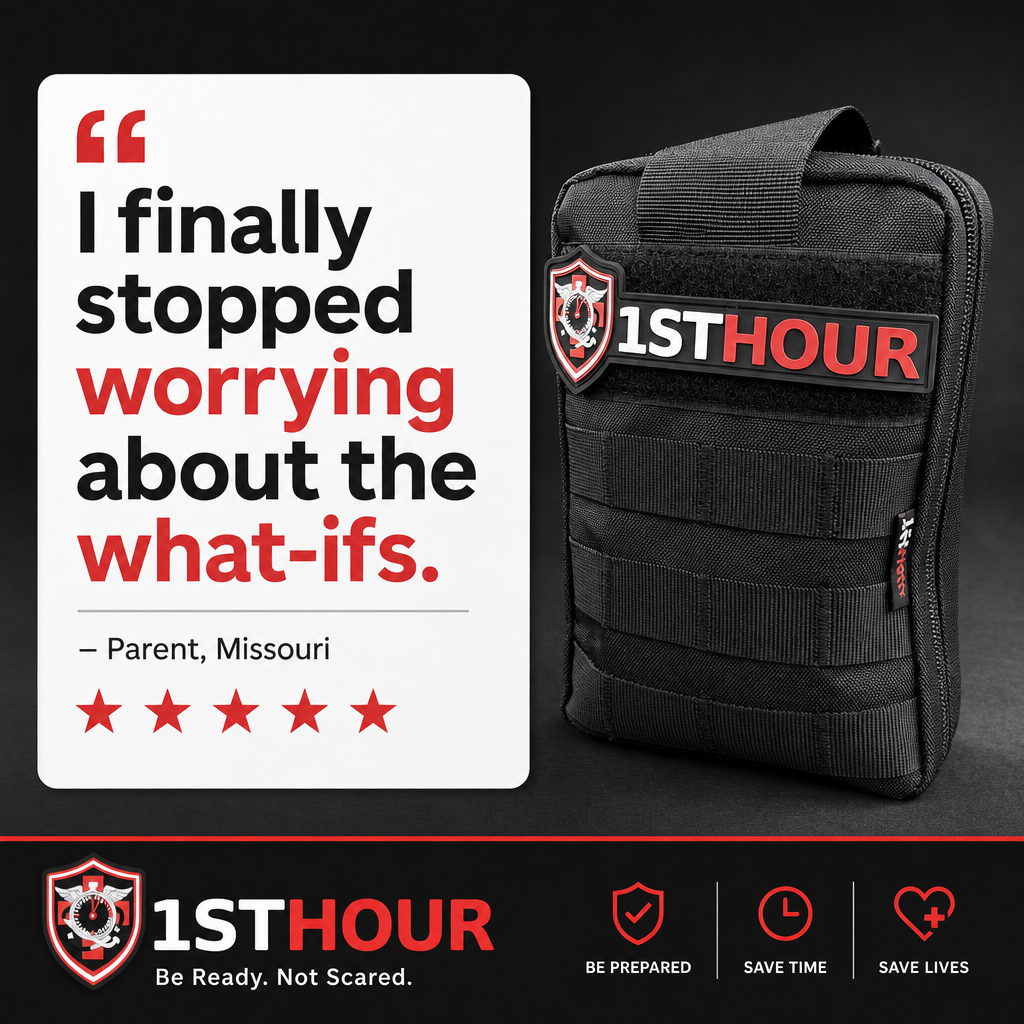
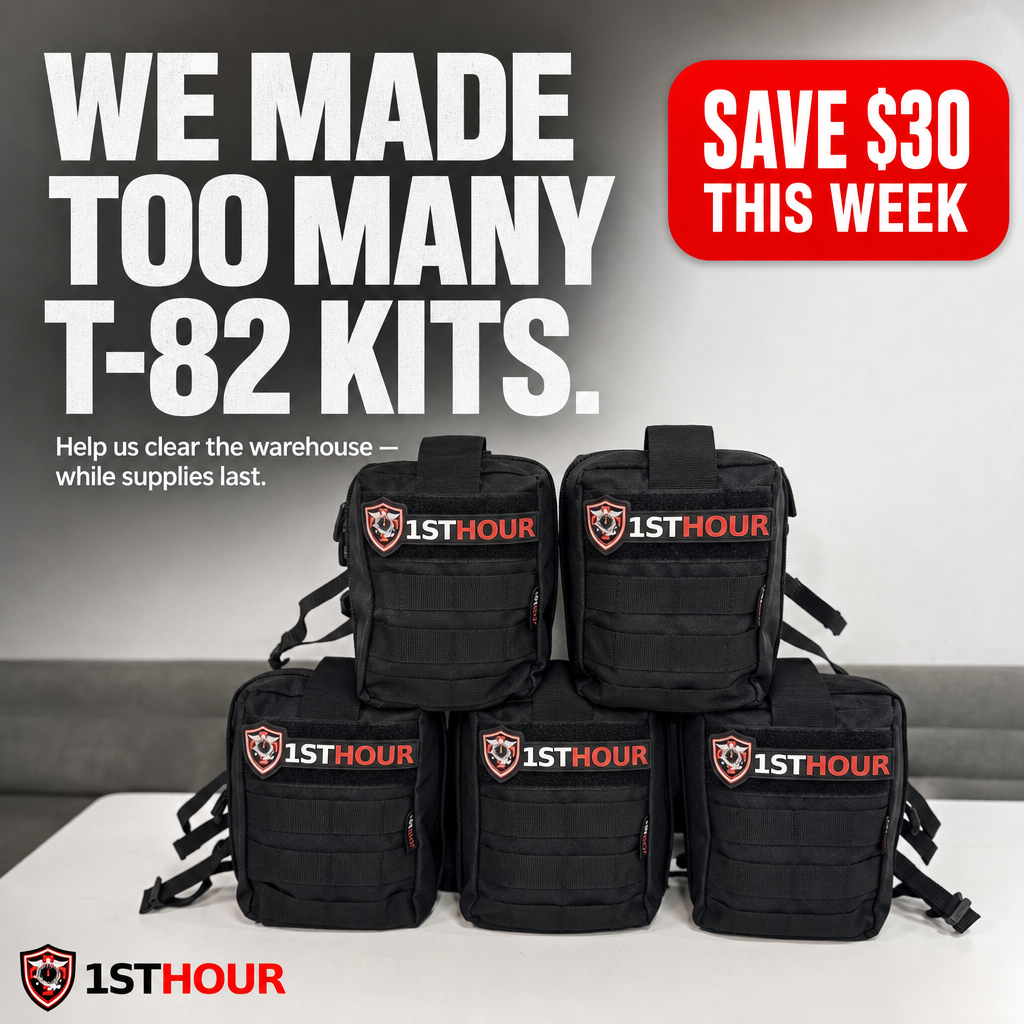
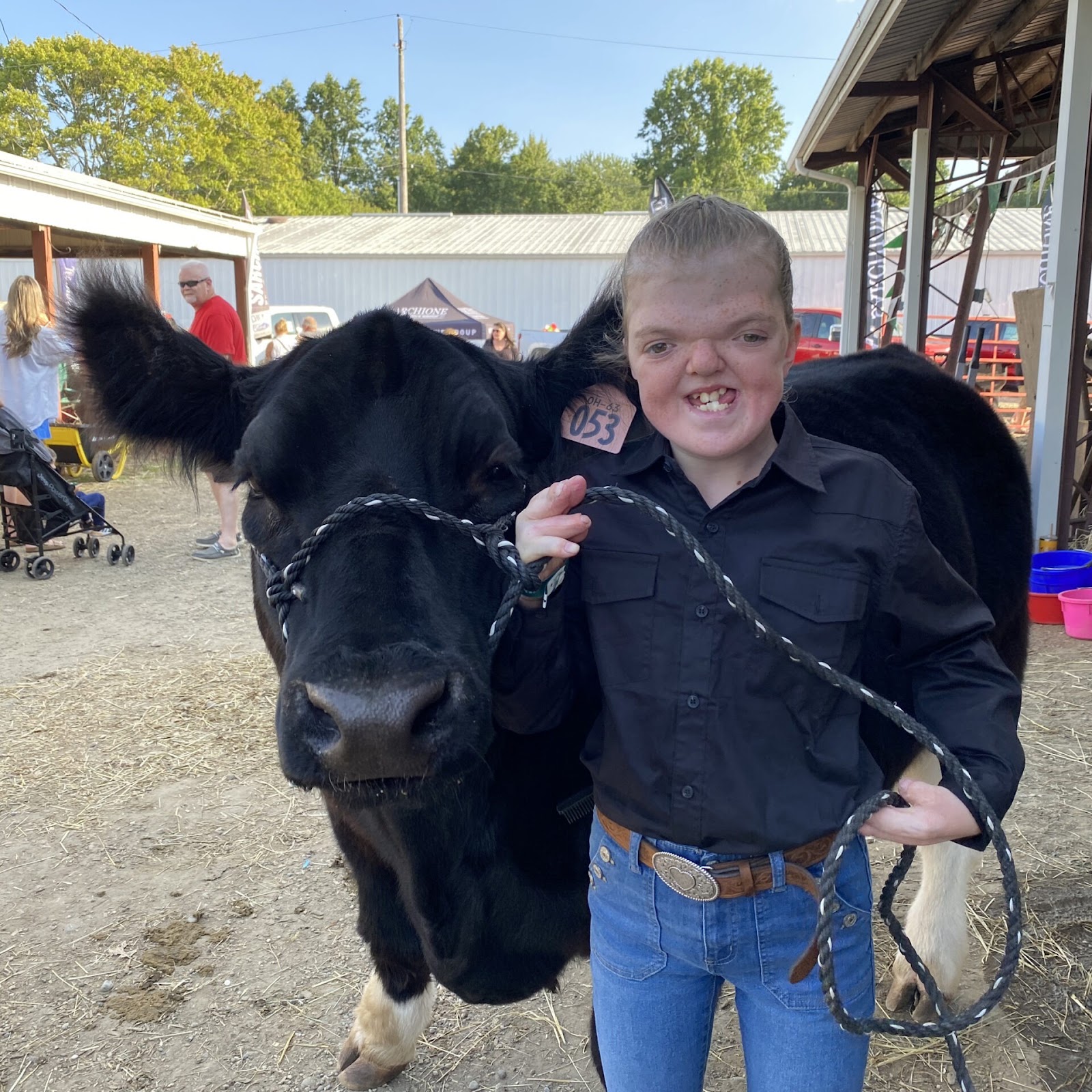
A coil of my own rope came down over my thumb, and the steer hit the end of it. I'm 58 years old, still roping in the Legends pen behind my barn, and I watched my glove fill up with blood while my partner just stood there. It happened in about half a second. We were running practice steers on a Tuesday evening. Me and my heeler, Dwight. The cool part of the day, after the heat broke. Nobody else around. I caught the head clean. Went to dally, wrapped my rope around the horn like I have done a hundred thousand times since I was a boy. And a coil slid down over my thumb. The steer was still going. He hit the end of that rope, and it came tight against the horn with my thumb caught inside it. I am not going to describe all of it. I will just tell you my glove packed full of blood in about ten seconds. It was running off my elbow before Dwight even got off his horse. When we finally cut the glove away, the skin was gone. Peeled clean off, like the glove took it with it. I have roped since I was nine. I still enter the Legends ropings all summer, the ones for us over-50 hands who never learned how to quit. This was supposed to be the safe pen. My own ground, my own steers, the cool of the evening. That is what I keep coming back to. Here is the thing nobody tells you about roping. You spend your whole life thinking the rope is the safe part. The horse can buck you off. The steer can hook you. But the rope is just a rope. Until the day it takes a piece of you. I had been scared of the wrong things for forty years. Dwight is 61. Good hand, steady as they come. And when he got to me, he did what any of us would do. He pulled off his shirt and wrapped my hand. It soaked through before he got the second wrap on. So he tried his belt. Cinched it hard around my wrist. It slipped right off. He grabbed a piggin string off my saddle and tried that. It just cut in and did nothing to slow it down. We are twenty-six miles of gravel and county road from the nearest hospital. Both our wives were forty minutes gone at a church supper. I remember sitting in the passenger seat of his truck with my hand up over my head, watching my own blood run down the inside of my arm, and thinking one clear thought. I could bleed to death from my thumb. In my own arena. At 58 years old. Doing the one thing I am supposed to be good at. I want you to sit in that thought for a second. Because I know a lot of you rope. Or your husband does. Or your dad still does at 70 because nobody can make him quit. And I know what is in most of our rope bags. A pair of pliers. Extra gloves. A roll of tape. Maybe a warm bottle of water. Nothing that stops a bleed like that. Not one single thing. But here is the part I cannot let go of. That evening it was my hand. But my grandson stands in that same pen every Saturday, learning to heel off the practice sled I bought him. If a coil had come down over his little thumb instead of mine, I would have knelt there with the same nothing. A shirt and a belt and two useless hands. I would have had to watch. Now here is what I found out later, and it made me sick. The doctors told me a bad hand or arm bleed can put a grown man on the ground in just a few minutes. Faster than any of us think. And out where we rope, an ambulance is not a few minutes away. It is a long time on bad roads. I know that now the way you only learn it once. The clock on a bleed and the clock on an ambulance are two different clocks, and they do not care about each other. I looked it up when I got home. 59 percent of the people who die from injuries might have lived if somebody had given them first aid before the ambulance ever got there. Before. Not at the hospital. Right there in the dirt, in those first minutes. That is the part that got me. The first hour is not the ambulance's hour. It is yours. So I finally did what I should have done years ago. I sat up at two in the morning with my hand throbbing and I read. Turns out everything I would have grabbed in that arena was junk for a real bleed. There are actual studies on this. A belt does not work as a tourniquet. Improvised ones fail to stop the bleeding about 99 times out of 100. The Army quit trusting that stuff back in 2004. The thing that does work is a real windless, one-handed tourniquet. Something built for exactly this. Those stop the bleed better than nine times out of ten. We had zero of those between two grown men with sixty years of roping between us. That night I decided I was done being the man with a full rope bag and nothing in it that matters. I found the kit a lot of the rodeo and ranch folks online kept pointing at. Not a cheap drugstore box. A real trauma kit. 82 pieces. A real windless tourniquet, the one-handed kind. An Israeli pressure bandage. Packed gauze, the kind that actually stops blood instead of just covering a scrape. And here is what sold me. Every single item has the instructions printed right on it. You do not need a class. You do not need to remember a thing under pressure. They have studied that too. A regular person reading the instructions on the spot does about as well as somebody who took a bleeding class six months back. The instructions are the training. I am not a medic. I rope. That was exactly what I needed to hear. A word for the fellow who is already thinking he has a kit in the trailer. So did I, sort of. A little red box with a picture on it. Band-aids, a cold pack, some tiny scissors. I found out later that a lot of the cheap trauma kits sold out there are counterfeits. The tourniquet is molded plastic that snaps the first time you crank it under a real load. It is the exact wrong moment to find that out. Mine had to be the real thing, field-tested, or it was not worth carrying. The same kit is trusted by trauma surgeons and ER nurses. By retired combat medics and law enforcement. Even by researchers up at MIT. More than 58,000 of them went out the door this year alone. And still, 44 percent of Americans do not have one of these in their home. I sure did not. It showed up the very next day. Free shipping, packed in New York. I opened it on the tack room bench with my hand still bandaged. It is heavier than you expect. It feels serious in your hands, not like a toy. Everything is laid out in its own loop and pocket so you can find it fast, one-handed, with your hands shaking, which is exactly how they will be. It is waterproof too, which matters when it lives in a horse trailer that leaks every spring. I put one in the tack room. One in my truck. One in the trailer. Then I ordered another one for Dwight. He saved my hand with a shirt and a prayer, and I am not letting him stand there empty again. My grandson is coming up heeling now. He is 14. There is one in his gear bag too, and he did not argue about it. So let me ask you something plain. Go out to your rope bag tonight. The one in the tack room, or the back seat of the truck. Look through every pocket. Now find the thing in there that would stop your own hand from pumping out, in your own arena, twenty-six miles from town, with nobody but your partner and a soaked shirt. If you cannot find it, you already have your answer. I did not have it either. I just got lucky. I spent 2,650 dollars on a ground-driven roping sled so the grandkids could practice their catches in the pen. Two thousand six hundred and fifty dollars to practice roping. And I never once spent sixty on the only thing that stops a man from bleeding out while he does it. The kit is 59.95 right now. It normally runs 149. You do not have to make a big thing out of it. You do not have to tell a soul. Just put one where your rope bag already sits. Everything is on their page, one tap under this post. The fifty nine dollar price runs through Sunday. Monday morning it is one forty nine again. Their page is under this post. EDITED to add: a lot of you messaged asking if my thumb made it. It did, mostly. It is a little shorter now and it does not bend all the way. I still dally. I just respect that rope in a way I never did before. EDITED again: I pulled their page up this morning to send the link to my roping club, and the counter showed 143 left. They have sold clean out eight separate times this year, so I would not sit on it long. P.S. My wife did not say much when I got home from the ER. But that next weekend I found out she had quietly tucked one of these kits in her car, one in the kitchen, and one over at her mother's house. She never told me. I found the receipts. That is the one that got me. P.S. If sixty dollars still stings, here is the math I ran. Buying the pieces one at a time runs you over 150 dollars, and a lot of what is sold cheap out there is counterfeit junk that comes apart the second you pull on it. One real kit, done, is sixty bucks. And they give you 30 days to send it back for every dollar if you decide I am wrong.
Where the ad sends people
shop.1sthour.com
Why First Aid Kits Kill
Prepare for emergencies with the Tacright Trauma First Aid Kit, designed for rapid response in critical situations. This compact and durable kit includes all the essential tools needed for trauma care, making it perfect for outdoor enthusiasts, tactical professionals, and anyone who values safety an...
Learn more: shop.1sthour.com(opens in a new tab)