Heart Health Tips
Heart Health Tips Facebook ad: “Why Most People Never Connect High Cholesterol to Other…”
Ran for 67 days, from March 17 to May 22, 2026, the last day Crush saw it.
Run by Heart Health Tips on Facebook. Crush is not the advertiser and does not verify its claims. See this ad in Meta's Ad Library(opens in a new tab)
Want an ad like this for your product?
Crush makes new ad images for your product from this ad: your logo, your product photo, your offer.
Trials from $19.95 USD, then $79.95 USD a month. Cancel anytime.
About this ad
- Meta Ad Library ID
- 1598417741209371
- Platforms
- Facebook, Instagram, Audience Network, Messenger and Threads
- Relaunches
- 0
- Niche
- Marketing & Agencies
Ad text
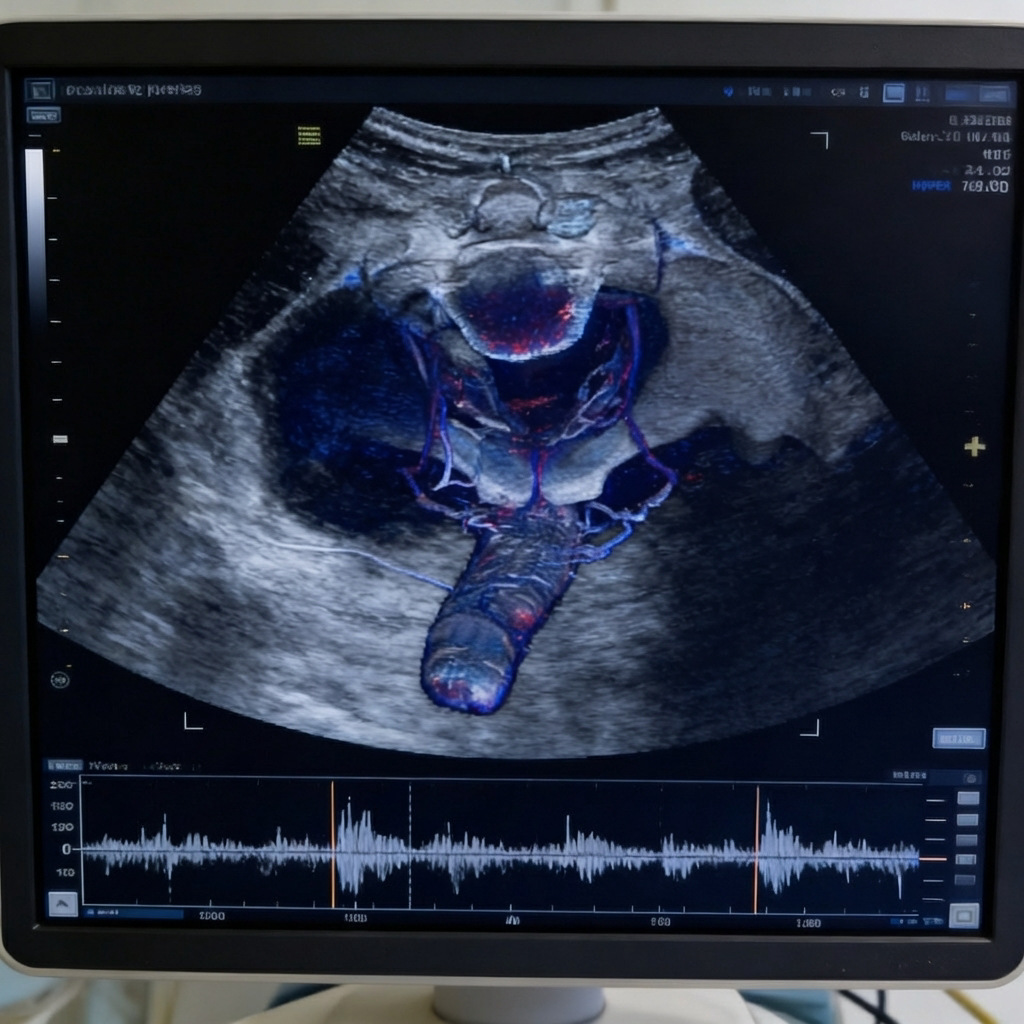
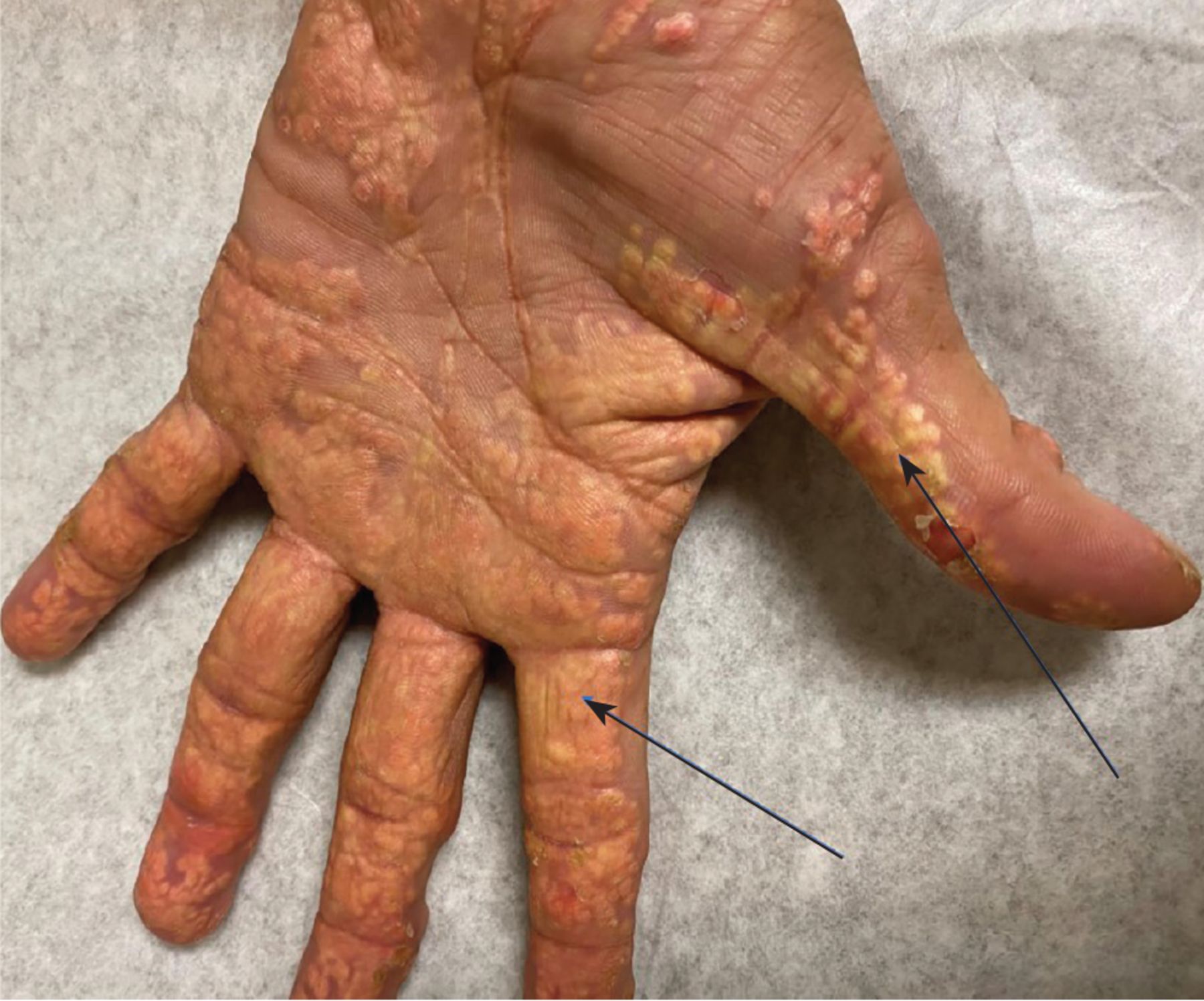
This is what happens inside a man's body when those yellow waxy bumps appear on his skin or around his eyes. Those bumps are called xanthomas. They are cholesterol deposits — excess LDL your body can no longer contain in the bloodstream, so it begins pushing it into your tissues. Half of all adults who develop them have abnormal lipid levels. Researchers have linked their presence to atherosclerosis, heart disease, and heart attack — even in men whose blood test numbers appear normal [1]. But here is what your doctor almost certainly did not mention when you were handed a statin prescription to address this. Cholesterol is the primary biochemical precursor to testosterone. Suppress cholesterol synthesis aggressively — which is precisely what statins do — and testosterone levels fall with it. Published research has documented significant reductions in both total and free testosterone in men on long-term statin therapy [2]. Testosterone is directly involved in the endothelial nitric oxide pathway that controls blood flow throughout the body. When it falls and endothelial function deteriorates simultaneously, the result is a progressive, quiet decline in erection quality that most men attribute to aging — and never connect to the medication their cardiologist calls protective. Here is what most men never understand about what is actually happening. It is not just about numbers on a cholesterol panel. When oxidised LDL accumulates as plaque in vessel walls, it restricts blood flow throughout the entire arterial tree. The penile arteries are the smallest blood vessels in the male body — roughly half the diameter of the coronary arteries feeding the heart. The same plaque your doctor tracks on a blood test is restricting circulation in the most sensitive vascular territory in your body, years before it causes chest pain or a cardiac event. Your erections are not failing because you are old. They are failing because the endothelium — the single cell-thick lining inside every blood vessel — has progressively lost its ability to produce nitric oxide, the signalling molecule that instructs smooth muscle in the vessel wall to relax and widen. Without adequate endothelial nitric oxide, the corpus cavernosum cannot fill with blood. No erection — pharmacologically assisted or otherwise — functions reliably. Your energy crashes because restricted circulation reduces oxygen delivery to your tissues. Your thinking clouds because compromised blood flow affects cognitive function. Your sleep deteriorates because chronic inflammation dysregulates the nervous system. And your erections become unreliable because the smallest vascular territory shows the endothelial damage first — every time, before anything else. Most men are told these are separate problems requiring separate solutions. They are not. They are all expressions of the same root cause: progressive endothelial dysfunction driven by decades of oxidised cholesterol accumulation in the arterial wall. Your statin is lowering a number on a blood test. It is not repairing the endothelium. It is not restoring eNOS activity in the penile vasculature. The vascular damage is continuing while the cholesterol panel shows improvement. And if you have high blood pressure alongside your cholesterol diagnosis, published research shows that combining certain ED medications with antihypertensive drugs carries a significantly elevated risk of serious cardiovascular events [3] — a fact that rarely surfaces in the prescription conversation. Now here is where the science of natural solutions becomes critical — because not all nitric oxide-supporting compounds work the same way, and the difference is not trivial. Beetroot has been widely promoted for circulation and erectile health. It contains inorganic nitrate, which is converted to nitrite by bacterial reduction in the oral cavity, then to nitric oxide via non-enzymatic reduction in the acidic environment of the stomach. This pathway — the nitrate-nitrite-nitric oxide cascade — is a passive, substrate-dependent process. It increases circulating nitrite available for conversion, but it does not interact with or upregulate eNOS, the endothelial enzyme responsible for endogenous nitric oxide synthesis within the vessel wall itself. When the endothelium has been damaged by years of oxidised LDL accumulation and chronic inflammation — which is precisely the scenario in a man with xanthomas and statin-managed hypercholesterolemia — eNOS expression and activity are already significantly downregulated. Supplying more substrate to a dysfunctional enzyme does not restore the enzyme's function. Multiple independent researchers have confirmed there is no direct clinical evidence that beetroot supplementation improves erectile dysfunction outcomes, for this exact mechanistic reason. Capsaicin operates through an entirely different and upstream pathway. Capsaicin is an agonist of TRPV1 — the transient receptor potential vanilloid type 1 channel — which is expressed directly on endothelial cells in the vascular wall. When capsaicin binds to TRPV1, it initiates a calcium-dependent intracellular cascade that results in phosphorylation of eNOS at the Ser1177 site — the specific activation point that upregulates the enzyme's catalytic activity and increases endogenous nitric oxide production within the endothelium [2]. This is not substrate delivery. This is direct enzymatic upregulation at the source. A landmark study published in Cell Metabolism confirmed that chronic dietary capsaicin significantly increased eNOS phosphorylation, augmented endothelium-dependent vasorelaxation, and reduced arterial pressure — with the effect entirely absent in TRPV1-deficient subjects, confirming the mechanism is receptor-specific and not a generalised vascular response [2]. The distinction matters clinically. Beetroot increases available substrate for a pathway that may be enzymatically impaired. Capsaicin stimulates the upregulation of the rate-limiting enzyme driving that pathway. For a man whose endothelium has been compromised by hypercholesterolaemia and statin-associated testosterone reduction, only the latter addresses the actual site of dysfunction. This is why we created Aurivita Capsaicin Power. Each serving delivers 3mg of pharmaceutical-grade capsaicin — the therapeutic dose referenced in published vascular research — alongside hawthorn berry for arterial structural health, beet root extract for complementary dietary nitrate support via the non-enzymatic pathway, ginseng for peripheral circulation, berberine for endothelial and metabolic health, curcumin 98% for the chronic vascular inflammation that accelerates arterial aging, black pepper extract for maximum bioavailability, and Vitamins D3, K2, and E for arterial wall integrity. Note that beet root extract is present in the formula — contributing dietary nitrates through the passive pathway as a complementary mechanism — while capsaicin simultaneously drives eNOS upregulation from above. Both pathways active. One daily dose. Aurivita comes in a bag. You take it daily — because consistent TRPV1 activation is what the research identifies as necessary for sustained eNOS upregulation and cumulative improvement in endothelial function. Men who stay consistent describe the same transformation. Energy stabilises. Thinking clears. And something they had quietly written off as inevitable starts working again — without planning, without pills, without the low-grade anxiety of wondering whether tonight will be one of the nights it cooperates. "I've been on statins for eleven years. My doctor never once connected what it was doing to my circulation. The difference after three months is something I cannot explain to anyone who hasn't lived the alternative." "I thought it was aging. I accepted it. My wife accepted it. Neither of us had to." "I ordered cautiously. I was awestruck that a product actually does what it's advertised to do. I will order more to make sure I always have some. A man who feels alive again." Aurivita Capsaicin Power is manufactured in an FDA-registered, cGMP-compliant facility, third-party tested for purity and potency. Pharmaceutical-grade capsaicin at the therapeutic dose. No fillers. No shortcuts. One bag is $60 and lasts 2 months. Less than the cost of a single viag*a pill — for a month of daily endothelial restoration rather than a few hours of borrowed function. Every order is backed by a 120-day money back guarantee. Four full months. If you do not feel meaningfully different, every dollar comes back. Click below to order. --- References [1] NCBI Bookshelf. Xanthelasma palpebrarum — StatPearls. ncbi.nlm.nih.gov/books/NBK531501. [2] Yang D, et al. Activation of TRPV1 by dietary capsaicin improves endothelium-dependent vasorelaxation and prevents hypertension. Cell Metabolism. 2010;12(2):130-141. PMC3906919. [3] Reddit/r/science. Erectile dysfunction medications may increase risk of adverse events in men with hypertension. reddit.com/r/science/comments/197i124.
Where the ad sends people
aurivita.co
Why Most People Never Connect High Cholesterol to Other Health Problems.
At Aurivita we offer Aurivita Capsaicin Power - Cayenne Pepper Softgels at the lowest price. Check it out now!
Learn more: aurivita.co(opens in a new tab)