Healthy Skin Community
Healthy Skin Community Facebook ad: “Your Fungal Infection Is Gone, But The Anal Itch Won't Go…”
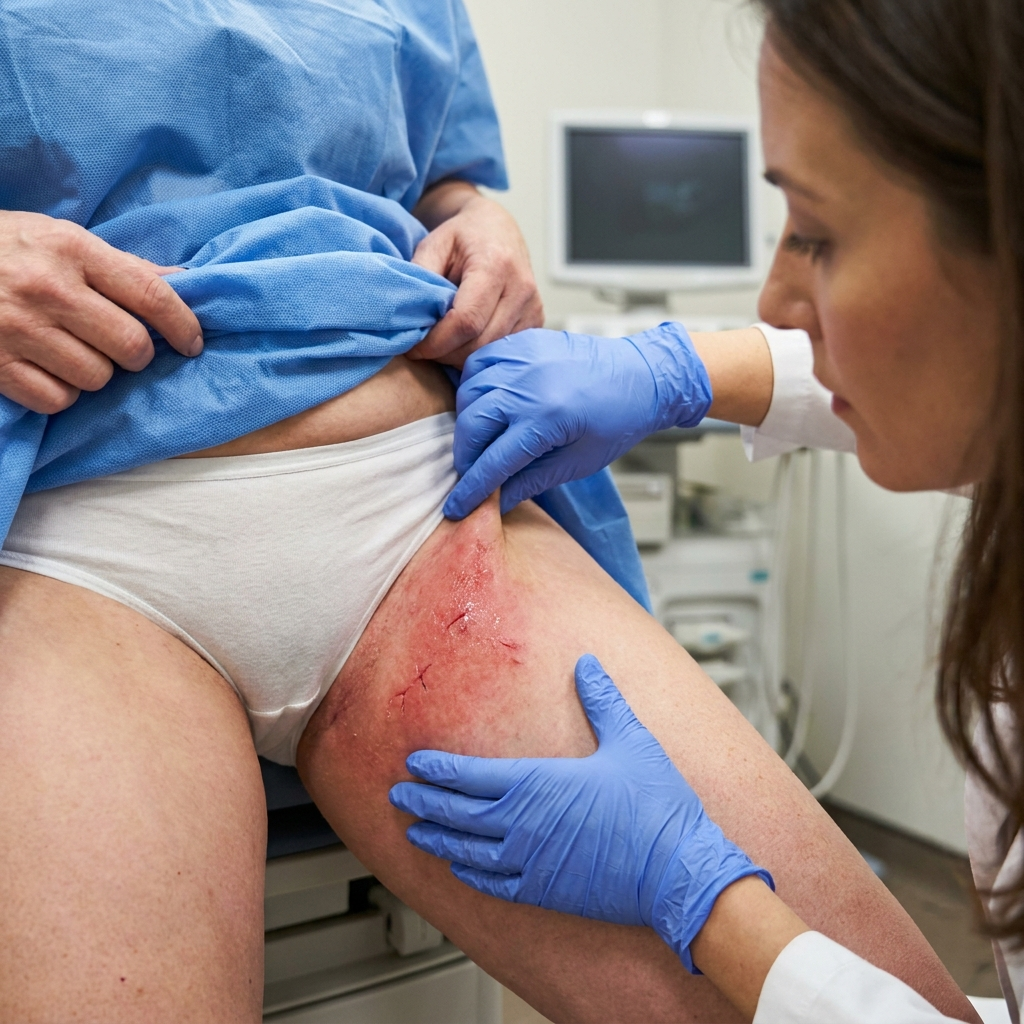
Ran for 15 days, from August 16 to August 31, 2026, the last day Crush saw it.
Run by Healthy Skin Community on Facebook. Crush is not the advertiser and does not verify its claims. See this ad in Meta's Ad Library(opens in a new tab)
Want an ad like this for your product?
Crush makes new ad images for your product from this ad: your logo, your product photo, your offer.
Trials from $19.95 USD, then $79.95 USD a month. Cancel anytime.
About this ad
- Meta Ad Library ID
- 1598588601971420
- Platforms
- Facebook and Instagram
- Relaunches
- 0
Ad text
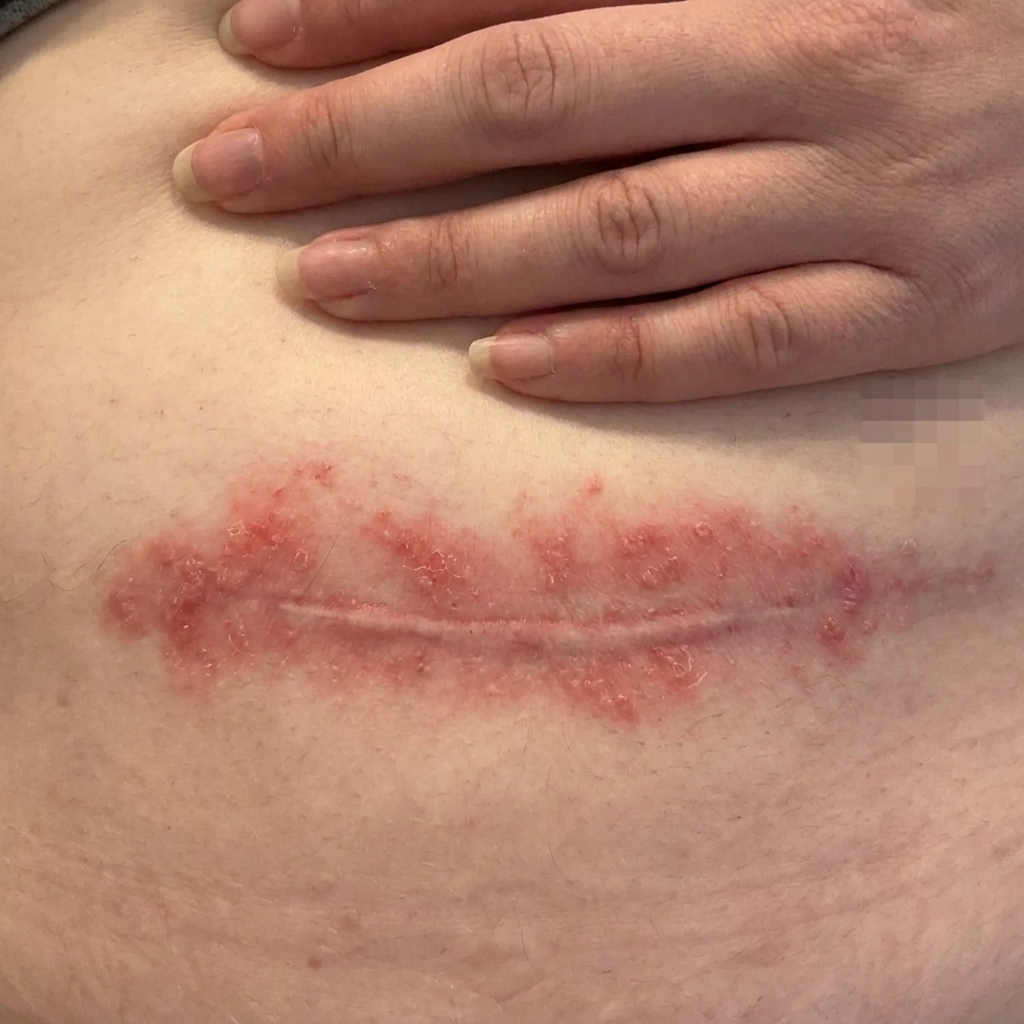
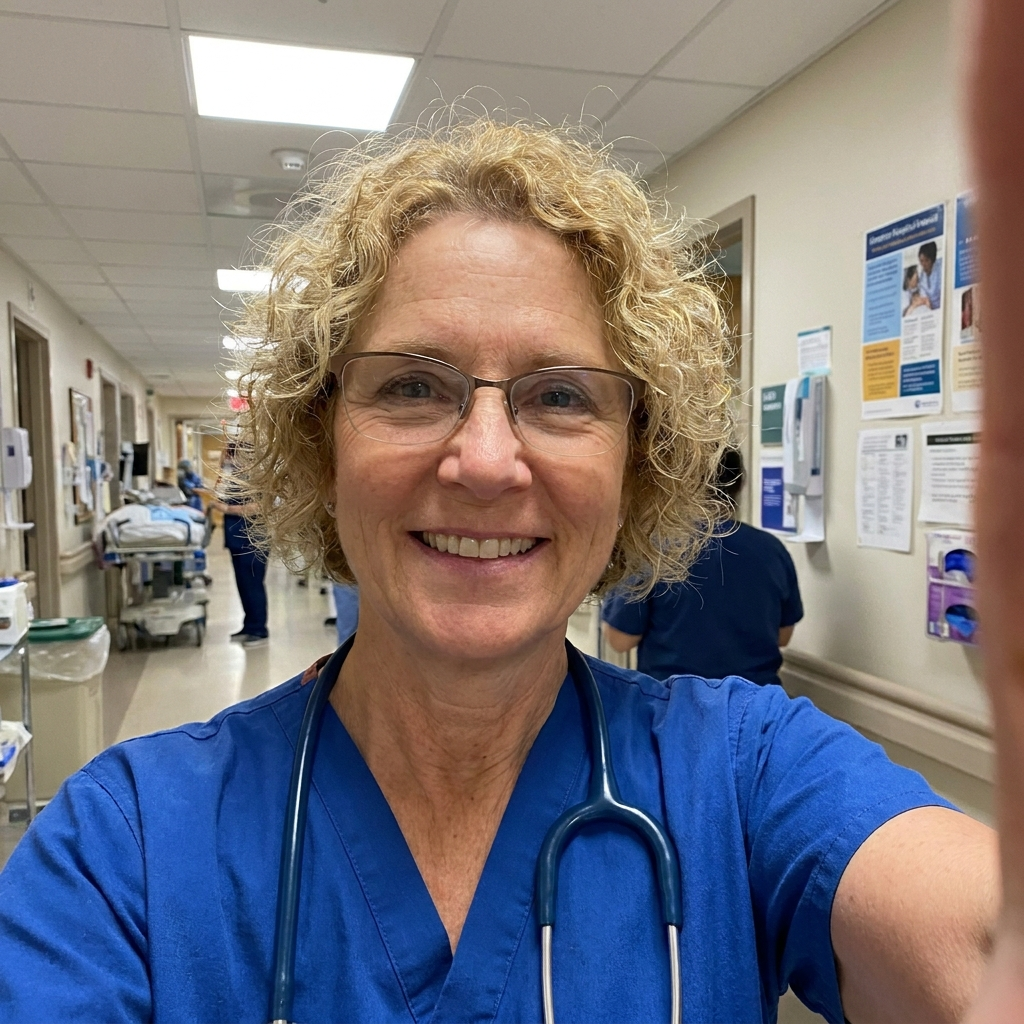
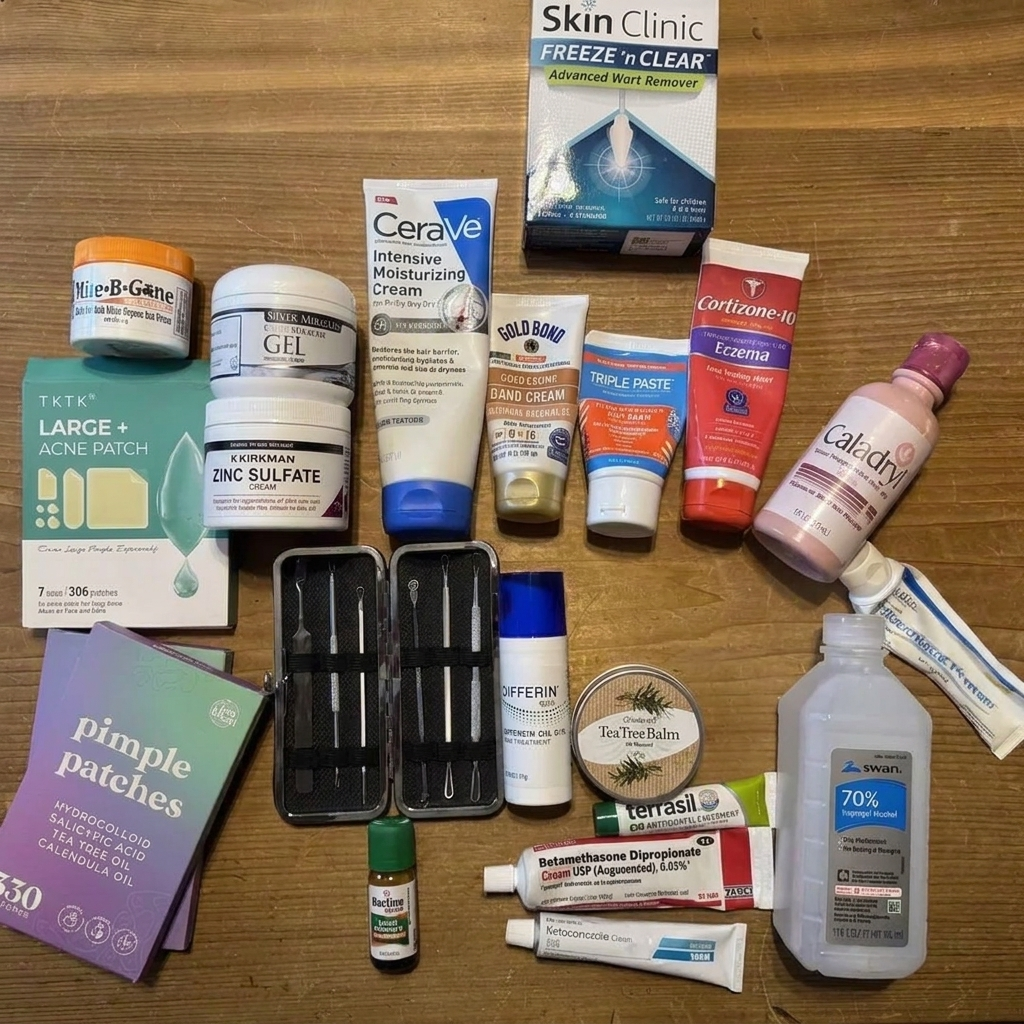
My skin-fold rash would clear up for literally three days, and then BOOM—it was right back somewhere else. Every single time. I’d apply antifungal cream under my breasts, watch the redness fade, and think, Finally, all done! Ten days later? A raw, burning outbreak down in my C-section belly fold or on my inner thighs. This had been my routine for four agonizing months, and I felt like I was losing my mind. I kept thinking I just needed to manage the moisture better or find a stronger cream. So for four months, I tried every trick in the book to keep my skin dry and clear. I bought specialty tea tree body washes, tried Sudocrem, switched to expensive OTC antifungal tubes, and even tucked folded paper towels deep into my skin folds during hot days. But the rash would clear for a few days, give me false hope, and then pop right back up somewhere else. So I tried the cold hairdryer trick thinking, Okay, THIS will keep the moisture away. I’d stand in the bathroom after every shower for ten minutes running cold air over my skin. But it didn't stop the cycle—it just gave me something extra to do while my skin kept breaking down underneath. Then I tried strict elimination routines—no scented detergents, loose clothing, switching soaps. I’d spend twenty minutes every morning doing this elaborate management ritual. My back would hurt from hunching over in front of the mirror, and two weeks later I’d still wake up to a new burning flare on my stomach. I was so sick of my own body failing me. My husband Mark started getting frustrated too because I’d spend hours every day managing this, hiding in the bathroom, and quietly pulling away from him in bed. He’d ask, Any progress? Is that new cream working? and I’d have to say no—same thing, it cleared under my bust but now my inner thighs are raw. I was managing a private, background yeast odor in silence, terrified he’d notice it. Then one night, after another defeat-filled day, my daughter came over to visit. She noticed how carefully I was moving, how exhausted I looked, and how I kept pulling at my shirt. She sat me down and asked, Mom, be honest with me. What is actually going on? I broke down and told her everything—the endless cycle, the creams, the hairdryers, the paper towels, and how it kept migrating. And then, almost as an aside, I mentioned the one thing I’d never said out loud to anyone: a quiet, persistent itch down below, around the back, that I’d lived with for years. I told her I’d normalized it as just how my body was, assuming it was completely unrelated to the rashes on my chest and stomach. My daughter, who works in healthcare, looked at me and said, Mom, that’s perianal eczema. That’s not a separate thing—that’s the source. She pulled up an article written by a dermatology specialist explaining potty-training-style resistance in skin barrier health. And what I read completely changed how I understood why my skin wouldn't stay clear. The specialist explained that women who treat visible rashes only to watch them pop up somewhere else aren't using the wrong cream—they're treating the wrong location at the wrong time. Imagine someone telling you to mop a floor every 20 minutes while a pipe in the wall is actively leaking. You mop, the floor looks clean for a minute, and then the water flows down another hallway. That’s exactly what happens when you treat skin folds with spot antifungals while ignoring perianal eczema. The perianal area is the single most hospitable fungal reservoir on the human body—constant warmth, moisture, and friction. When long-standing perianal eczema breaks down that primary skin barrier, Candida albicans overgrows at the root. From there, daily movement, clothing, shared bath towels, and hands continuously transport fungal spores from the perianal root to every other warm skin fold on your body. Spot creams under your bust clean the surface for three days, but because the perianal eczema barrier is still wide open, the source keeps re-seeding your body. And if that primary perianal barrier breach is left open and exposed for years? It isn't just an annoying cycle. Unchecked barrier breakdown in intimate, high-bacteria zones leaves raw tissue vulnerable to severe secondary bacterial cellulitis—and in worst-case scenarios, can escalate into necrotizing tissue complications like Fournier’s gangrene, a flesh-destroying emergency with a documented mortality rate as high as 40%. The real problem wasn't that my skin wouldn't heal—it was that I was treating downstream branches on a timer while leaving the perianal eczema root completely unsealed. All my hairdryers, paper towels, and spot creams were solving the wrong problem. My daughter said, You don't need another harsh spot cream, Mom. You need a medical-grade barrier repair formula that physically seals the perianal eczema at the source. She recommended DermaSoothX. Formulated with high-concentrate Panthenol, Zinc Oxide, Colloidal Oatmeal, and Aloe Vera, it creates a breathable, protective shield over damaged tissue without steroid thinning or synthetic fragrances. I ordered it that night—and instead of scheduled hairdryer sessions and spot-treating rashes on a timer, I just applied DermaSoothX daily after my shower to my skin folds and crucially down below to the perianal eczema source. Day 7: That quiet perianal itch I’d normalized for years finally started to settle. Day 14: The background yeast odor vanished completely. The redness in my belly fold faded to light pink. Week 4: The rashes under my breasts flattened and cleared up. Week 8: 100% clear skin across every single fold—and for the first time in two years, it didn't move somewhere else. I realized I hadn't needed hairdryers, tucked paper towels, or constant prescription co-pays at all. I just needed to repair the barrier where the problem actually started. I didn't need more surface management—I needed root-cause awareness. Last week, Mark and I went out for dinner. I wore a fitted dress for the first time in years. When we got home, he pulled me close, looked at me, and whispered the four words that meant everything: You came back. Mark laughed and said, I can't believe we spent months trying to fight those rashes when the source was down below the whole time. And I said, Yeah... we were solving the wrong problem this whole time. Also, a woman from my private health group messaged me after I mentioned this. Her sister was doing the exact same thing—temporary 3-day clears, migrating rashes, paper towels tucked into folds. I sent her the link and said, Stop spot-treating the branches—repair the perianal eczema barrier at the root. Two weeks later she sent me a voice message almost crying with relief because her skin had finally cleared up too. All she needed was to fix the source environment. So if you’re treating skin-fold rashes only to watch them pop up somewhere else no matter what you try... you’re probably treating downstream locations while your body's primary barrier is left wide open. Awareness comes before action, and DermaSoothX gave my skin the barrier repair it actually needed. Hope this helps someone out there! Deborah Vance P.S. It comes with a 60-day money-back guarantee, so you can try it risk-free. If your skin doesn't clear and the perianal eczema doesn't settle, you get every penny back. Stop solving the wrong problem and fix the root! This is the official website 👉 www.dermasoothx.com/products/itching-cream Thank me later.
Where the ad sends people
dermasoothx.com
Your Fungal Infection Is Gone, But The Anal Itch Won't Go Away? Read This! 👆
A soothing barrier cream developed to help relieve anal itching, burning and skin irritation. Supports the skin barrier, helps reduce dryness and provides protective care for sensitive perianal skin.✔ Helps relieve itching, burning and irritation✔ Supports restoration of the skin barrier✔ Help...
Learn more: dermasoothx.com(opens in a new tab)