Sarah's Cat Diary
Sarah's Cat Diary Facebook ad: “Read If You Own A Cat Water Fountain”
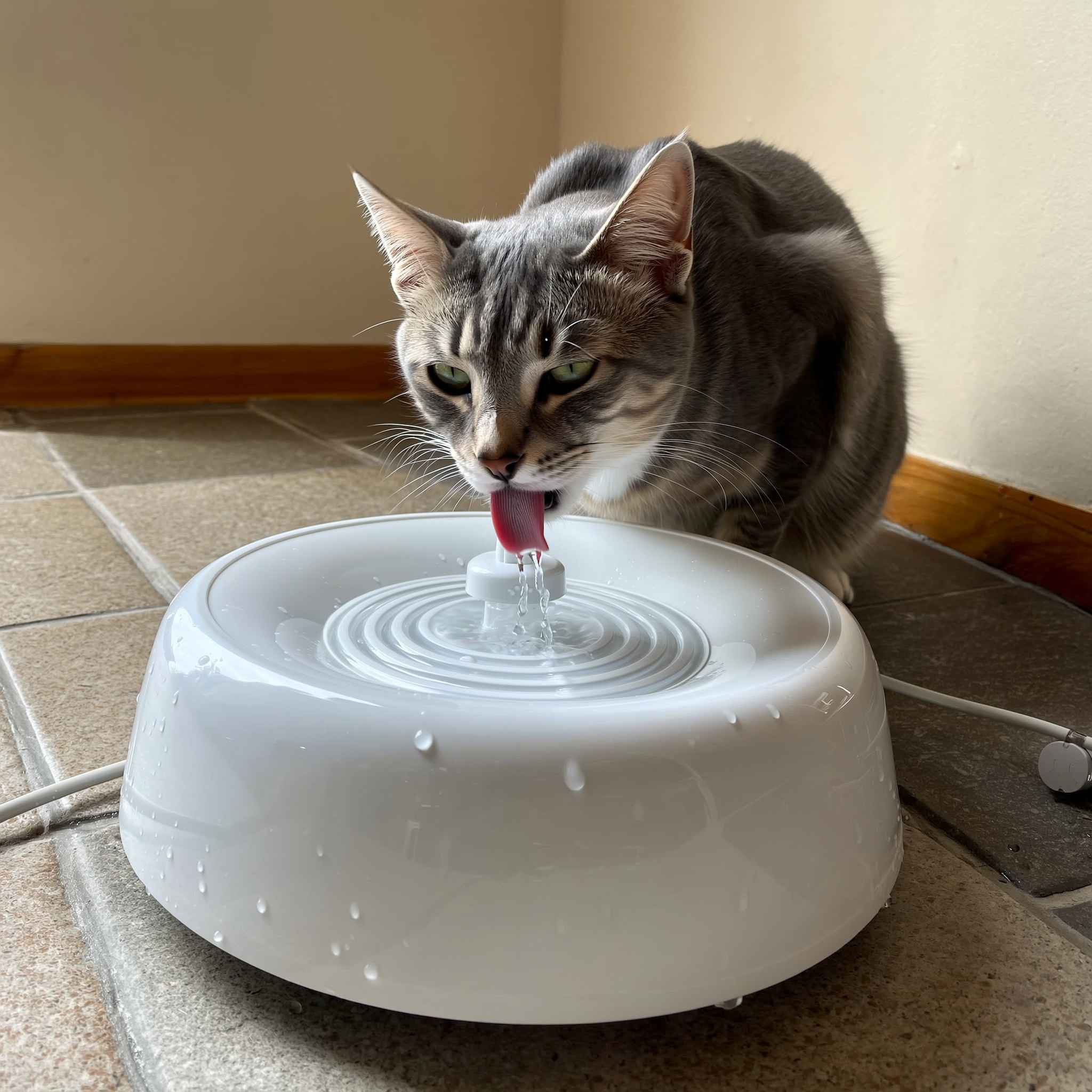
Ran for 2 days, from January 14 to January 16, 2026, the last day Crush saw it.
Run by Sarah's Cat Diary on Facebook. Crush is not the advertiser and does not verify its claims. See this ad in Meta's Ad Library(opens in a new tab)
Want an ad like this for your product?
Crush makes new ad images for your product from this ad: your logo, your product photo, your offer.
Trials from $19.95 USD, then $79.95 USD a month. Cancel anytime.
About this ad
- Meta Ad Library ID
- 1602778164233412
- Platforms
- Facebook, Instagram, Audience Network, Messenger and Threads
- Relaunches
- 0
Ad text
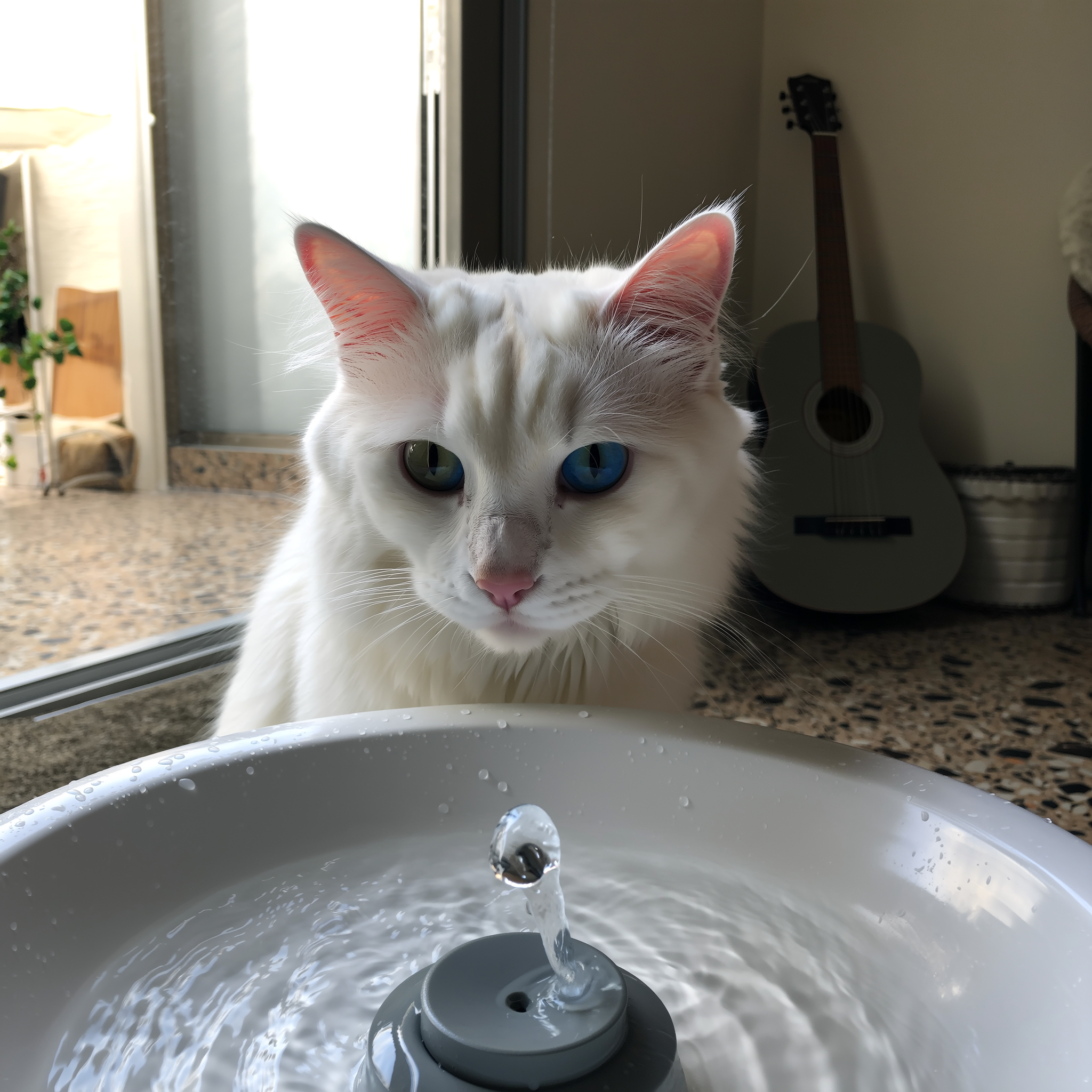
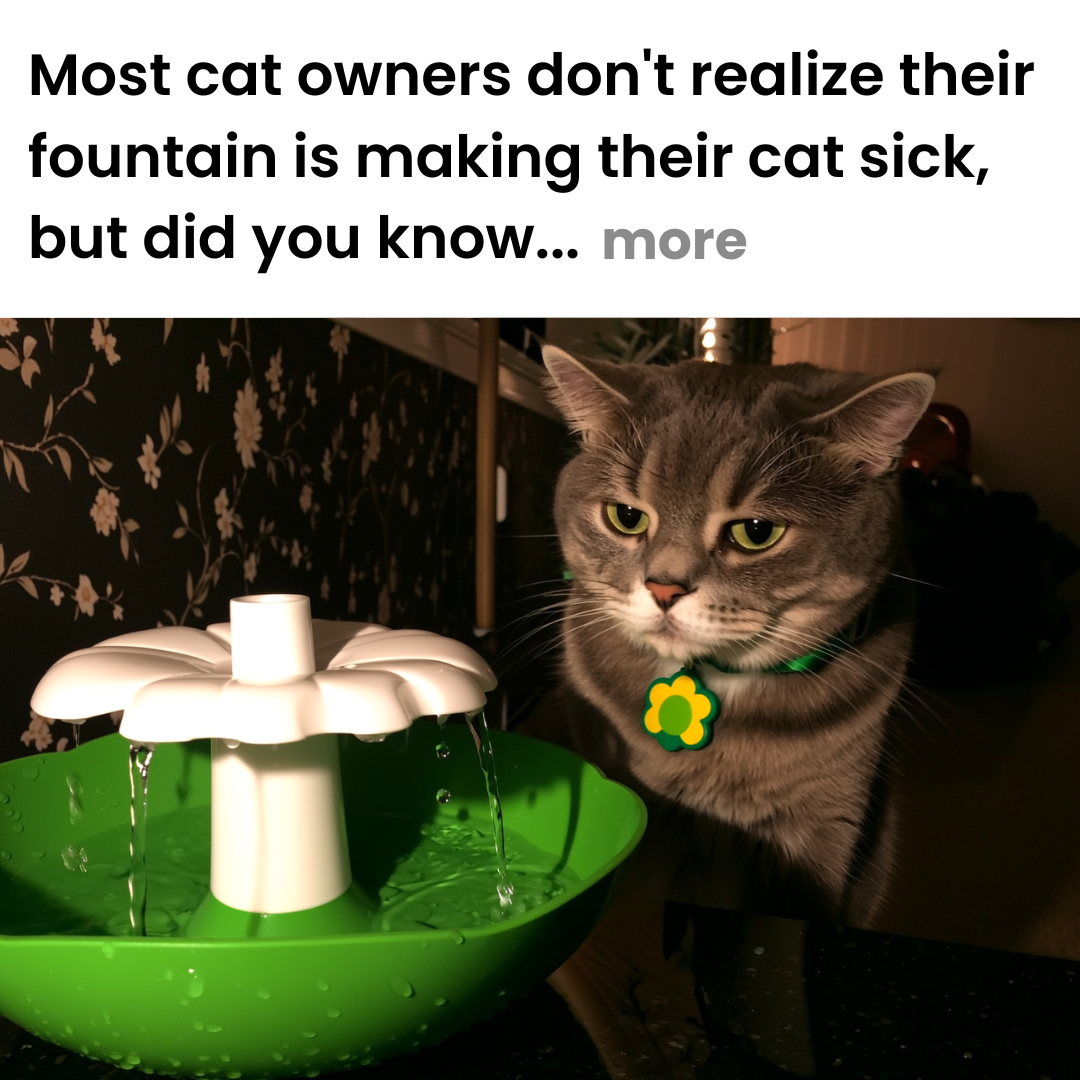
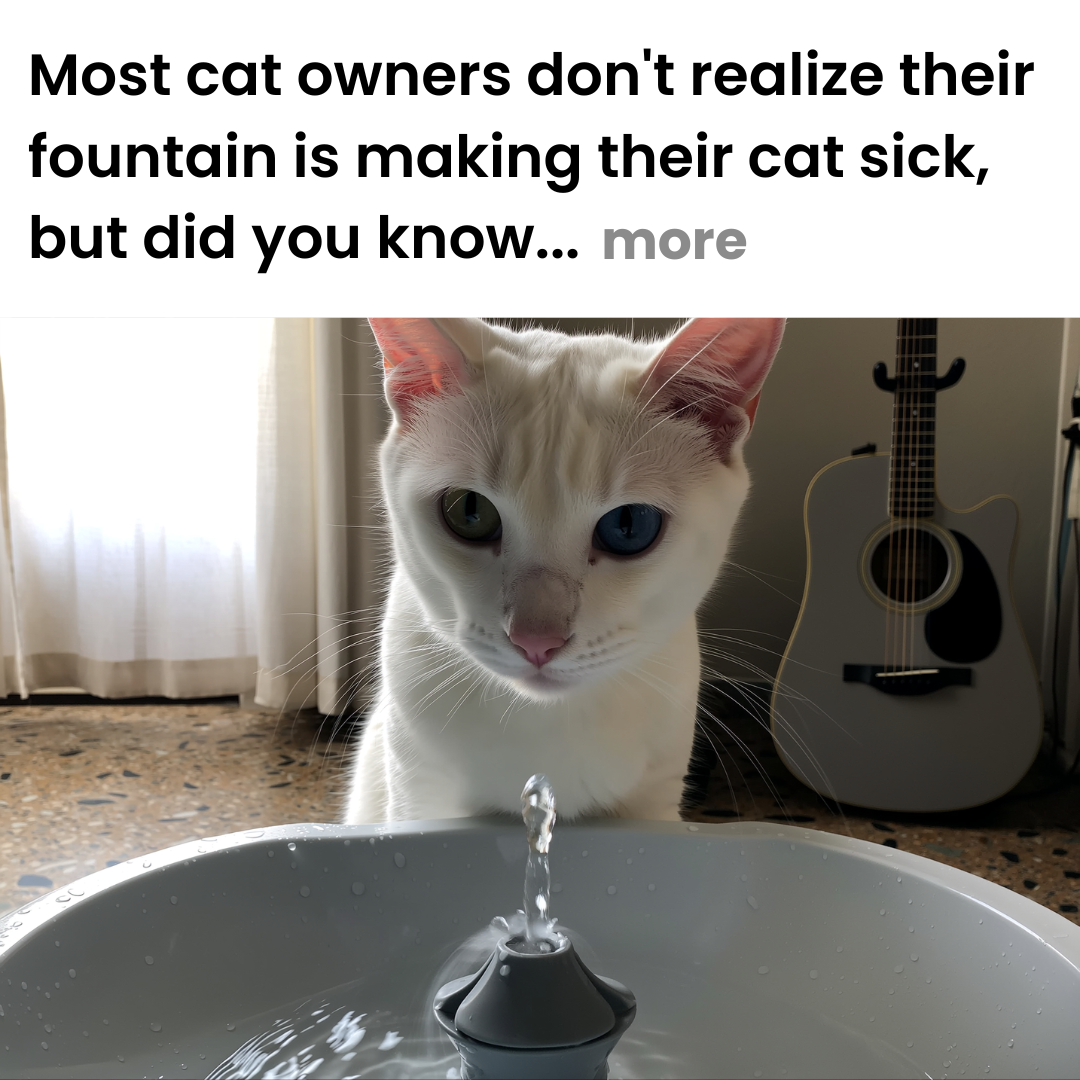
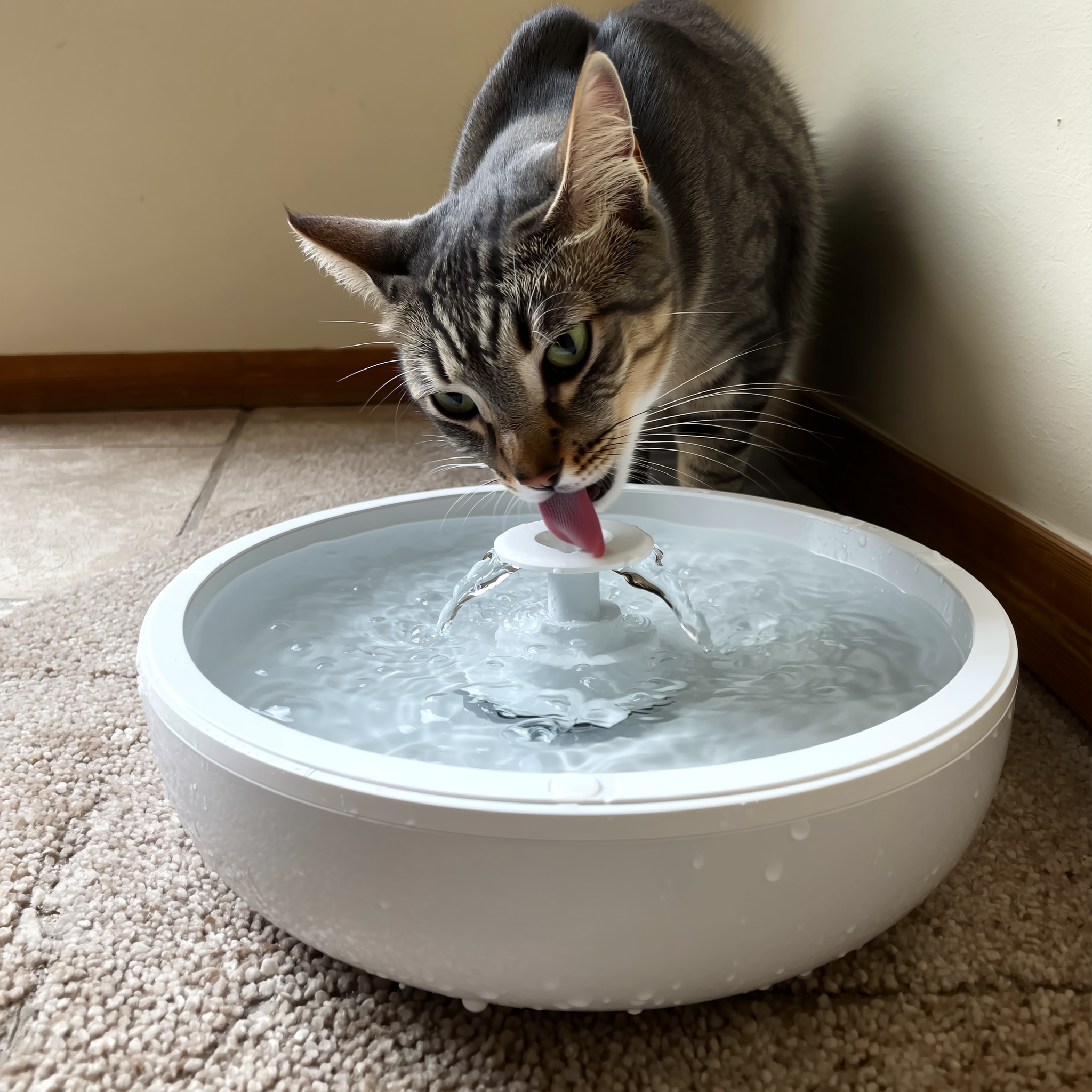
The moment my vet saw my cat's NEW fountain, she said THAT'S why his kidneys were FAILING. I live in Portland with Max, my 10-year-old tabby, and I'd spent the last two years trying to solve his hydration problem. It started innocently enough. During a routine checkup, my previous vet mentioned Max seemed slightly dehydrated. "Maybe try a water fountain," she suggested. "Cats prefer moving water." Simple enough. I went to PetSmart that afternoon and bought a cute flower-shaped fountain. Plastic, but BPA-free. Had great reviews. Max would love it. Except he didn't. He'd approach, sniff, and walk away. Sometimes he'd take a desperate lap or two, but mostly he avoided it entirely. "He's just getting used to it," I told myself. Months passed. Max drank less and less. So I upgraded. Spent $60 on a fountain with LED lights and three water flow settings. Surely the variety would entice him. Same result. Approach. Sniff. Retreat. By the third fountain—an $85 model with "antimicrobial plastic" and a four-stage filter—I was desperate. This one had hundreds of five-star reviews. Pet bloggers raved about it. It HAD to work. For a week, it seemed like it might. Max drank a bit more. Not much, but enough to give me hope. Then came the diagnosis that shattered everything. "Early stage kidney disease," Dr. Patel said gently, reviewing Max's bloodwork. "His values are concerning for a 10-year-old." "But he has a fountain," I said, my voice breaking. "I've tried three different ones. He just won't drink enough." "Show me which fountain he has now," she said. I pulled up the product page on my phone, eager to show her the premium model I'd researched so carefully. The antimicrobial technology. The advanced filtration. The flowing water design. Her expression darkened immediately. "Is that plastic?" "BPA-free antimicrobial plastic," I corrected. "It's specifically designed to prevent bacteria." Dr. Patel turned her computer screen toward me. "This is what 'antimicrobial' plastic looks like after one week of use." The image made my stomach turn. A fountain identical to mine, but the inside was coated in pink and black slime. Biofilm covered every surface like a horror movie. "But mine doesn't look like that," I protested weakly. "Not to your eyes. But let me show you something." She pulled out a UV flashlight from her drawer. "Bring in your fountain tomorrow. We'll look at it under ultraviolet." That night, I cleaned Max's fountain thoroughly, wanting to prove her wrong. Scrubbed every part. Fresh filters. Pristine. The next day's revelation destroyed me. Under the UV light, my "clean" fountain glowed like a crime scene. Bacteria colonies invisible to the naked eye covered every plastic surface. The crevices harbored growth that no amount of cleaning could reach. "Plastic is porous," Dr. Patel explained. "Even BPA-free, even antimicrobial. Bacteria colonizes the microscopic scratches within hours. You can't see it, smell it, or clean it away. But Max can detect it at a molecular level." "So every time he approaches the fountain..." "His instincts scream 'poison.' He's genetically programmed to avoid contaminated water. In the wild, this kept cats alive. In your home, it's killing him through dehydration." She showed me more photos. Cats with severe chin acne from plastic fountains. Kidney failure timelines correlating with fountain purchases. Statistics that made me feel like the worst cat parent alive. "I was trying to help him," I said, tears flowing. "I bought the best fountains I could find." "Marketing doesn't equal science," she said gently. "Let me show you what actually works." She pulled up photos of her own home setup. Three cats, all drinking from a fountain that looked completely different from anything I'd seen. Solid stainless steel. No plastic anywhere—not even in the pump. "Surgical-grade stainless steel is non-porous. Bacteria can't colonize it. Truly cleanable. No chemical leaching. Cats recognize it as safe." "Which brand?" I asked, already pulling out my phone. "Purrify. It's the only one I've found with zero plastic components. My 18-year-old has been using it for seven years. Still perfect kidney values." That night, I did something that confirmed everything Dr. Patel had said. I took apart all three plastic fountains gathering dust in my closet. The horror inside made me physically ill. Pink slime coated the pumps. Black mold grew in crevices I didn't know existed. The smell—God, the smell. How had I not noticed? But Max had noticed. Every single time. I ordered the Purrify at 1 AM, paying extra for overnight shipping. While waiting, I researched obsessively. Forum post after forum post echoed my experience: "Three plastic fountains, cat still dehydrated. Switched to Purrify steel—drinks constantly now." "My vet said plastic fountains cause more kidney disease than plain bowls. Bacteria plus dehydration equals organ failure." "Wasted $300 on plastic fountains. Cat's chin infection required antibiotics. Steel fountain fixed everything." When the Purrify arrived, I understood immediately why it was different. The weight alone—solid steel versus hollow plastic. No seams for bacteria to hide. No porous surfaces. The water chamber was one smooth, cleanable piece. I set it up where Max's plastic fountain had been, then stood back to watch. Max approached cautiously. Three failed fountains had taught him to be suspicious. He sniffed extensively, circling the entire fountain. Then he did something that made me cry. He settled in and drank. Not desperate, quick laps. Relaxed, sustained drinking. Like a cat who'd found an oasis after crossing a desert. "No bacteria," I whispered. "Finally, water you can trust." The sound continued for almost three minutes. Max drinking like I'd never seen him drink. Over the following days, it became our new soundtrack. Max visiting his fountain five, six, seven times daily. Morning drinks. Afternoon hydration sessions. Evening water breaks. His transformation was remarkable. Within a week, his coat looked different—shinier, softer. His eyes brightened. He started playing with toys he'd ignored for months. But the real change was his energy. The lethargy I'd attributed to age vanished. He raced up his cat tree. Demanded play sessions. Acted like a cat half his age. The chin acne I hadn't even connected to the fountain began clearing without medication. Turns out those "cute" bumps were bacterial infections from contaminated water droplets. At his one-month recheck, Dr. Patel ran his bloodwork twice. "This is highly unusual," she said, studying the results. "His kidney values have improved. Not just stabilized—actually improved." "Just from changing fountains?" "From finally drinking adequate water. Look at his hydration markers. This is what we want to see." She pulled up his previous tests for comparison. The difference was undeniable. "Max was dying of thirst surrounded by water," she explained. "The plastic fountains were worse than no fountain—they gave you false confidence while repelling him with bacteria." Six months later, Max's kidney disease hasn't progressed. His latest bloodwork shows the kidneys of a much younger cat. He drinks throughout the day, every day. I kept one plastic fountain as a reminder. Within a week of sitting dry, visible mold appeared in the scratches and crevices. Green fuzz, black spots, pink slime. That's what was growing when it was "clean" and running. That's what Max's 10,000-year-old instincts detected. That's what nearly killed him. I think about the marketing that fooled me. "Antimicrobial." "BPA-free." "Pet-safe." All meaningless when the material itself is the problem. Plastic is porous. Bacteria loves porous. Cats detect bacteria at levels we can't imagine. It's that simple. Stainless steel isn't about being fancy. It's about being the only material that doesn't harbor death. Every day I see Max drinking—really drinking—I think about all the cats slowly dying of thirst because their well-meaning owners bought the wrong fountain. The same fountain I bought. Three times. Here's where I got Max's real fountain—they're having a sale right now. If you have a plastic fountain, please, throw it out tonight. Your cat's kidneys are counting on you to get this right. Don't let marketing fool you like it fooled me. "BPA-free" doesn't mean bacteria-free. And bacteria-free is the only thing that matters. Your cat would rather die of thirst than drink contaminated water. Make sure they never have to make that choice.
Where the ad sends people
trypurrify.com
Read If You Own A Cat Water Fountain👆
Purrify
Learn more: trypurrify.com(opens in a new tab)