
Active· since Jul 11, 2026
- 18
- days running
- 1
- relaunches
Ad copy
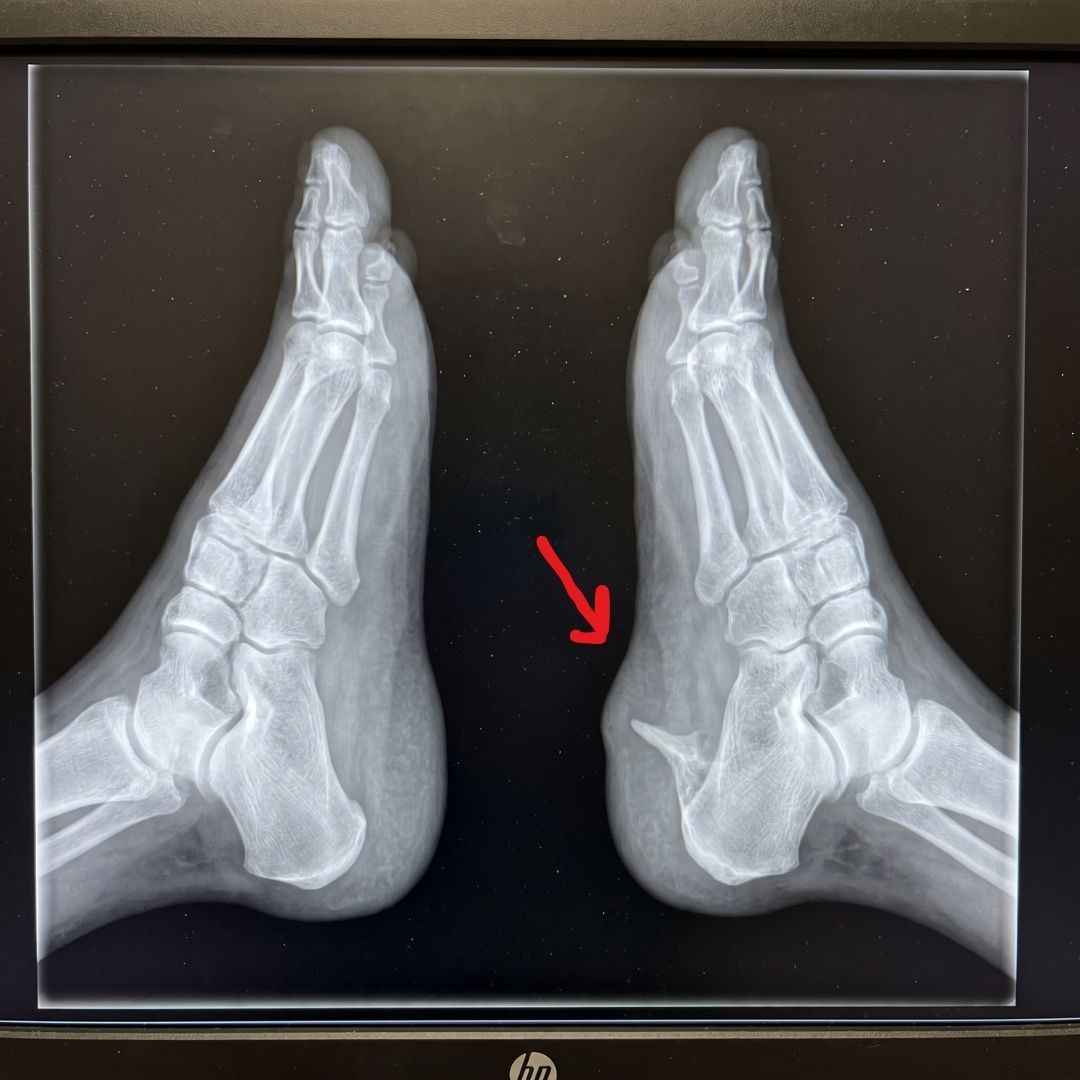
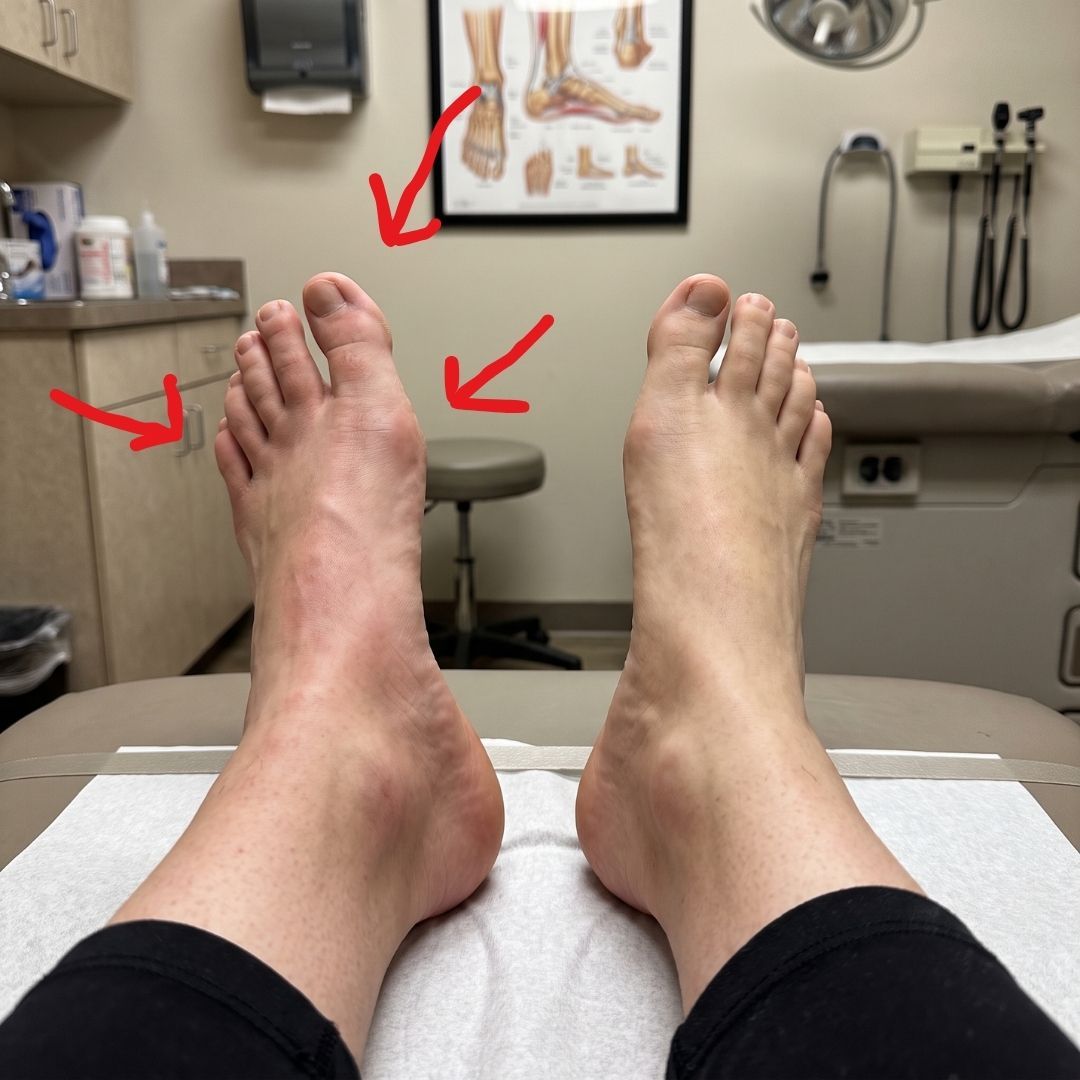
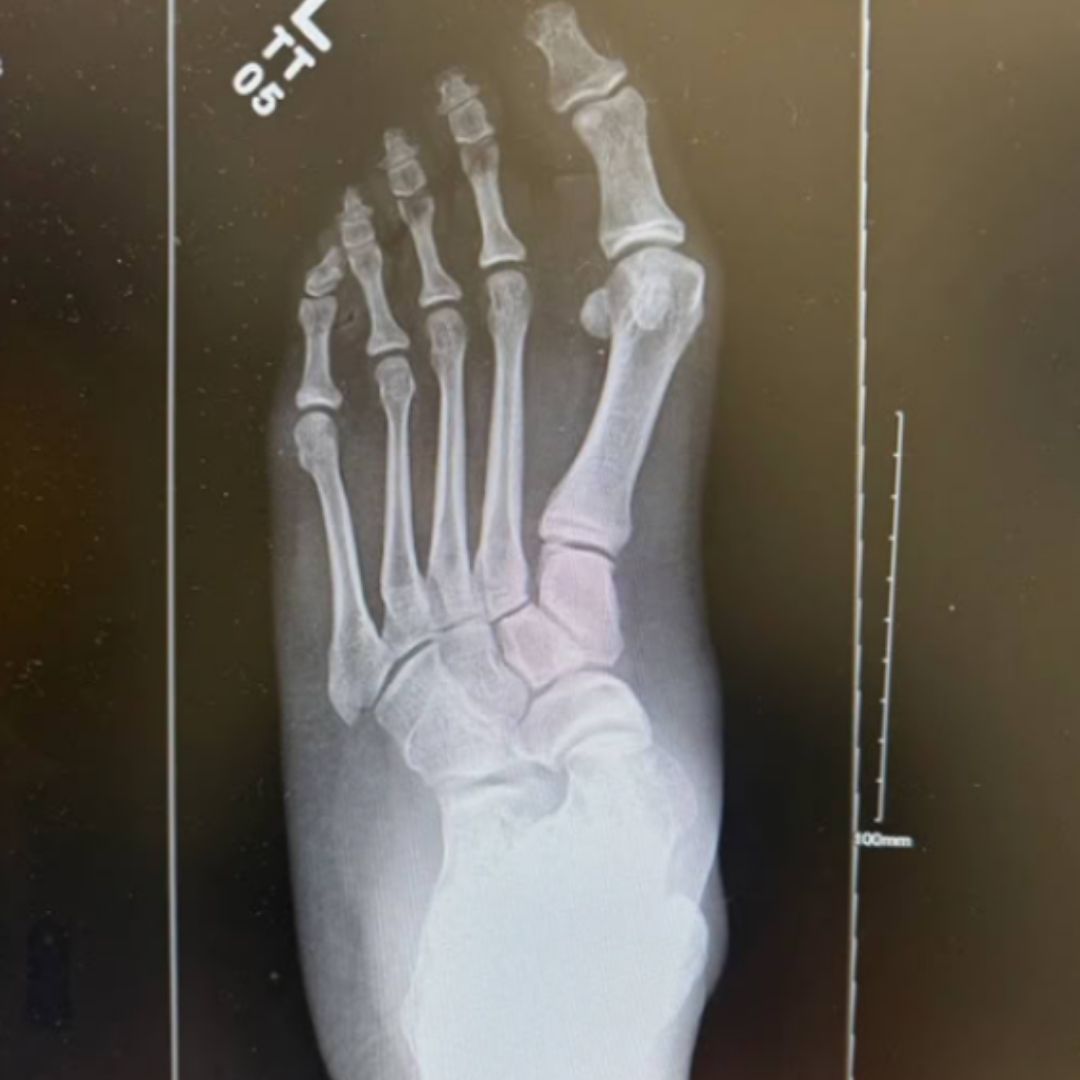
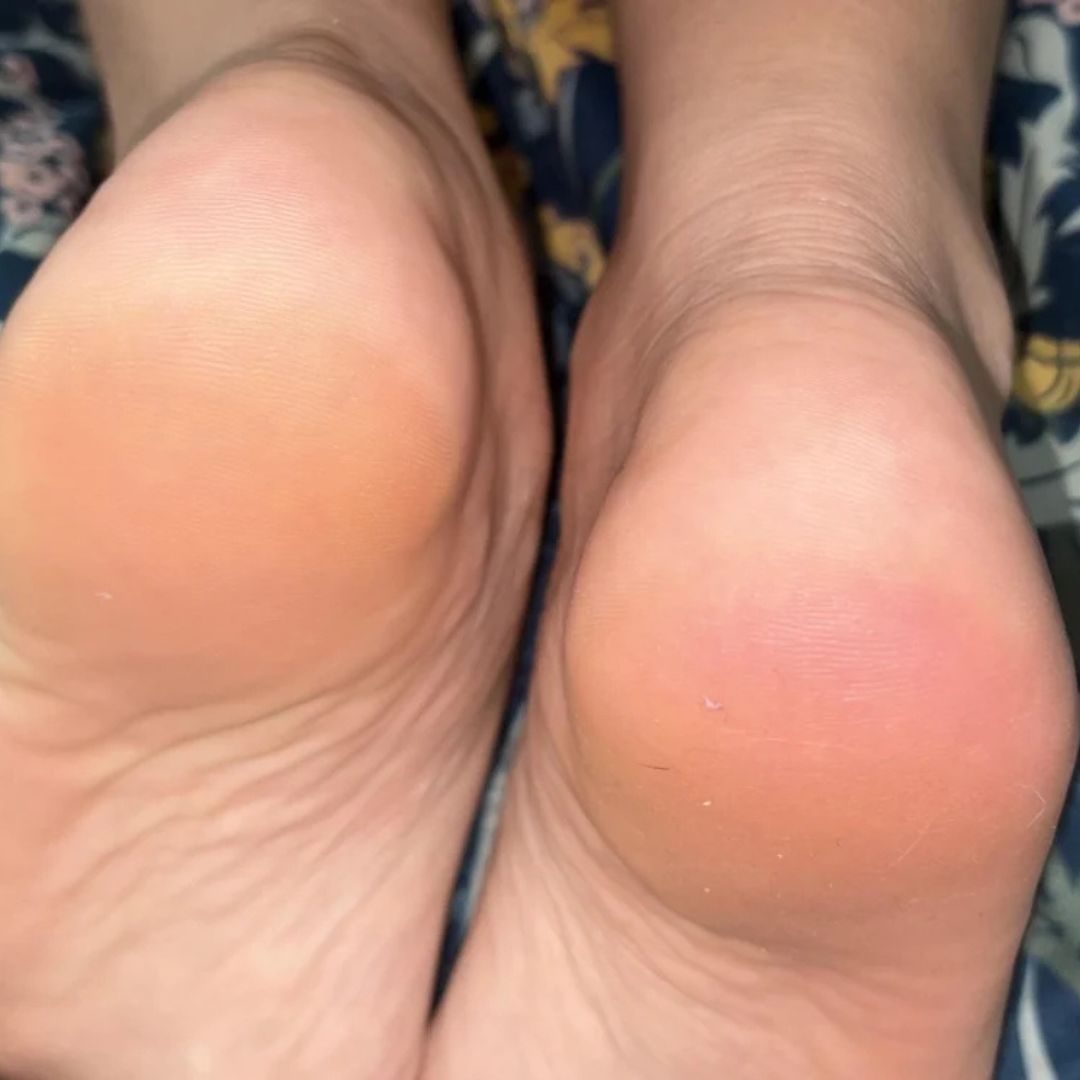
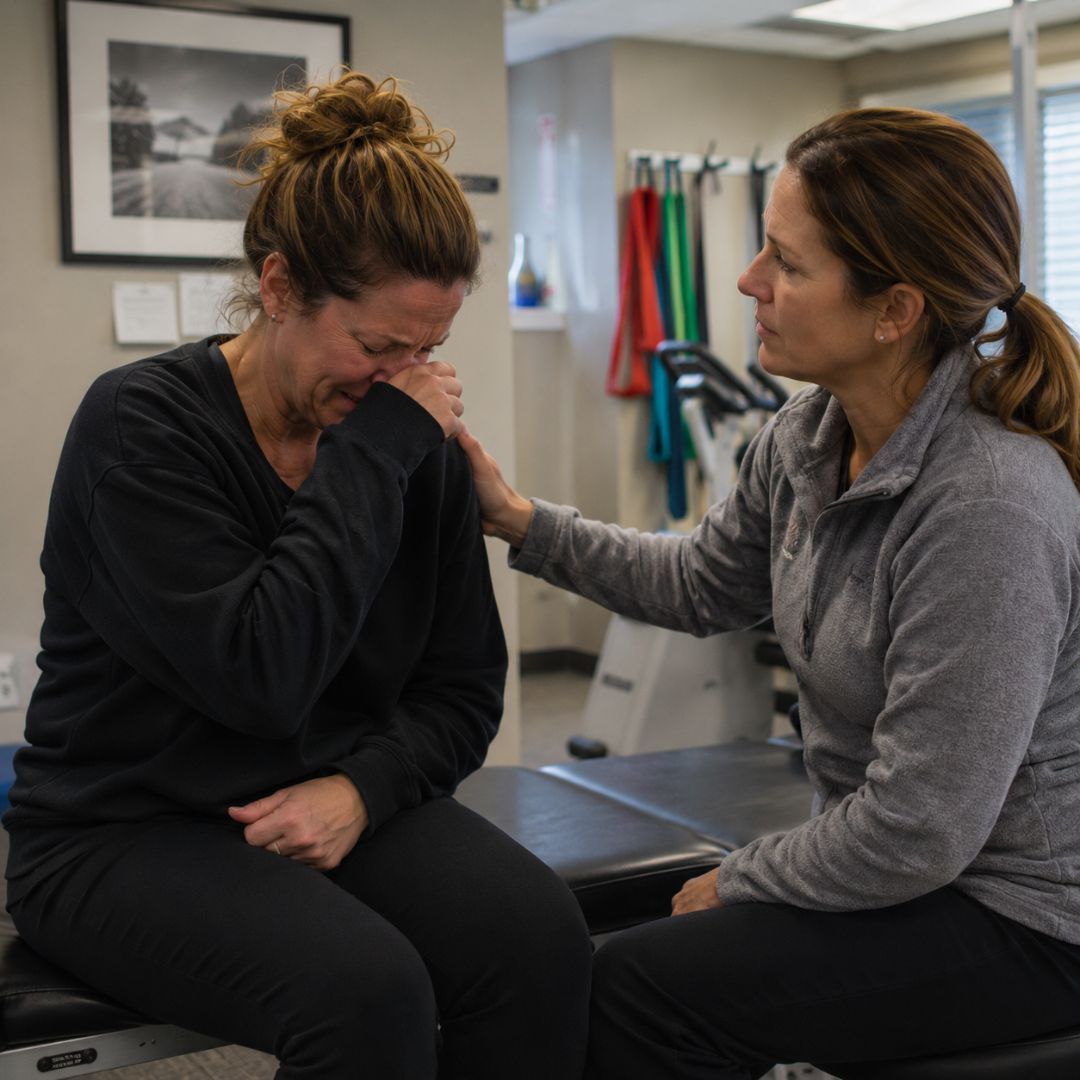
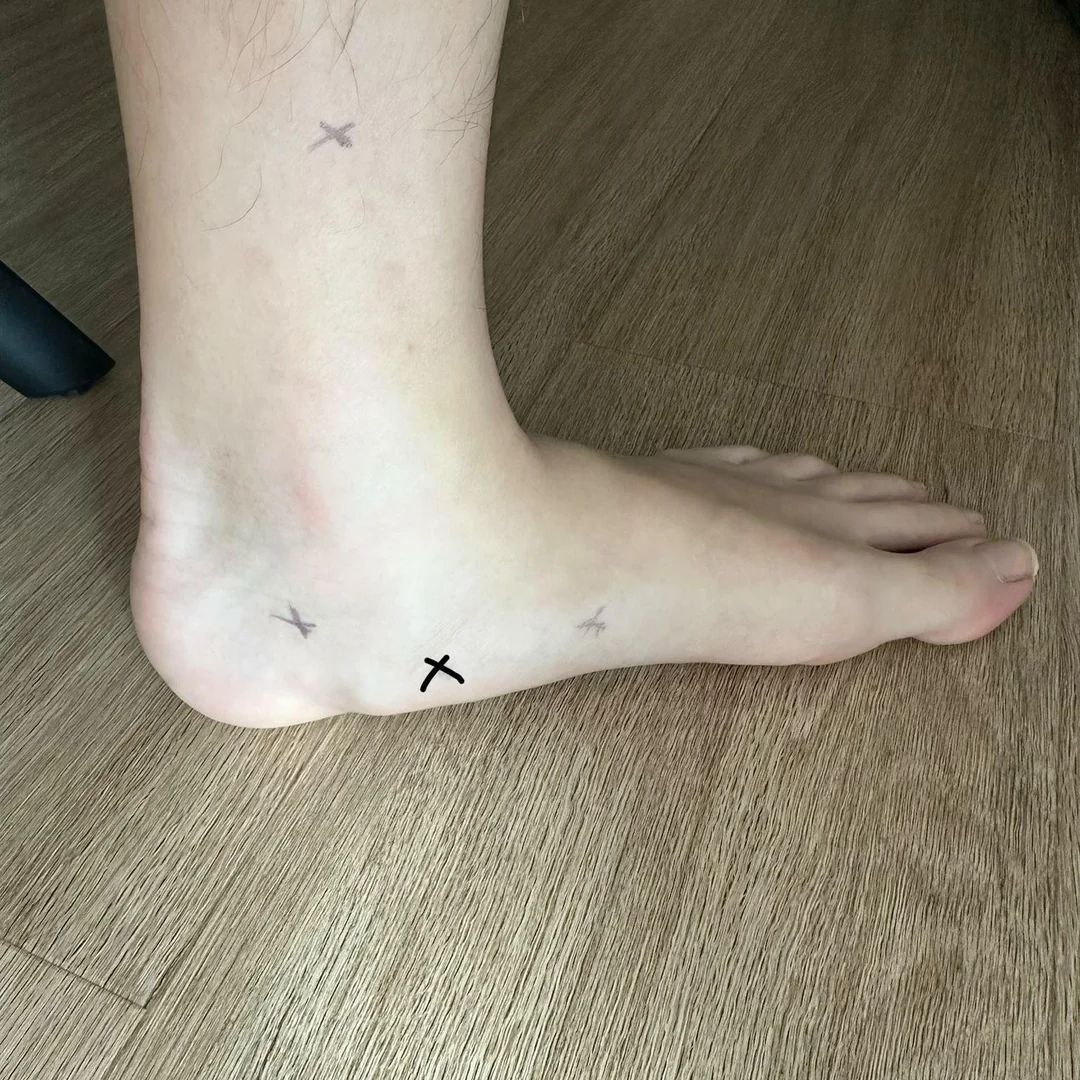
A Latin-speaking doctor in the 1800s could be the reason you're still dealing with plantar fasciitis today. I know how that sounds. Once I saw this pattern enough times in my clinic, I couldn't ignore it, and it's something almost no one explains to patients. And it changed how I treat almost every long-term case that walks through my door. My name is Anabelen, and I've been a physical therapist for a little over twelve years. For most of that time, I treated plantar fasciitis exactly the way I was trained to. Rest it. Ice it. Stretch the calf and the arch every morning. Recommend insoles, more supportive shoes, maybe a night splint. If it didn't improve, refer out for a cortisone injection. That protocol is in every textbook. It's what almost every doctor, podiatrist, and PT in the country still leads with. And for a lot of patients, it works. The ones who've had heel pain for two or three weeks respond well. Their bodies do what inflammation is supposed to do: swell up, hurt for a while, then settle down as the tissue heals. But the truth is, most of the patients I see don't respond to any of it, no matter how carefully we follow the protocol. Patients like Linda. Linda was 61 when she first came to see me. She'd been a school administrator for almost three decades and had just retired, finally with time for the things she'd been putting off. Morning walks with her sister. Two hours in the garden every weekend. Standing at the stove long enough to actually cook, instead of microwaving something quick between meetings. The pain started small. An ache in her heel she blamed on new shoes. Within a couple of months, it had turned into something sharper. Every morning, her first steps out of bed felt like stepping on a piece of glass. It would ease up slightly once she'd been moving for a few minutes, then come back hard by the end of the day. Especially if she'd been on her feet at the sink doing dishes or standing in a checkout line. She did everything right. New shoes. Arch supports. A stretching routine she found online that she did religiously every morning. A foam roller she kept next to her bed. Ice packs most nights. Eight months in, none of it had made a real difference. By the time Linda sat down in my office, she wasn't just in pain. She was starting to feel like her body had quietly turned on her. She'd stopped her morning walks with her sister because she couldn't predict which mornings would be bad. She skipped two family gatherings that spring because she didn't want to be the one who needed to sit the whole time. She used to love pulling weeds and deadheading flowers in her garden. That spring, she planted almost nothing. What got to her most wasn't even the pain. It was the quiet fear that this was just what getting older looked like now, and that she'd better get used to it. She told me she'd started saying "I can't" more that year than she had in her entire life before it. And she hated the sound of it. I'd seen this exact pattern in enough patients that I finally sat down and did something most of us in this field never bother to do. I looked into why the condition is even called what it's called. Plantar means sole of the foot. Fascia is the band of tissue that runs underneath it. Both are old medical Latin, the language doctors used to name almost everything in the body for centuries. Then there's the ending, "itis," tacked onto the word by a doctor writing in that same old medical Latin back in the late 1800s. It means inflammation. Here's the part that stopped me. Inflammation is supposed to be temporary. It's your body's short-term repair response. Redness, swelling, heat, pain, and then it resolves, usually within a couple of weeks. That's true almost everywhere else in the body. If your ankle is inflamed after a sprain, it calms down in ten to fourteen days. So if "fasciitis" literally means inflammation, why do so many people still have the pain eight months, a year, sometimes several years later? Inflammation doesn't behave that way. Nothing about it lasts for years. When researchers actually looked at tissue samples from patients with long-standing plantar fasciitis, that's exactly what they found. Not active inflammation. Instead, they found degeneration: collagen fibers that had become disorganized and frayed, tissue that had thickened in the wrong way. Structure breaking down rather than swelling up. Some researchers now argue the condition should be called "plantar fasciosis" instead, since "osis" refers to a degenerative process, not an inflammatory one. That distinction matters more than it sounds like it should. Every standard treatment for plantar fasciitis, ice, anti-inflammatory medication, cortisone injections, is built to fight inflammation. If what a patient actually has has moved past the inflammatory stage into a degenerative one, those tools are aimed at a problem that isn't there anymore. That's why they tend to help a little at first, then plateau, then stop working altogether. It's not that the patient did anything wrong. It's that the treatment and the actual problem stopped matching months ago. Degenerated tissue doesn't need less swelling. It needs help rebuilding. That means circulation, delivering oxygen and nutrients to an area that isn't repairing itself well on its own. Along with mechanical support so the tissue isn't breaking down further while it tries to remodel. It's a slower, less exciting explanation than "reduce the swelling." But it's the one that actually matches what's happening in tissue that's been struggling for months or years. Once I understood this, I stopped only handing patients the standard protocol and started paying much closer attention to circulation and support. Especially for anyone whose pain had gone on longer than a couple of months. For Linda, that meant a graduated compression sleeve she wore around her foot, arch, and lower calf, both during the day and while she slept. The idea wasn't to numb the pain. It was to keep blood moving into the area consistently, supporting the tissue while it had a chance to actually rebuild. Linda was skeptical at first, and I don't blame her. She'd tried enough things by then that skepticism was reasonable. She wore it consistently anyway, mostly because I asked her to give it six weeks before deciding anything. The first two weeks, she didn't notice much. By week three, she mentioned that her first steps in the morning felt like a dull ache instead of the sharp stab she'd had for the better part of a year. By week six, she texted me a photo of her garden gloves, the first time she'd worn them since the previous spring. A few months later, she was back to her morning walks with her sister, most days without thinking about her foot at all. I've since recommended this same approach to a number of patients whose pain had gone on far longer than it should have. Especially the ones who'd already tried everything on the standard list without lasting relief. Not everyone responds exactly the way Linda did, and I'm careful never to promise a specific timeline, because every case is different. But for patients whose plantar fasciitis has moved past the inflammatory stage, giving the tissue circulation and support instead of just fighting swelling has made a difference for more of them. Than I expected when I first started paying attention to this. If you've been dealing with this for months, maybe longer, here's what I'd want you to sit with. Skipping the morning walk because you don't trust how your foot will feel. Making excuses for why you can't stand at the sink long enough to finish the dishes. Turning down invitations because you don't know if you'll be able to stay on your feet. Refusing to garden. Refusing to play with your grandkids in the yard the way you used to. Refusing to just live the way you did before this started. If you've tried the ice, the anti-inflammatories, maybe even a cortisone shot, and nothing has stuck for more than a few weeks, now you know why. Almost everything on that list is built to fight inflammation. If what you actually have has moved into degeneration, none of it was ever going to hold. No matter how carefully you followed the routine. The sleeve I started recommending to patients like Linda works differently. It applies graduated compression around the foot, arch, and calf, which is designed to support circulation to that area throughout the day or overnight. Giving the tissue what it actually needs to rebuild rather than just quieting the pain signal for a few hours. It's not a miracle and I don't present it that way to my patients. It's a tool aimed at the actual problem instead of the one the name suggests you have. After twelve years of watching patients cycle through the same protocol without lasting results, I started sending people to check this out for themselves. Here's where I point my patients: https://offers.koprez.com/deg They've had a lot more attention on this lately, likely because patients keep telling each other about it. And I know a couple of people who've had to check back more than once to catch it in stock. Anabelen, PT P.S. A few things I wish I'd told my patients sooner. There's a money-back guarantee, so trying it doesn't have to be a leap of faith the way some of these decisions feel. I wish I'd known that before a few of my patients spent months on things that did nothing for them. There's also a promotion running right now, which made it an easier recommendation for me to make. The one thing I'll mention honestly: because more people have started asking about it, it isn't always in stock. And I've had patients wait a bit for it to come back. I'd still say it's worth checking. If you're doing the same stretches today that you were doing eight months ago with no real change. If you've tried the ice, the arch supports, maybe even a cortisone shot, and nothing lasted. If you've quietly started saying "I can't" more than you used to. If part of you is scared this is just what your foot feels like now, it's worth five minutes to look into this. Check if it's in stock here: https://offers.koprez.com/deg
Limited TIme Buy 1 Get 1 FREE + 30-Day Money-Back Guarantee
Relief in minutes, healing in weeks. Exclusive Deal.
SHOP NOWLike this ad? Make it yours.
Crush rebuilds this exact creative around your product — your brand, your colors, your offer — in about a minute.