
Inactive· since Mar 17, 2026
- 18
- days it ran
- 0
- relaunches
Ad copy
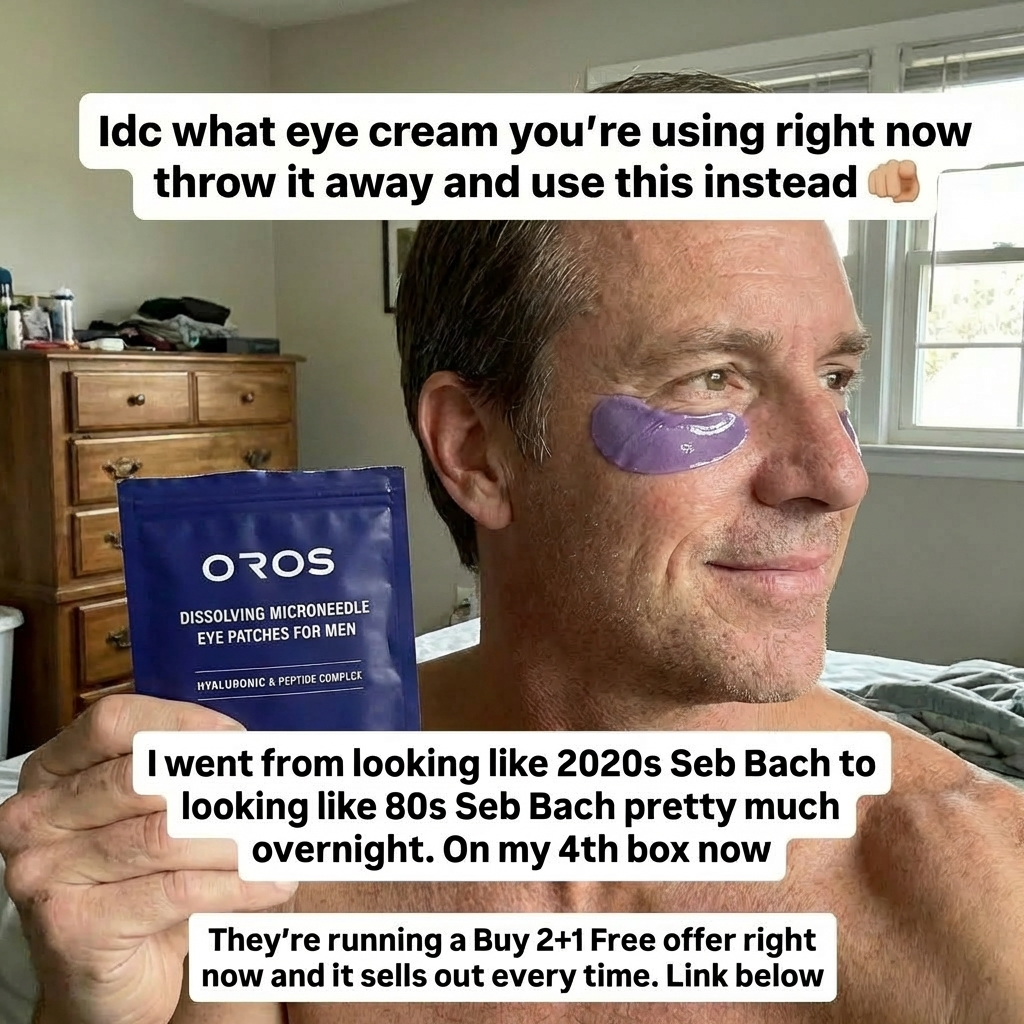
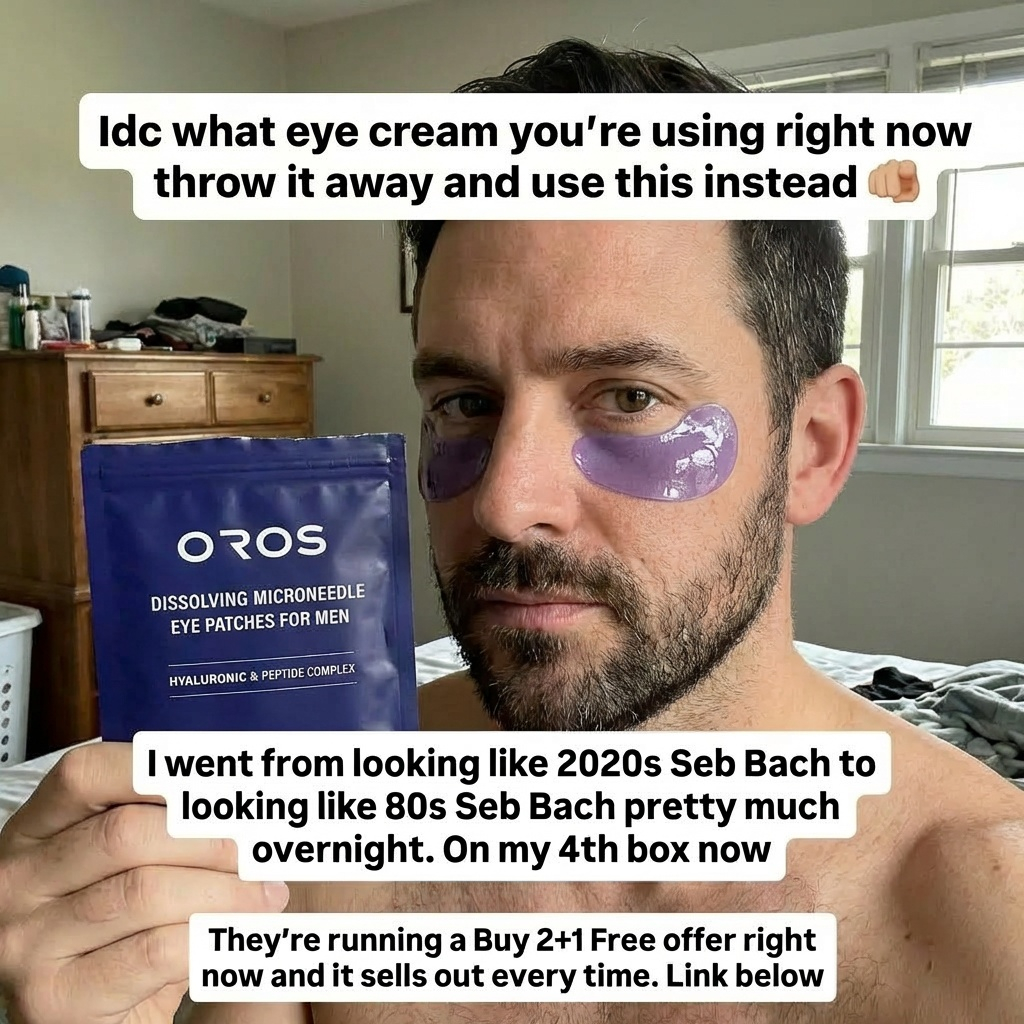
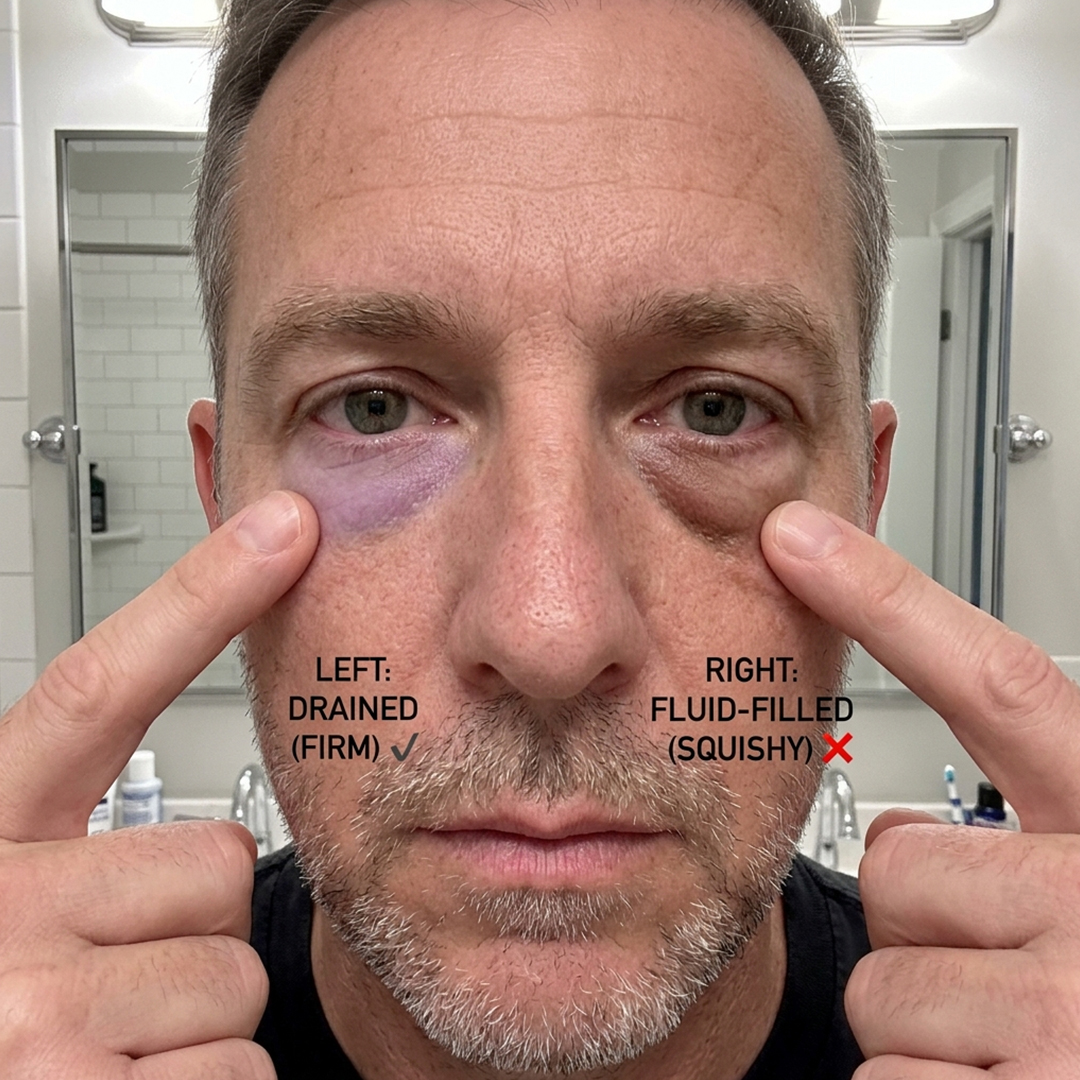
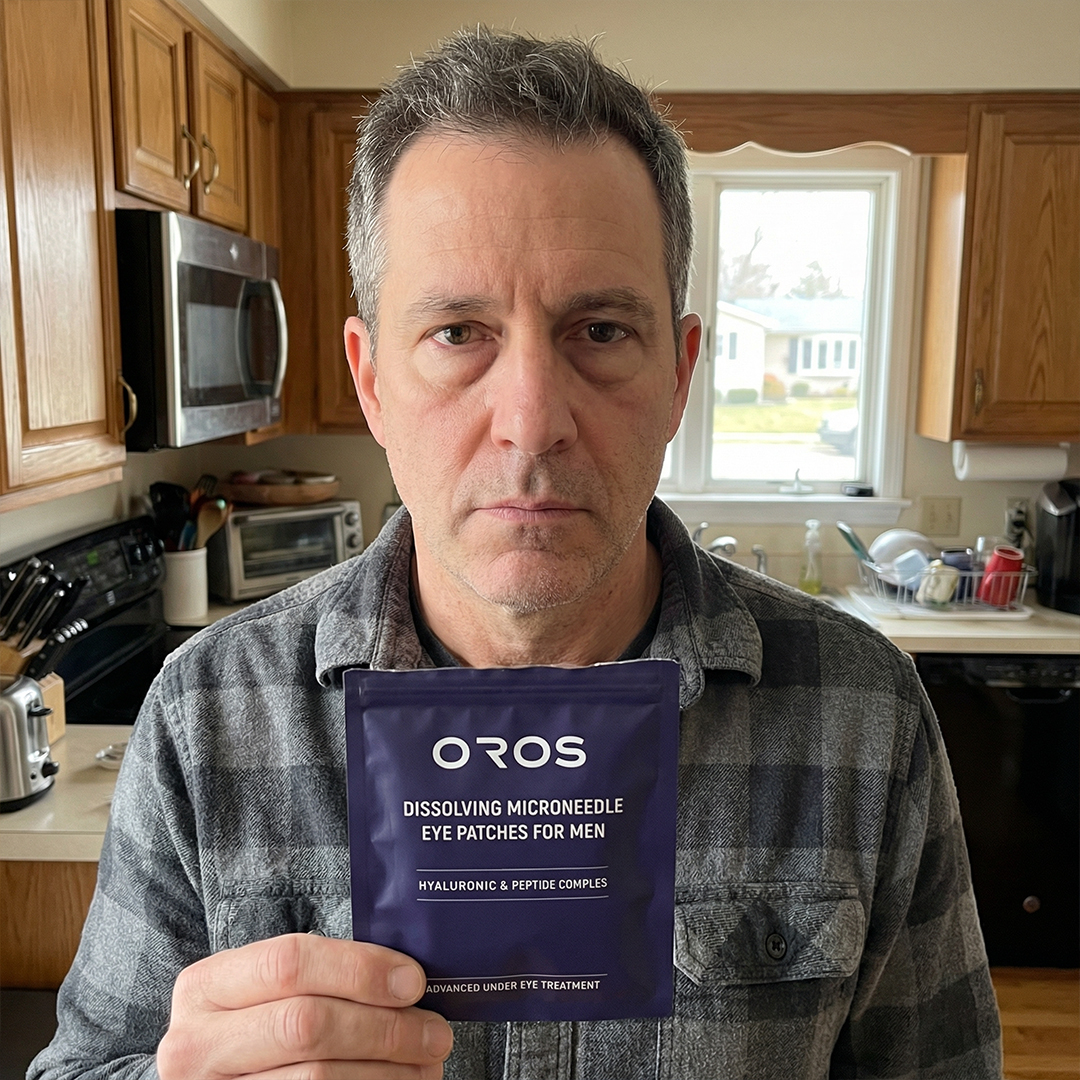
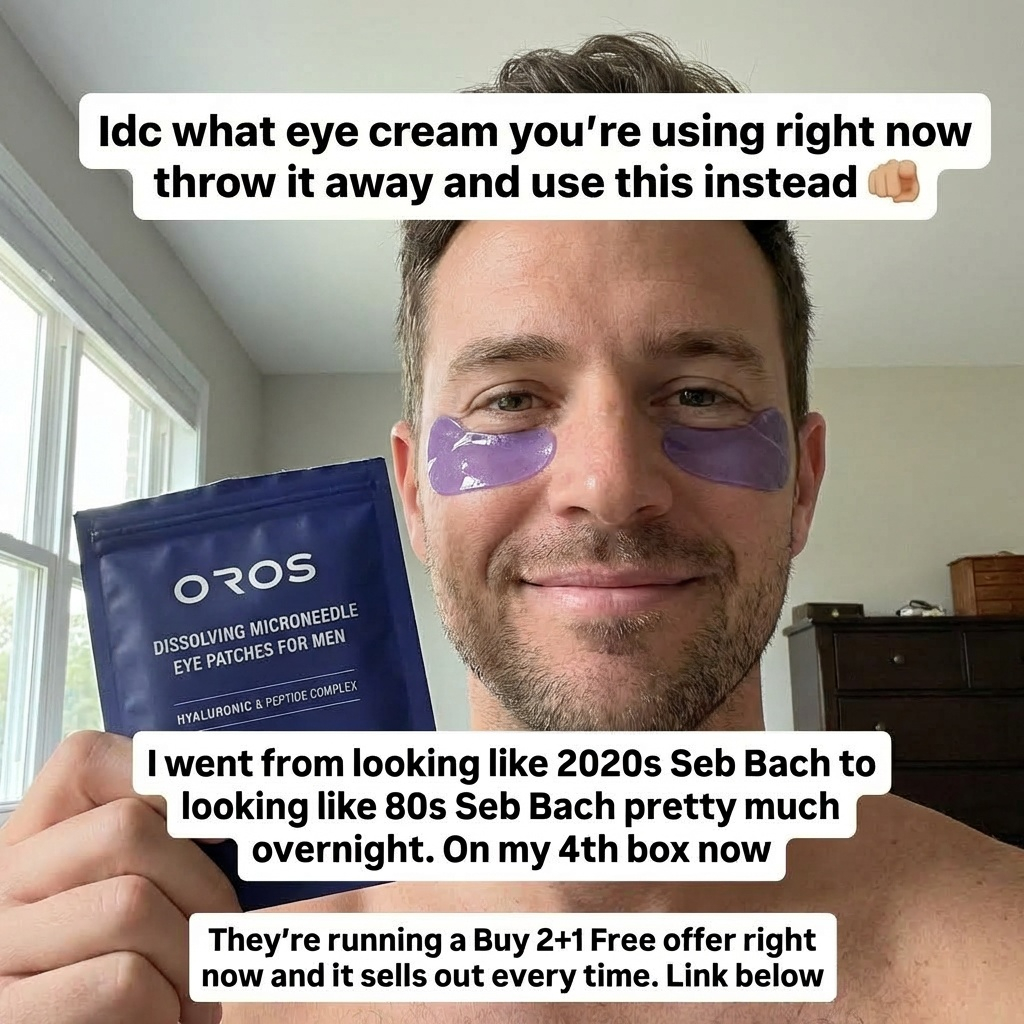
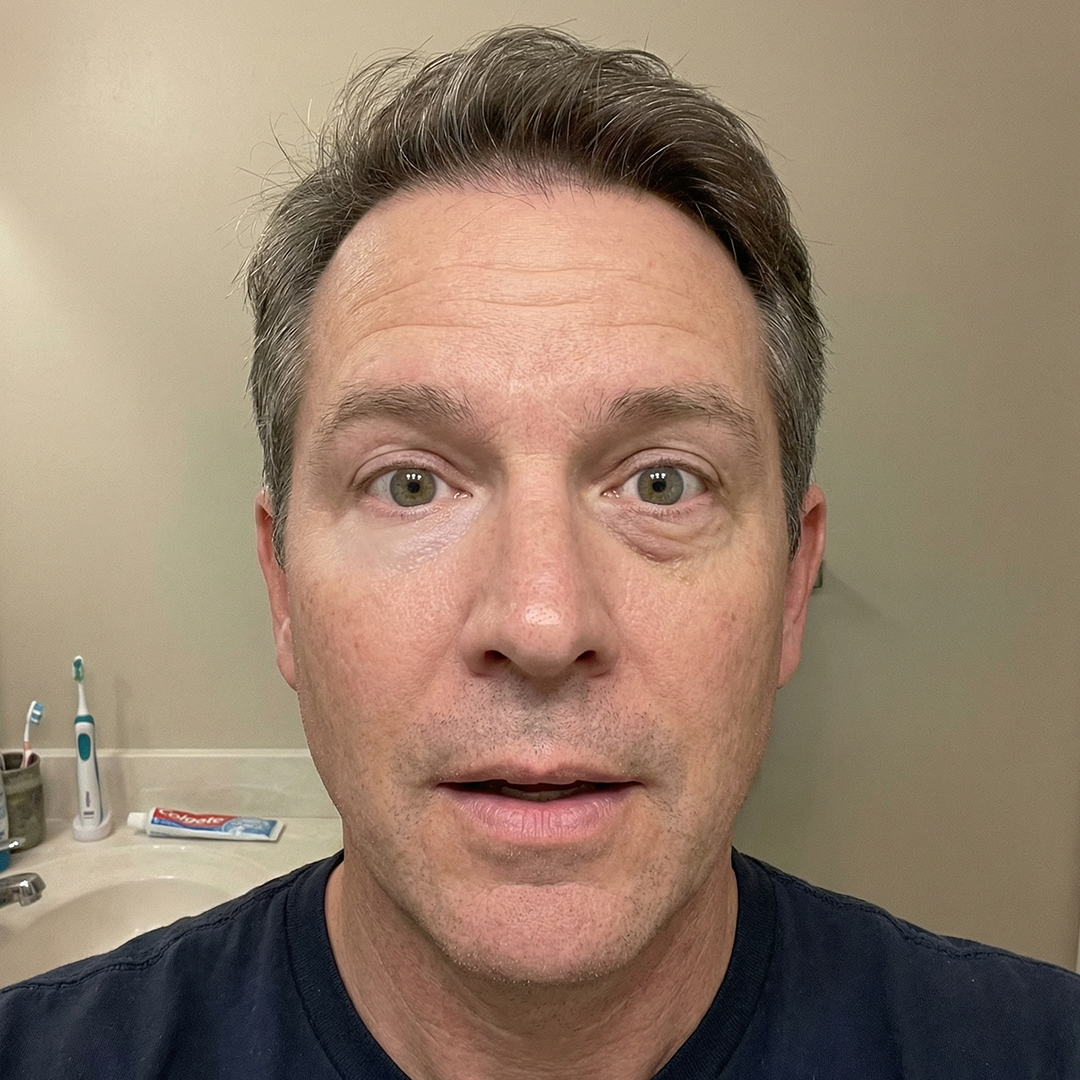
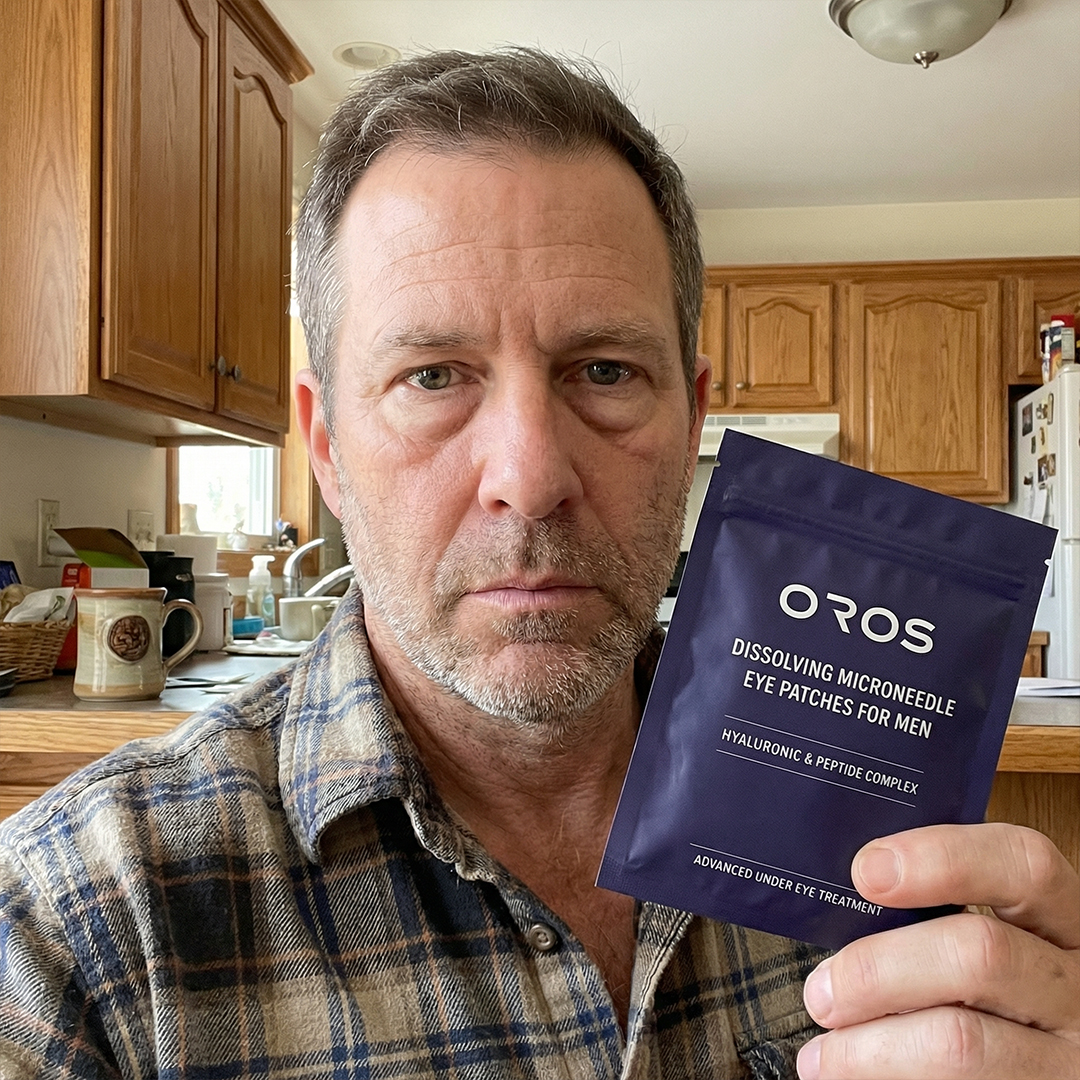
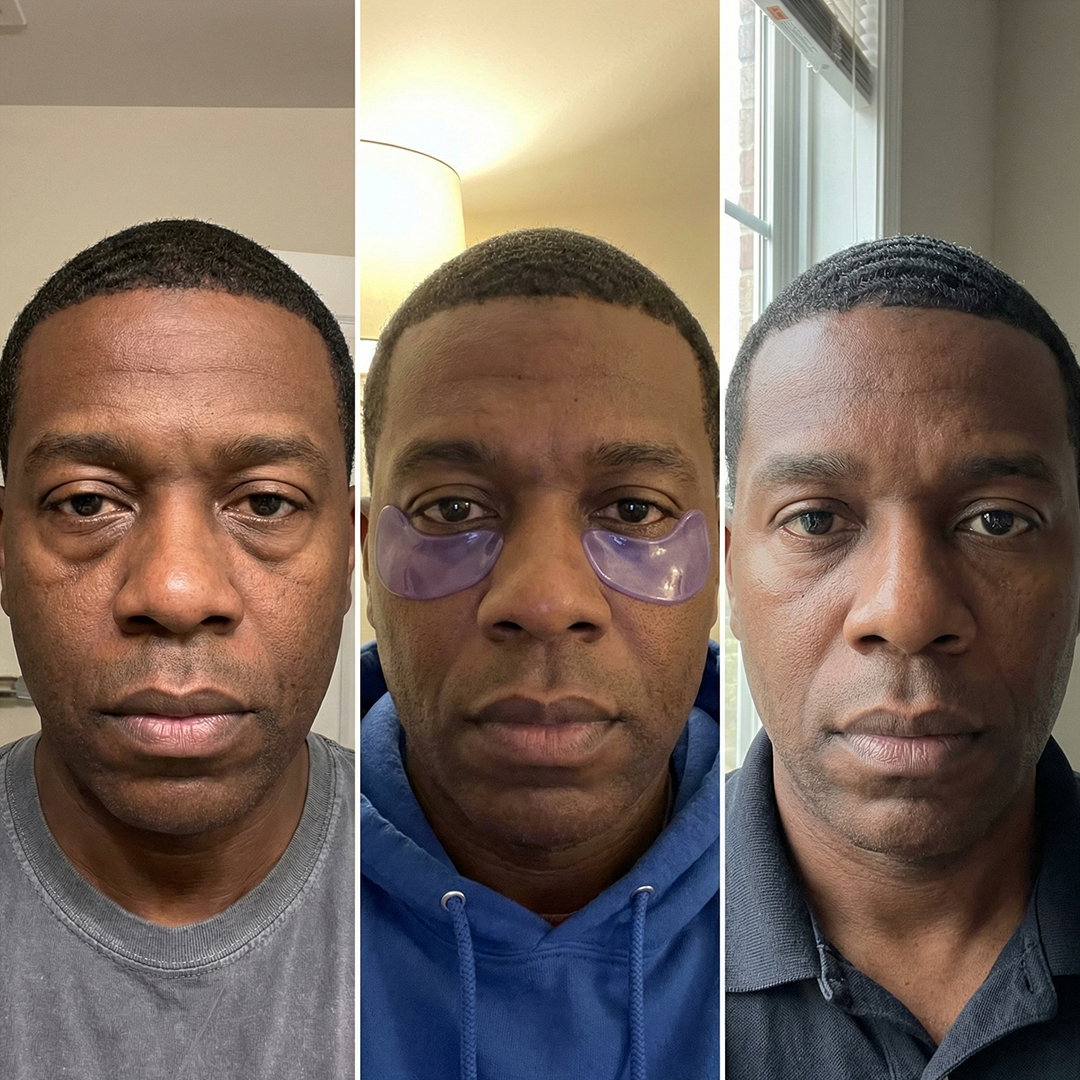
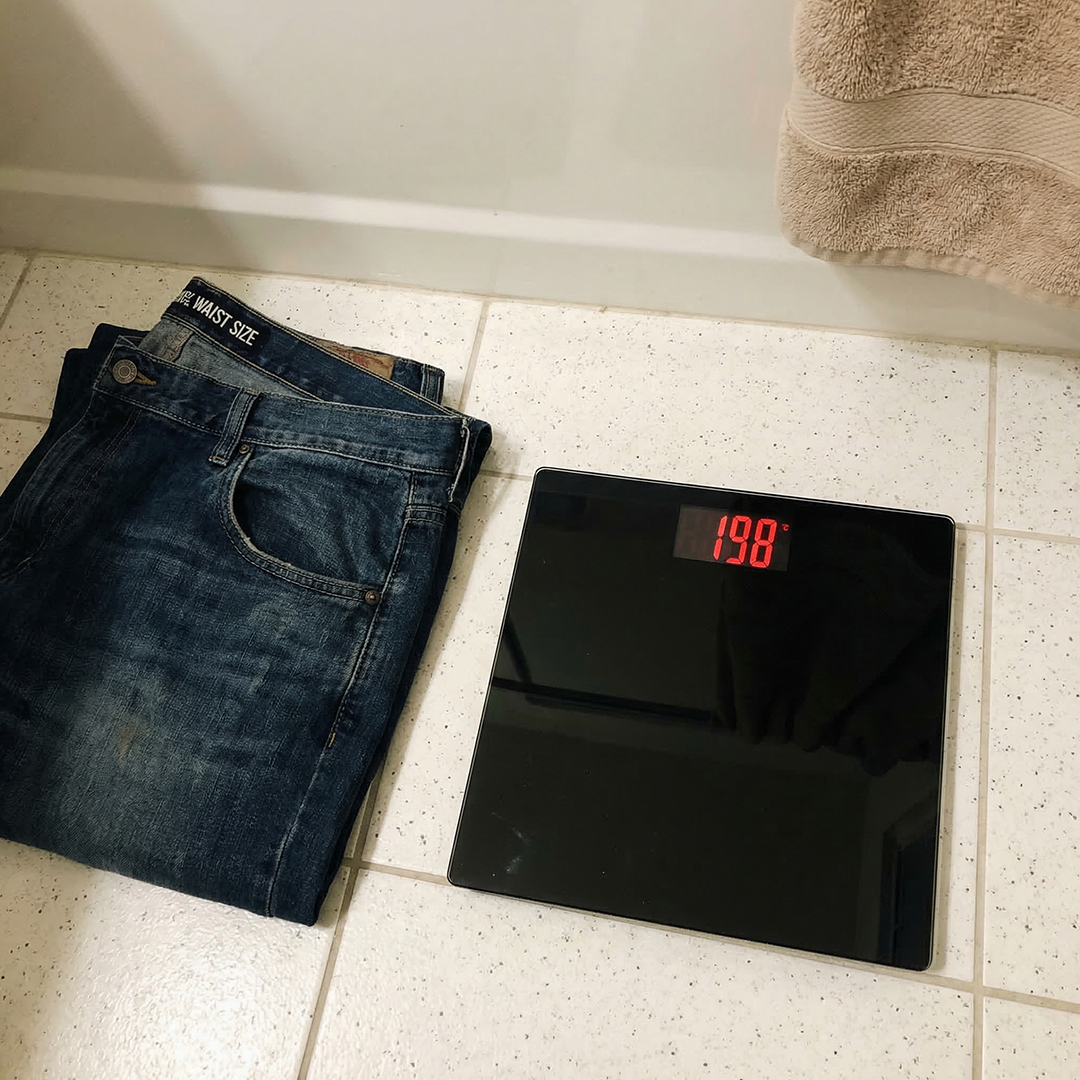
I used to weigh 308 pounds. I’m 55 years old. Two years ago, I made the decision to change my life. I cut out processed food. I started walking four miles a day, then running. I tracked every calorie. I went to bed hungry more nights than I can count. I lost 110 pounds in 14 months. People told me I looked like a different person. My doctor shook my hand. My kids were proud of me. Colleagues at work did double-takes. It was the single hardest thing I’ve ever done in my life, and I did it. Then I looked in the mirror. Really looked. The body was transformed. The face was not. The same dark, heavy, fluid-filled bags that have hung beneath my eyes since my forties were still there. Untouched. Unmoved. Like they hadn’t gotten the memo that the rest of me had changed. I’d lost 110 pounds and my eye bags didn’t lose a single ounce. I stood in that bathroom having achieved the greatest physical transformation of my life, and I wasn’t even happy with how I looked. Because the bags made me look sick. They made me look old. They made me look like a man who’d given up — which was the exact opposite of what I’d just spent 14 months proving I wasn’t. I’d earned a new body. But my face was still telling the old story. That’s when I realized something that should have been obvious years ago: eye bags aren’t fat. You can’t burn them off. You can’t diet them away. You can’t run them off on a treadmill. Eye bags are structural. They’re stagnant lymphatic fluid trapped in tissue your drainage system can no longer clear. They’re pooled deoxygenated blood darkening the skin from underneath. They’re a collagen matrix that’s collapsed, letting gravity drag the tissue into heavy, permanent-looking pouches. No amount of discipline fixes a plumbing problem. So I did what I always do — I researched. And I went through the same pointless cycle every man goes through. Eye creams. Four different ones over six months. Caffeine, retinol, peptide complexes, hyaluronic acid serums. None of them did anything structural. They’d hydrate the surface for a few hours and evaporate. The bags looked identical every morning. Cold compresses. Temporary vasoconstriction that vanished in two hours. A dermatologist who quoted me $1,200 for tear-trough fillers that dissolve in nine months. Then you come back and pay again. A subscription disguised as medicine. Then a buddy of mine — a mechanical engineer, not a skincare guy — asked the question that changed everything: "You know why those creams don’t work, right?" He explained a pharmacological law called the 500-Dalton Rule. It determines whether a molecule can cross the skin barrier. Male skin is 20-25% thicker than female skin. Testosterone fortifies the outer wall — the stratum corneum — into a concrete barrier. Every active ingredient in every cream I’d tried degrades and dissipates before reaching 0.3mm deep, where the fluid pools, the blood stagnates, and the collagen collapses. Those creams weren’t failing because they were bad products. They were failing because they were fighting a wall they were never designed to breach. On male skin, topical delivery is paint on concrete. It sits on the surface. It never reaches the foundation. He showed me an article by a biotech analyst named Simon Vance. Vance broke down a transdermal patch system with 1,500 dissolving microneedles that physically bypass the barrier. They penetrate to exactly 0.3mm — the blood vessels, the drainage system, the collagen network. They dissolve and release 600-Dalton peptides and 39% hyaluronic acid directly into the tissue where every component of the eye bags is generated. Not on the fortress. Through it. The mechanism doesn’t ask the skin to let ingredients in. It delivers them physically to where the damage lives. It’s the difference between painting a wall and rebuilding the wall. I lost 110 pounds through pure discipline. The eye bags required something discipline can’t provide — a delivery system that actually reaches the problem. If you’ve done everything right and your face still tells the wrong story — read Vance’s analysis. It’s the missing piece.
Like this ad? Make it yours.
Crush rebuilds this exact creative around your product — your brand, your colors, your offer — in about a minute.