
Active· since May 16, 2026
- 121
- days running
- 0
- relaunches
Ad copy
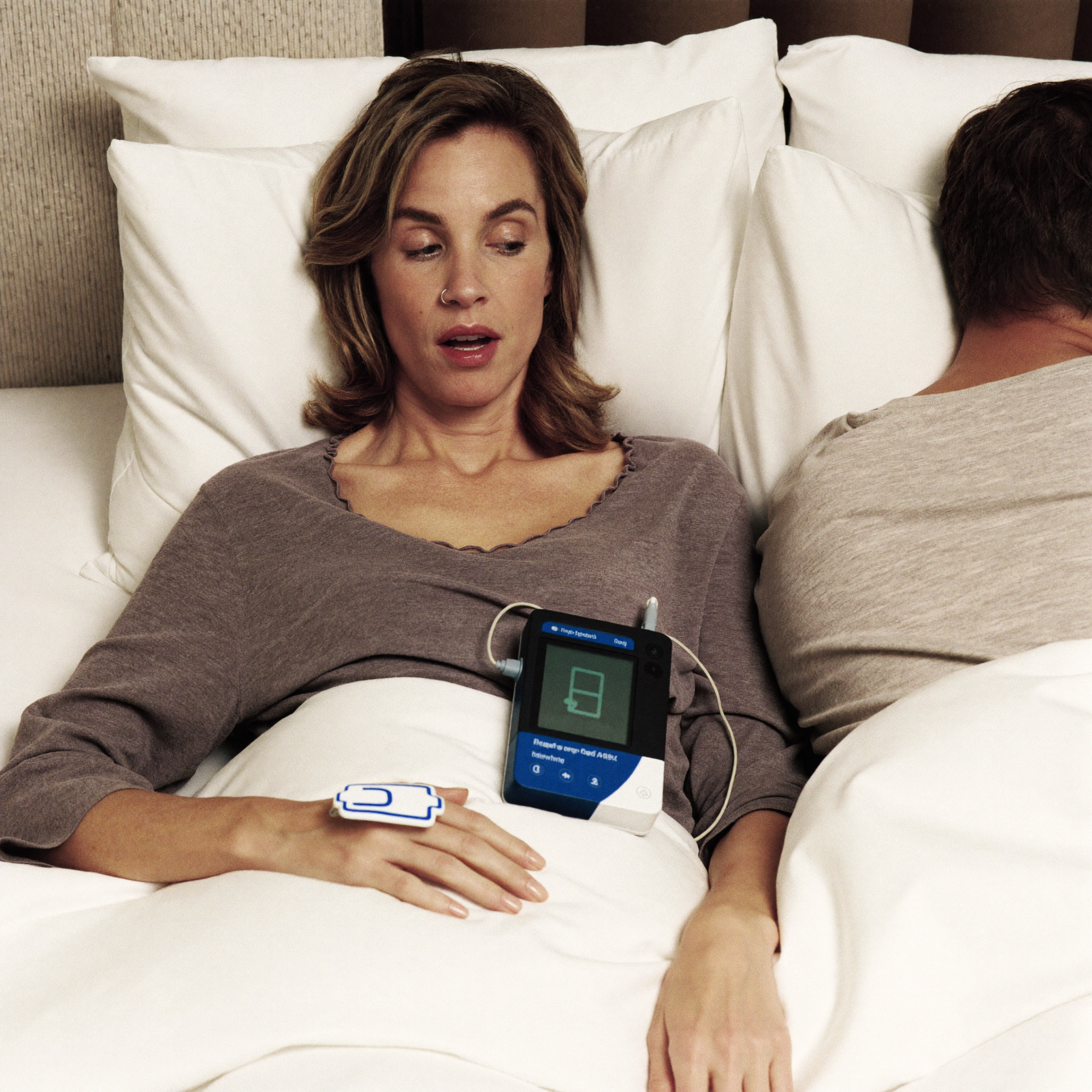
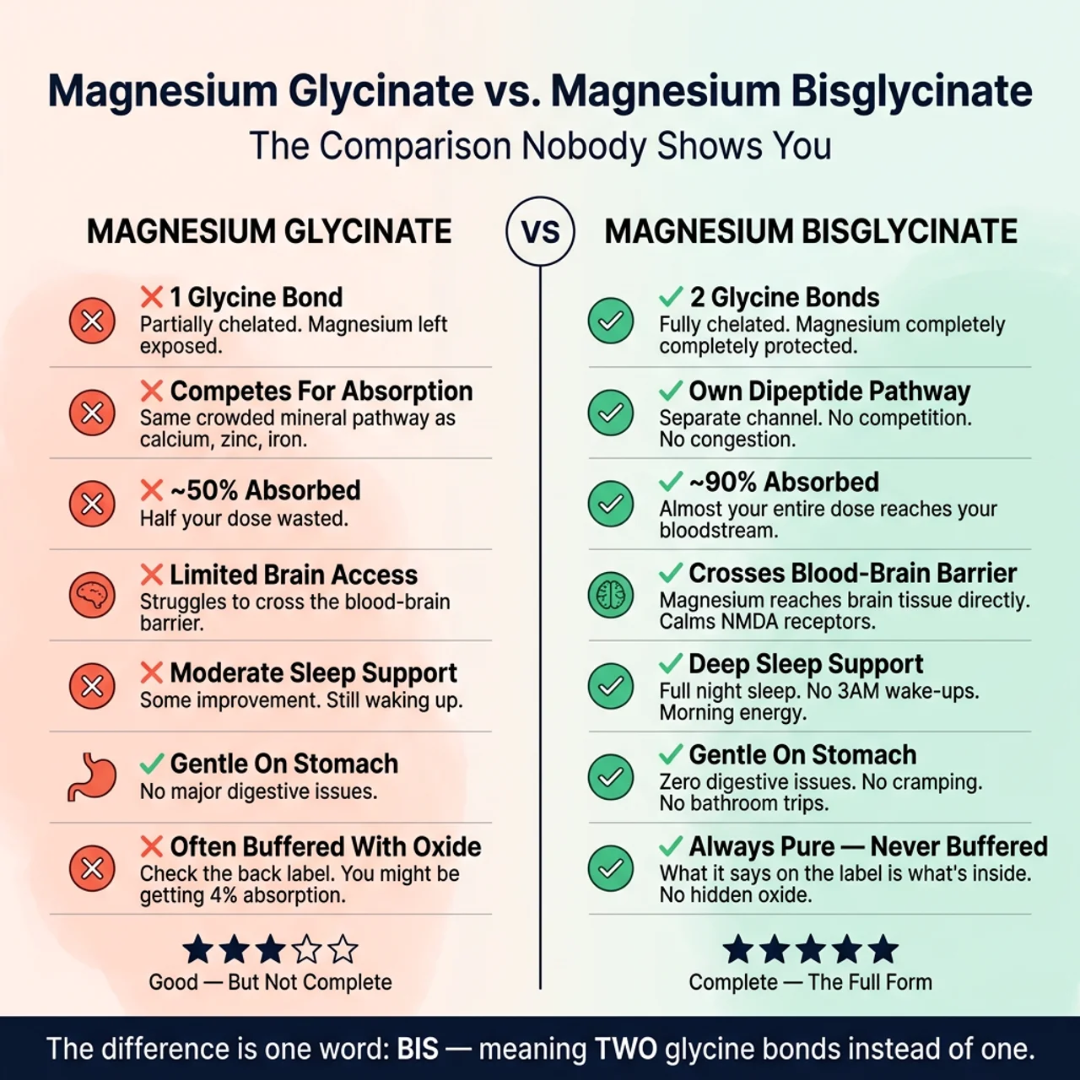
Don't waste your money on magnesium bisglycinate until you see what happened to my 72-year-old patient. Look, I am a doctor with three decades in general practice. And I have constantly had patients come to me complaining about the same thing. Tired. Always tired. Not the kind of tired that a weekend fixes. The kind that has been sitting behind their eyes for years. But it was only when one of my patients — a retired schoolteacher I have known for fifteen years — came in looking completely defeated that I was finally moved to dig deeper. She was 72. Sharp as a tack. Still gardening. Still cooking for her grandchildren. But she told me she had not woken up feeling rested in so long she could not remember what it felt like. She had tried everything. Earlier bedtimes. Sleep clinics. Herbal teas. Prescription medication that left her foggy and dependent. Sometimes a little progress. But never enough to matter. And she was not the only one. Hundreds of patients came through my door with the same story. Exhausted. Frustrated. Dismissed. "I am sleeping eight hours, doctor. Why am I still this tired?" Here is where it gets interesting. When patients came to me with this kind of exhaustion, most of the time they were not dealing with a sleep disorder. What they had was a mineral deficiency that was silently shutting down every process the body needs to actually recover during sleep. Now, most people think of sleep as just rest. You close your eyes, hours pass, you wake up. But that is not what sleep is. Sleep is when your body does its most important work. Cortisol has to fall and stay low. The nervous system has to shift out of alarm mode. Inflammation has to clear. Tissue has to repair. Every single one of those processes is controlled by one mineral. Magnesium. Think of it like the director running the overnight shift. Without it, the crew shows up but nothing gets done. The hours pass. The body goes through the motions. And you wake up just as broken as when you closed your eyes. Here is the problem. By the time you reach 40, your body holds onto half the magnesium it once did. By 60, most people are critically low without any obvious symptoms to explain it. No alarm goes off. No test flags it. You are just tired. Every single day. And nobody can tell you why. When magnesium is missing, cortisol cannot fall the way it should. The nervous system stays locked in fight or flight. The body lies in bed for eight hours running completely empty, going through the motions of sleep without ever doing the work sleep is supposed to do. That is why you wake up exhausted. Not because you slept badly. Because your body did not have what it needed to use those hours. Now, I had recommended magnesium to patients before. Most of them told me they tried it and felt nothing. That is because they were taking a form the body cannot absorb. Most magnesium supplements pass straight through without ever reaching the cells that need it. The biology just does not work. The molecule is too large. The gut rejects it. And people assume magnesium simply does not work for them. The form that actually crosses into the nervous system — that reaches the cells and gives the body what it needs to run the overnight processes properly — is magnesium bisglycinate. The molecule is small enough to absorb. The body recognises it. And the difference is not subtle. I gave my patient a bisglycinate supplement and asked her to take it for two weeks. The following appointment she sat down across from me and she was different. I could see it before she said a word. She told me she had woken up on day nine and just lay there for a moment. Because she felt rested. Actually rested. For the first time in years she did not reach for the edge of the bed to pull herself up. She just woke up. She is 72 now. She is back in her garden every morning. She cooks Sunday lunch for eleven grandchildren every week. And she sleeps like she is forty years younger. In thirty years of practice I have never had a patient look at me the way she did at that appointment. Here is what I now tell every exhausted patient who walks through my door. More hours in bed will not fix this. A different pillow will not fix this. Another sleep tracker will not fix this. If the body does not have the mineral it needs to run the overnight processes, no amount of time in bed will make a difference. That is the whole story. For anyone who has been exhausted for so long they have started to accept it as normal — this is the one thing worth understanding before you try anything else. If you are curious about the exact form I recommend, you can click below and read the article.
Like this ad? Make it yours.
Crush rebuilds this exact creative around your product — your brand, your colors, your offer — in about a minute.