Lip Care Insider
Lip Care Insider Facebook ad: “Read This If You Want Plumper Lips”
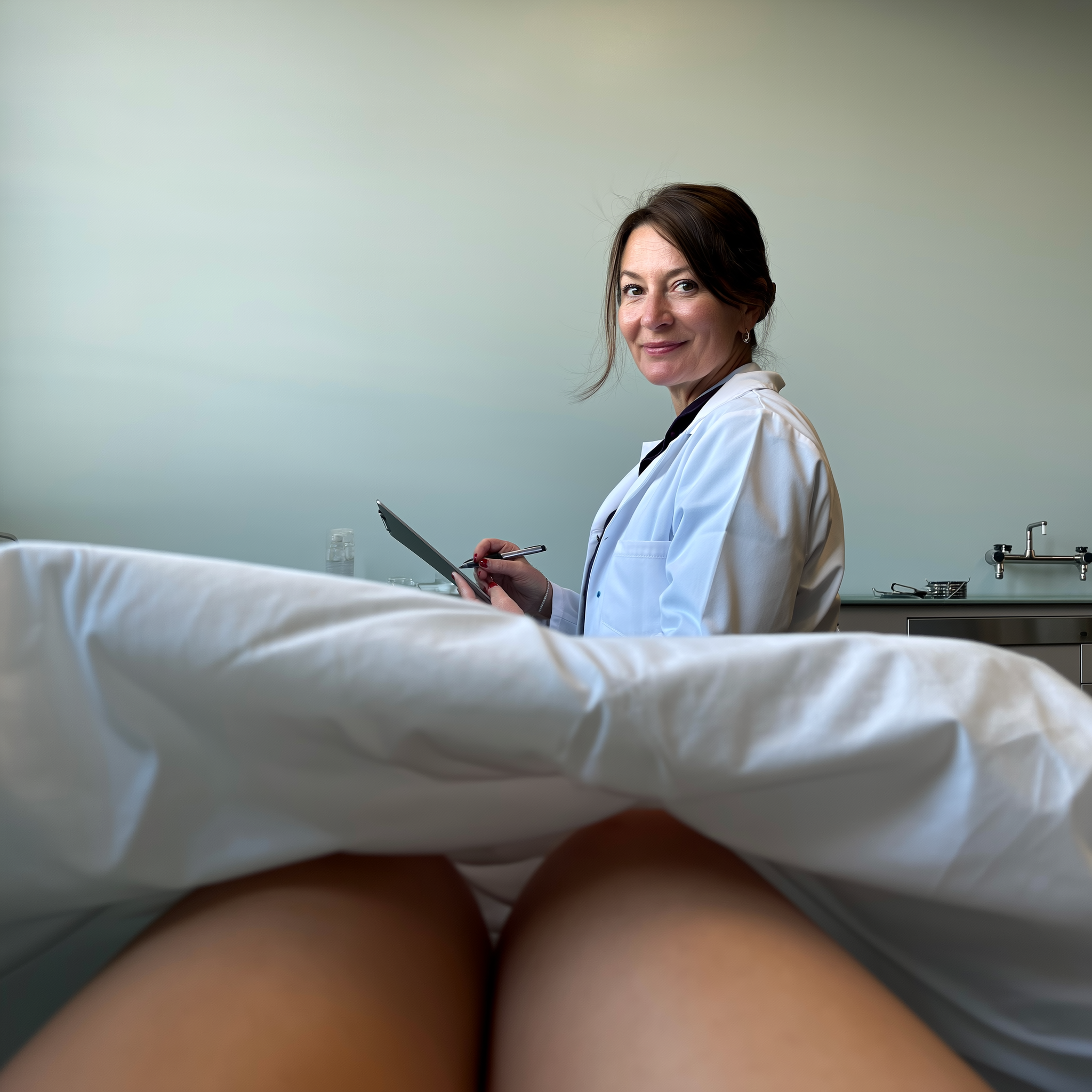
Ran for 164 days, from January 9 to June 21, 2026, the last day Crush saw it.
Run by Lip Care Insider on Facebook. Crush is not the advertiser and does not verify its claims. See this ad in Meta's Ad Library(opens in a new tab)
Want an ad like this for your product?
Crush makes new ad images for your product from this ad: your logo, your product photo, your offer.
Trials from $19.95 USD, then $79.95 USD a month. Cancel anytime.
About this ad
- Meta Ad Library ID
- 1606345510559632
- Platforms
- Facebook, Instagram, Audience Network, Messenger and Threads
- Relaunches
- 0
Ad text
The dermatologist didn’t even look up from the chart at first after examining my lips. She was finishing a note, pen scratching, the soft impatience of someone who has already decided what the answer will be. Then she glanced at my mouth, paused, and said, almost to herself... “Your lips look… different.” Not swollen. Not overdone. Just different enough that a professional noticed. I laughed it off. She leaned closer, clinical curiosity replacing routine. “What did you do?” When I told her, she nodded once. “That makes sense." That was the moment I realized how strange it was that this problem—this small, quiet dissatisfaction so many women carry—has lingered untouched by real innovation for so long. I’m not someone who experiments lightly. My life is built on competence and systems. I run meetings that start on time. I book flights based on connection reliability, not price. My calendar is color-coded. My skincare routine has been unchanged for years because it works. When something enters my life, it’s because it has earned its place. And yet, for years, I’d avoided mirrors when smiling. Not dramatically—just a half-second hesitation. A subtle adjustment of posture in photos. A faint sense of disappearance when my face rested. I told myself it was lighting, stress, age. I told myself everyone notices their own flaws more than others do. But the math didn’t lie. I’d spent hundreds on balms that promised hydration but delivered gloss. I’d tried “plumping” serums that tingled aggressively and left my lips red, sore, and somehow flatter by morning. I’d considered filler—really considered it—until I added up the cost, the maintenance, the risk of looking like I’d tried too hard. Thousands of dollars. Years of appointments. A permanent decision to solve a temporary insecurity. All for something as simple as wanting to look kissable. To feel noticed. To not feel like my face faded when I smiled. What bothered me most wasn’t the lips themselves. It was how outdated the solutions were. We live in a world of precision medicine and bioengineered materials, and yet the dominant approach to lip fullness is either brute force (inject) or cosmetic theater (sting it until it swells). Both feel strangely medieval. So I did what I always do when something doesn’t add up: I researched late into the light. At 2:30AM I learned more about lip anatomy than I ever expected to know. Lips, it turns out, are uniquely thin-skinned and collagen-poor. They age faster. They lose volume quietly. And most products never penetrate deeply enough to matter. Hyaluronic acid kept coming up—not as a buzzword, but as a structural molecule. It attracts water, yes, but more importantly, it supports collagen production when delivered correctly. The problem is delivery. Smearing it on the surface does nothing. Irritating the skin does damage. That’s when I started reading about microneedling—not the dramatic, clinical kind, but micro-channels designed to signal repair. Controlled. Precise. A conversation with the skin instead of an assault. Most options were either medical devices meant for clinics or flimsy rollers clearly designed for trend cycles, not outcomes. Then, buried in a forum thread, at last, I found what I was looking for. My eyes were soo tired from the strain of staring at the screen lol. Someone mentioned a kit designed specifically for lips. Not face. Not body. Lips. The Kiss Me Kit. The name almost turned me off. But the engineering didn’t. Ultra-fine microneedles calibrated for lip tissue. Not enough to break skin, just enough to create channels. A hyaluronic acid serum formulated at a molecular weight that could actually travel through those channels instead of sitting uselessly on top. A protocol: three times a week. Two weeks. No claims of instant miracles. No stinging. No inflammation marketed as “plump.” Just biology. I ordered it and didn’t tell anyone. Not my husband. Not my friends. I wanted data, not affirmation. The first night, I followed the instructions exactly. Clean lips. Gentle rolling. Serum applied immediately after. No drama. No sensation beyond mild pressure. I took a photo—same lighting, same expression—as a baseline. After the second week, I recreated the photo. Same mirror. Same time of day. The difference wasn’t loud, but it was undeniable. My top lip no longer disappeared when I smiled. My mouth looked… present. Balanced. Alive. The real test came unplanned. My husband leaned in to kiss me goodbye one morning, paused, and kissed me again. Slower. “You feel different,” he said, not accusing, just observant. That’s when I knew this wasn’t in my head. Then came the ripple effect. A colleague asked if I’d changed my makeup. A friend asked if I’d “done something,” then immediately said, “Whatever it is, don’t stop.” The dermatologist noticed. Then approved. What struck me most was how reasonable it all felt. This wasn’t indulgence. It was maintenance. The same logic that makes dental cleanings responsible instead of vain. Addressing a structural issue with a structural solution. Only after all that did I look at the price again. $59.99. Less than a single dinner out we barely remember. Infinitely less than filler. Less than the drawer full of balms I’d already accumulated in a decade of hoping. We’ve normalized spending more to tolerate discomfort. To chase temporary fixes. To accept pain as proof of effectiveness. But there’s something quietly radical about choosing a solution that works with your body instead of punishing it. The old way says: endure, inject, irritate. The newer way says: stimulate, support, allow. I don’t talk about the Kiss Me Kit often. It doesn’t need defending. It simply exists now, folded into my routine, as obvious as flossing. But sometimes I catch my reflection mid-smile, lips full and unselfconscious, and I feel a flicker of disbelief that I lived so long without it. Not because my lips were ever the whole problem. But because choosing better shouldn’t require suffering. And in a world where we pride ourselves on progress, it’s strange how long we’ve accepted less.
Where the ad sends people
myblushie.com
Read This If You Want Plumper Lips👆
Shop now: myblushie.com(opens in a new tab)