Megan Calloway
Megan Calloway Facebook ad: “God finally answered my prayers!”
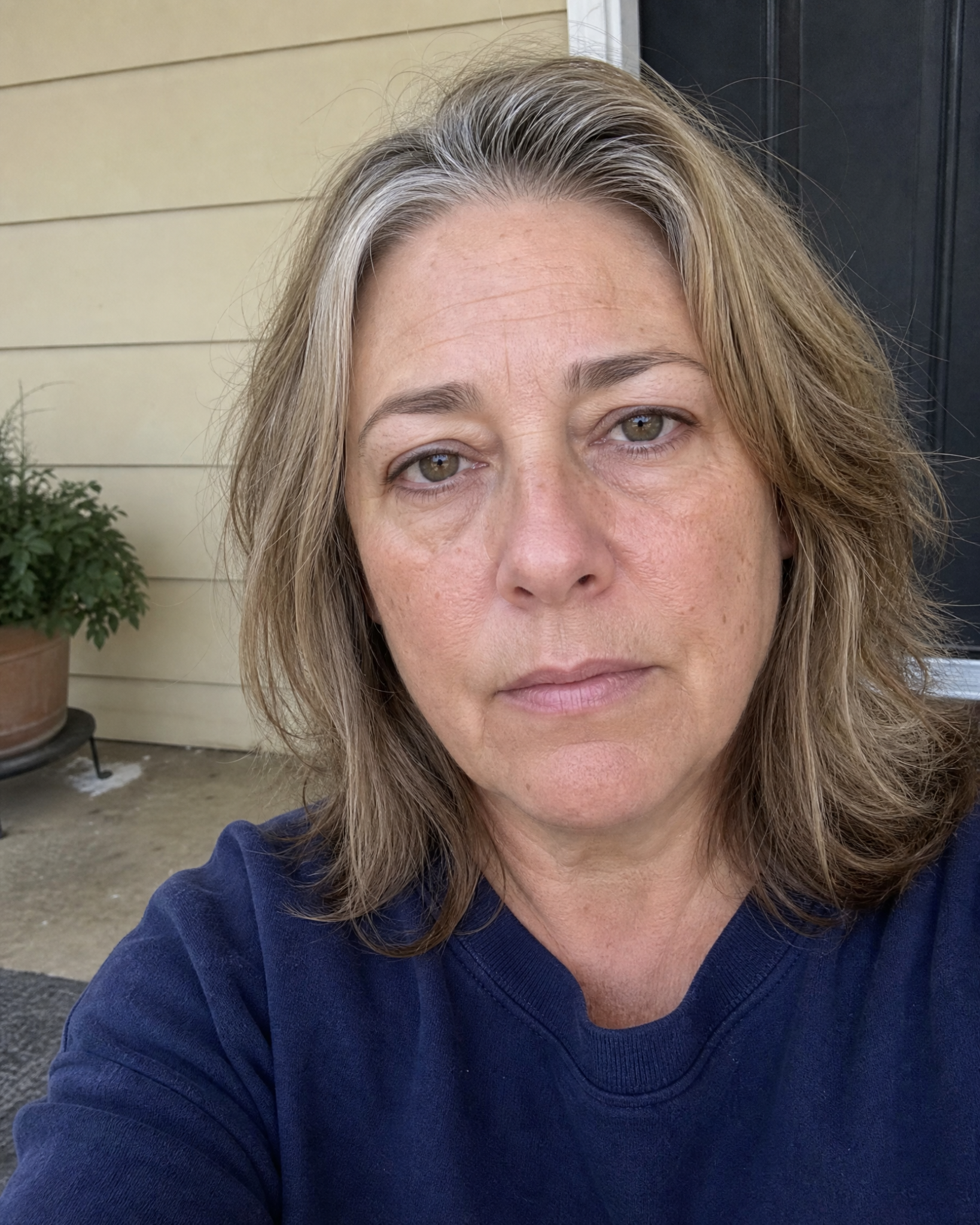
Ran for 5 days, from August 28 to September 2, 2026, the last day Crush saw it.
Run by Megan Calloway on Facebook. Crush is not the advertiser and does not verify its claims. See this ad in Meta's Ad Library(opens in a new tab)
Want an ad like this for your product?
Crush makes new ad images for your product from this ad: your logo, your product photo, your offer.
Trials from $19.95 USD, then $79.95 USD a month. Cancel anytime.
About this ad
- Meta Ad Library ID
- 1607945950720494
- Platforms
- Facebook, Instagram, Audience Network, WhatsApp and Threads
- Relaunches
- 0
Ad text
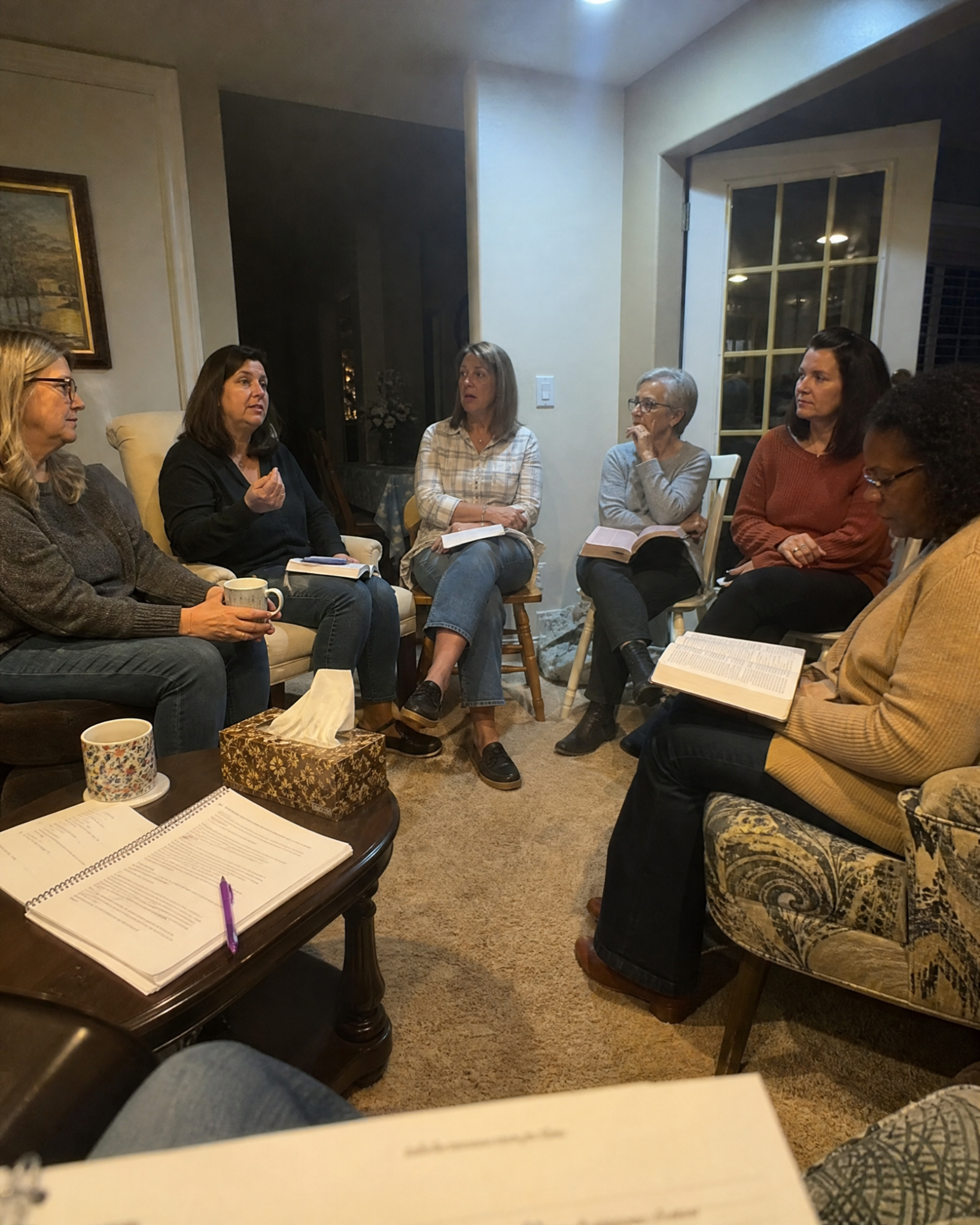
I asked six Christian women what they meant when they said, “God told me.” I got six different answers. I had been sitting in the same Wednesday night small group for three years. Every week, I listened to women I loved talk about their prayer lives. They sounded so certain. But I never felt that same certainty when I prayed. “God laid this on my heart.” “I felt the Lord leading me to say no.” “God told me to wait.” I smiled and told them, “Wow, that’s so good.” But inside? Prayer felt like a one-way conversation. Like I was speaking to myself. My prayers were never answered... Not once I would start a sentence. I would get halfway through it. Then my brain just wanted to stop. Not because I did not care. That was the worst part. I cared so much. But every prayer had become another search for what was wrong with me. Maybe I was distracted. Maybe I had unconfessed sin. Maybe I was not surrendered enough. Maybe I was reading the wrong devotional. Maybe I was praying at the wrong time. Maybe I was using the wrong words. Or maybe I was not serious enough about my faith. So I did what serious Christians are told to do. I tried harder. I got up at 5 AM before work. I fasted. I journaled prayers until my hand hurt. I played worship music in an empty room. I waited to feel God. I repented for things I had already repented for. I thought maybe I had not meant it enough the first time. I read the same verses over and over. I asked people for advice. I had also been praying for months about a family relationship that had gone cold. I wanted to know if I should make the call or leave it alone. I went to conferences. People around me cried, shook, and said they could feel God. I felt nothing. Then I went home feeling worse. No closeness. No peace. Just emptiness. Every time another woman said, “God told me,” I felt the same ugly little thought. Why would He make Himself so obvious to her and completely absent to me? I was jealous of people who sounded certain. There. I said it. I was jealous of the woman who could say God told her which job to take. Jealous of the friend who said He told her to end a relationship. Jealous of the person who stood up in church and said she had been “given a word.” I did not want their job, their relationship, or their message from God. I wanted whatever made them sound so sure they were not alone when they prayed. Because I felt alone. And the longer I felt nothing, the better I became at pretending in front of other Christians. Hands up during worship. Bible open on my lap. The right answer in small group. “Praying for you” in the group chat. Then I would sit in my car after church and feel sick. I knew I was just putting on a show. I felt very fake. I wanted a real relationship with Christ. I did not want to pretend I had one. But saying that out loud felt dangerous. What if they told me to pray more? What if they said I had hardened my heart? What if the problem really WAS me? So I kept quiet. Until one Wednesday night, I could not do it anymore. Sarah was talking about a job offer. She said, “I just heard God tell me to take it.” Everyone smiled and nodded. Normally, I would have nodded too. Instead, I heard myself say: “What does that actually mean?” The room went still. I kept going before I lost my nerve. “How did you hear Him? Is it a voice? Is it thoughts? What happened inside you that made you call it God?” Then I said the part I had spent years hiding. “Because when I pray, it feels like I’m speaking to myself. And before anyone tells me to pray harder, I need to know what we’re actually calling ‘hearing God.’” Sarah looked surprised. Then she said, “It wasn’t audible. It was like clear words in my mind.” That was answer one. Michelle shook her head. “For me, it isn’t words. It’s more like a thought that feels wiser than my normal thoughts.” Answer two. Linda said, “Mine is usually a Bible verse that comes to me at exactly the right time.” Answer three. Chloe said, “No, I feel peace. If I have peace about it, that’s how I know.” Answer four. Rebecca said the opposite. “For me, it’s discomfort. Like a warning in my stomach when I’m about to do the wrong thing.” Answer five. Then Jessica said, “I don’t know. I just know.” Answer six. Voice. Thought. Verse. Peace. Discomfort. Knowing. Six completely different inner feelings. One exact phrase. I grabbed the study guide on my lap. I wrote every answer on the back. I numbered them one through six. Then I placed the page in the middle of the circle and read every answer aloud. Nobody was lying. That was not my conclusion. Maybe every one of those moments was sincere. But they were not the SAME experience. They did not arrive the same way. They did not feel the same way. They did not have one shared test. I had heard “God told me” for years. I thought it meant one clear thing. I thought every real Christian should know exactly what it felt like. I had been trying to pass a test with six different answer keys. And I had used every failed attempt as proof that my faith was broken. THAT was when I stopped blaming myself. Not because I decided God never speaks. Not because I decided these women were fake. Because I finally saw the problem. I call it The Definition Trap. Six women used the same church phrase for six different things: “God told me.” The phrase makes a feeling of peace sound identical to a verse appearing in someone’s mind. It makes discomfort sound identical to an inner sentence. It makes “I think this is right” sound like “I received a direct instruction.” Everybody else hears the confidence. But they never hear that each person means something different. So when you do not hear or feel what they describe, you do not question the phrase. You decide something is wrong with you. You pray harder. You fast longer. You buy another devotional. You repent again. You force yourself to stay in the room after your body wants to stop. And when nothing changes, you decide the silence means: I am not spiritual enough. I am not surrendered enough. God does not love me enough to answer. Maybe my faith is not even real. That is why all my extra effort had only made me tired. Praying harder could not answer the question nobody had explained. What was I supposed to hear or feel when God answered? Another prayer routine could not answer that. Another woman describing her private thoughts could not answer it either. Why were we treating private thoughts and feelings as proof that God had spoken? If prayer was so important, why could nobody clearly explain what an answer should feel like—or why an answer might be delayed? I did not need a seventh opinion. I needed to stop trusting confident people more than the Bible. I needed to read what the books actually said. Then I could separate Scripture from phrases I had only heard at church. So I made myself a rule. No more short videos telling me what to believe. No more Bible quotes with the verses around them removed. No more asking confident people to tell me if my faith was real. I would read the books myself and find the answer. What did they say about prayer? What did they say about silence, angels, and spiritual warfare? I already owned a standard 66-book Protestant Bible. I knew the verses about prayer. I had highlighted the promises. Then I looked into the history of Christian Bibles. I discovered something simple. Christians have not all preserved the same collection of books. I had always thought 66 books was the only Bible. It was not. The first King James Bible was printed in 1611. It had extra books between the Old and New Testaments. That part was called the Apocrypha. The Ethiopian Orthodox Church kept a larger set of books. It included books that most Western Bibles did not include. Books like Enoch and Jubilees. I had heard people argue about those differences before. One person called the additional writings essential. Another called them irrelevant. Another warned me not to touch them. Everyone told me what to believe about those books. But nobody showed me the actual pages. I had made that mistake before. I had trusted confident people without reading the evidence for myself. I found an English translation of Enoch and began reading. I expected it to be a boring old book that had nothing to do with prayer. Or worse, a fake written hundreds of years later. Then I checked the archaeology. Pieces from eleven copies of Enoch were found with the Dead Sea Scrolls. They were written in Aramaic, a common language in Bible times. One copy was dated between 150 and 50 years before Christ. Not one suspicious scrap. Eleven old copies were already being read before Christianity began. People can argue about whether Enoch belongs in the Bible. But nobody can honestly call it a late fake. The text was real. And when I finally read it, I saw exactly what my church had left out. The 66 books I grew up with told me to pray. Enoch explained why an answer could be delayed by spiritual warfare. It described the Watchers. These were angels who turned against God. Enoch says they taught people forbidden things and used power to harm them. It described the giants. Then came the part nobody in my church had explained. The giants died. But Enoch says their evil spirits stayed behind. It showed a war we cannot see. Some angels served God. Others turned against Him. God judged them. But the fight did not end at once. It did not say every prayer would bring an immediate feeling or answer. It showed that prayer could be affected by an unseen spiritual war. My small group had taught me to judge God’s answer by a thought, a feeling, or instant peace. But the missing books showed that God could hear a prayer even when spiritual warfare delayed the answer. Enoch named the Watchers and the origins of that conflict. Jubilees said spirits from that rebellion were still active on earth. Noah even prayed for protection against them. Then I returned to Daniel, which was already in my Bible. An angel told Daniel that his prayer had been heard on the first day. But an unseen ruler had delayed the answer for three weeks. When I put those texts together, I finally understood what silence could mean. Daniel’s prayer was heard on day one. The answer was delayed for three weeks. So delay did not mean rejection. Silence did not mean God was ignoring him. There was a spiritual war he could not see. Those books were not missing by accident. Western churches chose a smaller 66-book Bible. They kept the verses that told Christians to pray. But they left out Enoch and Jubilees—the books that explained why an answer could be delayed by spiritual warfare. So when no answer came, Christians like me blamed themselves. God did not hear me. God had rejected me. My faith was too weak. That lie made me pray harder, feel worse, and blame myself. Enoch and Jubilees explained the spiritual war. Daniel showed me that God can hear a prayer on the first day even when the answer is delayed for weeks. God had not ignored me. The books that explained the delay had been kept out of my Bible. Once I saw that, I stopped believing silence meant God had rejected me. I wanted all of the missing books in my hands. Finding them in readable English was harder than I expected. Some books came in hard-to-read academic editions. Some volumes gave me Enoch but not Jubilees or the rest of the collection. Others used “Ethiopian Bible” on the cover, but only included a few old texts copied into one book. I needed the familiar books and the missing books in the same place so I could read the complete story. Then I found The Complete Ethiopian Bible from Ethiopica. It is a physical Bible with 88 books. It puts the broader collection in one place. Not a sermon telling me what to think about the extra books. Not a stranger online saying, “Trust me, they don’t matter.” The pages themselves. I did not order it because I thought a package arriving at my door would force God to speak. I ordered it because I was done letting other people decide which parts of the Bible I was allowed to read. When it arrived, I did not beg God for an immediate miracle. I was done turning every prayer into a test I had to pass. I opened the book. I read the texts I had never seen before. And for the first time in years, I prayed without asking whether I was doing it right or waiting for a special feeling. I wrote down one plain request: “God, show me what to do about the distance in my family.” I did not panic when the answer did not come that same night. The first change was simple. The fear left. Silence no longer felt like God was punishing me. For the next few weeks, I kept thinking about one clear action: Make the call. I did not assume that thought was God speaking. I checked whether making the call matched what the Bible already taught: Tell the truth. Seek peace. Make things right when you can. Then I made the call. I said the honest thing I had been too afraid to say. The person on the other end listened. Then they said they had been hoping I would reach out. The call did not fix everything in one night. But it started the first honest conversation we had had in months. That was the answer I had been asking for. After that, daily life changed too. Because I no longer believed God was rejecting me, I stopped treating every hard day like a punishment. I stopped asking five other people to make every choice for me. I stopped tearing myself apart every time a prayer felt quiet. I slept without replaying every mistake. I had more patience for the people I loved. I could make the hard call. Say what needed to be said. Make a decision without asking five people first. And enjoy a good day without waiting for God to take it away. That was the life I wanted. Not more pages. Feeling close to God again. Answered prayer. And a life that finally started moving forward. I finally had the full story. If you have been praying harder and still hearing nothing... If you have watched other Christians act like God is constantly whispering directions while your own prayers seem to hit the ceiling... If you are tired of wondering whether you are fake, broken, rejected, or simply not serious enough... Please understand what I wish somebody had told me years ago. You may be judging yourself against church phrases that no one else can define either. And a delayed answer may be caused by spiritual warfare—not weak faith. Do not buy another devotional that gives you seven more rules to follow. Do not let another person’s confidence make you feel broken. Get the complete 88-book Ethiopian Bible. Put it beside the Bible you already own. Read Enoch and Jubilees. Then read Daniel again. See for yourself why a delayed answer does not mean God rejected you. The Complete Ethiopian Bible from Ethiopica gives you the physical 88-book edition for $49.95. The current offer also includes an immediate digital edition, a 100-hour audiobook, and a 220-hour video series at no additional charge. It is backed by a 90-day full-refund guarantee. The current offer says you keep the digital bonuses even if you request the refund. That matters if you are afraid this will become one more thing you try. One more thing that disappoints you. One more reason to blame yourself. Do not do that again. Use the 90 days to read the missing books for yourself. Open the collection. Read it for yourself. If it does not help you stop blaming yourself when prayer feels quiet, use the guarantee. Request the refund. That is not another failure. But if you keep letting other people decide which books you are allowed to read, nothing changes. You keep believing confident people. And you keep blaming yourself when God feels silent. I lost years there. You do not have to lose another year waiting, doubting, and watching life pass you by. Stop blaming yourself. Read the books they left out. Pray without assuming silence means rejection. Give the answer time. If the same action keeps coming back, check it against the Bible. If it agrees with Scripture, act. Click here to order The Complete Ethiopian Bible from Ethiopica: https://theethiopica.com/products/the-complete-ethiopian-bible P.S. This is not about owning a more impressive Bible. It is about waking up without the fear that God has forgotten you. It is about praying with peace, knowing who to call, what to say, and what to do next. That is the reason to buy this Bible. P.P.S. The current $49.95 offer includes the physical 88-book edition, immediate digital access, the 100-hour audiobook, the 220-hour video series, and the 90-day full-refund guarantee. I had already spent more than that on devotionals and prayer plans. They gave me more rules. But they never explained why God could be silent after I prayed. P.P.P.S. When your copy arrives, put it beside your current Bible. Open both tables of contents. Mark every book that is missing from your old Bible. Then write two questions: “What do these books actually say?” “What have I repeated without checking?” Start there. Do not rely on what you were told. Read the pages for yourself. https://theethiopica.com/products/the-complete-ethiopian-bible
Where the ad sends people
ethiopica.com
God finally answered my prayers!
Ethiopica
Learn more: theethiopica.com(opens in a new tab)