Alopecia Reset
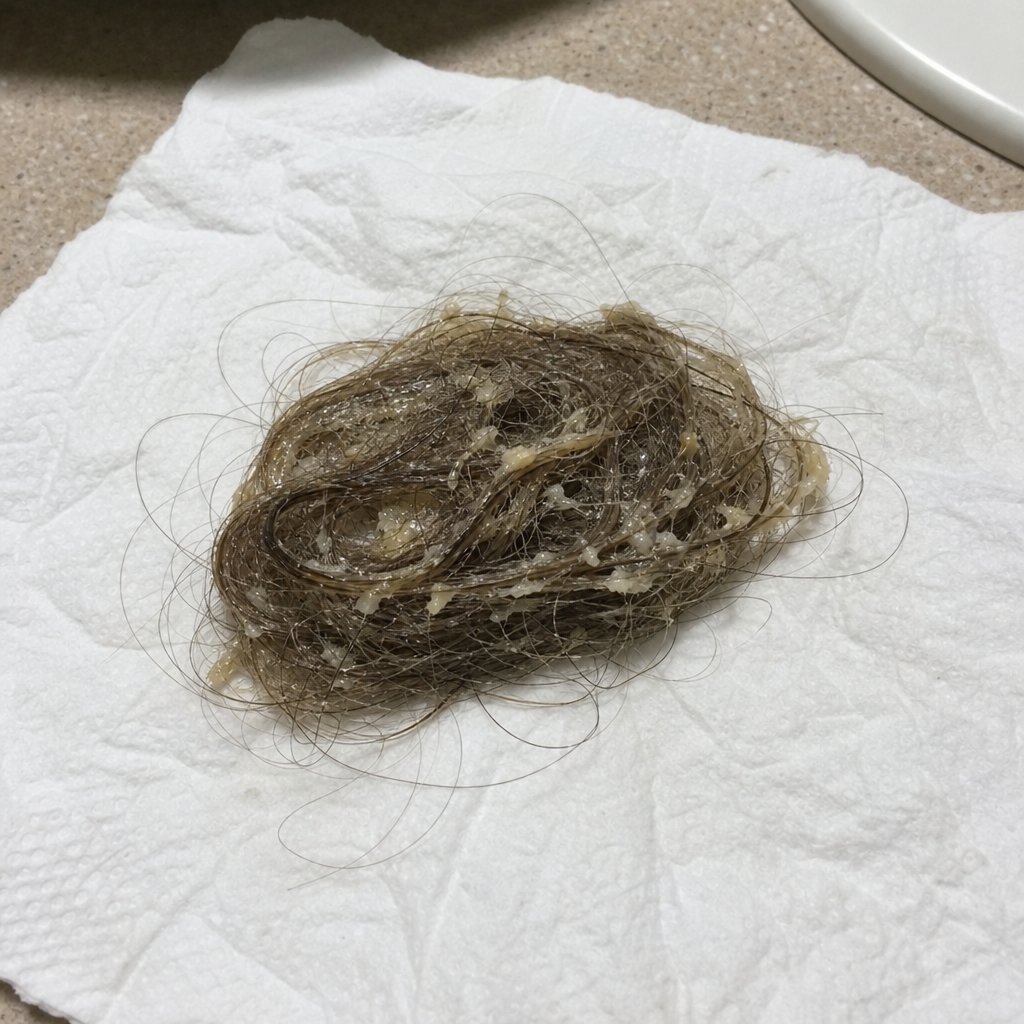
Alopecia Reset Facebook ad: “I found the reason why your thinning hair keeps falling.”
Ran for 9 days, from August 10 to August 19, 2026, the last day Crush saw it.
Run by Alopecia Reset on Facebook. Crush is not the advertiser and does not verify its claims. See this ad in Meta's Ad Library(opens in a new tab)
Want an ad like this for your product?
Crush makes new ad images for your product from this ad: your logo, your product photo, your offer.
Trials from $19.95 USD, then $79.95 USD a month. Cancel anytime.
About this ad
- Meta Ad Library ID
- 1608485624244947
- Platforms
- Facebook, Instagram, Audience Network, Messenger, WhatsApp and Threads
- Relaunches
- 0
- Niche
- Hair Care
Ad text
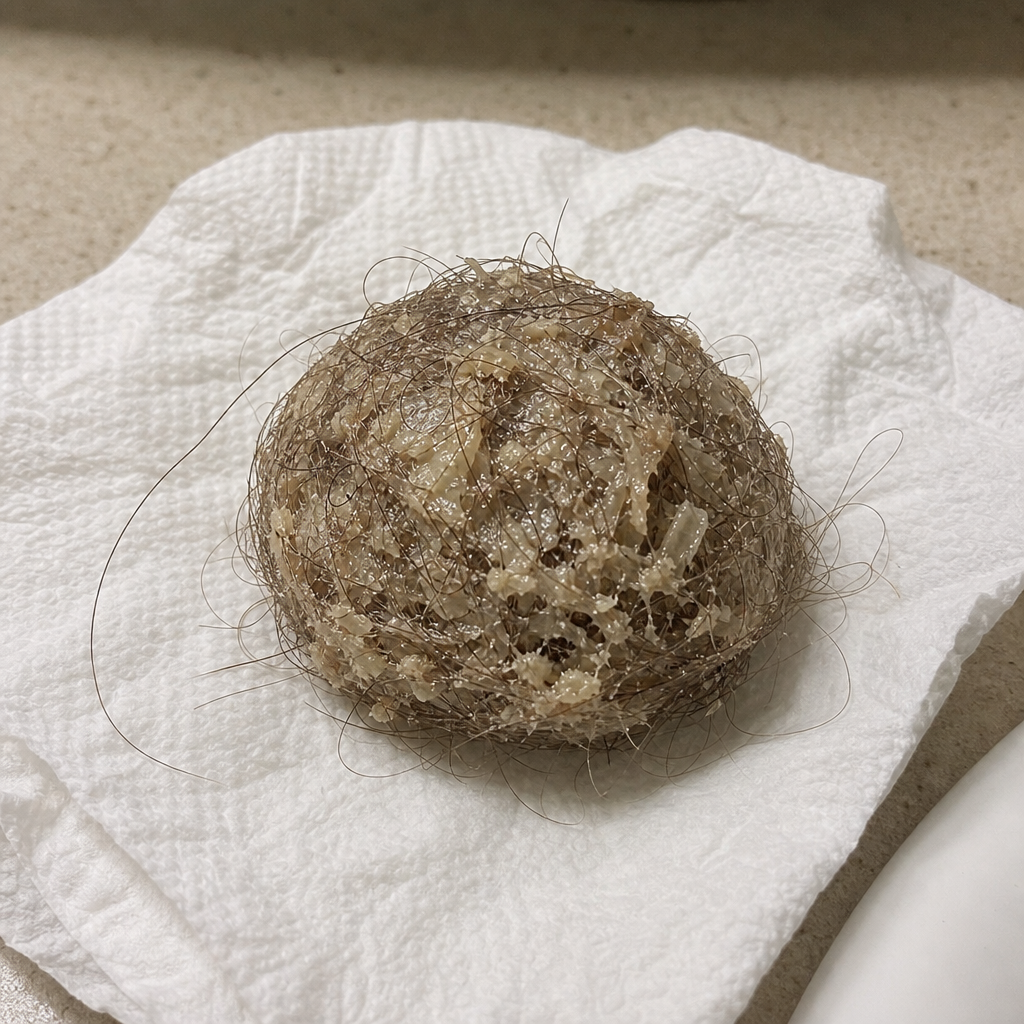
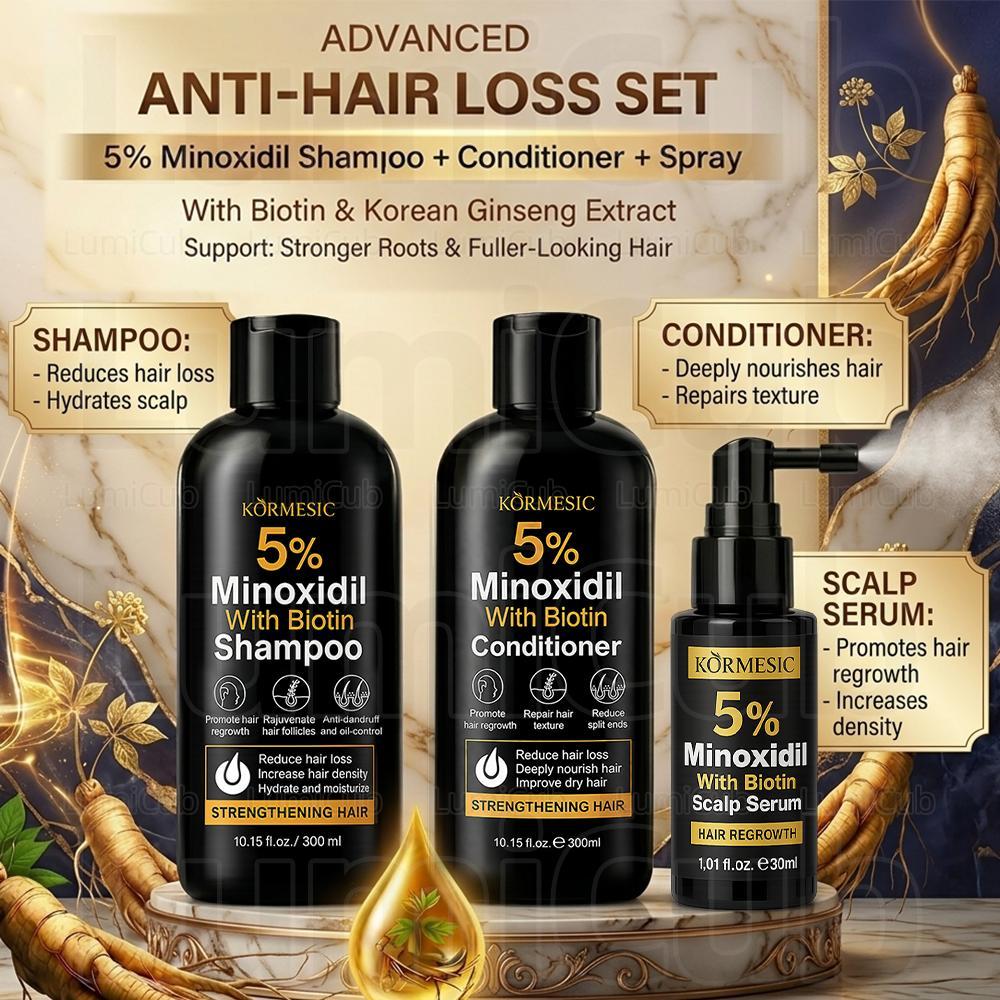
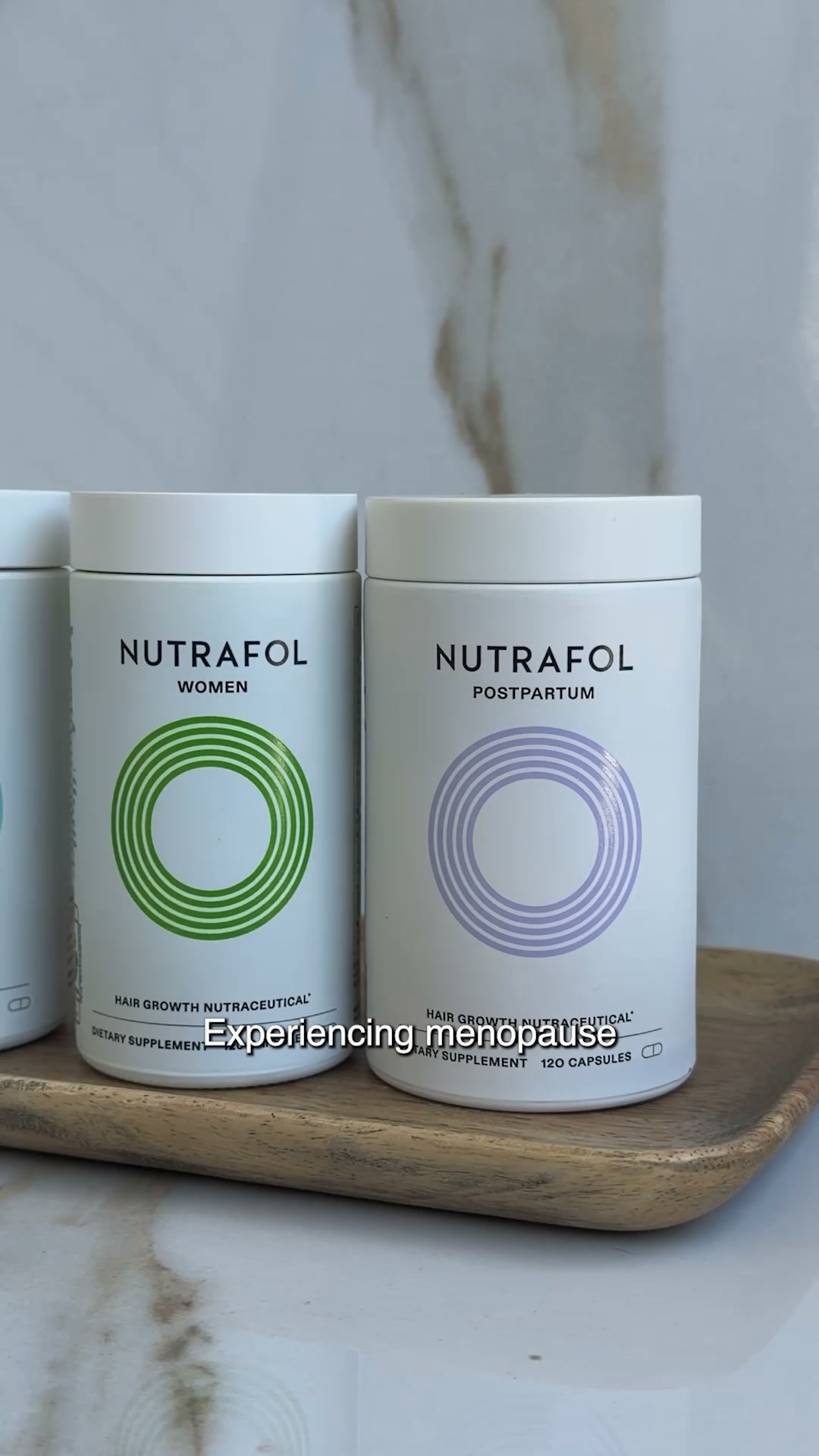
Minoxidil keeps your part damp every morning but the shedding keeps going. The biotin thickens the strands slightly but the drain keeps filling. If you've been losing hair through menopause despite doing everything right, here's what's actually blocking your treatments from working and what I give my patients instead. For THREE YEARS my sister Laura was watching her hair become unrecognizable. Her thinning started at 58. Put on minoxidil immediately. Dermatologist told her the foam would handle it. Within the first year she lost a third of her ponytail. On minoxidil. Massaging it in twice a day. By year two the part was the thing she scheduled her mornings around. Ten minutes every day figuring out what would hide it. She stopped wearing half her hairstyles. Photos she'd loved for years sitting untaken because she couldn't stand any shot from above and couldn't bring herself to sit in the front row because that would mean everyone seeing the top of her head. By year three she was counting strands on MyFitnessPal-style journals. Every single wash. She'd used the derm-recommended routine four times a week for eight months. The drain filled anyway. And along with the shedding came everything else. The itch that hit like a wall at 2pm every single day without exception. Home from work and scratching before dinner. Her sister would suggest going out. She'd say maybe next week. She said that so many times she stopped suggesting. She used to be the one who made plans. That woman had been gone for years and she couldn't tell you exactly when she'd left. The flaking. Flakes on dark cardigans in rooms where everyone else looked clean. Shampoos that didn't help. A bone-deep crusting that had become so normal she stopped mentioning it. The burning. Filling her scalp every single morning. Not an alarming pain all at once, just the persistent daily sting that meant something was wrong and had been wrong for a long time. The dread. Mid-photo and the angle was just wrong. Not the flattering side. Wrong. Standing in gatherings she used to host with nothing to hide behind. Her manager noted that she seemed "less put together lately" in an offhand comment. She cried in her car for twenty minutes afterward. And the confidence piece, the part she didn't talk about but I watched happening. She felt like her friends thought she'd let herself go. She was trying harder than she ever had and she was convinced they were thinking things they probably weren't even thinking. When confidence goes the mind fills the silence with its worst guesses. That's what three years of hair that won't stop falling does to a woman even when nothing is actually wrong. Her scalp exam was "unremarkable." Perfect range. Normal. Her dermatologist looked at that same five-minute glance every six months and told her everything looked fine. She was losing hair by the handful on the recommended routine and everything looked fine. And every single doctor told her the same thing. "Your scalp looks fine. The minoxidil is working." "Try being more consistent with the foam." "Have you considered a referral to a cosmetic specialist?" "Some thinning is normal after menopause. We can add a stronger serum." One of them, and this makes me want to put my fist through a wall, suggested she speak to someone about stress. She had a spreadsheet of every product. She massaged the foam on a timer. She was the most disciplined person I knew and a doctor with her scalp right there suggested the problem was in her head. She went through four doctors in three years. Not one, NOT ONE, ever looked beyond the surface and asked why the treatments weren't reaching her follicles. So here's what they kept telling her to do. And I need you to pay attention because you've probably tried all of this too. Minoxidil for regrowth, six months, her part looked slightly damper and the shedding kept going. The foam was sitting on a scalp that something else was keeping inflamed. The follicle sat inside inflammation with plenty of minoxidil on top and nothing changed. Sulfate-free shampoo, did it properly for four months, kept three flakes away that came back immediately. Addressed the surface without touching the actual mechanism. Biotin for strand strength, three months, felt marginally thicker at the ends and the crown was completely unbothered. Dampened one output of the problem without resetting the source. The scalp serum protocol, four months of nightly dabbing, fully committed, no skipping, basically nothing changed. Coated the surface while the environment running the shedding kept running. The $70 a month hair support formulas from the health food store, collagen, keratin peptides, marine complexes, nothing. Supporting the strand while the strand wasn't the problem. Between the supplements, the specialist appointments, the trichologist, the salon treatments she was too self-conscious to keep up, she'd spent over $3,800 in three years. Still shedding. Still itching. Still flaking. Still burning. Still dreading every photo. And every doctor telling her the treatments were working perfectly. At this point I'm not frustrated anymore. I'm angry. Because I'm watching my sister, who is following every instruction, spending thousands, tracking every wash, dragging herself to the salon when she can barely stand the mirror, get worse every six months while her doctors look at a five-minute scalp glance and shrug. Managing. The. Surface. Not fixing it. Not reversing it. Not even asking why a woman on the correct topical with a scalp that looked normal was shedding at the rate of someone with no follicles left at all. Just adding another serum. Suggesting cosmetic specialists. Checking the surface. Calling it managed. And that's when I started asking the questions nobody wants you to ask. Why does every hair protocol focus on the strand when the strand shows what's already grown, not whether the follicle is actually alive and living in a healthy place? Why does every hair supplement on the market target the strand with biotin alone while nobody asks what else the follicle needs to hold on? Why do doctors add a stronger serum on top of a scalp that's already coated without asking why it isn't absorbing? And why does NOBODY talk about what menopausal inflammation is doing to the three specific points where the follicle fails, right underneath a scalp that looks perfectly normal? So I went down a rabbit hole. A deep one. I started researching not how to support hair growth, that had been tried seven different ways, but why a woman with a normal-looking scalp on the correct topical was losing a third of her ponytail. And every mainstream medical site gave me the same recycled answers. Add a serum. Eat well. Reduce stress. Be patient. Then I found a line in a research paper that stopped me cold. Minoxidil is a surface topical. A liquid that sits on top. It cannot reach the inflamed environment, the microbial layer, or the follicle bulb where the shedding actually starts in the form it arrives. Almost none of it penetrates the sebum-rich barrier before a single follicle can benefit from it. The shedding happens down in the scalp environment. And the menopausal scalp attacks the follicle at three checkpoints simultaneously. I had to read that three times. Three checkpoints. Simultaneously. All invisible to a five-minute scalp glance. All running underneath a scalp that looks perfectly normal. Here's what I learned. Checkpoint one. Chronic menopausal shift raises low-grade inflammation around the follicle itself. Not the redness you can see. Inflammation that wraps around the follicle bulb layer by layer as falling estrogen weakens the scalp barrier. The follicle responsible for anchoring and cycling the hair lives in that environment. A follicle surrounded by menopausal inflammatory signaling cannot hold its hair at normal capacity. The minoxidil arrives every morning. The tissue holding the follicle is compromised. The cycling slows and the shedding starts. Checkpoint two. Menopausal inflammation overproduces the inflammatory signals the follicle can't survive around. IL-6. TNF-alpha. NF-kB. The follicle sits in the scalp tissue drowning in the full set. Chronic inflammatory activity keeps firing those signals faster than any surface product can calm them, and the follicle needs all of them quieted to hold. Biotin alone can't do it. A serum alone can't do it. You can dab one product on one layer. It doesn't reach. The follicle sits shedding with plenty of foam arriving every morning and nothing calming the fire around it. Checkpoint three. Menopausal scalp inflammation lets Malassezia yeast overgrow, a resident scalp organism that feeds on sebum. It crowds every follicle in the flaking, itching zones. Multiplies completely. Keeps the inflammation and flaking flaring once established. The follicle that does manage to hold sits in a scalp crowded by yeast that keeps the same spots itching, burning, and shedding. Three checkpoints. All running from the same menopausal inflammation. All invisible to a surface glance because a scalp exam sees the top, upstream of every single one of these failures. That's why her scalp looked normal at the exam while her follicles were shedding at maximum. That's why the part kept widening on twice-daily minoxidil. Follicles receive the signal to cycle rather than shed. Without a calm environment the shedding instruction runs by default. No topical overrides an inflamed environment. She was fighting a biological program with foam and losing because foam cannot override inflammation. That's why the itch. Malassezia overgrowth drives the surface irritation. Without clearing the yeast the itch stays in the same spots for months. That's why the 2pm burn. Inflammation runs hottest as the day goes on and sebum builds. Shampoo doesn't fix it because shampoo doesn't reach the inflamed layer. The follicles are sitting in the fire regardless of how clean the surface gets. That's why the flakes fell on every dark cardigan. Seborrheic flaking requires an overgrown, inflamed scalp. The scalp was running in low-grade fire for three years while it looked normal at the exam point nobody should have been relying on. She wasn't losing hair because she was washing wrong. She wasn't itching because she wasn't consistent enough. She wasn't flaking and burning because of aging or stress or not trying hard enough. She had a menopausal scalp running three simultaneous shedding checkpoints that nobody had identified, and four doctors treating the surface that looked fine while every follicle underneath told a completely different story. And here's the part that made my blood boil. The connection between chronic menopausal inflammation and impaired follicle cycling is in the dermatology literature. The role of follicular inflammation in shedding and its downstream effect on the hair cycle is documented. The Malassezia mechanism and its relationship to chronic scalp inflammation has been published and replicated for years. The inflammatory-signal pathway connecting menopause to follicle failure exists in peer-reviewed research. But the clinical protocol for menopausal thinning that doesn't respond to minoxidil doesn't include a scalp-environment assessment. Doesn't measure inflammation. Doesn't evaluate the microbial layer. Doesn't ask whether chronic menopausal inflammation is running a three-checkpoint shedding blockade that no stronger serum will penetrate. Because there's no surface drug for a menopause-driven scalp blockade. You can't reach it from on top. There's no money in telling someone their inflamed, yeast-crowded scalp is blocking their treatments from working. There IS money in adding a stronger serum when the foam stops working. Prescription combinations at $600 for shedding that isn't on the strand. Cosmetic consultations at $200 a visit. Specialist appointments every six months where they glance at the surface and call it managed while the scalp blockade runs undisturbed underneath. Manage the surface. Never address the blockade. Keep the patient returning indefinitely. So I kept digging. Looking specifically for what calms the inflammation in the scalp environment, not manages it temporarily, not coats it on top, actually clears the yeast burden and calms the inflammation running all three blockades simultaneously. And I found one combination that kept appearing in peer-reviewed research, not wellness content, as the specific solution. Wild Mediterranean oregano oil. Standardized to clinical-strength carvacrol. Combined with cold-pressed black seed oil delivering thymoquinone, in the form the inflamed follicle environment actually responds to. Not marketed for hair. Not sold as a scalp serum. Thymoquinone researched specifically for calming inflammatory signaling, and specifically for what happens to the follicle environment when the low-grade fire around it comes down. Carvacrol researched specifically as the lipid-soluble antifungal that clears the yeast overgrowth feeding the flaking. Thymoquinone acts directly on the inflammatory signals, calming the IL-6, TNF-alpha, and NF-kB fire that menopause has kept burning around the follicle layer by layer for years. When the inflammation eases, the follicle has a calmer place to cycle again. The Malassezia overgrowth drops because the sebum-rich inflamed environment feeding it has come down. The itching, flaking spots start clearing. At the same time carvacrol, lipid-soluble and oil-based, finally merges with the sebum layer that water-based serums bounce off, and clears the yeast overgrowth the surface products never reached. The follicle sitting in a crowded, flaring scalp with plenty of foam on top finally gets the environment calmed. All three fires come down. The scalp settles. The cycling starts running. Not addressing one checkpoint. All three simultaneously. From the menopausal inflammation that was running all of them. My sister tried to find an oregano supplement that matched what the research described. First, the highest-rated oregano oil on Amazon. Five stars. Thousands of reviews. Eight weeks. Nothing moved. Same shedding. Same itch. Same flaking. On oregano oil. Getting worse. Exactly the same pattern as everything else she'd tried. Second, a well-known scalp support brand combining biotin and collagen. Ten weeks. Strands felt a fraction thicker. Shedding unchanged. Symptoms unchanged. She went back to the research. Read the methodology. The studies showing inflammation calming and yeast clearance used a specific formulation. Oregano oil standardized to clinical-strength carvacrol, the concentration at which antifungal activity was actually measured in trials. Plus cold-pressed black seed oil delivering thymoquinone at a real dose, taken orally so it reaches the scalp environment from the inside. Not on top. Not one compound. Both together. She flipped over both bottles. The first, no standardization listed. Just "oregano extract." No carvacrol percentage. No guarantee any carvacrol was in it at meaningful concentration at all. The second, biotin and collagen only. No oregano. No black seed. Two of the wrong ingredients entirely. The environment still couldn't calm. She'd taken eighteen weeks of capsules that may have contained trace amounts of carvacrol and none of the anti-inflammatory compound she needed. May have contained essentially none of the compounds at therapeutic levels. The follicle was still sitting in the fire. The yeast was still crowded around the shedding tissue. Three checkpoints still running. Eighteen weeks of the right story delivered in the wrong formulations. There was also the delivery problem. Surface sprays and serums are notoriously unable to reach the follicle, water-based, largely sitting on the sebum layer before they reach anything. Foams coat the surface that requires penetration before the compound is released, and the scalp barrier bounces most of it off. The active compounds face the same problem, dabbed on top they never enter the environment where the follicle lives. Most manufacturers make topicals because they sell the fantasy of "on the spot." So even if the standardization were correct the compounds would never arrive in usable form. Wrong standardization. Wrong delivery format. Eighteen weeks of products that couldn't reach the mechanism at any meaningful level. Between the biotin, the collagen, the scalp serum protocol, the hair formulas, the specialist appointments, and two rounds of the wrong oregano, she'd spent over $3,800 in three years. I was scrolling through my phone late one night, because her next appointment was coming and her dermatologist was now suggesting a cosmetic consultation for thinning that had nothing to do with the strand, and I saw a woman in a menopause hair-loss support group mention a small company called Orgatics. Different woman. Different city. Same story. Same scalp that looked perfect. Same part that ignored twice-daily foam. Same biotin that thickened the ends without touching the shedding. Same unstandardized oregano that did nothing. She'd found the scalp blockade. Tried Orgatics. Posted what happened. Shedding cut in half at eight weeks. New growth at the temples on the same routine she'd been doing for four years. Someone in the thread asked about the standardization. "Oregano oil at clinical-strength carvacrol. Cold-pressed black seed oil delivering thymoquinone, in the doses the inflamed follicle environment actually responds to. Oral softgels because the compounds don't survive sitting on top of the scalp in a form the follicle can use. The unstandardized ones can't clear the blockade, the compounds aren't there at therapeutic levels and they can't reach anyway. This one does." I went to their site. Ready to be disappointed like I had been every other time. Oregano oil standardized to clinical-strength carvacrol. Not a trace amount to make the label look credible. Cold-pressed black seed oil with thymoquinone at clinical doses. Delivered in an oral lipid softgel for full internal absorption. The only menopausal-scalp product I'd found in this category delivering both compounds together in a format the body can actually use. Third-party tested. Certificate of analysis published. Made in the USA. No proprietary blends. Every amount listed. Not a hair support formula feeding biotin alone to a strand while the follicle sits in fire. A menopause-driven scalp formula that calms all three checkpoints, the inflammation, the yeast overgrowth, and the flaring surface, simultaneously. My sister started taking Orgatics. Two softgels every night. After two weeks? The 2pm burn she'd been feeling every single day for three years, softer. Not gone. Softer. She texted me on a Wednesday afternoon. "My scalp is quiet. I know that sounds like nothing but my scalp is quiet." The environment wasn't calm yet. But the inflammatory load on the scalp was beginning to ease. The low-grade fire that had been running for three years was standing down. The itch had a different quality to it, less total, less immovable. After three weeks? Her flaking stopped. She texted me those words at 7am on a Tuesday. No flakes on the dark cardigan. Because she'd been dusting her shoulders for so long she'd stopped expecting to feel different and the return of something she'd normalized as gone was worth texting about at 7 in the morning. Carvacrol reaches the sebum layer. The yeast overgrowth clears. The flaking settles. Not complicated, the compound was reaching the environment it hadn't been reaching. That's all. After four weeks? The shedding. She washed her hair and looked at the drain and it was almost empty. She told me afterward she'd stood there for a moment in a kind of quiet shock. "There was barely any hair. I don't know when I stopped expecting that." After six weeks? The part moved. Narrower. She called me not because of the width but because of what it felt like. "It doesn't feel like a product masking it," she said. "It feels like something settling. Like my scalp stopped fighting." Because it had. The follicles were finally sitting in a calm environment that let them cycle rather than shed. Not because she washed differently. Because the inflammation was finally coming down and the yeast was finally clearing from where the follicle lives. After eight weeks? The ponytail. She sent me a photo. Not a before-and-after. Just a photo of herself with her hair down, thicker than it had been in two years. Standing in her kitchen. No caption. I knew what it meant. The thinning that had ignored three years of foams, serums, AIP-strict scalp routines, and hair support formulas was reversing. Fuller at the crown specifically. Something that every topical had failed to do because the shedding was driven by an inflamed environment. The fire was gone. The follicle was responding. After twelve weeks? She went back to her dermatologist for a follow-up scalp exam. Follicle density, visibly up around the temples. New growth clear at the part. On the same routine she'd been doing the entire time. Inflammation, down meaningfully. The redness and flaking overproducing it had normalized. The spots it had been crowding were clearing. New hair was landing. Her dermatologist pulled up the earlier photos. Looked at her scalp now. Looked at her. "Your follicle density has improved significantly. Your scalp inflammation is down. Your regrowth at the temples is the best I've seen since you came to me. What changed?" My sister explained it. The three-checkpoint scalp blockade. The menopausal inflammation running it. The surface glance seeing above the failure. The biotin alone feeding a strand while the follicle needed the whole environment calmed. Oregano oil standardized to the clinical carvacrol concentration that actually clears the yeast. Her dermatologist typed notes slowly. "The menopause-inflammation-Malassezia-follicle connection is documented in the literature. It's not part of the standard protocol because there's no topical intervention that reaches it. We typically address the surface and add a serum." "There's not a topical for it," my sister said. "There's a botanical one, taken from the inside. And it calmed the environment." Long pause. "Your follicle markers have improved more in twelve weeks than they did in three years of serums. I want to see this scalp again in eight weeks. Keep doing your routine. Whatever else you're doing, keep doing that too." She walked to her car. Got in. Then she called me. "Density is up. Inflammation is down. She said keep doing it. Three years. Four doctors. $3,800. On treatment. Getting worse every six months. Every single one of them adding a serum while the blockade ran underneath." Her best friend came over that evening and looked at her across the kitchen and said: "You look like yourself again." Before she'd told her a single thing about what had changed. Total improvement at five months: Follicle density restored. Inflammation in range. Shedding down to almost nothing. Ponytail visibly fuller in the styles she'd stopped wearing. Scalp calm and clear. Itch gone past 2pm, past 8pm. Flakes off every dark cardigan. Burning gone. New growth at the temples. Sitting in the front row again. Making plans instead of declining them. Not from another serum masking a surface while the blockade ran underneath. From calming the blockade. This is what they don't want you to know. Because the second you calm the menopausal inflammation running your scalp blockade you don't need their prescription combinations for shedding that was never on the strand. You don't need their stronger serums coating more product onto a scalp that menopause has blocked at three simultaneous checkpoints. You don't need their specialist appointments every six months glancing at a surface that was never showing where the failure was happening. The blockade calms. The inflammation eases. The yeast clears. The follicle cycles. The hair holds. The shedding stops. The part narrows. The flaking ends. The way it would have three years ago, if someone had looked below the surface and asked why the treatments on top weren't reaching the follicle. Now here's what I need you to understand. The blockade doesn't calm itself. Every month it stays in place is another month of foam sitting on top unabsorbed while follicles shed in the fire below. Another month of shedding running as default because the calm environment never arrives. Another month of the itch and the flaking and the burning and the loss compounding. And every month your doctor gets closer to a cosmetic consultation for a thinning problem that was never about the strand. So if you're dealing with ANY of this, a part that widens no matter what topical you've tried, an itch that hits like a wall every afternoon regardless of shampoo, flakes on every dark cardigan when everyone else looks clean, hair filling the drain every morning, a burning scalp that won't settle, a scalp that looks fine at the exam while everything underneath tells a different story, this is the time. Not next month when you've lost another inch of ponytail. Not when your doctor suggests a cosmetic consult. Not when you're sitting in a specialist consultation wondering how it got this far. Right now. Orgatics. Wild Mediterranean oregano oil standardized to clinical-strength carvacrol plus cold-pressed black seed oil delivering the thymoquinone the inflamed follicle environment needs to calm. In an oral lipid softgel for full internal absorption. Third-party tested. Made in the USA. No proprietary blends. Every amount listed. Buy two, get one free. 90-day money-back guarantee. Take every softgel. If the scalp doesn't calm, if the shedding doesn't start slowing, if the flaking doesn't clear, if you don't feel the difference, full refund. No questions asked. Because your dermatologist isn't coming to calm the blockade. There's no protocol for it. There's no topical for it. There's no revenue in it. You have to calm it yourself. https://tryorgatics.com/pages/alopecia Dr. Christi Thompson
Where the ad sends people
tryorgatics.com
I found the reason why your thinning hair keeps falling...
⭐️⭐️⭐️⭐️⭐️ Excellent 4.81/5
Learn more: tryorgatics.com(opens in a new tab)