Emily Caldwell - Health After 50
Emily Caldwell - Health After 50 Facebook ad: “Why It Was Never Your Sciatic Nerve”
Ran for 3 days, from August 6 to August 9, 2026, the last day Crush saw it.
Run by Emily Caldwell - Health After 50 on Facebook. Crush is not the advertiser and does not verify its claims. See this ad in Meta's Ad Library(opens in a new tab)
Want an ad like this for your product?
Crush makes new ad images for your product from this ad: your logo, your product photo, your offer.
Trials from $19.95 USD, then $79.95 USD a month. Cancel anytime.
About this ad
- Meta Ad Library ID
- 1608606607360179
- Platforms
- Facebook, Instagram and Messenger
- Relaunches
- 0
Ad text
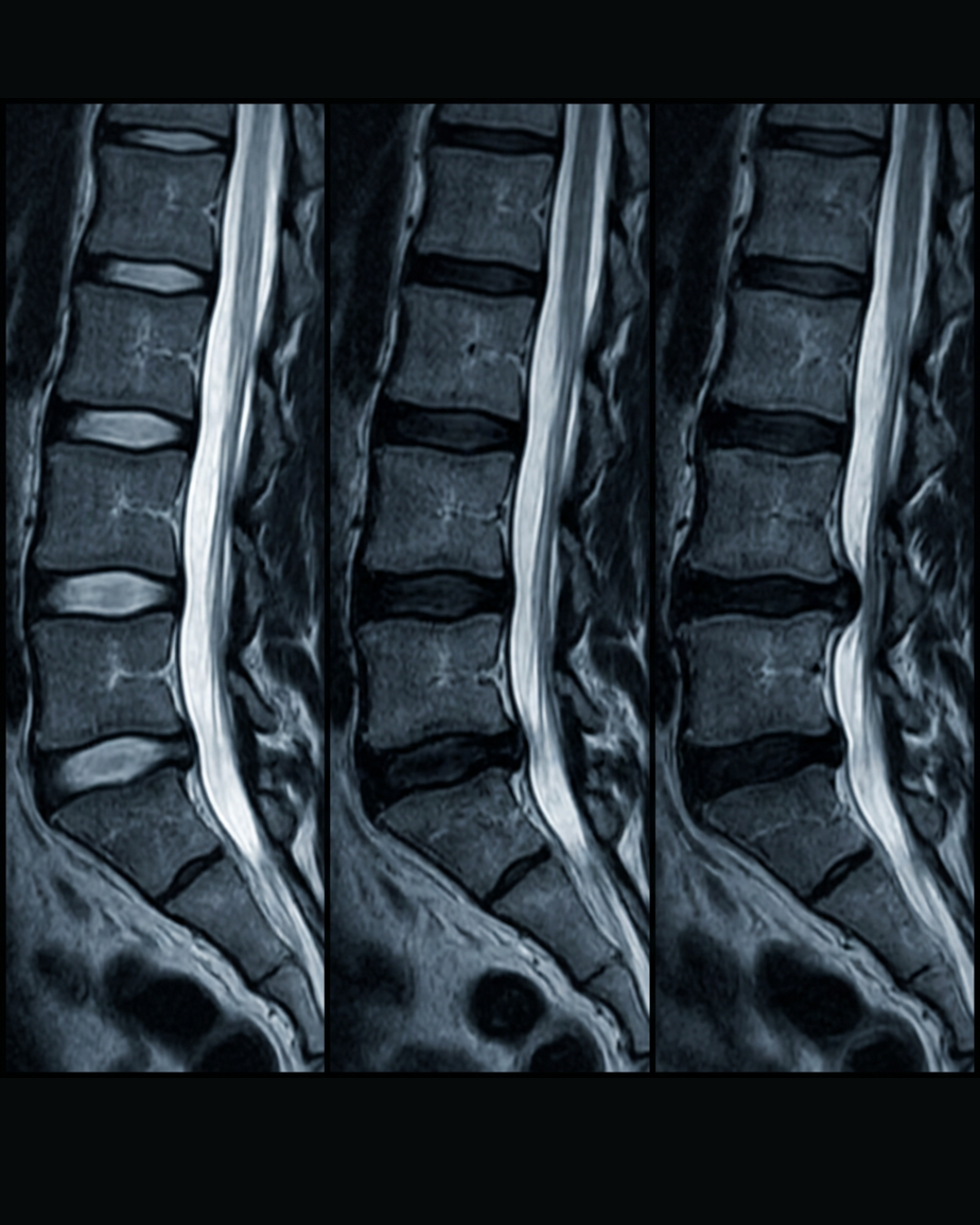
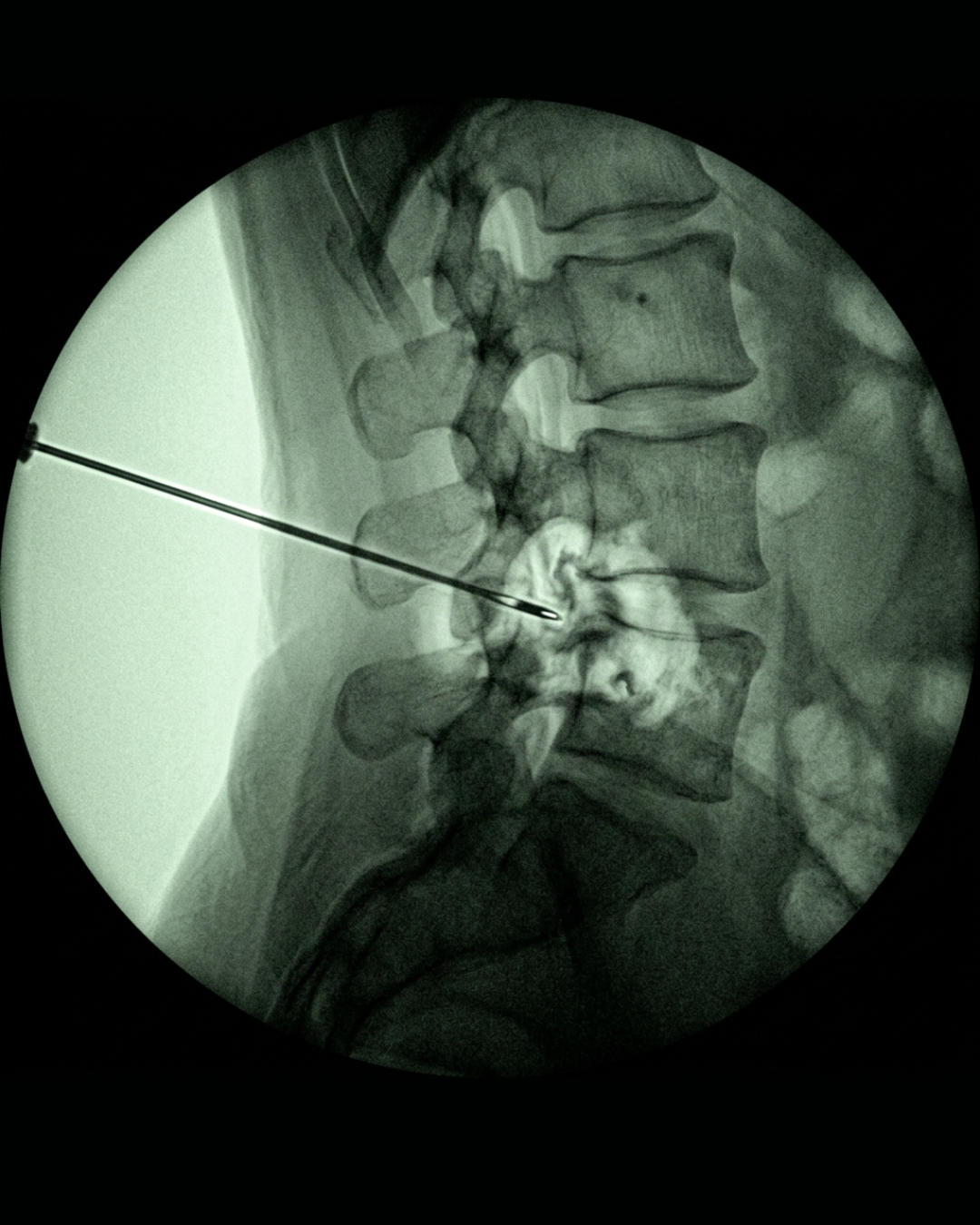
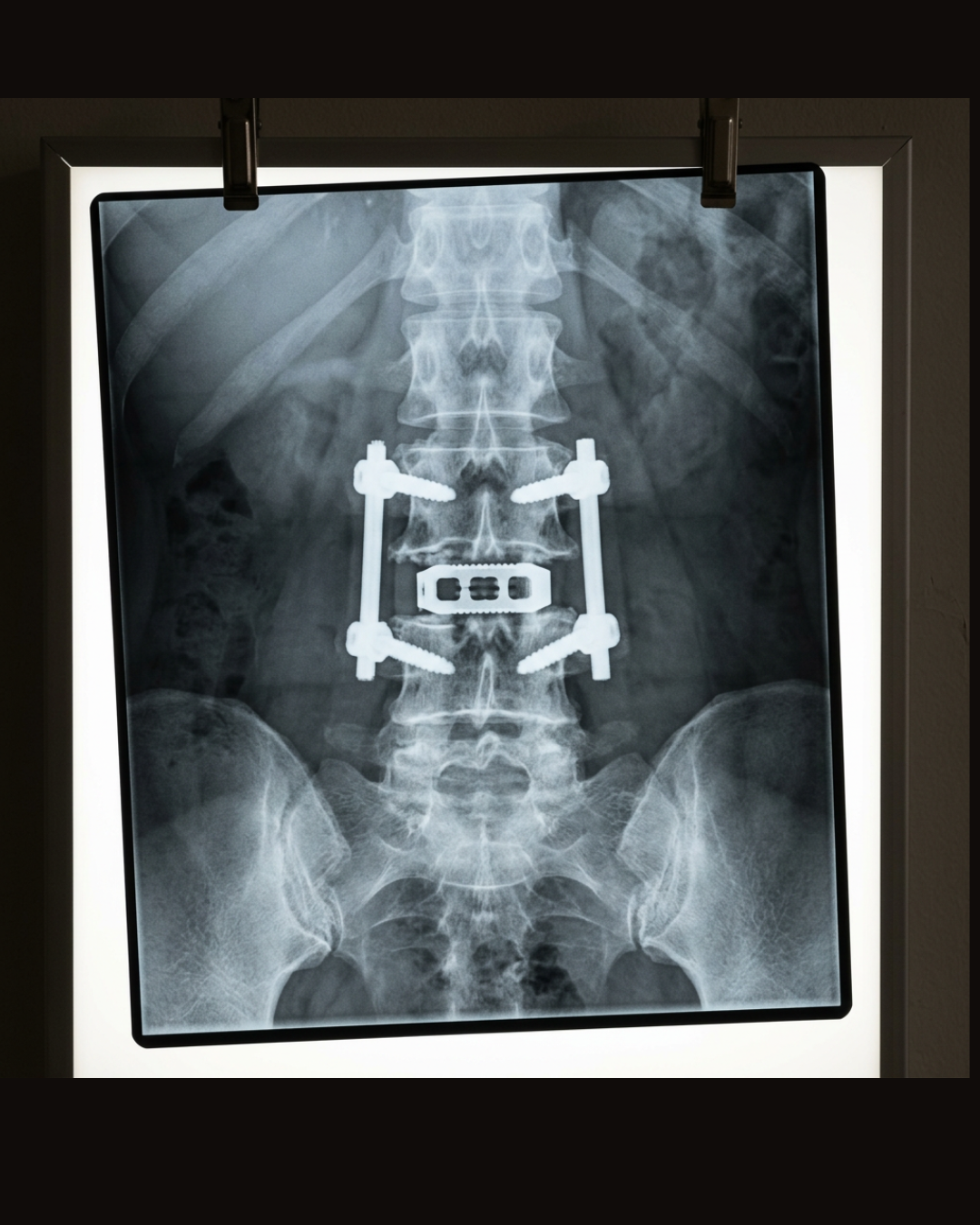
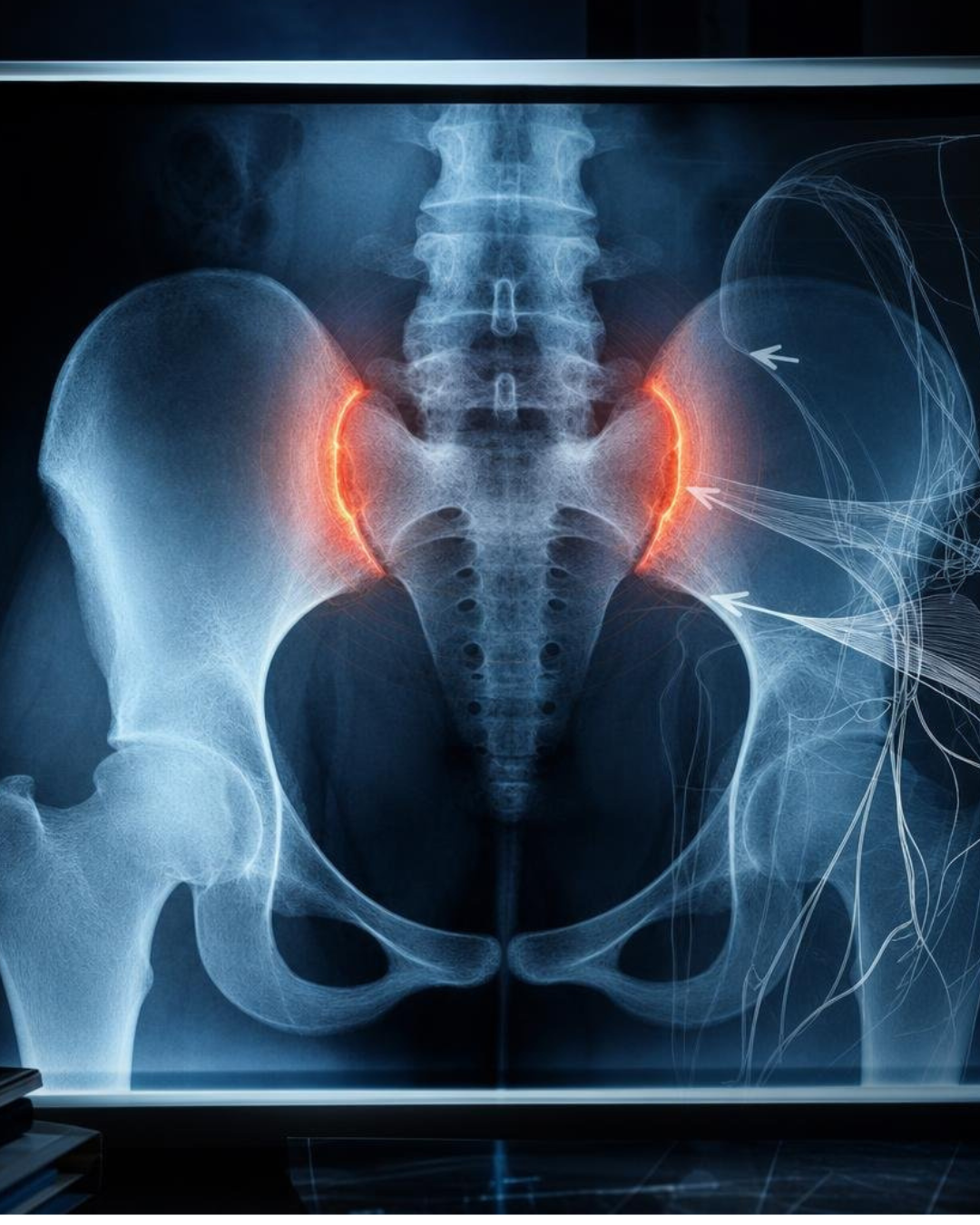
If your low-back pain sits off to one side at the belt line and every doctor keeps calling it sciatica, I know the road you're on. I was an orthopedic nurse for 31 years, and I spent six of them treating my own "sciatica." Three scans came back with "nothing serious." Then one patient made me question the diagnosis I'd been living with. Let me tell you about Frances, because she's the reason I paid attention when it was finally my turn. She was a patient of mine on the rehab floor, seventy-four, a retired school secretary. Her pain started low in her back, off to one side, right at the belt line, worst when she stood up out of a chair. Her doctors ran the usual road. Physical therapy, then shots, then stronger shots, and when the shots quit holding, two titanium screws to fuse the joint shut. Routine, they told her. In and out. It wasn't. The pain came back inside the year with nowhere left to go, and by the end she was housebound, in a chair by the window. One afternoon she took my hand and said the thing I've heard from too many patients since. "I should never have let them touch it." I thought Frances was just unlucky. It took my own pelvis landing on a surgeon's calendar to understand she wasn't the exception. She was the pattern. About two years ago, it came for me. It started as a stiffness low on the left after a long shift, then an ache that never quite switched off. The mornings were the worst. I'd lie dead still working out how to roll toward the edge of the bed without the joint catching, because the second I turned wrong it felt like a knife left in my lower back. My husband Ray learned to hear it before I said anything, that little hiss through my teeth every time I turned over. And getting up out of a chair became the hardest moment of my day. I'd rock forward, brace both hands, and count to three before I trusted my weight to that side. I was a nurse, thirty-one years, most of them on an orthopedic floor. I knew exactly which door this road ended at. So I did everything I tell my own patients to do. Physical therapy that sent me home sorer than I came. A chiropractor twice a week whose adjustment was magic for about a day, then wore off. Cortisone shots that glowed for a month and went quiet. An SI belt I wore under my scrubs and felt nothing from but the pinch. Some of it gave me a few good weeks. None of it gave me a few good months. And not one of them could tell me plainly where the pain was even coming from. Every MRI came back "mild bulging discs, nothing on a nerve," which means normal, which after a while starts to mean it's all in your head. One doctor said I was "guarding." Another decided I'd always had one leg shorter than the other, something I'd somehow missed for sixty years. A surgeon never once put a hand on the spot I kept pointing to. He glanced at the film, called it a strain, and reached for the injection tray. I've heard that my whole career. "It's just wear and tear." "She's just getting older." It's what they say when nobody has actually looked. So when my own surgeon, a decent man named Dr. Halloran, said this was standard for the mileage on my spine, and that when I couldn't take it anymore we'd fuse the joint, I told him I'd think about it. His front desk penciled me in anyway. Six weeks out. That packet sat on my kitchen table for a week. They were the same forms I'd filled out for hundreds of strangers, except this time my name was printed at the top. I'd wheeled Frances into that same recovery room myself. Then one of my own patients handed me the answer the whole chain of specialists never had. Her name is Ruth. Retired librarian, sixty-eight, the most careful woman I've ever met. She reads every word of a contract before she signs it. I'd seen her the year before, gray and hunched with the same fire in her back that I had. This time she walked in sitting up straight, easy in her own body, and I hardly knew her. She told me her pain had gone from running her life to a background hum in about ten weeks. No surgery, no new pills. She'd been lying on a device at home for fifteen minutes before bed, and her surgeon had taken her off his schedule. I was skeptical to the bone. In thirty-one years I've heard every miracle there is. But Ruth isn't a miracle person. Ruth checks the date on the milk twice. When she tells you something, she's already proven it to herself. My back wouldn't let me sleep that night anyway, so at two in the morning I sat down at that same table and quit being the patient long enough to go back to being a nurse. I went looking for the mechanism. And what I found rearranged thirty-one years of what I thought I knew. The SI joint was where I felt every bit of it. But it turned out the joint was the victim here, not the cause. Your sacroiliac joint sits where the base of your spine meets your pelvis, and it's built to barely move. It usually doesn't break down on its own. For it to wear the way mine had, something has to have been driving into it, over and over, for years. And that something is the disc sitting right above it. A young disc is full of fluid and soaks up the shock of every step before it ever reaches your pelvis. But as the years go by, those discs tend to dry out and flatten. A Swedish study decades ago found the same thing in people whose pain matched mine, a dried, sunken disc sitting right at the root of it. A flat disc can't cushion anything, so every step dumps the shock it used to absorb straight down into the joint below. Thousands of times a day. Think of a car with one blown shock. Every bump that used to get soaked up quietly now slams straight through to the axle. You can grease that axle all you like. It keeps taking the hit until you fix the shock above it. That's why every shot ran out on me. They numbed the axle and never touched the blown shock. That's why the adjustment never held, the chiropractor reset the joint and a day on my feet knocked it right back out. The belt just squeezed the outside of a problem coming from the inside. So the real pattern finally surfaced. It was never one thing. It was three, done together, every day. You have to ease the spine apart to lift the load off the joint. You have to sink deep heat in so the dried disc can draw some of its moisture back and recover a little height. And you have to loosen the muscles knotted around the joint so the space you made actually holds when you stand. If one of those pieces is missing, the relief may not hold for long. That's why the shots and the belt and the chiropractor each struck out. Each was doing a third of the job and calling it the whole thing. I tried to shortcut it with my wallet first, the way I always had. A plastic arch you drape yourself over, a vibrating pad on a velcro strap. The second they arrived I could feel what they were, a little stretch, a little buzz, and nowhere near the pull it takes to lift a day's load off that joint. Three weeks each, and my back never flinched. The arch gave me a little stretch. The vibrating pad gave me a little buzz. Ruth’s device combined the full three-part approach: gentle traction, 122-degree heat, and muscle release. It’s called the SmoothSpine Triple Fusion Back Massager, and you don’t wear it. You lie flat on it on the floor for fifteen minutes. It gently draws the spine apart, the way the traction tables I’d rolled patients onto for years did. It delivers a steady 122-degree heat across the lower back to help the disc draw some moisture back in, and loosens the muscles clamped around the joint so the space can hold. All three in the same fifteen minutes. It sounded too plain to be the answer a room full of specialists had walked past. But there was already a surgeon with a date to put two screws in my pelvis. Against that, what was I risking? Ninety-day guarantee. The operation could wait a season. Mine came that week. The first couple of nights, nothing worth writing home about. Then on the fourth morning I got up out of my kitchen chair, crossed to the counter, and poured my coffee before it hit me that I hadn't braced, hadn't counted to three, hadn't thought about it at all. I sat back down and got up again, just to be sure. By the end of the second week I sat through a whole dinner at my daughter's without once shifting to hunt for the angle that hurt least. One evening in there it flared up hard and I lay in bed sure the whole thing had been wishful thinking. By morning it had quieted again. I was learning a bad night wasn't the old life coming back. It was just a bad night. The week that undid me was the third, when I rolled clear over in my sleep and woke to Ray telling me he hadn't heard the hiss once, the whole night. At six weeks I went back to Dr. Halloran to take my date off the calendar. He ran the same exam, pressing and turning the joint the way that used to lift me off the table, and this time I barely moved. He was quiet a moment. Then he said something I hadn't heard him say to a patient in all my years on that floor. "I don't know exactly what you've been doing. But this date is coming off my schedule. Keep doing it." I'll be square with you, the way a nurse should be. I still tell people to talk it all the way through with their own doctor before they cancel anything. But I sat in my car in the staff lot that afternoon, and for once nothing in me went cold. It's been a few months. Last week I worked a full day on my feet, came home, got down on the floor for a board game with my granddaughter, and got back up without a hand on the couch. There was a spring not long ago when I couldn't have made my own mailbox and back. And a couple of weeks ago my phone rang. It was Frances's daughter. Her own back had started the same slow slide, low and off to one side, and her doctor had just said "injections." I'd mailed her one of these the month before. She'd been on it six weeks and was sleeping through the night for the first time in two years. Then she said the thing I haven't been able to put down. "You found another way. Mom would have wanted somebody to." Here's what three decades in scrubs finally beat into me, on my own body this time. You've got three doors. Door one. Keep chasing the next shot and the next adjustment, and keep telling yourself the next one will hold. Door two. Let them fuse the joint shut with two screws and pray you come out one of the lucky ones and not another Frances. And if you're weighing that one, please walk through it with a doctor you trust first. Door three. Take the load off the joint yourself, fifteen minutes a day on your own floor, and give it the one thing nobody in that whole referral chain ever did. A real rest from the pounding, long enough to settle. I spent two years on door one. My name was penciled in for door two. One of my own pre-op patients is the reason I ever found door three. You buy the Triple Fusion Back Massager once and it lives in your house, not one more appointment you drive across town for and pay out on again and again. SmoothSpine makes it in small runs, and when one sells out the next can be months away. Before you agree to one more injection, before you let anyone set a date to screw that joint shut, give yourself the ninety days first. Fifteen minutes on your back before bed, weighed against an operation you can't undo. I finally found the whole thing laid out in plain language, the part no specialist ever walked me through. The disc that dries and flattens. Why a shot or an adjustment can never hold. Why the three-things-at-once part is what everyone keeps missing. Reading it was the moment my own two years finally added up. Here's where you'll find it. 👉 Why It Was Never Your Sciatic Nerve: https://try.smoothspine.com/tfsm-coc-adv2-yi2 They've got it 60% off right now. That's how I talked myself into the spare. P.S. The ninety-day guarantee is the part I wish someone had told me before I threw money at the junk. A full ninety days in your own living room. If your back feels the same when it runs out, back it goes and your money comes home. Nobody ever refunded me a cortisone shot. P.P.S. They go out in small batches and move fast, so you may click over and find them gone. Even then it's worth a look to see if any are left. Ruth, the one who started all of this, is back out in her garden. ~ Maureen R., orthopedic nurse, thirty-one years
Where the ad sends people
try.smoothspine.com
Why It Was Never Your Sciatic Nerve
And if you're reading this with a heating pad pressed against your back, popping pills like candy, or sleeping in that weird twisted position that sometimes helps...
Learn more: try.smoothspine.com(opens in a new tab)