Canine Health Study
Canine Health Study Facebook ad: “Your Human Grade Taurine is Killing Your Dog…”
Ran for 89 days, from March 28 to June 24, 2026, the last day Crush saw it.
Run by Canine Health Study on Facebook. Crush is not the advertiser and does not verify its claims. See this ad in Meta's Ad Library(opens in a new tab)
Want an ad like this for your product?
Crush makes new ad images for your product from this ad: your logo, your product photo, your offer.
Trials from $19.95 USD, then $79.95 USD a month. Cancel anytime.
About this ad
- Meta Ad Library ID
- 1610617276834194
- Platforms
- Facebook, Instagram, Audience Network, Messenger and Threads
- Relaunches
- 0
- Niche
- Marketing & Agencies
Ad text
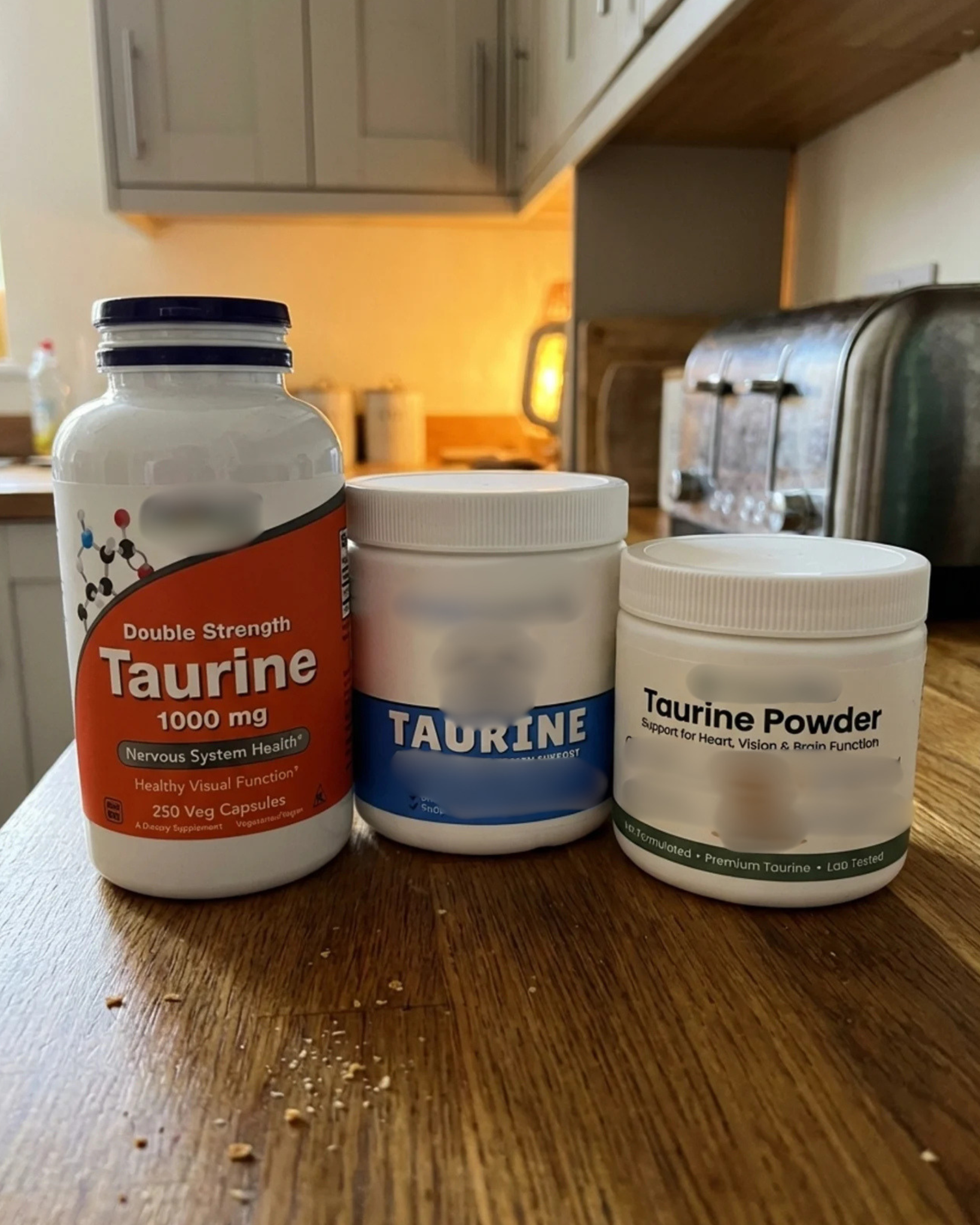
I’m so f*cking tired of watching dogs die because their owners are buying under-dosed taurine from Facebook ads. This is the fourth one this month. All four owners thought they were doing the right thing. All four researched DCM and bought supplements. All four dogs were still severely deficient when I tested them. Because 200mg of taurine doesn’t save a dog’s heart. And nobody told them. My name is Dr. Jennifer Martinez, DVM. I run a canine-only practice in Austin, Texas. And for the past 7 years, I’ve been tracking a pattern that’s killing dogs—while their owners think they’re saving them by clicking “Buy Now” on the taurine brands flooding their Facebook feed. Let me tell you about a case that changed how I counsel dog owners about social media supplements. Three months ago, a man named David brought in his 8-year-old Labrador, Murphy. “I’ve been giving him taurine for six months,” he said. “I saw an ad on Facebook. It had thousands of comments from dog owners saying it worked. But Murphy’s still slowing down, still panting after short walks, and I just got charged again even though I cancelled the subscription twice.” I asked him what brand he was using. He showed me his phone. A slick ad. Professional video. Emotional testimonials. “Veterinarian formulated.” “Pharmaceutical grade.” A massive discount if he subscribed today. “How much taurine is in each serving?” I asked. He checked the label. “200mg.” I see this all the time. Dog owners who’ve done their research. Who know taurine is critical. Who are trying to do the right thing. But they’re buying under-dosed supplements from brands advertising on Facebook because the ads are convincing and the comments look real. They’re not getting what they paid for. “Let me run some bloodwork,” I said. “Including a taurine panel.” David looked confused. “But he’s been getting it every day for six months. And the ad said it was veterinarian-recommended.” The results came back three days later. Taurine level: 41 nmol/mL. Severely deficient. Normal range for dogs is 60-120 nmol/mL. David stared at the results. “How is that possible? I’ve been giving him taurine every single day for six months.” “You’ve been giving him 200mg,” I said. “A dog Murphy’s size needs 500mg minimum to restore depleted levels and support cardiac function. The brand you’re using is giving him less than half the therapeutic dose.” “But the ad said it was pharmaceutical grade. Veterinarian formulated.” “Those are marketing terms. They don’t mean anything without third-party testing to prove it. And 200mg isn’t a formulation—it’s a cost-cutting measure. Taurine is expensive. The less they put in each capsule, the higher their profit margin.” Here’s what most dog owners don’t understand: Dogs need 500mg of taurine daily to restore deficient levels and support cardiac function. Not 150mg. Not 200mg. Not 250mg. 500mg minimum. But these Facebook brands know that taurine is expensive. So they under-dose the formula to maximize profit per bottle. And they bet that you won’t know the difference. You’ll see “taurine supplement” in the ad. Professional video. Emotional testimonials. Veterinarian formulated. Pharmaceutical grade. Thousands of comments saying it works. You’ll buy it. You’ll give it to your dog every day. And you’ll assume it’s working because the ad said it would. Meanwhile, your dog stays deficient. Their heart keeps weakening. And you keep getting charged every month in a subscription you can’t cancel. David pulled up his email. “I’ve sent four cancellation requests. They keep telling me I need to call during business hours. But when I call, I’m on hold for 45 minutes and then it disconnects.” “That’s not an accident,” I said. “That’s by design.” I started documenting this pattern in my practice two years ago. Over 24 months, I’ve seen 73 dogs whose owners were using taurine brands they discovered through Facebook or Instagram ads. I ran taurine panels on all of them. 68 were still severely deficient. 93%. Despite months—sometimes over a year—of daily supplementation. Here’s what I found when I tested the actual products: Brand advertising “500mg pharmaceutical-grade taurine” on Facebook: Sent to independent lab. Actual taurine content: 287mg per serving. 43% less than advertised. Brand with viral TikTok testimonials: Third-party testing showed heavy metal contamination. Lead levels 4x the safe limit. The “testimonials” were paid creator partnerships—none of them tested their dog’s taurine levels. Brand offering “90-day money-back guarantee”: The fine print requires you to send back all bottles, pay return shipping, and submit proof of veterinary bloodwork showing it didn’t work. The average refund request takes 6-8 weeks. Most people give up. Brand with thousands of Facebook comments: I contacted 20 people who commented “This worked for my dog!” Only 3 responded. None had tested their dog’s taurine levels. They left comments because “my dog seems happier” or “the ad looked professional.” Zero clinical outcomes. Brand claiming “veterinarian formulated”: I called the company. Asked which veterinarian formulated it. They refused to provide a name or credentials. The “veterinarian” doesn’t exist. Brand that stopped shipping orders: Multiple customers reported ordering, getting charged, and never receiving their product. Customer service stopped responding. The company eventually disappeared and relaunched under a different name with new Facebook ads. The most common pattern? Under-dosing. These brands know that the minimum therapeutic dose for most dogs is 500mg daily. But they sell 200mg capsules. Or 250mg soft chews. Or powders that deliver 180mg per scoop. Why? Because taurine costs money. The less they put in each bottle, the more profit they make. And they bet that you won’t know the difference. David switched Murphy to a properly-dosed, third-party tested taurine supplement that same day. 500mg per serving. Clear cancellation policy. Actual customer service. No hidden subscriptions. Week 1: No change. Murphy’s body was still depleted after six months of under-dosed supplementation. Week 3: Exercise tolerance improved. Could complete a 20-minute walk without excessive panting. Week 6: Energy returned. Started playing with toys again. Week 8: Repeat taurine panel. Taurine level: 79 nmol/mL. Normal range. In eight weeks of properly-dosed taurine, Murphy’s levels went from 41 to 79. In six months of the Facebook brand’s under-dosed product, they’d stayed at 41. “I spent six months and over $200 on a subscription I couldn’t cancel,” David said. “And it didn’t even have enough taurine to help him.” If you’re seeing taurine ads on Facebook, Instagram, or TikTok right now, here’s how to spot the ones that won’t work: Red Flag #1: The dose is suspiciously low. Check the label. If it says 150mg, 200mg, or 250mg per serving, it’s under-dosed. Most dogs need 500mg minimum to restore deficient levels and support cardiac function. Anything less isn’t a therapeutic dose—it’s a cost-cutting measure. Red Flag #2: No third-party testing. “Pharmaceutical grade” and “veterinarian formulated” are marketing terms. They mean nothing without independent lab results proving purity and potency. If they don’t show you a Certificate of Analysis from an accredited third-party lab, they’re hiding something. Red Flag #3: The comments are vague emotional testimonials. “My dog has so much energy now!” “I feel like I’m doing something good for him!” “This brand is amazing!” None of these comments mention taurine levels. None mention veterinary bloodwork. None mention clinical outcomes. They’re commenting on the feeling of buying something, not the effectiveness of the product. Red Flag #4: The cancellation process is deliberately difficult. Scroll to the bottom of their website. Look for “How do I cancel my subscription?” If it requires calling during specific hours, or emailing multiple departments, or returning all bottles, or waiting 6-8 weeks—it’s designed to keep charging you. Red Flag #5: They won’t tell you who formulated it. “Veterinarian formulated” should come with a name and credentials. If they refuse to tell you which veterinarian is behind the formula, it’s because there isn’t one. Red Flag #6: No verifiable contact information. If their “customer service” is just an email address or a chatbot that never connects you to a real person, that’s a warning sign. Real companies have phone numbers. Real addresses. Real people who answer. I’ve tested this in my own practice. 73 dogs on taurine brands advertised on Facebook and Instagram. 68 still deficient. 93% failure rate. Their owners thought they were preventing heart disease, DCM, cardiac failure. They weren’t. They were giving their dogs under-dosed supplements while the companies kept charging their credit cards. Here’s what happens when you switch from an under-dosed Facebook brand to a properly-dosed, third-party tested taurine supplement: Week 1-2: Dog’s body starts receiving therapeutic levels for the first time. Cellular repair begins. Week 3-4: Exercise tolerance improves. Breathing normalizes. Energy increases. Week 6-8: Taurine levels normalize. Cardiac function stabilizes. Heart muscle strengthens. The difference isn’t marketing. It’s milligrams. Under-dosed Facebook brands: 200-250mg per serving. Not enough to restore deficient levels. Properly-dosed pharmaceutical-grade taurine: 500mg per serving. Clinically effective dose. Your dog isn’t improving because they’re only getting 40% of what they actually need. The other 60%? That’s the profit margin these companies are protecting. David’s final message to me three months after switching: “Murphy’s bloodwork is perfect. His energy is back. And when I needed to adjust my delivery schedule, I actually got a real person on the phone who helped me in two minutes. I can’t believe I wasted six months on that Facebook brand.” If you’re buying taurine from a brand you saw on Facebook right now, ask yourself: Is it properly dosed? Or is it 200mg of under-dosing? Is it third-party tested? Or just “pharmaceutical grade” claims? Can you actually cancel? Or is customer service a black hole? Did anyone verify it works? Or are the comments just feelings? Because if the taurine you’re using came from a Facebook ad, there’s a 93% chance your dog is still deficient. And the company is counting on you never testing their blood to find out. I know it’s hard to tell the difference from the ads. I know the testimonials look genuine. I know the comments seem real. But here’s the reality: An under-dosed supplement isn’t saving you money. It’s wasting your time. And your dog’s heart doesn’t care how good the ad looked. The brand I recommend—the only one I trust after testing dozens—is WoofSupps. Properly dosed at 500mg per serving. Third-party tested for purity and potency. Transparent cancellation policy. Real customer service. No gimmicks. No under-dosing. No contamination. Just pure, pharmaceutical-grade taurine that actually works. The same taurine I’ve used to restore normal levels in hundreds of dogs who were on under-dosed Facebook brands for months without results. I’ve never seen it fail. Under-dosed Facebook brands? 93% failure rate in my practice. WoofSupps? Works every single time. Does it cost more than the under-dosed brands? Yes—because it actually contains the full therapeutic dose. Does it actually restore taurine levels? Also yes. Would you rather pay for 200mg that doesn’t work, or 500mg that saves your dog’s heart? Your dog deserves more than a pretty Facebook ad. They deserve a supplement that actually contains what it claims. Get two months of properly-dosed, pharmaceutical-grade taurine for the price of one. Clear cancellation policy. Real customer service. Every bottle is backed by their 90-day money-back guarantee: https://woofsupps.com/products/taurine Because you already clicked on a Facebook ad once. Don’t let an under-dosed supplement waste another month while your dog’s heart keeps failing. P.S. I tested 73 dogs on taurine brands advertised on Facebook and Instagram. 68 were still severely deficient. Most were getting 200-250mg per serving—less than half the therapeutic dose. The companies know this. They’re under-dosing to maximize profit while making cancellation impossible. P.P.S. One brand I tested claimed “500mg pharmaceutical-grade taurine.” Independent lab results: 287mg actual content. That’s 43% less than advertised. They’re lying on the label and betting you’ll never test your dog’s blood to find out. Third-party testing matters. Your Facebook supplement probably isn’t what it claims
Where the ad sends people
woofsupps.com
Your Human Grade Taurine is Killing Your Dog…
Woofsupps
Shop now: woofsupps.com(opens in a new tab)