
Inactive· since Mar 26, 2026
- 64
- days it ran
- 0
- relaunches
Ad copy
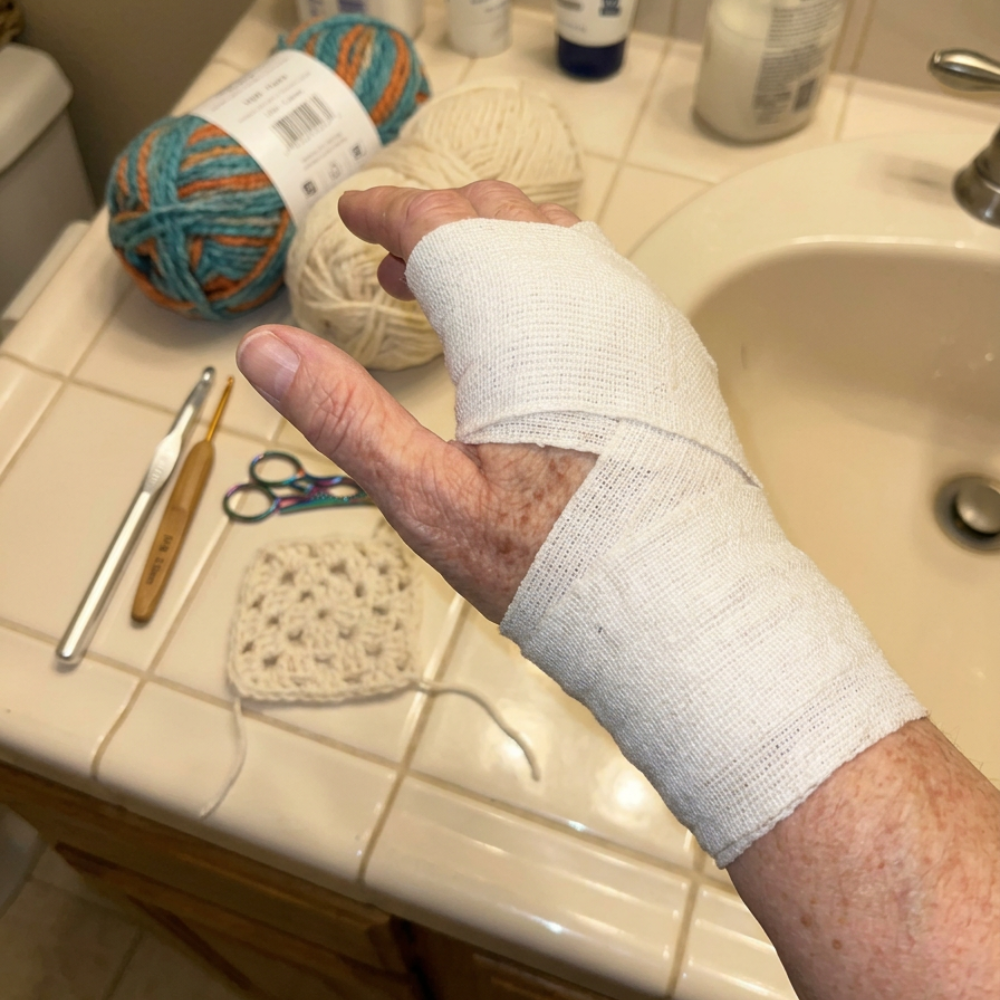
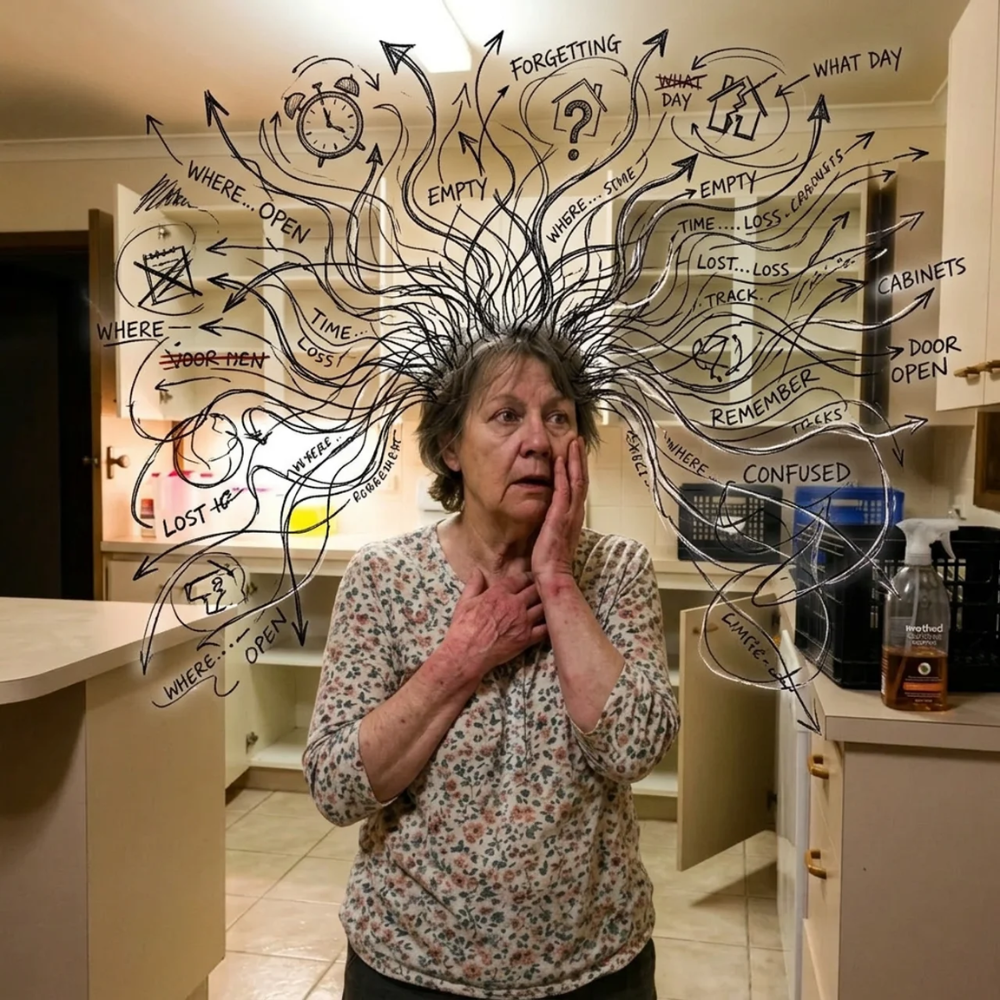
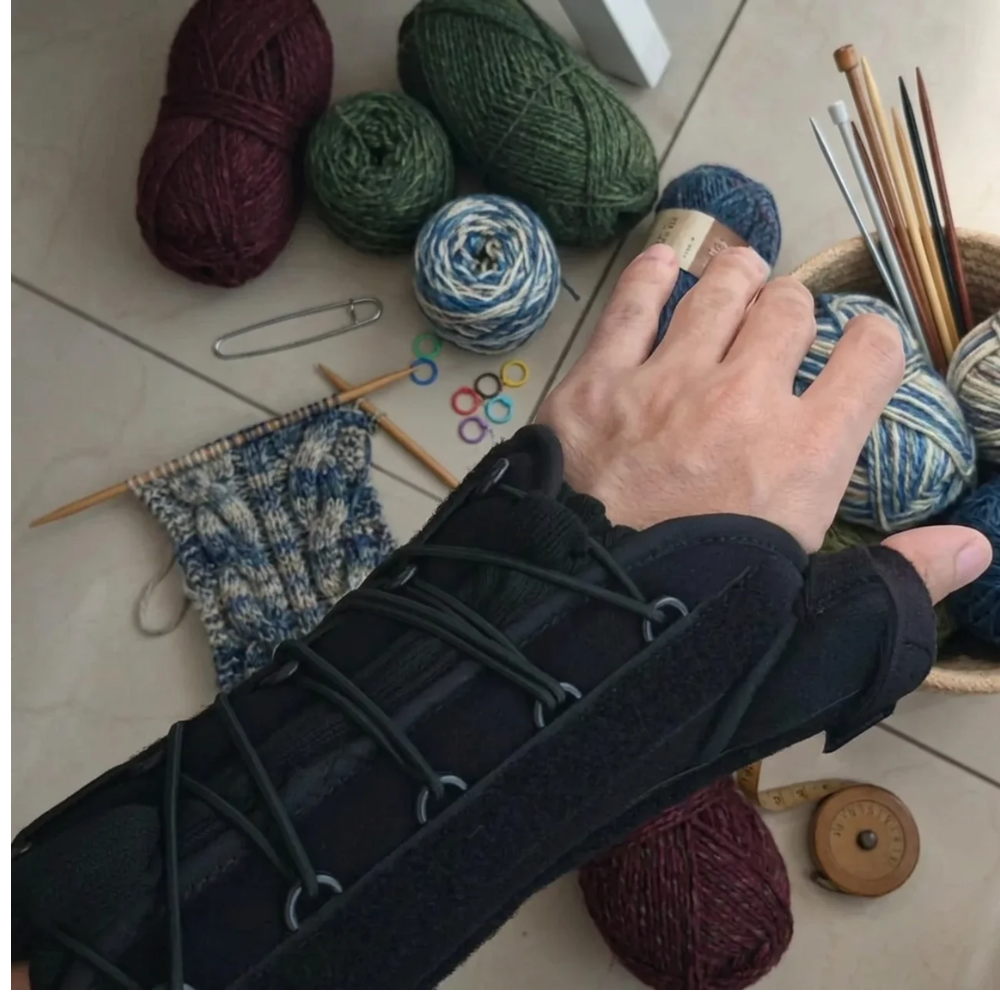
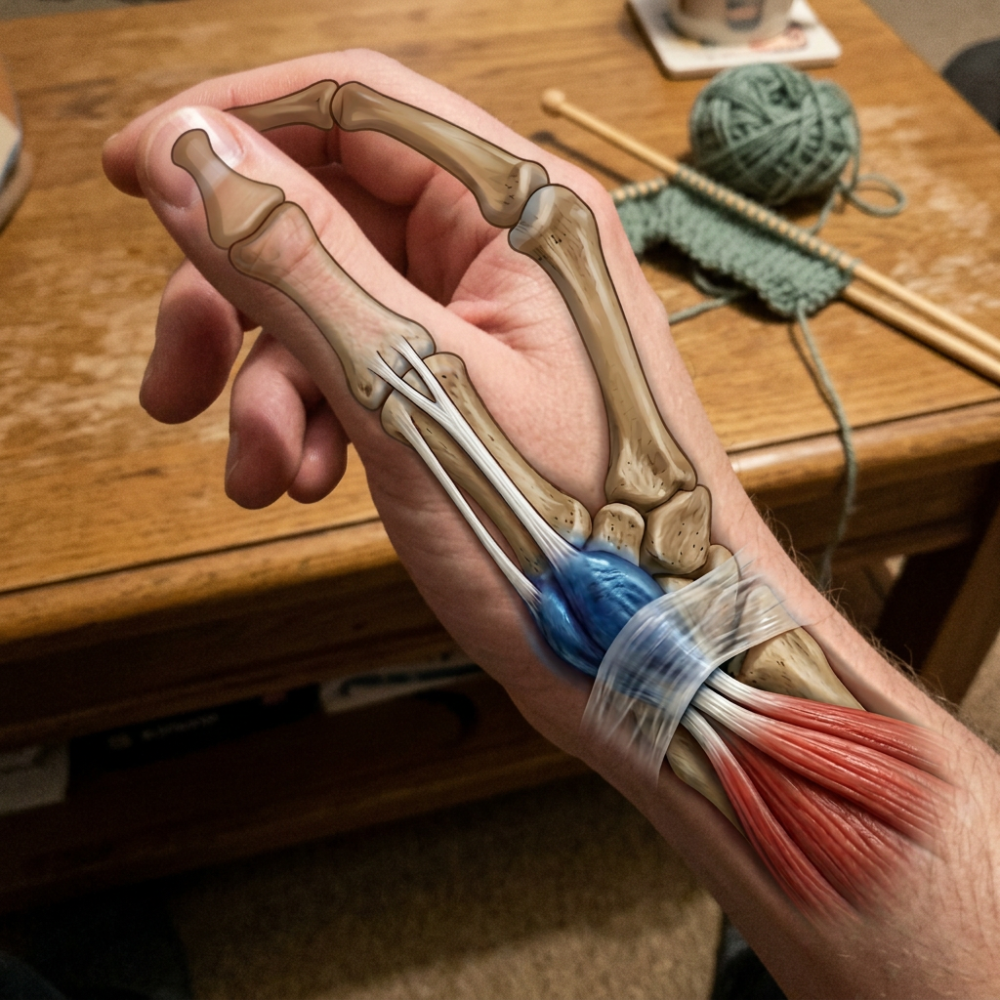
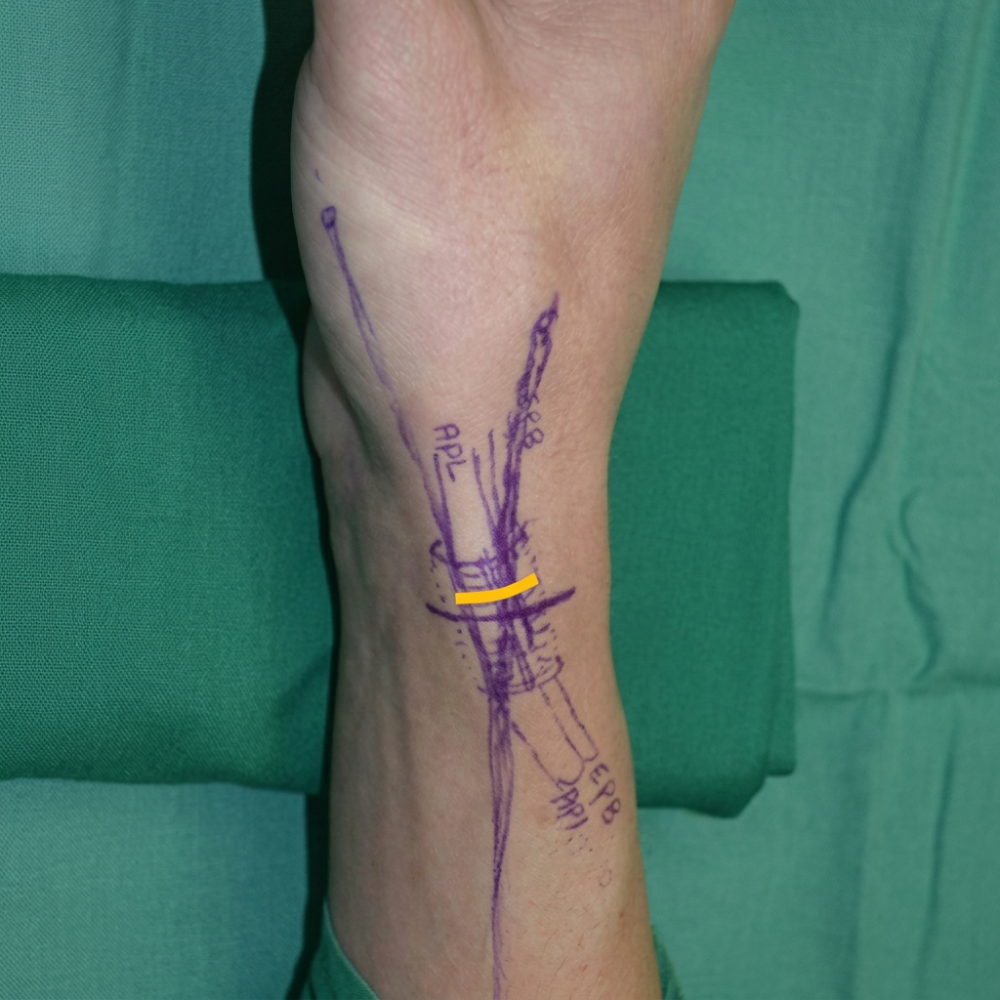
I haven’t knitted in four months. Last night I walked past my yarn closet, closed the door, and cried standing up in the hallway like a crazy person. I know this sounds dramatic. Believe me, I’ve told myself that a hundred times. “It’s just knitting. Get over it. People deal with real problems.” But if you’re someone who knits, really knits, not as a cute little pastime but as the thing that holds your nervous system together at the end of every day, then you already know this isn’t about yarn. Knitting was my off switch. The only one I had. After a long day, after a hard phone call, after the kind of afternoon where everything feels like too much, I’d sit down, pick up my needles, and within five minutes my brain would go quiet. The rhythm of it. The feel of the yarn moving through my fingers. That gentle clicking sound. It wasn’t just relaxing. It was the only thing that actually worked. Then about five months ago, I noticed a pain at the base of my right thumb. A dull ache that showed up during a long knitting session and didn’t go away when I stopped. I shook my hand out. Figured I’d overdone it. Went to bed and forgot about it. But it came back. Every session, a little sharper. A clicking feeling deep in the thumb, like the tendon was catching on something. Then a snagging sensation right where the thumb meets the wrist. Then it started spreading. My thumb would ache when I held a coffee mug. When I turned a key. When I reached for a glass of water in the middle of the night. I went to the doctor. He told me it was De Quervain’s tenosynovitis. Told me to rest. Gave me a rigid brace. Said to stop the repetitive motion that caused it. And unlike a lot of people, I actually listened. I stopped knitting completely. Not for a week. Not for a couple weeks. I stopped for four months. I wore the brace every night. I iced my thumb. I took the ibuprofen. I did the stretches I found online. I was a perfect patient. I did everything right. And I fell apart. Not all at once. That’s not how it works. It’s slow. The first week without knitting I felt restless. Like my hands didn’t know where to go. I’d sit on the couch in the evening and pick up my phone, put it down, pick it up again. Flip through channels. Get up and wander to the kitchen for no reason. I told myself it was temporary. By week three I realized I wasn’t just restless. I was sad. A heavy, formless sadness that I couldn’t explain to anyone without sounding ridiculous. My husband would look at me sitting in my chair doing nothing and say, “You okay?” and I’d say “I’m fine” because how do you explain to someone that not being able to knit is making you feel like you’re losing your mind? By month two I stopped going into my craft room. The sight of my yarn, my needles, my half-finished projects sitting exactly where I left them, it made my chest tight. I closed the door. Then I started avoiding that hallway. I know how that sounds. I know. I tried to replace it. Puzzles. Coloring books. Crosswords. My daughter suggested I try crochet with a different grip. I couldn’t. It all felt hollow. Like eating rice cakes when you’re starving. Technically you’re putting something in your mouth. But it’s not feeding you. The worst part is that the thumb pain was getting better. Slowly. The sharp snagging was fading. The clicking happened less. But I was terrified to test it. Because what if I picked up my needles and the pain came right back? What if four months of sacrifice was for nothing? What if I was healed enough for normal life but not healed enough for the one thing that actually mattered to me? That fear kept me frozen. Not the pain. The fear. One night around 1am I was doing what I’d been doing most sleepless nights. Scrolling. Reading. Searching for anything that might help me understand what was happening inside my hand and whether it was safe to go back. I’d already read every article about De Quervain’s that exists. Rest. Ice. Brace. Cortisone. Surgery if it’s bad enough. The same five things over and over. But that night I found something different. An occupational therapist had written a long explanation about why De Quervain’s keeps coming back in people who do repetitive hand work, even after they rest, even after the pain fades. And the way she described it made something click in my brain that no doctor or article had ever made click before. She explained that the two thumb tendons run through a small tunnel called a sheath right at the base of the thumb. When that sheath gets inflamed, it squeezes inward. The tunnel shrinks. And now those tendons can’t glide through cleanly. They drag and catch against the swollen walls every time you move your thumb. That’s the click. That’s the snag. That’s the pain. Rest reduces the inflammation. The tunnel opens back up. The pain fades. But here’s the part that hit me like a truck. The moment you go back to the repetitive motion without any support over that specific tunnel, the sheath inflames again almost immediately. Because the tunnel itself was never stabilized. You rested long enough for the swelling to go down, but nothing is holding that tunnel steady when the tendons start moving through it again. So the irritation starts over. The swelling comes back. And within days or weeks you’re right back where you started. That’s why it comes back. That’s why rest alone doesn’t fix it permanently. That’s why I was so terrified to pick up my needles, because deep down I already knew. I’d rested for four months and nothing had fundamentally changed about what would happen when I started again. Then she explained what actually works. Not immobilizing the whole wrist. Not squeezing the entire hand with compression gloves. Targeted, firm pressure directly over that specific tendon tunnel at the thumb base, so that when the tendons move, the sheath stays compressed and stable. The tendons glide instead of catching. No snag. No irritation. No inflammation cycle starting over. I stared at my phone screen in the dark and thought about every solution I’d tried. The rigid wrist brace that locked down my wrist but didn’t touch the thumb tunnel. The compression gloves that spread weak, even pressure across my whole hand. The KT tape that couldn’t hold firm pressure over one small spot. Not a single thing I’d used in four months had ever targeted the actual location of the problem. I found a compression sleeve designed specifically for this. Not a brace. Not a glove. A sleeve that wraps the thumb base with focused compression directly over the De Quervain’s tendon sheath while leaving the fingers and wrist free to move. I ordered it at 1:47am. I know the exact time because I screenshot the confirmation to remind myself I’d actually done it. When it arrived I sat in my chair for ten minutes before putting it on. I’m not exaggerating. I was scared. Not of the sleeve. Of picking up my needles and feeling that click again and knowing it was over. I put the sleeve on. Picked up the scarf I’d abandoned four months earlier. Cast on. Five minutes. No click. No snag. Ten minutes. My thumb moved smoothly. The yarn flowed. The rhythm came back like it had never left. Fifteen minutes. I was crying. Not from pain. I was crying because my hands were doing the thing again. The thing that makes my brain go quiet. The thing that makes me feel like myself. And it didn’t hurt. I knitted for twenty-five minutes that first night and stopped because I was shaking from the relief, not from the pain. The next night I did thirty minutes. Then forty. Then a full hour. I wore the sleeve every single session. The snagging never came back. The clicking never came back. Last weekend I opened my craft room door for the first time in months. I pulled out the half-finished baby hat I’d been avoiding. I sat down and I finished it. I’m writing this because I know exactly how it feels to be on the other side of that closed door. To have this thing you love, this thing that keeps you sane, sitting ten feet away from you and feeling like it’s gone forever. To have followed all the rules and done everything right and still be terrified that it won’t be enough. The problem was never that I knitted too much. And rest alone was never going to fix it permanently. The problem was that nothing I tried was supporting the one tiny spot where the damage actually happens. Once I understood that, everything changed. Four months I lost. Four months of empty hands and closed doors and that heavy, sad feeling I couldn’t name. I’m not getting those months back. But I’m not losing any more of them either. I put the link below. Not because I’m trying to sell you anything. Because I wish someone had told me this at month one instead of month four. Your hands are waiting for you. Don’t make them wait as long as mine did.
Like this ad? Make it yours.
Crush rebuilds this exact creative around your product — your brand, your colors, your offer — in about a minute.