
Inactive· since Jan 29, 2026
- 16
- days it ran
- 0
- relaunches
Ad copy
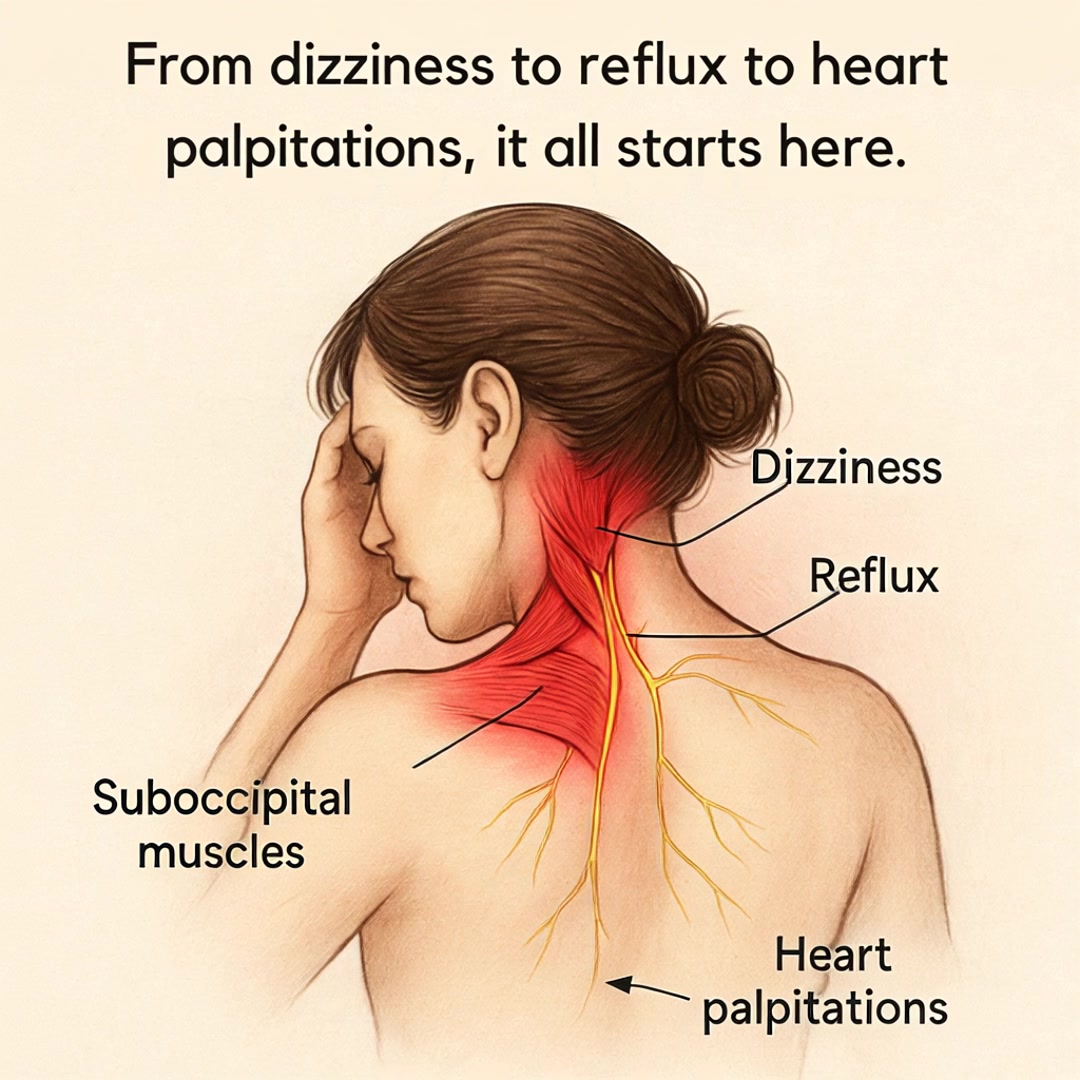
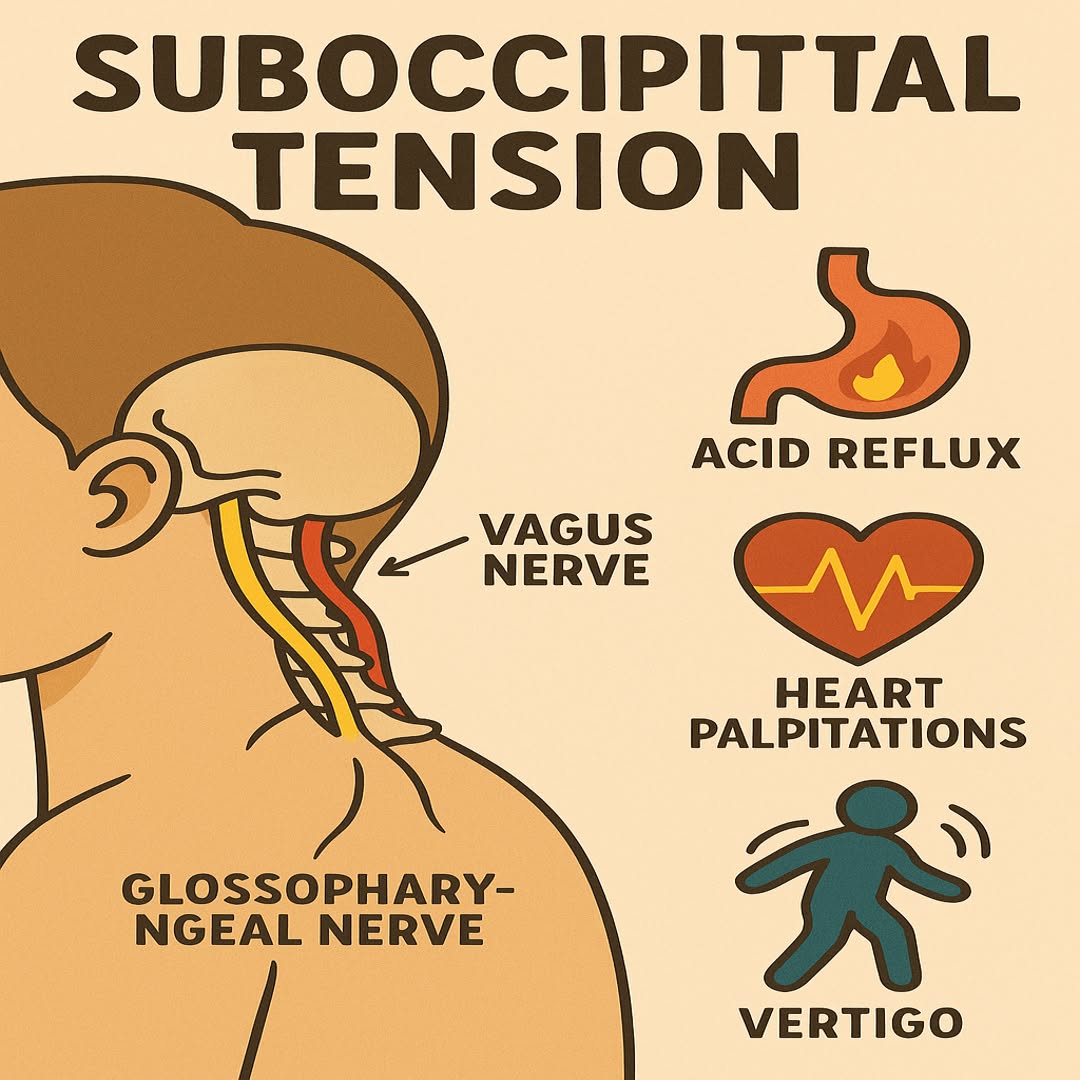
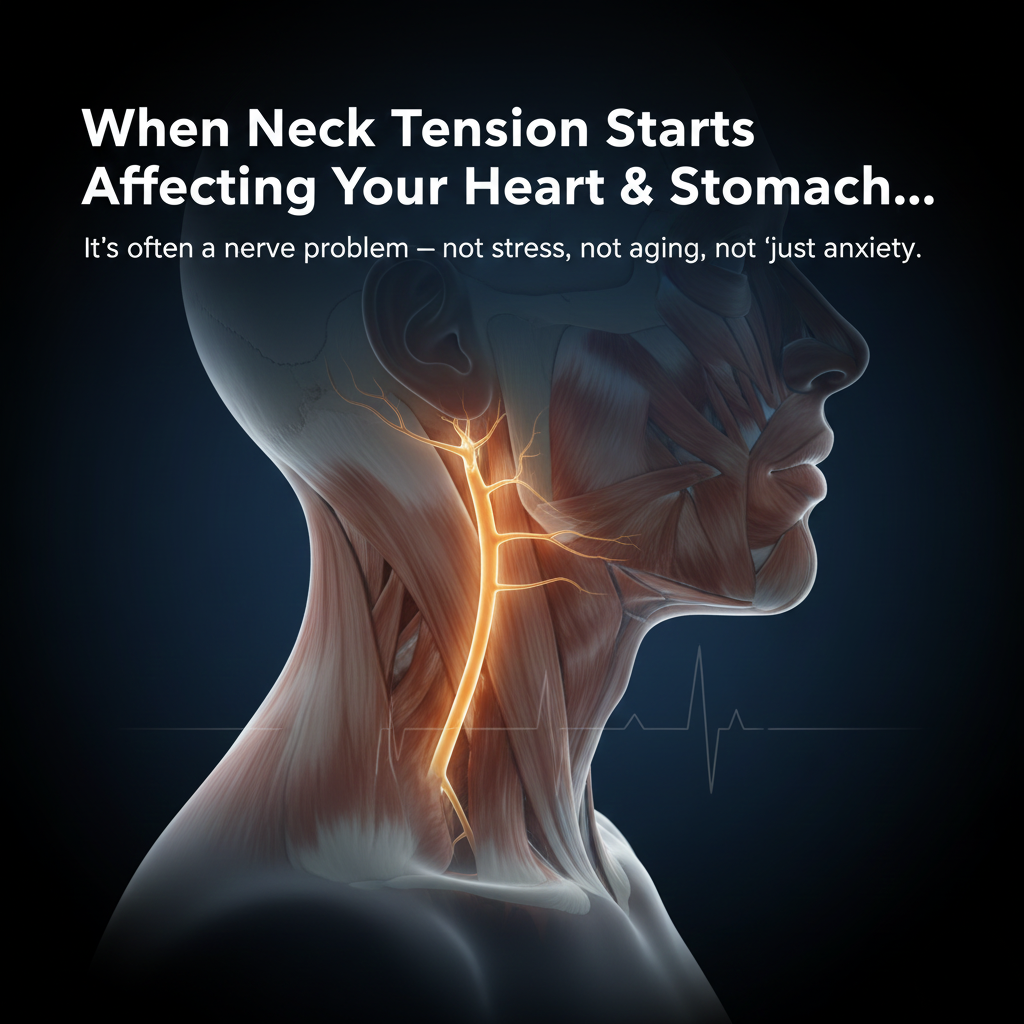
This patient didn’t come alone. She brought her sister, not for support, but as proof. Proof that she wasn’t imagining it. Proof that she wasn’t exaggerating. Proof that the dizziness, the reflux, the racing heart, the crushing neck pain… were real. And the moment I understood why she felt the need to do that, it was obvious something had gone very wrong, not with her body, but with the system meant to help her. Her name was Sarah. 41 years old. Project manager. Organized. Analytical. The kind of person who tracks symptoms, follows instructions, and avoids drama. Yet after more than a year of appointments, scans, and “normal” results, she had started doubting herself. “Everyone keeps telling me my tests are fine,” she said quietly. “But my body doesn’t feel fine. So either I’m missing something… or I’m losing my mind.” She described the symptoms carefully, the way people do when they’re afraid of sounding dramatic: – Constant neck pain and deep headaches that never fully leave – Sudden waves of dizziness that make it hard to stand – Acid reflux that appears without warning – Heart palpitations that spike for no clear reason Different systems. Different symptoms. And every time, the same conclusion: Your MRI is normal. Your heart tests look good. There’s nothing structurally wrong. Maybe it’s stress. She didn’t say it out loud, but the message had already landed. Because when the system says “everything looks normal,” people hear something very different: We don’t believe you. Later that night, I reviewed her imaging again. Not looking for herniated discs or bone damage, those had already been ruled out. This time, the focus was somewhere most scans and most conversations never go. The suboccipital region. The small, deep muscles at the base of the skull. The narrow passage where the vagus nerve and glossopharyngeal nerve exit the brainstem. Nothing dramatic showed up. No surgical emergency. No obvious structural failure. But there was something important. Those suboccipital muscles were locked in chronic tension, a constant protective contraction. And the nerve pathways beneath them were crowded, irritated, compressed. That’s when the pattern finally made sense. Because when those nerves are trapped, symptoms don’t stay in the neck. The vagus nerve influences digestion, heart rhythm, and autonomic balance. The glossopharyngeal nerve plays a role in throat sensation, blood pressure regulation, and reflex control. Compress them long enough, and the body doesn’t collapse all at once, it unravels quietly. Reflux without a digestive cause. Palpitations without heart disease. Vertigo without inner-ear damage. Headaches and neck pain that never truly resolve. All while scans keep coming back “normal.” When this was explained to her, clearly, mechanically, without dismissing her experience, her reaction wasn’t fear. It was relief. “So I’m not crazy?” she asked. No. Her body had been sending signals that the tests weren’t designed to capture. Standard imaging looks for big structural problems. It doesn’t assess nerve irritation. It doesn’t evaluate chronic muscle tension patterns. It doesn’t show how prolonged suboccipital compression can disrupt autonomic signaling. And when those explanations are missing, people start questioning themselves. That’s where the conversation shifted to what actually helps. Not more medication. Not being told to “relax.” Not learning to live with it. What helps is reducing pressure at the base of the skull, restoring space, calming irritated nerves, and allowing normal signaling to return. That’s exactly why Vitality’s MagicPro 2.0 exists. Not as a miracle. Not as a cure-all. But as a tool designed for this specific kind of dysfunction. Gentle cervical traction. Targeted muscle stimulation. Therapeutic heat. Used consistently, it helps unload the suboccipital region, the very area standard care often overlooks. Weeks later, the changes were noticeable. Vertigo episodes became less frequent. Reflux stopped disrupting sleep. Palpitations softened instead of spiking. And for the first time in over a year, her neck no longer felt like it was bracing for impact all day. “I’m not completely better yet,” she said. “But now I understand what’s been happening. And that alone changed everything.” If you’re reading this because: – Your neck pain won’t go away – Your symptoms don’t seem connected, but they keep showing up together – Your tests are “normal,” but your life is anything but – You’ve been told it’s anxiety, stress, or something you just need to tolerate You need to hear this clearly: Your pain is real. Your symptoms are real. And the absence of answers does not mean the absence of a problem. Often, it means the problem sits in a place that isn’t examined closely enough, at the base of the skull, where tension and nerves collide. Understanding that is the first step. Addressing it is the next. You’re not exaggerating. You’re not imagining this. And you’re not broken. And you don’t have to keep doubting yourself while waiting for someone else to believe you. https://blog.myvitality.store/SB3
When Neck Tension Traps Key Nerves, Symptoms Spread... Read This.
Try It Risk-Free for 90 Days
LEARN MORELike this ad? Make it yours.
Crush rebuilds this exact creative around your product — your brand, your colors, your offer — in about a minute.