Dr. Robert Mitchell
Dr. Robert Mitchell Facebook ad: “81 Years Old, Moved Like He Was 25”
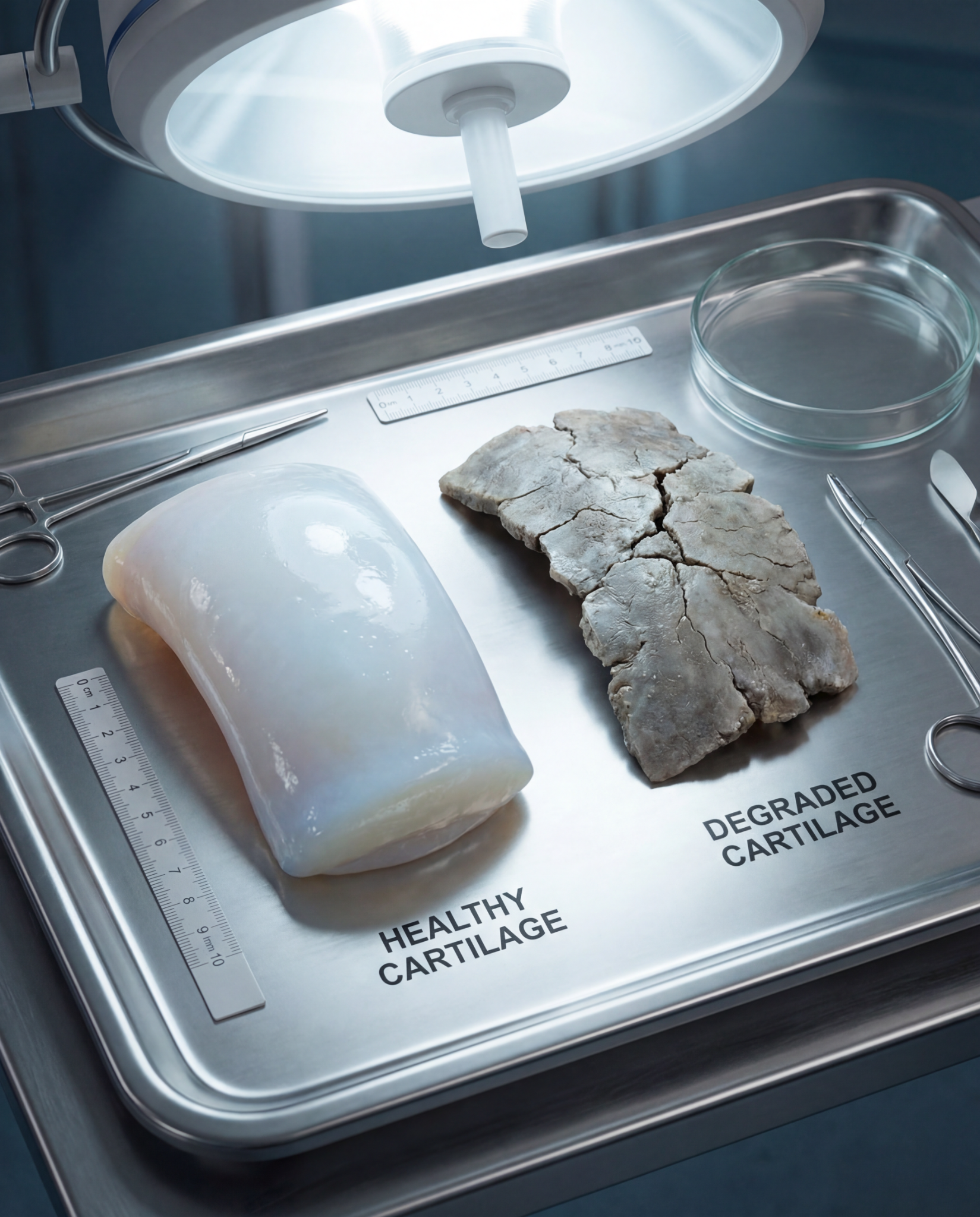
Ran for 65 days, from January 16 to March 22, 2026, the last day Crush saw it.
Run by Dr. Robert Mitchell on Facebook. Crush is not the advertiser and does not verify its claims. See this ad in Meta's Ad Library(opens in a new tab)
Want an ad like this for your product?
Crush makes new ad images for your product from this ad: your logo, your product photo, your offer.
Trials from $19.95 USD, then $79.95 USD a month. Cancel anytime.
About this ad
- Meta Ad Library ID
- 1612634686580752
- Platforms
- Facebook, Instagram, Audience Network, Messenger and Threads
- Relaunches
- 0
Ad text
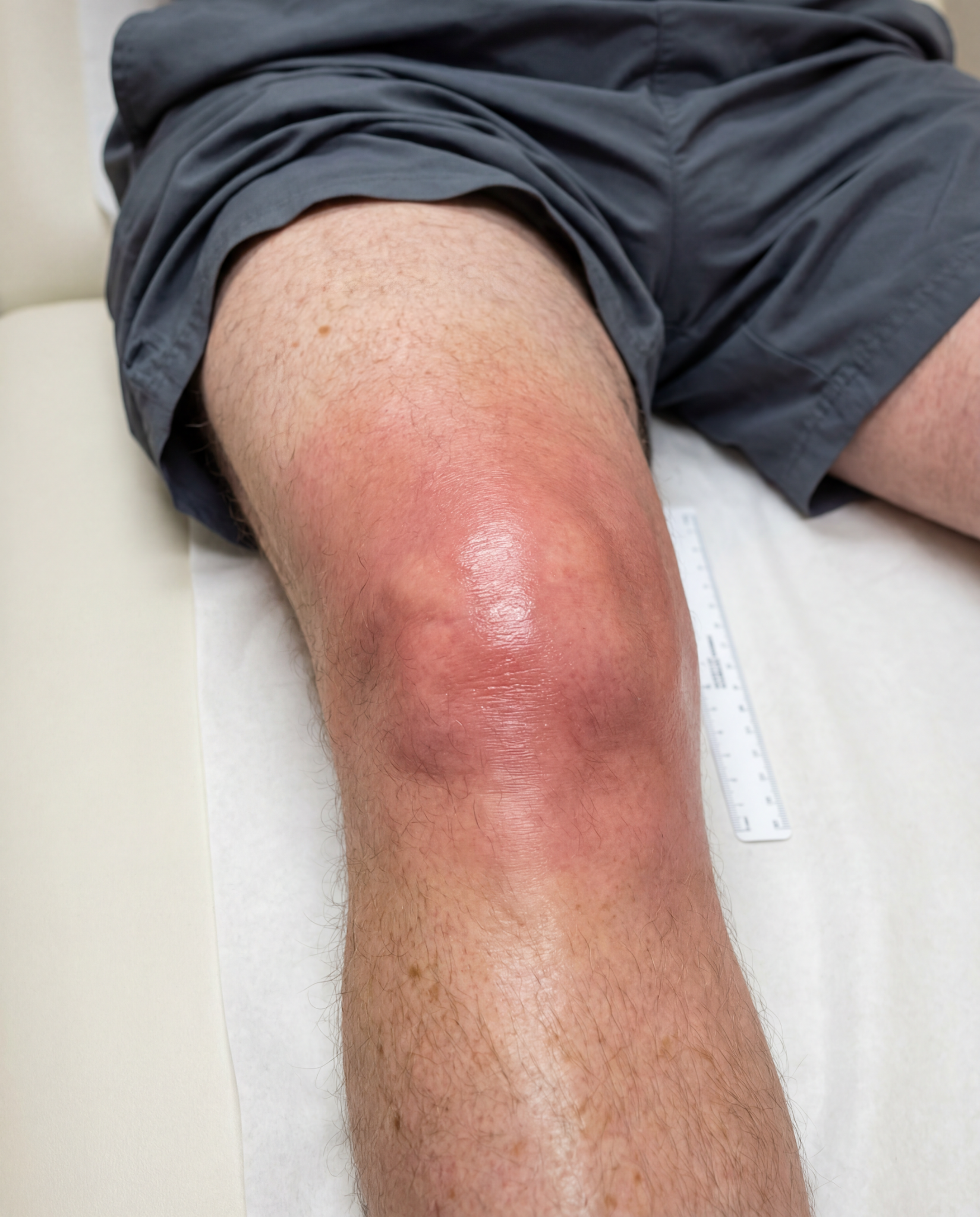
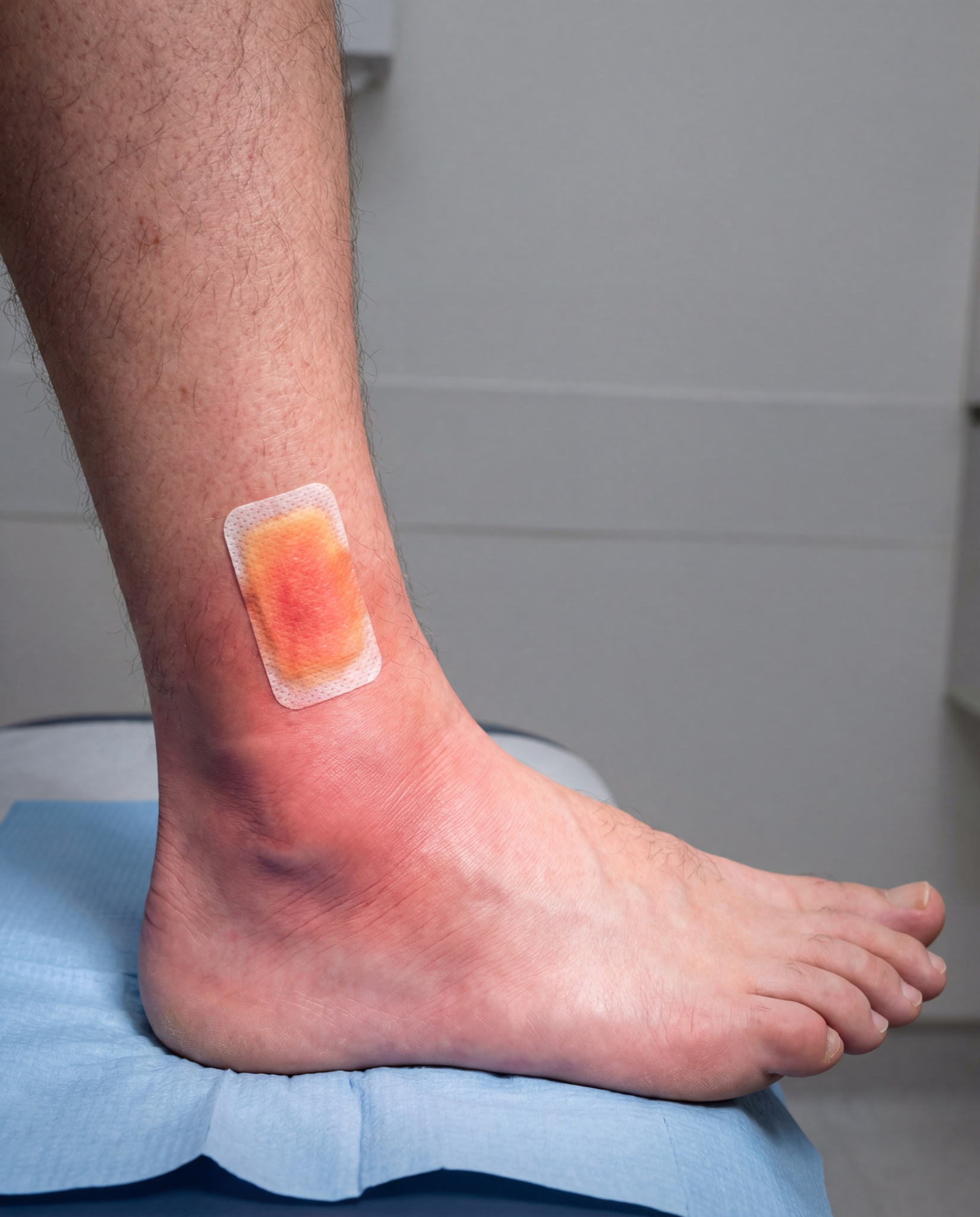
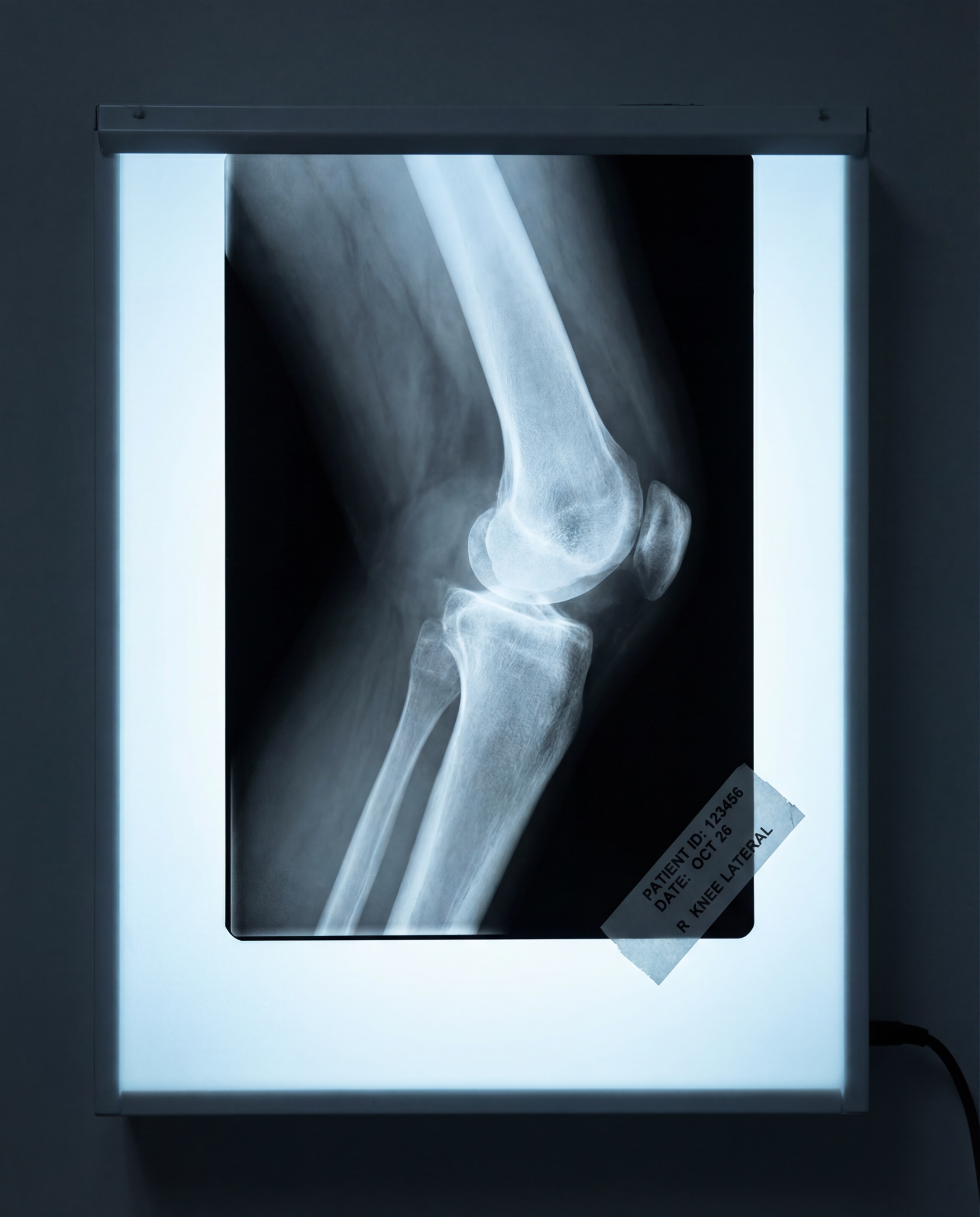
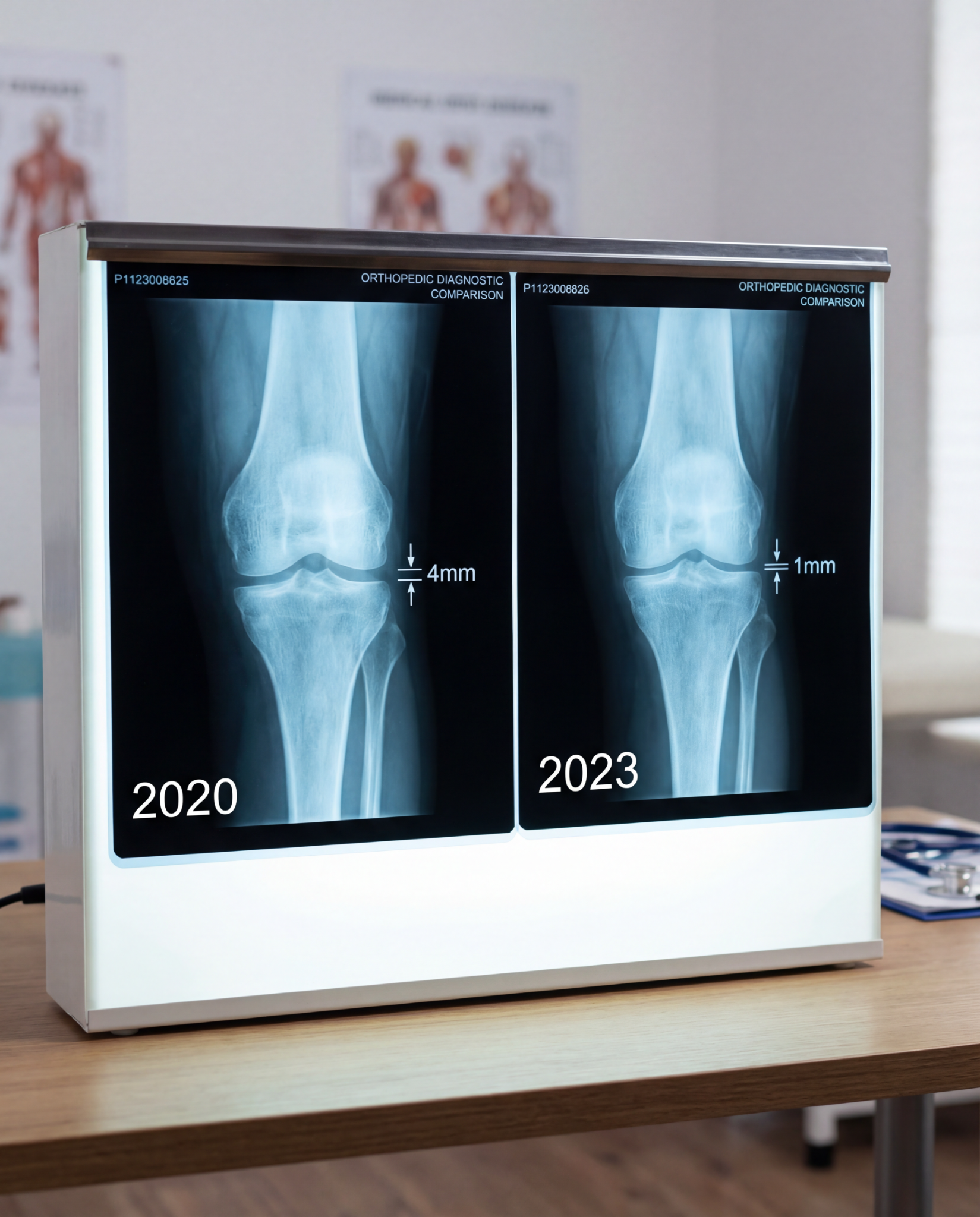
I'm an orthopedic specialist. I've been treating joint problems for 23 years. And for most of that time, I told my patients the same thing every orthopedic surgeon tells their patients: "Your cartilage is wearing out. It's part of aging. We can manage the pain, try some injections, maybe physical therapy. When it gets bad enough, we'll look at replacement surgery." That was the script. That was what I learned in medical school. Until I saw a video that made me question everything. It was April 2015. A colleague sent me a clip from a health conference in Dearborn, Michigan. An 81-year-old herbalist named Dr. Sebi was on stage teaching about natural healing. Mid-sentence, while making a point, he just... dropped to his knees. Not carefully. Not with a hand on something for support. He dropped like an athlete. Like someone in their 20s. Stayed down there. Made his point. Then popped back up. Effortless. No wince. No grunt. No hands pushing off the floor. I watched that clip three times. Because earlier that same day, I'd seen a 45-year-old patient—former college athlete, still in decent shape—who couldn't kneel to tie his shoes without sharp pain. I'd told him the same script: "Cartilage degradation. Part of aging. Let's try a cortisone shot." But if an 81-year-old could move like that, what was I missing? I started paying attention differently. Not just to what the X-rays showed. But to what my patients were actually experiencing. Almost every man over 40 who came into my office described the exact same morning routine: Sitting on the edge of the bed for 5-10 minutes before standing. Walking stiff-legged to the bathroom, waiting for things to "warm up." Holding the railing going downstairs. Always. Avoiding activities that required kneeling or squatting. And every single one of them thought this was normal. Because I—their doctor—had confirmed it: "Just part of getting older." But was it? If Dr. Sebi at 81 wasn't experiencing it, then what was different? I started researching outside traditional orthopedic literature. And I found something that changed how I practice. Your cartilage isn't wearing out. It's drying out. Let me explain. Cartilage—the cushion between your bones—is approximately 80% water. That water IS the cushion. That water is what allows smooth, pain-free movement. But water doesn't just sit in cartilage tissue on its own. It needs minerals to hold it there. Specifically: iodine, potassium, calcium, magnesium, and silica. These minerals create the osmotic pressure and structural matrix that keeps water locked in the cartilage. Without adequate minerals, water can't stay in the tissue. The cartilage shrinks. Dehydrates. Loses its cushioning capacity. And eventually, you get bone grinding on bone. That grinding—that's what my patients were feeling every morning. Not inevitable wear and tear. Cellular dehydration from mineral depletion. Then I found the part that made me angry: Modern food has 30-50% fewer minerals than it did 50 years ago. Industrial farming. Pesticides. Over-farming the same soil without allowing it to regenerate. The soil is mineral-depleted. So even if you're eating "healthy"—even if you're doing everything right—your food isn't delivering what your joints need. A carrot grown in 1950 had significantly more magnesium, calcium, and iron than a carrot grown today. The food looks the same. Tastes the same. But it's nutritionally hollow. Your cartilage has been slowly dehydrating for years. And we—the medical establishment—have been calling it "aging" instead of recognizing it as nutritional deficiency. That's when I started looking at where minerals still exist in nature. The ocean. Specifically, the ocean floor where mineral-rich volcanic rock meets seawater that's been mineralized for millions of years. Sea moss—Irish moss, Chondrus crispus. It grows on rocks in cold Atlantic waters. It absorbs minerals directly from that environment. 92 of the 102 minerals the human body requires. Including the five critical minerals cartilage needs to retain water. This was what Dr. Sebi had been teaching for 40 years. This was what kept him moving like that at 81. And this was what modern orthopedics had completely ignored. I started recommending it to select patients. The ones who were facing surgery but wanted to try everything else first. The ones who were young enough (40s-50s) that I thought rehydration was still possible. Traditional sea moss preparation is difficult—soaking dried seaweed, blending it into gel, dealing with the ocean taste. Most patients quit within two weeks. Then I found a 16-in-1 sea moss gummy formulation. It combined the three ocean plants Dr. Sebi always recommended—sea moss, bladderwrack, and burdock root—with 13 other ingredients that support joint health: Turmeric and black pepper for inflammation and absorption. Ashwagandha to reduce cortisol (stress accelerates cartilage breakdown). Ginger for circulation. Black seed oil for tissue repair. Vitamin D3 for bone-cartilage interface health. All the ocean minerals, plus targeted joint support compounds, in one daily gummy. This, my patients would actually take consistently. I started tracking results over 12 weeks: Weeks 1-2: Most patients reported no noticeable change. Week 3-4: About 60% reported subtle improvements. "I realized I walked to my car without thinking about my knees." Week 6: Range of motion started improving. Average increase of 8-12 degrees in knee flexion. Week 8: Pain scores dropping significantly. Patients stopped taking ibuprofen daily without consciously deciding to. Week 10: Activities they'd been avoiding—kneeling, squatting, stairs—becoming manageable again. Week 12: Follow-up X-rays showing increased joint space in approximately 70% of patients. Maybe 0.5-1mm—but measurable. That's water returning to the cartilage matrix. This was structural rehydration. One patient I'll never forget: 47-year-old contractor. Name was Tom. He'd been sitting on the edge of his bed every morning for 15 minutes before he could stand without pain. He'd stopped taking jobs that required kneeling—which eliminated half his income potential. His X-rays showed "bone-on-bone" contact. Classic surgical candidate. But he was terrified of surgery. Wanted to try anything else first. I gave him the protocol. Three months later, he came into my office and, without thinking, knelt down to tie his shoe. Looked up at me mid-knot and his face just... changed. "I haven't done that in four years," he said. We took new X-rays. Joint space had increased. Not massively. But enough. Enough that water was back in the cartilage. Enough that he was back on job sites. Enough that he avoided surgery. I'm not saying everyone can avoid surgery. If you have severe structural damage—torn meniscus, ligament damage, advanced osteoarthritis with bone spurs—you may still need surgical intervention. But if your primary issue is cartilage dehydration from mineral depletion? You have options before going under the knife. Here's what I wish more orthopedic surgeons understood: Your cartilage is 80% water. Water requires minerals to stay in cartilage tissue. Modern food doesn't provide adequate minerals anymore. So cartilage dehydrates. But if you restore the minerals—if you give the body what it's been missing—rehydration is possible. The patients who respond best: Men 35-55 experiencing: Morning stiffness lasting 10+ minutes Needing to hold railings on stairs Avoiding kneeling or squatting Daily NSAID use Declining physical activities they used to enjoy X-rays showing "mild to moderate" cartilage loss These are the cases where mineral repletion can make a significant difference. Why am I sharing this? Because I saw an 81-year-old drop to his knees effortlessly, and it made me question everything I'd been taught about "inevitable degeneration." Your joints aren't necessarily broken. They might just be thirsty. The 16-in-1 formulation I recommend to my patients is from Natural Rems. It's the only one I've found that combines the ocean mineral base (sea moss, bladderwrack, burdock) with the targeted anti-inflammatory and absorption-enhancing compounds that make it actually work. One gummy daily. That's the protocol. I don't sell it. I don't profit from it. I recommend it because I've seen it work in my practice. And I've seen men avoid surgery because of it. If you're experiencing progressive joint stiffness and pain, and you're being told "it's just aging," consider this: Maybe it's not aging. Maybe it's mineral starvation. And maybe—just maybe—you can rehydrate what's been drying out. This is the formulation I recommend: https://naturalrems.com/pages/sea-moss-gummies Dr. Robert Mitchell, MD Board-Certified Orthopedic Specialist
Where the ad sends people
naturalrems.com
81 Years Old, Moved Like He Was 25
As an orthopedic surgeon, I used to tell patients joint pain was inevitable. Then I saw something that changed how I practice medicine.
Learn more: naturalrems.com(opens in a new tab)