
Inactive· since May 3, 2026
- 19
- days it ran
- 0
- relaunches
- 1,799
- EU reach
Ad copy
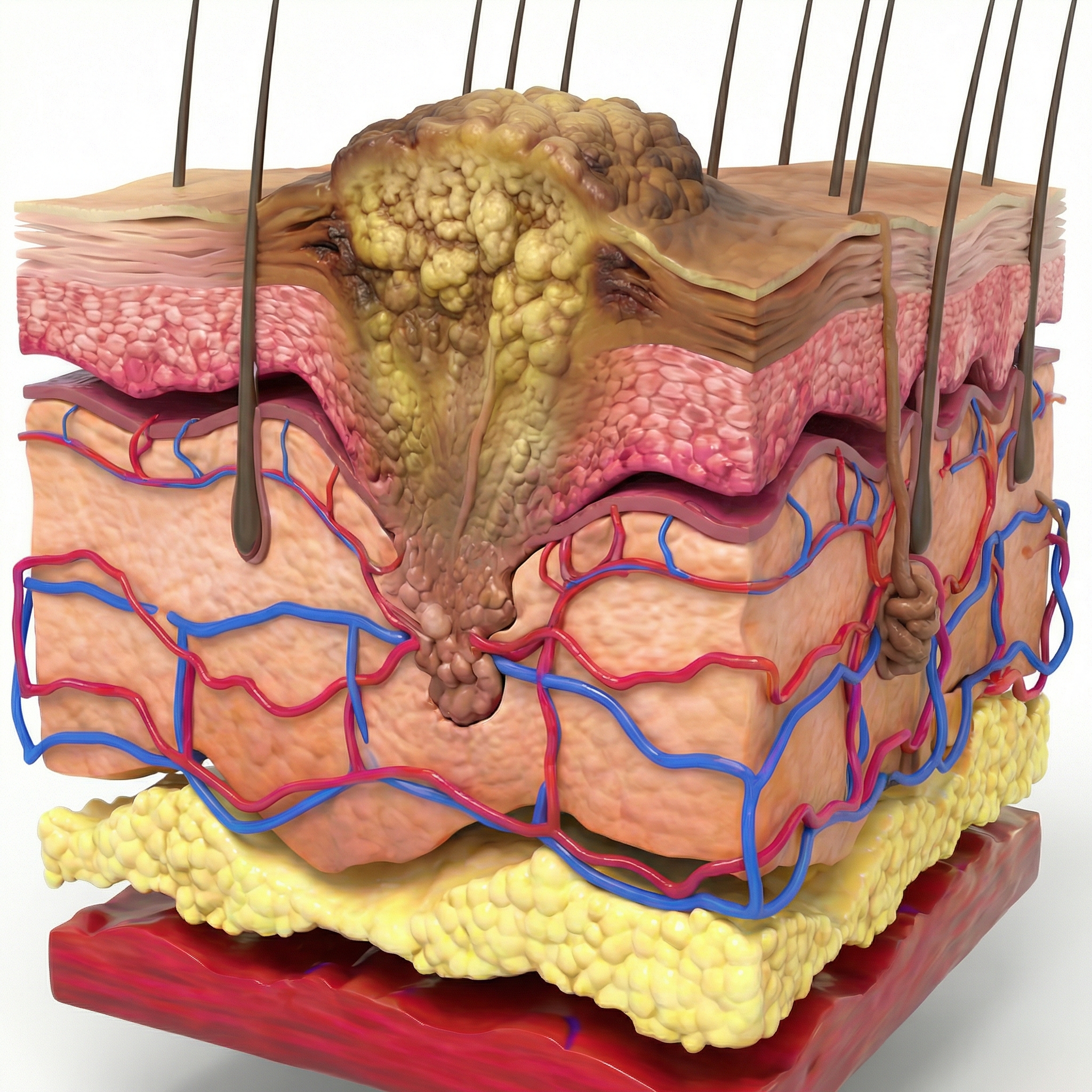
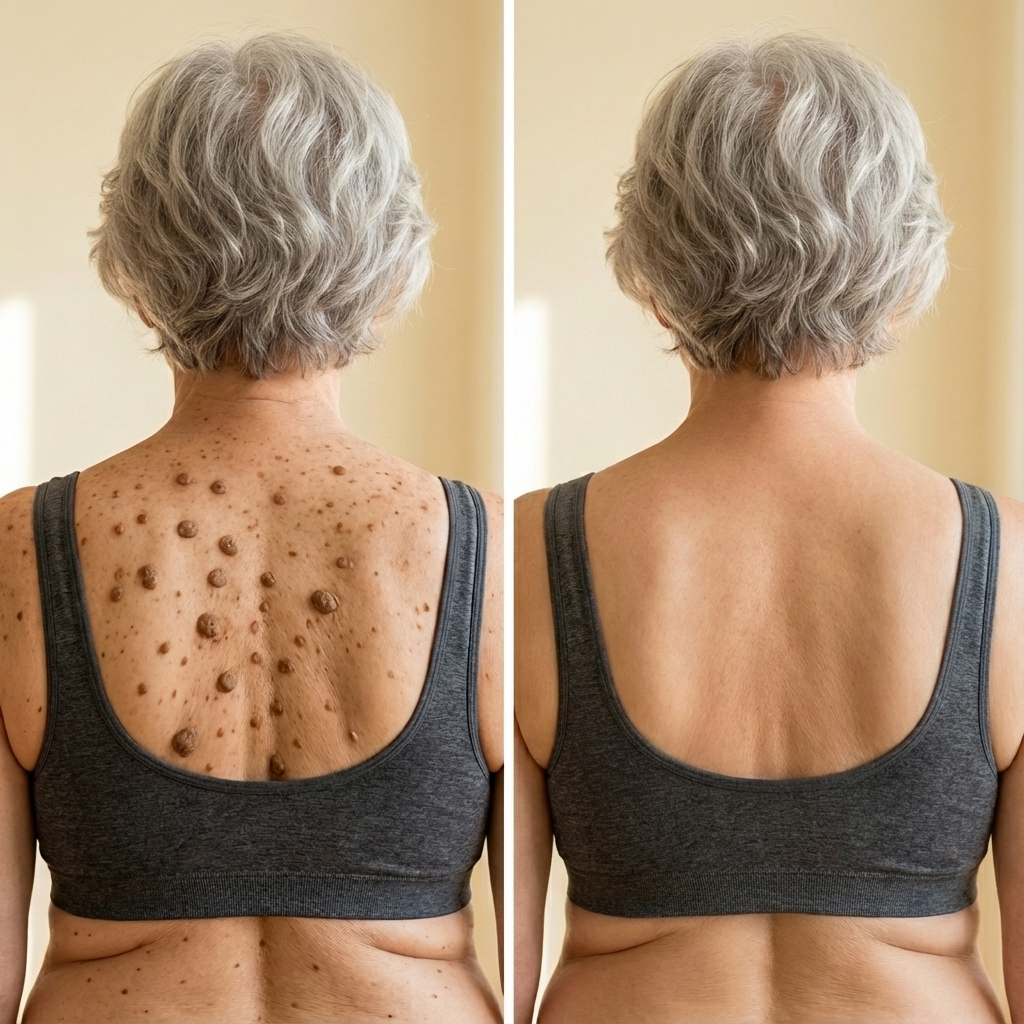
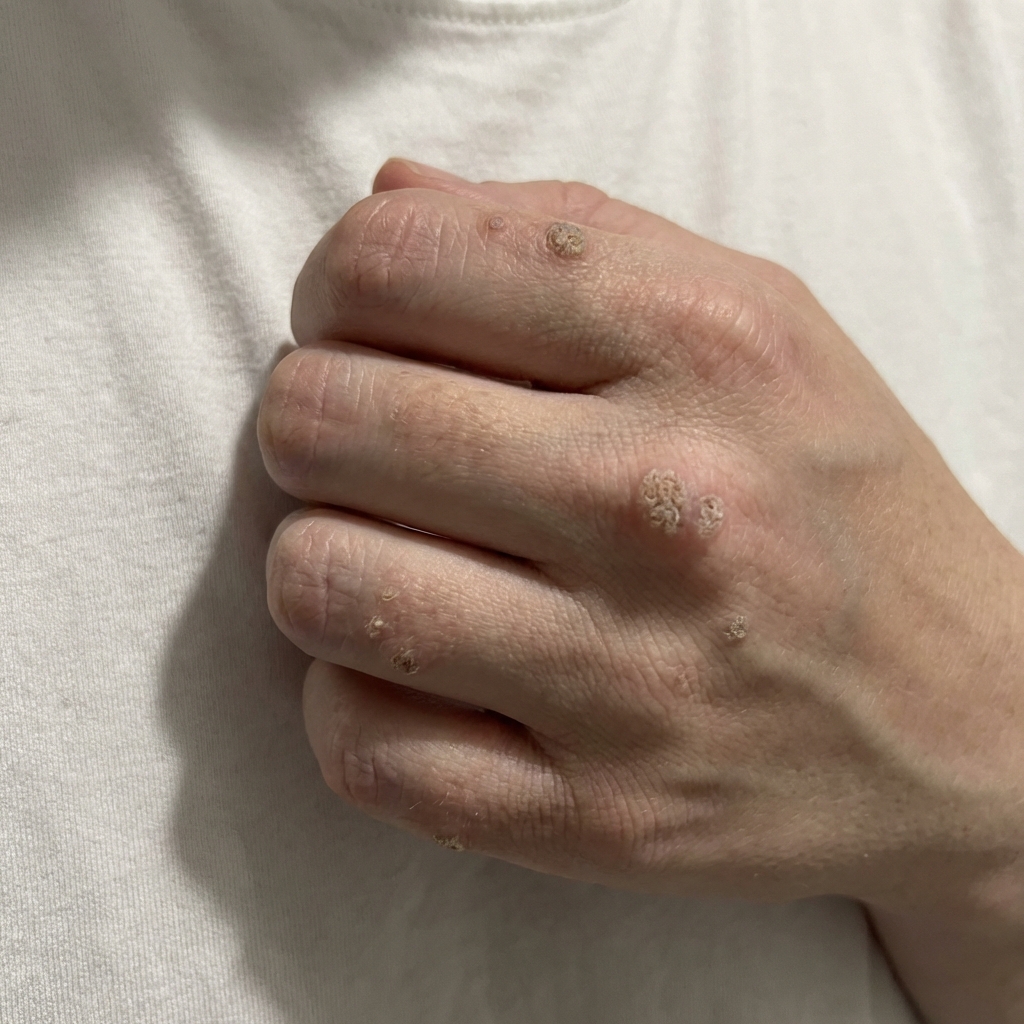
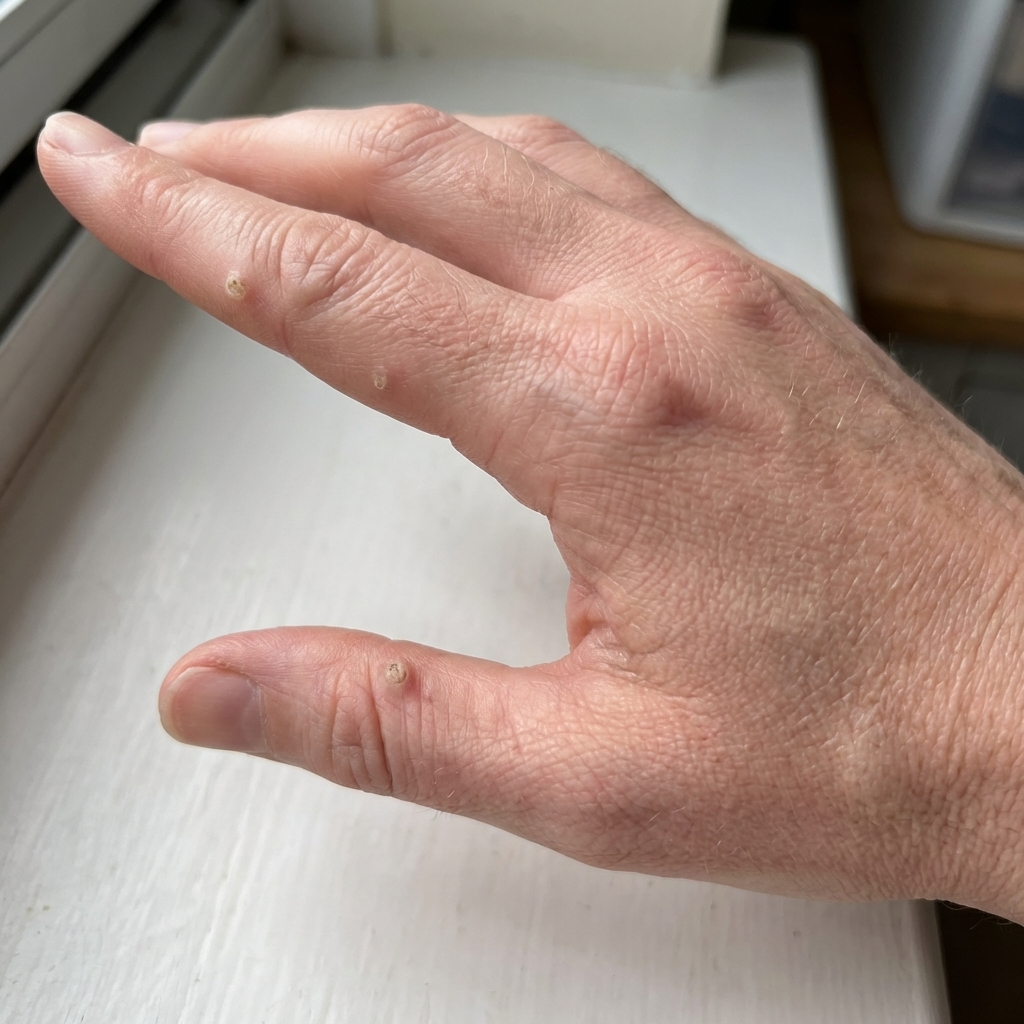
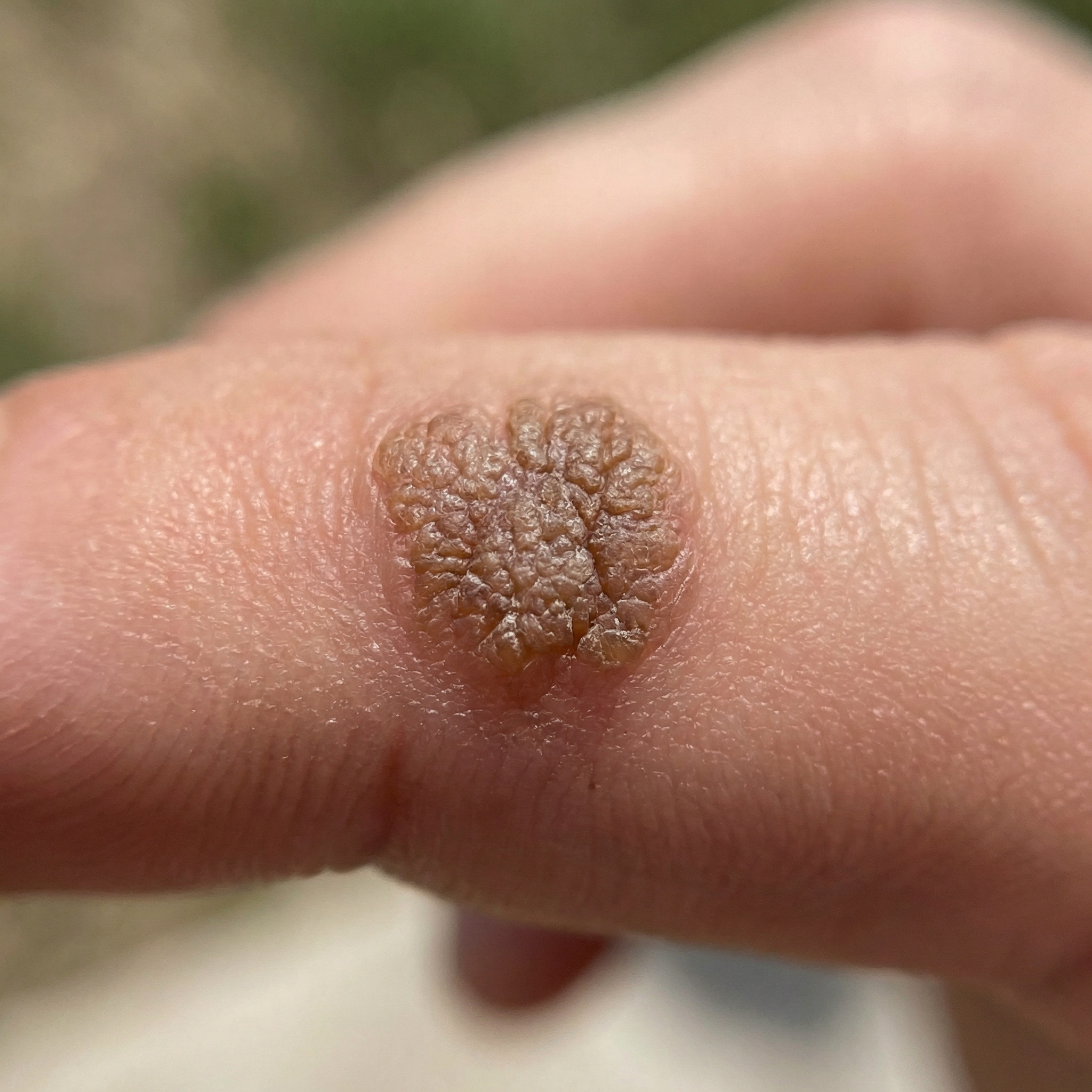
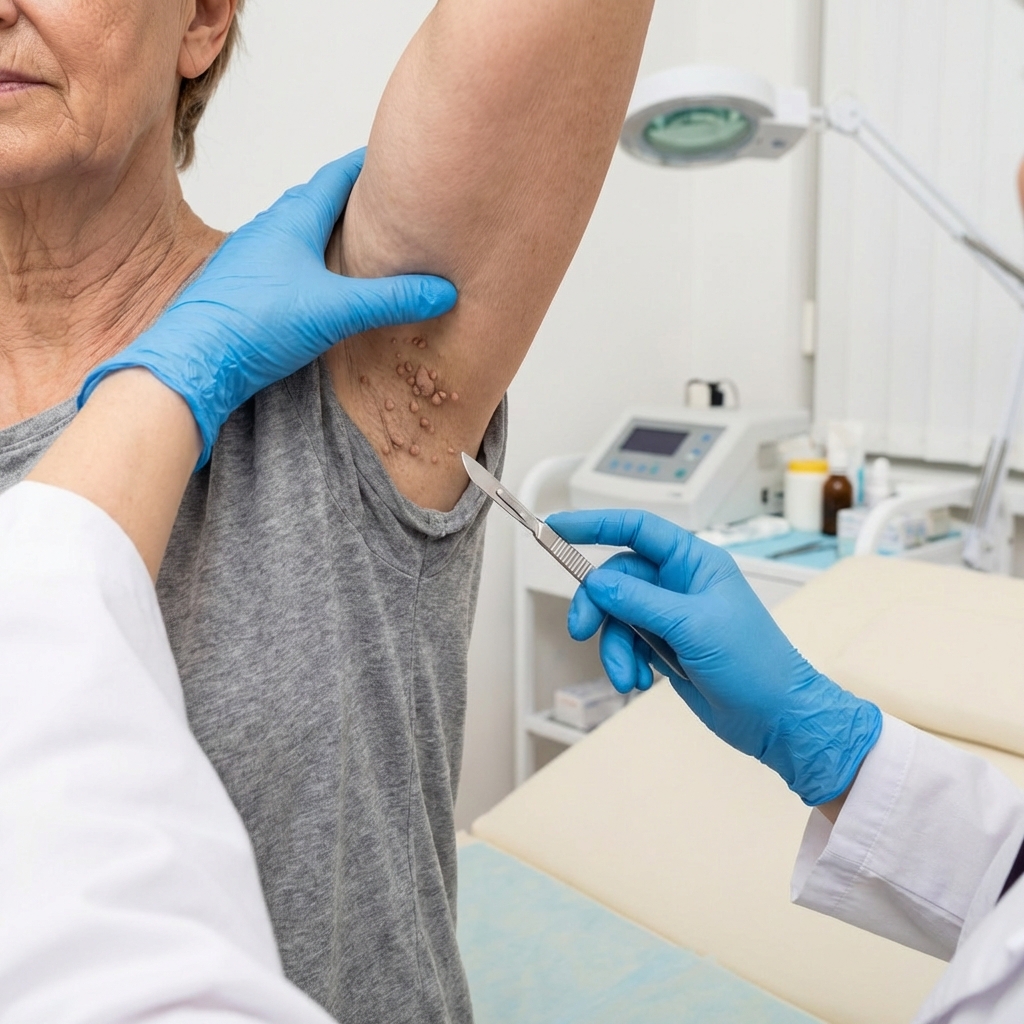
If you've got skin tags that won't go away... And you've tried tying them off with dental floss, snipping them with nail scissors, freezing them with one of those Boots kits, dabbing them with apple cider vinegar at 3am because some woman on TikTok swore it worked… And they're STILL there — and worse, more keep showing up… I'm about to tell you exactly why nothing has worked, what's actually happening underneath your skin that nobody explains, and why the one thing that finally got rid of my mum's skin tags after YEARS of suffering cost less than a Nando's. And by the end of this, you're going to be annoyed. Because there are three things happening right now: One — Your skin is trying to tell you something, and every "treatment" you've tried has been ignoring it. Two — The reason skin tags keep coming back (and multiplying) has nothing to do with hygiene or bad luck. Three — There's a reason the methods your GP recommends have a shocking failure rate — and it's not because your skin is "difficult." So let me tell you what happened with my mum, because her story is going to change how you think about this completely. My mum is 54. She's a normal woman. Works part-time, walks the dog, does her gardening. She's not vain. She's never been the type to obsess over her appearance. But for about four years, she had these skin tags on her neck. A cluster of about five down the side of her neck, just under her jawline. Two more in her armpit. A few smaller ones starting to appear under her bra strap. At first she ignored them. "They'll go away on their own," she said. That's what the internet told her. That's what her GP told her. "Skin tags are completely harmless. They're cosmetic. The NHS won't remove them." Cosmetic. So she waited. And waited. And they didn't go away. They MULTIPLIED. The ones on her neck started catching on her necklace. She'd pull a jumper over her head and one would snag and bleed. She'd be drying off after a shower and the towel would catch on them. It was painful. It was embarrassing. She started wearing scarves. Not because of the cold. Because she didn't want anyone to see her neck. She stopped wearing the necklace my dad gave her for their 25th anniversary. She started doing her hair down all the time, even on hot days, just to cover them. And here's the thing that really got to me: She stopped wanting my niece to sit on her lap. My niece is four years old, and she has those tiny, curious little fingers that grab at everything. One day she reached up and pulled at one of the skin tags on my mum's neck. My mum nearly cried out. And my niece looked up and said, "Nanny, what's that bumpy bit?" My mum pulled her hair forward and changed the subject. That's when I knew this wasn't just a "cosmetic issue." This was affecting her life. Her confidence. The way she dressed. The way she held herself. Her connection to the people she loves. So obviously, she tried to fix it. She tried EVERYTHING. The dental floss trick. You know the one — you tie a piece of floss tight around the base of the skin tag, supposedly cutting off the blood supply so it falls off. She tried it on three of them. Two of them swelled up, went purple, and got infected. She had to put antibiotic cream on them for a week. The third one fell off — but a new one grew right next to it within a month. The TagBand kit. Same idea, fancier packaging, £25 from Amazon. Same result. Half-worked, half-didn't, hurt like hell, and didn't stop new ones from forming. Nail scissors. I wish I was joking. She read on Mumsnet that women were just snipping them off with sterilised nail scissors. She tried it. ONCE. The skin tag on her armpit bled for nearly two hours. She thought she was going to have to drive herself to A&E. Never again, she said. Wartner freezing spray. She bought the Boots home freezing kit, the one made for warts, hoping it'd work on tags too. Do you know how painful that is? She described it as "like holding a lit match against your skin." It blistered. It scabbed. It left a small mark on her neck that's STILL there. And the skin tag? The base was still there. It just grew back through the scar tissue. Her GP. She finally went to the doctor. You know what they said? "We don't remove skin tags on the NHS. They're cosmetic. You'll need to go private." Private cost: £150–£250 per session, just to have a few burned off with a hyfrecator or snipped under local anaesthetic. And here's the kicker — even when you pay private, they don't address WHY the skin tags are forming. They cut off the ones you have. The ones underneath the surface, just starting to form, keep growing. You're back in three months. Apple cider vinegar. She tried soaking cotton wool in ACV and taping it to her neck overnight. She read about it on Mumsnet. The skin around the tag went red raw. Peeled. Stung like mad. The tag itself? Slightly smaller. Still there. Tea tree oil. Banana peel. Garlic. Toothpaste. Castor oil and baking soda paste. Yes, all of them. She had a drawer like a small chemist by the end of it. Four years. Hundreds of pounds. Pain, scarring, embarrassment, and a wardrobe full of polo necks and scarves. And that's when I started asking the question nobody else seemed to be asking: Why is this so hard to get rid of? And why does everything only treat what's on the surface? So I went down a rabbit hole. And I mean a DEEP rabbit hole. Because I couldn't understand how something so common — affecting nearly half of all adults over 50 — could be so badly treated. And here's what I found out — and this is the part that's going to make everything click for you. Skin tags aren't just a bit of loose skin. They're a complete little structure. Each skin tag is made up of three things: a tiny stalk that anchors it to your body, a core of collagen and fat cells, and — this is the important bit — its own blood supply running up through the stalk. That stalk is called the peduncle. It's basically a tiny pipeline that feeds the tag with blood, oxygen and nutrients from your body. That's why skin tags grow. That's why they don't just dry up and fall off on their own. They're being fed. And here's how they form: certain conditions in your skin trigger the wrong kind of cell growth. Friction is the big one — skin rubbing on skin, clothing rubbing on skin, jewellery rubbing on skin. Hormonal shifts trigger them too. Pregnancy, perimenopause, menopause — that's why so many women suddenly get a wave of them in their 40s and 50s out of nowhere. Insulin resistance plays a massive role. Studies have linked clusters of skin tags to early-stage metabolic changes, even in people who don't realise anything's off yet. And once one forms, the conditions that created it create more. That's why you don't just have one. You have one, then three, then a cluster of seven on your neck and four under your arms. Now here's where it gets interesting. That bump you can see and feel? That's just the TIP of the problem. Think of it like a weed in your garden. What you see above the soil — that's the skin tag. But underneath, there's the stalk. The peduncle. The blood supply. The whole little system that keeps it alive. And THIS is why freezing, tying, and snipping don't actually work long-term. Because those methods only deal with what's on the surface. You cut the head of the dandelion off, but the root system in the soil is untouched. The base of the stalk often stays in the skin. The microscopic conditions that created the tag in the first place are still there. Give it a few weeks. Give it a few months. A new one shows up two centimetres away. That's why your skin tags keep coming back after freezing. That's why one falls off after the floss trick and three new ones appear. That's why you've been stuck in this cycle of treat-wait-repeat for months or even years. And here's the really frustrating part: Your GP knows this. The medical establishment knows that surface treatments don't address why skin tags form. Cryotherapy. Cauterisation. Surgical excision. They're all the same approach: destroy what's visible, ignore everything else. But they keep recommending them. Because it's the standard protocol. It's what they're trained to do. And there's no pharmaceutical drug that's been developed to shrink skin tags from the stalk inwards, topically, without pain. Until recently. Well — not a drug. Something better. So I'm deep in this research. I'm reading dermatology journals. I'm on PubMed at midnight. I'm looking at what functional dermatologists and integrative skin specialists are actually recommending for stubborn skin tags. And I keep seeing the same plant mentioned over and over again. Thuja occidentalis. It's a coniferous tree. Native to North America. And it has been used in traditional medicine for centuries to treat skin growths, soft fibromas, and benign skin lesions. But here's what caught my attention: Modern research has started to back up what traditional practitioners have known for generations. Thuja contains compounds that appear to interrupt the cellular signals that keep abnormal skin growths alive. Not just on the surface — but at the level of the stalk itself. Instead of burning or freezing the surface and hoping for the best, Thuja works differently. It penetrates into the deeper skin layers and acts on the structural core of the tag. It essentially cuts the weed off at the root, not just the stem. And when I read that, I thought: Why the hell isn't this mainstream? Because you can't patent a plant. There's no blockbuster drug to sell. No recurring private clinic appointments to bill for. No follow-up sessions at £150 a pop. So I started looking for a product that actually used Thuja properly. Not some watered-down homeopathic tincture. Not some random Amazon listing from a seller I'd never heard of. I needed something that was properly formulated, properly dosed, and actually designed to work with the biology of what skin tags are. And I'm going to be honest with you: I looked at a LOT of products. Most were rubbish. Tiny amounts of active ingredients. No clinical backing. No third-party testing. Generic creams with Thuja listed as the 15th ingredient behind a dozen fillers. And then I found WartAway™. Don't let the name throw you. The same formula that targets warts works on skin tags through a slightly different mechanism — and the company specifically markets it for both. It's made by Aurora Health, based in Europe. When I looked at what was actually in this cream, I nearly fell off my chair. Because it wasn't just Thuja. It was a complete formulation designed around the exact biology I'd been researching. **Thuja occidentalis** — the hero extract that targets the structural core of the skin tag. This is the star ingredient — the one that actually goes after the stalk, not just the bump. It dries the tag out from the inside, causing it to detach naturally without cutting, burning, or scarring. **Tea tree oil** — one of nature's most powerful antiseptics. It prevents secondary infection while the tag is being treated, and it has its own properties that help break down the outer layer of skin around the tag so the active ingredients can penetrate. Think of it as the key that opens the door for the Thuja. **Aloe vera** — this is what separates WartAway from every harsh, painful treatment you've tried before. While the active ingredients are working on the tag, aloe vera is soothing and nourishing the healthy skin around it. No redness. No rawness. No peeling. Your skin heals as the tag dies. **Turmeric extract** — a natural anti-inflammatory that promotes skin regeneration. Once the tag is gone, turmeric helps your skin heal without leaving discolouration or a mark. This is why people report their skin looking completely normal afterwards — like the skin tag was never there. **Cnidium and Xanthium extracts** — these are the ones most people have never heard of. They're botanical extracts that have been used in traditional Chinese and Asian medicine for centuries to treat soft, benign skin growths. Modern research suggests they target the small blood vessels inside the stalk — the very pipeline that's keeping the skin tag alive and feeding it. Cut off the blood supply, and the tag can't sustain itself. This is the killer combination for skin tags specifically. Because skin tags ARE their blood supply. Take that away, and the whole structure collapses. So you've got a cream that: Penetrates to the structural core of the tag with Thuja… Opens up the outer skin so actives can reach the stalk with tea tree oil… Soothes and protects the surrounding skin with aloe vera… Promotes scar-free healing with turmeric… And cuts off the tag's blood supply with Cnidium and Xanthium. Five mechanisms. One cream. And zero pain. Compare that to freezing, which uses ONE mechanism — surface tissue destruction — and doesn't address the stalk OR the blood supply. When I saw this, I immediately understood why this formula was getting the results it was getting. Because it's not just dealing with the visible bit. It's working on every level of the problem simultaneously. So I ordered it for my mum. She was sceptical. And honestly? I don't blame her. After four years of disappointment, who wouldn't be? But she agreed to try it. What did she have to lose? **Day 1:** She applied it in the morning and before bed. Said it felt like a normal moisturiser. No stinging, no burning, no "this is acid eating my skin" sensation. Just a cream. She almost didn't believe anything was happening. **Day 2:** She noticed the largest tag on her neck looked different. Like it was drying out from within. Not the way it goes when you use ACV — where the surface goes white and angry. This was different. The whole structure of the tag seemed to be tightening up. Shrinking towards the stalk. **Day 3:** The tag started to darken. Like it was losing colour, going from flesh-tone to a darker brown. She could see the stalk getting thinner. She texted me a photo and said, "Is this actually working or am I imagining things?" **Day 4:** The first tag came off. Just… fell off when she was towel-drying her neck. She looked down and there was smooth, clean skin where this thing had been for four years. No bleeding. No scab. No scar. Just skin. She cried. In the bathroom. Because a tiny tube of cream did in four days what hundreds of pounds and years of suffering couldn't. The cluster on the other side of her neck took a couple of days longer — about six days total — but the same thing happened. They darkened, dried, shrank, and detached. One by one. The ones in her armpit followed a few days after that. And here's the part that really got her: the tiny ones that were JUST starting to form under her bra strap — the ones she could only feel, not really see — those vanished too. Like they got dealt with before they ever became a problem. That's the difference. WartAway doesn't just remove the ones you can see today. It works on the ones that are about to surface. And now? It's been five months. Not a single new one has appeared. Her neck is completely clear. She wears the necklace from my dad again. She's started wearing V-necks for the first time in years. She picks up my niece without flinching when those little fingers go for her collarbone. THAT'S what this cream did. And my mum's not some one-off miracle case. When I started telling people about this, I found out thousands of women across the UK were already using it. Over 13,000 verified customers. A 4.8-star rating. Dermatologists actually recommending it. Women who had clusters of skin tags on their necks for a decade — gone in a week. Women with tags under their breasts and in their groin folds they'd been hiding for years — gone in four days. Women who'd spent £200+ at private clinics for cauterisation that just made room for new ones — and this cream, for less than £30, did what the clinic couldn't. That's the part that made me angry. Not that the cream exists. But that it took me THIS long to find it. That my mum suffered for FOUR YEARS because nobody told her about this. Because nobody was looking for a root-cause solution. Because the system is built around treatments that need to be repeated, not solutions that actually work. And the best part? Using it is almost stupidly simple. You wash the area. You apply a small amount of WartAway™ directly onto the skin tag. Morning and evening. Don't wash the area for two to three hours after applying. That's it. No tying. No snipping. No freezing. No elaborate 12-step routines. Most people see visible changes by day two or three. By day four to seven, the tag has typically dried up and fallen off on its own. However — and this is important — Aurora Health recommends continuing use for at least a month to make sure the underlying skin environment is fully addressed and to stop new tags from forming. This is the part most treatments get wrong. They stop the moment the visible tag is gone. WartAway keeps working to prevent recurrence and shut down the new ones that are already forming under the surface. That's why two to three tubes is the sweet spot for most people. Now here's what I need you to understand: Skin tags don't get better on their own just because you want them to. The conditions that cause them are still there. And every week you wait, more form. On your neck. In your armpits. Under your breasts. In your groin. On your eyelids. This isn't something that's going to magically resolve because you're "waiting it out." That advice from your GP — "they're cosmetic, ignore them" — is the medical equivalent of "have you tried turning it off and on again." WartAway™ is available right now. But I'm going to be straight with you: they run out. Regularly. Because when something actually works, word spreads. And this company isn't some massive pharmaceutical corporation with unlimited supply. They're a specialist European skincare company that prioritises quality over mass production. The price right now is insane. When my mum got a quote from a private clinic, they wanted £180 for a single session to remove the cluster on her neck. And they told her she'd "probably need another session in a few months." WartAway starts from around £20–30 per tube. For something that actually addresses the underlying problem. That's less than a takeaway. Less than a single private clinic consultation. Less than the dental floss kits and freezing sprays and ACV bottles that are sitting in your bathroom drawer doing absolutely nothing. And here's the thing that removes every possible excuse: They offer a 365-day money-back guarantee. Read that again. Three hundred and sixty-five days. A full year. If it doesn't work for you — for any reason — you get a complete refund. No questions, no hassle. What freezing kit offers that? What private clinic gives you your money back when their cauterisation fails and tags grow back somewhere else? None of them. So if you're hiding skin tags under scarves, polo necks, or your hair… If you're sick of every necklace catching on them… If you've got tags under your bra strap that hurt every time you fasten it… If you're tired of buying products that promise results and deliver nothing… This is your moment. Not next month when there are more of them. Not after another failed freezing attempt. Not after spending another £180 at a private clinic for them to burn off three and leave the new ones forming behind. Right now. I put the link below. Go look at it. Read the reviews. Look at the before-and-afters. See what 13,000+ people are saying. And then grab two or three tubes — because you want to complete the full protocol and make sure those things never come back. Because the medical system isn't coming to save your skin. They profit from repeat visits and repeat prescriptions. You have to take this into your own hands. Go get it. Your skin will thank you. 👉 https://aurora-health.nl/en/products/wartaway-wartcream
Learn why surface treatments can't kill skin tags
I was really surprised. That ugly patch of skin on my neck that I'd had for years started to shrink on day two, and by day four it was completely gone! No pain, no scar, just gone. I wish I'd discovered this sooner.
SEE DETAILSLike this ad? Make it yours.
Crush rebuilds this exact creative around your product — your brand, your colors, your offer — in about a minute.