
Active· since Apr 9, 2026
- 155
- days running
- 0
- relaunches
Ad copy
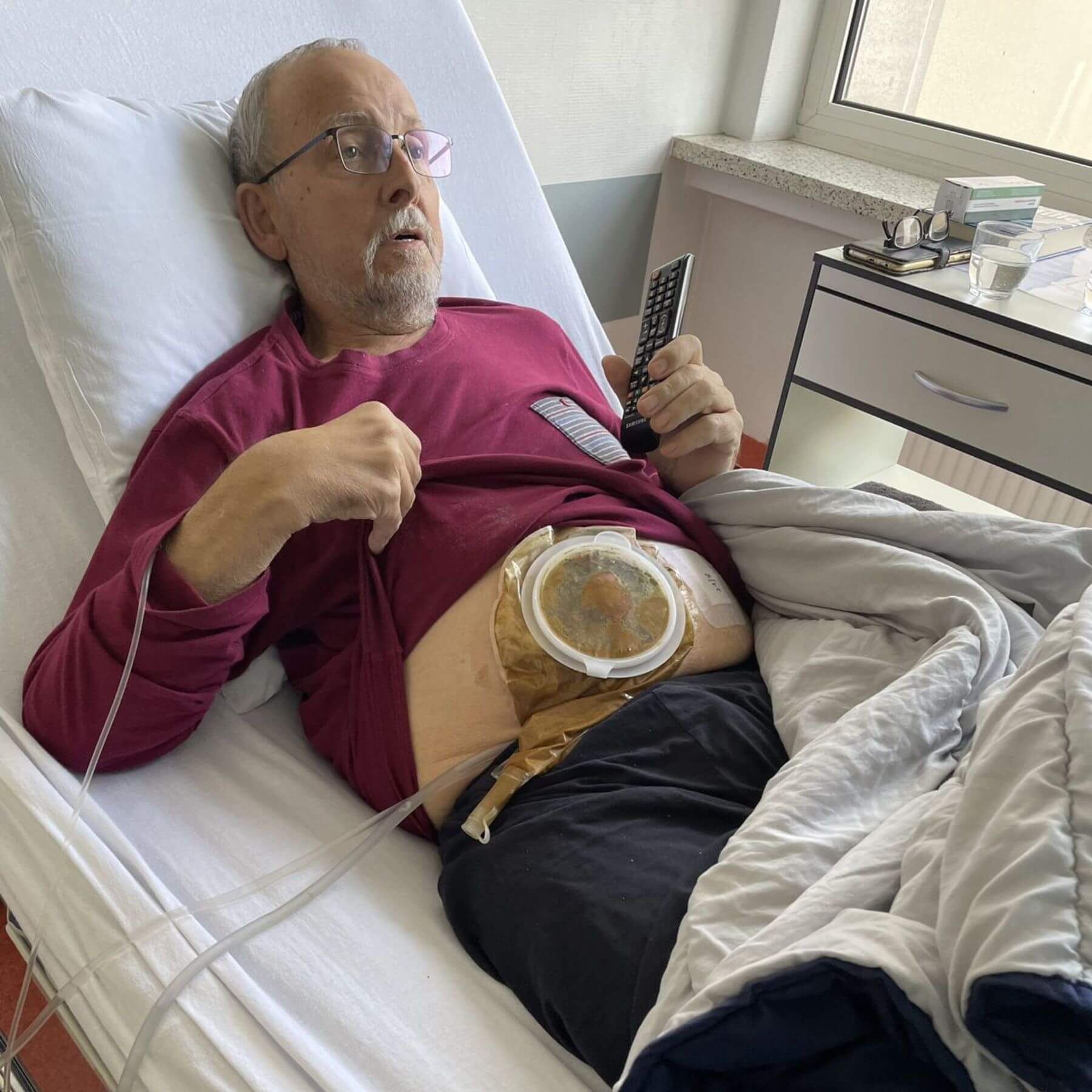
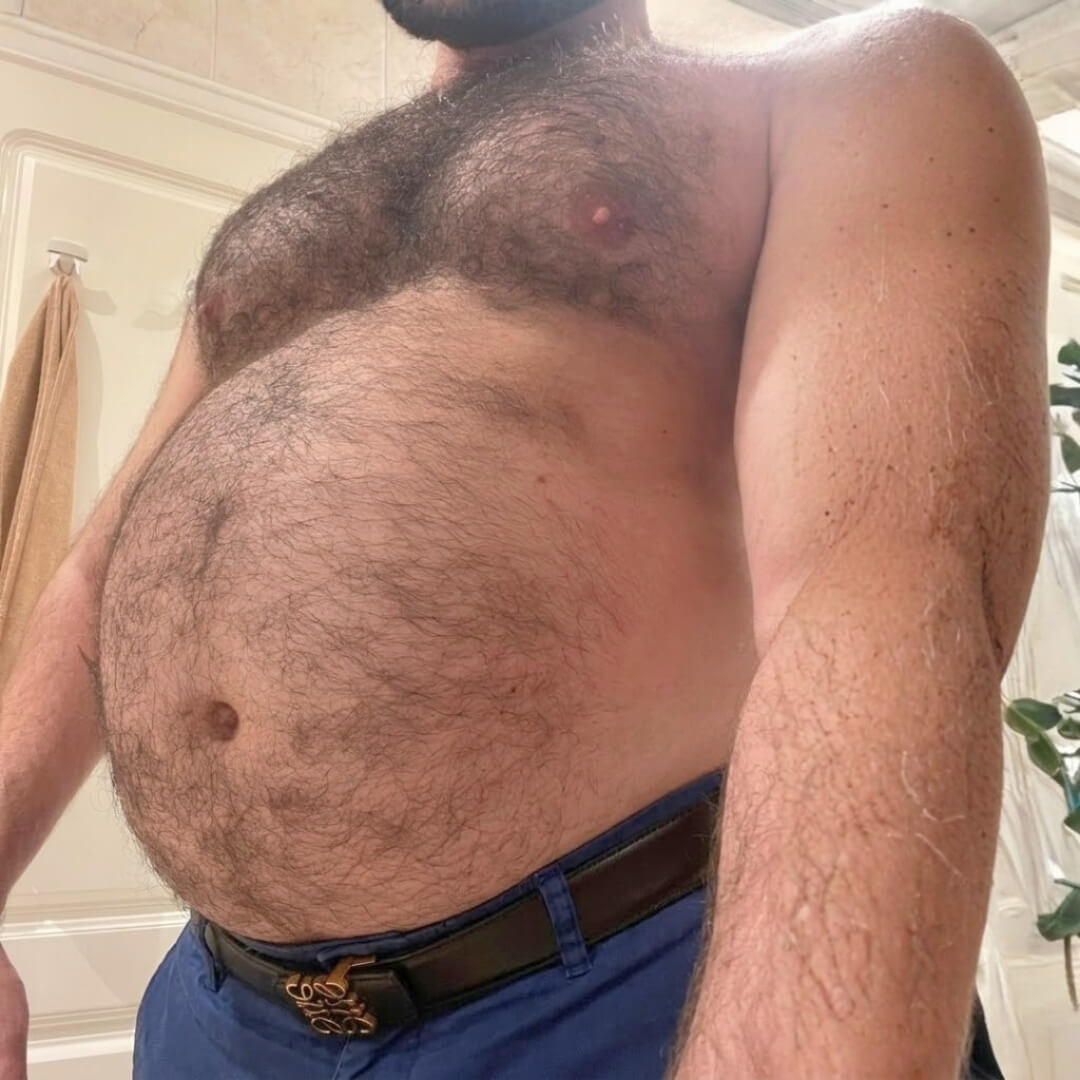
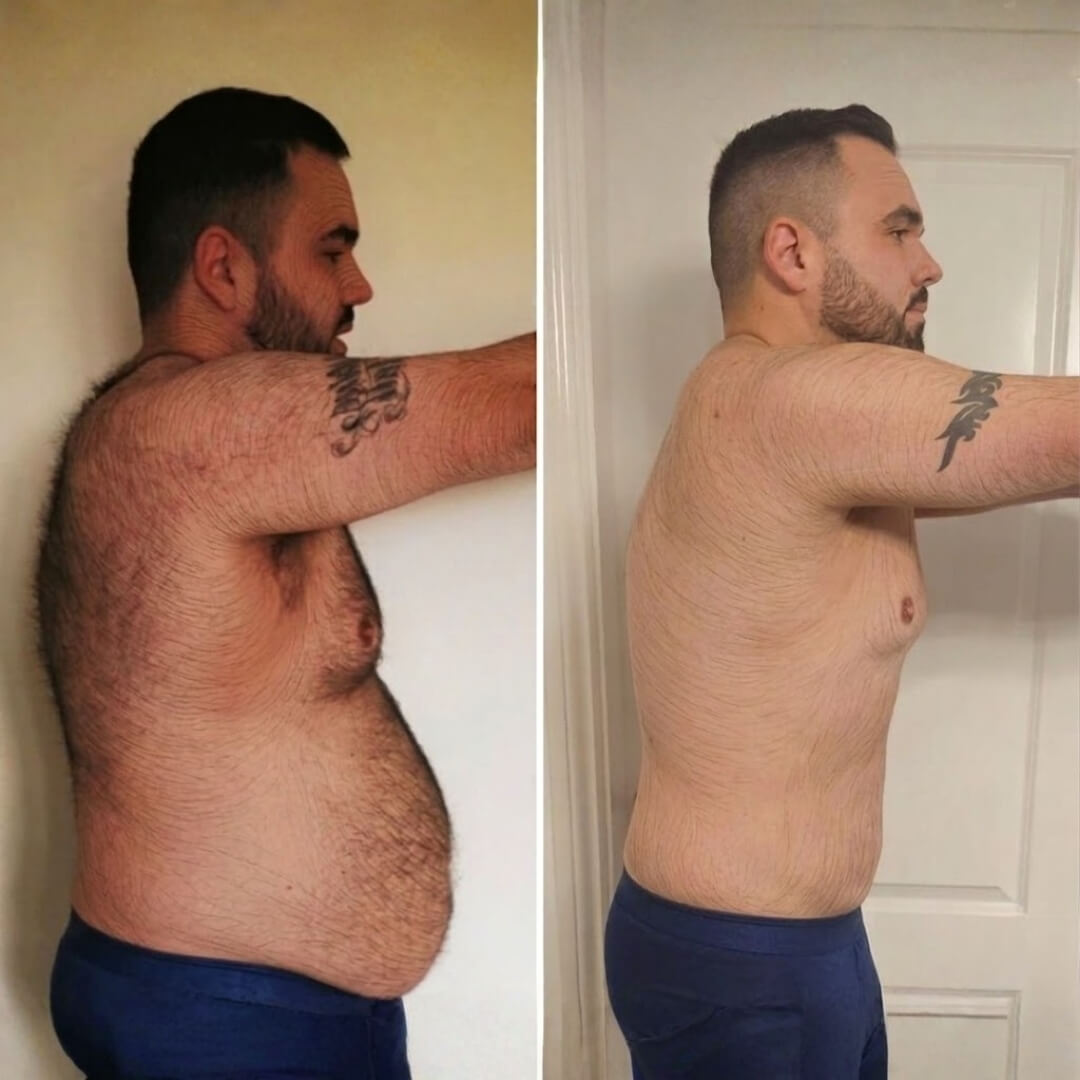
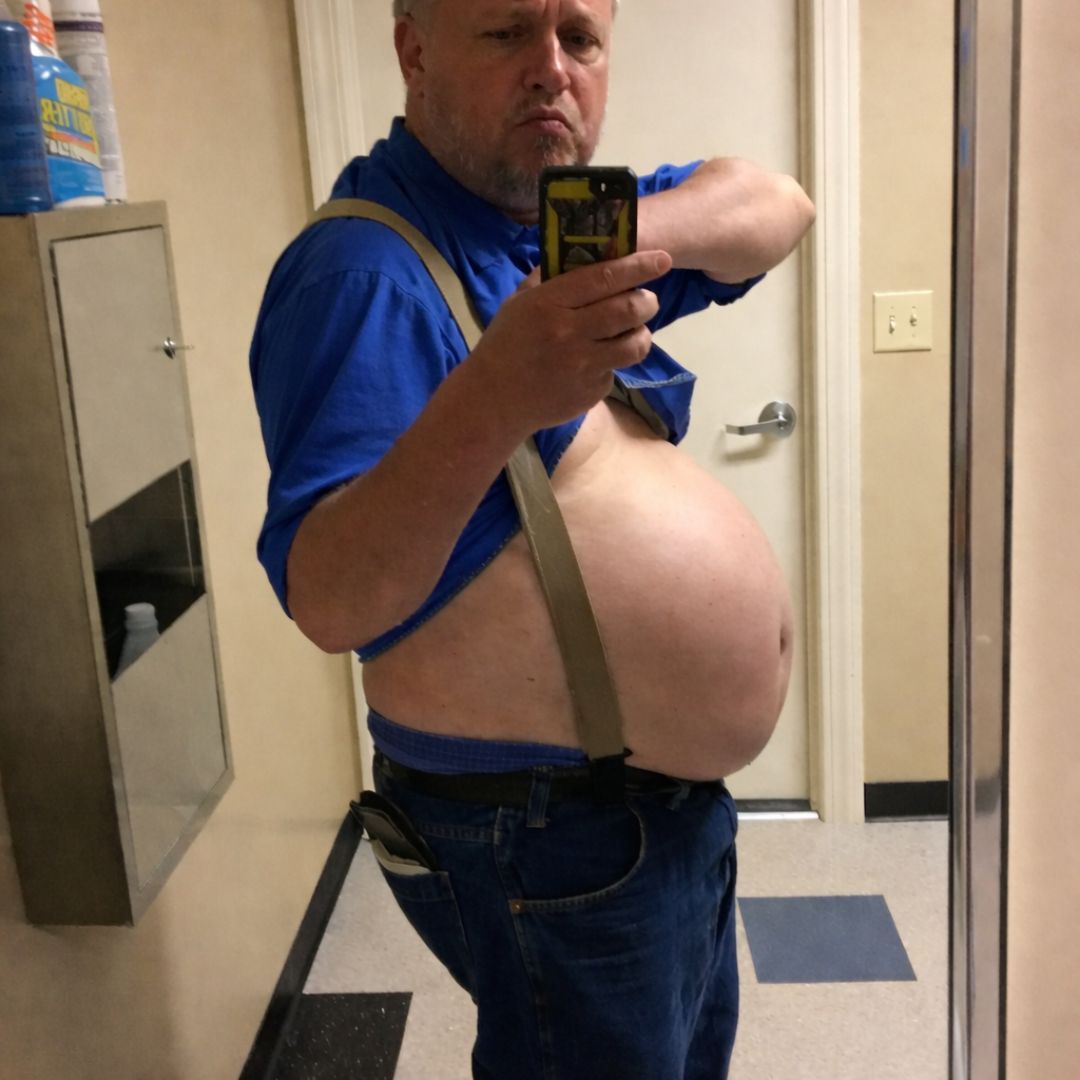
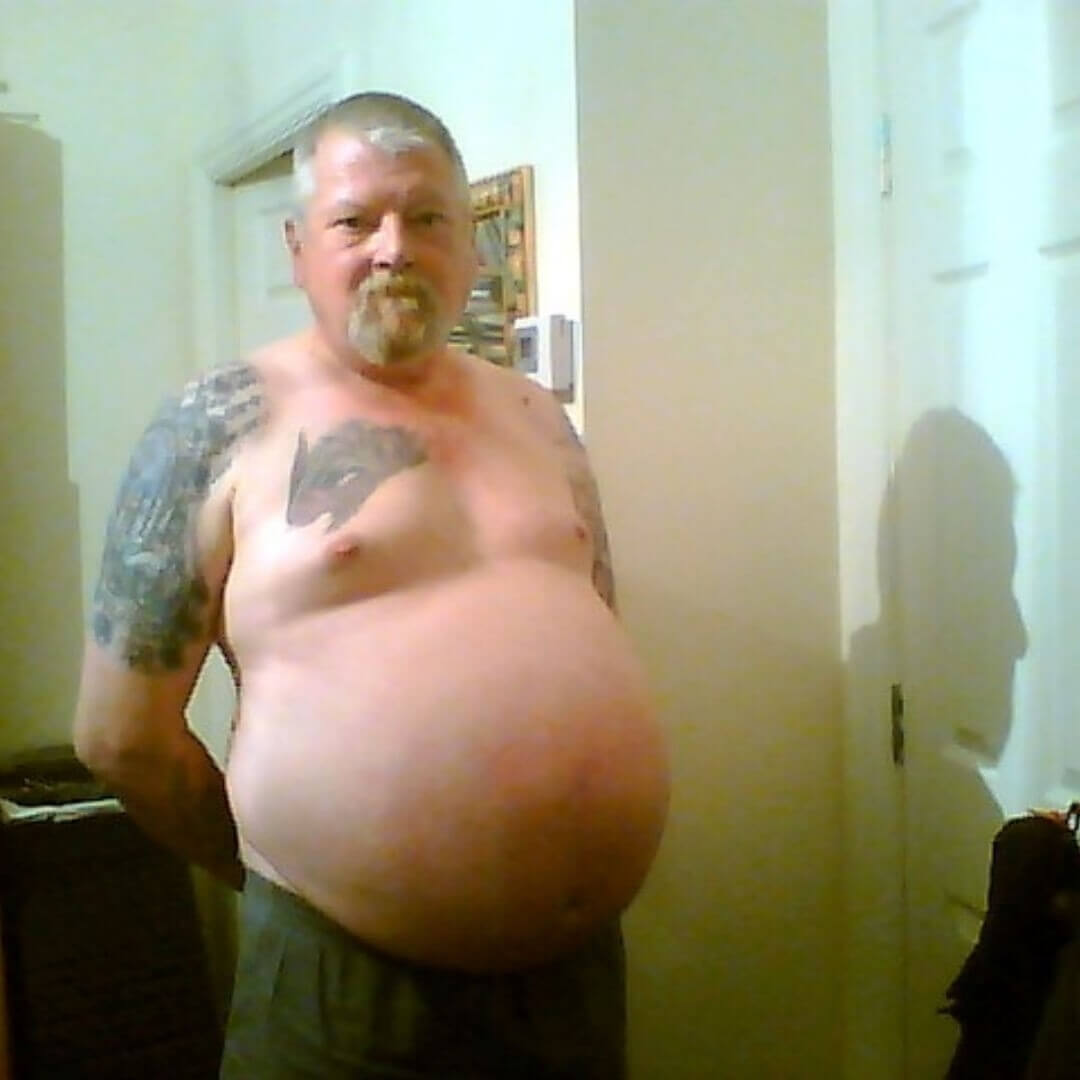
My wife came out as gay after 22 years of marriage and it nearly killed me. Literally. Hello, my name is James. I'm a 56-year-old father of two. And right here in this post, I'm going to share the most devastating conversation of my entire life... and what happened immediately after that almost ended my life. So let me start from the beginning. Throughout our 22 years together, my wife Karen and I always struggled with intimacy. I'm talking about going months without being close, without that physical connection that married couples are supposed to have. And honestly, I always blamed myself. I thought maybe I wasn't attractive enough anymore, or maybe I'd let myself go after the kids were born. This gut that kept getting harder and rounder every year while the rest of me disappeared — arms thinner, legs thinner, chest soft. I looked like a different man than the one she married. Every time I'd bring it up, Karen would just brush it off with "It's not that, James. I'm just stressed with the kids" or "I'm tired, that's all." But deep down, I never believed her. I'd catch myself staring in the bathroom mirror, looking at this body I didn't recognize — this hard, distended belly pressing against every shirt I owned, arms that used to fill out sleeves now looking thin and soft — and I was convinced that's why my own wife didn't want to touch me anymore. And on top of all that, for the last several years my body had been falling apart in ways I couldn't explain. My energy was gone by mid-afternoon. My brain felt like it was running through wet concrete. My motivation, my drive, the edge that defined me for twenty years — vanished. Some days I felt like I was dragging a second body around just to get through the front door after work. I'd mention it to my doctor and always get the same answer: "It's just age, James. Welcome to your fifties." He'd tell me to eat less and exercise more and send me on my way. I tried keto because my buddy Steve swore by it. I tried intermittent fasting. I tried testosterone boosters — ashwagandha, tribulus, fenugreek — pills the size of horse tablets. Nothing made much difference. The belly stayed hard. The energy stayed gone. But I figured — this is just life now. You get older, things stop working, your wife doesn't want you. You deal with it. But after 22 years of marriage, nothing could've prepared me for the real reason why my wife always struggled with intimacy. It was a random Tuesday evening in October. I was downstairs watching football, feet up on the couch with a beer, when Karen came down the stairs with this look on her face I'd never seen before. Her face was pale, her hands were shaking, and she stood there in the doorway for what felt like forever before she finally spoke. She told me we needed to talk. The way she said it made my stomach drop. I muted the TV and sat up straight, my heart already pounding in my chest. I asked her what was going on. She sat down on the chair across from me, but she couldn't look me in the eye. She told me she didn't think she could do this anymore. I asked what she meant. She said our marriage. That it wasn't working for her anymore. That it had never worked, and the only reason she stayed was to try to have a normal life... but there's nothing normal about living a lie. At that moment, I had no idea what she was talking about. Was there another man? Did she fall out of love with me? Was it really about my gut after all? My mind was racing through every possibility, but nothing could've prepared me for what came next. I asked her what the hell she was talking about, my voice shaking. Karen finally looked up at me, tears streaming down her face. She told me she was gay. Time stopped. I remember just sitting there, staring at her, trying to process what I'd just heard. Suddenly, 22 years of our marriage started flashing through my mind like a movie. The lack of intimacy. The excuses. The way she'd turn away when I tried to be close to her. It wasn't about me at all. It had never been about me. My gut, my disappearing arms, the way I looked in the mirror — none of it mattered. She hadn't been pulling away because I'd let myself go. She'd been pulling away because she was never attracted to men in the first place. And then, as that realization hit me, something else happened. Something physical. Sharp, crushing pressure suddenly exploded in my chest. It felt like someone had clamped a vice around my ribcage and was cranking it tighter with every breath. I grabbed my chest with one hand, gasping. Karen's eyes went wide with panic. She asked if I was okay. I tried to speak. I tried to tell her something was wrong. But no words would come out. My vision started to tunnel. The living room began to blur around the edges. I could hear Karen, shouting my name. "James! James! What's happening?!" Her voice sounded distant, like she was underwater. Then everything suddenly went pitch black. The next thing I know, I'm waking up in a hospital bed, completely disoriented. Bright white lights above me. Beeping machines all around me. Wires and tubes connected to my arms. Karen was sitting in a chair next to my bed, her face red and swollen from crying. I had no idea where I was or how I got there. Karen noticed I was awake and immediately jumped up, calling for the doctor. A few minutes later, a man in a white coat walked in. He introduced himself as Dr. Michael Rylan, an endocrinologist and metabolic specialist. I looked at him, confused and terrified, and asked him what happened. Why was I in the hospital? What was going on? Dr. Rylan pulled up a chair next to my bed and explained, very calmly, that I had been unconscious for the last 36 hours. Apparently, I had collapsed in my living room. My heart rate had spiked dangerously high, my blood pressure had crashed, and my body essentially shut down from the combined shock. My wife called 911, and the paramedics got to me just in time. I stared at him in complete disbelief. And all I could think was "That couldn't be right." After all, I might be 56, but I'm not unhealthy. I don't smoke. I'm not a heavy drinker. I still try to stay active. How could this happen to me? Dr. Rylan looked at me with a heavy expression and said something I'll never forget. He told me that my body had been under severe metabolic stress for years. That the collapse wasn't just about the emotional shock — it was the final straw on a system that had been breaking down from the inside for a long time. I was shocked. How was that possible? Then the doctor explained that my wife had told him everything... she had to since this was a matter of life and death. Dr. Rylan went further to explain that the shock of hearing my wife come out as gay triggered the collapse. He warned me that if the paramedics had been fifteen minutes later, we would be having a very different conversation. He then went on to say that even if my wife hadn't come out as gay... the collapse would have happened to me anyway. It could have been triggered by pushing myself at the gym, or by mowing the lawn in the heat, or even just the stress of a bad day at work. My body was a ticking time bomb... and my wife coming out as gay just happened to be the thing that set it off. At this point I was still confused and disoriented. Because in my mind, I might be 56 years old, but aside from a gut I can't get rid of, I'm reasonably healthy. There's no way I should be collapsing in my own living room. Or so I thought. Because upon hearing me talk, Dr. Rylan then said that indeed, on the surface I might seem reasonably healthy. But I had one condition that had been silently destroying my body from the inside for years. And that condition was testosterone production starvation. I looked at him like he was speaking another language. Testosterone? I thought low testosterone was just about sex drive. Something you see on late-night TV ads for pills. My belly was the problem — not my hormones. He asked if he could explain. I nodded. He asked me how long I'd been dealing with a hard, distended belly, shrinking limbs, fatigue, and brain fog. I told him years. He nodded slowly, like he'd heard this answer a hundred times before. Then he told me to bear with him, because what he was about to explain is something most doctors never tell their patients. He said: "James, every single week I see men in their 40s, 50s, and 60s come into this hospital with collapsing health — cardiovascular stress, metabolic breakdown, muscle wasting. And the vast majority of them have one thing in common: years of unchecked testosterone production starvation." He explained that testosterone isn't just about sex drive or building muscle in your twenties. It's the master hormone that controls where your body stores fat, where it builds muscle, how it produces energy, and how it protects your cardiovascular system. When testosterone is healthy, your body builds muscle and burns visceral belly fat. The signal is clear: store energy in muscle, burn fat from the midsection. Everything stays balanced. But for most men over 40, testosterone production starts to stall. And when it does, the signal reverses. Your body stops building muscle and starts cannibalizing it — pulling it from your arms, your legs, your chest, anywhere it can find it. And simultaneously, it starts packing fat into your gut. Hard. Round. Distended. Like something is inflating you from the inside. Because these changes happen gradually rather than overnight, most men don't realize what's happening until they've been living with a gut that won't respond to anything for years. Your body gets stuck in fat-storage mode. And THAT, Dr. Rylan explained, is where everything — my belly, my collapsing energy, my flat mood, my shrinking frame — began. He said that when testosterone production stalls for years, two specific things happen to a man's body that are devastating. The first thing is that your body runs a fat-storage program that no diet can override. He explained it to me like this: When testosterone drops below a critical threshold and stays there for months and years, your body interprets the absence of that hormone as a signal to prepare for scarcity. It shifts into storage mode — packing visceral fat into the abdominal cavity, wrapping it around your organs, hardening your belly from the inside out. This isn't subcutaneous fat — the soft kind you can pinch. This is visceral fat — deep, hard, metabolically active tissue that sits behind the abdominal wall. And here's why dieting can't fix it: visceral fat driven by low testosterone is a hormonal program, not a calorie problem. You can cut every carb, count every calorie, fast until you're lightheaded — and your body will strip muscle from your arms and legs before it touches that visceral fat. Because without testosterone, your body has no signal to burn it. He looked at me and said: "Imagine trying to empty a bathtub that's being refilled from a pipe you can't see. You can bail water all day long. Scoop and scoop and scoop. But the tub never empties because the pipe keeps filling it back up. That pipe is the fat-storage signal running in the absence of testosterone. Until you turn off that pipe, no amount of bailing will ever empty the tub." And as the belly keeps growing, the body keeps cannibalizing muscle to feed the program. Arms shrink. Legs thin out. Chest goes soft. The man looks worse after losing weight — gaunt and sick everywhere except the one place he's trying to fix. Until one day, the metabolic stress simply overwhelms the system. And that's when you collapse. I sat there staring at him. Karen was gripping the armrest of her chair. Then he said there was a second problem. And this one was even more dangerous. He told me that testosterone production starvation doesn't just inflate your belly. It strips your body's ability to function. Here's what he explained: When testosterone drops and stays low for years, your body loses the hormonal signal that maintains muscle mass, regulates energy production, supports cardiovascular function, and drives the neurochemistry behind motivation, focus, and mood. Muscle wastes away — not because you're not training, but because without testosterone, your body cannot build new muscle tissue regardless of how much protein you eat or how hard you lift. The building signal is gone. This is called anabolic resistance. And in a man's body, anabolic resistance does something devastating. It turns a man who could outwork anyone into someone who can barely get through an afternoon. He used an analogy that hit me like a truck. He said: "Think of testosterone as the foreman on a construction site. When the foreman is there, the crew builds. Muscle gets laid down. Fat gets cleared. Energy stays high. Everything runs on schedule. But when the foreman disappears, the crew stops working. Nothing gets built. Waste piles up. The site falls apart. That's what's been happening inside your body for years." When testosterone is running the show, protein gets used to build and repair muscle. Energy gets directed to the brain and body. Fat gets burned from the midsection. No problem. But when testosterone production stalls — when the foreman disappears — protein passes through unused. Energy crashes by mid-afternoon. Fat packs into the belly. Muscle gets broken down for fuel. And over months and years, the body deteriorates from the inside out. Belly grows. Arms shrink. Energy collapses. Brain fogs over. Mood goes flat. Drive disappears. Dr. Rylan looked me in the eye and said: "James, that is what nearly killed you. Your body has been running without the hormone that holds everything together." He paused and let that sink in. Then he said softly: "This is why men in your age group are showing up in hospitals at rates we've never seen before. They're walking around with years of testosterone production starvation that's silently destroying their body composition, their cardiovascular health, their metabolic function. And most of them have no idea until they end up in a bed like this one." As he said that, it started to make sense. I told Dr. Rylan that my father had a gut so big he couldn't sit in a booth at a restaurant. Arms and legs disappeared while his belly kept growing for a decade. He died at 67. Everyone just said he ate too much or didn't exercise enough. Nobody ever said it was because his body had stopped producing the hormone that controls where fat goes. That's when he told me that almost no doctor connects the dots. They don't teach the testosterone-to-body-composition pathway properly in medical practice. The research exists. It's been published. But it's not being connected to clinical care. Men come in with a hard belly and get told to eat less. They come in with fatigue and get told to sleep more. They come in with shrinking muscles and get told to eat more protein. Nobody is looking UPSTREAM at the testosterone production starvation that's causing all of it. He told me the only reason he understood this connection was because he had seen too many men in their 40s, 50s, and 60s come into his hospital with bodies that were falling apart from the inside. And too many of them didn't make it. So he started doing his own research. He spent months going through scientific journals. Endocrine studies. Leydig cell research. Testosterone metabolism papers. And that's when he found the link between testosterone production starvation, visceral fat accumulation, muscle wasting, and metabolic collapse in men over 40. After hearing all that, I sat there in that hospital bed, completely overwhelmed. Karen grabbed my hand and squeezed it tight to comfort me. Despite everything she had just told me — despite the fact that our entire marriage had been a lie — she was still there. Still holding my hand. Still crying. All I could think was I had nearly died. And it was because of something that had been quietly building inside me for years. Something I was told was "just getting older." Something any doctor could have identified if they'd just looked. I asked Dr. Rylan what I needed to do. He pulled his chair closer and said there were two things that needed to happen simultaneously if I wanted to reverse what was happening to my body. He held up one finger. "First, you need to restore the raw material. Your Leydig cells — the cells in the testes that manufacture testosterone — need a specific building block to produce it: vitamin A. Real vitamin A. Retinol. Not the beta-carotene your body can barely convert after 40. Without this building block, the cells have the blueprint but nothing to build with. Production stays stalled. The fat-storage signal keeps running. The belly keeps growing." Then he held up a second finger. "Second, you need to restore the energy supply. Your Leydig cells are among the most energy-demanding cells in your body. They're packed with mitochondria. And they need CoQ10 to power those mitochondria — it's the electricity that runs the production line. Without CoQ10, the factory has the blueprint AND the building material, but no power to actually produce anything. The machinery just sits there, idle." Then he said the part that changed everything for me. "James, you need BOTH. One without the other doesn't work." I asked him what he meant. He explained it with an analogy I will never forget. "Imagine a factory with a production line. The factory has everything it needs to build the product — the blueprints, the workers, the machinery. But two things are missing. There's no raw material on the loading dock. And there's no electricity running to the building. If you deliver raw material but don't turn the power on — nothing gets built. The material just sits on the dock. The machinery is dark. If you turn the power on but don't deliver raw material — the machines spin, the lights are on, but nothing comes off the line. The factory burns energy producing nothing. You need material on the dock AND power to the building. At the same time." He said: "The raw material is vitamin A. It's what the Leydig cells need to build testosterone. The electricity is CoQ10. It's what powers the mitochondria to run the production line. Deliver vitamin A without CoQ10 — the building block is there but the factory has no power. Nothing gets produced. Deliver CoQ10 without vitamin A — the factory has power but nothing to build with. The engine runs but nothing comes off the line." I understood immediately. He said both inputs needed to be restored at once. And he told me there are two specific foods that deliver them in the most concentrated, bioavailable form the human body can use. I asked him what they were. He said: "Beef liver and beef heart." I almost laughed. Organ meat? Seriously? He told me he gets that reaction every time. But then he explained why, and it made complete sense. He said beef liver and beef heart each deliver one of the two critical inputs the Leydig cells need to restart testosterone production. The first is beef liver. Beef liver is the richest natural source of bioavailable vitamin A in the human diet. Not beta-carotene — the plant form that your body has to convert, and does so poorly, especially after 40. Actual retinol. The form the body uses immediately. When you restore vitamin A from beef liver, the Leydig cells have their building block back. The raw material is on the dock. The blueprint can finally be built. Dr. Rylan said: "That's the RAW MATERIAL delivered." The second is beef heart. Beef heart is the richest natural source of CoQ10 on earth — up to 10 times more than any other food. CoQ10 powers the mitochondria inside the Leydig cells. It's the electricity that runs the factory. And because it's naturally occurring in whole food, the body absorbs it efficiently — unlike synthetic CoQ10 in supplement capsules that the gut can barely process. When you restore CoQ10 from beef heart, the factory has power. The machinery turns on. The production line can actually run. Dr. Rylan said: "That's the ELECTRICITY restored." He leaned back and said: "Vitamin A from beef liver puts the raw material on the dock. CoQ10 from beef heart turns the power on. Together, the factory restarts. From two foods that have been part of the human diet for thousands of years." I asked him why nobody talks about this. Why isn't every doctor telling men with a hard belly to restore these two nutrients? He sighed and said this is where it gets frustrating. He explained that the system's approach to a man with a growing gut and declining testosterone is to manage the decline — not reverse it. The first thing they'll prescribe is a diet. Cut calories. Eat less. Move more. And yes, you'll lose weight. Quickly. But dieting burns calories from a body that's running a hormonal fat-storage program. It strips muscle from your already-thinning arms and legs while the belly stays or grows. You look worse after losing weight — gaunt and sick everywhere except the midsection. Because dieting can't restart testosterone production. It bails water while the pipe keeps filling the tub. He said men are told to diet harder, and they do, and they lose muscle and keep the gut, so they think they need even MORE discipline. Meanwhile, the real problem — the stalled factory — is never addressed. Then I asked about GLP-1 drugs. Ozempic. My own doctor had pushed it. Dr. Rylan nodded. He said GLP-1 drugs suppress appetite and force calorie burning. But they burn from a body that isn't producing the hormone it needs to build muscle and burn belly fat. You lose weight everywhere — including the muscle you can't afford to lose — while the fat-storage program keeps running underneath. He said: "GLP-1 can shrink you. But it can't restart the factory. The moment you stop paying $1,000 a month, it all comes back. Because the production line never restarted." What about TRT? Testosterone replacement therapy? I'd seen the clinics everywhere. He said TRT injects the finished product — testosterone — from outside. And the body responds by shutting down the Leydig cells entirely. The factory closes. Permanently. He said: "TRT doesn't restart production. It replaces it. And creates lifetime dependency at $300 a month. That's not treatment. That's a subscription." What about testosterone boosters? I'd taken ashwagandha and tribulus for months before the collapse. Dr. Rylan nodded. He said those supplements try to stimulate the Leydig cells to produce more. But if the raw materials aren't there — if there's no vitamin A and no CoQ10 — stimulation produces nothing. He said: "It's like pressing the gas pedal in a car with no fuel. The engine revs. Nothing happens." He looked at me and said: "James, the factory didn't break. It didn't age out. It ran out of the two things it needs to run. And none of those approaches give the factory what it actually needs. They either bail water from a tub that's still filling, replace the output and kill the factory, or rev an engine with no fuel." That's why he recommends beef liver and beef heart. But then he held up a finger and said there's a problem. He said most supplements claiming to deliver these nutrients are essentially useless. I asked why. He explained three issues. First: synthetic forms. He said most vitamin A supplements use beta-carotene — the plant precursor the body has to convert into retinol. After 40, that conversion becomes increasingly inefficient. You're swallowing a pill your body can barely use. And most CoQ10 supplements are synthetic — poorly absorbed by the gut. That gives you only a TRACE of the solution. The factory gets a trickle of material and a flicker of power. Not enough to restart anything. Second: dosage. He said even the supplements that use real organ-derived nutrients contain token amounts — just enough to put it on the label. Not enough to meaningfully restore what's been depleted over years. The Leydig cells need concentrated, sustained input to restart a production line that's been idle. He said: "It's like trying to restart a dead car battery with a AA battery. Technically the right idea. Completely inadequate execution." Third: sourcing. He said the quality of the nutrients depends entirely on the quality of the animal. Factory-farmed cattle — raised in pens, fed GMO grains, injected with antibiotics — produce nutrient-depleted organs. The vitamin A in a factory-farmed liver is a fraction of what a healthy animal produces. The CoQ10 is similarly depleted. He said: "You're eating organs from sick animals and expecting them to make you healthy. It doesn't work that way." I asked him what I should take. He told me there's one product he's found that gets all three things right. Real beef liver and real beef heart — not synthetic substitutes. From regeneratively farmed, pasture-raised cattle — so the nutrient density is what it should be. Concentrated at meaningful doses — not token amounts sprinkled in for the label. He said a Utah State study confirmed regeneratively farmed beef contains 4 times more total nutrients than conventional — not a marginal difference, but a different category of food entirely. He said he recommends it to his patients. He's seen what happens when the factory gets the right fuel from the right source. Then he wrote the name on a piece of paper and handed it to my wife and told her to order it for me as soon as I was discharged from the hospital. It's called Morning Rise. Concentrated beef liver and beef heart from regeneratively farmed cattle. He said it's not something you'll find in a GNC or a pharmacy. She would have to order it online. But he told me this is essential for any man over 40 dealing with a hard belly, shrinking limbs, collapsed energy, and flat mood who wants to address the root cause — not just manage the symptoms. He could prescribe medications to manage individual symptoms, but unless I addressed the root cause — the testosterone production starvation that was silently destroying my body from the inside — it would happen again. And next time, I might not be so lucky. The next day, I was discharged from the hospital, so Karen ordered a supply of Morning Rise for me. It arrived just a few days later, with instructions to take the capsules once daily. I started that morning. And here's what happened: Day 7: I started taking Morning Rise every morning. Easy to swallow, no gut issues — which I always got with those horse-pill testosterone boosters. Nothing dramatic happened in the belly that first week, but something else did. I got through the afternoon without dragging. The fatigue that had been my baseline for years was lighter. I had energy after dinner instead of sinking into the couch. Like something started working that had been stuck. Dr. Rylan said to give it time. The factory needs to warm up. The Leydig cells need sustained input before production restarts. So I took it every morning without fail. Day 14: Something shifted. Not the belly yet, but the rest of me. My face had color. My eyes were sharper. The flat, muted look that had become my default for years was clearing. I felt a flicker of something I hadn't felt in ages — edge. Drive. The brain fog that had been like thinking through wet concrete was lifting. I stood in the bathroom mirror and paused. Because that hadn't happened on any diet I'd ever tried. Day 30: My wife said something. Not "are you dieting?" Just: "You look different." That was the moment. Because she'd watched me try everything for years and never once said those words. And the belly — the hardness was starting to soften. Pants fit slightly better. The distended look was dialing back. My body was finally responding to the training that had been doing nothing for years — because the factory was running again and the fat-storage signal was reversing. I went back to see Dr. Rylan for a follow-up. He ran bloodwork. My testosterone levels had climbed significantly. He smiled — genuinely smiled — for the first time since I'd met him and told me the factory was producing again. Day 60: I tucked in a shirt. Without thinking about it. Grabbed my belt, buckled it, tucked my shirt in, and walked out the door. Halfway to the car I realized what I'd done. I hadn't tucked in a shirt in three years. Muscle was coming back in my arms and chest. The belly pulling in. Not because I'd found a better diet. Because the hormone that controls where fat goes and where muscle stays was being produced again. I went to my buddy's cookout that weekend. Stood by the grill. Had my beers. Didn't think about my gut once. Karen was there too — she'd come with her new partner, actually. And she stood in the yard and stared. Not at the man she'd been married to. At the man she remembered. The fact is, I nearly died. But I got a chance to address the testosterone production starvation that was silently destroying me from the inside. I'm much better now, although I am now going through a divorce with my wife Karen, but luckily it's an amicable one. In fact, I'm doing my best to support her as she moves into this new phase of her life. She's moved out of the house but we still talk every day and she sends me updates on how she's doing. I won't lie, part of me resents her for this, but at the same time, I just want her to be happy. That aside, I'm telling you this story so you can save yourself too... before it's too late. Because most men over 40 don't know they're walking around with a ticking time bomb — years of testosterone production starvation silently inflating their belly, stripping their muscle, and driving their body toward collapse while every doctor tells them to "just eat less and exercise more." And some men who do know might be taking testosterone boosters or going on extreme diets, thinking they're handling it — but they're either revving an engine with no fuel or bailing water from a tub that's still filling. Why am I telling you this story? Because I don't want another man to collapse at a cookout, at the gym, or in his own living room while his body quietly falls apart from the inside. I don't want another family to lose a father, a husband, a brother, an uncle because testosterone production starvation was never properly identified. I don't want another man to be told "just eat less and exercise more" while a stalled factory starves his body of the one hormone holding everything together. This damn near killed me. So if you're a man over 40 and you've been dealing with a hard belly that won't budge, shrinking arms and legs, collapsed energy, brain fog, flat mood, or any of the symptoms I described — you need to hear this: You may be at risk right now. That belly you've been attacking with diets and gym sessions and "just pushing through"? It's not a calorie problem. It's your body running a fat-storage program because the factory that produces testosterone has run out of the two raw materials it needs to run. You might not feel how serious it is yet. I didn't either. Until I woke up in a hospital bed. According to Dr. Rylan, the most effective way to reverse this is to address both sides of the production line simultaneously — restore the raw material AND restore the energy supply. And as far as he's concerned, the most effective natural way to do that is concentrated beef liver and beef heart from regeneratively farmed cattle. That means Morning Rise. Now here's the thing. If you were to buy a separate vitamin A supplement, a separate CoQ10 supplement, a testosterone booster, and a quality protein powder — and still not restart the actual production line — you'd be spending upwards of $150 a month. And you'd be swallowing a handful of synthetic pills every day, hoping they work together the way research says they should. Morning Rise puts both critical inputs into one daily dose. Beef liver for the vitamin A. Beef heart for the CoQ10. Both from regeneratively farmed cattle with verified nutrient superiority — 4x more total nutrients than conventional, confirmed by a Utah State study. A single supply costs less than what most men spend on testosterone boosters and protein powders that can't restart the factory. But right now, for men reading this post, Morning Rise is offering a special introductory price that makes it even more accessible. I'm not going to pretend I negotiated some deal. The truth is, after I shared my story with the Morning Rise team, they wanted to make it as easy as possible for men dealing with testosterone production starvation to try it. So they've set up a special link where you can get Morning Rise at a significant discount from the regular price. And because they know that if you're dealing with a belly that won't go down, there's a good chance your brother, your father, or a close friend is dealing with it too — they're including bundle pricing that lets you stock up and share. Click here to check the current pricing and availability I know they sell out regularly — regeneratively farmed beef organs at this quality level aren't mass-produced — so I'd encourage you to check while it's still in stock. And here's what makes this a no-brainer. Morning Rise offers a full 90-day money-back guarantee. That means you can try it for 90 days. See if your belly starts softening. See if your energy comes back. See if the brain fog clears. See if you wake up with drive and edge you haven't felt in years. See if your body starts responding to training again. And if for any reason you don't feel a difference, they'll refund every penny. No questions asked. 90 days. That's three full months to decide if the factory restarts. There is zero risk. So don't wait until you collapse. Don't wait for a health scare. Don't wait until you're the one in a hospital bed, finding out that years of testosterone production starvation silently destroyed your body while every doctor told you to "just eat less and exercise more." Take control of your health now. Click the link below to check if Morning Rise still has supply in stock If they're in stock, grab a supply. You'll be glad you did. I wish I had known about this before I collapsed in my living room. Don't let what happened to me happen to you. https://wildacreharvest.com/try-morning-rise/
Beer Belly? It’s A Clogged Liver
LEARN MORELike this ad? Make it yours.
Crush rebuilds this exact creative around your product — your brand, your colors, your offer — in about a minute.